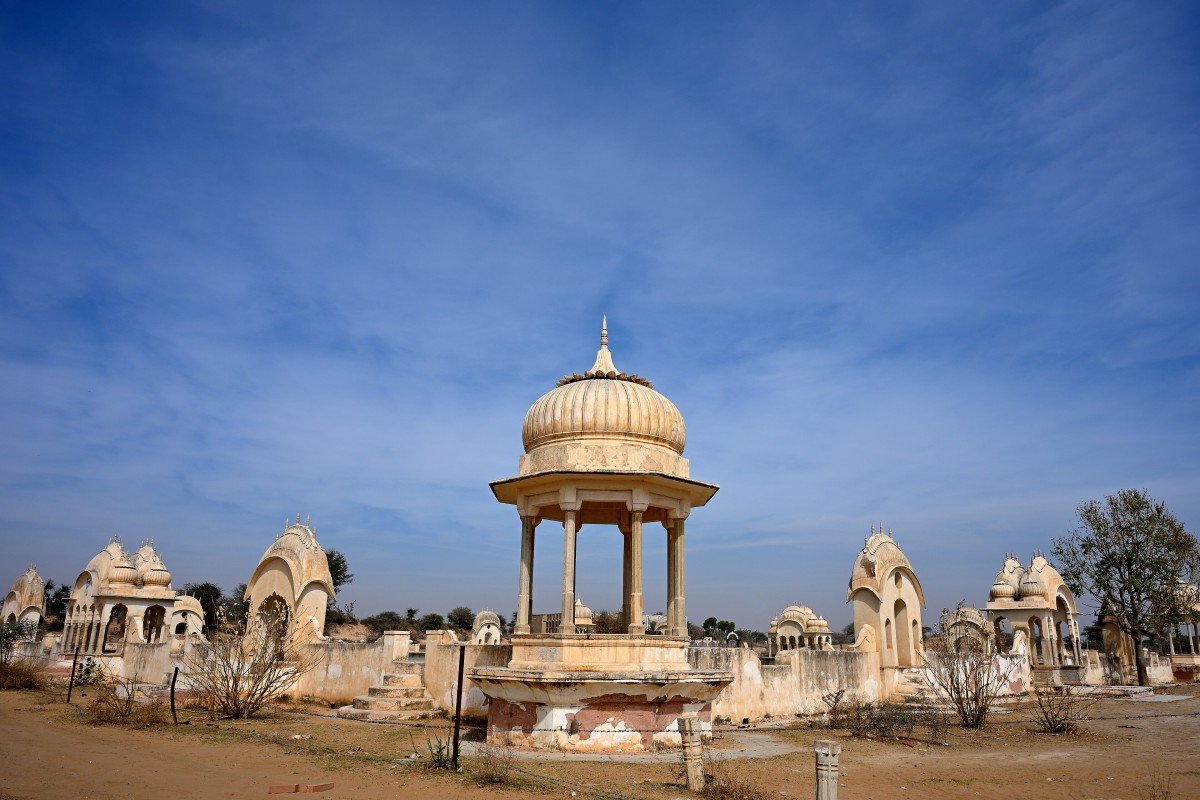


Shekhawati
General information
-
Ideal Duration:
3 DaysPlace Type:
Art & HistorySpecial Events:
Magnetic Fields Festival: Held in Alsisar Mahal, this is a popular contemporary music and arts festival. It attracts a young, global crowd and blends modern beats with heritage surroundings. The festival has put the region on the international map. ...Magnetic Fields Festival: Held in Alsisar Mahal, this is a popular contemporary music and arts festival. It attracts a young, global crowd and blends modern beats with heritage surroundings. The festival has put the region on the international map.Best Photo Spots:
Mandawa Main Street: The high concentration of painted havelis in one area provides a perfect street scene. The colors of the frescoes pop against the dusty roads.
Haveli Courtyards: The inner courtyards of well-preserved mansions offer a g...Mandawa Main Street: The high concentration of painted havelis in one area provides a perfect street scene. The colors of the frescoes pop against the dusty roads.
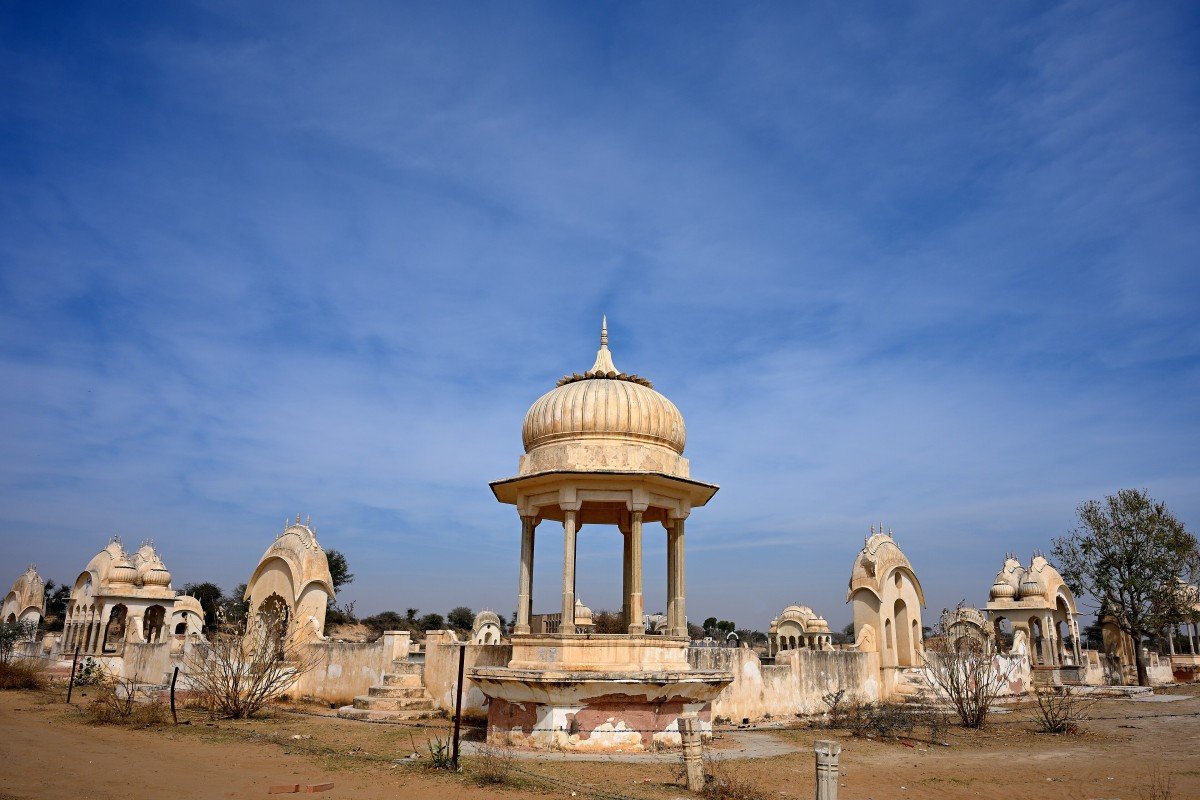
Haveli Courtyards: The inner courtyards of well-preserved mansions offer a glimpse into the private life of the merchants. The symmetry and art are very photogenic.Photo Gallery

Things To Do
 The Aath Haveli Complex is a magnificent group of eight havelis situated in the historic town of Nawalgarh. Founded by the descendants of the legendary Thakur Nawal Singh, these mansions were built by wealthy merchant families to display their immense prosperity during the 18th and 19th centuries. The complex serves as a living chronicle of the transition from traditional Indian life to the era of British influence. Visitors can spend hours wandering through the interconnected courtyards, each revealing layers of social history and artistic evolution. The vibrant frescoes here are remarkably well-preserved, featuring a blend of mythological stories and modern inventions of that time, such as steam engines and ships. This site is a cornerstone of the Shekhawati circuit, offering a deep dive into the "Open Air Art Gallery" of Rajasthan. Walking through these gateways feels like stepping into a time machine where the walls speak of ancient legends and colonial encounters.
@@ Mukundgarh is a quaint 18th-century town founded by Raja Mukund Singh in 1757. It is world-renowned for its magnificent fort and havelis that serve as prime examples of the Shekhawati art movement. The town functions as a massive craft center where local artisans still practice traditional wood carving and brass work. Visitors can wander through the narrow lanes to see the transition of art from mythological themes to British-era influences like trains and telephones. The town’s atmosphere is more laid-back than Mandawa, offering a raw and authentic experience of rural Rajasthan. It houses some of the largest havelis in the region, many of which retain their original luster and intricate detailing.
 The Seth Arjundas Goenka Haveli and Museum stands as a magnificent sentinel of the Marwari merchant era, having been meticulously restored to serve as a comprehensive museum of the 19th-century lifestyle. Built in 1875, this haveli was the ancestral home of the prominent Goenka family and took ten years to complete, reflecting the immense wealth and dedication of Seth Arjundas. Unlike many other havelis in the region that have fallen into decay, this structure was converted into a museum in the 1990s by the family to preserve their roots and the local history of Dundlod. The museum houses a vast collection of artifacts including traditional rath (chariots), bullock carts, antique Ayurvedic books, and a unique jhoola (swing) used for baby Krishna in the family pooja room. Visitors can walk through the various sections like the grain storage area, the workspace for family elders, and the residential quarters, all of which remain frozen in time. The walls are a canvas of history, featuring vibrant frescoes that depict both religious mythological scenes and the influence of the British Raj. This site serves as a vital cultural link for the younger generation to understand the socioeconomic fabric of Rajasthan during the era of the Silk Route trade. It is widely considered the only true "heritage museum" in the Shekhawati region, providing an immersive experience beyond just looking at wall paintings.
Mahansar is a quaint, quiet village founded in 1768 that holds some of the most spectacular treasures of the Shekhawati region. Often overlooked for bigger towns like Mandawa, this village is home to the "Sone Chandi Ki Dukan" (Gold and Silver Shop), a haveli whose interiors are literally dripping with liquid gold. The village was a thriving trade center until a catastrophic loss at sea bankrupted one of its leading merchant families, the Poddars. Today, it is a sleepy settlement where the past feels very present. Beyond the gold paintings, Mahansar is famous for its locally brewed heritage liquor, which follows secret recipes of the erstwhile royal family. The village atmosphere is incredibly authentic, with narrow sandy lanes, roaming peacocks, and elders sitting under ancient trees. Visiting Mahansar provides a glimpse into the "soul" of Shekhawati, where the grandeur of the 19th century is slowly being reclaimed by the desert. It is the perfect destination for those looking to escape the commercial tourist circuit and find a true hidden gem.
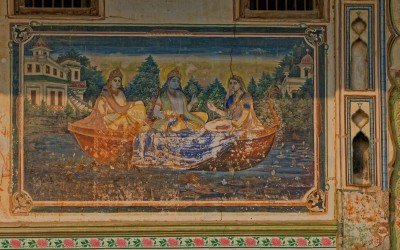
 @@ The Radhi Murlimanohar Temple, built in 1845, is a spiritual cornerstone of Jhunjhunu. Unlike the commercial havelis, this temple was built as a site of pure devotion dedicated to Lord Krishna and Radha. It is famous for its exterior and interior walls which are adorned with some of the most delicate and religiously significant frescoes in the Shekhawati region. The temple serves as a quiet retreat from the bustling city market, providing a space for meditation and prayer. The murals here often depict scenes from the 'Bhagavata Purana', showing Krishna’s childhood and his leelas with the Gopis. The preservation of the colors here is remarkable, with the vegetable dyes still appearing vivid after nearly two centuries of exposure to the elements.
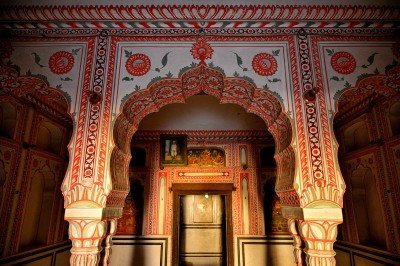 The Sone Chandi ki Dukan in Mahansar is widely considered the most spectacular "interior" in all of Shekhawati. Dating back to 1846, this was not a shop in the modern sense but a general trading post for silk, opium, and spices owned by the Poddar family. The name "Golden and Silver Shop" comes from the breathtaking use of real gold and silver leaf in the frescoes that cover every inch of the ceiling and walls. There are three vaulted ceilings here, each dedicated to a different set of stories: the Ramayana, the incarnations of Lord Vishnu, and the life of Lord Krishna. The detail is so fine that even the jewelry on the painted gods is embossed with gold. The pigments used were all-natural, mixed with real gold dust to ensure that the paintings would shimmer under lamplight. Unlike other havelis where the art is on the outside, this "shop" hides its treasure within a modest exterior, creating a "wow" moment for every visitor who steps inside. It is a pinnacle of Marwari ostentation, designed to impress business partners and deities alike. The room has been preserved in its original state, and the lack of modern renovation has kept the "antique" soul of the place intact. It is a must-visit for anyone who wants to see the absolute highest quality of Shekhawati fresco art.
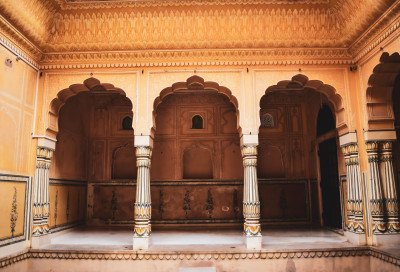 Perched on a high rocky cliff, Badalgarh Fort is a sentinel of the past, overlooking the bustling city of Jhunjhunu. Built in the 17th century by Nawab Fazl Khan, it served as a formidable defensive structure and a royal retreat for the Muslim rulers of the region. Unlike the highly decorated havelis, the fort represents a more rugged, military style of architecture that was essential for protection in the volatile desert landscape. Its name, which translates to "Cloud Fort," reflects its elevated position where it often seems to touch the sky. Although parts of the fort are now in ruins, it remains a powerful symbol of the Kaimkhani Nawab's legacy before the Shekhawat Rajputs took control. The climb to the top is rewarded with a 360-degree view of the city, showing a sea of roofs and the distant horizon of the Aravalli foothills. It is a quiet place for reflection, away from the typical tourist trails, offering a raw and unpolished look at the military history of the Shekhawati region.Show All
@@ Originally known as the Nand Lal Devra Haveli, this 1802 structure was rescued from ruin by French artist Nadine Le Prince in 1999. It stands as a pinnacle of restoration, where ancient Indian frescoes meet contemporary European art sensibilities. The centre serves not just as a museum but as a living laboratory for the preservation of the 'Arai' fresco technique. Each room in the haveli is a different experience, showcasing the wealth of the original merchant families through gold-leaf paintings and vibrant blue pigments. The transition from a decaying mansion to a vibrant cultural hub makes it a unique destination in Shekhawati. It is widely regarded as the most meticulously preserved haveli in the Fatehpur region, offering guided tours that explain the stories behind the murals.
Information
-
Why Famous:
Painted Walls: The region is famous for the vibrant frescoes that adorn its old mansions and forts. No other place in the world has such a high concentration of wall paintings. It serves as a visual record of the socio-economic history of India.
Read MorePainted Walls: The region is famous for the vibrant frescoes that adorn its old mansions and forts. No other place in the world has such a high concentration of wall paintings. It serves as a visual record of the socio-economic history of India.
Merchant History: The story of the Marwari merchants and their rise to wealth is told through these buildings. The havelis represent a golden era of trade and traditional Indian business families. It is a must-visit for those interested in heritage architecture.How To Reach:
By Air: Jaipur Airport is the nearest, located about 180 KMS from the center of the region. From Jaipur, you can hire a car for a multi-day tour of the towns.
By Train: Jhunjhunu and Sikar are well-connected by train to Jaipur and Delhi. S...By Air: Jaipur Airport is the nearest, located about 180 KMS from the center of the region. From Jaipur, you can hire a car for a multi-day tour of the towns.
By Train: Jhunjhunu and Sikar are well-connected by train to Jaipur and Delhi. Several express trains run daily, providing a comfortable and affordable option.
By Road: The region is accessible via well-maintained highways from Delhi and Jaipur. A road trip is the best way to explore the different towns at your own pace.
Local Transport: Walking is the best way to see the havelis in the narrow lanes. For traveling between towns, you can use local buses or hire a private car.Weather and Best Time to Visit:
Winter Season: October to March is the only recommended time for a visit. The weather is perfect for long walks through the streets and havelis.
Summer Season: April to June is harsh with scorching heat and dust storms. Most tourists avoid...Winter Season: October to March is the only recommended time for a visit. The weather is perfect for long walks through the streets and havelis.
Summer Season: April to June is harsh with scorching heat and dust storms. Most tourists avoid the region during these months due to the high temperatures.
Monsoon Season: July to September brings relief from the heat, and the frescoes look vibrant after the rain. It is a good time for a budget-friendly trip.
Daily Time: Morning hours from 8 AM to 11 AM are best for seeing the paintings without harsh shadows. The evenings are great for experiencing the local markets.Near Tourist Places:
1. Mandawa (0 KMS) 2. Nawalgarh (30 KMS) 3. Fatehpur (20 KMS) 4. Jhunjhunu (25 KMS) 5. Dundlod (35 KMS) 6. Alsisar (25 KMS) 7. Sikar (50 KMS) 8. Salasar Balaji (100 KMS) 9. Bikaner (190 KMS) 10. Jaipur (180 KMS)Tourism Tips
-
Carry a Torch: Many havelis have dark corners where the frescoes are hard to see. A small flashlight will help you appreciate the details in the interiors.
Hire a Local: Taking a local guide for a walking tour is beneficial. They know whic...Carry a Torch: Many havelis have dark corners where the frescoes are hard to see. A small flashlight will help you appreciate the details in the interiors.
Hire a Local: Taking a local guide for a walking tour is beneficial. They know which havelis are open and can share interesting local legends and history.
Footwear: Wear comfortable walking shoes as you will be doing a lot of walking on dusty and uneven streets. Avoid flip-flops for long heritage walks.
Cash is King: Most small towns in the region have limited ATMs. Carry enough cash for entry fees, shopping, and small meals at local eateries.
Reviews
FAQs
Shekhawati Itineray And Cost:-
Other Places In Rajasthan :-
Other States In India :-
Information about New and Updated Locations() of Rajasthan Has Been Added :-
Card subtitle
Note:-
Information provided here in good Faith and for reference only.
Near Places
Ajmer
Some quick example text to build on the card title and make up the bulk of the card's content.
Go somewhere
Alwar
Some quick example text to build on the card title and make up the bulk of the card's content.
Go somewhere
Bharatpur
Some quick example text to build on the card title and make up the bulk of the card's content.
Go somewhere
Bikaner
Some quick example text to build on the card title and make up the bulk of the card's content.
Go somewhere
Bundi
Some quick example text to build on the card title and make up the bulk of the card's content.
Go somewhere
Chittorgarh
Some quick example text to build on the card title and make up the bulk of the card's content.
Go somewhere
Churu
Some quick example text to build on the card title and make up the bulk of the card's content.
Go somewhere
Dausa
Some quick example text to build on the card title and make up the bulk of the card's content.
Go somewhere
Dholpur
Some quick example text to build on the card title and make up the bulk of the card's content.
Go somewhere
Dundlod
Some quick example text to build on the card title and make up the bulk of the card's content.
Go somewhere
Fatehpur
Some quick example text to build on the card title and make up the bulk of the card's content.
Go somewhere
Hanumangarh
Some quick example text to build on the card title and make up the bulk of the card's content.
Go somewhere
Jaipur
Some quick example text to build on the card title and make up the bulk of the card's content.
Go somewhere
Jaisalmer
Some quick example text to build on the card title and make up the bulk of the card's content.
Go somewhere
Jhalawar
Some quick example text to build on the card title and make up the bulk of the card's content.
Go somewhere
Jhunjhunu
Some quick example text to build on the card title and make up the bulk of the card's content.
Go somewherein Other Cities