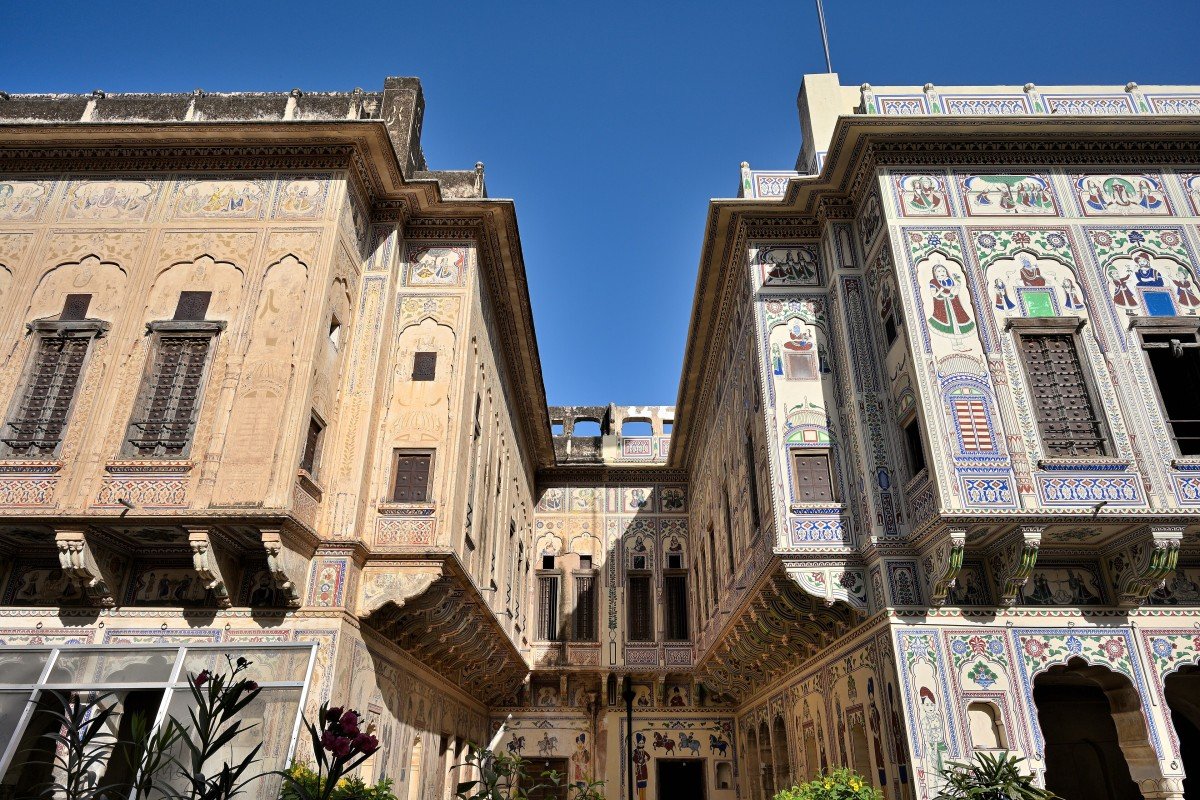

Mandawa
General information
-
Ideal Duration:
1 to 2 DaysPlace Type:
Heritage TownSpecial Events:
Desert Festival: This event showcases the local folk arts and crafts with various competitions and cultural shows. It is a great time to see the town at its most vibrant.
Gangaur Festival: Celebrated with great pomp by the women of the town...Desert Festival: This event showcases the local folk arts and crafts with various competitions and cultural shows. It is a great time to see the town at its most vibrant.
Gangaur Festival: Celebrated with great pomp by the women of the town, featuring colorful processions and traditional songs. It happens shortly after the Holi festival.Best Photo Spots:
Castle Mandawa: The rooftop of the fort offers a 360-degree view of the entire town and its many havelis. It is the best place for panoramic landscape shots.
Jhunjhunwala Haveli: The gold-painted room inside this haveli is a masterpiece of ...Castle Mandawa: The rooftop of the fort offers a 360-degree view of the entire town and its many havelis. It is the best place for panoramic landscape shots.
Jhunjhunwala Haveli: The gold-painted room inside this haveli is a masterpiece of light and color. It requires a tripod and long exposure for the best results.
Street Scenes: The narrow blue and yellow lanes with local people in traditional attire offer great candid photography. The morning light is perfect for these shots.Photo Gallery

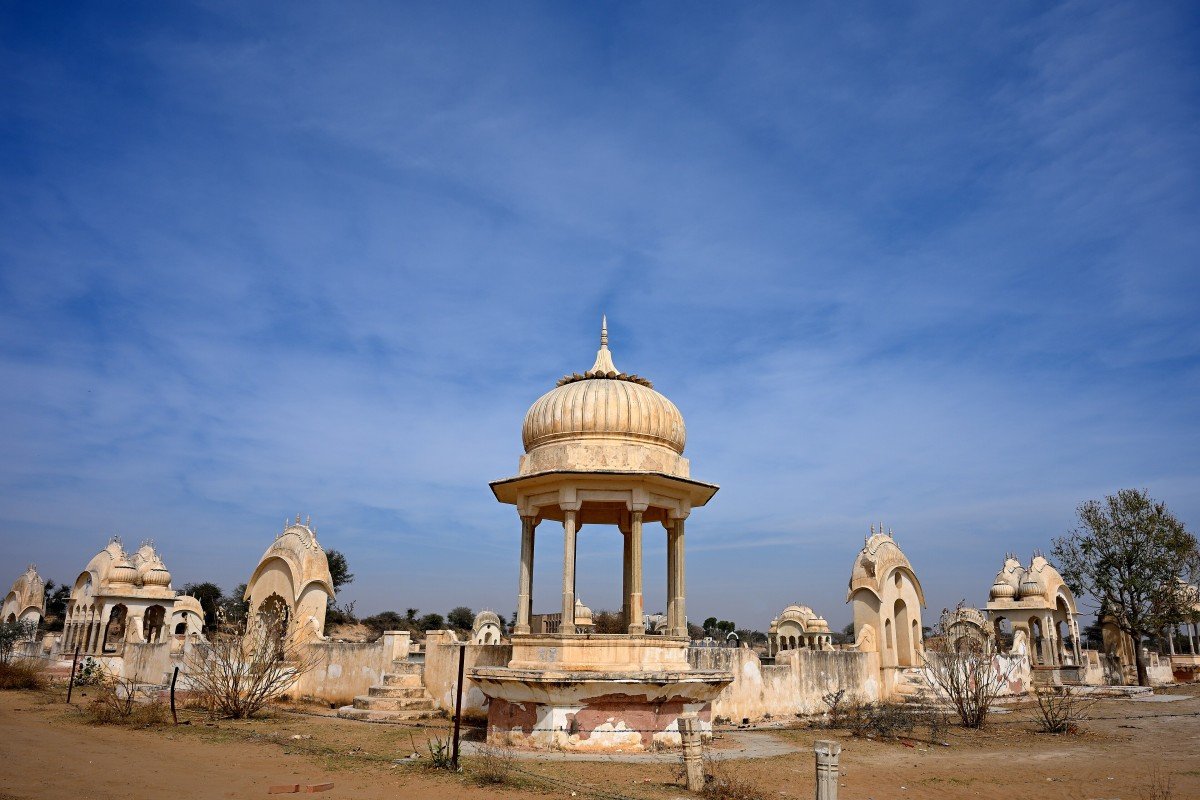
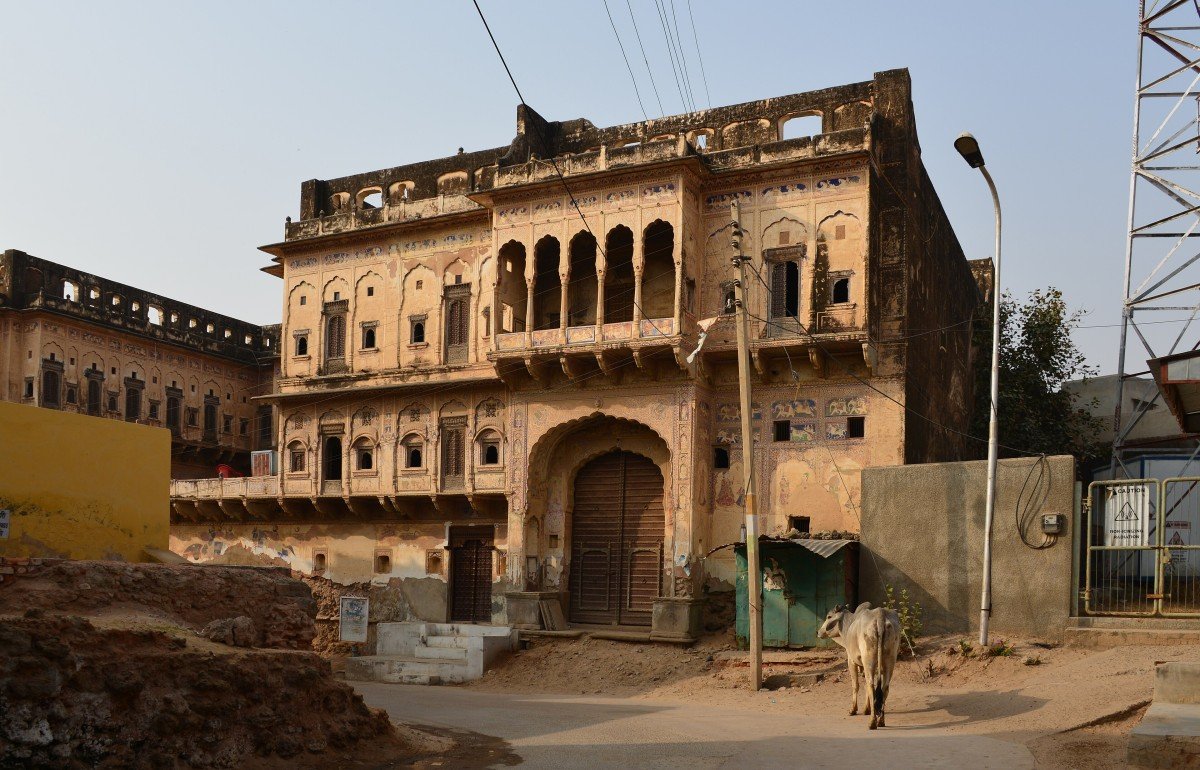
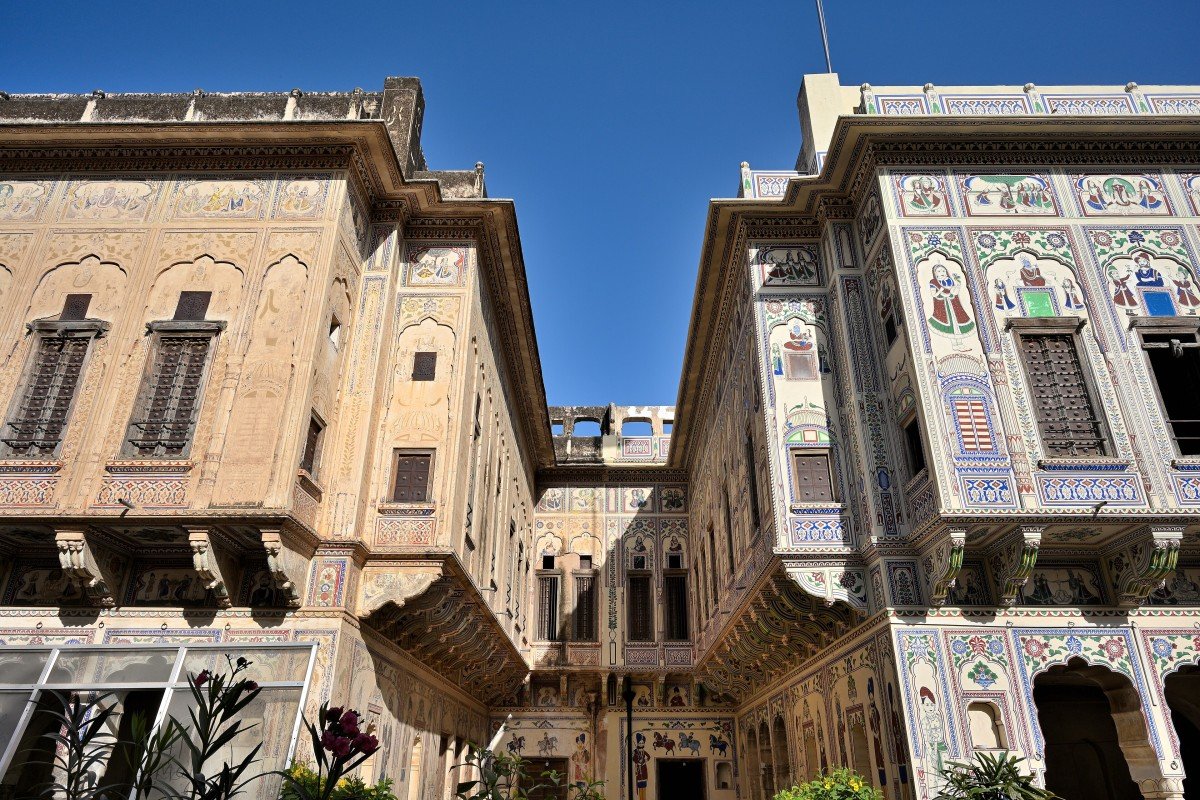
Things To Do
 @@Spiritual Uniqueness: This temple is home to a rare Paardarshi (transparent) Shivling made of high-quality Sphatik (quartz crystal). It is one of the few such temples in northern India. @@Historical Origin: Established over 200 years ago by a local merchant family, the temple has been a center of deep devotion for the residents of Mandawa. @@Mystical Attributes: Legend says that when a lamp is lit behind the Shivling, the crystal glows like pure gold, and some devotees claim to see the form of a serpent within the reflections. @@Religious Significance: Unlike the usual black stone Shivlings, this crystal representation symbolizes the pure, formless, and luminous nature of Lord Shiva, attracting spiritual seekers.
 Sone Ki Dukan, also known as the "Golden Shop," is a hidden architectural jewel located in the small village of Mahansar. Though it is a short drive from Mandawa, it is considered an essential part of the heritage circuit. Built in 1846 by the Poddar family, this small chamber is famous for its breathtaking frescoes made with real gold leaf. The interior of the shop is divided into three vaulted ceilings, each depicting different mythological scenes: the incarnations of Vishnu, the life of Lord Krishna, and scenes from the Ramayana. The use of gold is so extensive that the walls literally glow even in low light. It was originally used as a business room by the wealthy merchants to impress their clients. The level of detail in the miniature paintings is unparalleled in the entire Shekhawati region. Unlike the larger havelis, this shop focuses on "micro-art," where every floral pattern and human figure is painted with extreme precision. It has managed to survive for nearly two centuries with very little fading. Visiting this place feels like entering a golden casket of history. It is a testament to the unimaginable wealth that once flowed through the silk route towns of Rajasthan. :
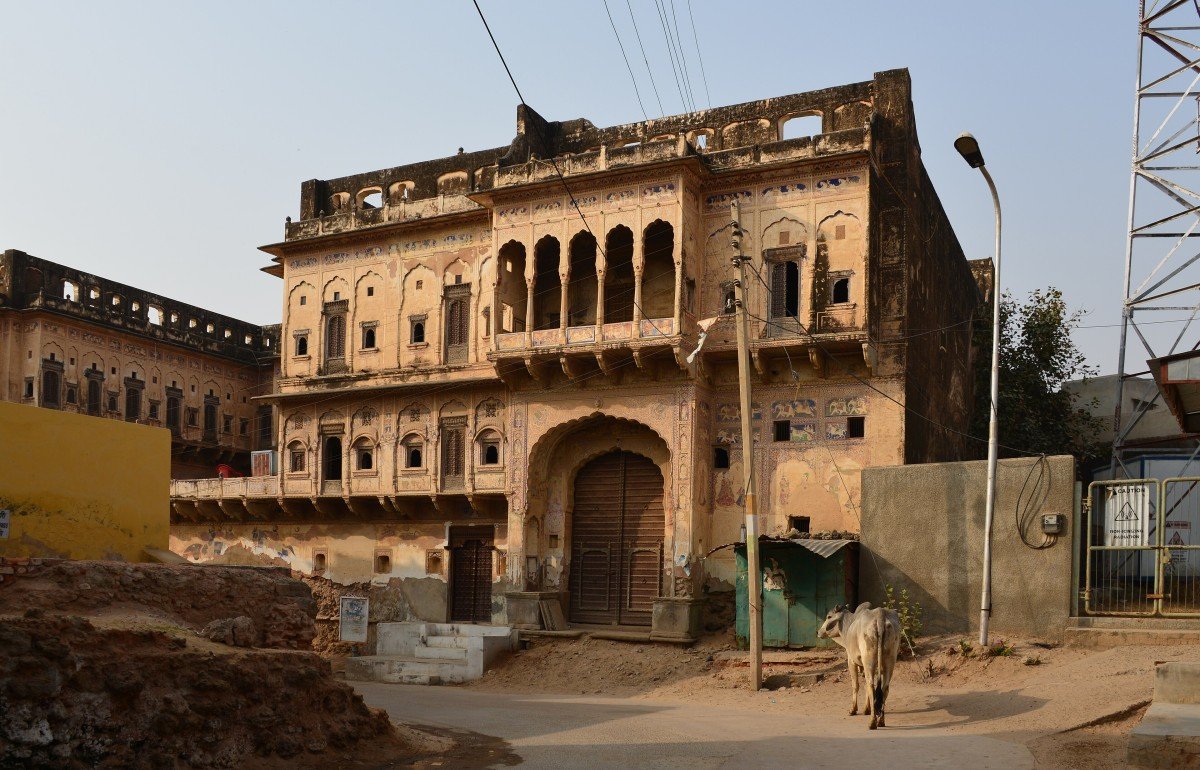
 The Bansidhar Newatia Haveli is a premier architectural landmark situated in the heart of the Mandawa marketplace. Built in 1920, this mansion is celebrated for its unique fusion of traditional Rajasthani artistry and modern western motifs that arrived during the British era. Unlike other historical sites that focus solely on mythology, this haveli captures a transitional period in Indian history where technology began to influence local imagination. The walls are adorned with whimsical and rare frescoes that depict scenes such as a boy using a telephone, a chauffeur-driven car, and the Wright Brothers' first flight. This specific imagery makes it a fascinating destination for history buffs who wish to see how the local community perceived the 20th-century technological revolution. The haveli was originally a residence for the wealthy Newatia merchant family but currently houses a branch of a major bank, yet it remains open for tourists to admire its exterior and certain interior sections. Its central location makes it the most accessible heritage site in the town. Visitors are often captivated by the vibrant colors that have survived for over a century, showcasing the durability of natural mineral pigments. The structure serves as a living gallery where every wall narrates a story of curiosity and global connection. Exploring this site provides a deep dive into the socio-economic evolution of the Shekhawati region during the colonial period. It is a must-visit for anyone looking to understand the "Open Air Art Gallery" status of Mandawa.
The Harlalka Well is one of the most atmospheric and rustic historical sites in Mandawa. Unlike the colorful havelis, this well represents the essential water conservation systems of the desert. It is an old step-well structure, though the steps are now mostly for the camel ramp used to draw water. The well is famous for the local legend that it is "bottomless" and that any wish made here comes true. It is surrounded by four beautifully carved stone pillars that support the pulley system. The architecture is rugged and showcases the engineering skills of the 19th-century desert dwellers. Despite its age, the well still holds crystal-clear water that reflects the surrounding minarets and the blue sky perfectly. It is a place of quiet beauty, often overlooked by tourists who focus only on the paintings. The site offers a deep sense of peace, making it a favorite for those who want to escape the crowded market lanes. The well is situated just a few steps away from the Murmuria Haveli, making it a convenient stop. There are no railings around the well, which adds to its authentic, raw charm but also requires visitors to be very careful. This location provides a glimpse into the communal life of ancient Mandawa, where the well was the primary social hub for the townspeople and their livestock. :
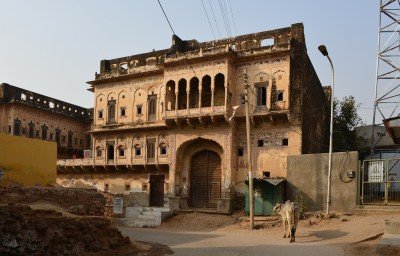 @@Saraf Legacy: The Mohan Lal Saraf Haveli is one of the most famous and artistically significant residences in the Jhunjhunu district. Built by a wealthy merchant family, the Saraf Haveli showcases the absolute peak of the fresco art form that the region is known for. The haveli is unique because it features a blend of traditional Indian themes with early European influences. Every wall, ceiling, and doorway is treated as a piece of art, depicting everything from royal processions to mythical creatures. The most striking feature of this haveli is the intricate mirror work that reflects light in a dazzling pattern across the rooms. It was once a bustling home filled with the sounds of trade and family life, but now it serves as a silent witness to a bygone golden age. Tourists from across the globe visit this specific haveli to study the transition of art styles during the British Raj. The preservation of its colors is remarkable, given the harsh desert climate. It stands as a pinnacle of Marwari merchant opulence and architectural pride.
 @@Historical Legacy: Built in 1755 AD by Thakur Nawal Singh, the founder of Mandawa, this fort stands as the centerpiece of the town's defensive and royal history. It served as the primary residence for the local rulers and was strategically positioned to protect the trade routes. @@Evolution into Luxury: Currently known as Castle Mandawa, much of the fort has been converted into a heritage hotel, yet it remains open to tourists who wish to see its royal splendor. The transition has helped preserve the ancient carvings and murals that would have otherwise perished. @@Cultural Hub: The fort represents the pinnacle of Marwari wealth during the 18th century, showcasing how desert warriors transitioned into patrons of art. @@Cinematic Connection: Due to its authentic look, the fort and its surroundings have been featured in numerous Bollywood films, making it a "must-visit" for cinema fans.
 Saraf Haveli is one of the most iconic and well-maintained mansions in the Shekhawati region. It belonged to the Saraf family, a prominent trading community known for their business acumen across the country. The haveli is a testament to the wealth and artistic taste of the 19th-century merchants. Its walls are adorned with beautiful frescoes that feature a wide range of themes, from the life of Lord Krishna to the depiction of British officers. The haveli is particularly known for the quality of its "natural pigments" which have remained bright for over a hundred years. Walking through its corridors feels like stepping into a historical documentary. The architecture reflects the social hierarchy of the time, with separate sections for guests and family members. It is a must-visit for anyone interested in the transition of Indian art during the colonial period. The courtyard is often used as a quiet space for reflection by visitors. The haveli continues to be a source of pride for the local community and a highlight of the Mandawa heritage trail. It represents the pinnacle of Shekhawati's "Golden Age" of merchant architecture. :Show All
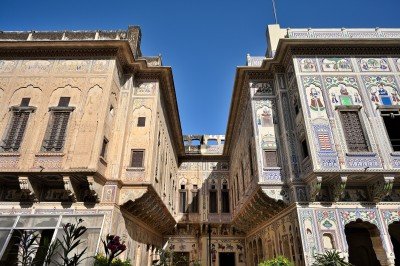 The Gulab Rai Ladia Haveli is widely considered one of the most palatial and magnificent mansions in the entire Shekhawati region of Rajasthan. Built by a wealthy merchant family, this haveli serves as a sprawling canvas that illustrates the sheer opulence and artistic inclination of the Marwari community during the 18th and 19th centuries. The structure is famous for its exotic imagery and diverse themes that range from daily life to the whimsical. As you step through its grand entrance, you are greeted by an atmosphere that feels frozen in time, capturing the very essence of the Rajputana era. The walls are not just boundaries but stories, featuring unique murals like a woman giving birth, mirror images of tigers and horses, and a bird tending to its eggs. These paintings are remarkably well-preserved, showcasing natural pigments that have survived the harsh desert sun for decades. The haveli is large enough to allow visitors to get lost in its various courtyards, each offering a different perspective on the architectural grandeur of the past. It remains a cornerstone of Mandawa tourism, attracting art historians, photographers, and curious travelers from around the globe. The sheer scale of the building signifies the wealth of the Ladia family, who competed with other merchant families to create the most decorative home. Today, it stands as a testament to the "Open Air Art Gallery" status of the town, offering a deep dive into the cultural fabric of ancient Rajasthan. Walking through its corridors provides a sensory experience of colors, textures, and historical narratives that are hard to find elsewhere in the world. :
Information
-
Why Famous:
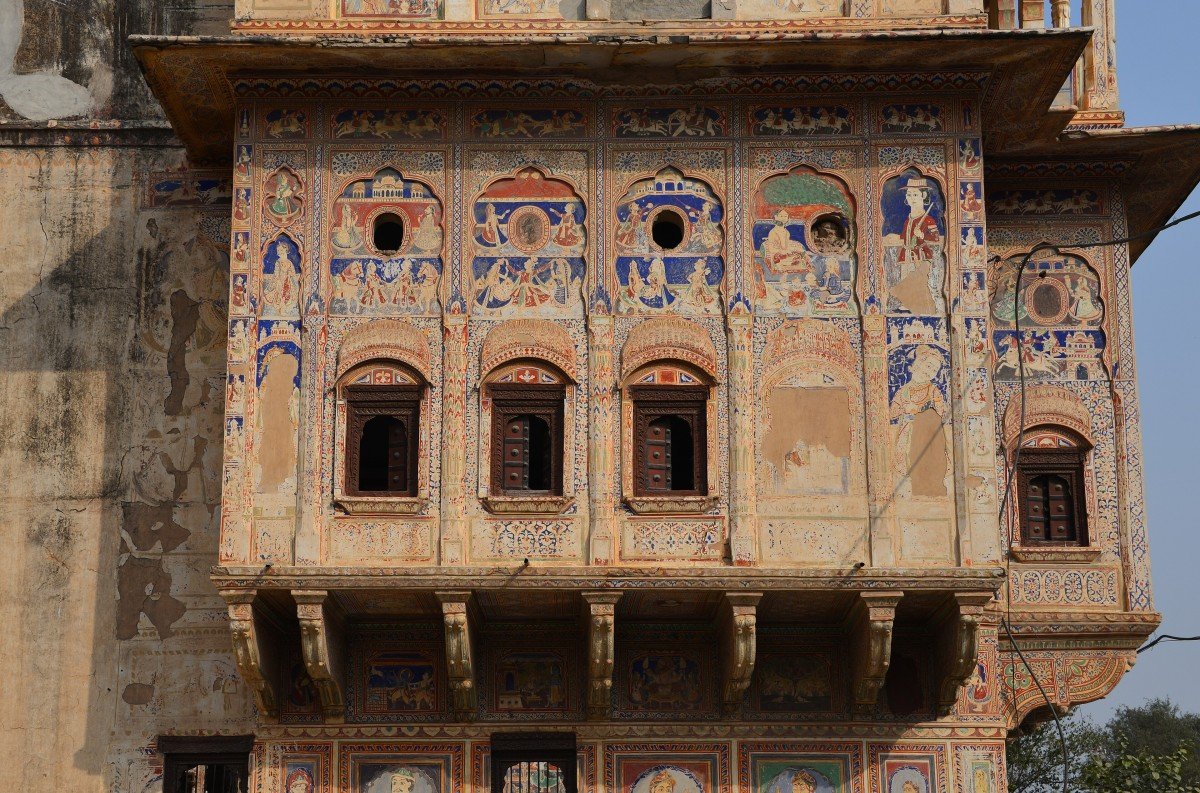
Painted Havelis: It is globally famous for the frescoes that cover the interior and exterior walls of its historic mansions. No other place has such a high concentration of mural art.
Mandawa Fort: The 18th-century fort is a massive structu...Painted Havelis: It is globally famous for the frescoes that cover the interior and exterior walls of its historic mansions. No other place has such a high concentration of mural art.
Mandawa Fort: The 18th-century fort is a massive structure that has now been converted into a luxury heritage hotel. It offers a royal experience with modern comforts. -
How To Reach:
By Air: Jaipur International Airport is the closest airport, located about 170 KMS from Mandawa. You can hire a taxi or take a luxury bus from the airport.
By Train: The nearest railway station is Jhunjhunu which is well-connected to Delhi ...By Air: Jaipur International Airport is the closest airport, located about 170 KMS from Mandawa. You can hire a taxi or take a luxury bus from the airport.
By Train: The nearest railway station is Jhunjhunu which is well-connected to Delhi and Jaipur. From the station, it is a short 30-minute drive to Mandawa.
By Road: Mandawa is well-connected by road to major cities like Delhi (240 KM) and Jaipur (170 KM). The roads are generally good and pass through beautiful rural landscapes.
By Local Transport: The town is small enough to be explored on foot or by cycle-rickshaw. For nearby villages, you can hire a local jeep or a taxi for the day. -
Weather and Best Time to Visit:
Winter Season: From October to March, the weather is perfect for sightseeing as it is cool and dry. This is the best time to explore the town on foot.
Monsoon Season: From July to September, the desert turns slightly green and the weather i...Winter Season: From October to March, the weather is perfect for sightseeing as it is cool and dry. This is the best time to explore the town on foot.
Monsoon Season: From July to September, the desert turns slightly green and the weather is pleasant. However, the rain can sometimes make the narrow lanes muddy.
Summer Season: From April to June, it can be very hot with temperatures crossing 40 degrees Celsius. Sightseeing is only possible in the very early morning or late evening. -
Near Tourist Places:
1. Nawalgarh (30 KM), 2. Jhunjhunu (25 KM), 3. Fatehpur (20 KM), 4. Dundlod (30 KM), 5. Mukundgarh (25 KM), 6. Sikar (65 KM), 7. Jaipur (170 KM), 8. Bikaner (190 KM), 9. Salasar Balaji (70 KM), 10. Khetri (60 KM)
Tourism Tips
-
Health and Safety: Drink plenty of bottled water to stay hydrated in the dry desert climate. Be careful of monkeys near some of the older buildings and temples.
Packing: Carry cotton clothes for the day and a light sweater for the cool dese...Health and Safety: Drink plenty of bottled water to stay hydrated in the dry desert climate. Be careful of monkeys near some of the older buildings and temples.
Packing: Carry cotton clothes for the day and a light sweater for the cool desert nights. A good hat and sunscreen are essential to protect against the sun.
Accommodation: Stay in a heritage haveli or the Mandawa Fort for an authentic royal experience. There are many options ranging from budget guesthouses to luxury hotels.
Local Etiquette: Always ask for permission before taking photos of the local people or inside private homes. Dress modestly when visiting temples and religious sites.
Reviews
FAQs
Mandawa Itineray And Cost:-
Other Places In Rajasthan :-
Other States In India :-
Information about New and Updated Locations() of Rajasthan Has Been Added :-
Card subtitle
Note:-
Information provided here in good Faith and for reference only.
Near Places
Ajmer
Some quick example text to build on the card title and make up the bulk of the card's content.
Go somewhere
Alwar
Some quick example text to build on the card title and make up the bulk of the card's content.
Go somewhere
Bharatpur
Some quick example text to build on the card title and make up the bulk of the card's content.
Go somewhere
Bikaner
Some quick example text to build on the card title and make up the bulk of the card's content.
Go somewhere
Bundi
Some quick example text to build on the card title and make up the bulk of the card's content.
Go somewhere
Chittorgarh
Some quick example text to build on the card title and make up the bulk of the card's content.
Go somewhere
Churu
Some quick example text to build on the card title and make up the bulk of the card's content.
Go somewhere
Dausa
Some quick example text to build on the card title and make up the bulk of the card's content.
Go somewhere
Dholpur
Some quick example text to build on the card title and make up the bulk of the card's content.
Go somewhere
Dundlod
Some quick example text to build on the card title and make up the bulk of the card's content.
Go somewhere
Fatehpur
Some quick example text to build on the card title and make up the bulk of the card's content.
Go somewhere
Hanumangarh
Some quick example text to build on the card title and make up the bulk of the card's content.
Go somewhere
Jaipur
Some quick example text to build on the card title and make up the bulk of the card's content.
Go somewhere
Jaisalmer
Some quick example text to build on the card title and make up the bulk of the card's content.
Go somewhere
Jhalawar
Some quick example text to build on the card title and make up the bulk of the card's content.
Go somewhere
Jhunjhunu
Some quick example text to build on the card title and make up the bulk of the card's content.
Go somewherein Other Cities