


Tonk
General information
-
Ideal Duration:
1-2 DaysPlace Type:
Heritage & CultureSpecial Events:
Place Special Event:
Teej Festival: Celebrated with great pomp by the local women with traditional songs and swings. The city comes alive with colorful processions during August.
Urs at Local Dargahs: Annual...Place Special Event:
Teej Festival: Celebrated with great pomp by the local women with traditional songs and swings. The city comes alive with colorful processions during August.
Urs at Local Dargahs: Annual gatherings that feature Qawwali music and spiritual prayers. These events reflect the deep Islamic heritage and communal harmony of the city.Best Photo Spots:
Place Best Photo Spots:
Sunehri Kothi Interiors: The reflection of light on the golden walls creates a magical glow for photos. It is best captured during the day when natural light enters the hall.
Bisalpur Dam...Place Best Photo Spots:
Sunehri Kothi Interiors: The reflection of light on the golden walls creates a magical glow for photos. It is best captured during the day when natural light enters the hall.
Bisalpur Dam Viewpoint: The massive reservoir against the backdrop of the Aravalli hills is a stunning landscape. Sunset is the best time for golden hour photography here.
Jama Masjid Minarets: The symmetry of the mosque and its tall towers provide a great subject for architectural photography. The wide courtyard allows for grand wide-angle shots.Photo Gallery

Things To Do
 Todaraisingh is a historic town named after Rai Singh Sisodia, a famous ruler of the region. The town is a living museum, surrounded by hills and filled with ancient temples, stepwells (Baoris), and the grand Raja Rai Singh Mahal. The palace, though partially in ruins, showcases the architectural brilliance of the Solanki and Rajput styles. The town is strategically located and was once a flourishing center of trade and culture. Visitors can explore the Hadi Rani Ka Kund, a magnificent stepwell with symmetric stairs that is a favorite among photographers. The town also houses the Bisaldeo Temple, dedicated to Lord Shiva, which sits near the massive Bisalpur Dam. Exploring this town is like stepping back in time to an era of brave warriors and master builders.
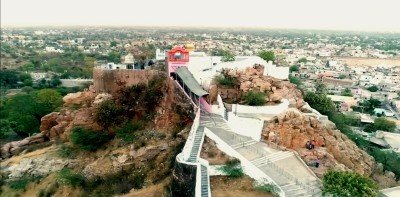 @@Deep Dive into History: The Annapurna Dungri Ganesh Temple is one of the most revered spiritual sites in the Tonk district of Rajasthan. Perched atop a hill, it provides a peaceful escape from the bustling city life. The temple is dedicated to Lord Ganesha, the remover of obstacles, and attracts thousands of devotees every year. Historically, the temple has been a center for local faith and communal gathering. The path to the temple involves a climb that symbolises a pilgrim's journey toward spiritual enlightenment. The temple complex is surrounded by lush greenery, especially during the Monsoon season, making it a natural haven. Local legends suggest that the deity here is extremely powerful and fulfills the wishes of those who visit with a pure heart. The temple has undergone several renovations over the decades to accommodate the increasing number of pilgrims. It serves as a symbol of the harmonious blend of nature and divinity. Many locals visit the temple daily to seek blessings before starting their work. The serene environment is perfect for meditation and self-reflection. The temple's position on the hill also made it a strategic lookout point in ancient times, although today its primary purpose remains strictly religious. It is a place where one can experience the true essence of Rajasthani spiritual culture.
Hathi Bhata is a marvelous historical site located near Tonk in the state of Rajasthan, India. The name literally translates to "Stone Elephant," which perfectly describes the primary attraction: a massive, life-sized elephant carved entirely out of a single natural rock. This monolithic wonder dates back to the 12th century and is credited to Ram Nath Slat, a master craftsman who worked during the reign of Sawai Ram Singh. The sculpture is so realistic and massive that from a distance, it appears like a real elephant resting in the desert landscape. It serves as a testament to the incredible stone-carving skills of ancient Indian artisans who could transform a rugged boulder into a detailed piece of art. Legend has it that the sculpture narrates the tragic yet beautiful story of Nala and Damayanti, and there are inscriptions on the elephant's ear that provide historical context. Over the centuries, it has survived the harsh weather of the Thar periphery, standing as a silent witness to the changing dynasties of the region. Unlike many other monuments that are part of large complexes, Hathi Bhata stands alone in an open field, offering a sense of solitude and grandeur. Visitors are often surprised by the sheer scale of the work, as it captures the anatomy of the animal with remarkable precision, including the trunk, tusks, and even the texture of the skin. It is a must-visit for history buffs and those interested in archaeological marvels that are off the beaten path. The site remains relatively peaceful, far from the chaotic crowds of mainstream tourist hubs in Jaipur or Udaipur. Exploring this place allows one to appreciate the raw beauty of Rajasthani heritage in its most organic form. The local community holds the site in high regard, often sharing folk tales about the "living stone" of Kakod. It is an exemplary piece of rock-cut architecture that defines the medieval artistic transition of northern India.
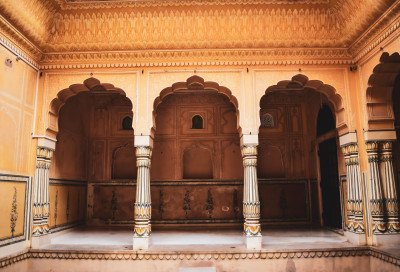 Newai Fort, also known as the Niwai Fort, is perched atop a hill overlooking the bustling town of Newai in Tonk. This fort represents the typical Rajput style of hill fortifications designed to provide a strategic vantage point over the trade routes connecting Jaipur to the southern regions. The climb to the fort is an adventure in itself, offering increasingly expansive views of the town below and the distant hills. Historically, the fort served as a defensive outpost and a residence for local chieftains who owed allegiance to the Jaipur state. Today, the fort stands in a state of atmospheric decay, with its ramparts and halls covered in a blanket of silence. The structure is built using local stone and lime mortar, designed to withstand the harsh weather of the region. Visitors can explore the various levels of the fort, including the royal quarters, the soldiers' barracks, and the watchtowers. The sense of solitude at the top is profound, offering a space for reflection away from the noise of the highway. The town of Newai is also famous for its educational institutions and industrial significance, making the fort a striking contrast between the old world and the new. It is a place where one can truly feel the weight of history and the passage of time.
 Shri Kalyanji Temple is a highly revered Hindu shrine dedicated to Lord Vishnu, worshipped here as Kalyan Ji. Legend states the temple was built by King Digva nearly 5,600 years ago, though the current structure dates back to the 16th Century. The temple is a major pilgrimage site, especially for those seeking relief from skin diseases and worldly miseries. The idol is carved from shimmering white marble and features four arms, representing the benevolent form of the deity. Every year, thousands of devotees undertake a barefoot journey (Padyatra) from Jaipur to Diggi to offer prayers. The atmosphere is charged with spiritual energy, especially during the bhajan sessions held in the ornate prayer hall.
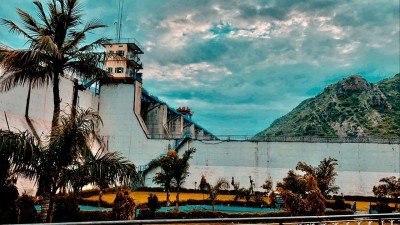 @@An Engineering Marvel: The Bisalpur Dam is one of the most important water reservoirs in Rajasthan. Completed in 1999, it serves as the primary source of drinking water for Jaipur, Ajmer, and Tonk. The dam is built across the Banas River and creates a vast reservoir that resembles a sea in the middle of the desert landscape. It is not just a utility project but also a popular tourist destination due to its scenic beauty. The surrounding Aravalli hills add to the charm of the location. During the monsoon, when the gates of the dam are opened, it becomes a spectacular sight attracting thousands of visitors. The dam has significantly improved the irrigation and economy of the surrounding regions. Birdwatchers flock here during the winter to see migratory birds. The area around the dam is being developed for eco-tourism. It is a perfect spot for a weekend getaway from the busy city life. The vast expanse of blue water against the golden sands of Rajasthan is a sight to behold. It represents the modern progress of the state.
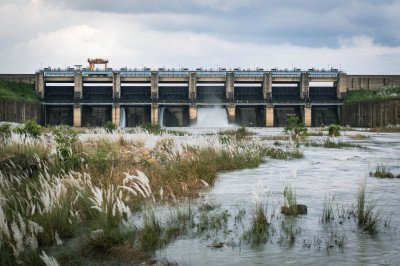 The Moti Sagar Dam is a significant water reservoir located near the village of Dhunwa Kalan in the Tonk district. This massive structure serves as a lifeline for the local agricultural community, providing essential irrigation water to the surrounding arid plains of Rajasthan. Beyond its utility, the dam has evolved into a popular recreational spot for locals and travelers seeking a peaceful escape from the bustling city life. The vast expanse of blue water against the backdrop of the rugged Aravalli foothills creates a stunning visual contrast that is particularly breathtaking during the sunrise and sunset hours. Visitors often find themselves mesmerized by the rhythmic sound of water lapping against the stone embankments. The dam is also a haven for migratory birds during the winter season, making it a hotspot for birdwatchers. The atmosphere is filled with the chirping of avian visitors, adding a musical layer to the natural silence. It is an ideal location for those who appreciate the raw beauty of nature and the engineering marvels that harness it. The surrounding greenery, which flourishes during the monsoon, transforms the area into a lush oasis. Local legends often associate the construction of such water bodies with the benevolent rule of the erstwhile Nawabs of Tonk, who prioritized public welfare and water conservation in the region.Show All
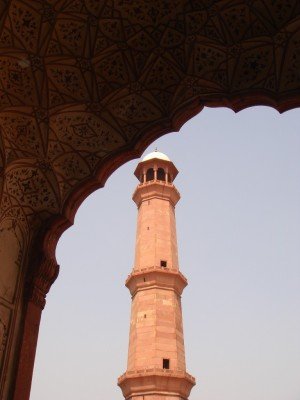 The Shahi Jama Masjid of Tonk is one of the largest and most magnificent mosques in India, reflecting the rich Islamic heritage of this "Nawabo ka Shahar." Built in the early 19th century, the construction was started by the first Nawab of Tonk, Amir Khan, and was later completed by his son, Nawab Wazir-ud-Daula. The mosque is a primary example of how the rulers of Tonk patronized art and architecture, blending their Afghan roots with local Indian styles. The structure is built primarily of red sandstone, which gives it a regal appearance similar to the grand mosques of Delhi and Agra. It can accommodate thousands of worshippers at once in its vast courtyard, making it a focal point for the Muslim community during Eid and Friday prayers. The mosque is not just a religious building but a historical monument that showcases the transition of power and culture in the Tonk princely state. The interiors are decorated with intricate carvings, and the massive domes are visible from far across the city. It serves as a reminder of the era when Tonk was a center for Persian and Arabic learning. The mosque stands in the heart of the old city, surrounded by bustling bazaars and narrow lanes that carry the charm of a bygone era. For travelers, the Jama Masjid offers a peaceful sanctuary where they can admire the symmetry and scale of medieval engineering. The mosque's history is intertwined with the story of the Pindari leader Amir Khan, who established the only Muslim princely state in Rajasthan. The preservation of the mosque is handled with great care, ensuring that its spiritual and historical sanctity remains intact. Visitors are often struck by the massive entrance gates and the sense of space within the walls. It is an essential stop for anyone wanting to understand the unique cultural identity of Tonk, which differs significantly from the Rajput-dominated regions of Rajasthan. The mosque continues to be a living heritage site, where tradition and modern life meet every day.
Information
-
Why Famous:
Why Famous Place:
Sunehri Kothi: Also known as the Mansion of Gold, it is famous for its breathtaking golden interiors. It is considered one of the most beautiful small palaces in India.
Arabic and Persian Resea...Why Famous Place:
Sunehri Kothi: Also known as the Mansion of Gold, it is famous for its breathtaking golden interiors. It is considered one of the most beautiful small palaces in India.
Arabic and Persian Research Institute: This institute houses thousands of rare manuscripts and books from the medieval era. It is a world-renowned center for scholars and historians.
Bisalpur Dam: Located near the city, it is one of the largest dams in Rajasthan. It provides water to major cities like Jaipur and is a popular spot for birdwatching. -
How To Reach:
Place How to Reach:
By Air: Jaipur International Airport is the nearest, located about 100 KM away. From there, one can hire a private taxi or take a state bus to reach Tonk.
By Train: The city has its own r...Place How to Reach:
By Air: Jaipur International Airport is the nearest, located about 100 KM away. From there, one can hire a private taxi or take a state bus to reach Tonk.
By Train: The city has its own railway station connected to Jaipur and Kota. However, for better connectivity, many travelers use the Jaipur station and then travel by road.
By Road: Tonk is situated on the National Highway connecting Jaipur and Kota. It is very well-connected by Rajasthan State Road Transport (RSRTC) buses.
By Local Transport: Auto-rickshaws are the primary mode of transport within the town. Walking through the old city areas is the best way to see the historic havelis and markets. -
Weather and Best Time to Visit:
Place Best Time to Visit:
Winter Season: October to March is the best time with temperatures between 10°C and 25°C. The weather is perfect for walking and exploring the heritage sites.
Summer Season: From ...Place Best Time to Visit:
Winter Season: October to March is the best time with temperatures between 10°C and 25°C. The weather is perfect for walking and exploring the heritage sites.
Summer Season: From April to June, the heat is intense and can reach 45°C. Sightseeing during the day is difficult, though the evenings are manageable.
Monsoon Season: July to September brings refreshing rains that make the surrounding hills green. It is a good time to visit the Bisalpur Dam as the water levels rise. -
Near Tourist Places:
1. Jaipur (95 KM), 2. Bundi (115 KM), 3. Ranthambore (96 KM), 4. Sawai Madhopur (90 KM), 5. Diggi (60 KM), 6. Bisalpur (70 KM), 7. Toda Rai Singh (40 KM), 8. Uniara (35 KM), 9. Niwai (32 KM), 10. Deoli (55 KM).
Tourism Tips
-
Place Tourism Tips:
Packing: Wear modest clothing when visiting mosques and religious sites. Carry a water bottle and wear comfortable shoes for walking in the old city lanes.
Health and Safety: Stick to bot...Place Tourism Tips:
Packing: Wear modest clothing when visiting mosques and religious sites. Carry a water bottle and wear comfortable shoes for walking in the old city lanes.
Health and Safety: Stick to bottled water and eat at reputable local eateries. The city is very peaceful, but it is always good to stay aware of your surroundings in crowded markets.
Accommodation: Stay in heritage guesthouses to experience the local culture more closely. Most hotels are concentrated near the main highway or the city center.
Local Language: Knowing a few Urdu or Hindi phrases will go a long way in interacting with the locals. The people of Tonk are very polite and helpful to tourists.
Reviews
FAQs
Tonk Itineray And Cost:-
Other Places In Rajasthan :-
Other States In India :-
Information about New and Updated Locations() of Rajasthan Has Been Added :-
Card subtitle
Note:-
Information provided here in good Faith and for reference only.
Near Places
Ajmer
Some quick example text to build on the card title and make up the bulk of the card's content.
Go somewhere
Alwar
Some quick example text to build on the card title and make up the bulk of the card's content.
Go somewhere
Bharatpur
Some quick example text to build on the card title and make up the bulk of the card's content.
Go somewhere
Bikaner
Some quick example text to build on the card title and make up the bulk of the card's content.
Go somewhere
Bundi
Some quick example text to build on the card title and make up the bulk of the card's content.
Go somewhere
Chittorgarh
Some quick example text to build on the card title and make up the bulk of the card's content.
Go somewhere
Churu
Some quick example text to build on the card title and make up the bulk of the card's content.
Go somewhere
Dausa
Some quick example text to build on the card title and make up the bulk of the card's content.
Go somewhere
Dholpur
Some quick example text to build on the card title and make up the bulk of the card's content.
Go somewhere
Dundlod
Some quick example text to build on the card title and make up the bulk of the card's content.
Go somewhere
Fatehpur
Some quick example text to build on the card title and make up the bulk of the card's content.
Go somewhere
Hanumangarh
Some quick example text to build on the card title and make up the bulk of the card's content.
Go somewhere
Jaipur
Some quick example text to build on the card title and make up the bulk of the card's content.
Go somewhere
Jaisalmer
Some quick example text to build on the card title and make up the bulk of the card's content.
Go somewhere
Jhalawar
Some quick example text to build on the card title and make up the bulk of the card's content.
Go somewhere
Jhunjhunu
Some quick example text to build on the card title and make up the bulk of the card's content.
Go somewherein Other Cities