




Ranthambore
General information
-
Ideal Duration:
3 DaysPlace Type:
Wildlife & AdventureSpecial Events:
Safari Season Opening: The park reopens on October 1st after the monsoon, which is a major event for wildlife lovers. There is a sense of excitement to see how the forest has changed. It is the best time to see newborn animals and lush greenery. ...Safari Season Opening: The park reopens on October 1st after the monsoon, which is a major event for wildlife lovers. There is a sense of excitement to see how the forest has changed. It is the best time to see newborn animals and lush greenery.Best Photo Spots:
Tiger in the Wild: Spotting a tiger near the lakes or in the tall grass is the ultimate photo opportunity. Use a long lens to capture the details of the animal without disturbing it.
Ranthambore Fort View: The view of the forest and lakes f...Tiger in the Wild: Spotting a tiger near the lakes or in the tall grass is the ultimate photo opportunity. Use a long lens to capture the details of the animal without disturbing it.
Ranthambore Fort View: The view of the forest and lakes from the fort walls is breathtaking. It is best captured during the golden hour of sunset.Photo Gallery


Things To Do
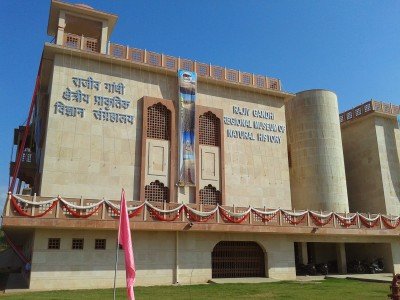 The Rajiv Gandhi Regional Museum of Natural History is India's fourth regional museum of natural history and is located in Ramsinghpura, near Ranthambore. Spread over a sprawling campus, this museum is an educational treasure trove that showcases the rich biodiversity and geology of western India. It was established to create public awareness about the importance of conservation and the delicate balance of our ecosystem. The museum features several galleries with life-size models of animals, including the Royal Bengal Tiger, leopards, and various deer species. One of the highlights is the collection of photographs and paintings by local artists that depict the flora and fauna of Ranthambore National Park. The museum also has a dedicated section on the local Bishnoi community and their traditional conservation practices. It serves as a great introductory stop for tourists before they head into the jungle for a safari. The modern building itself is an architectural landmark, designed to be eco-friendly and spacious. It provides a quiet, air-conditioned environment where families and students can spend hours learning about the natural world through interactive displays and informative dioramas.
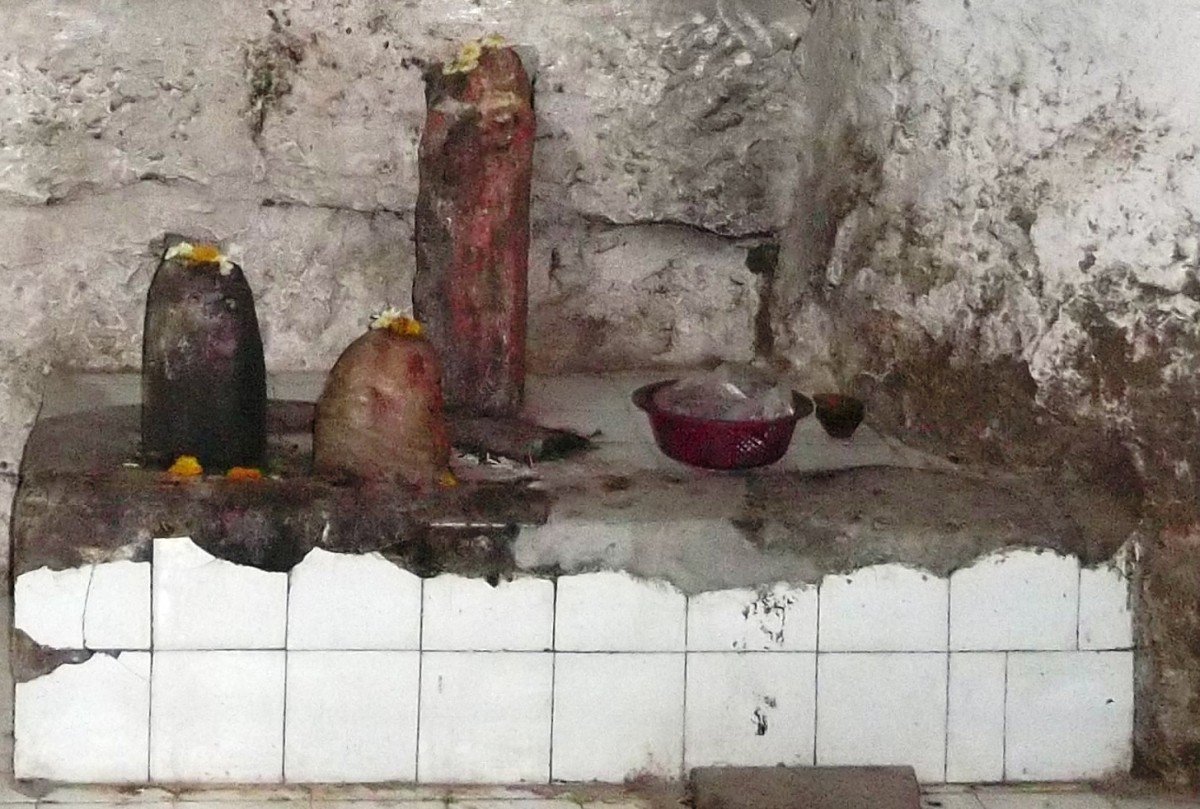
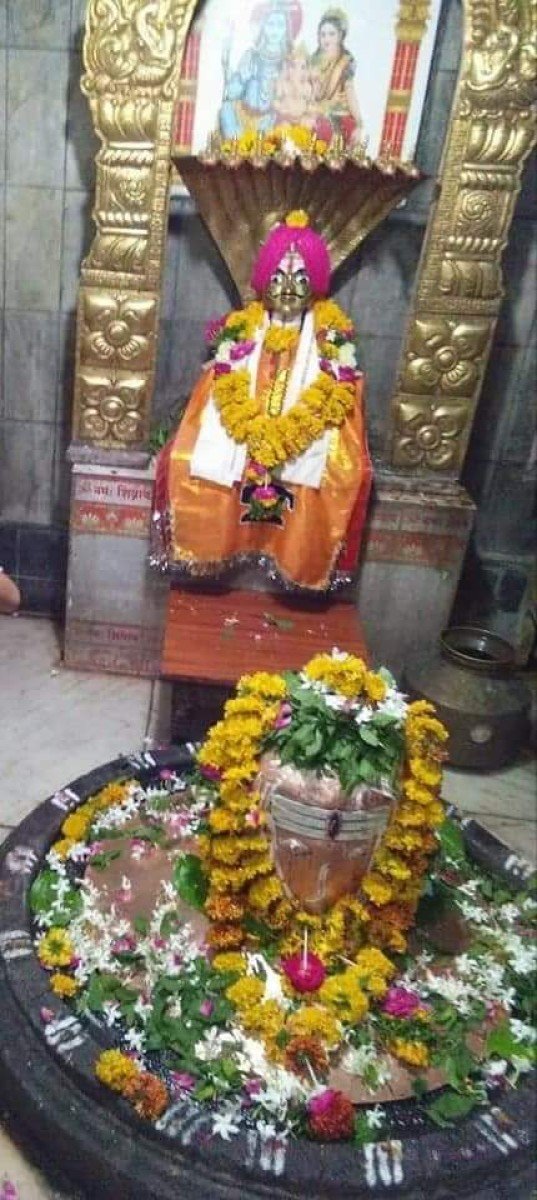
 The Trinetra Ganesh Temple is one of the oldest and most significant temples in India, located within the massive walls of the Ranthambore Fort. The details of this temple are steeped in legend, dating back to the 13th century when King Hammir Dev Chauhan ruled the region. According to local lore, during a prolonged war with Alauddin Khilji, the King's food supplies were exhausted. He was a great devotee of Lord Ganesha and prayed for a miracle. One night, the Lord appeared in his dream and assured him that the problems would end. The next morning, an image of the three-eyed Ganesha was found embossed on one of the fort walls. Miraculously, the war ended, and the granaries were filled again. The King then built this temple to honor the deity. What makes this temple unique globally is that it houses the entire family of Lord Ganesha—his wives Riddhi and Siddhi, and his sons Shubh and Labh. The idol itself is "Trinetra," meaning three-eyed, which represents the third eye of wisdom. Devotees from all over the world send wedding invitations and letters to this temple, seeking the Lord's blessings for their new beginnings. The temple is not just a place of worship but a symbol of the enduring faith and history of the Rajput warriors. Reaching the temple involves a scenic climb through the various gates of the fort, offering a mix of spiritual and historical exploration. The atmosphere inside is electric with the sounds of bells and chants, especially during the daily 'Aartis.' It is a place where the wild tiger reserve and ancient spirituality coexist in perfect harmony.
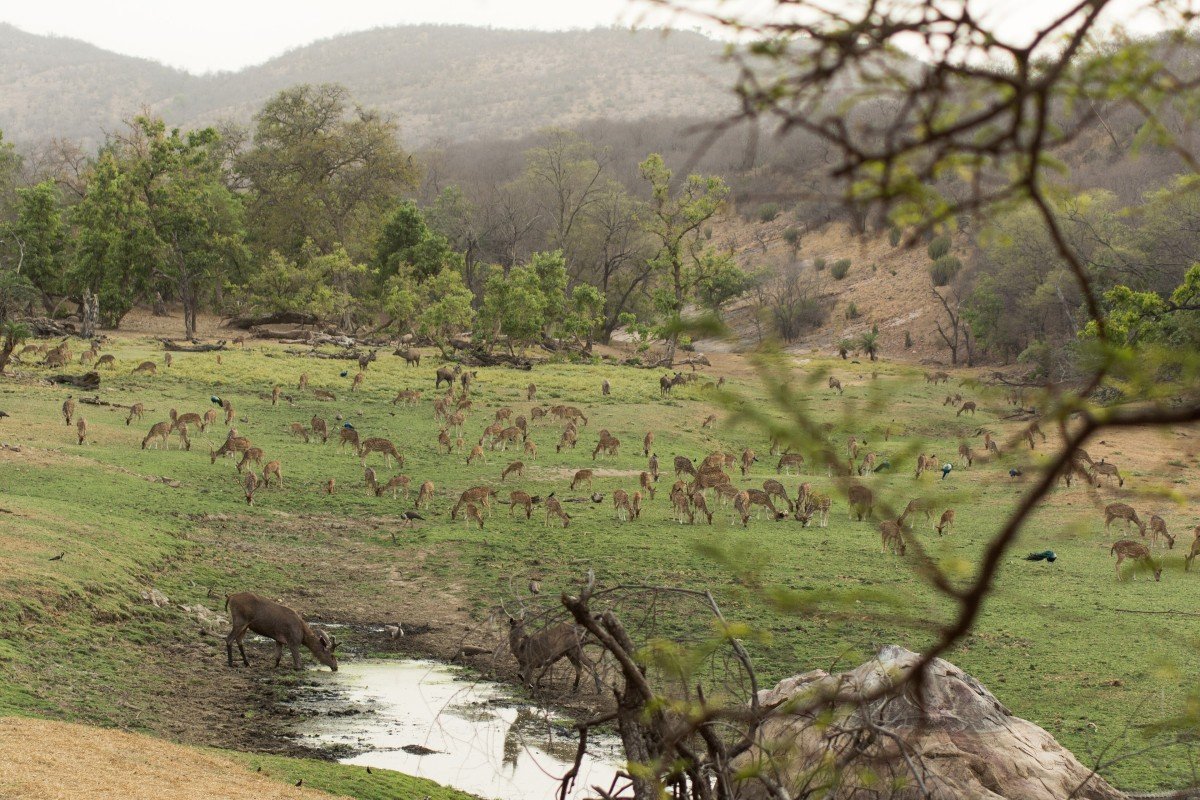
 The Akaula Region is one of the most vital and densely forested zones within the Ranthambore National Park, specifically known for its lush green cover and high density of Dhok trees. This region acts as a natural air conditioner for the park because its thick canopy and numerous water holes keep the ambient temperature significantly lower than the surrounding rocky terrains during the harsh Rajasthan summers. It is a prime habitat for the Bengal Tiger, as the dense foliage provides excellent camouflage for hunting and a cool retreat for resting during the day. Visitors often find the atmosphere here hauntingly beautiful, with sunlight filtering through the thick branches to create a mystical play of light and shadow on the forest floor. The region is also a hotspot for birdwatchers, housing various species of owls and nightjars that thrive in the shaded environment. Its topographical variety, ranging from narrow valleys to small pools, makes it a preferred spot for naturalists who wish to study the intricate ecosystem of a dry deciduous forest. Spending time in Akaula allows tourists to witness the raw, untamed side of the jungle where the silence is only broken by the alarm calls of deer or the rustle of leaves. It remains a core part of the tiger's territory, ensuring that every safari passing through this region is filled with anticipation and excitement for a possible predator sighting. :
Dastkar Ranthambhore is a non-profit organization that empowers displaced villagers after the national park creation. It provides sustainable livelihoods to over 300 women artisans through traditional crafts like block printing and patchwork. Visitors can witness the creative process and purchase authentic Rajasthani handicrafts directly from the source. The center acts as a bridge between rural talent and global markets, preserving dying arts. It is a vibrant community space that tells a story of resilience and cultural revival in the heart of Rajasthan.
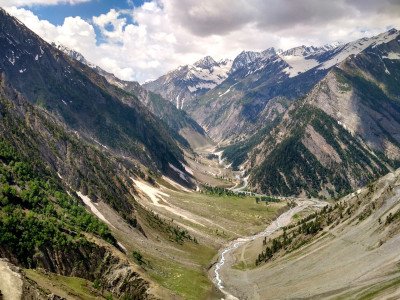 Kachida Valley is a serene and rugged landscape characterized by low hills and rocky outcrops that provide a perfect natural setting for wildlife. This valley is famous for its significant population of leopards and sloth bears who prefer this area to avoid conflicts with dominant tigers in the core zones. The lush greenery and scenic beauty of this valley make it a must-visit for every traveler seeking peace away from the crowded safari tracks. Visitors can explore the valley primarily through jeep safaris which offer a thrilling experience as you navigate through the winding paths of the forest. The valley is not just about predators; it also hosts a variety of deer species and exotic birds that thrive in its unique ecosystem. During the monsoon, the valley transforms into a vibrant green paradise with small streams flowing through the rocks. It is considered one of the most picturesque parts of the park for nature lovers and landscape photographers. Many tourists visit this place to experience the raw beauty of the Aravalli and Vindhya ranges meeting in a spectacular display of nature. The quiet atmosphere here allows for deep connection with the wild as you listen to the calls of various animals echoing through the hills. It is truly a quick escape from the mundane lifestyle of city living into the lap of nature.
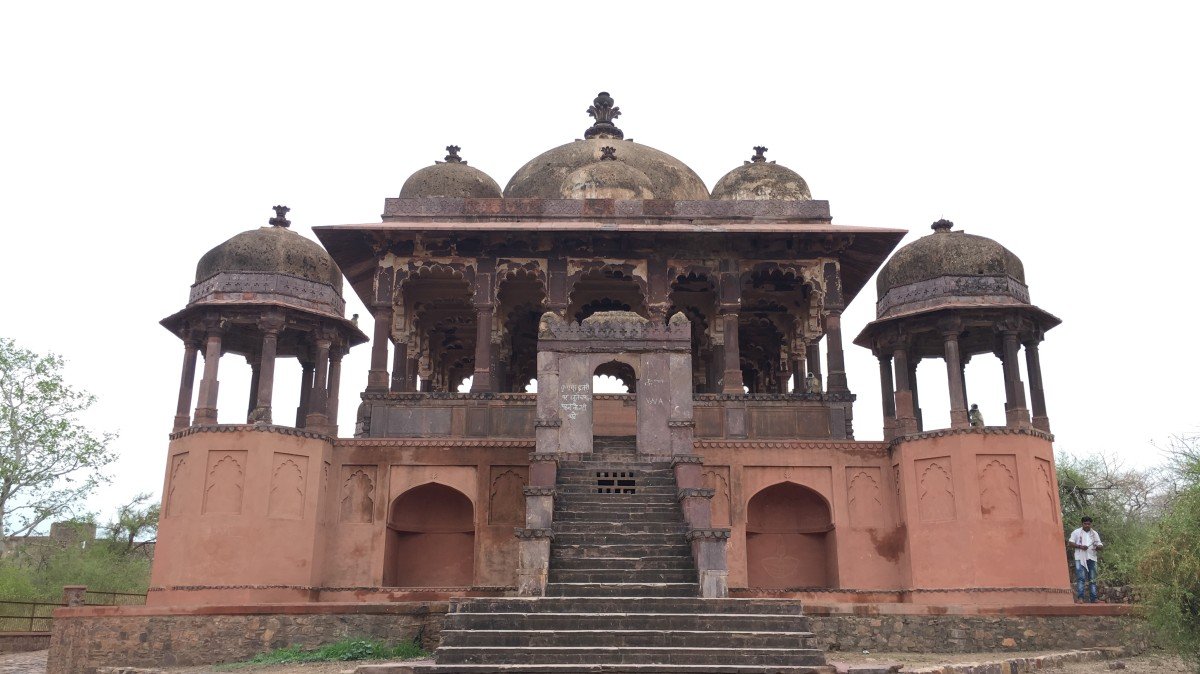
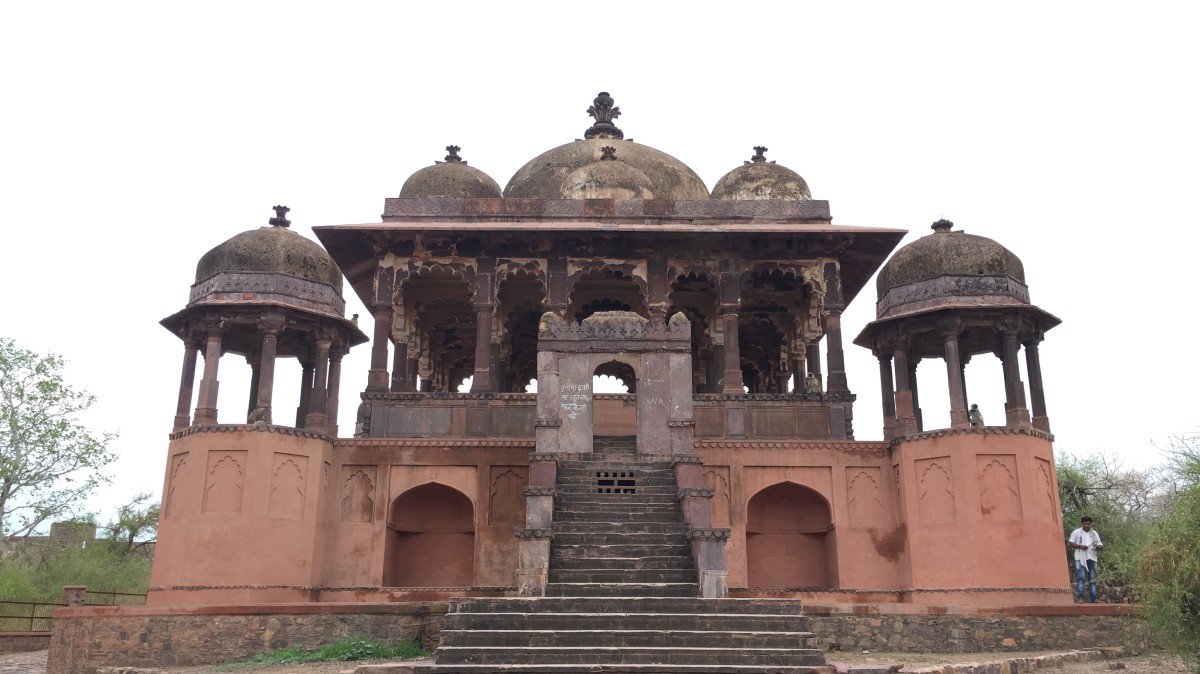
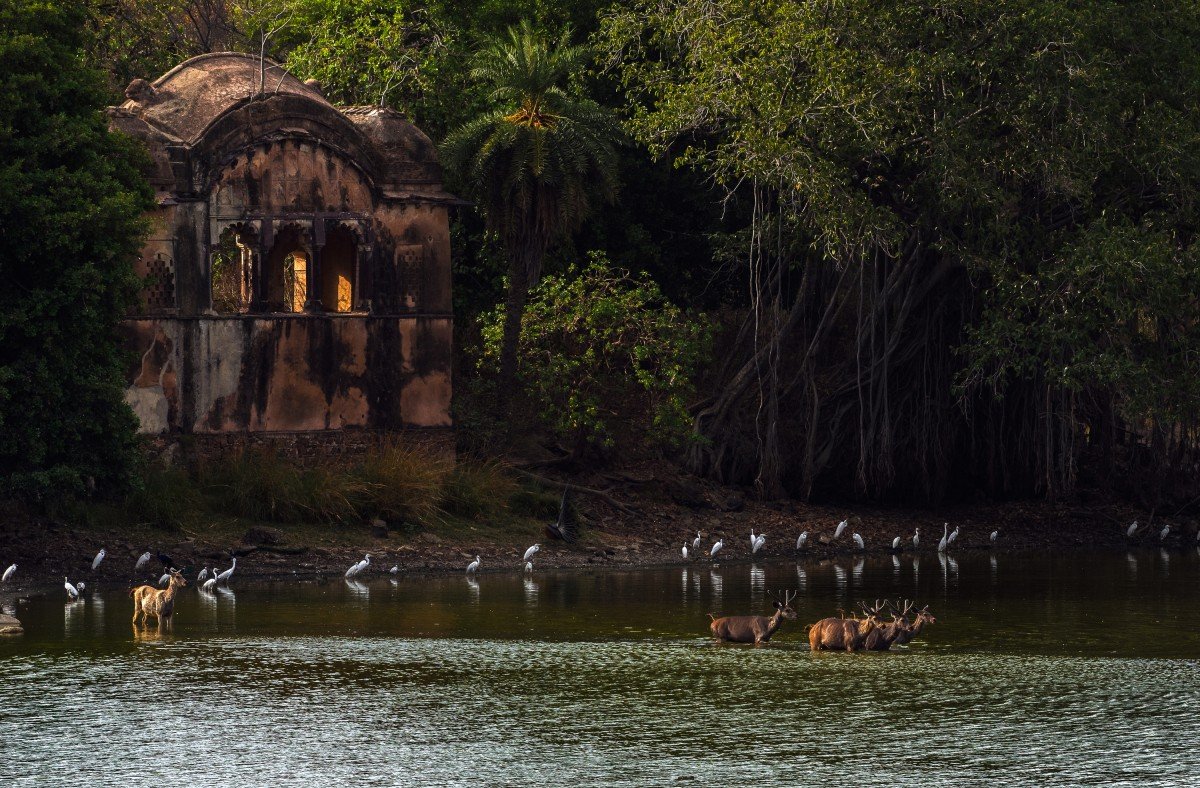
 The Raj Bagh Ruins are a collection of ancient stone structures located between Raj Bagh Talao and Padam Talao within the core area of Ranthambore National Park. These ruins consist of broken walls, arches, and domes that once formed part of a grand palace complex or outhouses belonging to the royal hunting lodge of the Jaipur Maharajas. Today, they provide a dramatic backdrop to the wilderness, often serving as a resting spot for the Royal Bengal Tiger and other wildlife like Sambar Deer and Peacocks. The structures are weathered by time, covered in moss and creepers, blending seamlessly into the dry deciduous forest landscape. Exploring these ruins during a safari offers a hauntingly beautiful glimpse into the region's royal past while witnessing nature reclaim the man-made stones. They stand as a silent witness to the history of the Chauhan dynasty and the later Mughal and Rajput influences. Visitors are captivated by the rustic charm and the sheer mystery that surrounds these derelict buildings nestled deep in the jungle.
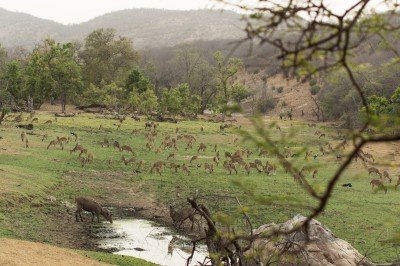 Surwal Lake is a stunning seasonal water body located on the outskirts of the Ranthambore National Park, serving as a vital ecosystem for avian life. The details of this place are defined by its transformation throughout the year, changing from a vast blue expanse in winter to a dry bed in the peak of summer. It is a shallow lake surrounded by fertile agricultural fields and small hillocks, providing a picturesque setting for nature photography. During the migratory season, the lake becomes a bustling hub for thousands of birds flying in from as far as Siberia and Central Asia. The lack of human interference and the abundance of fish and insects make it a perfect feeding ground for diverse species. Visitors to the lake often experience a sense of profound tranquility, as it is far removed from the noisy safari tracks of the main park. The local villagers can be seen tending to their crops nearby, adding a rustic charm to the landscape. Unlike the regulated zones of the tiger reserve, Surwal Lake offers a more free-form exploration experience where one can walk along the banks at their own pace. The lake is also a crucial source of water for local livestock and small wildlife like foxes and jackals that frequent its shores. Its ecological importance cannot be overstated, as it maintains the groundwater levels of the surrounding arid region. For those who appreciate the subtle beauties of nature beyond the big cats, the details of Surwal Lake offer a rewarding and soul-stirring adventure. It is a place that requires patience and a keen eye to fully appreciate the tiny dramas of nature unfolding in the reeds and ripples.Show All
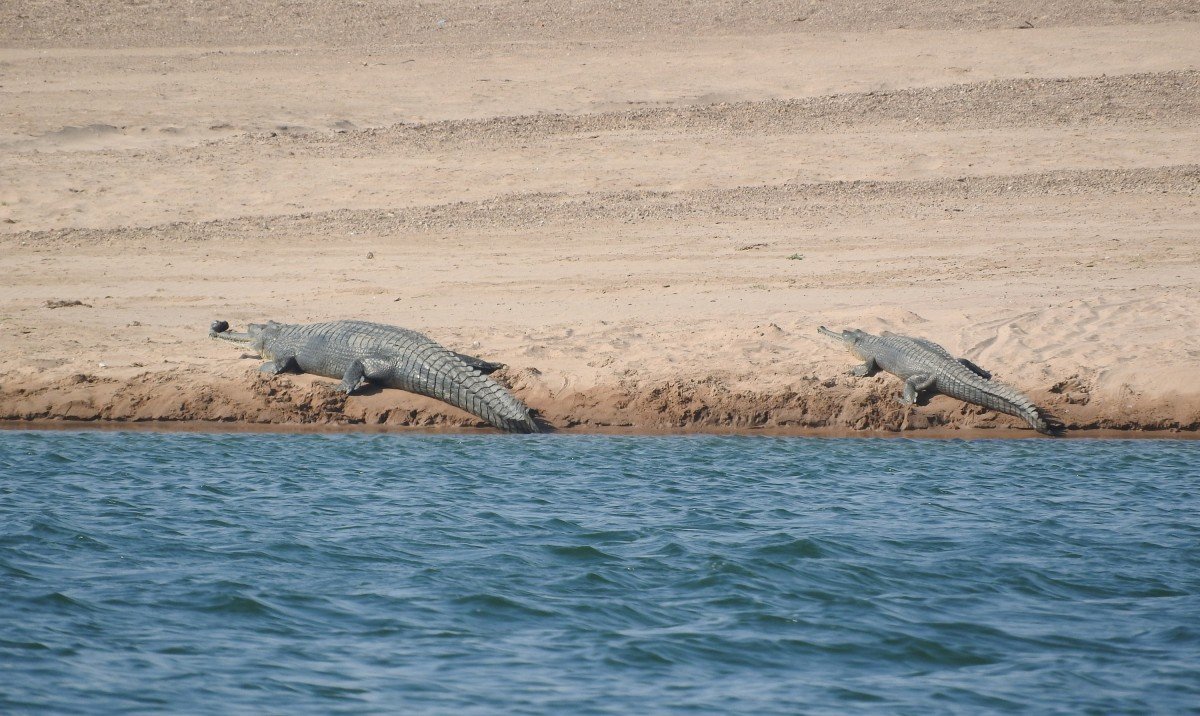
 The National Chambal Gharial Sanctuary is a unique riverine protected area located at the confluence of the Chambal and Banas rivers, about an hour's drive from Ranthambore. Established in 1979, the sanctuary is dedicated to the conservation of the critically endangered Gharial (a fish-eating crocodile) and the Gangetic River Dolphin. The Chambal River is one of the cleanest and least polluted rivers in India, providing a pristine habitat for a diverse range of aquatic life that is rarely seen elsewhere. Unlike the dry forests of Ranthambore, the sanctuary offers a tranquil water-based wildlife experience, with vast stretches of blue water, sandy banks, and rugged ravines. Visitors can take boat safaris to observe the prehistoric-looking gharials basking on the sandbars alongside the more aggressive Mugger Crocodiles. The sanctuary is also a haven for migratory birds, with over 300 species recorded, including the rare Indian Skimmer and the Black-bellied Tern. The surrounding landscape is characterized by the famous Chambal Ravines, a maze of mud hills that were once the legendary hideouts of dacoits (bandits) in the mid-20th century. Today, these ravines are home to terrestrial mammals like the Striped Hyena, Golden Jackal, and Indian Wolf. A visit to the Chambal Sanctuary provides a refreshing change of pace from the tiger safaris, offering a peaceful yet equally thrilling encounter with some of India's most endangered and fascinating species. :
Information
-
Why Famous:
Tiger Sightings: Ranthambore is legendary for its tiger population and the ease of spotting them. It is the primary reason for the town's international fame among wildlife enthusiasts. The sightings here are considered the most reliable in all of India.
Read MoreTiger Sightings: Ranthambore is legendary for its tiger population and the ease of spotting them. It is the primary reason for the town's international fame among wildlife enthusiasts. The sightings here are considered the most reliable in all of India.
UNESCO Fort: The Ranthambore Fort is a historic landmark that holds the status of a UNESCO World Heritage Site. Its association with the Chauhan dynasty and its strategic location make it famous. It represents the martial history of the Rajput kings.How To Reach:
By Air: Jaipur International Airport is the nearest major airport, about 160 KMS away. You can hire a taxi or take a train from Jaipur to reach Sawai Madhopur.
By Train: Sawai Madhopur Railway Station is the main gateway, located just 10 KM...By Air: Jaipur International Airport is the nearest major airport, about 160 KMS away. You can hire a taxi or take a train from Jaipur to reach Sawai Madhopur.
By Train: Sawai Madhopur Railway Station is the main gateway, located just 10 KMS from the park. It is a major stop on the Delhi-Mumbai railway line.
By Road: The town is well-connected by road to Jaipur (3 hours) and Agra (6 hours). State-run buses and private taxis are easily available for the journey.
Local Transport: Open gypsies and canters are used for safaris. Within the town of Sawai Madhopur, auto-rickshaws are the most common way to get around.Weather and Best Time to Visit:
Winter Season: October to March is the best time for wildlife viewing. The weather is cool, and animals often come out into the sun to stay warm.
Summer Season: April to June is very hot but excellent for tiger sightings. As water sources ...Winter Season: October to March is the best time for wildlife viewing. The weather is cool, and animals often come out into the sun to stay warm.
Summer Season: April to June is very hot but excellent for tiger sightings. As water sources dry up, tigers are often seen near the remaining lakes.
Monsoon Season: The core zones of the park (1-5) are closed from July to September. Only some outer zones remain open for visitors during this period.
Daily Time: The morning safari (6 AM) is best for catching predators on the move. The evening safari (3 PM) offers beautiful light for landscape photography.Near Tourist Places:
1. Sawai Madhopur (12 KMS) 2. Khandar Fort (40 KMS) 3. Rameshwaram Ghat (70 KMS) 4. Tonk (95 KMS) 5. Bundi (130 KMS) 6. Jaipur (160 KMS) 7. Karauli (110 KMS) 8. Agra (260 KMS) 9. Bharatpur (200 KMS) 10. Kota (140 KMS)Tourism Tips
-
Advance Booking: Safari permits get sold out months in advance. Book your gypsy or canter online as soon as your travel dates are confirmed.
Layered Clothing: In winter, morning safaris can be very cold, but the temperature rises by noon. ...Advance Booking: Safari permits get sold out months in advance. Book your gypsy or canter online as soon as your travel dates are confirmed.
Layered Clothing: In winter, morning safaris can be very cold, but the temperature rises by noon. Wear layers that you can easily remove as it gets warmer.
Quiet in the Jungle: Follow the instructions of your guide and stay quiet during the safari. Loud noises can scare away the animals and disturb the ecosystem.
No Littering: The park is a protected area. Ensure that you do not leave any trash behind. Respect the wildlife and do not try to feed the animals.
Reviews
FAQs
Ranthambore Itineray And Cost:-
Other Places In Rajasthan :-
Other States In India :-
Information about New and Updated Locations() of Rajasthan Has Been Added :-
Card subtitle
Note:-
Information provided here in good Faith and for reference only.
Near Places
Ajmer
Some quick example text to build on the card title and make up the bulk of the card's content.
Go somewhere
Alwar
Some quick example text to build on the card title and make up the bulk of the card's content.
Go somewhere
Bharatpur
Some quick example text to build on the card title and make up the bulk of the card's content.
Go somewhere
Bikaner
Some quick example text to build on the card title and make up the bulk of the card's content.
Go somewhere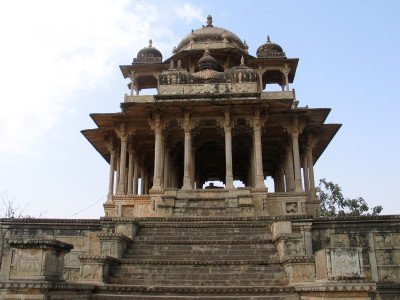
Bundi
Some quick example text to build on the card title and make up the bulk of the card's content.
Go somewhere
Chittorgarh
Some quick example text to build on the card title and make up the bulk of the card's content.
Go somewhere
Churu
Some quick example text to build on the card title and make up the bulk of the card's content.
Go somewhere
Dausa
Some quick example text to build on the card title and make up the bulk of the card's content.
Go somewhere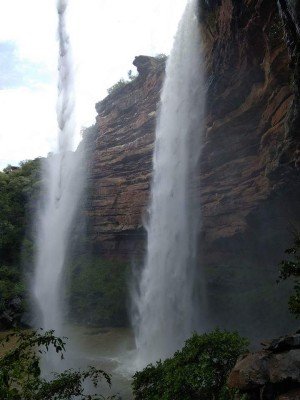
Dholpur
Some quick example text to build on the card title and make up the bulk of the card's content.
Go somewhere
Dundlod
Some quick example text to build on the card title and make up the bulk of the card's content.
Go somewhere
Fatehpur
Some quick example text to build on the card title and make up the bulk of the card's content.
Go somewhere
Hanumangarh
Some quick example text to build on the card title and make up the bulk of the card's content.
Go somewhere
Jaipur
Some quick example text to build on the card title and make up the bulk of the card's content.
Go somewhere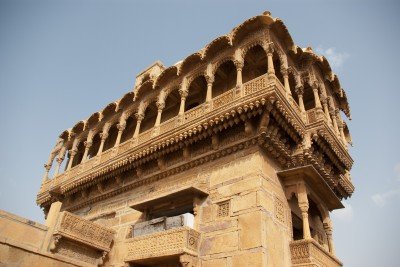
Jaisalmer
Some quick example text to build on the card title and make up the bulk of the card's content.
Go somewhere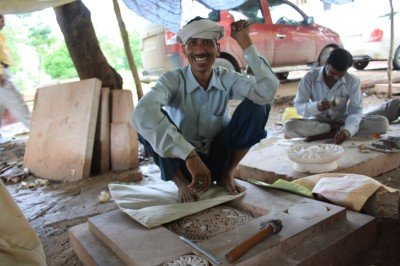
Jhalawar
Some quick example text to build on the card title and make up the bulk of the card's content.
Go somewhere
Jhunjhunu
Some quick example text to build on the card title and make up the bulk of the card's content.
Go somewherein Other Cities