

Dholpur
General information
-
Ideal Duration:
1 DayPlace Type:
Heritage & NatureSpecial Events:
Machkund Mela: Held in September, it involves thousands taking a holy dip in the lake. The atmosphere is vibrant with traditional stalls and music. ...Machkund Mela: Held in September, it involves thousands taking a holy dip in the lake. The atmosphere is vibrant with traditional stalls and music.Best Photo Spots:
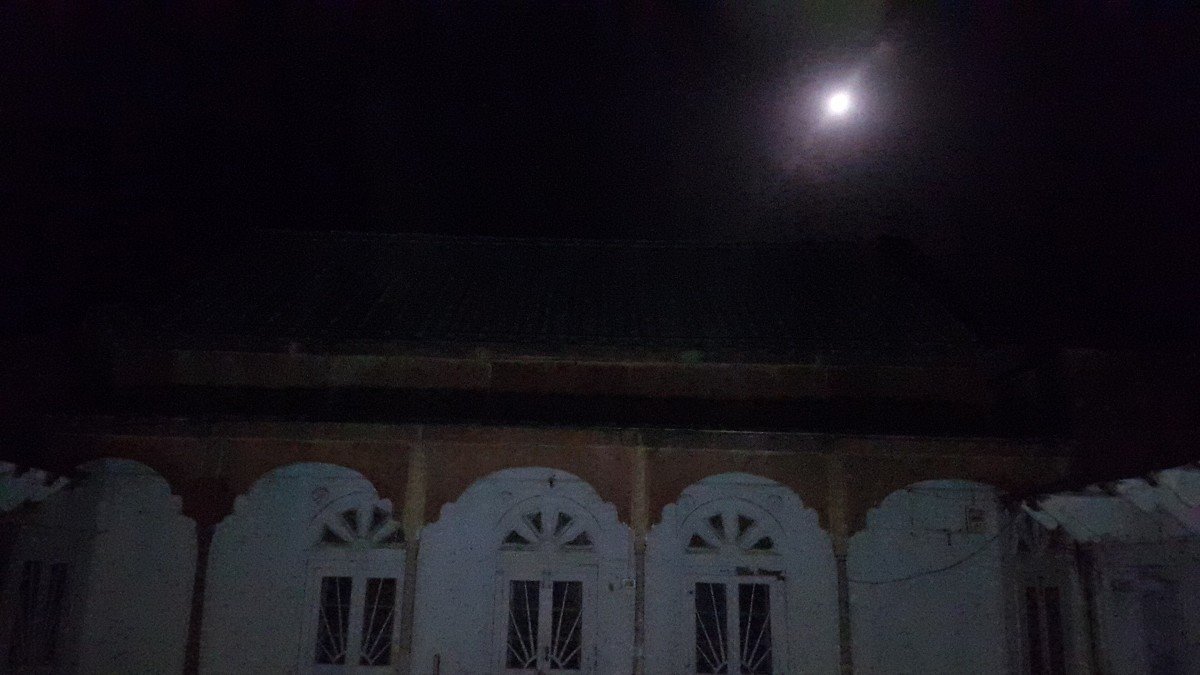
Machkund Lake: The reflection of temples in the water during sunrise is stunning. The ghats provide a symmetrical and peaceful frame for photos.
Nihal Tower: Best photographed from the market side in the late evening. The lighting enhances...Machkund Lake: The reflection of temples in the water during sunrise is stunning. The ghats provide a symmetrical and peaceful frame for photos.
Nihal Tower: Best photographed from the market side in the late evening. The lighting enhances the red color of the sandstone tower.Photo Gallery


Things To Do
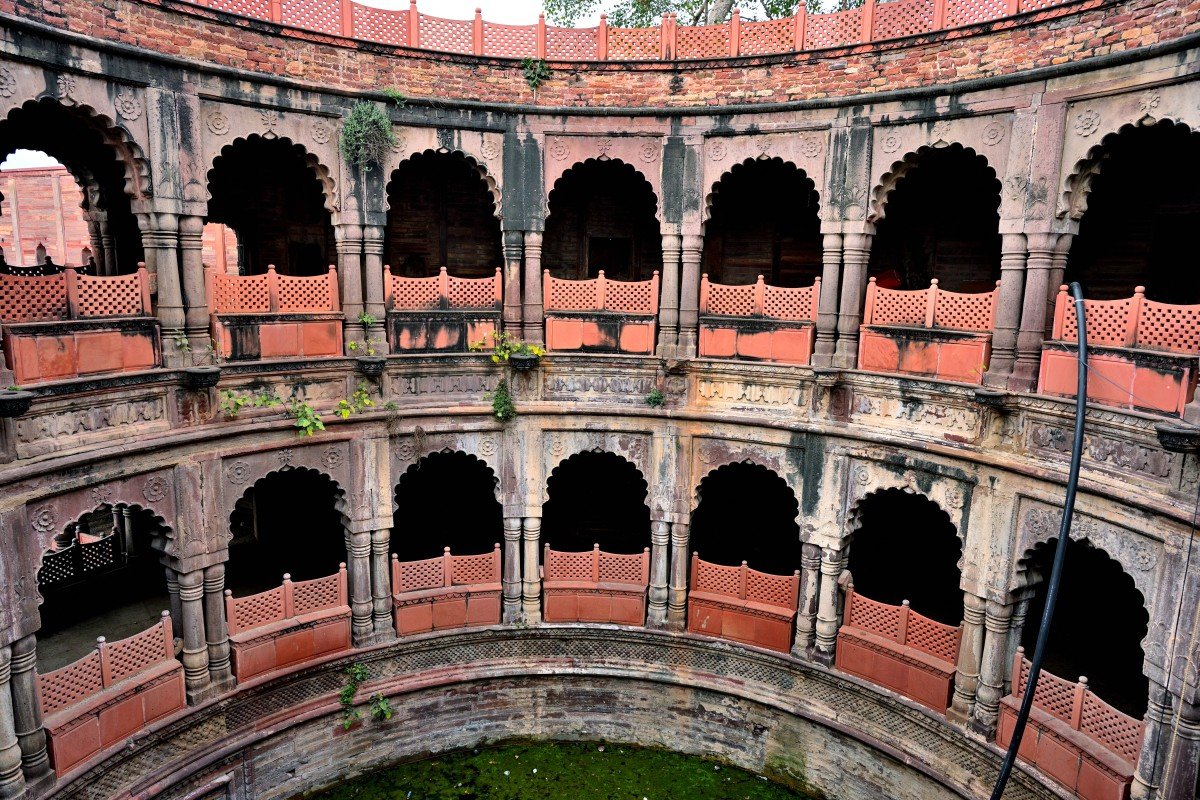
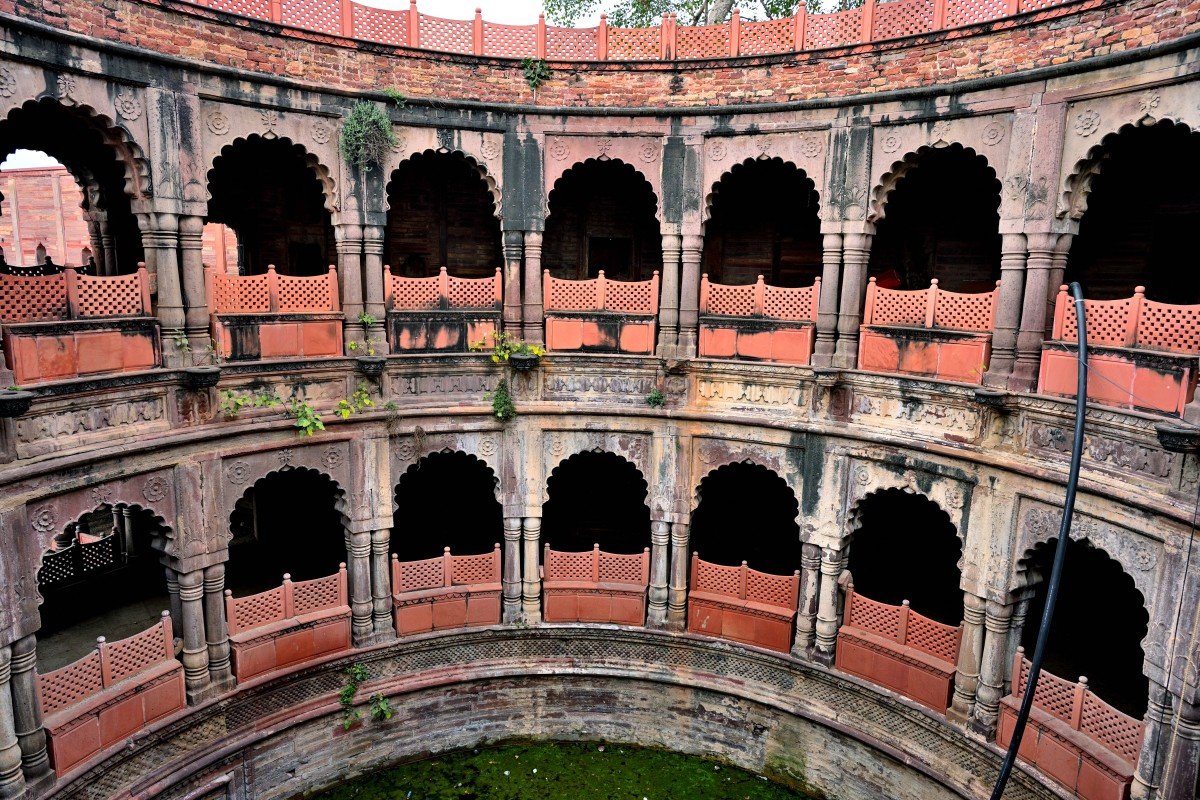
 The Royal Stepwell, locally known as the Baori, is a magnificent yet often overlooked architectural gem located near the Nihaleshwar Temple in Dholpur. Constructed between 1873 and 1880, this four-storied structure was built during the reign of the Bamrauli rulers to serve both as a water conservation system and a cool retreat during the scorching Rajasthan summers. The stepwell is carved entirely out of the local red sandstone, which is a hallmark of the region's construction style. As you descend the stairs, the temperature drops significantly, showcasing the ancient engineering wisdom that utilized depth and shade for natural cooling. The baori is famous for its intricate carvings and artistic pillars that support the various levels. Unlike many other stepwells in India that are purely functional, the Dholpur Baori features decorative elements that reflect the aesthetic sensibilities of the 19th-century royalty. It consists of a long rectangular tank preceded by a series of steps and a deep circular well at the far end. The arches and double pillars found here show a clear influence of Mughal and late Rajput styles. Historically, such stepwells were social hubs where women would gather to collect water and chat, and travelers would rest. Today, it stands as a silent witness to the city's past, tucked away behind the more famous temples. Despite its proximity to the city center, it retains a quiet, mystical atmosphere. The play of light and shadow on the symmetrical steps makes it a favorite spot for photographers and history students who wish to study the water management systems of princely India. It is a perfect example of how the rulers of Dholpur combined utility with exquisite artistry.
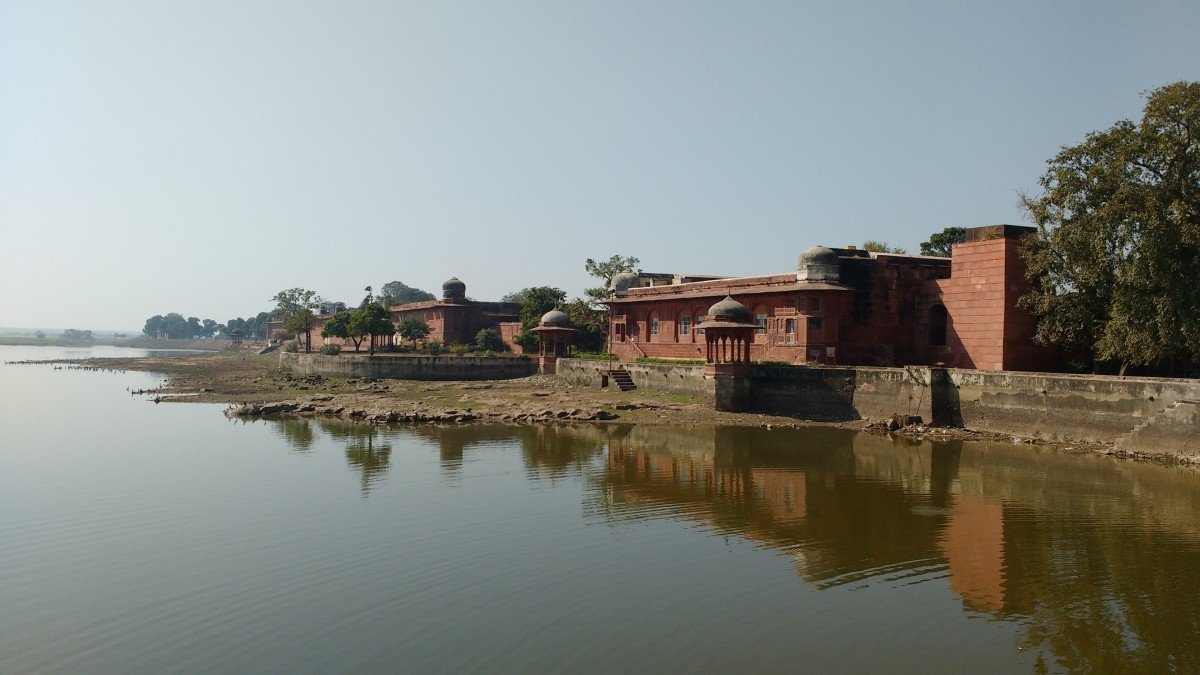
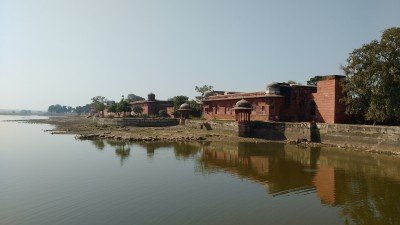 Talab Shahi is a picturesque lake and palace complex built in 1617 AD as a shooting lodge for Prince Shah Jahan, who later became the Mughal Emperor. The site is a masterpiece of Mughal leisure architecture, designed to provide a serene environment for the royalty during their hunting expeditions. The lake is fed by rainwater and is surrounded by lush gardens and a beautiful palace known as Khanpur Mahal. Although the palace now serves administrative purposes, its architectural beauty remains intact. The lake itself is a major attraction for birdwatchers, especially during the winter months when it plays host to thousands of migratory birds from Siberia and other parts of the world. The reflection of the palace in the calm waters of the lake creates a mesmerizing sight, especially during sunrise. The history of Talab Shahi is intertwined with the grandeur of the Mughals and later the rulers of Dholpur, who meticulously maintained the site. It offers a unique blend of natural beauty and historical elegance. The area is peaceful, making it a popular spot for weekend getaways and school excursions. The combination of the red sandstone palace, the blue water, and the diverse avian life makes it one of the most aesthetic locations in the Dholpur district.
 @@ Historical Context: Bagh-e-Nilofar, popularly known as the Lotus Garden, holds the prestigious title of being the very first Mughal garden constructed on the Indian subcontinent. It was commissioned by Emperor Babur, the founder of the Mughal Empire, between 1527 and 1530 AD. The garden was meticulously carved out of a single sandstone ridge overlooking the surrounding plains. Babur’s fascination with nature and structured greenery led him to choose this site personally after defeating the Lodi dynasty. The garden was rediscovered in 1978 by Elizabeth Moynihan, a renowned historian and wife of a former US Ambassador, who used Babur’s autobiography, the Baburnama, to locate the site. Today, it remains a protected monument under the Archaeological Survey of India (ASI). Despite being centuries old, the site retains the layout of its original water channels and pools, offering a unique glimpse into early Timurid-influenced landscape architecture. The garden was designed as a series of terraces that descended toward the plains, symbolizing paradise on earth. It served as a tranquil retreat for the Emperor during his military campaigns in North India. The use of local red sandstone reflects the regional influence on Mughal aesthetics. Visitors can still see the octagonal tank and the remains of the hammam. The site stands as a testament to the sophisticated hydraulic systems developed by the Mughals to keep the garden lush in the arid climate of Rajasthan.
 Chenchi Farm House is a sprawling agricultural and recreational estate located on the outskirts of Dholpur. It offers a serene escape from the urban hustle, characterized by lush plantations and organic farming practices. Visitors often come here to experience the rustic lifestyle of Rajasthan while enjoying modern hospitality. The farm house serves as a bridge between traditional farming and agro-tourism, providing educational insights into local crop cultivation like mustard and wheat. The surroundings are filled with local bird species, making it a peaceful spot for nature lovers. Many families use this location for private gatherings and picnics due to its vast open spaces. The air here is remarkably fresh compared to the city, making it a health-conscious choice for a day trip. It is a place where one can truly witness the fertility of the Chambal region.
Machkund Sarovar is a deeply revered ancient holy tank that holds immense spiritual significance in Hindu mythology. The place is named after Raja Machchh Kund, the 24th king of the Suryavanshi Dynasty, who is said to have lived nineteen generations before Lord Rama. Legend says that while the king was sleeping here, the demon Kaal Yaman, who was chasing Lord Krishna, accidentally woke him up. Because of a divine boon that the king possessed, his gaze turned the demon to ashes instantly. This sacred site is often referred to as the "Nephew of all Pilgrimages" (Bhanja Kush) because a pilgrimage to the four major Dhams is considered incomplete without a holy dip in these waters. The reservoir is surrounded by a scenic landscape and numerous temples that have been built over several centuries by different rulers. The serene environment and the reflection of the temples in the water create a peaceful atmosphere for devotees and tourists alike. People believe that taking a dip in the Machkund Sarovar can cure skin diseases and wash away sins. The site has recently been developed with modern amenities like a sound and light show to attract more global tourists while maintaining its ancient sanctity. It remains the spiritual heart of the Dholpur district.
 The Raj Niwas Palace, also famously known as the City Palace, is a breathtaking example of royal heritage and historical luxury located in the heart of Dholpur. Constructed primarily in the 19th century, the palace was originally built to welcome HRH Albert Edward, the Prince of Wales, during his visit to India in 1876. This magnificent structure serves as a living testimony to the grandeur of the Bamrauli Jat rulers who governed this princely state. Today, the palace has been meticulously restored and converted into a world-class heritage hotel, allowing visitors to step back into an era of regal opulence while enjoying modern comforts. The palace is set amidst 13 acres of lush green lawns and sprawling gardens that are often frequented by peacocks, adding a touch of natural serenity to the royal atmosphere. Inside, the palace is divided into a heritage wing and modern villas, each reflecting a specific period of history. The interiors are a treasure trove of European artifacts, including Belgian glass, Victorian baths, and a grand piano made of satinwood. The walls are adorned with beautiful Dutch ceramics and Persian carpets that speak volumes of the global tastes of the erstwhile royalty. Exploring the palace provides a deep insight into the political and social history of Dholpur, which served as a strategic point between the powers of Agra and Gwalior. Visitors are often mesmerized by the intricate gold-leaf work on the ceilings and the ornate stucco that decorates the halls. The palace acts as a bridge between the past and the present, offering a unique cultural experience that is hard to find elsewhere in Rajasthan. Whether you are a history buff, an architecture enthusiast, or simply a traveler seeking luxury, this palace offers a comprehensive glimpse into the soul of Dholpur.
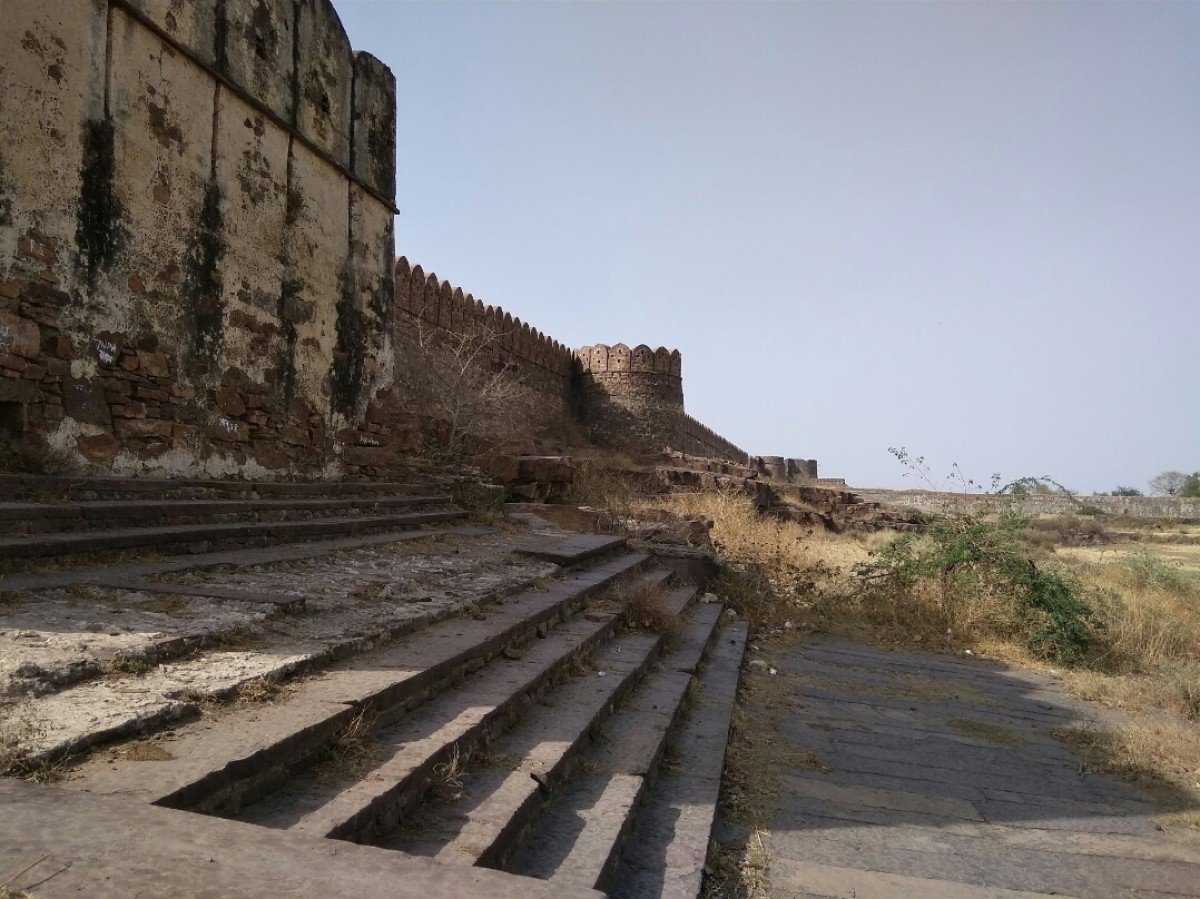
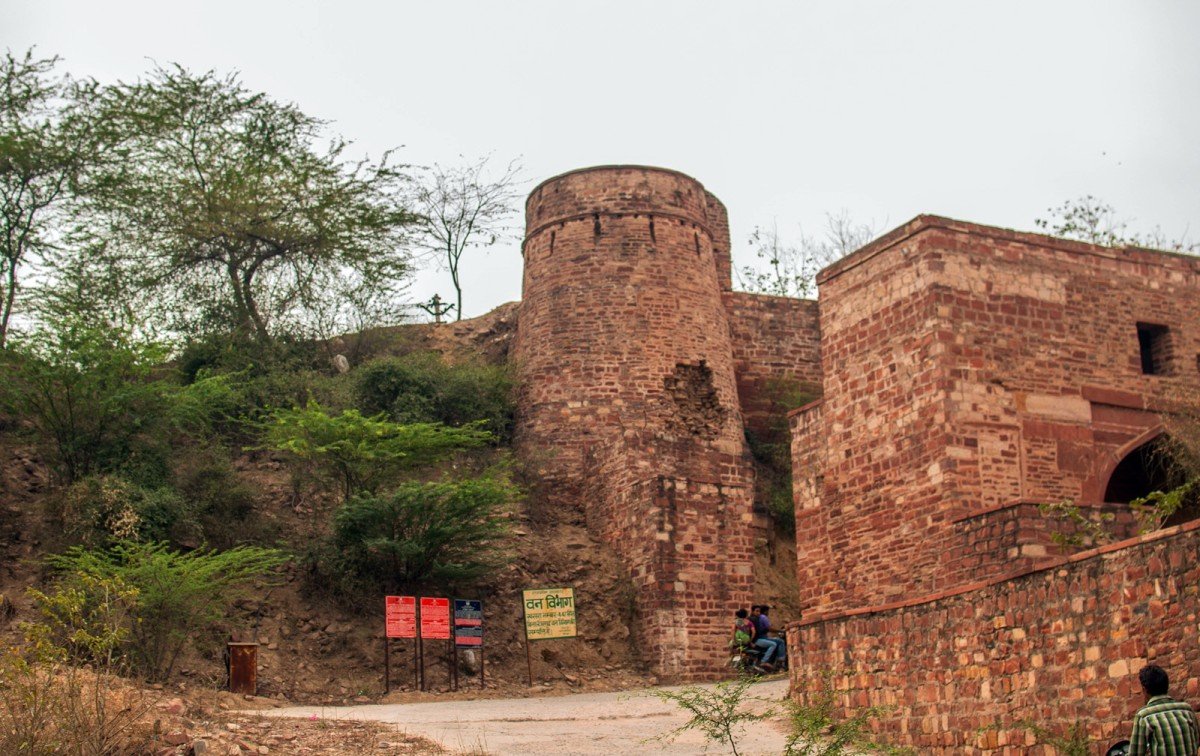
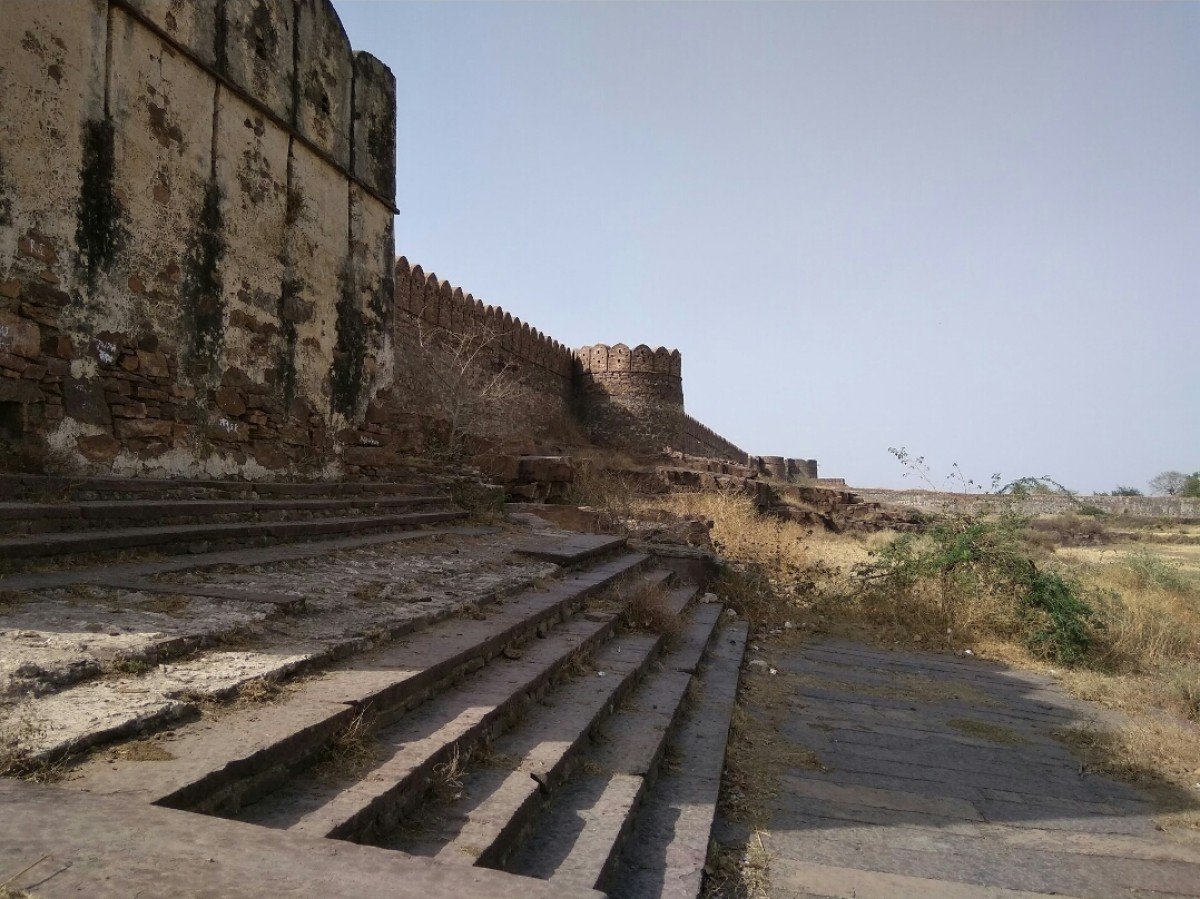
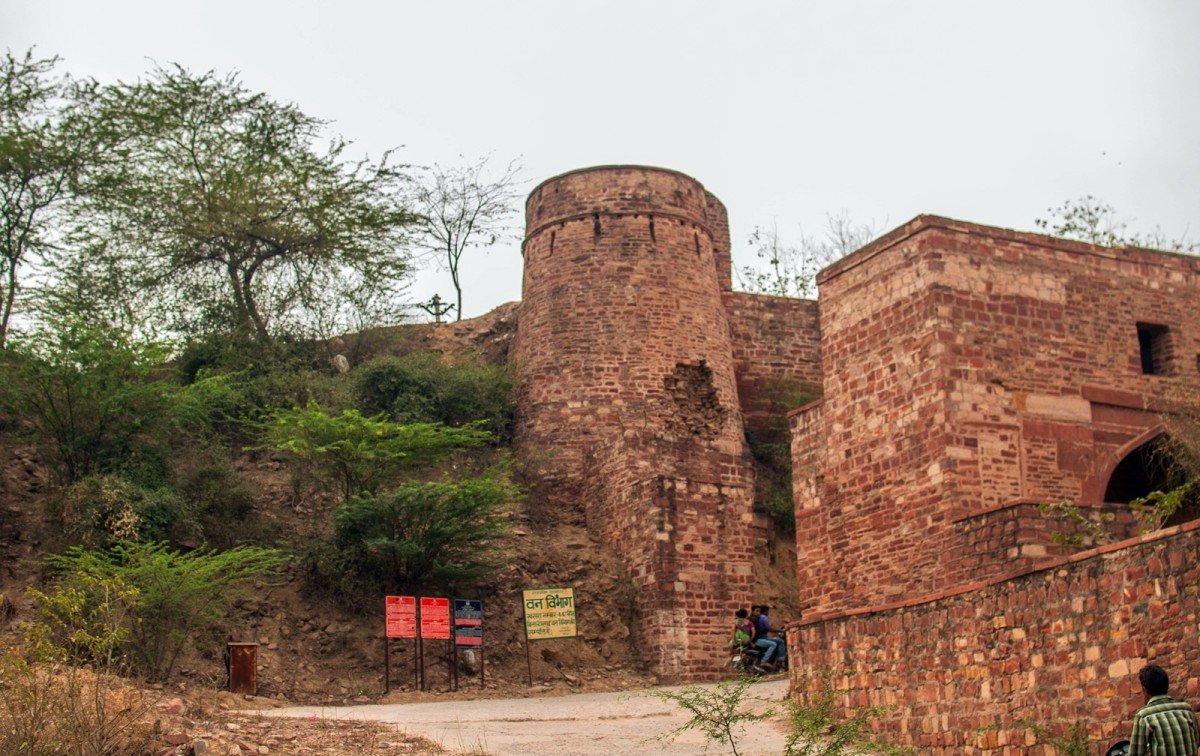
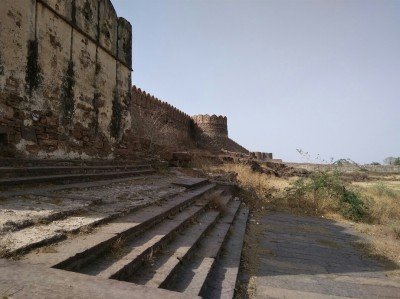 Shergarh Fort is a majestic historical structure located on the banks of the Chambal River. Originally built by Raja Maldeo of Jodhpur in the 15th century and later renovated by Sher Shah Suri in 1540, it served as a crucial military post. The fort is steeped in legends of valor and has witnessed numerous battles between the Mughals and the local rulers. Exploring its massive ramparts offers a deep dive into the medieval history of Rajasthan. The sprawling complex houses several temples, palaces, and water reservoirs that tell the story of a bygone era. Visitors can witness the intricate carvings that have survived for centuries. The fort's strategic location allowed it to control the trade routes between Delhi and Gwalior. Today, it stands as a silent witness to the passage of time, attracting history buffs and architecture enthusiasts from across the globe. The environment around the fort is serene, providing a perfect escape from the city's noise. The ruins evoke a sense of mystery and grandeur, especially during the golden hour when the sun sets over the Chambal ravines.Show All
@@ Bridge Information: The Chambal Bridge in Dholpur is a vital infrastructure landmark that spans the mighty Chambal River, serving as a gateway between the states of Rajasthan and Madhya Pradesh. It is part of National Highway 44, one of India's most important transport corridors. The bridge is famous for its strategic importance and the stunning panoramic views it offers of the river and the surrounding ravines. Historically, this area was known for its rugged terrain and was a difficult crossing point until the construction of modern bridges. There are actually multiple bridges at this site, including a historic railway bridge and the newer road bridges that accommodate heavy traffic. The bridge stands high above the water level, providing a safe passage even during the monsoon when the Chambal River swells significantly. The surrounding landscape consists of the famous Chambal ravines, which were once the haunt of legendary dacoits. Today, the bridge is a symbol of connectivity and modern development in the Dholpur district. Watching the sunset from the bridge or its vicinity is a popular activity for locals and travelers passing through. The bridge's design focuses on durability to withstand the river's strong currents. It serves as an essential link for trade, tourism, and daily commuting. The view from the bridge allows one to see the vast expanse of the National Chambal Sanctuary, where the water appears pristine and untouched. It is a marvel of civil engineering that has transformed the regional economy by facilitating the smooth movement of goods across state borders.
Information
-
Why Famous:
Teerthraj Machkund: A divine lake with 108 temples surrounding its perimeter. It is a site of deep mythological importance for Hindus.
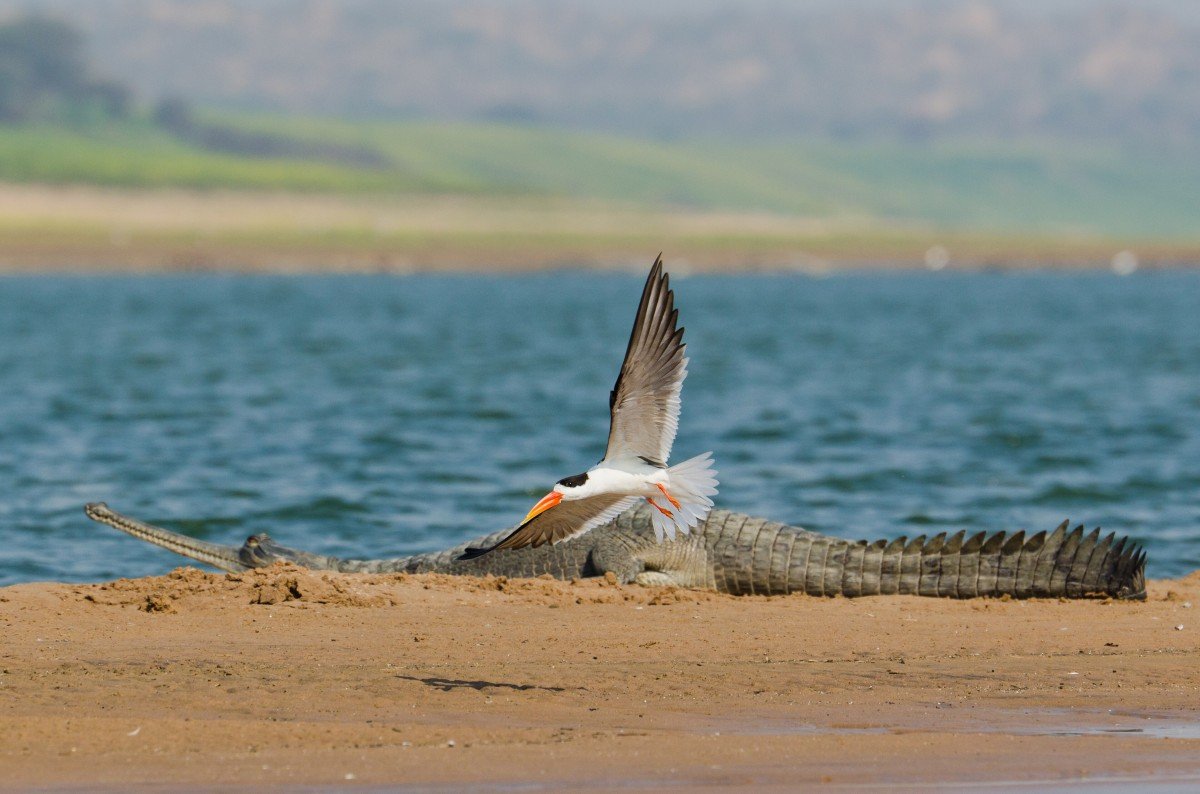
Chambal River Safari: One of the few places to see Gharials in their natural habitat. The river offers a...Teerthraj Machkund: A divine lake with 108 temples surrounding its perimeter. It is a site of deep mythological importance for Hindus.
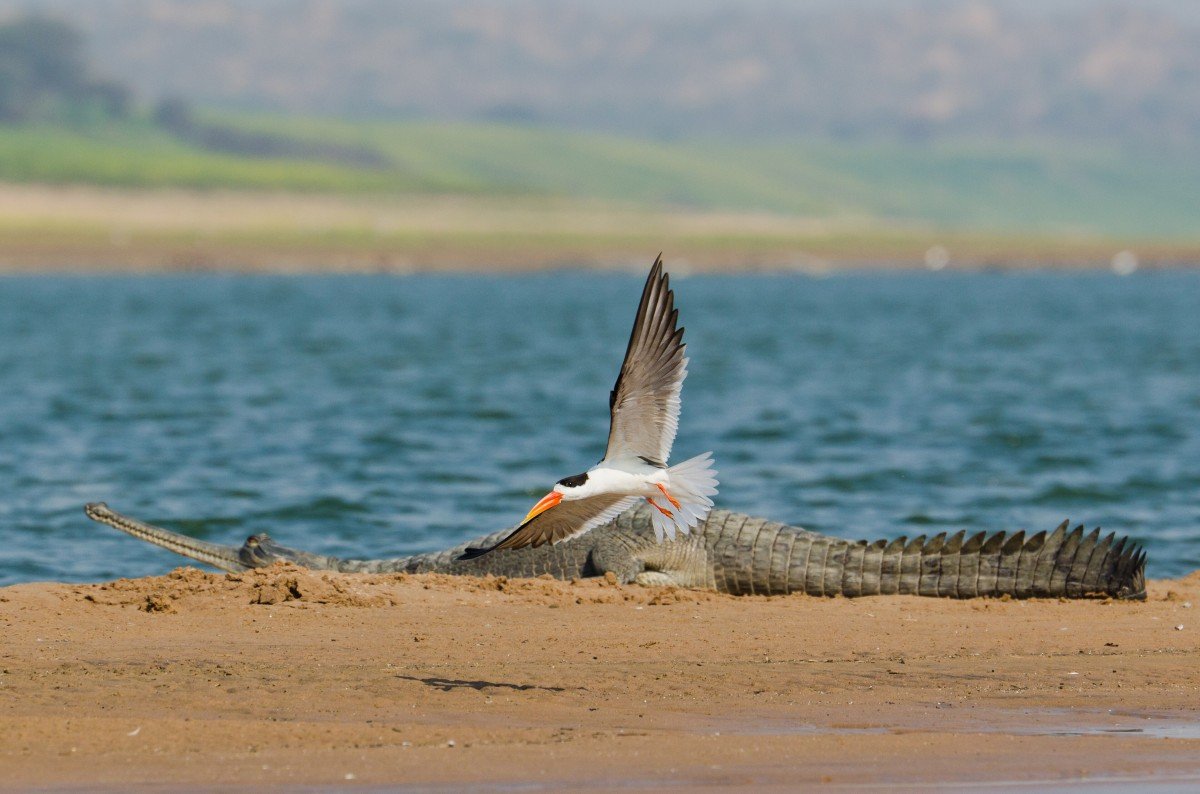
Chambal River Safari: One of the few places to see Gharials in their natural habitat. The river offers a unique boat safari experience away from the desert.
Red Sandstone: The entire city is built from the same stone used in Delhi's Red Fort. This gives the town a distinct and uniform aesthetic character. -
How To Reach:
By Air: Agra Airport is the closest domestic airport, 60 km away. For international travel, Delhi Airport is about 250 km from the city.
By Train: Dholpur Railway Station lies on the main Delhi-Mumbai track. All major trains like Shatabdi ...By Air: Agra Airport is the closest domestic airport, 60 km away. For international travel, Delhi Airport is about 250 km from the city.
By Train: Dholpur Railway Station lies on the main Delhi-Mumbai track. All major trains like Shatabdi and Rajdhani stop here.
By Road: It is located on NH-44, making it easily reachable from Agra and Gwalior. The drive from Agra takes about 1 hour.
By Local Transport: Shared autos and cycle-rickshaws are the primary modes of travel. Private taxis can be booked for a day's sightseeing. -
Weather and Best Time to Visit:
Winter Season: October to March is the peak tourist season. The weather is cool, and wildlife sightings are most frequent in the river.
Monsoon Time: August and September are great for visiting the Damoh waterfall. The ravines turn green, ...Winter Season: October to March is the peak tourist season. The weather is cool, and wildlife sightings are most frequent in the river.
Monsoon Time: August and September are great for visiting the Damoh waterfall. The ravines turn green, offering a different landscape view. -
Near Tourist Places:
Agra (55 km), Gwalior (65 km), Morena (30 km), Bari (35 km), Sarmathura (55 km), Fatehpur Sikri (75 km), Bharatpur (100 km), Mathura (110 km), Bhind (120 km), Karauli (110 km)
Tourism Tips
-
Health and Safety: Avoid swimming in the Chambal river due to the presence of crocodiles. Drink bottled water and carry basic medication for the trip.
Packing: Carry binoculars for the river safari and a good zoom camera. Wear layers as it...Health and Safety: Avoid swimming in the Chambal river due to the presence of crocodiles. Drink bottled water and carry basic medication for the trip.
Packing: Carry binoculars for the river safari and a good zoom camera. Wear layers as it can be quite chilly during winter mornings.
Accommodation: Raj Niwas Palace offers a luxury stay experience. Several budget hotels are located near the railway station and bus stand.
Local Etiquette: Do not disturb the wildlife during the river safari. Dress conservatively while visiting the religious complex of Machkund.
Reviews
FAQs
Dholpur Itineray And Cost:-
Other Places In Rajasthan :-
Other States In India :-
Information about New and Updated Locations() of Rajasthan Has Been Added :-
Card subtitle
Note:-
Information provided here in good Faith and for reference only.
Near Places
Ajmer
Some quick example text to build on the card title and make up the bulk of the card's content.
Go somewhere
Alwar
Some quick example text to build on the card title and make up the bulk of the card's content.
Go somewhere
Bharatpur
Some quick example text to build on the card title and make up the bulk of the card's content.
Go somewhere
Bikaner
Some quick example text to build on the card title and make up the bulk of the card's content.
Go somewhere
Bundi
Some quick example text to build on the card title and make up the bulk of the card's content.
Go somewhere
Chittorgarh
Some quick example text to build on the card title and make up the bulk of the card's content.
Go somewhere
Churu
Some quick example text to build on the card title and make up the bulk of the card's content.
Go somewhere
Dausa
Some quick example text to build on the card title and make up the bulk of the card's content.
Go somewhere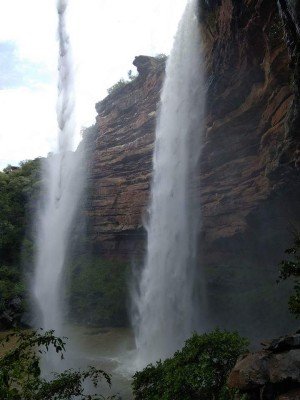
Dholpur
Some quick example text to build on the card title and make up the bulk of the card's content.
Go somewhere
Dundlod
Some quick example text to build on the card title and make up the bulk of the card's content.
Go somewhere
Fatehpur
Some quick example text to build on the card title and make up the bulk of the card's content.
Go somewhere
Hanumangarh
Some quick example text to build on the card title and make up the bulk of the card's content.
Go somewhere
Jaipur
Some quick example text to build on the card title and make up the bulk of the card's content.
Go somewhere
Jaisalmer
Some quick example text to build on the card title and make up the bulk of the card's content.
Go somewhere
Jhalawar
Some quick example text to build on the card title and make up the bulk of the card's content.
Go somewhere
Jhunjhunu
Some quick example text to build on the card title and make up the bulk of the card's content.
Go somewherein Other Cities