


Mayurbhanj
General information
-
Ideal Duration:
Duration:
3 to 4 Days:Place Type:
Category:
Wildlife & Heritage:Entry Fees:
Entry to Similipal National Park is approximately 100 INR for Indians. Foreigners may be charged around 1000 INR for park entry and permits. ...Entry to Similipal National Park is approximately 100 INR for Indians. Foreigners may be charged around 1000 INR for park entry and permits.Special Events:
The Makar Sankranti festival is celebrated with great fervor, featuring the Tusu Parab tribal songs. The Baripada Rath Yatra is a massive event held in July every year. ...The Makar Sankranti festival is celebrated with great fervor, featuring the Tusu Parab tribal songs. The Baripada Rath Yatra is a massive event held in July every year.Best Photo Spots:
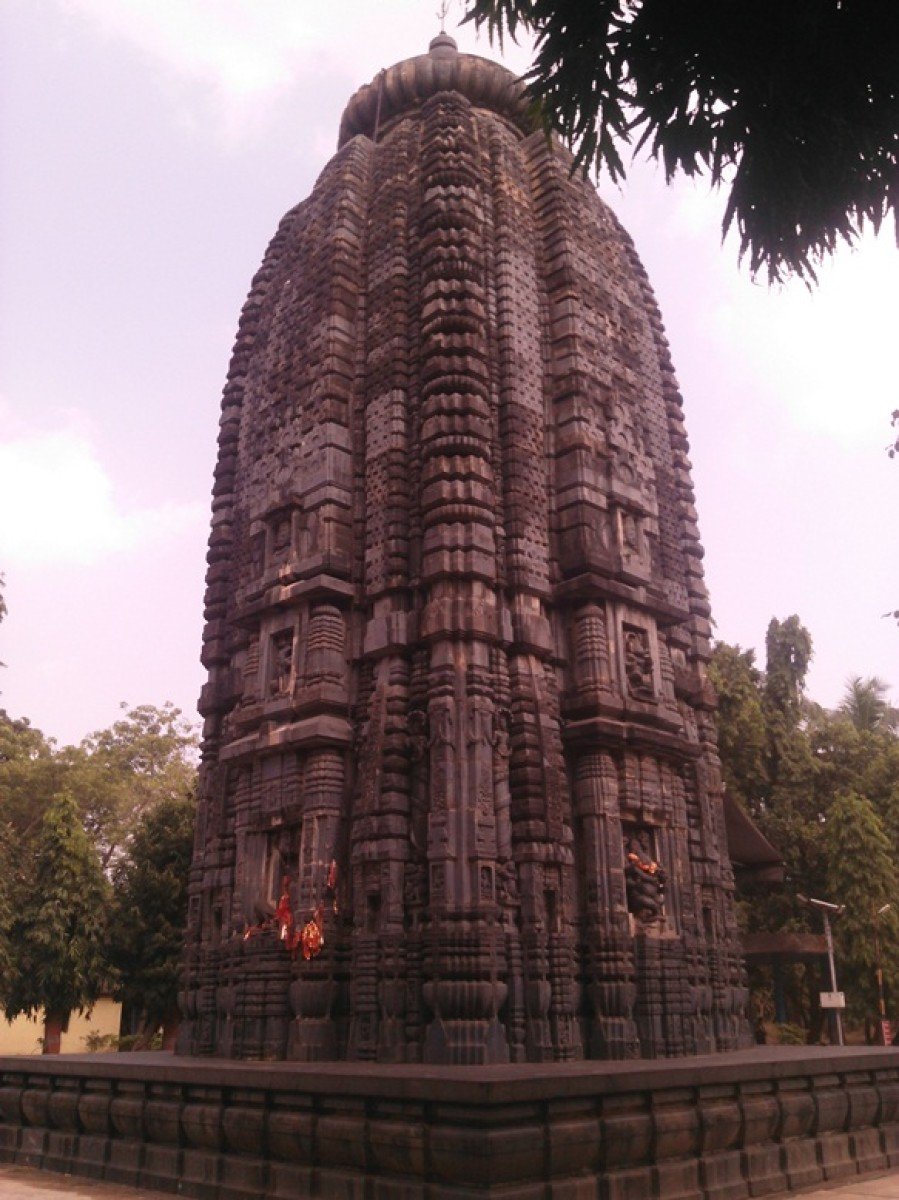
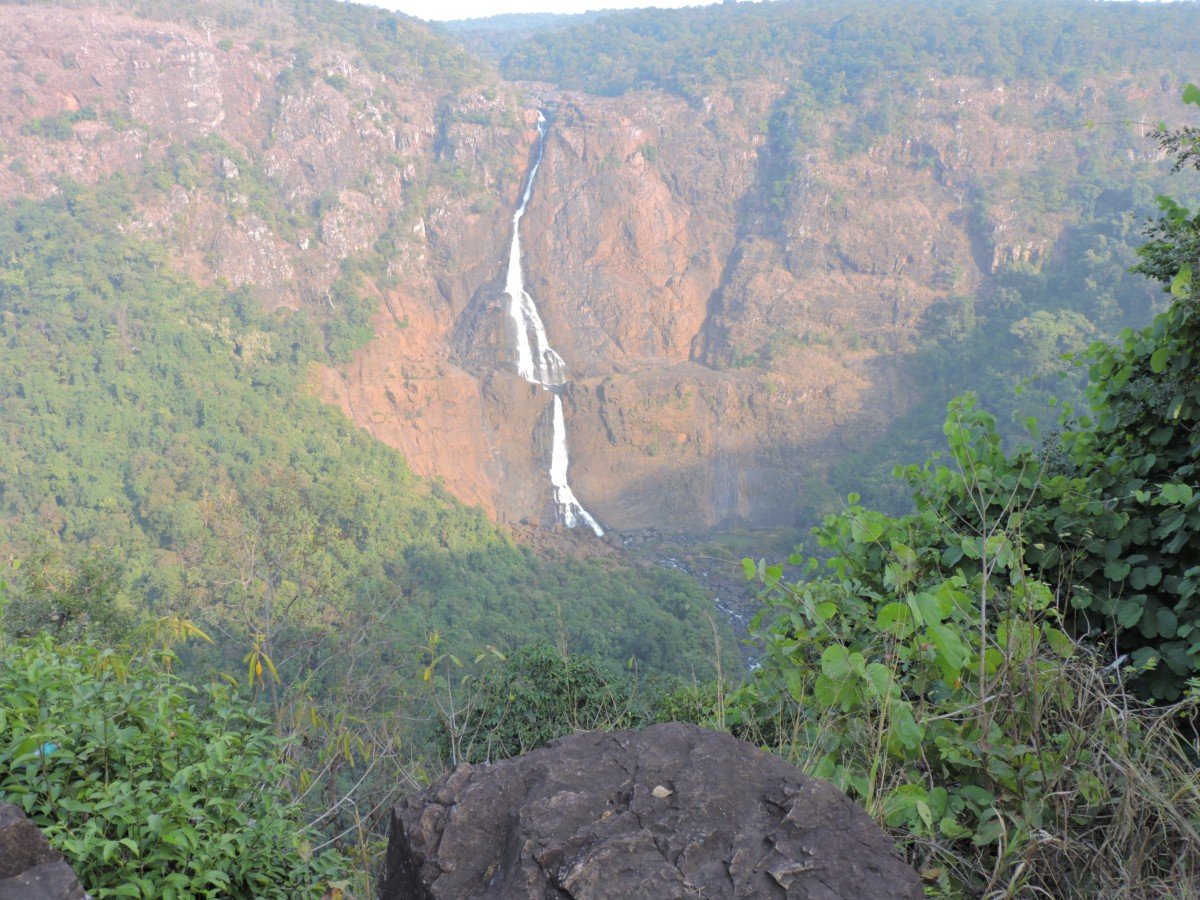
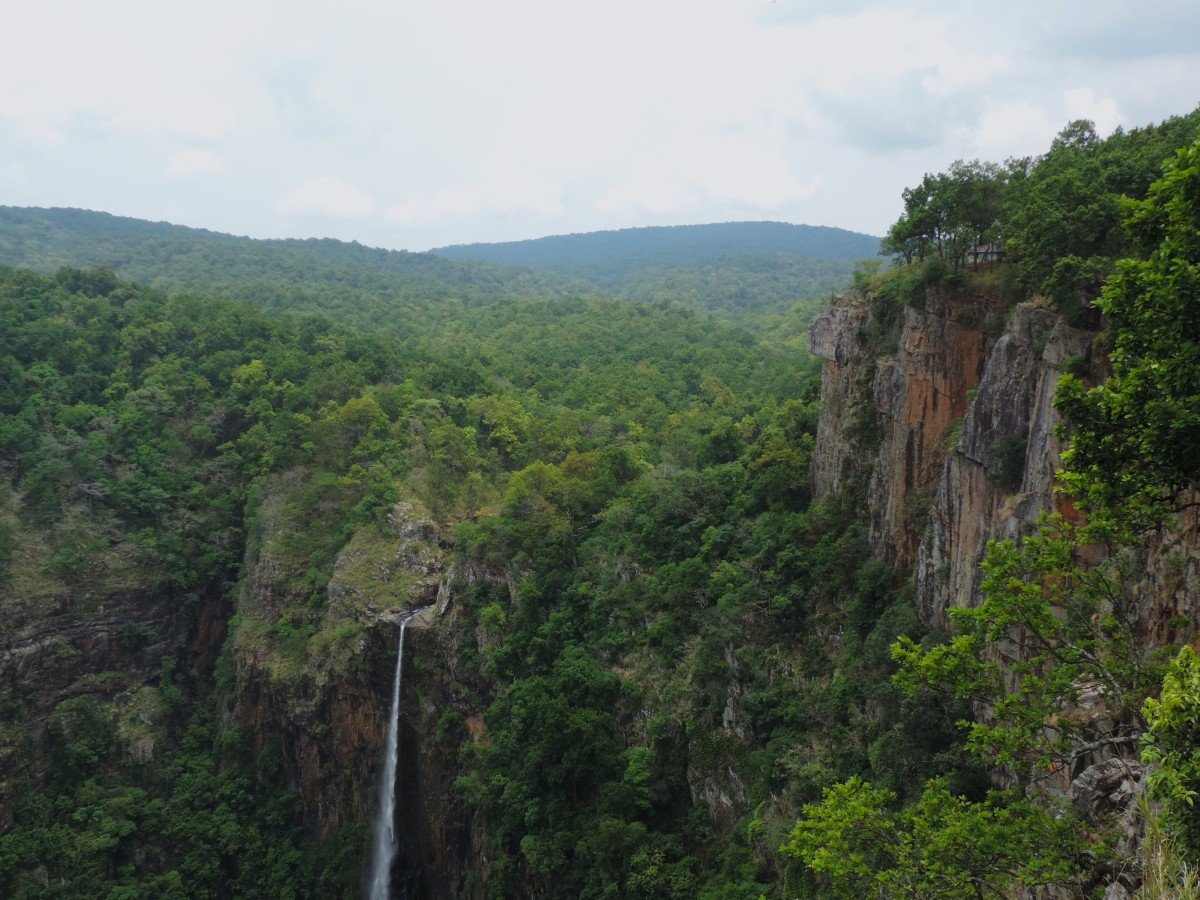
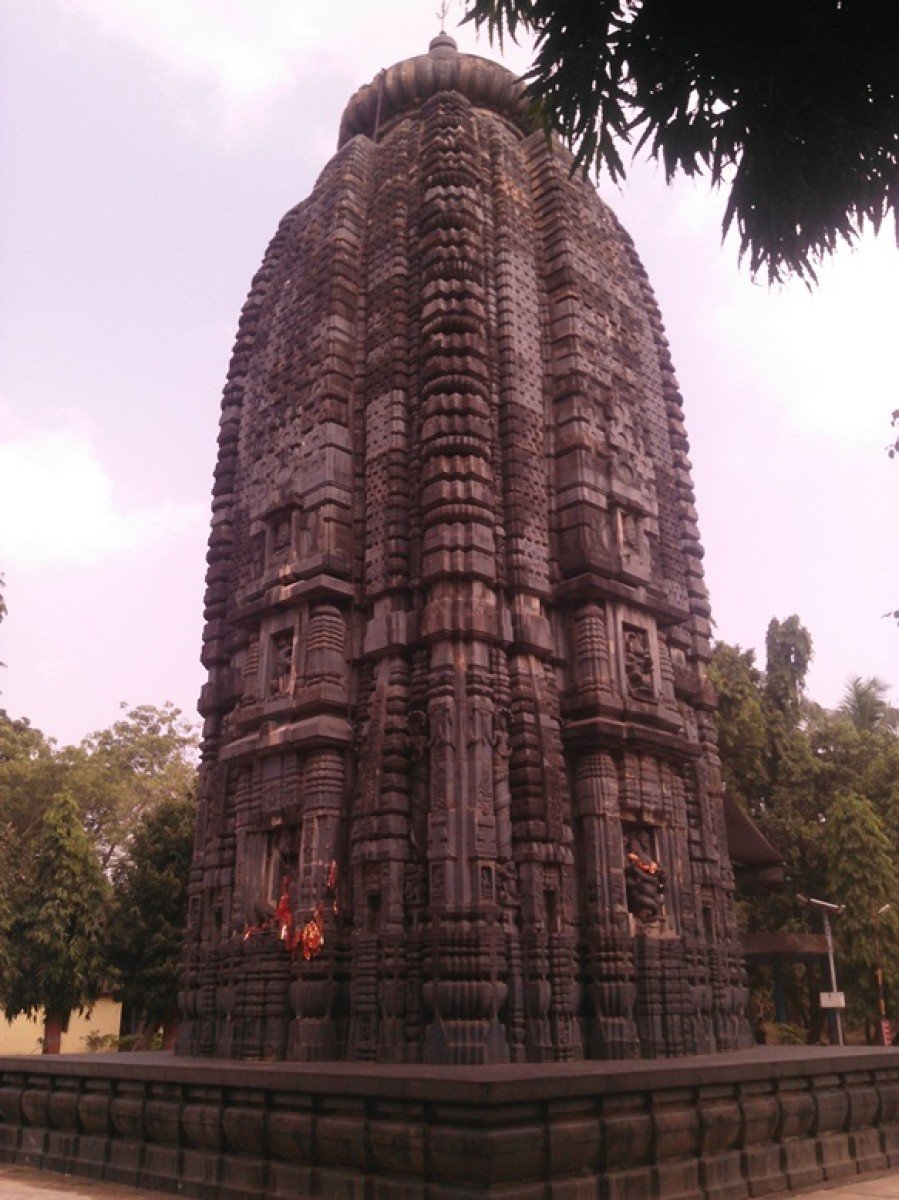
Photo Spots: The Barehipani Waterfall viewpoint offers a majestic backdrop of cascading water and greenery. The intricate carvings of the Kichakeswari Temple provide excellent detail for architectural photography. ...Photo Spots: The Barehipani Waterfall viewpoint offers a majestic backdrop of cascading water and greenery. The intricate carvings of the Kichakeswari Temple provide excellent detail for architectural photography.Photo Gallery

Things To Do
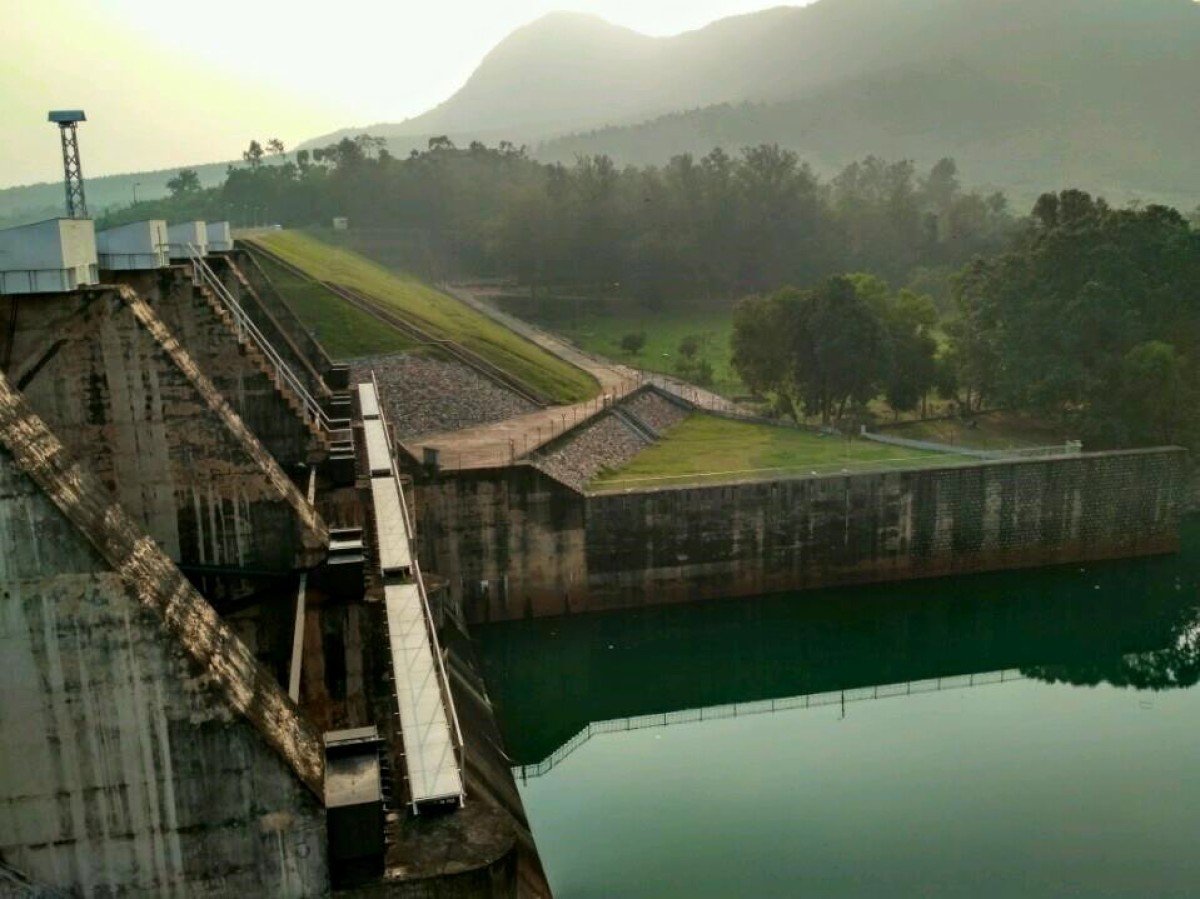
 @@Scenic Beauty and Function: Shankarmara Dam, often referred to as a hidden tranquil oasis, is an irrigation reservoir built across a local rivulet in the Badgaon area. Surrounded by a ring of small hillocks and dense deciduous forests, the dam serves as a lifeline for local farmers while providing a picturesque escape for travelers. The vast expanse of blue water reflecting the clear sky creates a mirror-like effect that is incredibly soothing to the eyes. Unlike the more commercialized tourist spots, Shankarmara offers a raw and untouched experience of nature. The dam is part of the larger water management system in Mayurbhanj, ensuring that the tribal villages nearby have access to water throughout the year. For a visitor, the experience is defined by the sound of ripples against the stone embankments and the distant calls of forest birds. It is a place where you can sit for hours without hearing the hum of an engine, making it a favorite for those who value solitude. @@Local Ecosystem: The area around the reservoir is rich in biodiversity, often acting as a watering hole for small forest animals. The lush greenery that fringes the water changes shades with the seasons, from the bright greens of the monsoon to the golden hues of late winter, offering a different visual treat every time you visit.
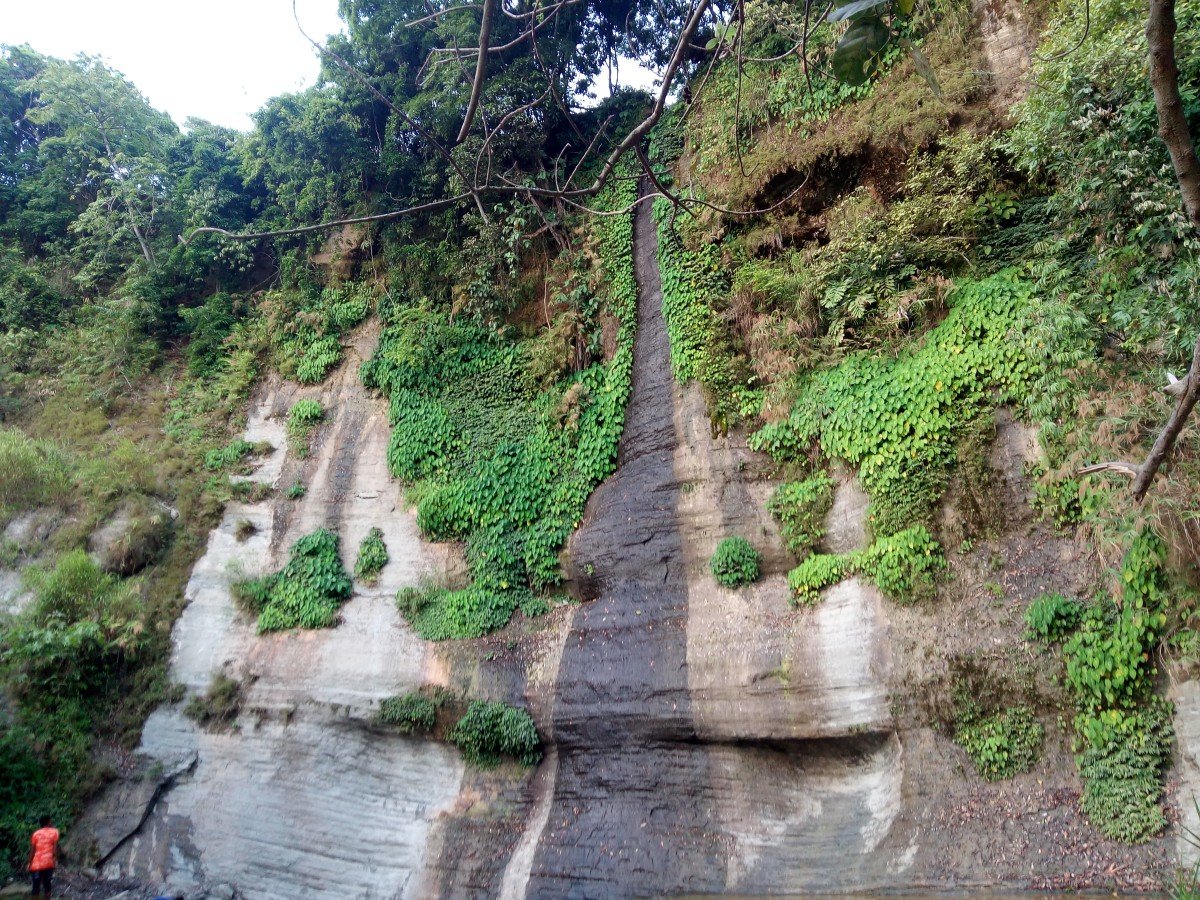
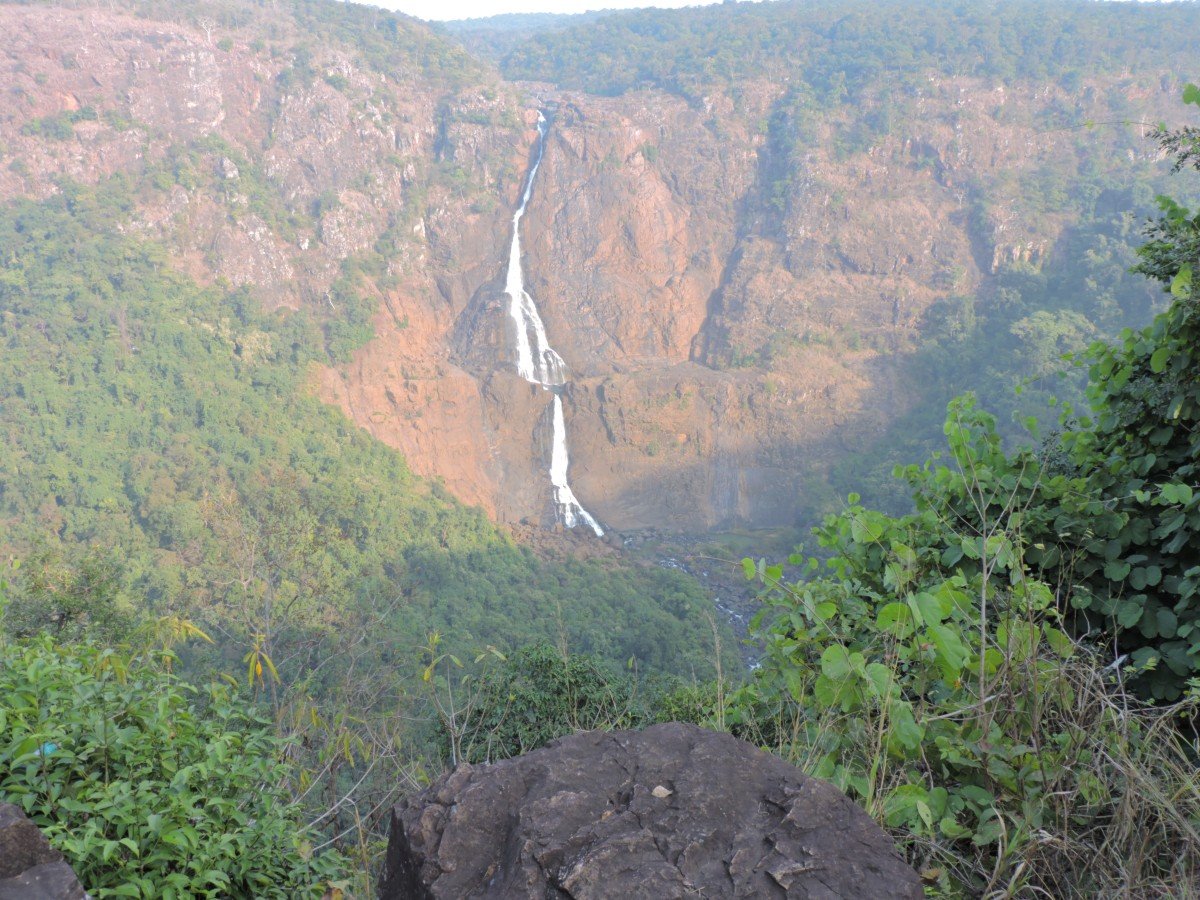
 Joranda Waterfall is one of the most spectacular natural landmarks in India, located deep within the core area of the Similipal National Park. It is the 19th highest waterfall in India, with a total height of approximately 150 meters (492 feet). Unlike the multi-tiered waterfalls found elsewhere, Joranda is a "plunge" type waterfall, where the water drops in a single, straight, and powerful stream over a lofty, vertical cliff. The sheer force of the water creates a permanent veil of mist that rises from the bottom, often resulting in beautiful rainbows when caught by the sunlight. The waterfall is fed by the Budhabalanga River and its tributaries, flowing through the heart of the tiger reserve. The surroundings are incredibly dense, consisting of virgin tropical forests that are home to tigers, leopards, and the famous black panthers of Similipal. Because it is in the core area, the site is exceptionally well-preserved and offers a raw experience of the wild. There is a well-maintained viewpoint built by the forest department that allows visitors to witness the full glory of the falls from a safe distance. The sound of the waterfall is a constant, deep thrum that can be heard long before the falls come into view. It is often visited along with the nearby Barehipani Waterfall, which is even higher. Joranda is a must-visit for anyone who wants to see the true power of nature in its most primitive form. The area is also significant for its biodiversity, featuring hundreds of species of orchids and medicinal plants that thrive in the humid, misty microclimate created by the falls.
 Aarikulo Dam is a tranquil reservoir located in the heart of the Mayurbhanj district, offering a perfect escape for nature enthusiasts. This scenic destination is nestled near the village of Dukura and is characterized by its vast expanse of calm waters reflecting the surrounding green hills and clear blue skies. The dam serves primarily as an irrigation source for the local agricultural lands, but its aesthetic appeal has made it a popular local getaway. Visitors are often mesmerized by the rhythmic sound of water and the cool breeze that sweeps across the reservoir. The area around the dam is rich in local flora, providing a lush green backdrop that changes its hue with the passing seasons. During the monsoon, the water level rises significantly, creating a powerful and majestic sight, while the post-monsoon months offer a more serene and peaceful environment. It is an ideal spot for those looking to spend quality time away from the hustle and bustle of city life, as the atmosphere is filled with the chirping of birds and the rustle of leaves. The dam's proximity to Baripada makes it easily accessible for a day trip, yet it remains relatively untouched by heavy commercialization, preserving its raw natural beauty. Local villagers often use the banks for their daily chores, adding a touch of rustic charm to the overall experience. Whether you are a solo traveler seeking solitude, a couple looking for a romantic backdrop, or a family planning a fun picnic, Aarikulo Dam provides the perfect setting. The reflection of the setting sun on the water surface is a sight to behold, painting the landscape in shades of orange and gold. It stands as a testament to the harmonious coexistence of man-made structures and nature in the beautiful district of Mayurbhanj.
 @@Historical Grandeur: The Kichakeswari Temple is a magnificent shrine dedicated to Goddess Chamunda, the presiding deity of the Bhanja Dynasty. Built entirely of black chlorite (granite), the temple is a testament to the artistic brilliance of the 10th-century Kalinga architecture. It was reconstructed in the early 20th century by the Maharaja of Mayurbhanj using the original ruins, ensuring the ancient spirit remains intact. The temple complex is surrounded by smaller shrines and an archaeological museum that houses rare sculptures. It serves as a major pilgrimage site where devotees seek blessings for strength and prosperity.
Bhimkund Waterfall is a place where mythology meets breathtaking natural beauty. Located on the banks of the sacred Baitarani River, this spot is a natural wonder that straddles the border of Mayurbhanj and Keonjhar districts. The waterfall is unique because the river flows through a narrow, deep gorge, creating a series of powerful rapids before plunging into a massive natural pool called the "Kunda." According to local legend and the epic Mahabharata, it is believed that Bhima, the second of the Pandava brothers, used to take his bath in this pool during their period of exile. The water here is said to be of unfathomable depth, adding an air of mystery to the location. The force of the water creates a misty, smoky atmosphere and a roaring sound that can be heard from a distance. The surrounding rock formations are huge and vertical, creating a natural amphitheater that amplifies the sound of the crashing waves. There is a temple dedicated to Lord Shiva (Kundeswar Mahadev) and a massive statue of Bhima near the site, reinforcing its religious significance. During the Makar Sankranti festival, thousands of devotees flock here to take a holy dip in the waters, believing it will wash away their sins. For the common tourist, Bhimkund offers a spectacular view of the river's raw power and the rugged beauty of the landscape. A watchtower has been constructed to provide a safe and comprehensive view of the entire gorge. The area is also popular for picnics, with several designated spots under the shade of ancient trees. The contrast between the dark rocks and the white, frothy water makes it a visual masterpiece. It is a place that evokes a sense of awe and reverence for the forces of nature and the timeless stories of Indian mythology.
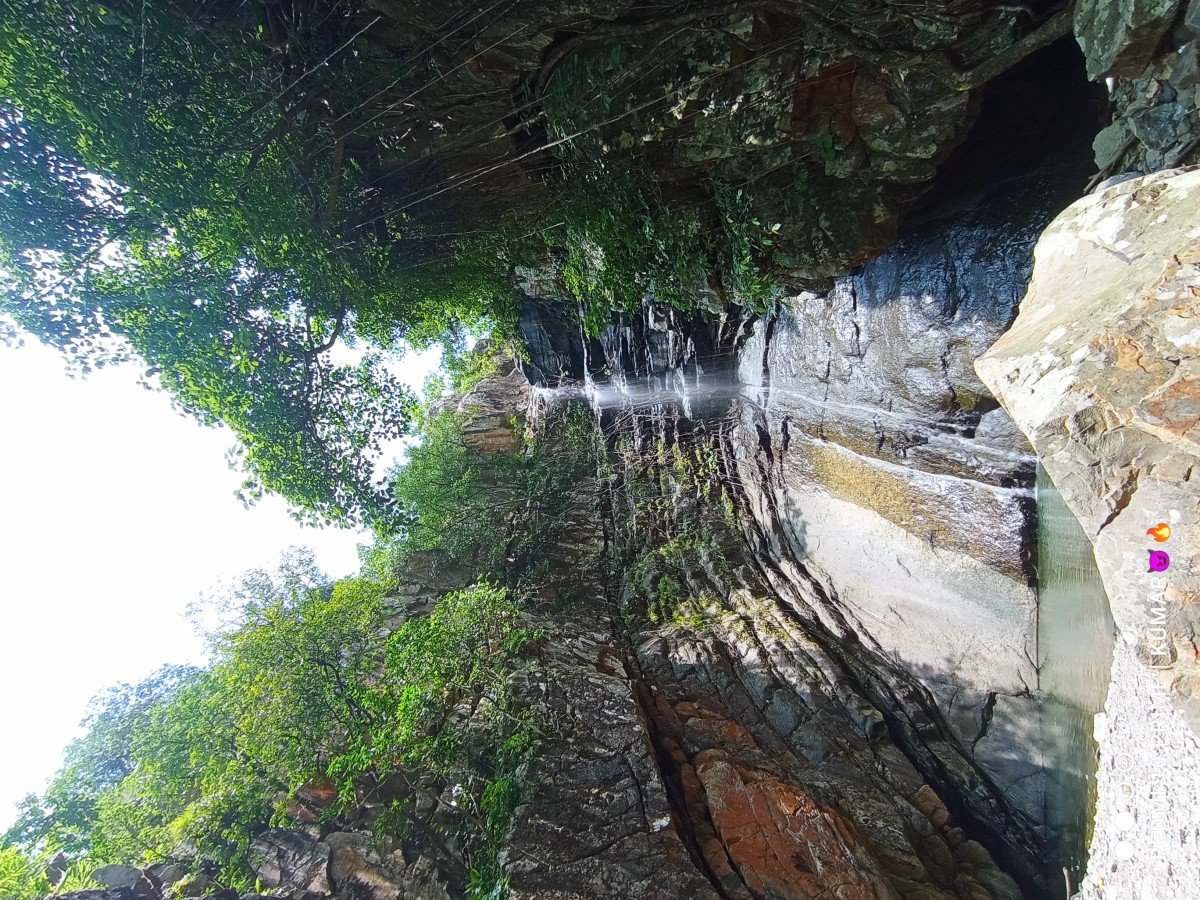
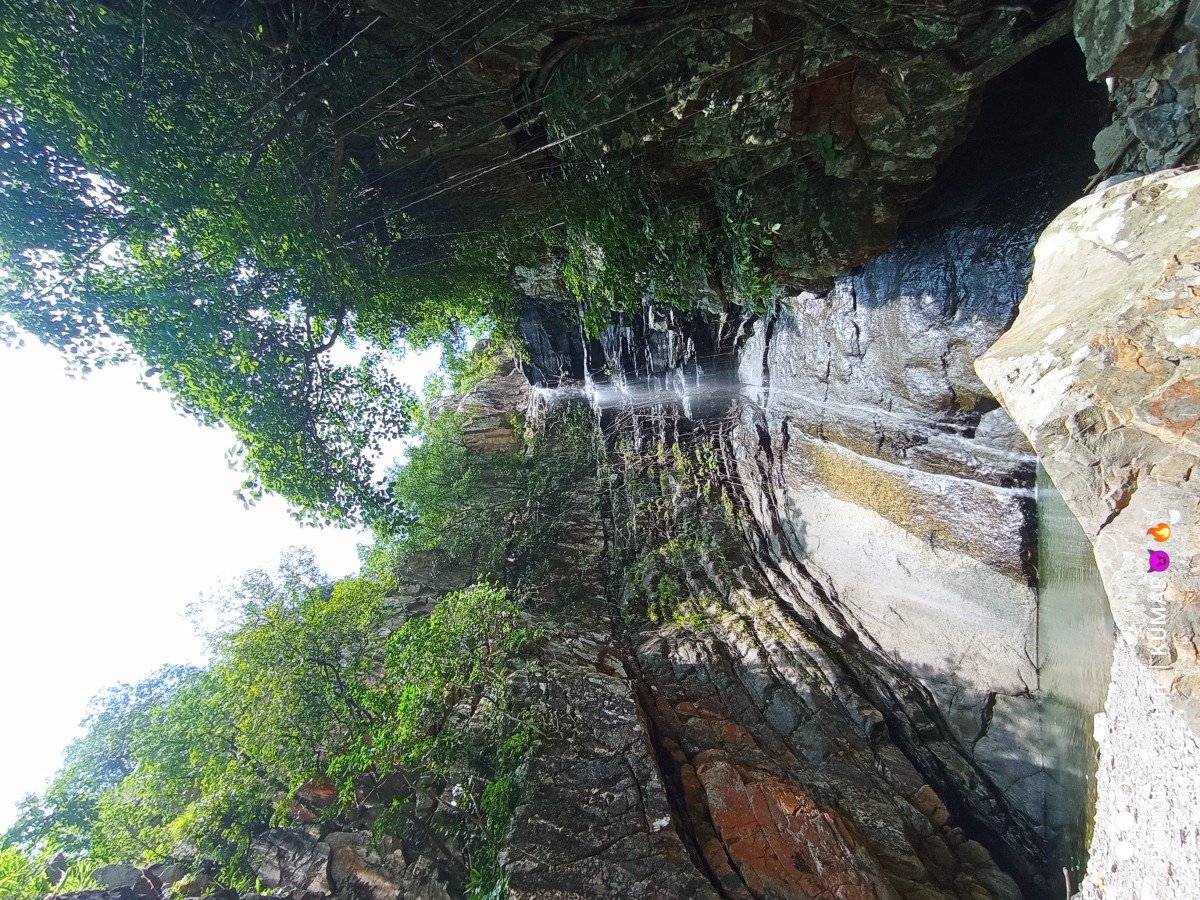
@@A Secluded Sanctuary: Uski Waterfall is a "hidden gem" located deep within the core area of the Similipal Tiger Reserve. Unlike the massive Barehipani or Joranda falls which can only be viewed from a distance, Uski is unique because visitors can actually walk right up to the base of the falls. The waterfall is formed by the Bhandan River as it plunges over a rocky cliff amidst a dense canopy of ancient trees. The setting is incredibly intimate; the sound of the water is muffled by the thick forest, creating a private, sanctuary-like feel. This waterfall is also tied to the memory of the famous "Princess Tigress" Khairi, who was found as a cub near the banks of the river that feeds this fall. Visiting Uski is an adventure in itself, involving a long drive through the rugged forest trails of Similipal, where you might spot deer, peacocks, or even a giant squirrel along the way. The water is cool, pure, and invigorating, making it the perfect reward after a dusty jungle safari. It represents the raw, unfiltered heart of the Odisha wilderness, far away from any commercial noise. @@Ecological Significance: The area is a vital micro-habitat for amphibians and rare ferns that thrive in the constant mist of the waterfall.
@@Ecological Landmark: Ramtirtha Crocodile Project is a significant conservation center situated at the confluence of the Khairi and Bhandan rivers. It was established in the 1970s to protect and breed the endangered 'Mugger' (Marsh) crocodiles. The project is located at the doorstep of the Similipal Tiger Reserve and serves as a major eco-tourism attraction. Apart from the crocodile enclosures, the site also houses an ancient Rama Temple, which holds great mythological importance. The lush green surroundings and the river view make it a peaceful spot for nature enthusiasts and students interested in wildlife conservation.Show All
@@Historical Grandeur: The Kichakeswari Temple is a magnificent shrine dedicated to Goddess Chamunda, the presiding deity of the Bhanja Dynasty. Built entirely of black chlorite (granite), the temple is a testament to the artistic brilliance of the 10th-century Kalinga architecture. It was reconstructed in the early 20th century by the Maharaja of Mayurbhanj using the original ruins, ensuring the ancient spirit remains intact. The temple complex is surrounded by smaller shrines and an archaeological museum that houses rare sculptures. It serves as a major pilgrimage site where devotees seek blessings for strength and prosperity.
Bhimkund Waterfall is a place where mythology meets breathtaking natural beauty. Located on the banks of the sacred Baitarani River, this spot is a natural wonder that straddles the border of Mayurbhanj and Keonjhar districts. The waterfall is unique because the river flows through a narrow, deep gorge, creating a series of powerful rapids before plunging into a massive natural pool called the "Kunda." According to local legend and the epic Mahabharata, it is believed that Bhima, the second of the Pandava brothers, used to take his bath in this pool during their period of exile. The water here is said to be of unfathomable depth, adding an air of mystery to the location. The force of the water creates a misty, smoky atmosphere and a roaring sound that can be heard from a distance. The surrounding rock formations are huge and vertical, creating a natural amphitheater that amplifies the sound of the crashing waves. There is a temple dedicated to Lord Shiva (Kundeswar Mahadev) and a massive statue of Bhima near the site, reinforcing its religious significance. During the Makar Sankranti festival, thousands of devotees flock here to take a holy dip in the waters, believing it will wash away their sins. For the common tourist, Bhimkund offers a spectacular view of the river's raw power and the rugged beauty of the landscape. A watchtower has been constructed to provide a safe and comprehensive view of the entire gorge. The area is also popular for picnics, with several designated spots under the shade of ancient trees. The contrast between the dark rocks and the white, frothy water makes it a visual masterpiece. It is a place that evokes a sense of awe and reverence for the forces of nature and the timeless stories of Indian mythology.
@@A Secluded Sanctuary: Uski Waterfall is a "hidden gem" located deep within the core area of the Similipal Tiger Reserve. Unlike the massive Barehipani or Joranda falls which can only be viewed from a distance, Uski is unique because visitors can actually walk right up to the base of the falls. The waterfall is formed by the Bhandan River as it plunges over a rocky cliff amidst a dense canopy of ancient trees. The setting is incredibly intimate; the sound of the water is muffled by the thick forest, creating a private, sanctuary-like feel. This waterfall is also tied to the memory of the famous "Princess Tigress" Khairi, who was found as a cub near the banks of the river that feeds this fall. Visiting Uski is an adventure in itself, involving a long drive through the rugged forest trails of Similipal, where you might spot deer, peacocks, or even a giant squirrel along the way. The water is cool, pure, and invigorating, making it the perfect reward after a dusty jungle safari. It represents the raw, unfiltered heart of the Odisha wilderness, far away from any commercial noise. @@Ecological Significance: The area is a vital micro-habitat for amphibians and rare ferns that thrive in the constant mist of the waterfall.
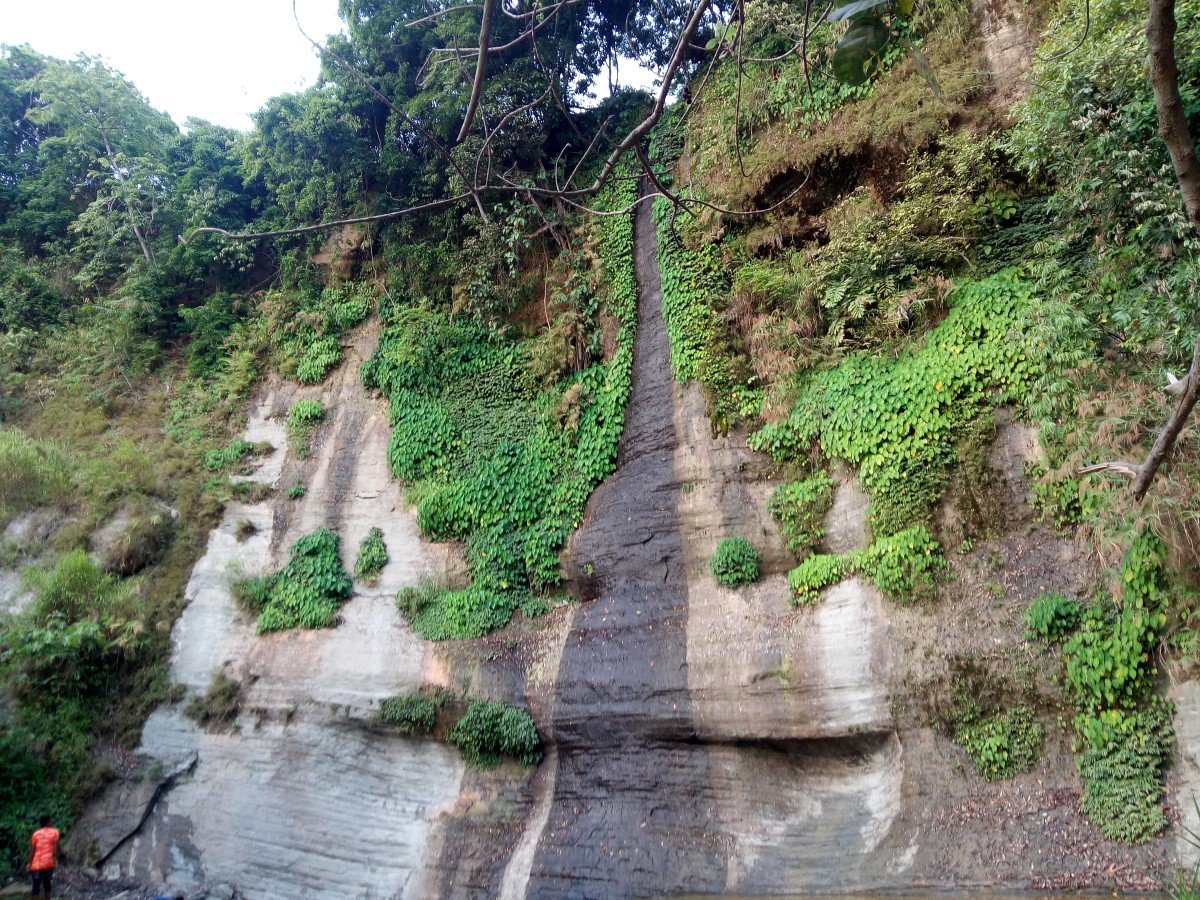
@@Ecological Landmark: Ramtirtha Crocodile Project is a significant conservation center situated at the confluence of the Khairi and Bhandan rivers. It was established in the 1970s to protect and breed the endangered 'Mugger' (Marsh) crocodiles. The project is located at the doorstep of the Similipal Tiger Reserve and serves as a major eco-tourism attraction. Apart from the crocodile enclosures, the site also houses an ancient Rama Temple, which holds great mythological importance. The lush green surroundings and the river view make it a peaceful spot for nature enthusiasts and students interested in wildlife conservation.Show All Devkund Waterfall is a sacred and scenic destination located on the outer fringes of the Similipal National Park. The name "Devkund" literally means "The Bathtub of Gods," and the site lives up to its celestial name. It is a combination of a roaring waterfall and a serene natural pond that serves as a site of deep religious significance. The water falls from a height of about 50 feet into a large, deep pool. Legend has it that the Goddess Sati’s remains fell here, making it one of the Shakti Peethas. Perched atop the waterfall is the ancient Maa Ambika Temple, which can be reached by climbing over 100 steps. The temple was originally patronized by the Kings of Mayurbhanj, specifically Rajkumar Prafulla Chandra Bhanja Deo. The atmosphere here is a unique blend of spiritual chants and the thunderous sound of the waterfall. There are five natural ponds in total, known as Pancha Kunda, each with its own mythical story. The water is believed to have medicinal properties due to the various forest herbs it passes through before falling. The site is surrounded by dense forests filled with diverse flora like the Sal tree and medicinal plants. It is a popular spot for both pilgrims and picnickers who flock here during the winter months. The trek from the parking area to the falls is about 1 kilometer and offers a beautiful walk through the woods, crossing small wooden bridges and rocky paths.
Information
-
Why Famous:
Famous Why: Mayurbhanj is globally renowned for the Similipal National Park, a UNESCO Biosphere Reserve. It is also the birthplace of the martial Mayurbhanj Chhau dance. The district is famous for its unique Rath Yatra in Baripada, where only women pull the chariot of Subh...Famous Why: Mayurbhanj is globally renowned for the Similipal National Park, a UNESCO Biosphere Reserve. It is also the birthplace of the martial Mayurbhanj Chhau dance. The district is famous for its unique Rath Yatra in Baripada, where only women pull the chariot of Subhadra. Additionally, it is known for its rich mineral deposits and ancient black stone temples. -
Architecture:
The architecture of Mayurbhanj is dominated by the Kalinga style and the influence of the Bhanja dynasty. The Kichakeswari Temple in Khiching is a prime example, built entirely of chlorite stone with intricate carvings.
Dimensions: The temple stands approximately ...The architecture of Mayurbhanj is dominated by the Kalinga style and the influence of the Bhanja dynasty. The Kichakeswari Temple in Khiching is a prime example, built entirely of chlorite stone with intricate carvings.
Dimensions: The temple stands approximately 68 feet high, showcasing a majestic vertical spire.
Royal Influence: The Belgadia Palace reflects a mix of Victorian and Odishan styles, featuring sprawling lawns and regal interiors.
Historical Sites: The ruins of Haripur show the brick-built brilliance of the former capital of the Mayurbhanj kings. -
How To Reach:
By Air: The nearest airport is Kolkata (240 KM) or Bhubaneswar (250 KM).
By Train: Baripada Railway Station is well-connected to Bhubaneswar and Kolkata.
By Road: Regular buses ply from Bhubaneswar, Cuttack...By Air: The nearest airport is Kolkata (240 KM) or Bhubaneswar (250 KM).
By Train: Baripada Railway Station is well-connected to Bhubaneswar and Kolkata.
By Road: Regular buses ply from Bhubaneswar, Cuttack, and Kolkata to Baripada.
Local Transport: Auto-rickshaws and private taxis are the best ways to move within the district. -
Weather and Best Time to Visit:
Best Time: The best time to visit is from October to March during the winter season. The mornings are cool and pleasant for jungle safaris and outdoor exploration. ...Best Time: The best time to visit is from October to March during the winter season. The mornings are cool and pleasant for jungle safaris and outdoor exploration. -
Near Tourist Places:
Similipal (20 KM), Khiching (150 KM), Devkund (60 KM), Bhimkund (100 KM), Baripada (0 KM), Lulung (30 KM), Haripur (15 KM), Chandipur Beach (65 KM), Remuna (60 KM), Panchalingeswar (85 KM)
Tourism Tips
-
Safety: Always carry a basic first-aid kit and insect repellent when visiting forest areas.
Packing: Wear comfortable cotton clothes and sturdy walking shoes for trekking.
Accommodation: Stay at the Belgadi...Safety: Always carry a basic first-aid kit and insect repellent when visiting forest areas.
Packing: Wear comfortable cotton clothes and sturdy walking shoes for trekking.
Accommodation: Stay at the Belgadia Palace for a royal experience or forest lodges in Similipal.
Conduct: Respect tribal traditions and avoid taking photos of locals without their explicit permission.
Reviews
FAQs
Mayurbhanj Itineray And Cost:-
Other Places In Odisha :-
Other States In India :-
Information about New and Updated Locations() of Odisha Has Been Added :-
Card subtitle
Note:-
Information provided here in good Faith and for reference only.
Near Places
Angul
Some quick example text to build on the card title and make up the bulk of the card's content.
Go somewhere
Balasore
Some quick example text to build on the card title and make up the bulk of the card's content.
Go somewhere
Bargarh
Some quick example text to build on the card title and make up the bulk of the card's content.
Go somewhere
Baripada
Some quick example text to build on the card title and make up the bulk of the card's content.
Go somewhere
Berhampur
Some quick example text to build on the card title and make up the bulk of the card's content.
Go somewhere
Bhadrak
Some quick example text to build on the card title and make up the bulk of the card's content.
Go somewhere
Bhubaneswar
Some quick example text to build on the card title and make up the bulk of the card's content.
Go somewhere
Chandipur
Some quick example text to build on the card title and make up the bulk of the card's content.
Go somewhere
Cuttack
Some quick example text to build on the card title and make up the bulk of the card's content.
Go somewhere
Daringbadi
Some quick example text to build on the card title and make up the bulk of the card's content.
Go somewhere
Dhauli
Some quick example text to build on the card title and make up the bulk of the card's content.
Go somewhere
Dhauligiri
Some quick example text to build on the card title and make up the bulk of the card's content.
Go somewhere
Gopalpur
Some quick example text to build on the card title and make up the bulk of the card's content.
Go somewhere
Jajpur
Some quick example text to build on the card title and make up the bulk of the card's content.
Go somewhere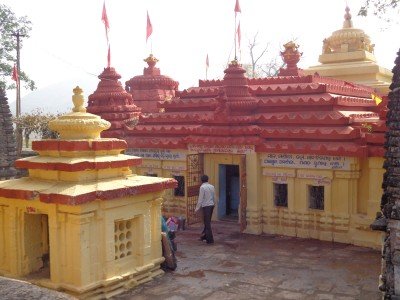
Jeypore
Some quick example text to build on the card title and make up the bulk of the card's content.
Go somewhere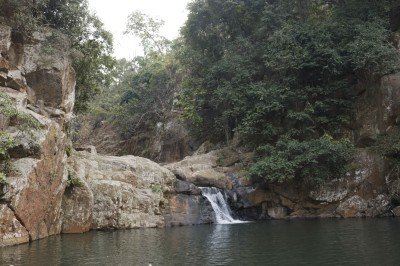
Jharsuguda
Some quick example text to build on the card title and make up the bulk of the card's content.
Go somewherein Other Cities