
Koraput
General information
-
Ideal Duration:
2-3 DaysPlace Type:
Hill Station & TribalEntry Fees:
Museum & Parks: Entry to the Tribal Museum and Kolab Garden is Rs.10 - Rs.30. These fees are very low and help in the maintenance of the sites.
General Entry: Access to the town, temples, and most hill viewpoints is Free. You only need to pay ...Museum & Parks: Entry to the Tribal Museum and Kolab Garden is Rs.10 - Rs.30. These fees are very low and help in the maintenance of the sites.
General Entry: Access to the town, temples, and most hill viewpoints is Free. You only need to pay for parking or specific guided tours if needed.Timing:
Regular Timings: Most spots like the museum are open from 10:00 AM to 05:00 PM. The Jagannath Temple is open from early morning until late evening.
Ideal Visit: Morning and evening hours are best for visiting the hills and dam. The weather...Regular Timings: Most spots like the museum are open from 10:00 AM to 05:00 PM. The Jagannath Temple is open from early morning until late evening.
Ideal Visit: Morning and evening hours are best for visiting the hills and dam. The weather is most pleasant during these times for outdoor activities.Special Events:
Parab Festival: An annual festival in November that celebrates tribal culture. It features folk dances, sports, and a large craft mela for visitors.
Rath Yatra: The chariot festival at Sabara Srikhetra is a major local event. It is unique ...Parab Festival: An annual festival in November that celebrates tribal culture. It features folk dances, sports, and a large craft mela for visitors.
Rath Yatra: The chariot festival at Sabara Srikhetra is a major local event. It is unique because tribal people are the main participants in the ritual.Best Photo Spots:
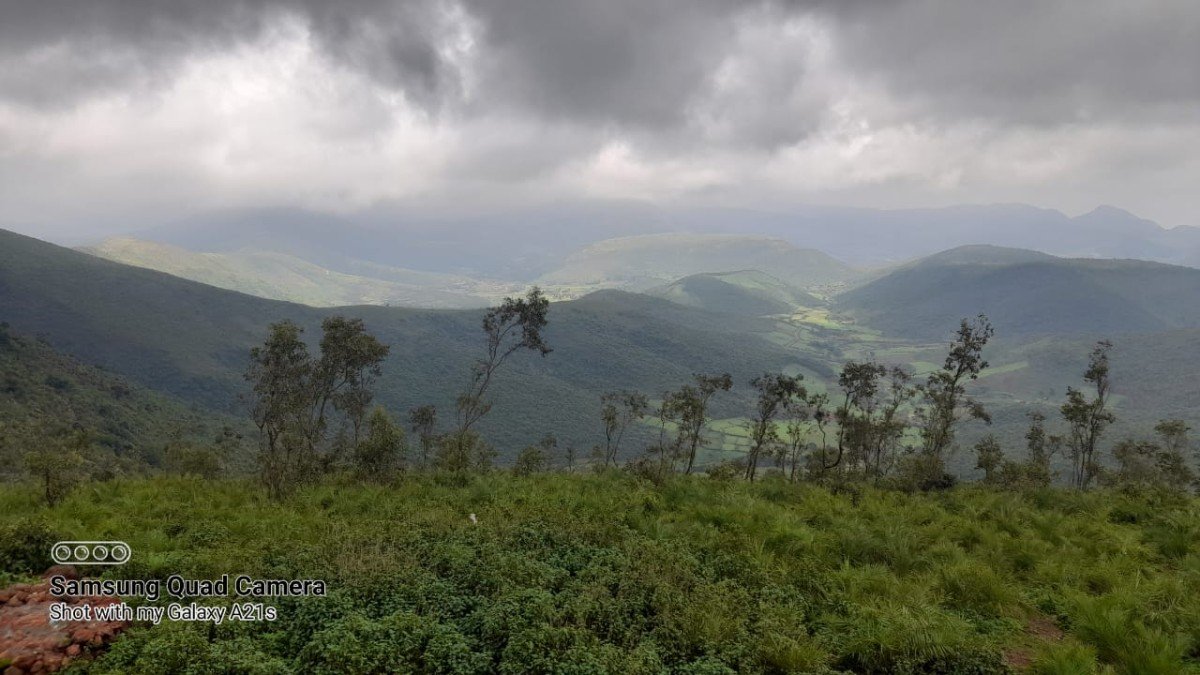
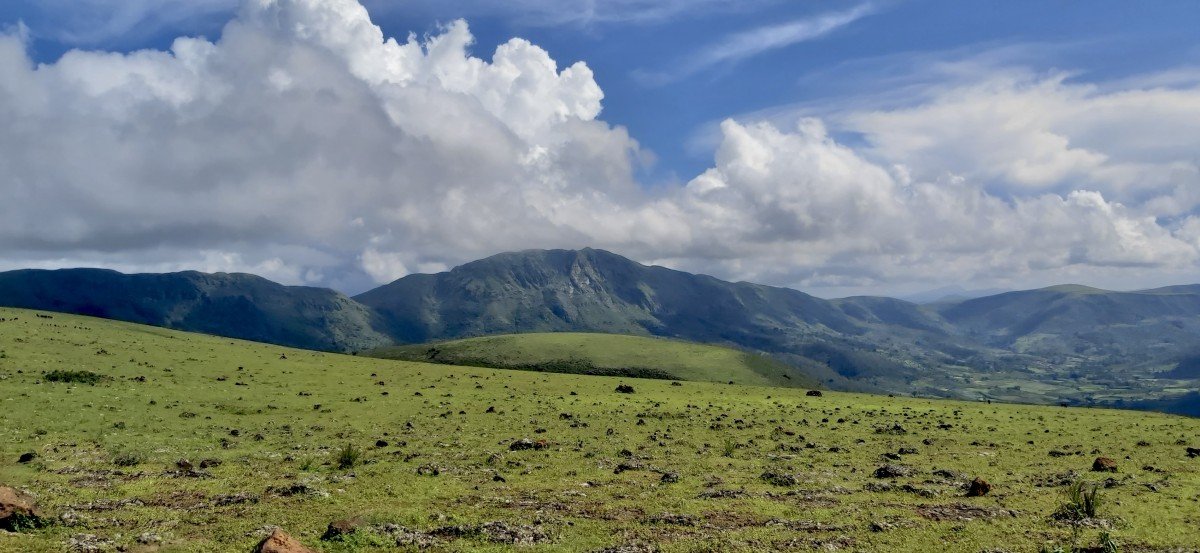
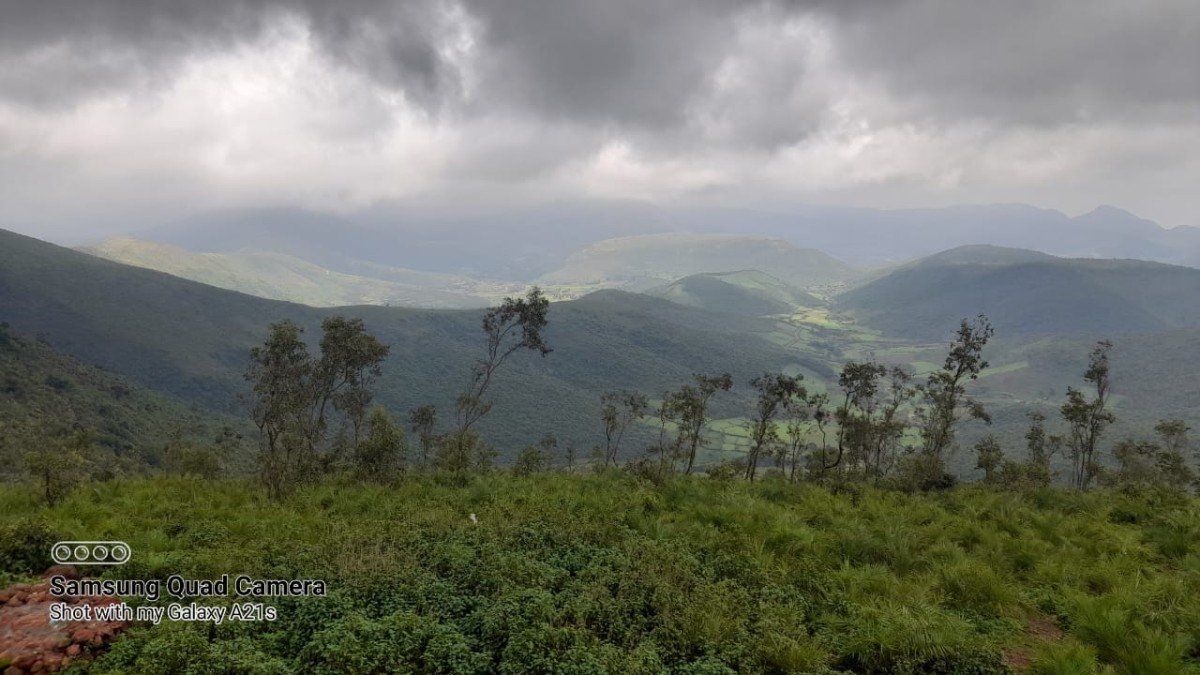
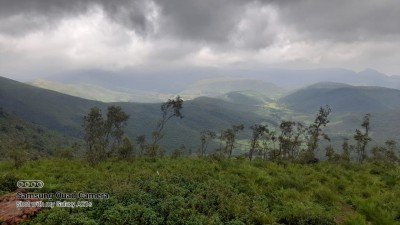
Deomali Peak: The edge of the peak with the valley below is the best photo spot. The clouds often touch the hills, creating a magical misty effect.
Kolab Reservoir: The wide blue water with green hills in the back looks great. Photos taken...Deomali Peak: The edge of the peak with the valley below is the best photo spot. The clouds often touch the hills, creating a magical misty effect.
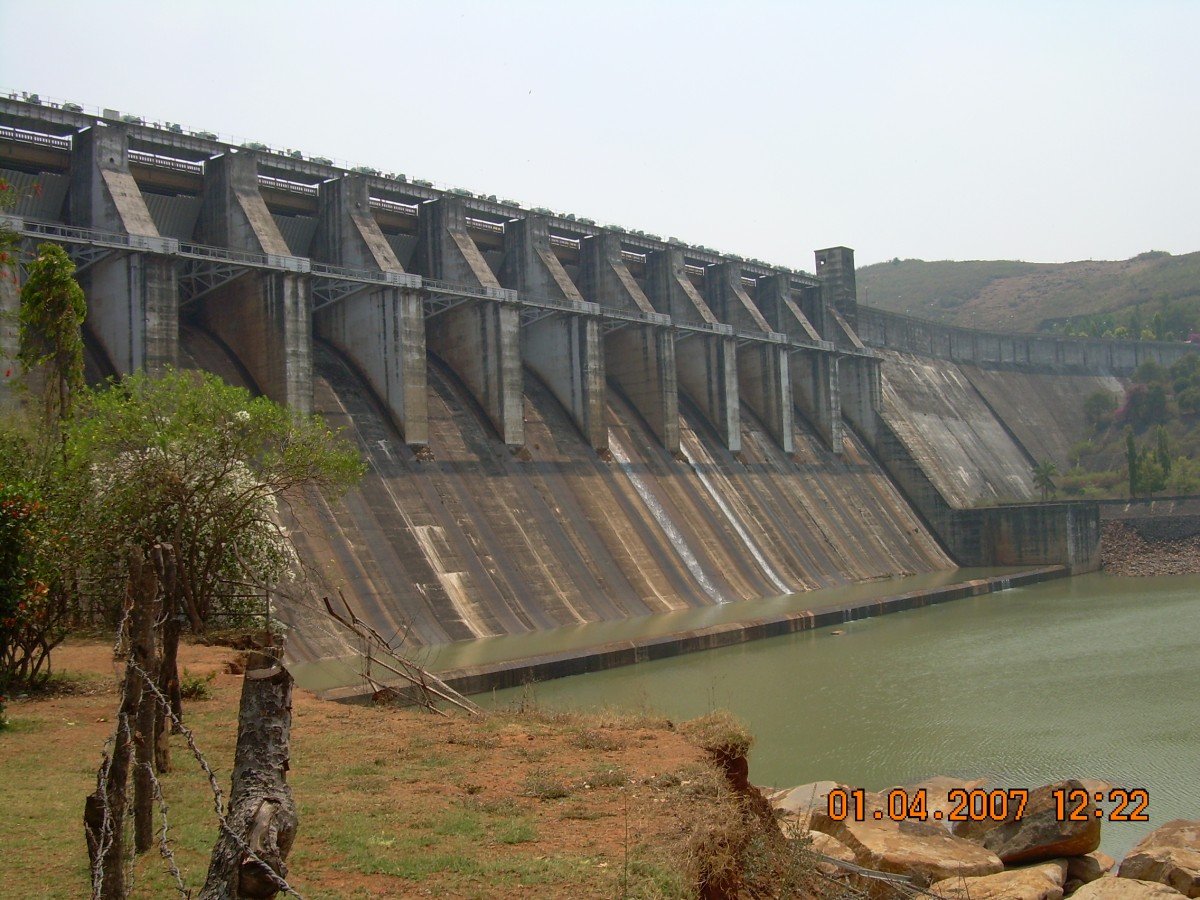
Kolab Reservoir: The wide blue water with green hills in the back looks great. Photos taken during the golden hour have a very peaceful and calm look.
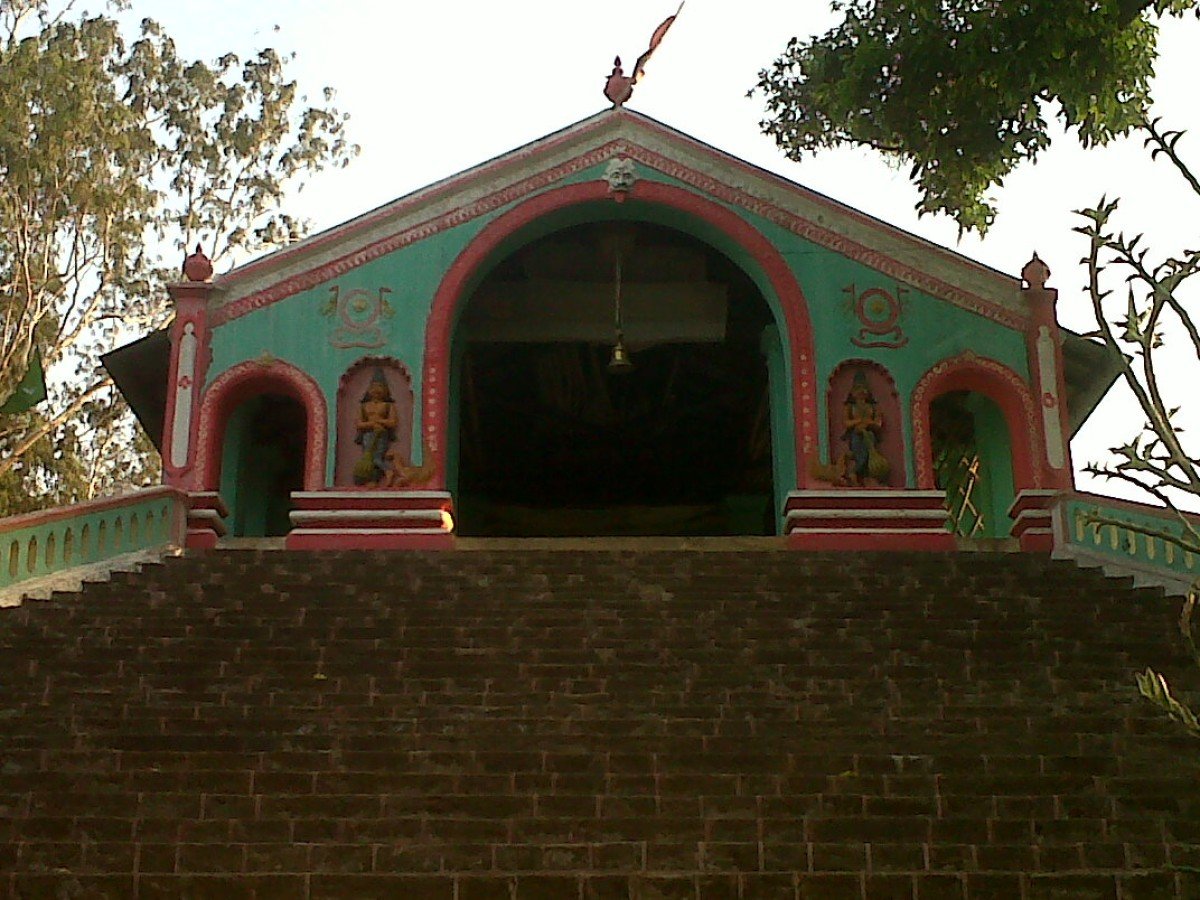
Tribal Museum: The traditional huts and colorful displays are perfect for photos. It is a great place to capture the essence of tribal life in Odisha.Photo Gallery

Things To Do
 Balda Cave is a geological marvel perched on a vast plateau known for its massive flat surface. The area is so expansive that locals claim five football matches can be played simultaneously on the summit. The cave itself is dedicated to the deity Donger Dei, a powerful local goddess. Visitors are greeted by lush green forests and a serene pond located right on the plain near the cave entrance. The air here is crisp and the views of the Jalaput Reservoir are simply breathtaking. Historically, it serves as a spiritual sanctuary for the tribal communities of the Koraput region. The cave's interior features narrow passages that open into wider chambers, providing a thrill for explorers. It is a perfect blend of high-altitude beauty and subterranean mystery. The surrounding landscape remains largely untouched, offering a raw experience of the Eastern Ghats. Tourists often find peace in the silence of the caves and the rhythmic sounds of nature outside. It is increasingly becoming a hotspot for campers who wish to spend a night under the starlit sky on the flat tableland.
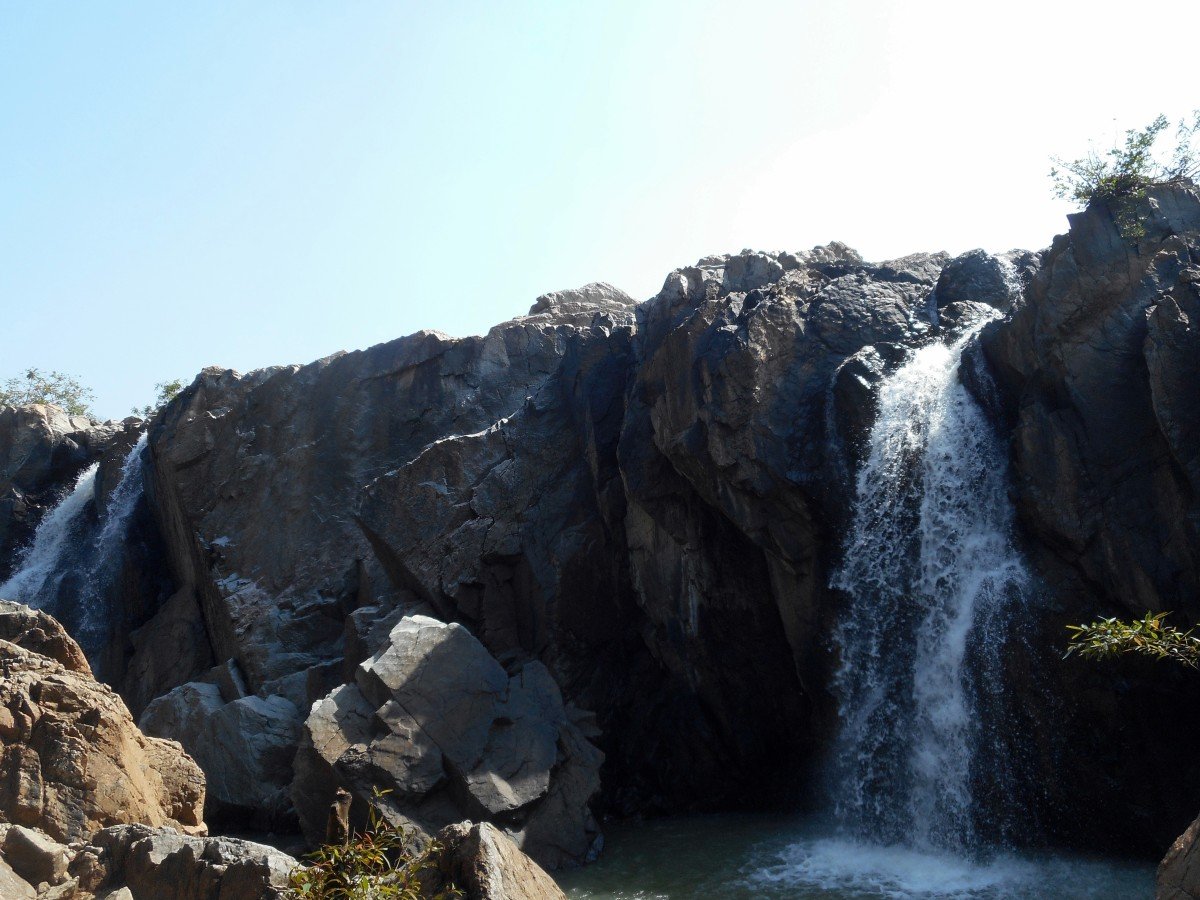
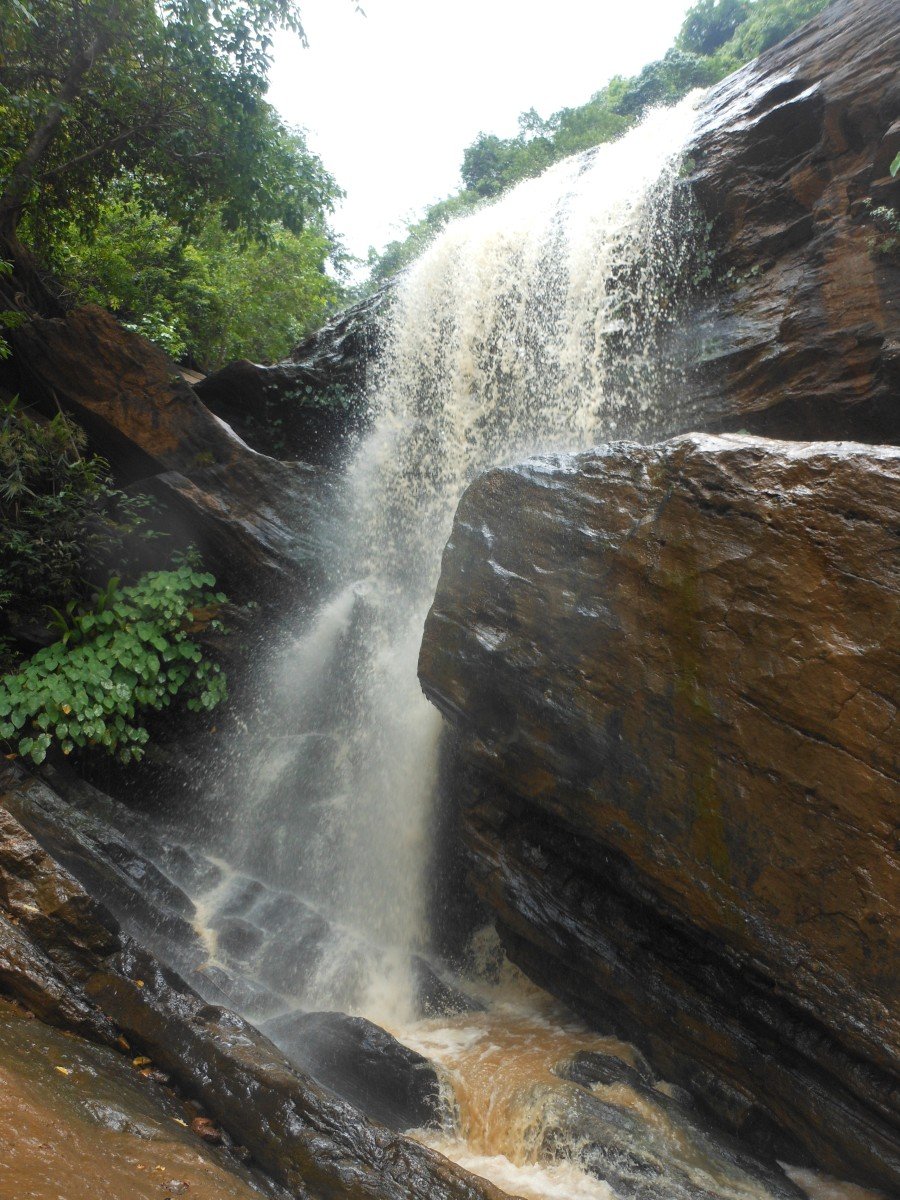
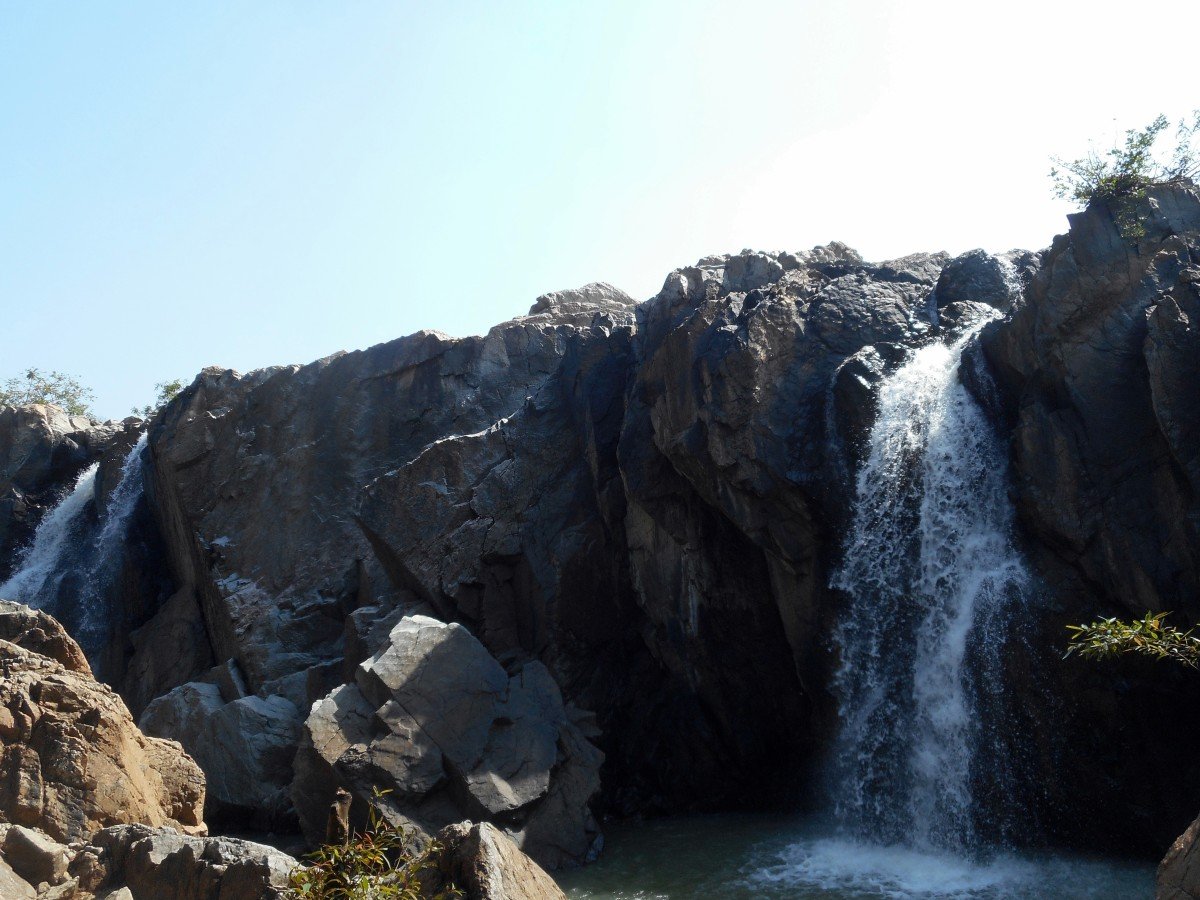
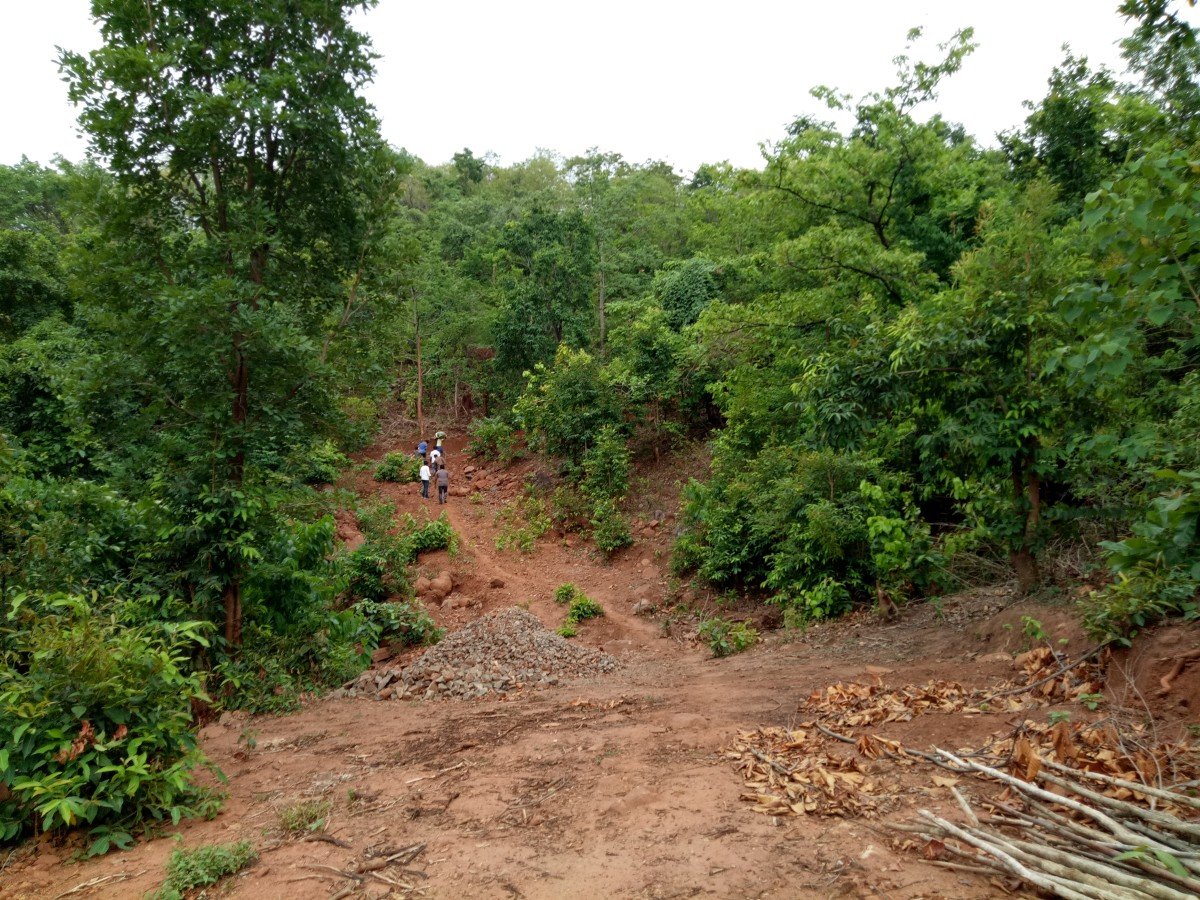
Talamiting Waterfall is one of the most mesmerizing yet lesser-known natural wonders in the Koraput district of Odisha. Tucked away in the dense forests of the Laxmipur region, this waterfall is a serene escape for those who love offbeat travel. The waterfall cascades from a height of approximately 100 feet, creating a thunderous sound that echoes through the quiet hills. What makes Talamiting truly unique is the geological formation at its base; the water has carved out a natural stone basin that resembles a modern infinity pool. From this pool, one can look out over the edge into the deep valley below, surrounded by the towering peaks of the Eastern Ghats. The journey to the waterfall involves a bit of trekking through rugged terrain and tribal hamlets, providing a raw and authentic experience of the Odisha wilderness. The area is rich in biodiversity, with rare birds and vibrant forest flora that change colors with the seasons. During the winter months, the water is crystal clear and cool, making it an inviting spot for a refreshing dip. Unlike the more famous Duduma or Bagra falls, Talamiting offers a sense of solitude and peace, as it is not yet crowded by large-scale commercial tourism. The local tribal communities consider the forest sacred, and their presence adds a spiritual dimension to the visit. The mist rising from the falling water often creates small rainbows when the sunlight hits the gorge at certain angles. It is a perfect destination for backpackers, adventure seekers, and photography enthusiasts who wish to capture the untouched beauty of southern Odisha. The surrounding landscape is a mix of deciduous forests and rocky outcrops, offering numerous trails for those who wish to explore further. A visit to Talamiting is not just about the waterfall; it is about the adventure of discovery in a land where nature still reigns supreme.
Balda Cave is a geological marvel perched on a vast plateau known for its massive flat surface. The area is so expansive that locals claim five football matches can be played simultaneously on the summit. The cave itself is dedicated to the deity Donger Dei, a powerful local goddess. Visitors are greeted by lush green forests and a serene pond located right on the plain near the cave entrance. The air here is crisp and the views of the Jalaput Reservoir are simply breathtaking. Historically, it serves as a spiritual sanctuary for the tribal communities of the Koraput region. The cave's interior features narrow passages that open into wider chambers, providing a thrill for explorers. It is a perfect blend of high-altitude beauty and subterranean mystery. The surrounding landscape remains largely untouched, offering a raw experience of the Eastern Ghats. Tourists often find peace in the silence of the caves and the rhythmic sounds of nature outside. It is increasingly becoming a hotspot for campers who wish to spend a night under the starlit sky on the flat tableland.
Talamiting Waterfall is one of the most mesmerizing yet lesser-known natural wonders in the Koraput district of Odisha. Tucked away in the dense forests of the Laxmipur region, this waterfall is a serene escape for those who love offbeat travel. The waterfall cascades from a height of approximately 100 feet, creating a thunderous sound that echoes through the quiet hills. What makes Talamiting truly unique is the geological formation at its base; the water has carved out a natural stone basin that resembles a modern infinity pool. From this pool, one can look out over the edge into the deep valley below, surrounded by the towering peaks of the Eastern Ghats. The journey to the waterfall involves a bit of trekking through rugged terrain and tribal hamlets, providing a raw and authentic experience of the Odisha wilderness. The area is rich in biodiversity, with rare birds and vibrant forest flora that change colors with the seasons. During the winter months, the water is crystal clear and cool, making it an inviting spot for a refreshing dip. Unlike the more famous Duduma or Bagra falls, Talamiting offers a sense of solitude and peace, as it is not yet crowded by large-scale commercial tourism. The local tribal communities consider the forest sacred, and their presence adds a spiritual dimension to the visit. The mist rising from the falling water often creates small rainbows when the sunlight hits the gorge at certain angles. It is a perfect destination for backpackers, adventure seekers, and photography enthusiasts who wish to capture the untouched beauty of southern Odisha. The surrounding landscape is a mix of deciduous forests and rocky outcrops, offering numerous trails for those who wish to explore further. A visit to Talamiting is not just about the waterfall; it is about the adventure of discovery in a land where nature still reigns supreme. Punjisil Waterfalls is a breathtaking natural attraction located approximately 30 KMs from the town of Koraput and about 46 KMs from Jeypore. Nestled deep within a dense and thick forest area, this waterfall is one of the region's best-kept secrets. Unlike the more famous Duduma, Punjisil offers a more intimate and serene experience with nature. The waterfall is a cascading type, which means the water doesn't fall in a single vertical drop but flows over multiple levels of ancient rock formations, creating a series of beautiful, frothy white steps. The water is known for its crystal clarity, making it a popular spot for visitors who wish to take a refreshing bath in the natural pools formed at the base of the tiers. The surrounding landscape is dominated by high mountains and lush greenery, providing a perfect canopy that keeps the area cool even during the warmer months. While it hasn't been officially declared a major tourist destination by the state department yet, its popularity has grown organically through word-of-mouth and social media. Local villagers often visit the falls for weekend picnics, and it is now becoming a must-visit for travelers exploring the Koraput-Laxmipur circuit. The trek to the waterfall is as beautiful as the destination itself, leading you through forested paths where you can observe a variety of local flora and fauna. The sound of the water crashing against the rocks can be heard from a distance, building anticipation as you approach the site. The atmosphere here is one of pure, unadulterated nature, free from the commercial noise of more developed tourist spots. It is a place where you can spend hours just listening to the sound of flowing water and the rustle of leaves. For those seeking a bit of adventure, the different levels of the waterfall offer varying degrees of challenge to climb and explore. Punjisil is a shining example of the rugged and pristine beauty that the Koraput district is famous for in Odisha. :
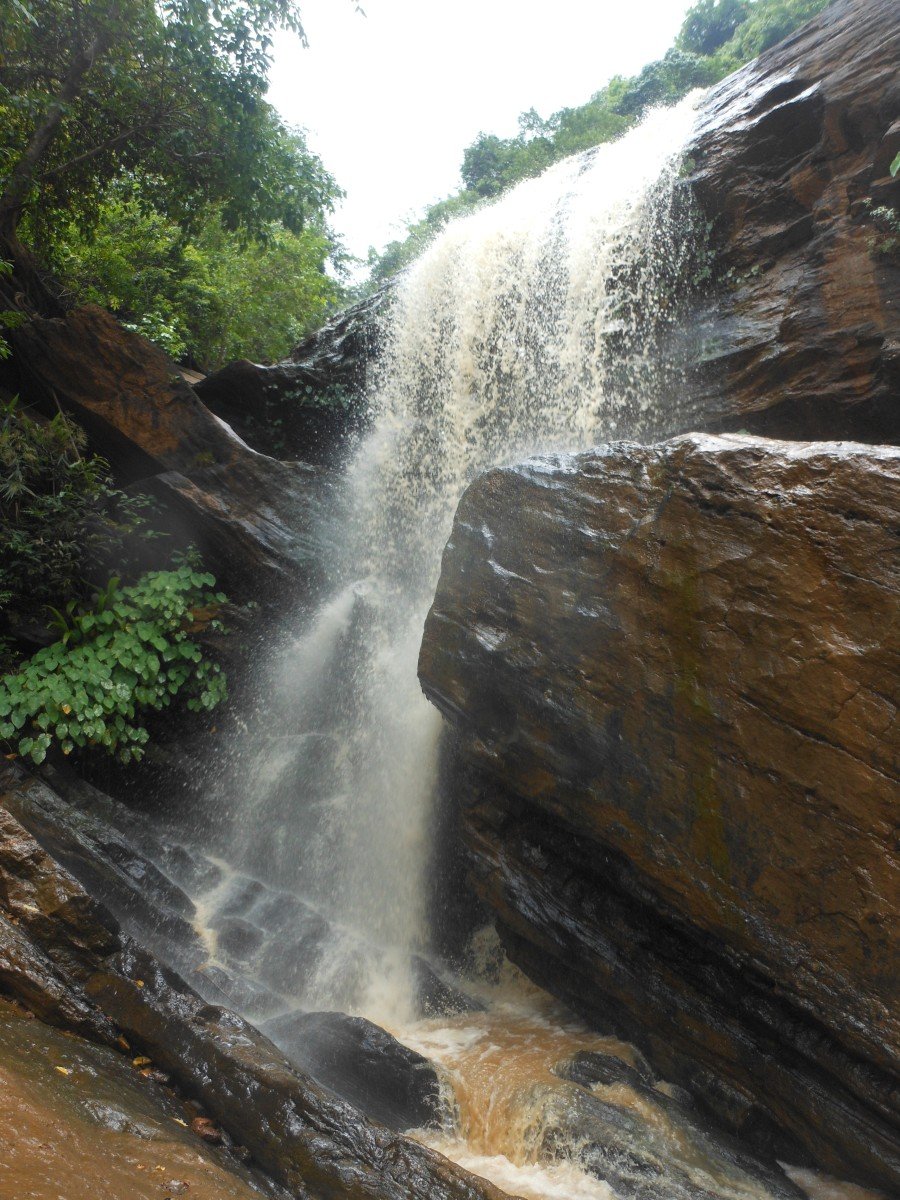
Duduma Waterfall, also known as Matsya Tirtha, is one of the tallest waterfalls in India, plunging from a height of 175 meters. Formed by the Machkund River, it serves as the backbone for the Machkund Hydroelectric Project, a collaborative venture between Odisha and Andhra Pradesh. The waterfall is surrounded by a rugged landscape and dense forests, creating a dramatic and powerful atmosphere. Legend has it that the great Vaishnavite saint Shri Chaitanya visited this spot in the 16th century. The area is also famous for being the home of the Bonda tribe, one of the most primitive tribal groups in India, who visit the nearby Onkadeli market every Thursday. The sight of the water crashing into the deep gorge creates a permanent mist that supports a unique micro-ecosystem. Visitors can view the falls from a well-maintained viewpoint or descend the 1000+ steps to reach the base for a closer look. The power of the water is palpable, and the roar can be heard from several kilometers away. It is a site of both industrial importance and natural splendor. The government has recently added amenities like the Mission Shakti Cafe and a "Selfie Point" to cater to modern tourists.
Punjisil Waterfalls is a breathtaking natural attraction located approximately 30 KMs from the town of Koraput and about 46 KMs from Jeypore. Nestled deep within a dense and thick forest area, this waterfall is one of the region's best-kept secrets. Unlike the more famous Duduma, Punjisil offers a more intimate and serene experience with nature. The waterfall is a cascading type, which means the water doesn't fall in a single vertical drop but flows over multiple levels of ancient rock formations, creating a series of beautiful, frothy white steps. The water is known for its crystal clarity, making it a popular spot for visitors who wish to take a refreshing bath in the natural pools formed at the base of the tiers. The surrounding landscape is dominated by high mountains and lush greenery, providing a perfect canopy that keeps the area cool even during the warmer months. While it hasn't been officially declared a major tourist destination by the state department yet, its popularity has grown organically through word-of-mouth and social media. Local villagers often visit the falls for weekend picnics, and it is now becoming a must-visit for travelers exploring the Koraput-Laxmipur circuit. The trek to the waterfall is as beautiful as the destination itself, leading you through forested paths where you can observe a variety of local flora and fauna. The sound of the water crashing against the rocks can be heard from a distance, building anticipation as you approach the site. The atmosphere here is one of pure, unadulterated nature, free from the commercial noise of more developed tourist spots. It is a place where you can spend hours just listening to the sound of flowing water and the rustle of leaves. For those seeking a bit of adventure, the different levels of the waterfall offer varying degrees of challenge to climb and explore. Punjisil is a shining example of the rugged and pristine beauty that the Koraput district is famous for in Odisha. :
Duduma Waterfall, also known as Matsya Tirtha, is one of the tallest waterfalls in India, plunging from a height of 175 meters. Formed by the Machkund River, it serves as the backbone for the Machkund Hydroelectric Project, a collaborative venture between Odisha and Andhra Pradesh. The waterfall is surrounded by a rugged landscape and dense forests, creating a dramatic and powerful atmosphere. Legend has it that the great Vaishnavite saint Shri Chaitanya visited this spot in the 16th century. The area is also famous for being the home of the Bonda tribe, one of the most primitive tribal groups in India, who visit the nearby Onkadeli market every Thursday. The sight of the water crashing into the deep gorge creates a permanent mist that supports a unique micro-ecosystem. Visitors can view the falls from a well-maintained viewpoint or descend the 1000+ steps to reach the base for a closer look. The power of the water is palpable, and the roar can be heard from several kilometers away. It is a site of both industrial importance and natural splendor. The government has recently added amenities like the Mission Shakti Cafe and a "Selfie Point" to cater to modern tourists. Rani Duduma Waterfalls is one of the most picturesque and serene waterfalls in the Koraput district, often referred to as the "Queen's Waterfall" due to its elegant and graceful descent. Unlike the massive Duduma Waterfall near Machhkund, Rani Duduma is more approachable and intimate. The waterfall is situated at the edge of the Nandapur hills, surrounded by a dense blanket of tropical forest. The water cascades from a height of approximately 60 to 70 feet, creating a curtain-like effect as it hits the rocky pool below. The water is exceptionally clear, sourced from the pristine springs of the Eastern Ghats. To reach the falls, visitors enjoy a short trek of about 1 Km through a landscape filled with wildflowers and tribal settlements. The area is a popular picnic spot, especially for families from Semiliguda and Sunabeda. A well-maintained park has been developed near the falls, providing seating and play areas for children. The atmosphere here is one of absolute tranquility, with the sound of the waterfall providing a natural soundtrack. Historically, the region around Nandapur was the ancient capital of the Jeypore kingdom, and local legends suggest that the royalty often visited this spot for recreation. Today, it stands as a testament to the natural beauty of southern Odisha. The pool at the bottom is relatively shallow in many areas, allowing tourists to enjoy a refreshing bath in the cool waters during the months of October to January. The surrounding cliffs are home to various species of ferns and orchids that thrive in the humid environment created by the mist. For nature enthusiasts, the site offers a glimpse into the rich biodiversity of the Koraput highlands. The local tribal communities, particularly the Parajas and Gadabas, live in the vicinity and their vibrant culture adds to the charm of the visit. Efforts are being made by the forest department to keep the area plastic-free. The journey to the falls is as beautiful as the destination itself, with winding roads that offer views of terraced farms and rolling hills. Whether you are looking for a place to host a family feast or a quiet corner to write or paint, Rani Duduma provides the perfect backdrop. It is a hidden gem that is slowly gaining popularity among national tourists. :
 Palmetum Park, located on the scenic Patadevi Dangar hill, is one of the most refreshing and modern eco-tourist destinations in Koraput. Situated just 2 KMs away from the town center, it offers a quick escape into the lap of nature without having to travel far. This park is a botanical marvel, specifically designed to showcase a wide variety of palm species, hence the name 'Palmetum'. However, its attractions extend far beyond just palms. The park is part of a larger eco-tourist complex that includes a Bambusetum (collection of bamboo species), a Spicy Orchard featuring various spice plants, a Pine Park, and a vibrant Fruit Garden. As you walk along the well-paved paths, you are surrounded by a lush canopy of fruit and flower trees that provide shade and a sweet fragrance to the air. The park is built on a gradient, and as you ascend the hill, the views of Koraput city become increasingly panoramic. From the highest point, you can witness the sprawling coffee gardens of the region, the undulating hills of the Eastern Ghats, and the neatly laid out streets of the town below. A significant spiritual element is added by the presence of a large stone statue of Maa Patadevi at the summit, where locals and tourists alike stop to offer prayers and seek blessings. The park has been developed with a focus on family-friendly tourism, featuring unique cement sculptures of birds and animals that fascinate children, and wooden-style benches that offer a rustic place to rest. It serves as a vital green lung for the city and a center for environmental education, where visitors can learn about the diverse flora of the Koraput highlands. Whether you are looking for a vigorous uphill walk to stay fit or a quiet spot to watch the sunset over the valley, Palmetum Park provides the perfect setting. It is a place where the air is noticeably cooler and the noise of the city is replaced by the chirping of birds, making it a favorite haunt for nature lovers and photography enthusiasts in Odisha. :
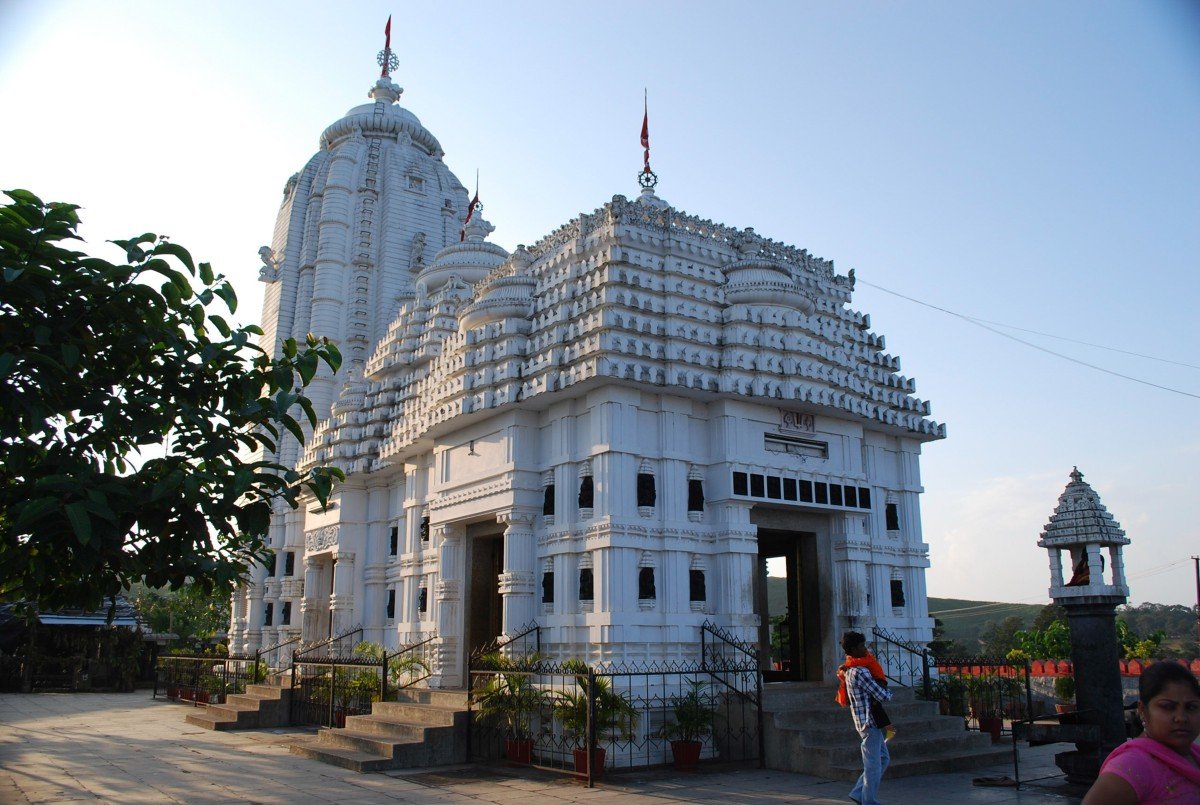
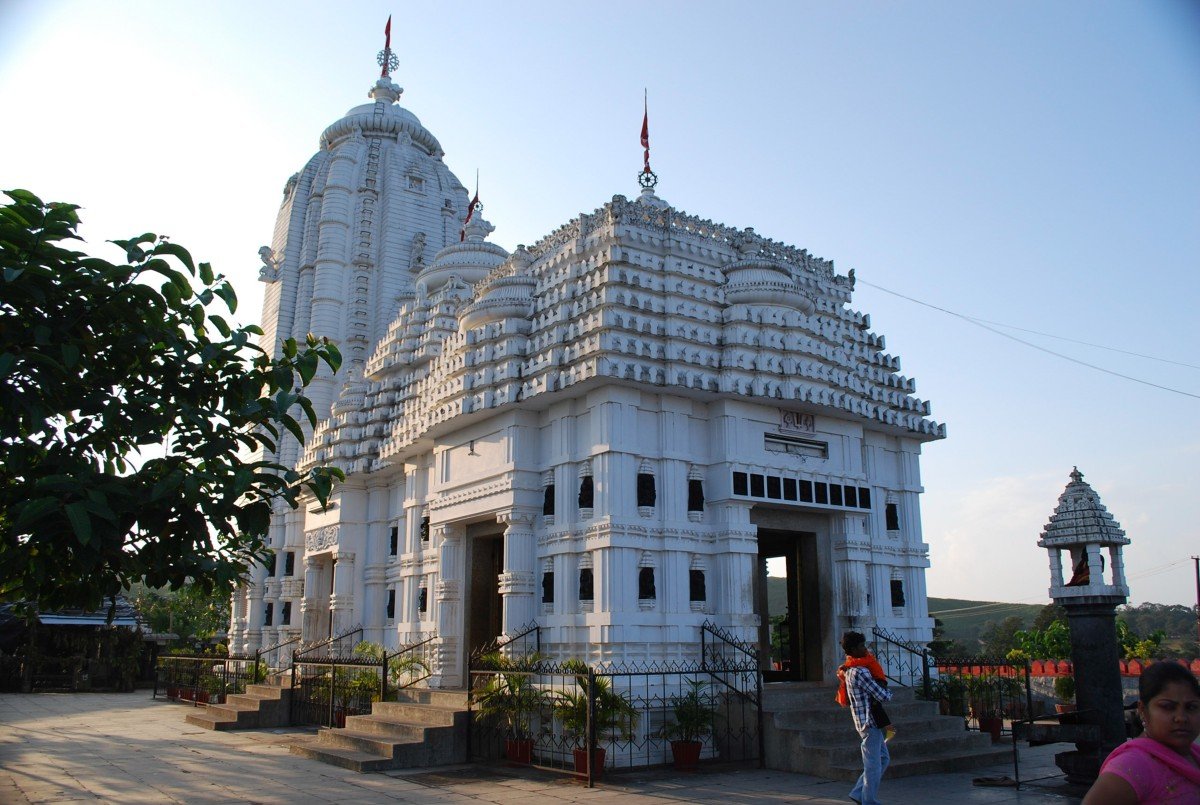
 Sabara Srikhetra is more than just a place of worship; it is the cultural heart of the Koraput district, serving as a bridge between ancient tribal lore and modern spiritual practice. This row focuses on the broader complex, including the Council of Analytical Tribal Studies (COATS) and the associated Tribal Museum. The site was chosen because of its historical significance to the Sabar tribe, who are believed to have originated the worship of Jagannath in the form of a log of wood. The temple complex acts as a living laboratory for those interested in anthropology and sociology. Visitors can spend hours exploring the museum, which houses a vast collection of tribal artifacts, including traditional costumes, hunting tools, and musical instruments. The temple itself sits as the crown of this hill, but the entire hillside is dedicated to the preservation of indigenous identity. The philosophy of "Jagannath Consciousness" here is rooted in the idea that God belongs to the forest and its people. This is evident in the rituals where tribal elders are given positions of honor. The landscape of the complex is beautifully maintained, with flowering trees and paths that wind around the hill. For researchers, the library at COATS offers rare manuscripts and books on the 62 ethnic groups of Odisha. The atmosphere is one of profound respect for the past while embracing the future. In the evenings, the area becomes a social hub for the people of Koraput, who come to enjoy the cool air and the spiritual vibrations of the chanting. The temple has also been a pioneer in social reform, encouraging the education of tribal youth and promoting traditional crafts. A visit here provides a deep understanding of why Koraput is considered a melting pot of cultures. The integration of the tribal "Matarbnom" deity within the temple boundaries is a rare example of religious syncretism. Every corner of the hill tells a story of survival, faith, and the enduring bond between the people and the land. Whether you are looking at the intricate carvings on the temple walls or the simple mud-wall replicas in the museum, the experience is one of complete immersion into the soul of southern Odisha. :Show All
 Damanjodi is a beautifully planned industrial township nestled at the base of the Panchpatmali hills. It was developed to support the NALCO (National Aluminium Company) plant, one of the largest in Asia. The town is a model of sustainable living, featuring wide avenues, dense plantations, and a cool climate throughout the year. It serves as a cultural melting pot where people from across India reside, creating a cosmopolitan atmosphere. The township is famous for its religious sites, including a stunning Jagannath Temple and a Sai Baba Temple that replicates the one in Shirdi. Nature enthusiasts love the NALCO Rock Garden, which features artificial streams and well-manicured lawns. The township is also a gateway to the Deomali peak, making it a strategic stop for travelers. The local markets are vibrant and offer a glimpse into the industrial-tribal synergy of the region. Despite being a hub of heavy industry, the air remains fresh due to the millions of trees planted by the corporation. It is often cited as one of the cleanest and greenest towns in Odisha. Visiting the residential sectors gives one a sense of the organized urban planning that defines this high-altitude settlement.
Information
-
Why Famous:
Tribal Museum: Famous for its collection of tribal ornaments, tools, and costumes. It is the best place in Odisha to learn about indigenous cultures.
Sabara Srikhetra: Known for its unique tradition where tribals play a lead role. It is a ...Tribal Museum: Famous for its collection of tribal ornaments, tools, and costumes. It is the best place in Odisha to learn about indigenous cultures.
Sabara Srikhetra: Known for its unique tradition where tribals play a lead role. It is a symbol of religious equality and attracts many spiritual seekers.
Deomali Peak: It is the highest mountain peak in the state of Odisha. Famous for trekking and offering a panoramic view of the Eastern Ghats.
Gupteswar Cave: A famous pilgrimage site with a naturally growing Shiva Lingam. It is hidden inside a forest and has a very mystical atmosphere. -
Architecture:
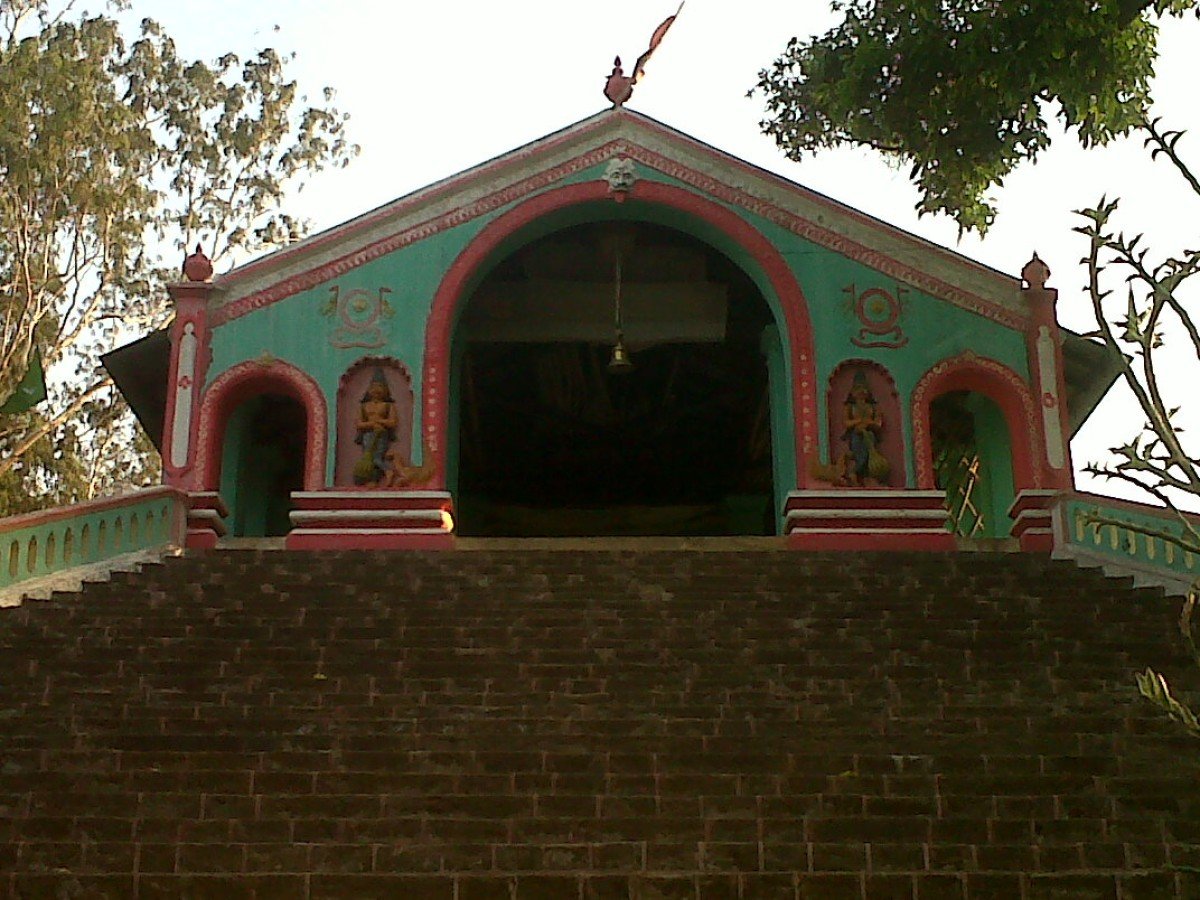
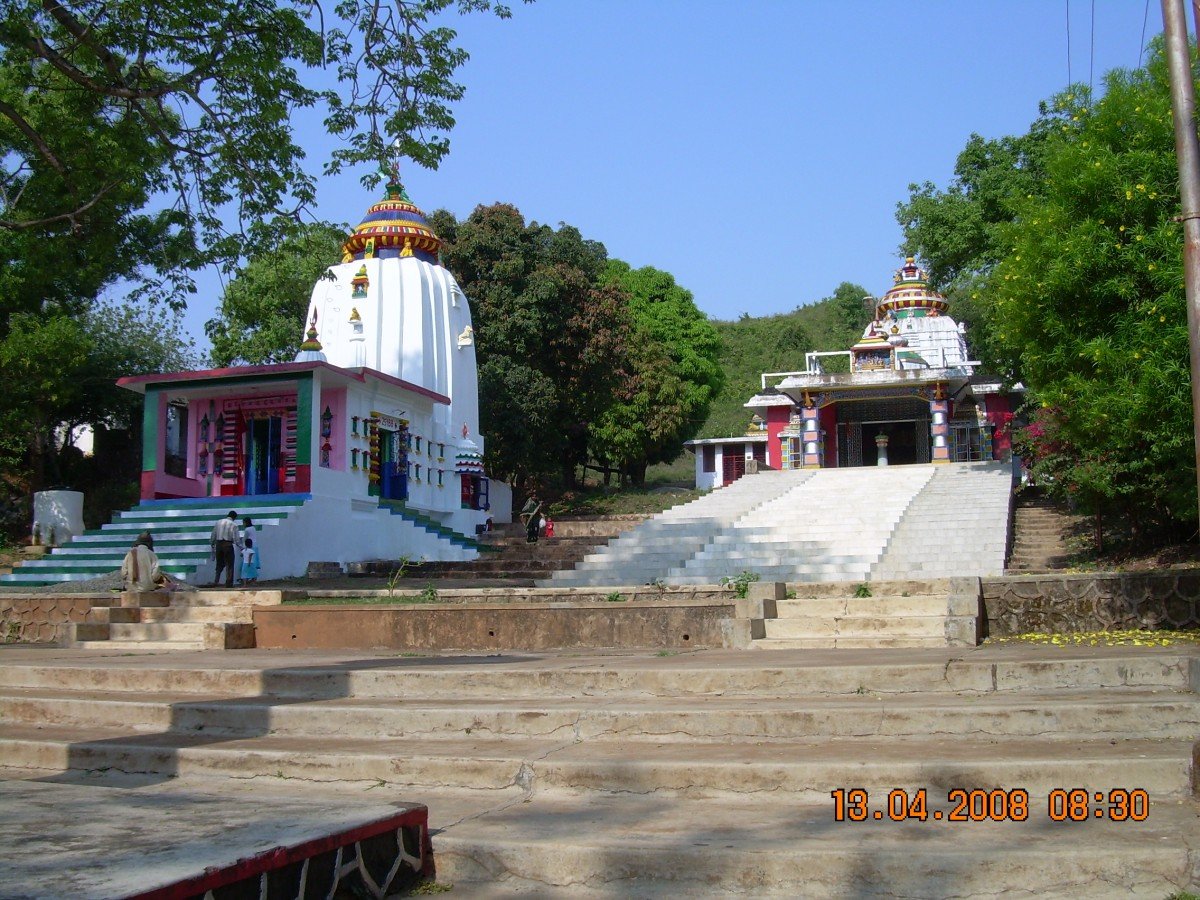
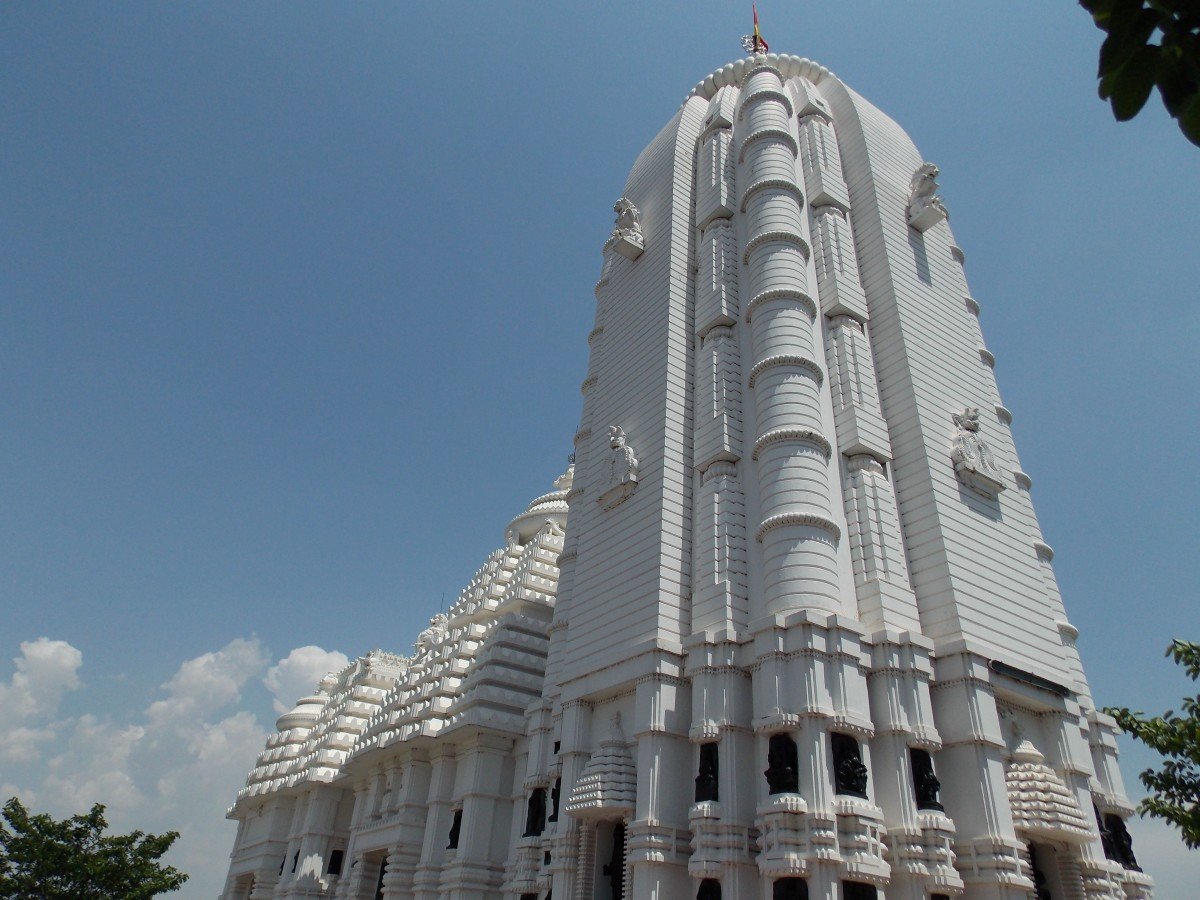
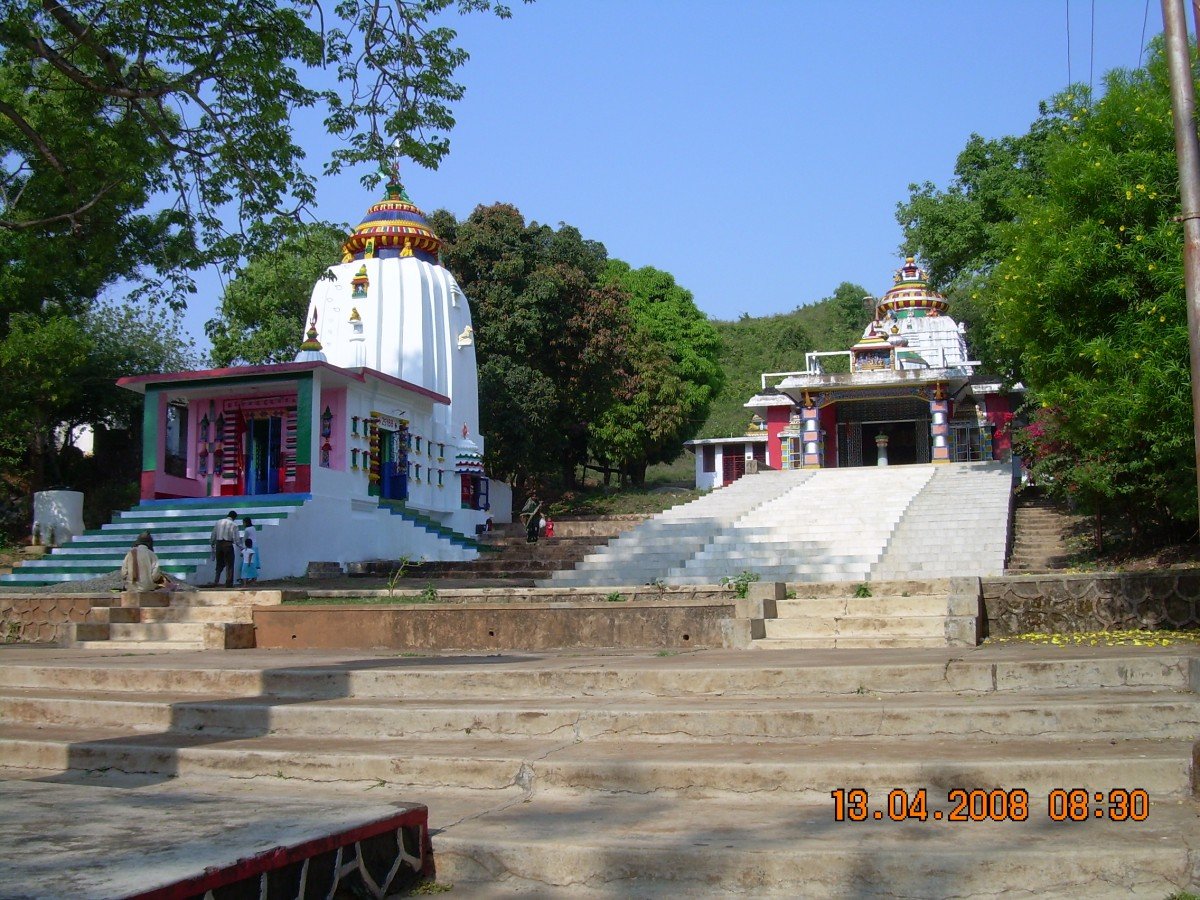
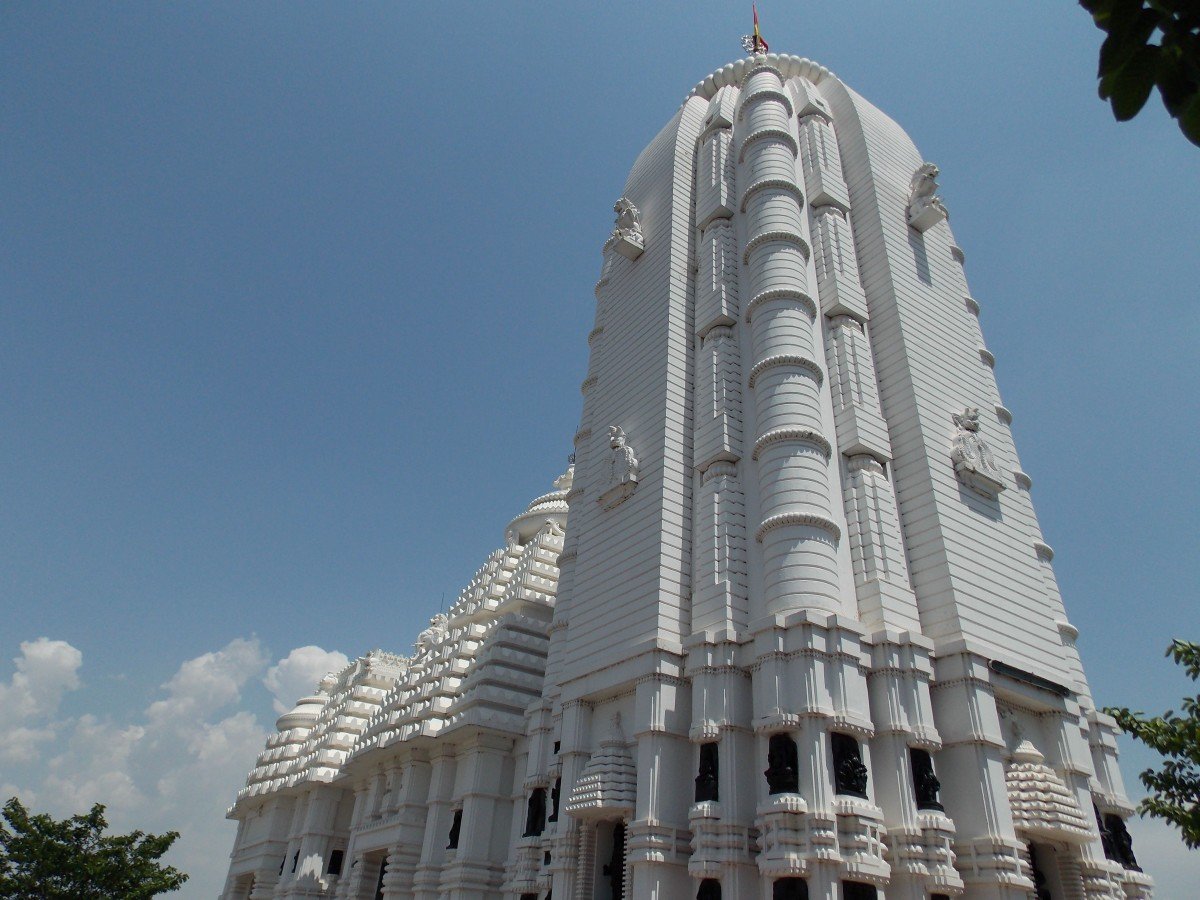
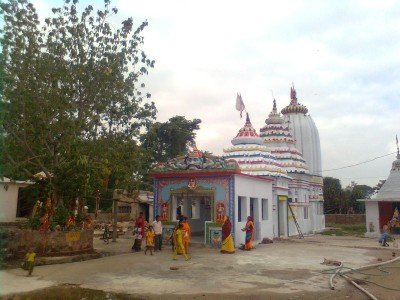
Temple Architecture: The Sabara Srikhetra follows the traditional Odia temple style. It features a high white tower that is visible from all parts of the town.
Dimensions: The temple sits atop a scenic hillock with a large open courtyard. ...Temple Architecture: The Sabara Srikhetra follows the traditional Odia temple style. It features a high white tower that is visible from all parts of the town.
Dimensions: The temple sits atop a scenic hillock with a large open courtyard. The main sanctum is spacious and designed for community worship.
Museum Design: The Tribal Museum is built with traditional materials like mud and thatch. It features multiple galleries that house thousands of tribal artifacts.
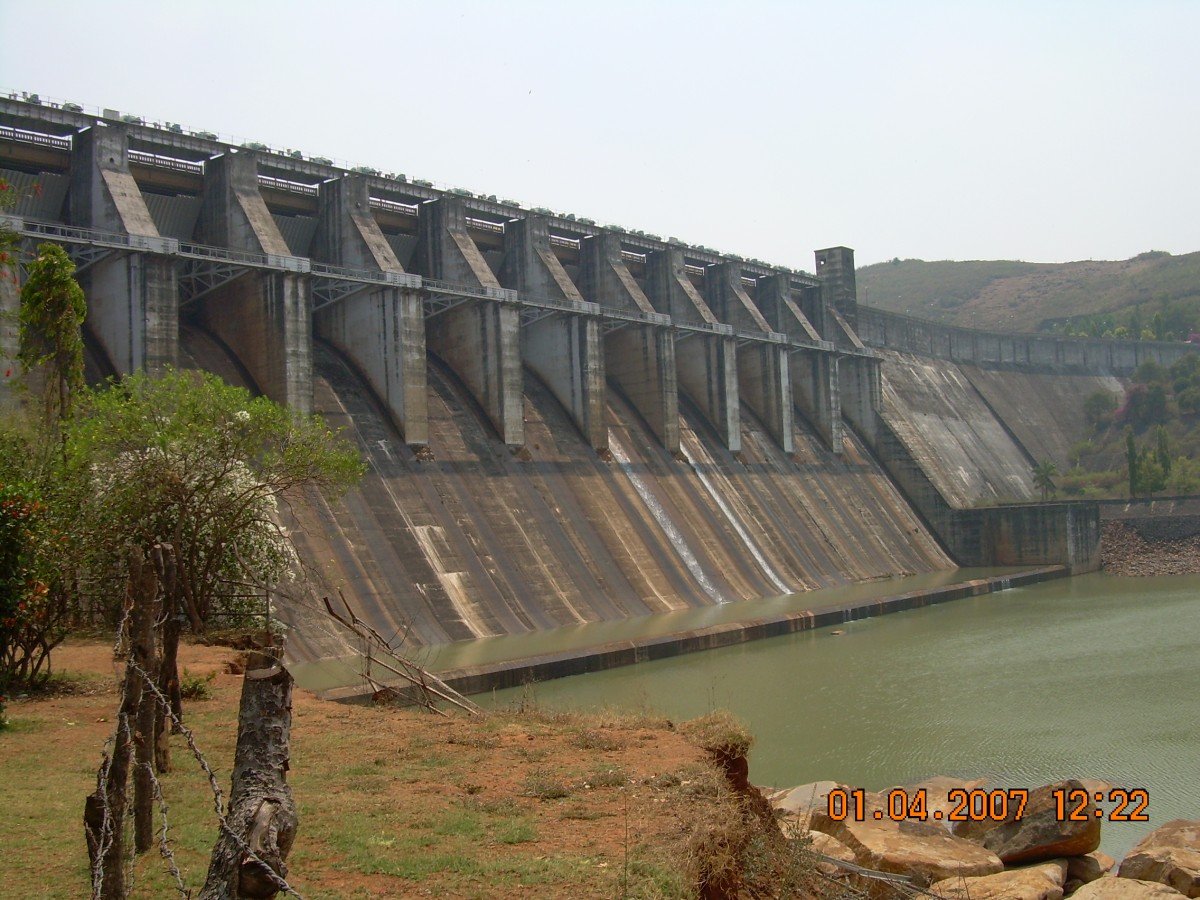
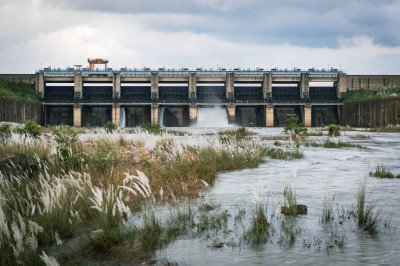
Dam Structure: The Kolab Dam is a massive concrete structure on the Kolab River. It creates a huge reservoir that is surrounded by high green hills. -
How To Reach:
By Air: The nearest major airport is in Visakhapatnam, about 200 KM away. Small flights also operate to the nearby Jeypore airstrip occasionally.
By Train: Koraput Railway Station is well connected to Bhubaneswar and Visakhapatnam. The tra...By Air: The nearest major airport is in Visakhapatnam, about 200 KM away. Small flights also operate to the nearby Jeypore airstrip occasionally.
By Train: Koraput Railway Station is well connected to Bhubaneswar and Visakhapatnam. The train route is famous for its scenic mountain views.
By Road: Regular buses run from Bhubaneswar, Puri, and Visakhapatnam. The road trip through the Eastern Ghats is very beautiful and scenic.
Local Transport: Auto-rickshaws and taxis are available for moving around the town. You can hire a private car for day trips to Deomali and Gupteswar. -
Weather and Best Time to Visit:
Winter Season: October to February is the best time to visit this hill station. The weather is cool and misty, perfect for trekking and sightseeing.
Monsoon Season: The region turns very green and beautiful during the rains. However, trekk...Winter Season: October to February is the best time to visit this hill station. The weather is cool and misty, perfect for trekking and sightseeing.
Monsoon Season: The region turns very green and beautiful during the rains. However, trekking might be difficult due to slippery paths and heavy rain. -
Near Tourist Places:
Jeypore (22 KM), Deomali (60 KM), Duduma Falls (70 KM), Gupteswar (60 KM), Kolab Dam (15 KM), Sunabeda (20 KM), Damanjodi (35 KM), Maliguda (40 KM), Nandapur (45 KM), Jalaput (75 KM).
Tourism Tips
-
Packing: Carry warm clothes as it can get quite cold during winter nights. Comfortable trekking shoes and a raincoat are also very useful items to have.
Health: Carry basic medicines and mosquito repellent for your forest trips. Stay hydra...Packing: Carry warm clothes as it can get quite cold during winter nights. Comfortable trekking shoes and a raincoat are also very useful items to have.
Health: Carry basic medicines and mosquito repellent for your forest trips. Stay hydrated and try to eat fresh food from clean local restaurants.
Respect Tribes: Always ask for permission before taking photos of tribal people. Respect their privacy and traditions while visiting their local villages.
Stay: There are good government guest houses and private hotels in the town. Booking in advance is recommended if you are visiting during Parab.
Reviews
FAQs
Koraput Itineray And Cost:-
Other Places In Odisha :-
Other States In India :-
Information about New and Updated Locations() of Odisha Has Been Added :-
Card subtitle
Note:-
Information provided here in good Faith and for reference only.
Near Places
Angul
Some quick example text to build on the card title and make up the bulk of the card's content.
Go somewhere
Balasore
Some quick example text to build on the card title and make up the bulk of the card's content.
Go somewhere
Bargarh
Some quick example text to build on the card title and make up the bulk of the card's content.
Go somewhere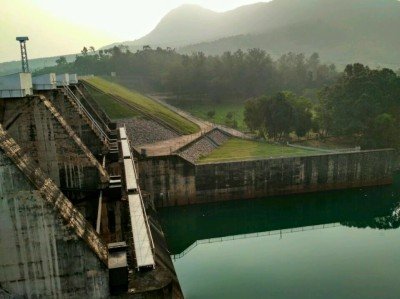
Baripada
Some quick example text to build on the card title and make up the bulk of the card's content.
Go somewhere
Berhampur
Some quick example text to build on the card title and make up the bulk of the card's content.
Go somewhere
Bhadrak
Some quick example text to build on the card title and make up the bulk of the card's content.
Go somewhere
Bhubaneswar
Some quick example text to build on the card title and make up the bulk of the card's content.
Go somewhere
Chandipur
Some quick example text to build on the card title and make up the bulk of the card's content.
Go somewhere
Cuttack
Some quick example text to build on the card title and make up the bulk of the card's content.
Go somewhere
Daringbadi
Some quick example text to build on the card title and make up the bulk of the card's content.
Go somewhere
Dhauli
Some quick example text to build on the card title and make up the bulk of the card's content.
Go somewhere
Dhauligiri
Some quick example text to build on the card title and make up the bulk of the card's content.
Go somewhere
Gopalpur
Some quick example text to build on the card title and make up the bulk of the card's content.
Go somewhere
Jajpur
Some quick example text to build on the card title and make up the bulk of the card's content.
Go somewhere
Jeypore
Some quick example text to build on the card title and make up the bulk of the card's content.
Go somewhere
Jharsuguda
Some quick example text to build on the card title and make up the bulk of the card's content.
Go somewherein Other Cities