
...

Place To Visit And Things To Do In Chamoli

Uttarakhand, India.
Overview of Chamoli: Chamoli is a district of immense natural beauty and religious significance, often referred to as the most beautiful part of Uttarakhand. It is the birthplace of the Chipko Movement, showcasing the deep bond between the local people and their forests. The town of Gopeshwar serves as its administrative headquarters and is perched at a high altitude with stunning mountain vistas. It is home to world-renowned sites like the Valley of Flowers and the holy shrine of Badrinath. The Alaknanda River flows through the district, carving deep gorges and creating fertile valleys that support diverse life forms. History and Heritage: Historically, Chamoli was a part of the Kedar-Khand region and has been mentioned in ancient Hindu scriptures as a land of penance. It was ruled by the Katyuri dynasty and later became a crucial part of the Garhwal Kingdom. The district is dotted with ancient stone temples, including the Panch Kedar and Panch Badri shrines, which are pilgrimage landmarks. The cultural heritage is rich with folk dances like the Barada Nati and traditional music that echoes through the valleys. The resilience of the local people is legendary, especially their history of protecting the environment through non-violent protests. Natural Landscapes: The geography of Chamoli varies from lush green meadows, known as Bugyals, to rugged, snow-capped peaks like Nanda Devi. The Valley of Flowers, a UNESCO World Heritage site, becomes a riot of colors with thousands of wildflower species blooming in monsoon. High-altitude lakes like Hemkund Sahib and Roopkund add a mystical charm to the high-altitude trekking routes. The district also houses the Nanda Devi Biosphere Reserve, which protects rare species like the snow leopard and musk deer. The dramatic change in landscape from the river beds to the 7,000-meter peaks is truly awe-inspiring. Modern Significance: Chamoli today is a major center for pilgrimage, adventure tourism, and environmental research in the Himalayas. Auli, located within the district, is India’s premier skiing destination, attracting international tourists every winter. The district plays a vital role in the state's economy through tourism and hydroelectric power projects along its perennial rivers. Despite modernization, the local communities maintain a strong connection to their roots, practicing organic farming and traditional weaving. It continues to be a primary gateway for spiritual seekers and mountaineers who wish to explore the deepest reaches of the Garhwal Himalayas.

Things To Do

Card image cap
Adi Badri

Adi Badri is a magnificent complex of 16 ancient temples located in the Garhwal hills. It is part of the famous Panch Badri circuit and is dedicated ...

Adi Badri is a magnificent complex of 16 ancient temples located in the Garhwal hills. It is part of the famous Panch Badri circuit and is dedicated to Lord Vishnu. Historically, it is believed that Lord Vishnu resided here during the Satyug, Treta, and Dwapar ages before moving to Badrinath in the Kalyug. The complex was significantly restored by Adi Shankaracharya in the 8th Century to revive Hinduism. Local legends also suggest that the great sage Ved Vyasa divided the Vedas into four parts at this very location. The atmosphere here is deeply spiritual and calm, offering a sense of ancient connection to every pilgrim who visits. It is a site of immense archaeological and religious importance in India.:
Card image cap
Bedni Bugyal

Bedni Bugyal is widely considered one of the largest and most beautiful alpine meadows in the Himalayas. Situated at an altitude of approximately 3,3...

Bedni Bugyal is widely considered one of the largest and most beautiful alpine meadows in the Himalayas. Situated at an altitude of approximately 3,354 meters, it offers an unobstructed view of the Trishul and Nanda Ghunti peaks. The word "Bugyal" in the local language means a high-altitude meadow. This vast expanse of green velvet is part of the legendary Roopkund trek route. According to local folklore, the Bedni Kund located here is where the Vedas were written. During the spring, the entire meadow is covered with a variety of wildflowers, creating a dreamlike landscape. It is not just a trekking destination but a site of deep religious significance, especially during the Nanda Devi Raj Jat Yatra. The silence of the meadows is only broken by the sound of grazing sheep and the whistling wind.:
Card image cap
Brahmatal Trek Start

Lohajung serves as the vital base camp and start point for the world-famous Brahmatal Trek. It is a quaint high-altitude village that sits at an elev...

Lohajung serves as the vital base camp and start point for the world-famous Brahmatal Trek. It is a quaint high-altitude village that sits at an elevation of 2,331 meters. The village offers a panoramic view of the Nanda Ghunti peak. Historically, the name Lohajung is derived from a local legend where Goddess Parvati fought a battle ("Jung") with the demon Lohasur. This village is the nerve center for trekking in the Pindar valley, providing guides, porters, and gear. The trek itself leads to the mystical Brahmatal Lake, where Lord Brahma is said to have meditated. Starting from here, trekkers pass through ancient forests and ridges. It is one of the few treks in India that remains open and spectacularly beautiful during the peak winter months.:
Card image cap
Chamolanath Temple

Chamolanath Temple is a deeply revered shrine located in the heart of the Chamoli district. It is dedicated to the local deity Chamolanath, who is be...

Chamolanath Temple is a deeply revered shrine located in the heart of the Chamoli district. It is dedicated to the local deity Chamolanath, who is believed to be a manifestation of Lord Shiva. According to ancient legends, the entire district of Chamoli derived its name from this god. The temple is built on the exact spot where the idols of the deity are said to have miraculously emerged from the earth centuries ago. It is a central place of worship for the local community, who believe the deity protects the valley from natural disasters. Unlike the remote shrines of the Himalayas, this temple is easily accessible and plays a vital role in the daily socio-religious life of the town's residents.:
Card image cap
Gopeshwar

@@Historical Significance: Gopeshwar serves as the administrative headquarters of the Chamoli district and is situated at an elevation of 1308 meters ...

@@Historical Significance: Gopeshwar serves as the administrative headquarters of the Chamoli district and is situated at an elevation of 1308 meters above sea level. This picturesque town is famous for its pleasant climate and the ancient Gopinath Temple, which remains a major pilgrimage site throughout the year. According to local legends, the town's name is derived from its association with Lord Krishna, who was addressed as "Gopeshwar" by Lord Shiva during a celestial event. The town is surrounded by four famous shrines: Tungnath, Anusuya Devi, Rudranath, and Badrinath, making it a vital hub for travelers. Visitors can enjoy the serene atmosphere of terrace farms and small lakes while exploring the rich cultural heritage of the Garhwal region. @@Cultural Landscape: The local lifestyle is deeply rooted in spirituality and agriculture, with residents maintaining traditional Garhwali customs. The town's markets are vibrant, offering a glimpse into the local trade of handlooms and indigenous crafts. Being a major commercial hub, it provides a unique blend of modern facilities and traditional charm, ensuring a comfortable stay for pilgrims and trekkers alike.
Card image cap
Kalpeshwar Temple

@@Spiritual Legend: Kalpeshwar is the fifth temple of the famous Panch Kedar circuit, located at an altitude of 2200 meters in the serene Urgam Valley...
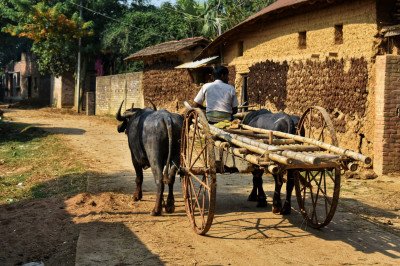
@@Spiritual Legend: Kalpeshwar is the fifth temple of the famous Panch Kedar circuit, located at an altitude of 2200 meters in the serene Urgam Valley. It is the only temple among the five that remains open to devotees throughout the year, even during the peak winter snows. The temple is dedicated to the "Jata" or matted hair of Lord Shiva, which is believed to have appeared here after he took the form of a bull to elude the Pandavas. The trek to the temple passes through lush green forests and apple orchards, offering a peaceful retreat from the crowded pilgrimage routes. The water from the nearby Kalvar Kund is considered holy and is said to have medicinal properties that can cure various physical ailments. @@Valley Life: The surrounding Urgam Valley is known for its fertile land where potatoes and apples are grown extensively. The inhabitants of the valley are known for their hospitality and deep-rooted religious beliefs, maintaining a lifestyle that has remained unchanged for centuries.
Card image cap
Mana Village

@@National Pride: Mana Village, situated at an altitude of 3200 meters, has been officially designated as the "First Village of India" by the BRO. Loc...

@@National Pride: Mana Village, situated at an altitude of 3200 meters, has been officially designated as the "First Village of India" by the BRO. Located just 4 KM from Badrinath, it sits on the Indo-Tibetan border and is the last point accessible by road. The village is steeped in Mahabharata legends, with sites like Vyas Gufa and Bheem Pul attracting thousands of spiritual seekers. It is the home of the Bhotiya community, a nomadic tribe known for their resilience and exquisite woolen handicrafts. The Saraswati River, which is mostly mythical elsewhere, is seen flowing with great force here before going underground, adding to the mystical aura of the village. @@Nature's Splendor: Beyond its religious roots, Mana is a gateway to high-altitude treks like Vasudhara Falls and Satopanth Lake. The village offers a stark, beautiful landscape of rugged mountains and alpine meadows.
Card image cap
Mandal Orchid Centre

@@Botanical Haven: The Orchid Centre at Mandal is the first of its kind in Uttarakhand, established to conserve the rare and endangered orchid species...

@@Botanical Haven: The Orchid Centre at Mandal is the first of its kind in Uttarakhand, established to conserve the rare and endangered orchid species of the Himalayas. Spread across 6 acres, the center is a lush green sanctuary managed by the Research Wing of the State Forest Department. It houses over 70 species of orchids, showcasing the incredible biodiversity of the region. The center is divided into distinct zones including a conservation area, an interpretation center, and a nursery where visitors can learn about the complex life cycle of these exotic plants. The 1.25-km-long orchid trail allows tourists to walk through a natural forest-like setting where orchids bloom on trees and rocks. @@Eco-Tourism Hub: Mandal village serves as a base for many treks, including the one to Anusuya Devi. The establishment of the orchid center has turned it into a major eco-tourism destination, promoting environmental awareness among school children and researchers.
Card image cap
Nandprayag

Nandprayag is a beautiful town situated at the holy confluence of the Alaknanda and Nandakini rivers in the Chamoli district of Uttarakhand. It serve...
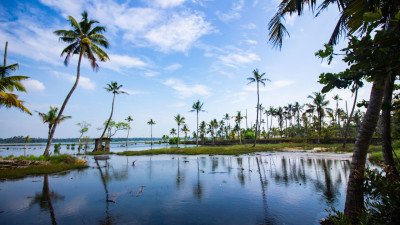
Nandprayag is a beautiful town situated at the holy confluence of the Alaknanda and Nandakini rivers in the Chamoli district of Uttarakhand. It serves as the second of the famous Panch Prayag (five confluences) of the Alaknanda river and holds immense spiritual significance for Hindu pilgrims. The town is perched at an altitude of approximately 870 meters and is surrounded by the majestic Himalayan ranges that provide a serene backdrop for meditation and prayer. Historically, it was the capital of the Yadu kingdom, and the confluence is named after King Nanda, who performed a great 'Yagna' here to please Lord Vishnu. The town is not just a religious site but also a vital trade hub and a transit point for travelers heading toward Badrinath and the Valley of Flowers. Visitors can explore various ancient temples dedicated to Lord Shiva, Gopal Ji, and Goddess Chandika, each narrating stories from Indian mythology. The atmosphere at the 'Ghats' is incredibly peaceful, where one can witness the merging of the emerald green Alaknanda and the turquoise Nandakini rivers. This destination offers a perfect blend of natural beauty, cultural heritage, and spiritual tranquility, making it a must-visit for anyone exploring the Garhwal region. The local population is known for its warm hospitality, preserving the traditional Garhwali way of life amidst the changing times. Whether you are a spiritual seeker or a nature lover, Nandprayag offers a profound sense of peace that is hard to find in the bustling cities of the plains.
Card image cap
Pipalkoti

Pipalkoti is a picturesque small town nestled in the Garhwal Himalayas of the Chamoli district. Located at an elevation of 1,260 meters, it sits on t...

Pipalkoti is a picturesque small town nestled in the Garhwal Himalayas of the Chamoli district. Located at an elevation of 1,260 meters, it sits on the banks of the Alaknanda river and serves as a major halt for pilgrims traveling to Badrinath, Hemkund Sahib, and the Valley of Flowers. The town is known for its lush green surroundings, terraced agricultural fields, and stunning views of the snow-clad peaks of Nanda Devi and Neelkanth. Historically, it has been a resting point for travelers for centuries, evolving from a small village into a bustling hub with modern amenities while retaining its rustic charm. The area is surrounded by dense forests of oak and pine, providing a refreshing atmosphere for those looking to escape the heat of the plains. For adventure enthusiasts, Pipalkoti offers several short hiking trails that lead to hidden waterfalls and traditional Garhwali villages where one can experience the local culture firsthand. The town is also famous for its local market, where travelers can stock up on essential supplies, trekking gear, and local handicrafts. Its strategic location makes it an ideal base for exploring the deeper parts of the Chamoli district. The weather remains pleasant for most of the year, although winters can be quite chilly. As a transit point, it provides a variety of accommodation options, from budget guest houses to comfortable hotels, ensuring a relaxing stay for tired travelers. Visiting Pipalkoti is not just about the destination but the experience of being in the heart of the Himalayas, surrounded by natural beauty and a sense of spiritual anticipation.
Card image cap
Roopkund Lake

Roopkund Lake, famously known as the Skeleton Lake, is a high-altitude glacial lake situated at an elevation of about 5,029 meters in the Chamoli dis...
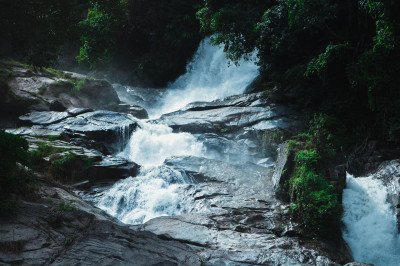
Roopkund Lake, famously known as the Skeleton Lake, is a high-altitude glacial lake situated at an elevation of about 5,029 meters in the Chamoli district. This mysterious destination is tucked away in the lap of the Trishul massif and is one of the most famous trekking spots in India. The lake is relatively shallow and remains frozen for most of the year. What makes Roopkund globally famous are the hundreds of human skeletons found at its edge, which become visible when the ice melts during the summer. Scientific studies, including DNA testing, have revealed that these remains belong to different groups of people from various centuries, including a group from the Mediterranean and another from South Asia, who likely died due to a sudden, massive hailstorm. Local legends tell a different story, claiming the skeletons are the remains of a king and his entourage who were cursed by the Goddess Nanda Devi. The trek to Roopkund is considered moderate to difficult, passing through breathtaking alpine meadows like Bedni Bugyal and Ali Bugyal, which are among the largest and most beautiful high-altitude meadows in Asia. The journey starts from the village of Lohajung and takes trekkers through dense forests of oak and rhododendron before opening up to the stark, rocky terrain of the high Himalayas. The final ascent to the lake is a challenging climb through snow and scree, offering unparalleled views of peaks like Nanda Ghunti and Trishul. This place is a perfect blend of natural grandeur, archaeological mystery, and spiritual lore, attracting adventurers and researchers from all over the world. Due to its fragile ecosystem, the number of trekkers is often regulated to preserve the pristine environment and the historical remains found there.
Card image cap
Vasudhara Falls

Vasudhara Falls is a magnificent waterfall located in the high altitudes of the Chamoli district, about 9 kilometers from the holy town of Badrinath....

Vasudhara Falls is a magnificent waterfall located in the high altitudes of the Chamoli district, about 9 kilometers from the holy town of Badrinath. Dropping from a staggering height of 122 meters (400 feet), the waterfall is set against a dramatic backdrop of snowy peaks, glaciers, and rocky cliffs. To reach the falls, one must undertake a scenic 6-kilometer trek from Mana, the last Indian village before the Tibet border. The trail follows the course of the Alaknanda river and offers views of the Saraswati river as it disappears into the earth. According to Hindu mythology, the waterfall's water only falls on those who are pure of heart and free from sin. It is said that the water diverts its course if a "sinner" stands beneath it. The falls are also associated with the Pandavas, who are believed to have passed this way on their journey to heaven (Swargarohini). The water of Vasudhara is considered to have medicinal properties because it flows over various Ayurvedic herbs found in the high Himalayan meadows. The site provides an incredible sense of peace and isolation, as it is far removed from the crowds of the main temple town. The sheer force of the wind often scatters the falling water into a fine mist before it reaches the ground, creating a magical, ethereal atmosphere. Surrounded by peaks like Chaukhamba, Nilkantha, and Balakun, Vasudhara Falls is not just a natural wonder but a spiritual destination that cleanses the mind and soul of every visitor.
Show All

Chamoli Itineray And Cost:-

Information about New and Updated Locations() of Uttarakhand Has Been Added :-
Card subtitle

Note:-

Information provided here in good Faith and for reference only.

Near Places
...
Chakrata

Some quick example text to build on the card title and make up the bulk of the card's content.

Go somewhere
...
Chamba

Some quick example text to build on the card title and make up the bulk of the card's content.

Go somewhere
...
Chamoli

Some quick example text to build on the card title and make up the bulk of the card's content.

Go somewhere
...
Champawat

Some quick example text to build on the card title and make up the bulk of the card's content.

Go somewhere
...
Chopta

Some quick example text to build on the card title and make up the bulk of the card's content.

Go somewhere
...
Corbett

Some quick example text to build on the card title and make up the bulk of the card's content.

Go somewhere
...
Dehradun

Some quick example text to build on the card title and make up the bulk of the card's content.

Go somewhere
...
Dhanaulti

Some quick example text to build on the card title and make up the bulk of the card's content.

Go somewhere
...
Gwaldam

Some quick example text to build on the card title and make up the bulk of the card's content.

Go somewhere
...
Haldwani

Some quick example text to build on the card title and make up the bulk of the card's content.

Go somewhere
...
Haridwar

Some quick example text to build on the card title and make up the bulk of the card's content.

Go somewhere
...
Joshimath

Some quick example text to build on the card title and make up the bulk of the card's content.

Go somewhere
...
Kanatal

Some quick example text to build on the card title and make up the bulk of the card's content.

Go somewhere
...
Kashipur

Some quick example text to build on the card title and make up the bulk of the card's content.

Go somewhere
...
Kausani

Some quick example text to build on the card title and make up the bulk of the card's content.

Go somewhere
...
Kedarnath

Some quick example text to build on the card title and make up the bulk of the card's content.

Go somewhere
in Other Cities