
...

Place To Visit And Things To Do In Champawat

Uttarakhand, India.
Overview of Champawat: Champawat is a historic town in the Kumaon region, known for its ancient temples and as the former capital of the Chand rulers. Perched at an altitude of 1,615 meters, it offers a blend of historical intrigue and natural splendor. The town is famous for being the setting of Ji m Corbett’s first book, where he hunted the legendary Champawat Tiger. It is a land of myths and legends, where every stone temple seems to tell a story from a bygone era. The surrounding hills are covered with thick forests of pine and oak, providing a cool and pleasant climate. History and Heritage: Champawat was the seat of power for the Chand Dynasty, which ruled Kumaon from the 10th to the 16th century. The Baleshwar Temple, built during this period, is a masterpiece of stone carving and architectural brilliance. Legend has it that Lord Vishnu appeared here in his Kurmavatar (tortoise incarnation), giving the region great religious weight. The town served as a cultural melting pot where Kumaoni art, music, and literature flourished under royal patronage. Even today, the ruins of ancient forts and step-wells (naulas) reflect the sophisticated urban planning of the medieval era. Natural Landscapes: The natural scenery of Champawat is marked by rolling hills, deep valleys, and the flowing waters of the Lohawati River. It is less commercialized than other Kumaon hubs, offering pristine trails that lead to viewpoints like Abbott Mount. The region is famous for its tea gardens, which produce high-quality tea leaves amidst the misty mountain air. During the spring, the rhododendrons bloom in shades of crimson, painting the hillsides in vibrant colors. The biodiversity here includes a wide range of Himalayan birds and small mammals that thrive in the undisturbed forest patches. Modern Significance: In the modern era, Champawat has emerged as a center for heritage tourism and spiritual retreats in eastern Uttarakhand. It is the administrative heart of the Champawat district and is well-connected to the plains of Tanakpur. The town is a base for pilgrims visiting the Purnagiri Temple and the Meetha Reetha Sahib Gurudwara. Efforts are being made to preserve its ancient stone architecture while developing modern amenities for tourists. It remains a favorite for history buffs, photographers, and those who wish to experience the authentic, slow-paced life of the Kumaon hills.

Things To Do

Card image cap
Abbott Mount

Abbott Mount is a quaint and serene hill station situated at an elevation of 1,981 meters. It was established by a British businessman named John Har...

Abbott Mount is a quaint and serene hill station situated at an elevation of 1,981 meters. It was established by a British businessman named John Harold Abbott in the early 20th century, who wanted a retreat from the summer heat of the plains. The place is famous for its cluster of 13 colonial-style cottages spread across five acres of lush forest. It offers a breathtaking panoramic view of the snow-capped Himalayan peaks like Nanda Devi and Trishul. The atmosphere here is eerie yet peaceful, often described as a "ghost town" due to its sparse population and historical hospital. It is a perfect spot for those seeking solitude and nature in its purest form.
Card image cap
Aditya Temple

@@Historical Significance: This ancient temple, located in the scenic Ramak village, is a rare shrine dedicated to both Surya Devta (Sun God) and Lord...

@@Historical Significance: This ancient temple, located in the scenic Ramak village, is a rare shrine dedicated to both Surya Devta (Sun God) and Lord Shiva, hence its popular local name Shivaditya Temple: @@Legends of Pandavas: Local folklore suggests that the Pandavas visited this sacred spot during their exile (agyatvas) and consecrated the Shivalinga here, adding a layer of deep mythological significance to the place: @@Chand Dynasty Connection: The temple is believed to have been established by the kings of the Chand Dynasty sometime in the 16th century, making it a vital heritage site reflecting the regional architectural and religious history: @@Natural Surroundings: It is surrounded by majestic hills, lush biodiversity, and tranquil nature, providing a serene environment for worship and meditation away from the hustle of city life.:
Card image cap
Baleshwar Temple

@@Historical Significance: The Baleshwar Temple is an ancient and historically significant complex, believed to have been built between the 10th and 1...

@@Historical Significance: The Baleshwar Temple is an ancient and historically significant complex, believed to have been built between the 10th and 12th centuries AD by the rulers of the Chand Dynasty, who once had their capital in Champawat: @@Temple Triplet: The complex consists of three main temples: the main Baleshwar Temple dedicated to Lord Shiva, and two adjacent temples dedicated to Ratneshwar and Champawati Durga: @@Architectural Marvel: It is renowned as the most artistic temple of the region, declared a National Heritage Monument and currently maintained by the Archaeological Survey of India (ASI): @@Legends and Lore: The site is associated with legends of Lord Vishnu's Kurma avatar, which gives the region its name Kurmanchal (Kumaon), and is mentioned in Jim Corbett's famous book Man-Eaters of Kumaon.:
Card image cap
Banasur Ka Kila

Banasur Ka Kila is a medieval fort situated at an altitude of 1,859 meters. According to Hindu mythology, this fort belonged to the demon king Banasu...

Banasur Ka Kila is a medieval fort situated at an altitude of 1,859 meters. According to Hindu mythology, this fort belonged to the demon king Banasur, who was the son of Bali. Legend says Banasur was defeated by Lord Krishna after a fierce battle triggered by the abduction of Krishna's grandson, Aniruddha. The fort provides a stunning 360-degree view of the surrounding valleys and the Lohawati River which originates nearby. To reach the fort, visitors must undergo a 2-kilometer uphill trek from the road head. The ruins of the fort stand as a testament to the ancient military architecture of the Kumaon region and offer a mystical vibe to explorers.
Card image cap
Banbasa Barrage

Banbasa Barrage is a massive hydraulic structure built across the Sharda River (also known as the Mahakali River). It serves as a major border crossi...

Banbasa Barrage is a massive hydraulic structure built across the Sharda River (also known as the Mahakali River). It serves as a major border crossing between India and Nepal. The barrage is surrounded by a scenic park and provides a tranquil view of the vast water body and the distant Shivalik hills. It is a vital spot for irrigation and power generation in the region. The area is bustling with cross-border trade and travelers moving into the Nepalese town of Mahendranagar. The barrage is also a great place to observe the engineering marvel of the British era, as it has been functional for decades, regulating the flow of water into the Sharda Canal.
Card image cap
Champawat View Point

@@Overview: The Champawat View Point is an easily accessible hilltop location that offers stunning, sweeping panoramic views of the entire Champawat t...

@@Overview: The Champawat View Point is an easily accessible hilltop location that offers stunning, sweeping panoramic views of the entire Champawat town, the surrounding lush green valleys, and, most importantly, the majestic snow-capped Himalayan peaks on a clear day: @@Location Advantage: Its strategic elevation provides a 360-degree spectacle, making it a favorite spot for both tourists and locals seeking tranquil moments and a picturesque background: @@Natural Beauty: The viewpoint is typically surrounded by dense patches of pine, oak, and deodar forests, adding to the serene, natural ambiance and making the air crisp and refreshing: @@Ideal Time: It is particularly breathtaking during sunrise and sunset, when the light plays beautifully on the mountains and the valley below, showcasing the best of the Kumaon landscape.:
Card image cap
Devidhura Temple

Devidhura Temple, dedicated to Maa Barahi Devi, is one of the most revered shrines in the Kumaon region. It is perched at an altitude of 2,500 meters...

Devidhura Temple, dedicated to Maa Barahi Devi, is one of the most revered shrines in the Kumaon region. It is perched at an altitude of 2,500 meters amidst dense deodar and oak forests. The temple is globally famous for the Bagwal Festival, a unique ritualistic stone-pelting fair held on Raksha Bandhan. Legend has it that the temple was a site of human sacrifice, which was later replaced by this symbolic blood-offering through a mock stone war between four clans. The temple complex is serene and offers a spiritual atmosphere. It is also mentioned in Jim Corbett's famous book, "The Temple Tiger," adding to its historical and literary charm.
Card image cap
Dhankeshwar Rudrakund

Dhankeshwar Rudrakund is a secluded and sacred spot dedicated to Lord Shiva. It features a natural water tank (Kund) and an ancient temple tucked awa...

Dhankeshwar Rudrakund is a secluded and sacred spot dedicated to Lord Shiva. It features a natural water tank (Kund) and an ancient temple tucked away in the mountainous terrain. The place is known for its "Rudraksha" connection and is considered highly auspicious by local devotees. The water in the kund is believed to have healing properties. It is a destination for those who want to experience the "Pahadi" spiritual life away from the commercial tourist circuits. The surrounding area is filled with lush greenery and offers a peaceful environment for meditation and introspection. The trek to this spot takes you through typical Kumaoni villages, offering a glimpse into local life.
Card image cap
Ek Hathiya Ka Naula

@@Historical Overview: Ek Hathiya Ka Naula (meaning 'The well of the one-handed man') is a unique, ancient stone water reservoir (Naula) and a masterp...

@@Historical Overview: Ek Hathiya Ka Naula (meaning 'The well of the one-handed man') is a unique, ancient stone water reservoir (Naula) and a masterpiece of Kumaoni folk architecture dating back to the 14th century under the Chand Dynasty: @@The Legend of Jagannath: It is famous for the local legend that a highly skilled but one-handed artisan, Jagannath Mistry, carved the entire intricate structure in the course of a single night to prove his prowess after facing discrimination: @@Architectural Uniqueness: The structure is a blend of a functional water tank and a highly ornate mini-temple, adorned with intricate, beautiful stone carvings that captivate visitors: @@Cultural Significance: This site symbolizes the resilience of human spirit and craftsmanship, standing as a historical testament to the ingenuity of the local artisans in the Kumaon region.:
Card image cap
Gwal Devta Temple

@@Deity Overview: The Gwal Devta Temple is dedicated to Gwal Devta, also known as Goril or Goll, who is the highly revered regional deity of justice a...

@@Deity Overview: The Gwal Devta Temple is dedicated to Gwal Devta, also known as Goril or Goll, who is the highly revered regional deity of justice and is considered an incarnation of Lord Shiva: @@Legend of Goril: The deity is believed to be a Katyuric Prince of Champawat who was a victim of a cruel conspiracy by his stepmother and was later worshipped as a god known for his unwavering and immediate justice for the oppressed: @@Unique Ritual: The temple is famous for a unique ritual where devotees write their grievances, petitions, or wishes on paper (often stamp paper) and hang them in the temple premises, seeking the deity's divine intervention for justice: @@Atmosphere: The premises are adorned with thousands of bells of all sizes, which are offered by devotees whose wishes have been fulfilled, creating a mesmerizing sight and a constant, rhythmic, ringing sound.:
Card image cap
Henry Waterfall

Henry Waterfall is a magnificent natural wonder located in the serene district of Champawat. This stunning 40-foot waterfall is named after a British...

Henry Waterfall is a magnificent natural wonder located in the serene district of Champawat. This stunning 40-foot waterfall is named after a British officer, Henry Ramsay, who frequently visited the spot during the 19th century. Surrounded by dense green forests and rugged mountain terrains, the waterfall provides a refreshing escape for travelers. The sound of water crashing against the rocks creates a rhythmic melody that soothes the soul. The water flows from a significant height, forming a cool pool at the base where visitors often relax. Over the years, the local government has improved the site under rural employment schemes to make it more accessible. It remains one of the most picturesque and tranquil spots in the Kumaon region, offering a blend of history and nature. The lush greenery surrounding the falls is home to various bird species, making it a treat for nature lovers. Many tourists find this place to be a hidden paradise away from the crowded city life. It is especially vibrant during the September and October months when the monsoon has just passed. The site is well-maintained and provides a clean environment for families and solo travelers alike.
Card image cap
Kranteshwar Mahadev Temple

@@Deity and Legend: This revered temple is dedicated to Lord Shiva (as Kranteshwar Mahadev), and is also locally known as the Shrine of Lord Kandev or...

@@Deity and Legend: This revered temple is dedicated to Lord Shiva (as Kranteshwar Mahadev), and is also locally known as the Shrine of Lord Kandev or Kurmapad (referring to the hill's shape resembling a tortoise's foot): @@Mythological Origin: The mountain itself is linked to the Kurma Avatar (Tortoise Incarnation) of Lord Vishnu, from which the name of the region, Kumaon (or Kurmanchal), is derived, giving the temple immense mythological weight: @@Location and Altitude: Situated at a height of approximately 6,100 feet (1,860 meters) above sea level, the temple offers some of the most spectacular panoramic views of the surrounding valleys and the mighty Himalayan range: @@Trekking Experience: Reaching the temple involves a rewarding, albeit sometimes challenging, uphill trek of about 1.5 KMs from the road-head (often at Chidapani), combining pilgrimage with adventure.:
Card image cap
Lohaghat Town

Lohaghat is a historic and picturesque town perched at an elevation of 1706 Meters on the banks of the Lohawati River. It is often described as one o...

Lohaghat is a historic and picturesque town perched at an elevation of 1706 Meters on the banks of the Lohawati River. It is often described as one of the most beautiful places in the Kumaon region, rich in mythological legends and colonial history. The town served as the capital of the Chand Dynasty rulers and later became a summer retreat for British officers. The name Lohaghat is believed to be derived from the river that flows through it. The town is surrounded by dense forests of pine and oak, providing a serene environment for those looking to escape the hustle of city life. It is famous for its ancient temples, colonial bungalows, and the legendary Abbott Mount. The atmosphere here is deeply spiritual yet filled with an old-world charm. Many visitors use Lohaghat as a base to explore nearby attractions like Mayawati Ashram and Banasur Ka Kila. The local markets are small but vibrant, offering traditional Kumaoni handicrafts and sweets. During the spring months of March and April, the town is covered in blooming rhododendrons, making it a visual delight for travelers and nature enthusiasts.
Card image cap
Maunpokhari Himalaya Viewpoint

@@Overview: Maunpokhari Himalaya Viewpoint is a less-frequented, tranquil spot near the village of Punaithi, offering beautiful views of the surroundi...

@@Overview: Maunpokhari Himalaya Viewpoint is a less-frequented, tranquil spot near the village of Punaithi, offering beautiful views of the surrounding Kumaon landscape and the distant snow-capped Himalayan peaks: @@The Lake Connection: The name Maunpokhari refers to the presence of a small, often serene mountain pond or lake nearby (which translates to Maun - Silent, Pokhari - Pond/Lake), providing a unique foreground element to the view: @@Peaceful Retreat: Compared to the more crowded viewpoints, Maunpokhari retains a strong sense of rustic peace and quiet, making it an ideal spot for those seeking solitude and deep connection with nature: @@Accessibility: It is generally accessible by road, followed by a short, easy walk, making it a good destination for a relaxing half-day trip away from the town's main hustle.:
Card image cap
Mayawati Ashram

Mayawati Ashram, also known as Advaita Ashram, is a branch of the Ramakrishna Math situated at an altitude of 1940 Meters. Founded in 1899 by Swami V...

Mayawati Ashram, also known as Advaita Ashram, is a branch of the Ramakrishna Math situated at an altitude of 1940 Meters. Founded in 1899 by Swami Vivekananda's disciples, Captain James Henry Sevier and Charlotte Elizabeth Sevier, the ashram is a major center for spiritual studies and meditation. It is uniquely dedicated to the practice of Advaita Vedanta, where no idols or images are worshipped, emphasizing the "Unity of All Existence." The ashram is set amidst a lush tea estate and surrounded by towering peaks of the Himalayas, offering a view that stretches over 380 KMS of the mountain range. Swami Vivekananda himself visited the ashram in 1901 and was mesmerized by its peace. The ashram publishes the prestigious monthly magazine, Prabuddha Bharata, which has been in circulation for over a century. It also houses a library with over 20,000 books on philosophy and religion. The serene environment, devoid of any ritualistic noise, makes it an ideal place for serious spiritual seekers and those looking for deep introspection. The ashram also runs a charitable hospital that serves the local mountain communities. Visitors are expected to maintain silence and respect the monastic discipline of the premises. It is a place where one can truly feel the presence of the divine in nature.
Card image cap
Meetha Reetha Sahib Gurdwara

Meetha Reetha Sahib is a highly revered Sikh pilgrimage site situated at the confluence of the Lodhiya and Ratiya rivers. This sacred spot is famous ...

Meetha Reetha Sahib is a highly revered Sikh pilgrimage site situated at the confluence of the Lodhiya and Ratiya rivers. This sacred spot is famous for a miracle associated with Guru Nanak Dev Ji, the founder of Sikhism, who visited this place in 1501. Legend has it that during his discussion with Gorakhpanthi yogis, his companion Bhai Mardana felt hungry. Guru Nanak told him to eat the fruit of a soapnut (Reetha) tree nearby. Normally, these fruits are extremely bitter, but the ones on the branch under which the Guru sat turned miraculously sweet. Today, the Gurudwara, constructed in 1960, stands as a testament to this event. Pilgrims from all over the world visit to receive the "Sweet Reetha" as prasad. The Gurudwara complex is pristine white, contrasting beautifully with the surrounding green hills. The atmosphere is filled with the sounds of Gurbani and the peaceful flow of the rivers. The site also includes a temple dedicated to Dhernath, reflecting the communal harmony of the region. A large fair is held here every year on Baisakhi Poornima, attracting thousands of devotees. The journey to the Gurudwara takes you through some of the most scenic parts of the Kumaon hills, crossing small villages and dense forests. It is not just a religious site but a place of immense natural beauty and historical importance.
Card image cap
Nagnath Temple

@@Historical Foundation: The Nagnath Temple is an ancient and revered shrine dedicated to Lord Shiva, believed to have been constructed during the rei...

@@Historical Foundation: The Nagnath Temple is an ancient and revered shrine dedicated to Lord Shiva, believed to have been constructed during the reign of the powerful Chand Dynasty (spanning the 10th to 18th centuries), marking it as one of the oldest in the region: @@Architectural Style: It is considered an excellent example of the traditional Nagara style of temple architecture, which is characteristic of the North Indian region and the Kumaon hills: @@Spiritual Significance: The temple holds deep spiritual value for the devotees of Lord Shiva and is a key site in the religious and cultural history of the Kumaon region: @@Location: Its proximity to the main town center makes it one of the most accessible and frequently visited ancient temples in Champawat.:
Card image cap
Nandadevi Temple

@@Deity and Status: Dedicated to Goddess Nanda Devi, the patron deity of the Kumaon region and the most revered Goddess of the Chand Dynasty, this tem...

@@Deity and Status: Dedicated to Goddess Nanda Devi, the patron deity of the Kumaon region and the most revered Goddess of the Chand Dynasty, this temple holds immense cultural and religious importance: @@Historical Connection: The temple is located very close to, or is often a part of, the historical Baleshwar Temple complex, reflecting the tight integration of royal and religious life when Champawat was the Chand capital: @@Confusion with Almora: It is important to note that the main, grander Nanda Devi Temple and the famous annual Nanda Devi Mela are located in Almora; this Champawat shrine is the ancient, original shrine that preceded the Almora one: @@The Goddess's Idol: The sacred image or idol of Goddess Nanda is highly revered and draws local devotees throughout the year.:
Card image cap
Nandhor Wildlife Sanctuary

Nandhor Wildlife Sanctuary is a sprawling protected area covering approximately 270 Square KMS. Established in 2012, it acts as a vital corridor betw...

Nandhor Wildlife Sanctuary is a sprawling protected area covering approximately 270 Square KMS. Established in 2012, it acts as a vital corridor between the Corbett Tiger Reserve and the Shuklaphanta National Park in Nepal. The sanctuary is rich in biodiversity, housing over 250 species of birds and several endangered mammals. It is primarily known for its population of Tigers, Wild Elephants, and Leopards. The landscape is a mix of dense Sal forests and the perennial Nandhor River, which provides water to the wildlife year-round. This sanctuary is part of the Terai Arc Landscape and is currently under consideration to be upgraded to a Tiger Reserve. Unlike the more famous national parks, Nandhor offers a raw and uncrowded wilderness experience. Visitors can explore the park through organized jeep safaris and bird-watching trails. The area is also home to the rare Great Pied Hornbill and various species of butterflies. The sanctuary remains closed during the monsoon to allow for rejuvenation. For adventure seekers, the park offers three forest rest houses that provide an authentic stay in the heart of the jungle. It is a haven for researchers and nature photographers who wish to study the unique flora and fauna of the foothills.
Card image cap
Pancheshwar Confluence

@@Place Details: Pancheshwar is a mesmerizing destination situated at the holy confluence of the Saryu and Kali rivers, forming a natural border betwe...

@@Place Details: Pancheshwar is a mesmerizing destination situated at the holy confluence of the Saryu and Kali rivers, forming a natural border between India and Nepal. This place is deeply revered for its spiritual aura and the ancient Pancheshwar Mahadev Temple dedicated to Lord Shiva, locally known as Chaumu. The environment here is a perfect blend of divine serenity and raw natural beauty, making it a sanctuary for both pilgrims and nature lovers. The roaring sound of the merging rivers provides a rhythmic background to the prayers offered at the temple. Historically, the site has been a center for meditation and religious gatherings for centuries, believed to be a spot where bathing in the confluence washes away all worldly sins. The surrounding landscape consists of dense oak and pine forests that remain lush green throughout the year, offering a cool and refreshing breeze. For many, Pancheshwar is not just a geographical point but a spiritual threshold where one can feel a deep connection with the cosmos. The local Kumaoni people have many folklores associated with the deity Chaumu, who is considered the protector of livestock and the local ecosystem. The atmosphere is especially charged during the winter mornings when the mist hangs low over the water, creating a surreal and heavenly appearance. Despite its popularity among locals, it remains relatively untouched by commercial tourism, preserving its pristine character and quiet charm. Visitors often spend hours simply sitting by the banks, watching the mighty currents of the Kali river merge with the calmer Saryu. It is a place where time seems to slow down, allowing for deep reflection and peace. :
Card image cap
Pokhari Himalayas View Point

@@Place Details: Pokhari Himalayas View Point, often referred to as Maunpokhari, is a hidden treasure located near the village of Punaithi in the Cham...

@@Place Details: Pokhari Himalayas View Point, often referred to as Maunpokhari, is a hidden treasure located near the village of Punaithi in the Champawat district. This spot is renowned for offering one of the most unobstructed and panoramic views of the central Himalayan range, including peaks like Nanda Devi, Trishul, and Panchachuli. Unlike the more crowded viewpoints in Nainital or Mussoorie, Pokhari provides a tranquil environment where the only sounds are the whistling wind and distant bells of grazing cattle. The name "Pokhari" comes from a small, serene pond located at the top, which reflects the blue sky and the surrounding oak trees. The trek to the viewpoint is relatively easy, passing through beautiful rhododendron forests that bloom in vibrant shades of red and pink during the spring. This location is a favorite among local landscape photographers who come here to capture the first rays of the sun hitting the snow-capped peaks. The air here is exceptionally pure, and on clear days, the visibility is so high that one can see the intricate ridges of the distant mountains. Historically, this area was a grazing ground for local shepherds, who used the "Pokhari" (pond) to water their sheep. Today, it has evolved into a peaceful retreat for those looking to escape the hustle of city life. The viewpoint remains largely undeveloped, which adds to its raw and authentic charm. It is an ideal spot for meditation, as the vastness of the mountains evokes a sense of spiritual humbleness. The surrounding slopes are dotted with terraced fields, showing the traditional agricultural practices of the Kumaoni people. Visiting Pokhari is like stepping into a postcard, where nature's grandeur is on full display without any artificial interference. :
Card image cap
Sapteshwar Range Waterfall

@@Overview: Sapteshwar Range Waterfall is a natural, multi-tiered waterfall nestled within the dense forests and the rolling terrain of the Sapteshwar...
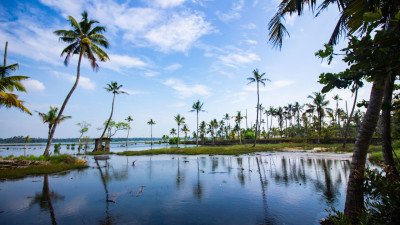
@@Overview: Sapteshwar Range Waterfall is a natural, multi-tiered waterfall nestled within the dense forests and the rolling terrain of the Sapteshwar Range near the village of Dhamisaun: @@Natural Beauty: The waterfall cascades down a series of rocks into a small pool, surrounded by lush green vegetation, providing a refreshing and picturesque environment, especially during and right after the monsoon season: @@Accessibility: Reaching the waterfall often involves a small, gentle trek through the forest from the nearest motorable road, making the journey part of the experience and ensuring the area remains pristine: @@Peaceful Atmosphere: It is less commercialized than other, larger falls, offering a tranquil and clean spot for nature lovers and photographers seeking unspoiled beauty.:
Card image cap
Shyamlatal Lake & Ashram

@@Place Details: Shyamlatal is a serene high-altitude lake situated at an elevation of 1500 meters, famous for its deep blue-black water which gives i...

@@Place Details: Shyamlatal is a serene high-altitude lake situated at an elevation of 1500 meters, famous for its deep blue-black water which gives it its name ("Shyamla" meaning dark). The lake is surrounded by lush green hills and dense forests of oak and rhododendron, creating a secluded paradise for nature lovers. On the banks of this lake lies the Vivekananda Ashram, a branch of the Ramakrishna Mission, established in 1915. The ashram provides a spiritual retreat where monks and seekers engage in meditation and the study of Vedantic philosophy. The entire area exudes a profound sense of peace, making it a preferred destination for those seeking a break from the noise of the world. Historically, the lake has been a point of interest since the British era, but its spiritual significance grew after the establishment of the ashram by the disciples of Swami Vivekananda. The lake itself is natural and is fed by underground springs, maintaining its water level throughout the year. Visitors can enjoy quiet walks around the perimeter of the lake, which is approximately 1.5 kilometers in circumference. The reflection of the towering trees in the dark water creates a mystical atmosphere, especially during the monsoon when the mist rolls over the surface. The ashram also runs a small hospital and several social service initiatives for the local villagers, embodying the principle of "Service to Man is Service to God." Many visitors choose to stay at the ashram for a few days to experience the disciplined and spiritual lifestyle of the monks. The silence of the area is only broken by the occasional chirping of birds or the sound of the ashram bell. It is one of the few places in Uttarakhand where tourism remains secondary to spirituality and nature conservation. :
Card image cap
Sipty Waterfall

@@Overview: Sipty Waterfall is a charming natural cascade located in a serene, forested area near Sipty Barpass and the village of Dhamisaun, popular ...
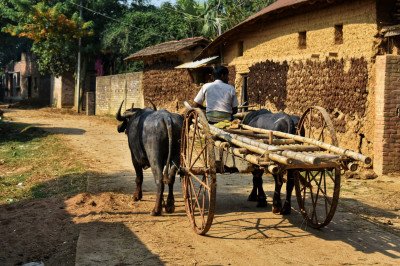
@@Overview: Sipty Waterfall is a charming natural cascade located in a serene, forested area near Sipty Barpass and the village of Dhamisaun, popular for its peaceful ambiance and clean environment: @@Water Flow and Pool: The water descends in multiple steps or a gentle slope, forming a small, clear pool at the base, making it an attractive spot for nature immersion: @@Accessibility: While it is relatively close to the main road in the area, reaching the best viewing and access point often requires a short, comfortable walk, ensuring the site remains relatively quiet: @@Natural Surroundings: The fall is surrounded by lush Himalayan vegetation, including ferns, mossy rocks, and various trees, which thrive due to the constant water spray.:
Card image cap
Tamli Village

@@Place Details: Tamli Village is one of the most remote and culturally rich villages in the Champawat district, situated right on the edge of the Ind...

@@Place Details: Tamli Village is one of the most remote and culturally rich villages in the Champawat district, situated right on the edge of the India-Nepal border along the Kali river. This village serves as a living museum of traditional Kumaoni architecture and lifestyle, where ancient customs are still practiced with great fervor. The village is surrounded by steep mountains and dense forests, providing a dramatic backdrop to the stone-walled houses with slate roofs. Historically, Tamli was an important trade post on the route to Nepal and Tibet, and one can still find old merchant houses with intricately carved wooden doors and windows. The people of Tamli are known for their hospitality and their deep-rooted connection to the land, primarily engaging in terraced farming and animal husbandry. The village offers a glimpse into a world where modern technology has only recently begun to arrive, allowing visitors to experience life in its purest form. The trek to Tamli or the drive along the mountain ridges offers breathtaking views of the river valleys below. It is a place for the true explorer who wants to go beyond the tourist maps and discover the "Last Village" feel. The silence of the village is punctuated only by the roar of the Kali river in the distance and the sounds of rural life. During the winters, the village often sees light snowfall, turning it into a white wonderland. The local cuisine here, featuring dishes like Bhatt ki Churkani and Mandua ki Roti, is a highlight for food enthusiasts. Tamli is not just a destination; it is an experience of human resilience and cultural preservation in the lap of the Himalayas. :
Card image cap
Tanakpur Town

@@Place Details: Tanakpur is a bustling town located at the foothills of the Kumaon Himalayas, serving as the most important entry point for travelers...

@@Place Details: Tanakpur is a bustling town located at the foothills of the Kumaon Himalayas, serving as the most important entry point for travelers heading towards the Champawat and Pithoragarh districts. Situated on the banks of the mighty Sharda River (also known as the Kali), the town marks the transition from the flat plains of the Terai to the rising mountains. It is a significant business hub and a major pilgrimage center, primarily known as the base for the journey to the famous Purnagiri Temple. The town has a unique cosmopolitan feel due to its proximity to the Indo-Nepal border, with a vibrant mix of Kumaoni, Punjabi, and Nepali cultures. Historically, Tanakpur gained importance during the British era as a railhead for transporting timber from the dense Himalayan forests. The Sharda Ghat in the town is a sacred spot where devotees take a holy dip before starting their uphill trek. The Banbasa Barrage, located nearby, is a feat of engineering that controls the river flow and provides a scenic spot for evening walks. The town is also the starting point for the Kailash Mansarovar Yatra for many pilgrims. Despite its busy markets and transport yards, the town retains a spiritual atmosphere, with several small temples and ashrams dotting the riverbanks. The view of the sunset over the Sharda river, with the mountains of Nepal in the distance, is one of the most beautiful sights in the region. Tanakpur is also known for its local delicacies, particularly its sweets and street food which are popular among travelers passing through. It serves as the perfect introduction to the beauty and diversity of the Kumaon region. :
Show All

Champawat Itineray And Cost:-

Information about New and Updated Locations() of Uttarakhand Has Been Added :-
Card subtitle

Note:-

Information provided here in good Faith and for reference only.

Near Places
...
Chakrata

Some quick example text to build on the card title and make up the bulk of the card's content.

Go somewhere
...
Chamba

Some quick example text to build on the card title and make up the bulk of the card's content.

Go somewhere
...
Chamoli

Some quick example text to build on the card title and make up the bulk of the card's content.

Go somewhere
...
Champawat

Some quick example text to build on the card title and make up the bulk of the card's content.

Go somewhere
...
Chopta

Some quick example text to build on the card title and make up the bulk of the card's content.

Go somewhere
...
Corbett

Some quick example text to build on the card title and make up the bulk of the card's content.

Go somewhere
...
Dehradun

Some quick example text to build on the card title and make up the bulk of the card's content.

Go somewhere
...
Dhanaulti

Some quick example text to build on the card title and make up the bulk of the card's content.

Go somewhere
...
Gwaldam

Some quick example text to build on the card title and make up the bulk of the card's content.

Go somewhere
...
Haldwani

Some quick example text to build on the card title and make up the bulk of the card's content.

Go somewhere
...
Haridwar

Some quick example text to build on the card title and make up the bulk of the card's content.

Go somewhere
...
Joshimath

Some quick example text to build on the card title and make up the bulk of the card's content.

Go somewhere
...
Kanatal

Some quick example text to build on the card title and make up the bulk of the card's content.

Go somewhere
...
Kashipur

Some quick example text to build on the card title and make up the bulk of the card's content.

Go somewhere
...
Kausani

Some quick example text to build on the card title and make up the bulk of the card's content.

Go somewhere
...
Kedarnath

Some quick example text to build on the card title and make up the bulk of the card's content.

Go somewhere
in Other Cities