
Davangere
General information
-
Ideal Duration:
1 - 2 DaysPlace Type:
Heritage, Food, UrbanEntry Fees:
Glass House Entry: A small fee of 20 to 30 INR is charged for adults to enter the garden and glass house.
Museum Entry: Local historical sites usually have entry fees ranging from 5 to 10 INR for Indian nationals.
Read MoreGlass House Entry: A small fee of 20 to 30 INR is charged for adults to enter the garden and glass house.
Museum Entry: Local historical sites usually have entry fees ranging from 5 to 10 INR for Indian nationals.
Boating Charges: At Kondajji Lake, boating costs around 50 to 100 INR depending on the type of boat.
Parking Fees: Standard parking fees of 10 to 30 INR apply at most public gardens and parks.Timing:
Park Timings: Kunduvada Kere and the Glass House are generally open from 10:00 AM to 8:00 PM.
Temple Timings: Most temples like Harihareshwara are open from 6:00 AM to 1:00 PM and 5:00 PM to 8:30 PM.
Best Visit ...Park Timings: Kunduvada Kere and the Glass House are generally open from 10:00 AM to 8:00 PM.
Temple Timings: Most temples like Harihareshwara are open from 6:00 AM to 1:00 PM and 5:00 PM to 8:30 PM.
Best Visit Time: The evening hours after 5:00 PM are best for enjoying the parks and street food.
Lunch Break: Note that many heritage sites and government-run museums might close for lunch between 1:30 PM and 2:30 PM.Special Events:
Davangere Ganesha Festival: One of the biggest celebrations in the city, featuring massive idols and grand street processions.
Flower Show at Glass House: An annual event held during Republic Day or Independence Day, showcasing exotic floral...Davangere Ganesha Festival: One of the biggest celebrations in the city, featuring massive idols and grand street processions.
Flower Show at Glass House: An annual event held during Republic Day or Independence Day, showcasing exotic floral arrangements.
Harihar Jatre: A major temple festival in the nearby town of Harihar that attracts thousands of devotees from across the state.Best Photo Spots:
Santhebennur Towers: The symmetrical towers reflected in the water of the pushkarini make for a perfect heritage shot.
Glass House Garden: Best for colorful floral photography and modern architectural angles.
Ku...Santhebennur Towers: The symmetrical towers reflected in the water of the pushkarini make for a perfect heritage shot.
Glass House Garden: Best for colorful floral photography and modern architectural angles.
Kunduvada Kere Sunset: Capturing the golden hour reflected on the vast expanse of the lake.
Benne Dose Sizzling: Food photography shots of the golden-brown dosa being prepared on large iron griddles.Photo Gallery
Things To Do
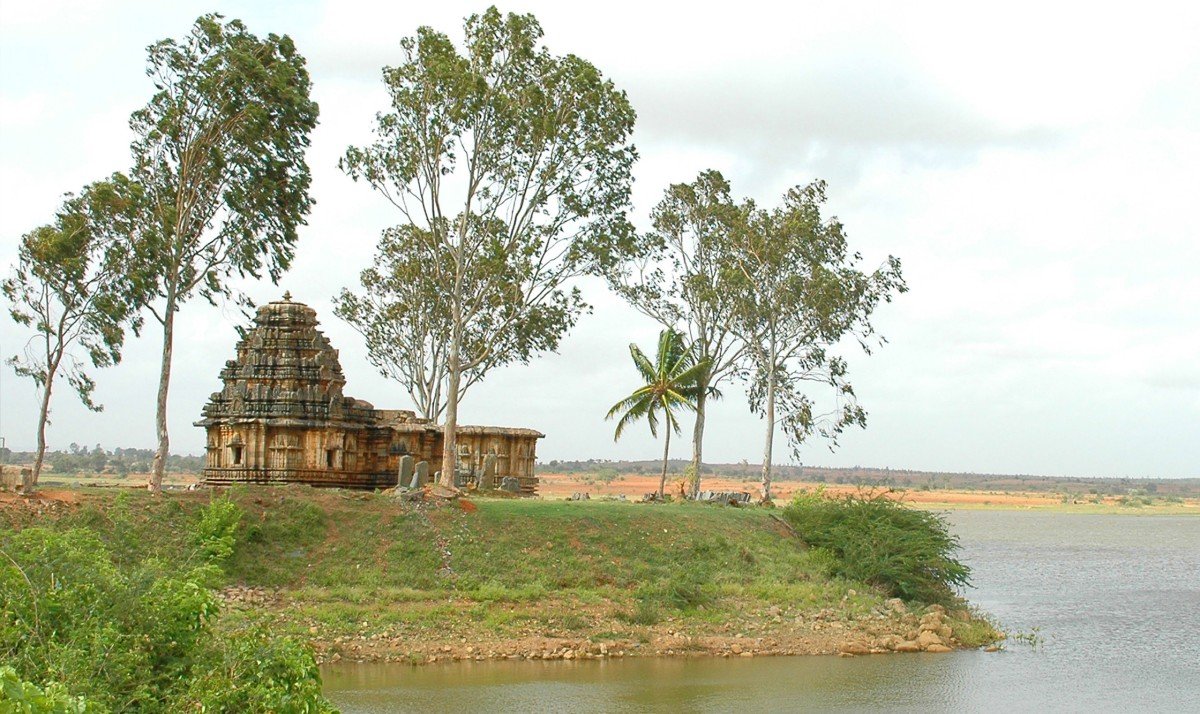
 The Neelagunda Bhimeshwara Temple is a magnificent example of Western Chalukyan architecture, dating back to the late 11th century. Dedicated to Lord Shiva, this temple is a "Chatuskuta" or four-shrined structure, which is a rarity in South Indian temple design. The temple is built using soapstone (schist), which allowed the ancient craftsmen to carve incredibly intricate details into the walls and pillars. The main west-facing shrine is topped with a beautiful three-tiered Shikhara, while the other shrines are less prominent. Inside the temple, the central hall (Sabhamandapa) is supported by four highly polished, lathe-turned pillars that are characteristic of the Kalyani Chalukya style. The outer walls are decorated with miniature decorative towers and niches containing images of various Hindu deities like Ganesha, Nataraja, and Mahishasuramardini. Historically, the temple was a major center for religious learning and social gatherings in the village of Nilagunda. Today, it is a protected monument under the Archaeological Survey of India. The temple's serene rural setting, surrounded by green fields and small hills, makes it a perfect destination for those looking to escape the city's noise and appreciate ancient Indian art in its purest form.
 @@Historical Significance: This is the final resting place of Shahji Bhonsle, the father of the legendary Maratha emperor Chhatrapati Shivaji Maharaj. Shahji died in a hunting accident on January 23, 1664, after falling from his horse in the forests near Hodigere. @@Restoration: The tomb was first built by his son Vyankoji and later restored in the 20th century by Maratha associations and the government. It stands as a symbol of Maratha history in the heart of Karnataka. @@Village Connection: The people of Hodigere, though predominantly Kannada-speaking, hold great reverence for the Maratha king and celebrate his birth anniversary with grand processions. @@Peaceful Setting: The tomb is located in a quiet, rural setting surrounded by areca nut plantations, offering a somber and reflective atmosphere for history enthusiasts.
@@ Natural Splendor and Panoramic Vistas : Bathi Gudda is a majestic hill located on the outskirts of the city, offering a breath of fresh air and a stunning 360-degree view of the twin cities of Davangere and Harihar. The hill is a popular spot for nature enthusiasts and trekkers who wish to escape the urban noise. At the summit, one can witness the sprawling Bathi Lake and the distant Bhadra Sugar Factory, which adds an industrial charm to the green landscape. The area is rich in biodiversity, with various shrubs and bird species making it a haven for ornithologists. It is not just a viewpoint but also a place of communal harmony as it houses both a temple and the Chaman Shah Wali Dargah. The climb is relatively easy, making it accessible for families and elderly visitors. During the monsoon, the hill transforms into a lush green carpet, providing a perfect backdrop for a weekend getaway. The historical significance of the hill is tied to the local pastoral communities who have used these lands for generations. Today, it stands as the prime spot for watching the sun dip below the horizon, painting the sky in shades of gold and crimson.
@@Historical Significance: This is the final resting place of Shahji Bhonsle, the father of the legendary Maratha emperor Chhatrapati Shivaji Maharaj. Shahji died in a hunting accident on January 23, 1664, after falling from his horse in the forests near Hodigere. @@Restoration: The tomb was first built by his son Vyankoji and later restored in the 20th century by Maratha associations and the government. It stands as a symbol of Maratha history in the heart of Karnataka. @@Village Connection: The people of Hodigere, though predominantly Kannada-speaking, hold great reverence for the Maratha king and celebrate his birth anniversary with grand processions. @@Peaceful Setting: The tomb is located in a quiet, rural setting surrounded by areca nut plantations, offering a somber and reflective atmosphere for history enthusiasts.
@@ Natural Splendor and Panoramic Vistas : Bathi Gudda is a majestic hill located on the outskirts of the city, offering a breath of fresh air and a stunning 360-degree view of the twin cities of Davangere and Harihar. The hill is a popular spot for nature enthusiasts and trekkers who wish to escape the urban noise. At the summit, one can witness the sprawling Bathi Lake and the distant Bhadra Sugar Factory, which adds an industrial charm to the green landscape. The area is rich in biodiversity, with various shrubs and bird species making it a haven for ornithologists. It is not just a viewpoint but also a place of communal harmony as it houses both a temple and the Chaman Shah Wali Dargah. The climb is relatively easy, making it accessible for families and elderly visitors. During the monsoon, the hill transforms into a lush green carpet, providing a perfect backdrop for a weekend getaway. The historical significance of the hill is tied to the local pastoral communities who have used these lands for generations. Today, it stands as the prime spot for watching the sun dip below the horizon, painting the sky in shades of gold and crimson.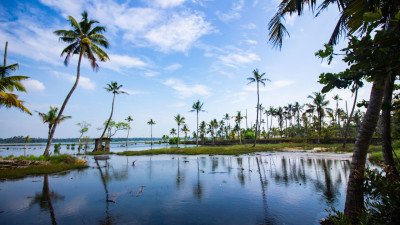 Kondajji Lake is a sprawling water body located just 13 kilometers from Davangere, named after the late Kondajji Basappa, a renowned leader in the Scout and Guide movement in India. This lake is not just a source of water but a major recreational hub that combines natural beauty with outdoor activities. The lake is surrounded by small, rolling hills and lush green vegetation, providing a perfect escape for city dwellers. It is particularly famous for its connection to the Bharat Scouts and Guides, with a massive training center located on its banks. This center hosts thousands of scouts every year for camps and physical training programs. For nature lovers, the lake serves as a sanctuary for various migratory and local birds, making it a hotspot for birdwatching in the district. The serene atmosphere is punctuated by the sounds of ripples and bird calls, offering a meditative experience. Over the years, the government has introduced boating facilities, which allow visitors to explore the vast expanse of the lake. The sunset views here are particularly mesmerizing, as the sun dips behind the hills, painting the water in shades of orange and gold. It’s a place where adventure meets peace, whether you are trekking up the nearby hillocks or simply enjoying a quiet paddle in the water.:
@@ A Modern Horticultural Marvel : The Davangere Glass House, located near the scenic Kunduvada Lake, is one of the largest botanical conservatories in India, often compared to the famous Lalbagh in Bengaluru. This massive structure is maintained by the Department of Horticulture and serves as a major tourist attraction and educational hub. The glass house is designed to house a vast variety of exotic plants, flowers, and medicinal herbs under a controlled environment. The surrounding park area is beautifully landscaped with musical fountains, walking paths, and themed gardens. It has become the city's favorite spot for family picnics and evening strolls. The glass house is especially famous for its periodic flower shows that rival national standards. The integration of modern glass technology with lush greenery creates a futuristic oasis in the heart of the city. It is not just a garden but a center for promoting floriculture and environmental awareness among the local population.
@@ Overview: Shanti Sagara, also known as Sulekere, is a magnificent historical reservoir. It was built in the 12th Century by Princess Shantavva. The lake has a massive circumference of about 40 Kms. It is the second largest man-made lake in Asia. The water body is a vital source for irrigation and drinking water for the region. Its name Sulekere translates to "Prostitute's Lake," rooted in a local legend about the princess's sacrifice. The lake is surrounded by hills and lush greenery, creating a peaceful atmosphere. It is managed by the irrigation department and has withstood centuries without drying up. Tourists visit here to witness the engineering marvel of the ancient era. The lake's vastness is often compared to a sea because the opposite bank is barely visible. It is a perfect spot for nature lovers and history enthusiasts. The embankment is solid and serves as a road for local transport. Many local folk songs and legends are associated with this water body. It provides a livelihood for many fishing communities in the surrounding villages. Visitors can enjoy the cool breeze and the scenic sunset over the horizon. The reservoir also hosts various migratory birds during the winter season. It remains a symbol of the architectural and hydraulic brilliance of the Hoysala period.
Kondajji Lake is a sprawling water body located just 13 kilometers from Davangere, named after the late Kondajji Basappa, a renowned leader in the Scout and Guide movement in India. This lake is not just a source of water but a major recreational hub that combines natural beauty with outdoor activities. The lake is surrounded by small, rolling hills and lush green vegetation, providing a perfect escape for city dwellers. It is particularly famous for its connection to the Bharat Scouts and Guides, with a massive training center located on its banks. This center hosts thousands of scouts every year for camps and physical training programs. For nature lovers, the lake serves as a sanctuary for various migratory and local birds, making it a hotspot for birdwatching in the district. The serene atmosphere is punctuated by the sounds of ripples and bird calls, offering a meditative experience. Over the years, the government has introduced boating facilities, which allow visitors to explore the vast expanse of the lake. The sunset views here are particularly mesmerizing, as the sun dips behind the hills, painting the water in shades of orange and gold. It’s a place where adventure meets peace, whether you are trekking up the nearby hillocks or simply enjoying a quiet paddle in the water.:
@@ A Modern Horticultural Marvel : The Davangere Glass House, located near the scenic Kunduvada Lake, is one of the largest botanical conservatories in India, often compared to the famous Lalbagh in Bengaluru. This massive structure is maintained by the Department of Horticulture and serves as a major tourist attraction and educational hub. The glass house is designed to house a vast variety of exotic plants, flowers, and medicinal herbs under a controlled environment. The surrounding park area is beautifully landscaped with musical fountains, walking paths, and themed gardens. It has become the city's favorite spot for family picnics and evening strolls. The glass house is especially famous for its periodic flower shows that rival national standards. The integration of modern glass technology with lush greenery creates a futuristic oasis in the heart of the city. It is not just a garden but a center for promoting floriculture and environmental awareness among the local population.
@@ Overview: Shanti Sagara, also known as Sulekere, is a magnificent historical reservoir. It was built in the 12th Century by Princess Shantavva. The lake has a massive circumference of about 40 Kms. It is the second largest man-made lake in Asia. The water body is a vital source for irrigation and drinking water for the region. Its name Sulekere translates to "Prostitute's Lake," rooted in a local legend about the princess's sacrifice. The lake is surrounded by hills and lush greenery, creating a peaceful atmosphere. It is managed by the irrigation department and has withstood centuries without drying up. Tourists visit here to witness the engineering marvel of the ancient era. The lake's vastness is often compared to a sea because the opposite bank is barely visible. It is a perfect spot for nature lovers and history enthusiasts. The embankment is solid and serves as a road for local transport. Many local folk songs and legends are associated with this water body. It provides a livelihood for many fishing communities in the surrounding villages. Visitors can enjoy the cool breeze and the scenic sunset over the horizon. The reservoir also hosts various migratory birds during the winter season. It remains a symbol of the architectural and hydraulic brilliance of the Hoysala period.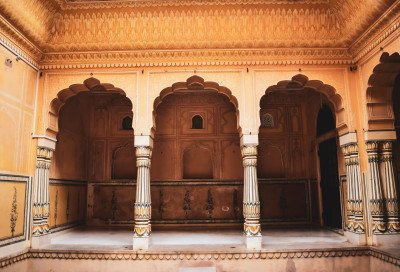 Uchangidurga Fort is a historic hill fort that stands as a silent witness to the various dynasties that ruled central Karnataka, including the Kadambas, Chalukyas, and the Nayakas of Chitradurga. Perched on a massive rocky outcrop, the fort offers a commanding view of the surrounding plains. The fort is named after the goddess Uchangamma, whose temple is located at the very top of the hill. Historically, this fort was considered impregnable due to its steep slopes and well-designed fortifications. As you trek up the hill, you will encounter multiple gateways, ruined granaries, and water tanks carved directly into the rock. The trek is moderately challenging but rewarding, as each level of the fort reveals new perspectives of the landscape. The Uchangamma Temple is a major pilgrimage site, and the deity is highly revered by the local farming communities. The fort's atmosphere is one of rugged history, with the wind howling through the ancient stone walls. In the evening, the view of the sunset from the fort's bastions is spectacular, making the climb entirely worth the effort. It is an ideal spot for those who love combining physical activity with historical exploration.:Show All
@@Geographic Importance: The Harihara Bridge spans the mighty Tungabhadra River, connecting the twin cities of Harihara and Davangere. It is a vital link on the National Highway 48 (formerly NH-4). The river itself is formed by the union of the Tunga and Bhadra rivers at Koodli. @@Historical Significance: Historically, this river served as the boundary between different administrative provinces, including the old Mysore State and the Bombay Presidency. A stone pillar marking this boundary still exists near the old bridge. @@Scenic Beauty: The bridge offers a panoramic view of the vast riverbed, which transforms into a roaring torrent during the monsoon season. It is a favorite spot for travelers to stop and witness the sunset. @@Industrial View: From the bridge, one can see the massive industrial complexes of the Aditya Birla Group and other factories that have made Harihara an industrial hub.
Uchangidurga Fort is a historic hill fort that stands as a silent witness to the various dynasties that ruled central Karnataka, including the Kadambas, Chalukyas, and the Nayakas of Chitradurga. Perched on a massive rocky outcrop, the fort offers a commanding view of the surrounding plains. The fort is named after the goddess Uchangamma, whose temple is located at the very top of the hill. Historically, this fort was considered impregnable due to its steep slopes and well-designed fortifications. As you trek up the hill, you will encounter multiple gateways, ruined granaries, and water tanks carved directly into the rock. The trek is moderately challenging but rewarding, as each level of the fort reveals new perspectives of the landscape. The Uchangamma Temple is a major pilgrimage site, and the deity is highly revered by the local farming communities. The fort's atmosphere is one of rugged history, with the wind howling through the ancient stone walls. In the evening, the view of the sunset from the fort's bastions is spectacular, making the climb entirely worth the effort. It is an ideal spot for those who love combining physical activity with historical exploration.:Show All
@@Geographic Importance: The Harihara Bridge spans the mighty Tungabhadra River, connecting the twin cities of Harihara and Davangere. It is a vital link on the National Highway 48 (formerly NH-4). The river itself is formed by the union of the Tunga and Bhadra rivers at Koodli. @@Historical Significance: Historically, this river served as the boundary between different administrative provinces, including the old Mysore State and the Bombay Presidency. A stone pillar marking this boundary still exists near the old bridge. @@Scenic Beauty: The bridge offers a panoramic view of the vast riverbed, which transforms into a roaring torrent during the monsoon season. It is a favorite spot for travelers to stop and witness the sunset. @@Industrial View: From the bridge, one can see the massive industrial complexes of the Aditya Birla Group and other factories that have made Harihara an industrial hub.Information
-
Why Famous:
Benne Dose: The city is the birthplace of the buttery and crispy Davangere Benne Dose, a must-try for any food lover.
Educational Center: Known for hosting prestigious medical and engineering colleges, making it a vibrant student hub.Benne Dose: The city is the birthplace of the buttery and crispy Davangere Benne Dose, a must-try for any food lover.
Educational Center: Known for hosting prestigious medical and engineering colleges, making it a vibrant student hub.
Textile History: Historically famous for its cotton mills that once supplied textiles across the country. -
Architecture:
Modern Glass House: The Glass House in Davangere is a contemporary architectural marvel modeled after the one in Lalbagh, Bengaluru, featuring a large glass and steel structure used for flower shows.
Step-well Design: The Santhebennur Pushka...Modern Glass House: The Glass House in Davangere is a contemporary architectural marvel modeled after the one in Lalbagh, Bengaluru, featuring a large glass and steel structure used for flower shows.
Step-well Design: The Santhebennur Pushkarini (38 km away) is a stunning example of 16th-century Indo-Islamic architecture with granite steps and eight symmetrical towers.
Hoysala Influence: Nearby temples like the Harihareshwara Temple in Harihar showcase the intricate Hoysala style with carved pillars and detailed soapstone sculptures.
Chalukyan Style: The Kalleshwara Temple in Bagali reflects the Western Chalukyan architecture with its beautifully sculpted doorways and shrine dimensions. -
How To Reach:
By Air: The nearest airport is Hubballi Airport (150 km) or Bengaluru International Airport (280 km) for better connectivity.
By Train: Davangere is a major railway junction on the Bengaluru-Hubballi line, with many express trains stopping h...By Air: The nearest airport is Hubballi Airport (150 km) or Bengaluru International Airport (280 km) for better connectivity.
By Train: Davangere is a major railway junction on the Bengaluru-Hubballi line, with many express trains stopping here.
By Road: Situated on NH-48, it is very well-connected by road to Bengaluru, Chitradurga, and Hubli via KSRTC and private buses.
By Local Transport: Auto-rickshaws are the most common way to get around; city buses also ply on major routes connecting the outskirts. -
Weather and Best Time to Visit:
Winter (Oct-Feb): The climate is very pleasant (18°C - 30°C), ideal for exploring the step-wells and forts.
Summer (Mar-May): Can be quite hot with temperatures exceeding 38°C; best to visit parks and temples in the early morning or late...Winter (Oct-Feb): The climate is very pleasant (18°C - 30°C), ideal for exploring the step-wells and forts.
Summer (Mar-May): Can be quite hot with temperatures exceeding 38°C; best to visit parks and temples in the early morning or late evening.
Monsoon (Jun-Sep): The lakes are full and the gardens are green, but outdoor activities like trekking to the fort might be slippery.
Best Time of Day: Mornings are best for the famous Benne Dose breakfast and heritage visits. -
Near Tourist Places:
Chitradurga Fort (60 km), Harihar (14 km), Santhebennur (38 km), Kalleshwara Temple (40 km), Kunduvada Kere (5 km), Kondajji (15 km), Uchangidurga (30 km), Shanthisagara (40 km), Bhadra Wildlife Sanctuary (80 km), Shimoga (100 km)
Tourism Tips
-
Health and Safety: Drink bottled water and choose busy, reputable eateries for trying the local street food to ensure hygiene.
Packing: Light cotton clothes are best for the central Karnataka heat; carry a hat and sunscreen for outdoor visi...Health and Safety: Drink bottled water and choose busy, reputable eateries for trying the local street food to ensure hygiene.
Packing: Light cotton clothes are best for the central Karnataka heat; carry a hat and sunscreen for outdoor visits.
Accommodation: There are several good business hotels and budget lodges near the railway station and the highway.
Local Interaction: Use simple Kannada phrases; locals are very friendly and happy to guide you to the best dosa spots.
Reviews
FAQs
Davangere Itineray And Cost:-
Other Places In Karnataka :-
Other States In India :-
Information about New and Updated Locations() of Karnataka Has Been Added :-
Card subtitle
Note:-
Information provided here in good Faith and for reference only.
Near Places
Badami
Some quick example text to build on the card title and make up the bulk of the card's content.
Go somewhere
Belagavi
Some quick example text to build on the card title and make up the bulk of the card's content.
Go somewhere
Belur
Some quick example text to build on the card title and make up the bulk of the card's content.
Go somewhere
Bengaluru
Some quick example text to build on the card title and make up the bulk of the card's content.
Go somewhere
Bidar
Some quick example text to build on the card title and make up the bulk of the card's content.
Go somewhere
Chamarajanagar
Some quick example text to build on the card title and make up the bulk of the card's content.
Go somewhere
Chikkaballapur
Some quick example text to build on the card title and make up the bulk of the card's content.
Go somewhere
Chikmagalur
Some quick example text to build on the card title and make up the bulk of the card's content.
Go somewhere
Coorg
Some quick example text to build on the card title and make up the bulk of the card's content.
Go somewhere
Dandeli
Some quick example text to build on the card title and make up the bulk of the card's content.
Go somewhere
Davangere
Some quick example text to build on the card title and make up the bulk of the card's content.
Go somewhere
Dharmasthala
Some quick example text to build on the card title and make up the bulk of the card's content.
Go somewhere
Gokarna
Some quick example text to build on the card title and make up the bulk of the card's content.
Go somewhere
Hampi
Some quick example text to build on the card title and make up the bulk of the card's content.
Go somewhere
Hubballi-Dharwad
Some quick example text to build on the card title and make up the bulk of the card's content.
Go somewhere
Kabini
Some quick example text to build on the card title and make up the bulk of the card's content.
Go somewherein Other Cities