...

Place To Visit And Things To Do In Pithoragarh

Uttarakhand, India
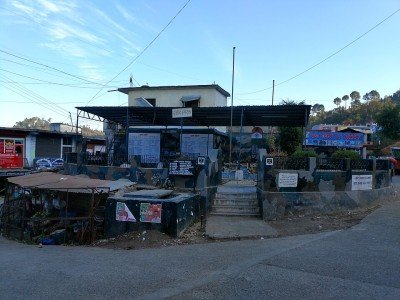
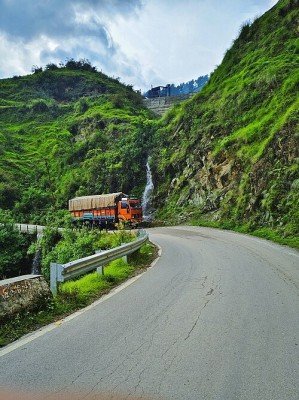
Geographic Profile: Pithoragarh is a beautiful valley town located in the easternmost part of Uttarakhand, bordering Nepal and Tibet. Situated at an altitude of about 1514 meters, it is often called Little Kashmir due to its similar breathtaking landscapes. The town is nestled in the Saur Valley, su rrounded by towering mountains and lush green meadows. It serves as a major gateway to the holy Kailash Mansarovar Yatra, making it a place of great religious and strategic importance. The panoramic views of the Panchachuli peaks from the town are truly awe-inspiring. Historical Background: The history of Pithoragarh is marked by the reign of various dynasties, including the Katyuris and the Chand kings. The town has several ancient forts and temples that reflect its rich historical heritage. The Pithoragarh Fort, built by the Gorkhas in the 18th century, is a prime example of the region's military architecture. Over the centuries, the town has evolved as a center of trade and culture between India and its northern neighbors. This cross-cultural influence is still visible in the local traditions and lifestyle of the people. Cultural Tapestry: The culture of Pithoragarh is a vibrant blend of Kumaoni and Bhotiya traditions. The local people are known for their resilience and deep-seated cultural pride, which is reflected in their folk songs and dances. Festivals like Uttarayani Mela and Mostamanu Mela are celebrated with great zeal, attracting thousands of people from the surrounding hills. The traditional attire and hand-crafted jewelry of the local women are a testament to the region's artistic heritage. The local cuisine, featuring dishes like Madua Ki Roti and Bhang Ki Chutney, is a delight for food enthusiasts. Tourism and Adventure: Pithoragarh is a paradise for adventure seekers and nature lovers alike. It offers a wide range of activities including trekking, paragliding, and river rafting in the nearby Kali River. The valley is dotted with ancient caves and temples that provide a unique experience for those interested in history and spirituality. Its relatively untouched nature makes it an ideal destination for offbeat travelers looking to escape the crowds of more popular hill stations. The tourism infrastructure is developing rapidly, with more guest houses and hotels providing comfortable stays for visitors.

Things To Do

Card image cap
Adi Kailash

@@The Spiritual Essence of Adi Kailash: Adi Kailash, often revered as 'Chhota Kailash', is an ancient holy site situated in the high Himalayan range o...

@@The Spiritual Essence of Adi Kailash: Adi Kailash, often revered as 'Chhota Kailash', is an ancient holy site situated in the high Himalayan range of the Kumaon region. This majestic peak stands at an elevation of approximately 5,945 meters and is considered a replica of the original Mount Kailash in Tibet. The spiritual significance of this place is profound, as it is believed to be one of the abodes of Lord Shiva. The journey to Adi Kailash takes pilgrims through the scenic Kuti Valley, which is named after Kunti, the mother of the Pandavas. The area is surrounded by snow-capped peaks and pristine landscapes that evoke a sense of divine tranquility. The sacred Jollingkong Lake, also known as Gauri Kund, sits at the base of the peak, reflecting the mountain's image in its crystal-clear waters. Pilgrims often perform a 'Parikrama' or circumambulation of the peak, which is a test of both physical endurance and spiritual devotion. The entire region is steeped in Hindu mythology, with various landmarks associated with the Mahabharata. The trek offers a rare glimpse into the remote lifestyle of the Bhotia tribes who inhabit the high-altitude villages like Gunji and Kuti. Despite the challenging terrain, the sense of peace and the raw beauty of the Himalayas make it a bucket-list destination for seekers and adventurers alike. Visiting Adi Kailash is not just a trip; it is a pilgrimage that cleanses the soul and provides a deep connection with nature and divinity.
Card image cap
Askot Musk Deer Sanctuary

@@Biodiversity at Its Peak: The Askot Musk Deer Sanctuary was established in 1986 with the primary goal of conserving the endangered Himalayan Musk De...
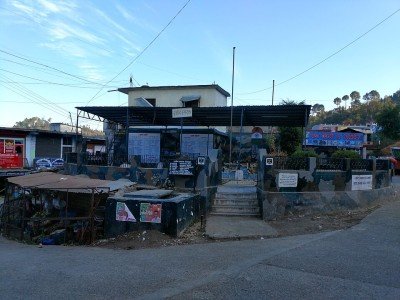
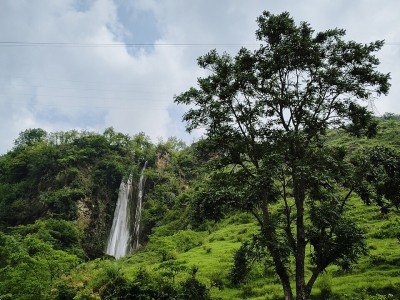
@@Biodiversity at Its Peak: The Askot Musk Deer Sanctuary was established in 1986 with the primary goal of conserving the endangered Himalayan Musk Deer. Spanning over 600 square kilometers, the sanctuary is a masterpiece of nature, ranging in altitude from 600 meters to over 6,900 meters. This vast elevation range allows for a diverse ecosystem, from sub-tropical forests to alpine meadows and snow-clad peaks. The sanctuary is nestled in the fold of the Kumaon Himalayas, bordered by the Kali River to the east, which forms the international boundary with Nepal. Apart from the elusive Musk Deer, the park is home to a variety of wildlife including the Snow Leopard, Himalayan Black Bear, Musk Deer, and various species of high-altitude birds like the Monal. The landscape is dotted with several temples and historical ruins of the Askot kingdom, which once boasted 80 forts (Assi Kot). The sanctuary is not just a wildlife haven but also a visual treat, offering panoramic views of the Panchachuli and Chhiplakot ranges. The dense forests of deodar, rhododendron, and oak provide a perfect canopy for nature enthusiasts and trekkers. Walking through the sanctuary, one can hear the roar of the Goriganga and Dhauli rivers that originate or flow through this protected area. It is a place where nature remains largely untouched by the frenetic pace of modern life, offering a serene escape into the wild heart of the Himalayas.
Card image cap
Berinag

@@Scenic Splendor of Berinag: Berinag is a picturesque hill station situated at an altitude of 1,860 meters, known for its sprawling tea gardens and a...

@@Scenic Splendor of Berinag: Berinag is a picturesque hill station situated at an altitude of 1,860 meters, known for its sprawling tea gardens and ancient temples dedicated to various forms of Nag Devta (Snake God). The town offers one of the most comprehensive views of the Himalayan range, stretching from the peaks of Garhwal to the mountains of Nepal. On a clear day, visitors are treated to the sight of Nanda Devi, Trishul, and the Panchachuli peaks. The town gets its name from the Berinag Temple (locally called Bedinag), which is perched on a hilltop overlooking the valley. Legend has it that Lord Krishna, after defeating Kaliya Nag in the Yamuna River, ordered him to reside in the peaceful hills of Berinag. Historically, Berinag was famous during the British era for its high-quality tea, which was reportedly exported to London tea houses. The surrounding landscape is a lush mix of pine, deodar, and oak forests, interspersed with vibrant tea estates. The climate remains pleasant throughout the year, making it a perfect retreat for those looking to escape the heat of the plains. The town is also a cultural hub, where traditional Kumaoni festivals are celebrated with great enthusiasm. Berinag serves as a vital link between Pithoragarh and other popular spots like Chaukori and Bageshwar, yet it retains a quiet, old-world charm that is increasingly rare in popular hill stations.
Card image cap
Bhurmuni Waterfall

@@Overview: Bhurmuni Waterfall, located in Jagtar village, is a beautiful natural attraction still relatively untouched by mass tourism, offering a se...
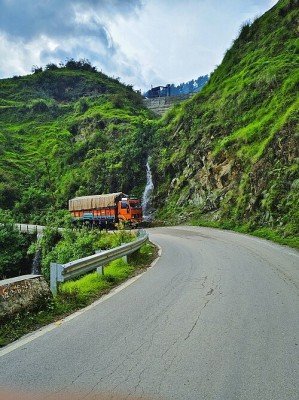
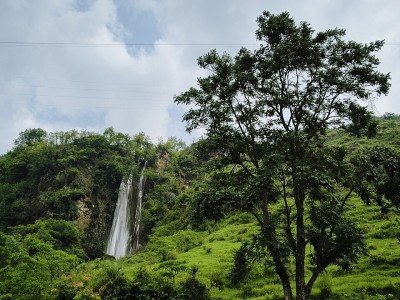
@@Overview: Bhurmuni Waterfall, located in Jagtar village, is a beautiful natural attraction still relatively untouched by mass tourism, offering a serene escape. It is a stunning two-tiered cascade, with the upper tier being a powerful drop of around 70 meters, especially during the monsoon, and the lower tier offering a gentler, more tranquil sight. The surrounding area is characterized by dense pine forests, terraced fields, and offers occasional views of the majestic Himalayan peaks. The peaceful ambiance and clean, refreshing water make it a perfect spot for nature lovers and solitude seekers. The final approach involves a short trek through a picturesque forest trail, enhancing the sense of adventure and discovery. The remote nature ensures a quiet, spiritual experience away from crowded tourist spots. The local atmosphere is very welcoming and simple:
Card image cap
Chandak Hill

@@Overview: Chandak Hill is a prominent mountain ridge located about 8 kilometers north of Pithoragarh town, offering one of the most breathtaking, pa...

@@Overview: Chandak Hill is a prominent mountain ridge located about 8 kilometers north of Pithoragarh town, offering one of the most breathtaking, panoramic views of the entire Soar Valley (often called the 'Mini Kashmir' of Uttarakhand) and the majestic Himalayan peaks like Panchachuli, Nanda Devi, and Nanda Kot. Situated at an elevation of approximately 1,830 meters, the spot is famous for its serene environment, lush green meadows, and as the location of the revered Mostamanu Temple. It is a popular destination for short treks, picnicking, and witnessing glorious sunrises and sunsets. The gentle slope and accessible location make it a favorite for both locals and tourists seeking tranquility and spectacular mountain vistas:
Card image cap
Chaukori

@@Serenity Amidst the Peaks: Chaukori is a dreamlike hamlet situated at an elevation of 2,010 meters, famous for its spectacular sunrise and sunset vi...

@@Serenity Amidst the Peaks: Chaukori is a dreamlike hamlet situated at an elevation of 2,010 meters, famous for its spectacular sunrise and sunset views over the Himalayan peaks. Unlike many crowded hill stations, Chaukori offers a peaceful retreat surrounded by lush tea gardens, fruit orchards, and dense forests of deodar and pine. The town provides a front-row seat to the majestic Panchachuli, Nanda Devi, Nanda Kot, and Trishul peaks. Historically, the British were drawn to this location for its climate and developed several tea estates here. Today, those gardens add a vibrant green hue to the landscape, contrasting beautifully with the white of the mountains. The village is also a spiritual gateway, with several ancient temples like Nag Devta and Ghunsera Devi nearby. Chaukori is particularly famous for its 'river of clouds' phenomenon, where the valley below fills with thick mist, making the peaks look like islands in a white sea. The air here is exceptionally pure, and the silence is only broken by the chirping of birds or the rustle of the wind. It is an ideal spot for writers, artists, and those looking to disconnect from the world. The local hospitality is warm, with several heritage bungalows and forest rest houses providing a cozy stay. Whether you are walking through the emerald tea rows or watching the stars in the clear night sky, Chaukori leaves an indelible mark on your soul.
Card image cap
Dhwaj Temple

@@Overview: Dhwaj Temple is a highly revered ancient Hindu shrine situated on a hilltop at an altitude of approximately 2,100 meters, about 10 kilomet...

@@Overview: Dhwaj Temple is a highly revered ancient Hindu shrine situated on a hilltop at an altitude of approximately 2,100 meters, about 10 kilometers from Pithoragarh. The temple is dedicated to Lord Shiva and Maa Jayanti (a form of Goddess Durga). It is a significant pilgrimage site for the local Kumaoni people. The location is famous not only for its religious importance but also for the breathtaking, unhindered 360-degree views of the massive, snow-laden peaks, including the Nanda Devi, Trishul, and Panchachuli ranges. The peaceful, secluded atmosphere, combined with the spectacular mountain vista, makes it a must-visit spiritual and scenic destination. Access to the temple involves either a moderate drive followed by a short trek or a longer, more invigorating trek from the base village:
Card image cap
Didihat

@@Natural and Historical Hub: Didihat is a stunning hill town and a developmental block headquarters situated at an altitude of 1,725 meters. It is lo...

@@Natural and Historical Hub: Didihat is a stunning hill town and a developmental block headquarters situated at an altitude of 1,725 meters. It is located on the pilgrimage route to Kailash Mansarovar, making it a culturally significant stopover. The town sits on a hilltop overlooking the verdant Haat Valley, offering breathtaking views of the Panchachuli peaks. The name 'Didihat' is derived from 'Dand' and 'Hat', signifying a place with a ridge and a market. Historically, it was ruled by the Doti and Chand dynasties, and the ruins of their ancient forts can still be seen on the outskirts. The region is exceptionally rich in flora and fauna, surrounded by dense forests that provide a habitat for numerous Himalayan species. Didihat is famous for the Sirakot Temple, an ancient shrine dedicated to Lord Malaynath (Shiva), which sits atop a steep hill and offers a 360-degree view of the surrounding valleys. The town serves as a base for many trekking expeditions and is a gateway to the more remote parts of the district. The local culture is a vibrant mix of traditional Kumaoni customs, reflected in the local markets, festivals, and food. Despite its growing importance, Didihat retains a serene atmosphere, with its stepped fields and traditional houses providing a classic Himalayan landscape that captivates every visitor.
Card image cap
Gangolihat

Gangolihat is a serene and mystical town nestled in the lap of the majestic Himalayas at an elevation of 1,760 meters. This ancient town is deeply re...

Gangolihat is a serene and mystical town nestled in the lap of the majestic Himalayas at an elevation of 1,760 meters. This ancient town is deeply revered for its rich cultural heritage and spiritual vibes. It is home to the famous Haat Kalika Mandir, a powerful Shakti Peeth established by Adi Guru Shankaracharya. The town is surrounded by dense pine and oak forests, providing a tranquil atmosphere for seekers and nature lovers alike. From here, one can witness the breathtaking views of the Panchachuli and Nanda Devi peaks. The local culture is a vibrant mix of Kumaoni traditions and folklore. Many devotees believe that Maa Kalika herself shifted from West Bengal to this holy town. The gushing streams of the Saryu and Ramganga rivers flow nearby, adding to its natural charm. It serves as a base for exploring several underground caves and nearby hill stations like Chaukori and Berinag. The town acts as a vital commercial hub for the surrounding remote villages in the Pithoragarh district. Visitors often feel a sense of profound peace while wandering through its narrow lanes and ancient temple complexes. It is a place where mythology meets the raw beauty of the mountains.
Card image cap
Jauljibi

Jauljibi is a small yet historically significant border town situated at the breathtaking confluence of the Kali and Gori rivers. Located in the Dhar...

Jauljibi is a small yet historically significant border town situated at the breathtaking confluence of the Kali and Gori rivers. Located in the Dharchula tehsil of Pithoragarh district, it serves as a natural gateway between India and Nepal. The town is famous for its vibrant cross-border trade and the legendary Jauljibi Mela, which has been a tradition since 1914. This fair was historically the primary hub for the Shuaka community to trade wool, salt, and borax from Tibet with the people of the plains. Geographically, the town is unique as a suspension bridge over the roaring Kali River connects the Indian market with a smaller bazaar in Nepal. The landscape is dominated by steep hills and the turquoise waters of the two rivers merging into one. It is a place where one can experience the seamless blending of Indian and Nepalese cultures, languages, and cuisines. The town sits at a lower altitude of 915 meters, making it warmer than the high-altitude peaks surrounding it. For travelers, it offers a glimpse into the rugged life of the border communities and the ancient trade routes that once connected the Gangetic plains to the Trans-Himalayan region. Despite its modest size, its strategic and cultural importance is immense.
Card image cap
Jhulaghat

Jhulaghat is a unique border town named after the iconic "Jhula" or suspension bridge that spans across the mighty Kali River. This river acts as the...

Jhulaghat is a unique border town named after the iconic "Jhula" or suspension bridge that spans across the mighty Kali River. This river acts as the international boundary between India and Nepal. The town is a bustling center of trade and transit, where people from both nations cross the bridge daily for work, shopping, and meeting relatives. The Indian side of Jhulaghat has a vibrant market selling everything from electronic goods to traditional mountain clothing. On the other side lies the Baitadi district of Nepal, which offers a different cultural vibe altogether. The sound of the gushing Kali River dominates the atmosphere of the town. Historically, this has been a vital link for the people of the Kumaon region to access the shrines and markets of Nepal. The town is surrounded by steep mountains, and the narrow roads leading to it offer some of the most dramatic views of the Soar Valley. Life here moves at a different pace, governed by the opening and closing times of the international bridge. It is a place of deep cultural ties, where the "Roti-Beti" (bread and daughter) relationship between the two countries is visible in every corner. For a traveler, it is a rare opportunity to stand on a bridge with one foot in India and the other in Nepal.
Card image cap
Kapileshwar Mahadev Cave

@@Overview: Kapileshwar Mahadev Cave is an ancient and sacred Hindu cave temple dedicated to Lord Shiva, located just about 3 kilometers from Pithorag...

@@Overview: Kapileshwar Mahadev Cave is an ancient and sacred Hindu cave temple dedicated to Lord Shiva, located just about 3 kilometers from Pithoragarh town near Tildhukari. The temple is believed to have been the meditation spot of the great sage Kapil Muni, from whom it derives its name. The cave itself is a geological and spiritual marvel, featuring natural stalactite and stalagmite formations that are revered as representations of various Hindu deities, including the Shiva Lingam. Visitors must descend approximately 200 stone steps to reach the main sanctum within the dark, cool cavern. From the entrance and surrounding platform, the site offers a beautiful, clear view of the Soar Valley and the distant Himalayan peaks, combining spiritual retreat with scenic beauty:
Card image cap
Nakuleshwara Temple

@@Overview: Nakuleshwara Temple is an ancient and historically significant Hindu temple located in the Athgaon Shilling area, about 10 kilometers from...

@@Overview: Nakuleshwara Temple is an ancient and historically significant Hindu temple located in the Athgaon Shilling area, about 10 kilometers from Pithoragarh. Legend has it that the temple was constructed by Nakul and Sahdev, the youngest two of the Pandava brothers from the epic Mahabharata, during their period of exile. The temple is primarily dedicated to Lord Shiva but is most famous for its intricate and numerous stone carvings of various Hindu deities and mythological scenes, which are highly reminiscent of the Khajuraho group of temples. The site is a treasure trove for architecture and history enthusiasts, offering a tranquil place of worship and a glimpse into the region's ancient past and skilled craftsmanship:
Card image cap
Narayan Ashram

Narayan Ashram is a spiritual and socio-educational center established in 1936 by the visionary saint Shri Narayan Swami. Perched at an altitude of 2...

Narayan Ashram is a spiritual and socio-educational center established in 1936 by the visionary saint Shri Narayan Swami. Perched at an altitude of 2,734 meters, it is situated 14 KMs from Tawaghat in the Dharchula region. The ashram was built with the noble intention of providing a peaceful retreat for spiritual seekers and uplifting the local tribal communities through education and healthcare. Surrounded by lush green forests and overlooking the majestic Himalayan peaks, the ashram is a masterpiece of peace and tranquility. Historically, it served as an important resting point for pilgrims on the Kailash Mansarovar Yatra. The construction of the ashram was a Herculean task, taking over 13 years, as all materials had to be carried manually for several days from the nearest motorable road at the time. Today, it houses a school for local children, a well-stocked library, a meditation hall, and a Samadhi Sthal of the founder. The gardens are filled with rare high-altitude flowers and medicinal herbs. Visitors are expected to follow a disciplined lifestyle while staying here, participating in the daily prayers and community service. It is not just a tourist spot but a living institution of Himalayan spirituality and social service.
Card image cap
Om Parvat

Om Parvat is a majestic and sacred peak in the Himalayas, standing at an elevation of 6,191 meters. It is famous worldwide for a unique natural pheno...

Om Parvat is a majestic and sacred peak in the Himalayas, standing at an elevation of 6,191 meters. It is famous worldwide for a unique natural phenomenon: the snow deposition on the black mountain face forms a distinct and unmistakable "Om" (?) symbol. This peak is located near the Indo-Nepal border in the Pithoragarh district. It is considered one of the eight natural "Om" symbols in the world, of which only this one has been discovered so far. The mountain is sacred to Hindus, Buddhists, and Jains alike, believed to be a manifestation of Lord Shiva's presence. Om Parvat is a key highlight of the Adi Kailash and Kailash Mansarovar Yatra. The view of the peak from Nabidhang is a deeply spiritual experience that leaves pilgrims in awe. The terrain leading to the mountain is rugged, involving high-altitude passes and remote valleys. The journey offers a glimpse into the raw, untamed beauty of the Kumaon Himalayas, with its vast meadows, glacial streams, and the unique culture of the Bhotia tribe. Reaching this spot requires inner strength and a permit from the Indian government, making it a destination for the truly dedicated traveler.
Card image cap
Patal Bhuvaneshwar

Patal Bhuvaneshwar is one of the most mysterious and spiritual places in India. It is a limestone cave temple located at an altitude of 1,350 meters ...
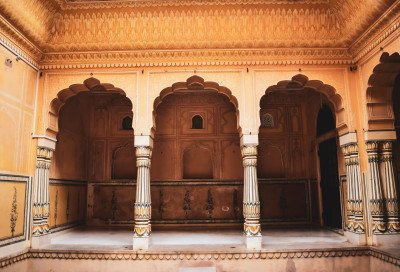
Patal Bhuvaneshwar is one of the most mysterious and spiritual places in India. It is a limestone cave temple located at an altitude of 1,350 meters in the Bhuvaneshwar village. According to the Skanda Purana, this cave is the abode of 33 crore Hindu gods and goddesses. The cave is 160 meters long and 90 feet deep. The entrance is a narrow, tunnel-like opening that requires visitors to crawl down holding iron chains. Once inside, the cave opens up into a massive underground world filled with naturally formed stalactites and stalagmites. These formations take the shape of various deities, including Lord Ganesha, Sheshnag, the Char Dham shrines, and a massive Shivling. It is believed that the cave was discovered by King Rituparna in the Treta Yuga and later by Adi Guru Shankaracharya in 1191 AD. The atmosphere inside is cool, damp, and filled with a divine energy that is hard to describe. There are four symbolic gates inside: Randwar, Paapdwar, Dharamdwar, and Mokshadwar. Legend says the Paapdwar closed after the death of Ravana. For many, visiting this cave is equivalent to a pilgrimage to all the holy sites of India. The Archaeological Survey of India (ASI) now protects this site, ensuring the preservation of its ancient natural carvings.
Card image cap
Pithoragarh Fort

@@Overview: Pithoragarh Fort, also historically referred to as London Fort (due to a brief period of British colonial administration and its strategic...
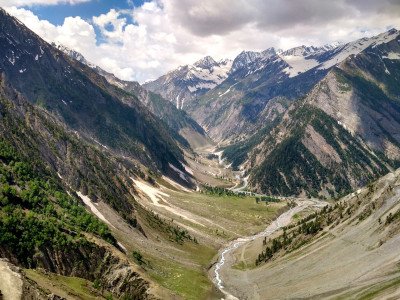
@@Overview: Pithoragarh Fort, also historically referred to as London Fort (due to a brief period of British colonial administration and its strategic importance), is a significant historical monument located on a small hill on the outskirts of Pithoragarh town. It was originally constructed in the year 1789 by the Gorkhas after they conquered the region from the Chands of Kumaon. The fort is strategically positioned to offer a commanding view of the entire Soar Valley. While only remnants and the main structure (which now houses a college or government office) remain, the fort's hilltop location provides an excellent vantage point for historical reflection and panoramic photography of the surrounding hills and the town below. Its historical importance lies in its role as a key military and administrative center through the Gorkha and British eras:
Card image cap
Sor Valley

@@Overview: Sor Valley is the picturesque, bowl-shaped valley in which the entire town of Pithoragarh is nestled. It is widely famous and often nickna...

@@Overview: Sor Valley is the picturesque, bowl-shaped valley in which the entire town of Pithoragarh is nestled. It is widely famous and often nicknamed the 'Mini Kashmir' of Uttarakhand due to its unparalleled natural beauty, characterized by lush terraced fields, green meadows, rolling hills, and a mild, pleasant climate. The valley is surrounded by high ridges, including Chandak Hill, which offer spectacular viewpoints. The valley floor is where the main urban and agricultural activities of the district take place. It is the heart of the region, offering not just scenic beauty but also a deep dive into the local Kumaoni culture, lifestyle, and agricultural practices. The breathtaking sight of the distant, snow-capped Himalayan peaks towering over the valley is the quintessential Pithoragarh experience:
Card image cap
Thal Kedar Temple

@@Overview: Thal Kedar Temple is an ancient and highly revered Shaivite (dedicated to Lord Shiva) pilgrimage site located atop Thal Kedar Hill, approx...

@@Overview: Thal Kedar Temple is an ancient and highly revered Shaivite (dedicated to Lord Shiva) pilgrimage site located atop Thal Kedar Hill, approximately 15 kilometers from Pithoragarh town. The temple is situated at a high altitude (around 2,059 meters) and is believed to have been established during the reign of the Katyuri dynasty, making it a site of great historical and religious importance. The journey to the temple involves a moderate trek through dense forests of Deodar and Pine, rewarding pilgrims and visitors with an intensely spiritual atmosphere and spectacular views of the surrounding valley and the distant Himalayan peaks. It is a place of profound solitude, attracting large crowds particularly during the annual Shivaratri festival:
Show All

Pithoragarh Itineray And Cost:-

Information about New and Updated Locations() of Uttarakhand Has Been Added :-
Card subtitle

Note:-

Information provided here in good Faith and for reference only.

Near Places
...
Chakrata

Some quick example text to build on the card title and make up the bulk of the card's content.

Go somewhere
...
Chamba

Some quick example text to build on the card title and make up the bulk of the card's content.

Go somewhere
...
Chamoli

Some quick example text to build on the card title and make up the bulk of the card's content.

Go somewhere
...
Champawat

Some quick example text to build on the card title and make up the bulk of the card's content.

Go somewhere
...
Chopta

Some quick example text to build on the card title and make up the bulk of the card's content.

Go somewhere
...
Corbett

Some quick example text to build on the card title and make up the bulk of the card's content.

Go somewhere
...
Dehradun

Some quick example text to build on the card title and make up the bulk of the card's content.

Go somewhere
...
Dhanaulti

Some quick example text to build on the card title and make up the bulk of the card's content.

Go somewhere
...
Gwaldam

Some quick example text to build on the card title and make up the bulk of the card's content.

Go somewhere
...
Haldwani

Some quick example text to build on the card title and make up the bulk of the card's content.

Go somewhere
...
Haridwar

Some quick example text to build on the card title and make up the bulk of the card's content.

Go somewhere
...
Joshimath

Some quick example text to build on the card title and make up the bulk of the card's content.

Go somewhere
...
Kanatal

Some quick example text to build on the card title and make up the bulk of the card's content.

Go somewhere
...
Kashipur

Some quick example text to build on the card title and make up the bulk of the card's content.

Go somewhere
...
Kausani

Some quick example text to build on the card title and make up the bulk of the card's content.

Go somewhere
...
Kedarnath

Some quick example text to build on the card title and make up the bulk of the card's content.

Go somewhere
in Other Cities
