...

Place To Visit And Things To Do In Kashipur

Uttarakhand, India
Historical Hub: Kashipur is a city with deep historical roots, once known as Govishana during the time of Harsha. It is famous for its archaeological significance and ancient ruins. The city serves as a gateway to the Kumaon hills and the industrial heart of the region. Cultural Fusion: Being on the border of the plains and hills, it showcases a blend of diverse cultures. The city is home to various religious sites including ancient temples and gurudwaras. It is a place where history meets modern industrial growth seamlessly. Ancient Excavations: The site has revealed relics from the Kushan and Gupta periods. Excavations have unearthed structures of ancient temples and fortifications that date back thousands of years. It is a must-visit for history buffs and archaeology enthusiasts. Industrial Importance: Today, it is one of the most prosperous industrial towns in Uttarakhand. It houses many paper and sugar mills, contributing significantly to the state's economy. The city is a bustling commercial center with a growing urban population.

Things To Do

Card image cap
Chaiti Devi Temple

The Chaiti Devi Temple, also famously known as Maa Bal Sundari Devi Mandir, is a highly revered Hindu temple dedicated to Maa Bal Sundari Devi, a mani...
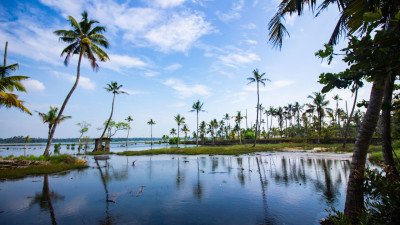
The Chaiti Devi Temple, also famously known as Maa Bal Sundari Devi Mandir, is a highly revered Hindu temple dedicated to Maa Bal Sundari Devi, a manifestation of Goddess Sati. It is regarded as one of the significant Shakti Peethas where, as per local belief and mythology linked to the great Hindu epic, a part of Sati's body is believed to have fallen after Lord Vishnu dismembered her body with the Sudarshan Chakra. Specifically, it is believed the right arm of the Goddess is buried under a rock here. The temple is mentioned in the ancient history of Kashipur, which was known as Govishan during the Vedic period. It is a major pilgrimage center, drawing thousands of devotees, especially during the annual fair. The temple complex provides a serene and spiritual environment, deeply rooted in the cultural and religious fabric of the Kumaon region. The idol is worshipped before being placed in a Doli (palanquin) on the night of Dashami and sent to Kashipur as part of an old tradition.
Card image cap
Drona Sagar Lake

Drona Sagar Lake is a significant water body in Kashipur revered for its profound mythological and historical connection to the epic Mahabharata. Lege...

Drona Sagar Lake is a significant water body in Kashipur revered for its profound mythological and historical connection to the epic Mahabharata. Legend holds that the lake is named after Guru Dronacharya, the royal preceptor of the Kauravas and Pandavas, who is believed to have mediated here. Another popular legend suggests that the Pandavas constructed this lake as Guru Dakshina (a fee for the guru) for their teacher, making its waters as sacred as the Ganga. The lake, surrounded by a serene environment, historically suffered neglect but remains a focal point of local culture and religious rituals. While currently facing preservation challenges, its past glory and connection to ancient history, including the ancient city of Govisana (old name of Kashipur), draw tourists and locals seeking a peaceful retreat and a glimpse into the past. It is adjacent to the Moteshwar Mahadev Temple, further solidifying its religious importance.
Card image cap
Giri Sarovar Lake

Giri Sarovar Lake, also known as Girital Lake, is a tranquil and scenic water body situated on the outskirts of Kashipur on the road towards Ramnagar....

Giri Sarovar Lake, also known as Girital Lake, is a tranquil and scenic water body situated on the outskirts of Kashipur on the road towards Ramnagar. It is a natural lake surrounded by lush greenery and a peaceful environment, making it a popular spot for relaxation and picnics for locals and visitors alike. The name "Giri Sarovar" can be translated to "Lake of the Mountains" or "Mountain Lake," reflecting the region's geographical context near the foothills of the Kumaon Himalayas. Like much of Kashipur, the lake is set within an area of historical significance, believed to have attracted ancient sages for meditation. The lake is generally well-maintained and provides a beautiful contrast to the busy town, offering a serene escape and a blend of natural beauty and spiritual tranquility.
Card image cap
Maa Balsundari Temple

Maa Balsundari Temple is the other, perhaps older, name for the famous Chaiti Devi Temple in Kashipur. It is a major Shakti Peetha dedicated to Goddes...

Maa Balsundari Temple is the other, perhaps older, name for the famous Chaiti Devi Temple in Kashipur. It is a major Shakti Peetha dedicated to Goddess Bala Sundari, a powerful form of the Divine Mother. The temple's mythology is deeply tied to the dismemberment of Sati's body. The area, historically part of the ancient city of Govisana and the old Ujjain Fort, holds immense archaeological and religious importance. The temple is especially revered because of the belief that the Goddess fulfills the wishes of the devotees who visit during the annual fair. The spiritual atmosphere is palpable, and the temple serves as a beacon of faith for the local community and pilgrims from across the region. The temple stands as a testament to the enduring Hindu faith in the Kumaon region.
Card image cap
Moteshwar Mahadev Temple

Moteshwar Mahadev Temple is an ancient and revered Hindu temple dedicated to Lord Shiva in his form as Bheem Shankar Jyotirlinga, considered by many t...

Moteshwar Mahadev Temple is an ancient and revered Hindu temple dedicated to Lord Shiva in his form as Bheem Shankar Jyotirlinga, considered by many to be the twelfth Sub Jyotirlinga or a form thereof. The temple is steeped in the history of the Mahabharata era, believed to have been constructed or renovated by Bhimasen, one of the Pandava brothers, upon the motivation of Guru Dronacharya. The main deity is a massive, thick, and continuously growing Shivlinga (phallus) which cannot be circled with both hands, hence the name "Moteshwar" (Mota meaning thick/large). Mythology suggests the Shivlinga is self-manifested (Swayambhu) and its depth is immeasurable. The temple's rich history, profound legends, and association with the fire pillar legend of Lord Shiva make it a major pilgrimage center in Kumaon.
Card image cap
Naukuchiatal Lake

Naukuchiatal is a pristine hill station located at an altitude of 1,220 meters. The name literally translates to the "lake of nine corners," and loca...

Naukuchiatal is a pristine hill station located at an altitude of 1,220 meters. The name literally translates to the "lake of nine corners," and local myths suggest that if one can glimpse all nine corners at once, they will attain nirvana. The lake is the deepest in the Nainital region, reaching depths of nearly 40 meters, and is fed by a perennial underground spring. Surrounded by dense forests of oak and pine, it offers a serene atmosphere far away from the commercial noise of major hill stations. The water is a brilliant emerald green, reflecting the lush hillsides. Historically, it was a quiet retreat for locals, but it has now transformed into a premier destination for both relaxation and adventure sports like paragliding and kayaking. The biodiversity around the lake is immense, with various species of fish, butterflies, and Himalayan birds calling it home. For travelers from Kashipur, it serves as a perfect long-weekend escape into the high Kumaon hills. The tranquility here is palpable, especially during the early morning hours when the mist hangs low over the water. It is a place where nature's beauty is preserved in its most authentic form, offering a spiritual and visual feast.
Card image cap
Phato Zone

Phato Eco Tourism Zone is the newest and most exciting addition to the wildlife circuits near Jim Corbett National Park, inaugurated in late 2021. Lo...

Phato Eco Tourism Zone is the newest and most exciting addition to the wildlife circuits near Jim Corbett National Park, inaugurated in late 2021. Located in the Terai West Forest Division, it spans over 2,500 hectares of dense jungle. This zone was developed to manage the increasing tourist influx and to showcase the raw beauty of the Terai landscape. Unlike some older zones, Phato is known for its dense canopy and rugged forest trails that provide an authentic "lost in the wild" feeling. It is a critical corridor for elephants and a thriving habitat for the Royal Bengal Tiger. The landscape is dotted with man-made water bodies that attract wildlife during the heat of the day, making sightings frequent and spectacular. For those staying in Kashipur, it is the most accessible safari zone, offering a quick entry into the world of predators and prey. The zone is managed with a focus on sustainable eco-tourism, ensuring that human footprints are kept to a minimum while providing maximum educational value about the forest ecosystem. It has quickly become a favorite for photographers due to the unique play of light through the thick Sal trees and the abundance of rare bird species found within its boundaries.
Card image cap
Pipal Briksh

The Pipal Briksh (Sacred Fig or Ficus religiosa) in Kashipur is not a standalone site but is a highly revered, ancient tree located within the premise...

The Pipal Briksh (Sacred Fig or Ficus religiosa) in Kashipur is not a standalone site but is a highly revered, ancient tree located within the premises of the Chaiti Devi Temple (Maa Balsundari Temple). In Hinduism, the Pipal tree is one of the most sacred plants, often associated with various deities. This specific tree is believed to be the dwelling of Goddess Simantini in the Vaishnavism tradition. Legend associated with this ancient tree in Kashipur speaks of a great ascetic who once dried the tree and then brought it back to life, leaving it hollow but still standing as a testament to spiritual power. It is a symbol of life, wisdom, and Indian heritage, holding great cultural and spiritual significance for devotees who visit the temple.
Card image cap
Ramnagar Gateway City

Ramnagar is a bustling town situated on the banks of the Kosi River, serving as the primary gateway to the world-renowned Jim Corbett National Park. ...

Ramnagar is a bustling town situated on the banks of the Kosi River, serving as the primary gateway to the world-renowned Jim Corbett National Park. Established in 1850 by Commissioner Henry Ramsay, the town has a rich colonial history blended with ancient mythological roots. It is said to have been part of the ancient kingdom of Ahichhatra. Today, Ramnagar is the administrative hub for all tiger reserve activities, where tourists obtain permits and hire specialized safari gypsies. Beyond being a transit point, the town itself offers a unique glimpse into Kumaoni culture, with vibrant local markets and a history of tea gardens that once flourished here. Its proximity to Kashipur makes it a frequent destination for locals seeking river-side relaxation or spiritual visits to the many temples dotting the Kosi valley. The town is characterized by its simple yet functional architecture and the constant energy of adventure seekers arriving from across the globe. It serves as a base for exploring the foothills of the Himalayas, offering a range of accommodations from budget guesthouses to luxury riverside resorts. The blend of wildlife tourism, riverine beauty, and religious significance makes Ramnagar a multi-faceted destination that captures the essence of the Uttarakhand Terai and Kumaon regions perfectly.
Card image cap
Sattal Lake Cluster

Sattal is a unique and mysterious cluster of seven freshwater lakes located at an altitude of 1,370 meters in the Kumaon region. These lakes—Purna ...

Sattal is a unique and mysterious cluster of seven freshwater lakes located at an altitude of 1,370 meters in the Kumaon region. These lakes—Purna Tal, Ram Tal, Sita Tal, Laxman Tal, Nal Damyanti Tal, Sukh Tal, and Garud Tal—are interconnected through underground channels, making it one of the few unpolluted freshwater biomes in India. The area is heavily forested with dense oak and pine trees, creating a secluded haven that is often compared to the lake districts of England. Sattal is a dream destination for nature lovers and birdwatchers, as the quietude and water sources attract hundreds of migratory and resident bird species. Unlike the more crowded Nainital, Sattal offers a deep sense of isolation and peace, making it a favorite for hikers and campers. The history of the area is steeped in colonial charm, evidenced by the presence of the Methodist Ashram and several vintage bungalows. For a traveler from Kashipur, it represents the transition from the plains to the high-altitude lake country. The reflection of the towering trees in the clear blue waters of the seven lakes creates a mesmerizing visual effect that changes throughout the day. It is a place where one can truly disconnect from the digital world and reconnect with the rhythms of the earth.
Card image cap
Shri Nankana Sahib Gurudwara

Shri Nankana Sahib Gurudwara in Kashipur is a deeply revered Sikh shrine, established to commemorate the visit of Shri Guru Nanak Dev Ji, the founder ...

Shri Nankana Sahib Gurudwara in Kashipur is a deeply revered Sikh shrine, established to commemorate the visit of Shri Guru Nanak Dev Ji, the founder of Sikhism. The Gurudwara holds a special place in Sikh history due to a miraculous event associated with the Dhela River. Historically, the river (then known as the Swaran River) used to cause devastating floods in Kashipur. When Guru Nanak Dev Ji visited, he advised the locals to stay, and after singing Kirtan (devotional hymns) and performing an Ardas (prayer), the river receded and moved its course away from the town. The legend states that the river was renamed Dhela River after the Guru Sahib threw a clod (Dhela in Hindi) into the water. This event marks the Gurudwara as a site of divine intervention, resilience, and faith.
Show All

Kashipur Itineray And Cost:-

Information about New and Updated Locations() of Uttarakhand Has Been Added :-
Card subtitle

Note:-

Information provided here in good Faith and for reference only.

Near Places
...
Chakrata

Some quick example text to build on the card title and make up the bulk of the card's content.

Go somewhere
...
Chamba

Some quick example text to build on the card title and make up the bulk of the card's content.

Go somewhere
...
Chamoli

Some quick example text to build on the card title and make up the bulk of the card's content.

Go somewhere
...
Champawat

Some quick example text to build on the card title and make up the bulk of the card's content.

Go somewhere
...
Chopta

Some quick example text to build on the card title and make up the bulk of the card's content.

Go somewhere
...
Corbett

Some quick example text to build on the card title and make up the bulk of the card's content.

Go somewhere
...
Dehradun

Some quick example text to build on the card title and make up the bulk of the card's content.

Go somewhere
...
Dhanaulti

Some quick example text to build on the card title and make up the bulk of the card's content.

Go somewhere
...
Gwaldam

Some quick example text to build on the card title and make up the bulk of the card's content.

Go somewhere
...
Haldwani

Some quick example text to build on the card title and make up the bulk of the card's content.

Go somewhere
...
Haridwar

Some quick example text to build on the card title and make up the bulk of the card's content.

Go somewhere
...
Joshimath

Some quick example text to build on the card title and make up the bulk of the card's content.

Go somewhere
...
Kanatal

Some quick example text to build on the card title and make up the bulk of the card's content.

Go somewhere
...
Kashipur

Some quick example text to build on the card title and make up the bulk of the card's content.

Go somewhere
...
Kausani

Some quick example text to build on the card title and make up the bulk of the card's content.

Go somewhere
...
Kedarnath

Some quick example text to build on the card title and make up the bulk of the card's content.

Go somewhere
in Other Cities