
...

Place To Visit And Things To Do In Rudraprayag

Uttarakhand, India
Introduction: Rudraprayag is a sacred town situated at a vital river junction. It is one of the Panch Prayag of the Alaknanda River. Here, the Alaknanda meets the Mandakini in a dramatic merge. The town is named after Lord Shiva's Rudra avatar. It is a mandatory stop for pilgrims going to Kedarnath. The sound of two rivers clashing is both loud and holy. It is surrounded by high mountains and deep valleys. History: Ancient scriptures mention this place as a site for deep penance. Sage Narada is believed to have meditated here to learn music. Lord Shiva was so pleased that he appeared as Rudra. The town has always been a spiritual crossroads for sages. It gained modern fame through Jim Corbett's book about a leopard. The "Man-Eating Leopard of Rudraprayag" made it world-famous. Today, it remains a pillar of the Garhwal spiritual identity. Geographical Setup: The town is perched on steep slopes overlooking the river confluence. One river is emerald green, while the other is muddy brown. They merge into a single powerful stream that flows towards the sea. The terrain is rugged and typical of the Middle Himalayas. Suspended bridges connect different parts of the mountain town. Landslides are common during the heavy rains of the monsoon. The views of the snow-capped peaks are visible on clear days. Local Life: The locals are mostly Garhwali people with a simple lifestyle. Agriculture and tourism are the primary sources of their income. They are known for their bravery and warm hospitality to pilgrims. Small shops in the market sell local pulses and woolens. Folk music and Pandav Nritya are popular cultural expressions here. Most houses are built into the hills with beautiful stone roofs. Life moves slowly and revolves around the temple bells.

Things To Do

Card image cap
Agastyamuni Temple

@@Agastyamuni Temple Details: The Agastyamuni Temple is a highly revered shrine located on the banks of the Mandakini River. It is dedicated to the gr...

@@Agastyamuni Temple Details: The Agastyamuni Temple is a highly revered shrine located on the banks of the Mandakini River. It is dedicated to the great sage Agastya, who is believed to have meditated here for many years. This temple holds immense spiritual significance for locals and pilgrims visiting the Kedarnath circuit. The atmosphere is filled with tranquility and the rhythmic sound of the flowing river. Many believe that the sage’s wisdom still permeates the air here. The temple is not just a religious site but a historical landmark that connects the present with ancient Vedic times. It serves as a peaceful retreat for those seeking mental clarity and spiritual awakening.
Card image cap
Augustmuni Town

@@Augustmuni Town Details: Augustmuni is a bustling yet charming town situated in the heart of the Rudraprayag district. Known primarily for the templ...

@@Augustmuni Town Details: Augustmuni is a bustling yet charming town situated in the heart of the Rudraprayag district. Known primarily for the temple of Sage Agastya, the town acts as a vital stopover for pilgrims heading toward Kedarnath. The town is nestled in a lush valley with the Mandakini River dividing it, providing a picturesque setting. It offers a blend of local Garhwali culture and modern amenities like markets and banks. Tourists often spend a day here to acclimatize before heading to higher altitudes. The local markets are filled with authentic pahari goods and traditional eateries serving local cuisine.
Card image cap
Basukedar Temple

@@Basukedar Temple Details: Basukedar Temple is an ancient and mystical shrine located in a remote village of the same name. According to mythology, L...
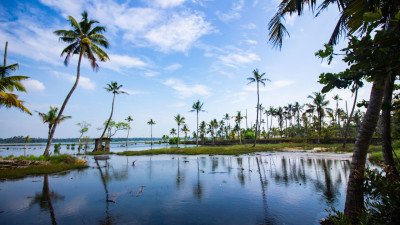
@@Basukedar Temple Details: Basukedar Temple is an ancient and mystical shrine located in a remote village of the same name. According to mythology, Lord Shiva rested here while traveling to Kedarnath to escape the Pandavas. The name "Basu" refers to staying or resting, and "Kedar" is another name for Shiva. It is believed that the Pandavas built this temple to seek atonement for their sins. The site is shrouded in a deep sense of antiquity and remains relatively untouched by heavy tourism. The surrounding cedar and oak forests add to the spiritual energy of the place. It is a must-visit for those who love offbeat historical trails.
Card image cap
Deoria Tal Lake

@@Deoria Tal Lake Details: Deoria Tal is a pristine emerald lake situated at an altitude of 2438 meters. It is famous for providing a perfect reflecti...

@@Deoria Tal Lake Details: Deoria Tal is a pristine emerald lake situated at an altitude of 2438 meters. It is famous for providing a perfect reflection of the Chaukhamba peaks on its crystal-clear water. According to legend, the gods (Devas) bathed in this lake, giving it the name "Deoria". It is also believed to be the spot where the Yaksha questioned the Pandavas in the Mahabharata. The trek to the lake starts from Sari Village and is a gentle uphill climb through dense forests of rhododendron and oak. The lake is part of the Kedarnath Wildlife Sanctuary, making it a haven for nature lovers and birdwatchers.
Card image cap
Dhari Devi Temple

@@Dhari Devi Temple Details: Dhari Devi Temple is a highly revered shrine located on the banks of the Alaknanda River. Dedicated to Goddess Kali, she ...

@@Dhari Devi Temple Details: Dhari Devi Temple is a highly revered shrine located on the banks of the Alaknanda River. Dedicated to Goddess Kali, she is considered the guardian deity of Uttarakhand and the protector of the Char Dhams. The temple is unique because it is built on a raised platform over the river. A local belief states that the goddess's face changes from a girl in the morning to a woman in the afternoon and an elderly lady in the evening. The idol here is the upper half of the goddess, while the lower half is worshipped in Kalimath. The site is a powerful center of faith, especially after the 2013 floods, which many locals link to the shifting of the idol.
Card image cap
Gaurikund

Gaurikund is a sacred pilgrimage site located at an altitude of 1,982 meters. It serves as the base camp for the trek to Kedarnath. The place is name...

Gaurikund is a sacred pilgrimage site located at an altitude of 1,982 meters. It serves as the base camp for the trek to Kedarnath. The place is named after Goddess Parvati (Gauri), who is believed to have performed deep penance here to win Lord Shiva as her husband. It is a bustling town filled with pilgrims, shops, and small guest houses. The Mandakini River flows nearby, adding to the spiritual vibe. This place is not just a transit point but a site of deep mythological importance. Many believe that Lord Ganesha was created by Parvati here. The environment is always filled with chants of "Jai Bhole."
Card image cap
Indrasani Mansa Devi Temple

The Indrasani Mansa Devi Temple is an ancient and highly revered Hindu shrine dedicated to Goddess Mansa Devi, believed to be a 'Mansi Kanya' of Sage ...
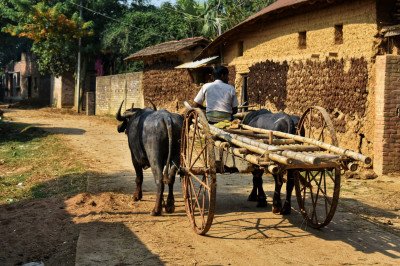
The Indrasani Mansa Devi Temple is an ancient and highly revered Hindu shrine dedicated to Goddess Mansa Devi, believed to be a 'Mansi Kanya' of Sage Kashyapa. The temple is considered one of the 'Siddha Peeths' and holds significant mythological importance, with its origins mentioned in the holy texts like Skanda Purana, Devibhagvata, and Kedarkhand. Legend has it that the temple was established during the era of Adi Shankaracharya, possibly around the 8th century, showcasing a long and rich history of spiritual worship in the Garhwal Himalayas. The Goddess is also known by names like Vaishnavi, Shavi, and Vishari, and is popularly worshipped as the Goddess of Serpents, with local folklore asserting her divine power to cure individuals bitten by snakes. The tranquil setting of the temple, surrounded by other smaller shrines dedicated to deities like Jalkedareshwar, Jakh Devta, and Khetrapal, creates a powerful spiritual atmosphere for devotees. It is a vital pilgrimage spot for locals and travelers alike, especially those undertaking the Char Dham Yatra, seeking the blessings of the protective and benevolent Goddess for health, progeny, and protection from serpentine threats. This sacred site serves not only as a religious hub but also as a window into the deep-rooted cultural and mythological traditions of the Rudraprayag region, offering solace and an appreciation for the ancient Hindu heritage.
Card image cap
Jakholi Village

Jakholi is a picturesque village situated at a high altitude, offering a panoramic view of the Himalayas. It is located on the border of Rudraprayag ...

Jakholi is a picturesque village situated at a high altitude, offering a panoramic view of the Himalayas. It is located on the border of Rudraprayag and Tehri districts. The village is surrounded by lush green forests and terraced fields. It is a place of immense natural beauty and serves as an offbeat destination for those looking to escape the crowded pilgrim routes. The village is known for its traditional Garhwali culture and warm hospitality. From here, one can see the magnificent peaks of Chaukhamba and Kedarnath. The air is pure, and the atmosphere is serene, making it a perfect spot for nature lovers.
Card image cap
Kalimath Temple

Kalimath is one of the 108 Shakti Peeths in India. It is situated on the banks of the Saraswati River at an altitude of 1,800 meters. Unlike other te...

Kalimath is one of the 108 Shakti Peeths in India. It is situated on the banks of the Saraswati River at an altitude of 1,800 meters. Unlike other temples, there is no idol of the Goddess here; instead, a silver plate (Sri Yantra) covers a sacred pit where the Goddess is said to have entered the earth after killing the demon Raktabija. This site is considered highly powerful in the Tantric tradition. The temple is surrounded by peaks and dense forests, creating a mystical atmosphere. It is the only Siddha Peeth in the Kedarnath valley. Many devotees visit this temple during Navratri to seek blessings for protection and strength.
Card image cap
Kartik Swami Temple

Perched at an altitude of 3,050 meters, this temple is dedicated to Lord Kartikeya, the elder son of Lord Shiva. It is located on a narrow ridge that...

Perched at an altitude of 3,050 meters, this temple is dedicated to Lord Kartikeya, the elder son of Lord Shiva. It is located on a narrow ridge that offers a 360-degree view of the Himalayas, including peaks like Nanda Devi, Trishul, and Chaukhamba. To reach the temple, one must undertake a 3 KM trek from the village of Kanakchauri. The trek is moderate and passes through dense forests of Oak and Rhododendron. The temple is famous for the thousands of bells tied by devotees whose wishes have been fulfilled. The sunrise and sunset from this ridge are considered some of the best in the entire Garhwal region. It is a place of profound silence and spiritual elevation.
Card image cap
Koteshwar Mahadev Temple

Koteshwar Mahadev Temple is an ancient and revered Hindu shrine dedicated to Lord Shiva, situated dramatically in a natural cave on the banks of the h...

Koteshwar Mahadev Temple is an ancient and revered Hindu shrine dedicated to Lord Shiva, situated dramatically in a natural cave on the banks of the holy Alaknanda River. Located just 3 kilometers from the main town of Rudraprayag, this temple is steeped in compelling mythology, primarily associated with Lord Shiva's meditation. Legend suggests that the Lord stopped here to meditate on his way to Kedarnath, seeking divine intervention from Lord Vishnu to escape the demon Bhasmasura. The cave is said to contain millions (koti) of naturally formed Shivalingas, giving the place its name. Pilgrims must descend approximately 100 steep steps carved into the rock to reach the sacred Garbhagriha (sanctum sanctorum). The temple is unique as it houses a Swayambhu (self-manifested) Shivalinga formed of thick black stone, over which water continually drips from the cave roof, adding to the site's spiritual aura. During the monsoon, the water seeping through the cave creates a natural waterfall, enhancing the serene and divine atmosphere. The entire complex is a beautiful blend of spiritual significance and natural splendor, drawing devotees and nature lovers who seek peace and blessings, especially infertile couples who visit to pray for progeny. It is a vital stop for all travelers on the pilgrimage routes of the Garhwal Himalayas.
Card image cap
Okhimath

Okhimath, commonly known as Ukhimath, is a significant pilgrimage town located at an altitude of 1,311 meters. It is most famous for being the winter...

Okhimath, commonly known as Ukhimath, is a significant pilgrimage town located at an altitude of 1,311 meters. It is most famous for being the winter home of Lord Kedarnath and Lord Madhyamaheshwar. When the high-altitude temples close due to snow in November, the idols are brought here in a grand procession. The main Omkareshwar Temple houses these deities for six months. The town is named after Usha, the daughter of Banasur, who married Lord Krishna's grandson Aniruddha here. It offers a beautiful view of the Kedarnath and Neelkanth peaks. The town serves as a major hub for travelers heading towards Chopta and Deoria Tal.
Card image cap
Phata

Phata is a strategically located small village in the Rudraprayag district that has gained immense popularity as a major transportation hub for the C...

Phata is a strategically located small village in the Rudraprayag district that has gained immense popularity as a major transportation hub for the Char Dham Yatra. Perched at an altitude of about 1,500 meters, this place serves as a vital transit point for thousands of pilgrims who choose to skip the arduous trek to Kedarnath by opting for helicopter services. The village is nestled amidst lush green hills and offers a refreshing Himalayan atmosphere that calms the soul. Historically, it was a quiet hamlet, but the introduction of helipads has transformed it into a bustling commercial center with numerous hotels, restaurants, and shops. The surrounding landscape is characterized by dense forests of oak and rhododendron, providing a scenic backdrop to the constant drone of rotors. Many travelers choose to stay overnight here to catch early morning flights, making it a lively spot during the peak pilgrimage season from May to October. The hospitality of the local Garhwali people adds a touch of warmth to the spiritual journey of the devotees. It is not just a helipad but a symbol of modern convenience meeting ancient tradition in the heart of the Himalayas. The air here is crisp and carries the fragrance of the mountains, offering a perfect pause before the final ascent to the holy shrine. Despite the noise of the choppers, there are quiet corners in the village where one can witness the authentic rural life of Uttarakhand.
Card image cap
Rudranath Temple

Rudranath Temple is one of the five most sacred Panch Kedar temples dedicated to Lord Shiva, situated at a challenging altitude of approximately 3,600...

Rudranath Temple is one of the five most sacred Panch Kedar temples dedicated to Lord Shiva, situated at a challenging altitude of approximately 3,600 meters (11,800 ft) amidst dense rhododendron forests and alpine meadows in the Chamoli district. The name Rudranath literally translates to the 'Angry Lord,' referring to the Rudra avatar of Shiva. This temple is the fourth in the circuit of the Panch Kedar, where the Ekanan (face) of Lord Shiva is worshipped as a naturally formed rock idol. Mythology dictates that the Pandavas, after the Mahabharata war, built this temple to seek forgiveness from Lord Shiva for the sin of Gotra Hatya (killing family/clan). The trek to Rudranath is arduous and long, typically starting from Sagar village near Gopeshwar or Mandal, passing through beautiful bugyals (alpine meadows) like Panar and Lyuti. The temple is surrounded by sacred kunds (water tanks) like Surya-kund, Chandra-kund, and Tara-kund. Furthermore, the holy Vaitarani River (also known as Rudraganga) flows near the temple, which is considered the 'river of salvation.' Devotees visit this remote and serene shrine not only for Shiva's blessings but also to perform Pind Daan (rituals for the dead) for their ancestors, a practice believed to be equivalent to offering a hundred million at Gaya. The majestic backdrop of peaks like Nanda Devi, Trishul, and Nanda Ghunti adds to the spiritual and scenic grandeur of this remote pilgrimage site.
Card image cap
Rudraprayag

The Rudraprayag Confluence, or Sangam, is one of the most sacred spots in India, marking the fourth of the famous Panch Prayag (five confluences) of ...

The Rudraprayag Confluence, or Sangam, is one of the most sacred spots in India, marking the fourth of the famous Panch Prayag (five confluences) of the Alaknanda river. It is here that the emerald green waters of the Mandakini, flowing from the Kedarnath hills, merge with the forceful, brownish currents of the Alaknanda, originating from Badrinath. The town is named after Lord Shiva, who is said to have appeared here in his Rudra (angry) avatar to bless Sage Narad. The confluence is not just a geographical phenomenon but a spiritual epicenter where devotees take holy dips to cleanse their souls. The sound of the clashing waters is thunderous yet meditative, creating an atmosphere of divine power. A series of stone steps leads down to the river bank, where ancient temples stand guard over the rushing waters. The site has been a witness to centuries of pilgrimage, and it remains a vital stopover for anyone traveling to the higher reaches of the Garhwal Himalayas. The town itself has grown around this sacred spot, offering a mix of modern facilities and ancient traditions. In the evenings, the air is filled with the scent of incense and the sound of temple bells, as the daily aarti is performed. The view of the two distinct colors of the rivers merging into one is a sight that stays with a traveler forever. It is a place where the physical world feels deeply connected to the mythological stories of the Vedas and Puranas. The natural beauty of the surrounding cliffs and the constant roar of the rivers make it a perfect place for introspection and prayer. Whether you are a believer or a nature lover, the energy of the Rudraprayag Sangam is undeniably captivating.
Card image cap
Rudraprayag Sangam

Rudraprayag Sangam is the breathtakingly beautiful and highly sacred confluence of the Alaknanda River, flowing from Badrinath, and the Mandakini Rive...

Rudraprayag Sangam is the breathtakingly beautiful and highly sacred confluence of the Alaknanda River, flowing from Badrinath, and the Mandakini River, flowing from Kedarnath. It is the second of the five sacred confluences, known as the Panch Prayag, which dot the course of the Alaknanda. This pivotal location gives the town its name, as Rudraprayag is named after the Rudra (Lord Shiva) avatar. Mythology states that the celestial musician, Narad Muni, meditated at this very spot to master the mysteries of music, and Lord Shiva appeared here in his Rudra form to bless him. The most striking visual aspect is the discernible difference in the colors of the water: the Alaknanda is often a clearer, turquoise-blue, while the Mandakini is usually a silt-laden, muddier grey, particularly during the monsoon, creating a clear line where the two forces meet. This Sangam is a crucial halt and spiritual junction for pilgrims on the revered Char Dham Yatra, lying strategically on the route to both Kedarnath and Badrinath. Devotees descend a flight of concrete steps to the ghat to perform holy dips (snan), offer prayers, and perform ancestral rites (pind daan) at this powerful meeting point, where the combined spiritual energy of the two major pilgrim routes is said to wash away sins and grant divine blessings.
Card image cap
Sirbandeshwar Temple

Sirbandeshwar Temple is a local, less-known, but spiritually important shrine dedicated to Lord Shiva, often regarded as a protector deity for the sur...

Sirbandeshwar Temple is a local, less-known, but spiritually important shrine dedicated to Lord Shiva, often regarded as a protector deity for the surrounding area of Rudraprayag. Situated on a small, scenic hillock or elevated ground, the temple offers a quiet retreat away from the main town's hustle and bustle, providing panoramic views of the Mandakini and Alaknanda valleys. While specific ancient texts referencing its establishment are not widely known, the temple is an integral part of the local Garhwali religious landscape, with its simple architecture reflecting the devotion of the villagers who maintain it. The local folklore often associates the temple with a small, localized event during the Rudra epiphany of Lord Shiva or a subsequent meditation by a local sage, solidifying its sacred status within the immediate community. Unlike the major pilgrimage sites, Sirbandeshwar Temple is a hidden gem that caters more to the spiritual needs of the local residents, who visit frequently to offer prayers for well-being, a bountiful harvest, and protection. The journey to the temple, involving a short climb, is surrounded by lush green flora, making it not only a place of worship but also a peaceful spot for nature walks and quiet contemplation, offering a profound sense of solitude and connection with the divine in the lap of the Himalayas.
Card image cap
Sonprayag

Sonprayag is a picturesque small village located at a high altitude of 1,829 meters, serving as a critical checkpoint and transit hub for the Kedarna...

Sonprayag is a picturesque small village located at a high altitude of 1,829 meters, serving as a critical checkpoint and transit hub for the Kedarnath pilgrimage. It is famously situated at the holy confluence of the Mandakini and Basuki rivers. The name literally means "Golden Confluence," and it is believed that a dip in the waters here can help one attain 'Baikunth Dham' (heavenly abode). This village is the last point where private vehicles are allowed; from here, pilgrims must take government-operated shuttle jeeps to reach Gaurikund, which is further 5 Kms away and marks the start of the trek. The atmosphere in Sonprayag is one of intense spiritual energy and organized chaos during the Yatra season. Surrounded by towering snow-clad peaks and dense coniferous forests, the natural beauty is breathtaking. The village consists of a main street lined with eateries, small lodges, and shops selling raincoats, walking sticks, and religious souvenirs. Historically, it has been a resting place for sages and travelers for centuries. The sound of the gushing rivers is ever-present, acting as a constant reminder of the raw power of nature in the Himalayas. For many, Sonprayag is where the real physical challenge of the pilgrimage begins, and the sense of camaraderie among the devotees is palpable. The local administration manages a large parking facility and biometric registration centers here to ensure the safety of the pilgrims. Despite its small size, its strategic and religious importance makes it a cornerstone of the Rudraprayag district's tourism. It is a place of transition—from the motorable world to the walking trails of the gods. The air is significantly colder here than in Rudraprayag, and the towering mountains seem much closer, creating a sense of awe and humility in every visitor.
Card image cap
Tilwara

Tilwara is a picturesque small town nestled on the banks of the holy Mandakini River in the Rudraprayag district. It serves as a vital transit point ...

Tilwara is a picturesque small town nestled on the banks of the holy Mandakini River in the Rudraprayag district. It serves as a vital transit point for pilgrims traveling toward the Kedarnath Dham and is known for its serene riverside atmosphere. The town is surrounded by emerald green hills and offers a peaceful retreat away from the more crowded tourist hubs of the region. Local culture is deeply rooted in Himalayan traditions, and the market provides a glimpse into the daily lives of the Garhwali people. Travelers often stop here to enjoy the cool breeze of the river and the scenic beauty of the valley.
Card image cap
Trijugi Narayan Temple

Trijugi Narayan Temple (also spelled Triyuginarayan) is a world-renowned pilgrimage site located at an altitude of 1,980 meters. It is most famous as...

Trijugi Narayan Temple (also spelled Triyuginarayan) is a world-renowned pilgrimage site located at an altitude of 1,980 meters. It is most famous as the sacred spot where Lord Shiva and Goddess Parvati were wedded during the Satya Yuga. The temple is dedicated to Lord Vishnu, who is said to have acted as the brother of Parvati and performed the wedding rituals. A unique feature of this site is the Akhand Dhuni, an eternal flame that has been burning for three ages (Yugas). Pilgrims from across the globe visit to witness this fire and seek blessings for a happy married life by offering wood to the flame.
Card image cap
Triyuginarayan Temple

Triyuginarayan Temple stands as a monumental symbol of divine love and cosmic order, located in a quiet village of the same name. Often confused by d...

Triyuginarayan Temple stands as a monumental symbol of divine love and cosmic order, located in a quiet village of the same name. Often confused by duplicate entries, this primary site is where the Agni Kund has hosted an eternal flame since the dawn of the Satya Yuga. The temple’s name is derived from "Tri" (three), "Yugi" (ages), and "Narayan" (Lord Vishnu), signifying its presence across three cosmic cycles. It is a major stop for pilgrims on the Char Dham circuit who seek to honor the spot where the cosmic union of the creator and the mountain goddess took place. The surrounding landscape is filled with apple orchards and cedar forests.
Show All

Rudraprayag Itineray And Cost:-

Information about New and Updated Locations() of Uttarakhand Has Been Added :-
Card subtitle

Note:-

Information provided here in good Faith and for reference only.

Near Places
...
Chakrata

Some quick example text to build on the card title and make up the bulk of the card's content.

Go somewhere
...
Chamba

Some quick example text to build on the card title and make up the bulk of the card's content.

Go somewhere
...
Chamoli

Some quick example text to build on the card title and make up the bulk of the card's content.

Go somewhere
...
Champawat

Some quick example text to build on the card title and make up the bulk of the card's content.

Go somewhere
...
Chopta

Some quick example text to build on the card title and make up the bulk of the card's content.

Go somewhere
...
Corbett

Some quick example text to build on the card title and make up the bulk of the card's content.

Go somewhere
...
Dehradun

Some quick example text to build on the card title and make up the bulk of the card's content.

Go somewhere
...
Dhanaulti

Some quick example text to build on the card title and make up the bulk of the card's content.

Go somewhere
...
Gwaldam

Some quick example text to build on the card title and make up the bulk of the card's content.

Go somewhere
...
Haldwani

Some quick example text to build on the card title and make up the bulk of the card's content.

Go somewhere
...
Haridwar

Some quick example text to build on the card title and make up the bulk of the card's content.

Go somewhere
...
Joshimath

Some quick example text to build on the card title and make up the bulk of the card's content.

Go somewhere
...
Kanatal

Some quick example text to build on the card title and make up the bulk of the card's content.

Go somewhere
...
Kashipur

Some quick example text to build on the card title and make up the bulk of the card's content.

Go somewhere
...
Kausani

Some quick example text to build on the card title and make up the bulk of the card's content.

Go somewhere
...
Kedarnath

Some quick example text to build on the card title and make up the bulk of the card's content.

Go somewhere
in Other Cities
