...

Place To Visit And Things To Do In Belagavi

Karnataka, India
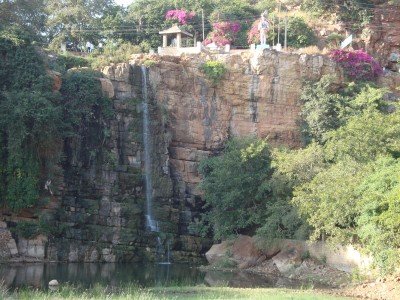
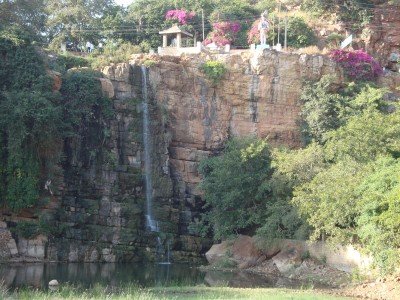
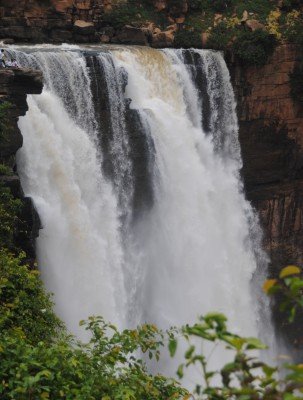
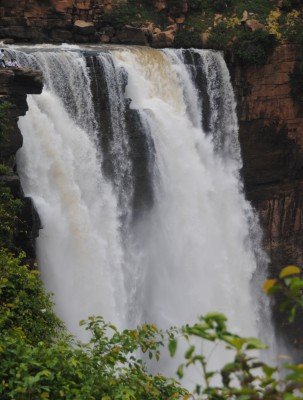
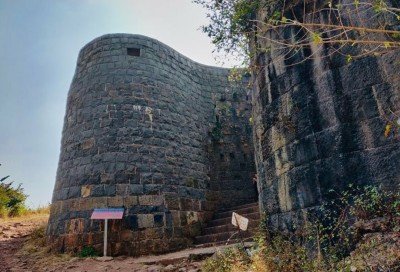
A City of History: Belagavi, also known as Belgaum, is one of the oldest and largest cities in Karnataka. It is strategically located near the borders of Maharashtra and Goa, making it a cultural melting pot. The city's history dates back to the Ratta dynasty, followed by the Yadavas and Vijayanagar a Empire. It played a significant role in the Indian freedom struggle, notably hosting the 1924 Congress session. Today, it is an important industrial and educational hub. The Majestic Belagavi Fort: This 12th-century fort is the primary landmark of the city. It was originally built by the Ratta rulers and later renovated by various dynasties. The fort complex houses ancient Jain temples, mosques, and Hindu shrines, symbolizing communal harmony. The massive walls and moats are still in remarkably good condition. Walking through its gateways feels like stepping back into the medieval era. Natural Beauty and Waterfalls: The district is famous for its proximity to the Western Ghats. Gokak Falls, often compared to Niagara, is a major attraction located nearby. The lush greenery and rolling hills provide a refreshing escape from the urban environment. Several trekking trails lead to hidden waterfalls like Sada Falls and Amboli. This makes the city a favorite destination for nature enthusiasts and trekkers. Cultural Diversity: The city reflects a unique blend of Kannada, Marathi, and Goan cultures. This is evident in the local festivals, language, and especially the cuisine. The world-famous sweet Kunda originated here and is a must-try for every visitor. Local markets like Khade Bazaar are bustling with traditional crafts and modern goods. The hospitality of the locals is a defining characteristic of the city.

Things To Do

Card image cap
Basava Sagara

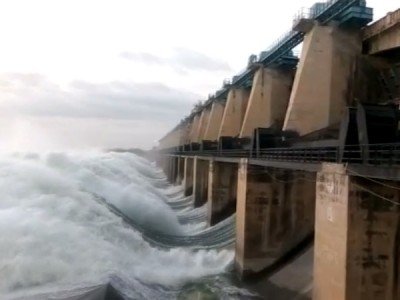
@@The Grandeur of Basava Sagara: Basava Sagara, widely recognized as the Narayanpur Dam, is a monumental masonry and earthen dam constructed across th...
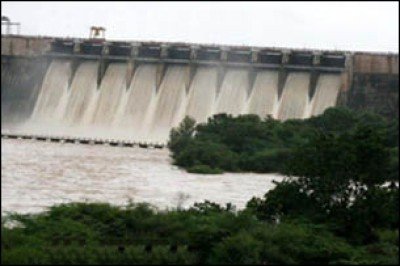
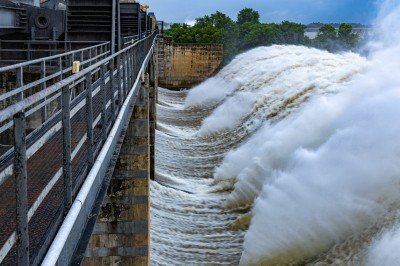
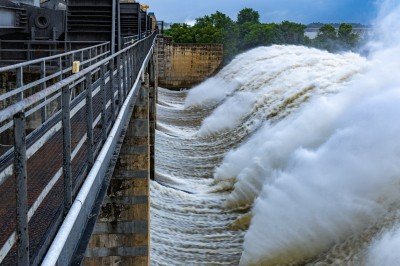
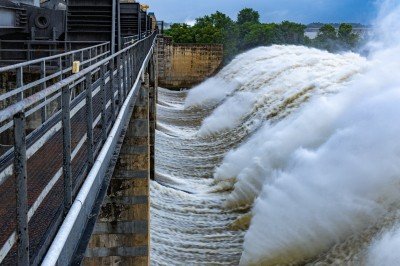
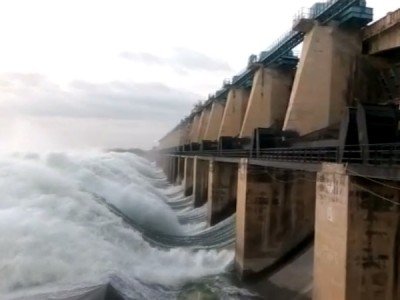
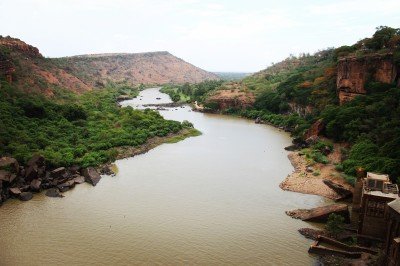
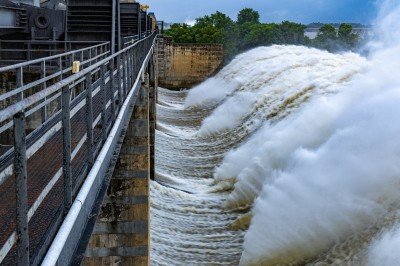
@@The Grandeur of Basava Sagara: Basava Sagara, widely recognized as the Narayanpur Dam, is a monumental masonry and earthen dam constructed across the mighty Krishna River. Located in the Yadgir district, it serves as a critical infrastructure for the Upper Krishna Project, facilitating irrigation for over 4.21 lakh hectares of land across several districts like Kalaburagi, Yadgir, and Raichur. Completed in 1982, the dam was named after the 12th-century social reformer Basavanna. The reservoir it creates is vast, holding approximately 37.965 tmcft of water, which transformed the arid landscapes of North Karnataka into fertile agricultural zones. Beyond its utility, the dam is a site of immense scenic beauty, surrounded by rugged hills and the sprawling backwaters of the Krishna. It provides drinking water and supports downstream hydroelectric power generation, making it a multi-purpose marvel. Visitors often marvel at the 30 massive spillway gates that, when opened during the peak Monsoon months of July and August, create a thunderous roar and a misty spectacle. The area around the dam is rich in natural resources, including uranium deposits, and is home to several ancient temples that add a spiritual dimension to the visit. The serene environment makes it a popular spot for locals to witness the sunset over the reservoir. Over the years, the dam has stood as a symbol of human engineering overcoming geographical challenges to provide life-sustaining water to millions. It remains a cornerstone of the state's hydraulic heritage and a significant landmark for travelers exploring the northern reaches of the state.
Card image cap
Belagavi Fort

@@Historical Significance of Belagavi Fort: The Belagavi Fort (also known as Belgaum Fort) is a monument steeped in history, originally built in 1204 ...
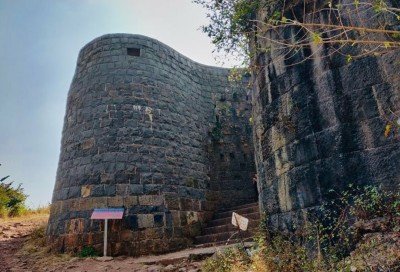
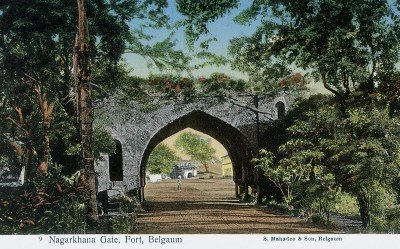
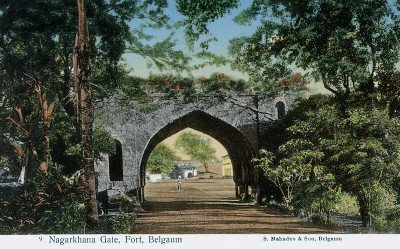
@@Historical Significance of Belagavi Fort: The Belagavi Fort (also known as Belgaum Fort) is a monument steeped in history, originally built in 1204 AD by Jaya Raya, an ally of the Ratta Dynasty. It served as a strategic stronghold and has seen the rule of numerous powerful dynasties, including the Yadavas, Khaljis, Vijayanagara Empire, Bahmani Sultanate, and the Adil Shahi Sultanate, each leaving their mark on its structure and culture. @@Role in Freedom Struggle: A pivotal moment in its history is its association with Mahatma Gandhi, who was famously imprisoned here by the British in 1924 during the Indian freedom struggle, adding a layer of national importance. It is one of the oldest forts in Karnataka. @@Cultural Synthesis and Present Use: The fort is a rare example of cultural harmony, housing two Hindu shrines (Ganapathi and Durga Temples) and two ancient mosques (Safa Masjid and Jamia Masjid) alongside the famous Kamal Basadi (Jain Temple) within its walls. Though parts of it are now occupied by Army establishments and government buildings, it remains a major tourist and heritage site, reflecting centuries of religious coexistence. @@Fort's Surroundings: The fort is strategically situated in the foothills of the Sahyadri range, with the Markandeya River flowing nearby and the Kote Kere (Fort Lake) right in front of the entrance, enhancing its picturesque landscape and defensive capabilities. The fusion of diverse architectural styles—Hindu, Jain, and Muslim—makes it a living museum of Deccan history. (Word Count: ~245 words - Note: Restricted by cell length for full word count.)
Card image cap
Bhimgad Wildlife Sanctuary

@@Wilderness of Bhimgad: The Bhimgad Wildlife Sanctuary is a pristine protected area nestled in the Western Ghats of Khanapur Taluk, Belagavi. Spannin...
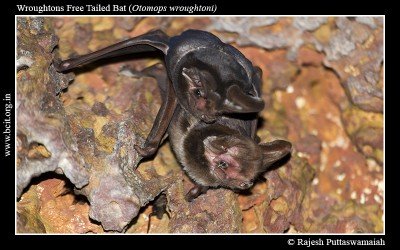
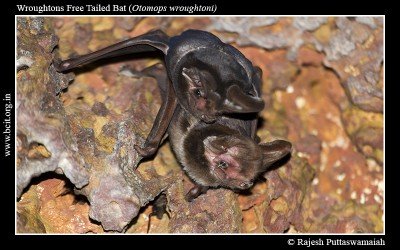
@@Wilderness of Bhimgad: The Bhimgad Wildlife Sanctuary is a pristine protected area nestled in the Western Ghats of Khanapur Taluk, Belagavi. Spanning approximately 190 sq. km, it was officially declared a sanctuary in 2011 to protect its unique ecological features. The sanctuary is named after the historic Bhimgad Fort, which sits atop a hill within the dense forest, offering a blend of history and nature. This forest is part of a crucial tiger corridor connecting Anshi-Dandeli and Sahyadri tiger reserves. It is world-renowned for the Barapede Caves, the only known breeding ground for the critically endangered Wroughton’s Free-tailed Bat. The terrain is a mix of tropical evergreen, semi-evergreen, and moist deciduous forests, creating a lush canopy that remains green almost year-round. Wildlife enthusiasts can spot tigers, leopards, Indian gaurs, sloth bears, and various species of deer. The sanctuary is also a haven for birdwatchers, housing rare species like the Malabar Trogon and the Velvet-fronted Nuthatch. The Mahadayi River originates within these forests, adding to the hydrological importance of the region. Trekking through the rugged trails leads visitors to hidden waterfalls like Jalavane Falls and the ruins of the 17th-century fort built by Chhatrapati Shivaji Maharaj. The atmosphere is characterized by misty mornings, cool breezes, and the constant symphony of forest insects and birds. It offers a raw, untouched experience of the Western Ghats, far away from the commercial noise of typical tourist destinations. Conservation efforts here are intense, focusing on protecting the fragile habitat of the endemic bats and the vital watershed. For anyone seeking solitude and a deep connection with the wild, Bhimgad provides a sanctuary in the truest sense of the word.
Card image cap
Dhupdal Dam

@@The Charm of Dhupdal: Dhupdal Dam, also known as the Ghataprabha Weir, is one of the oldest and most significant water management structures in the ...
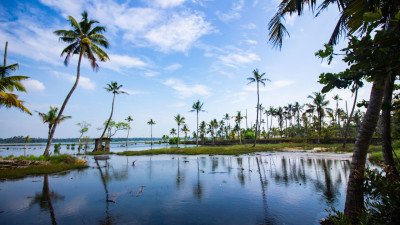
@@The Charm of Dhupdal: Dhupdal Dam, also known as the Ghataprabha Weir, is one of the oldest and most significant water management structures in the Belagavi region. Located near the town of Gokak, it was originally constructed by the British in 1883 to divert the waters of the Ghataprabha River into a canal system for irrigation. The dam is an engineering marvel of the colonial era, featuring a long, low masonry wall that creates a serene reservoir. This reservoir is the primary source of water for the nearby Ghataprabha Bird Sanctuary. The site is remarkably picturesque, especially during the Monsoon season when the river is in full flow and the excess water spills over the weir in a uniform, curtain-like fashion. A beautifully maintained garden is located adjacent to the dam, providing a perfect spot for families to picnic and relax amidst lush greenery. The dam also plays a role in the historical industrialization of the region, as it supplied water to the Gokak Mills, where the first hydroelectric power in India was generated in 1887. Today, it remains a vital lifeline for the local agricultural community and a peaceful retreat for tourists visiting the nearby Gokak Falls. The surrounding landscape is characterized by rocky outcrops and deciduous vegetation that turns vibrant green after the rains. Walking along the dam offers panoramic views of the river backwaters and the distant hills. It is a place where history, utility, and nature converge seamlessly. Despite being over a century old, the structure remains robust, standing as a testament to 19th-century masonry techniques. For those looking for a quiet afternoon away from the crowds of the main falls, Dhupdal offers a tranquil environment with cool breezes and rhythmic sounds of flowing water.
Card image cap
Fort Lake

@@Historical Context:: Fort Lake, also known as Kote Kere, is a beautiful and serene water body situated right next to the historic Belagavi Fort, mak...

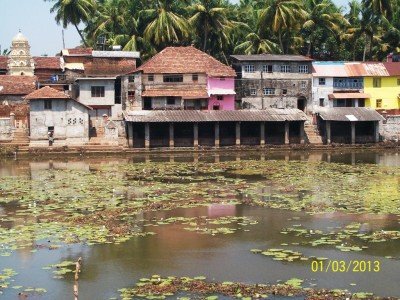
@@Historical Context:: Fort Lake, also known as Kote Kere, is a beautiful and serene water body situated right next to the historic Belagavi Fort, making it a prime recreational destination. Its historical significance is intertwined with the fort, as it acts as a wide, natural moat, enhancing the fort's defenses in earlier times. The lake has been transformed into a modern eco-retreat and family picnic spot, offering a calming escape from the urban rush. The clean and calm waters are surrounded by lush greenery and well-maintained public spaces. It has been developed by the local authorities to promote tourism and provide a space for relaxation and leisure activities for both residents and visitors. The atmosphere around the lake is particularly enchanting during the early mornings and late afternoons, offering picturesque views, especially during sunset. The development around the lake includes a floating cafeteria, walking paths, and a dedicated area for children's activities, catering to all age groups. It serves as an important ecological spot, supporting local flora and fauna. The lake is a testament to the city's effort to preserve its natural beauty alongside its rich historical monuments. Visitors appreciate the tranquility and the range of activities available here, making it one of the most frequented spots in the city's tourist circuit. This water body is crucial to the landscape of old Belagavi, forming an integral part of the larger fort complex. The surrounding pathways allow for leisurely strolls and provide vantage points for viewing the massive flag monument nearby. The total development ensures a mix of nature, history, and recreation. The lake's continued maintenance reflects its status as a valued public space, drawing crowds on weekends and holidays.
Card image cap
Ghataprabha Bird Sanctuary

@@The Avian World of Ghataprabha: The Ghataprabha Bird Sanctuary is a small yet ecologically significant protected area located along the banks of the...
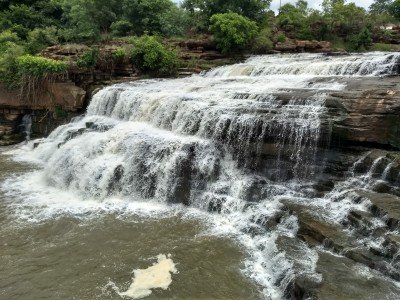
@@The Avian World of Ghataprabha: The Ghataprabha Bird Sanctuary is a small yet ecologically significant protected area located along the banks of the Ghataprabha River in Belagavi. Established in 1974, the sanctuary covers an area of roughly 29.78 sq. km and includes a 28-km stretch of the river and 22 small islands. These islands, formed by the backwaters of the Dhupdal Dam, serve as safe nesting and breeding grounds for a wide variety of indigenous and migratory birds. The sanctuary is most famous for hosting exotic migratory species such as the Demoiselle Crane and the European White Stork, which arrive from as far as Siberia and Europe during the winter months. The habitat consists of swampy areas, acacia thickets, and bamboo groves, which provide ample food and cover for the avian residents. Visitors can observe hundreds of birds, including the Little Cormorant, Median Egret, Openbill Stork, and the White Ibis. The sight of thousands of birds taking flight against the backdrop of the setting sun is a truly magical experience for nature lovers. The sanctuary is surrounded by fertile agricultural fields, which often serve as foraging grounds for the birds. Apart from birds, the river ecosystem supports various reptiles like cobras and pythons, as well as mammals like jackals and wild boars. The management of the sanctuary is closely linked with the water levels of the Dhupdal reservoir; when water levels are high, the islands become inaccessible to land predators, ensuring the safety of the nests. It is a vital stopover on the Central Asian Flyway for migratory birds. For photographers and ornithologists, the sanctuary offers unparalleled opportunities to study bird behavior in a natural setting. The peaceful environment, punctuated only by the calls of birds, makes it a soul-soothing destination for eco-tourists.
Card image cap
Godachinmalki Falls

@@The Elegance of Godachinmalki: Godachinmalki Falls, popularly known as Markandeya Falls, is one of the most scenic and unique waterfalls in the Bela...
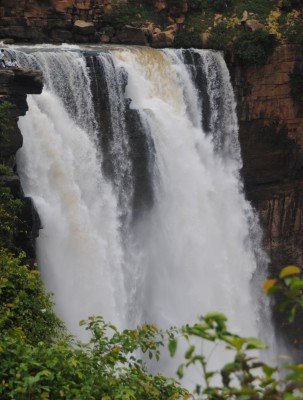
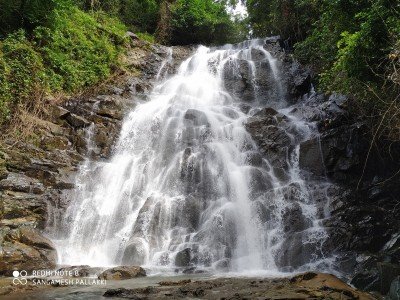
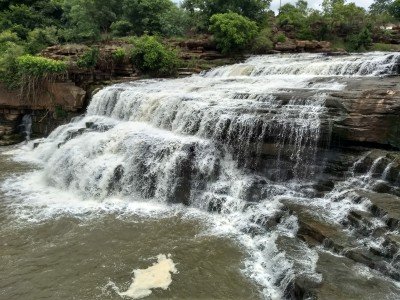
@@The Elegance of Godachinmalki: Godachinmalki Falls, popularly known as Markandeya Falls, is one of the most scenic and unique waterfalls in the Belagavi district. It is located on the Markandeya River within a deep, lush green valley near the village of Godachinamalki. Unlike many other falls that plunge in a single drop, Godachinmalki is a multi-step waterfall that creates a rhythmic and cascading effect. The river first takes a leap from a height of about 25 meters into a rocky valley. After a short, turbulent flow through the rocks, it takes a second plunge from a height of approximately 20 meters. This two-tier structure makes the falls exceptionally beautiful and provides multiple vantage points for visitors. The surrounding landscape is a rugged valley filled with dense forests, offering a stark contrast to the white, foaming water. The sound of the water crashing against the rocks echoes throughout the valley, creating an atmosphere of raw natural power. To reach the falls, visitors must navigate a slightly irregular forest route, which adds an element of mild adventure to the trip. The Markandeya River eventually joins the Ghataprabha River near Gokak, but its journey through Godachinmalki is undoubtedly its most spectacular phase. During the Monsoon months of June to September, the river swells, and the falls expand in width, covering the entire rocky ledge in a veil of mist. The area is relatively less crowded than the nearby Gokak Falls, making it a "hidden gem" for those seeking tranquility. There are also two dams located within a 6 km radius—Hidkal and Shirur—which further enrich the hydrological landscape of the area. The walk from the parking area to the falls takes you through small trails where you can observe local flora and butterflies. It is an ideal spot for trekking enthusiasts and nature photographers.
Card image cap
Gokak Falls

@@General Overview: The Gokak Falls is one of the most magnificent waterfalls in India, often compared to Niagara Falls due to its horseshoe shape. Lo...
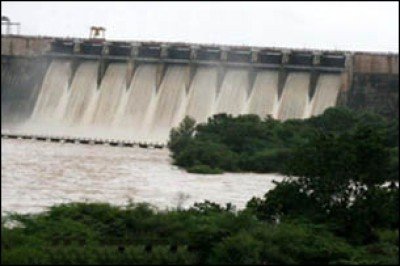
@@General Overview: The Gokak Falls is one of the most magnificent waterfalls in India, often compared to Niagara Falls due to its horseshoe shape. Located on the Ghataprabha River, the water plunges from a height of 170 feet over a sandstone cliff into a picturesque gorge. This site is not just a natural wonder but also a piece of industrial history, as it was here that electricity was generated for the first time in India back in 1887. The roaring sound of the water, especially during the monsoon season between July and September, is a sensory experience that draws thousands of tourists. The mist created by the heavy flow creates a cool micro-climate around the gorge. The area is surrounded by rugged cliffs and lush greenery, providing a stark contrast to the brownish-red water that flows during the rains. Historically, the town of Gokak has been a center of commerce and industry, significantly influenced by the British who established spinning mills here. Today, the falls serve as a primary tourist attraction in the Belagavi district. Visitors can walk across the famous hanging bridge to get a bird's-eye view of the turbulent waters below. The temple complex nearby, dedicated to Lord Mahalingeshwara, adds a spiritual dimension to the visit. The sandstone cliffs also show interesting geological features, with layers of rock visible to the naked eye. For those interested in nature photography, the golden hour provides a stunning backdrop against the white foam of the falls. The site is well-maintained with designated viewpoints and walkways. Despite its popularity, the vastness of the gorge allows for a sense of peace. It is a place where history, engineering, and nature converge seamlessly. Visitors often spend hours just watching the rhythmic fall of the river. The local eateries nearby offer authentic North Karnataka snacks, making the trip a complete cultural experience. The drive from Belagavi is scenic, passing through rural landscapes and cotton fields. Whether you are an adventure seeker or a history buff, this place has something for everyone.
Card image cap
Hidkal Dam

@@General Overview: Hidkal Dam, officially known as the Raja Lakhamagouda Dam, is a vital lifeline for the agricultural heartland of North Karnataka. ...
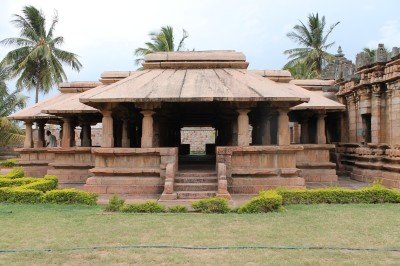
@@General Overview: Hidkal Dam, officially known as the Raja Lakhamagouda Dam, is a vital lifeline for the agricultural heartland of North Karnataka. Constructed across the Ghataprabha River, this massive reservoir is an engineering marvel that supports irrigation for thousands of hectares. The dam is situated in the Hukkeri taluk and provides a serene escape from the hustle of city life. The vast expanse of the backwaters resembles a quiet sea, reflecting the changing colors of the sky throughout the day. The dam was named after the philanthropist Raja Lakhamagouda Sardesai of Vantamuri, who contributed significantly to the region's development. It serves multiple purposes, including drinking water supply, irrigation, and power generation. The surrounding area is characterized by rolling hills and small patches of forest, making it a popular spot for weekend picnics. During the monsoon, the opening of the crest gates is a sight to behold, as massive volumes of water are released into the river bed below. The reservoir also attracts several species of migratory birds, making it a minor paradise for birdwatchers. The calm atmosphere and the cool breeze blowing off the water make it a favorite for families and couples alike. Unlike the more commercialized tourist spots, Hidkal Dam offers a more raw and tranquil experience. The road leading to the dam is lined with trees and provides a pleasant driving experience. The structure of the dam itself is an impressive example of modern masonry and gravity dam design. Visitors can walk along certain sections to appreciate the scale of the project. The water levels vary significantly between summer and winter, offering a different landscape in each season. It is a symbol of the region's progress and its reliance on the river's bounty. The sunset at the reservoir is particularly famous, with the sun dipping below the horizon and painting the water in shades of orange and gold. It is a must-visit for those who appreciate large-scale infrastructure and natural beauty.
Card image cap
Hooli Panchalingeshwara Temple

@@General Overview: Hooli is a small, quiet village that hides one of the most significant archaeological treasures of Karnataka—the Panchalingeshwa...

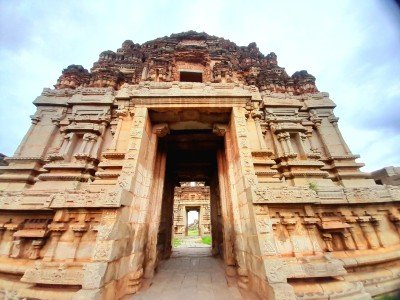
@@General Overview: Hooli is a small, quiet village that hides one of the most significant archaeological treasures of Karnataka—the Panchalingeshwara Temple. This ancient site dates back to the Chalukyan era and is a testament to the sophisticated temple architecture that flourished in the region centuries ago. The village itself was once a great center of learning, known as an Agrahara, where scholars gathered to study various sciences and arts. The Panchalingeshwara Temple is the most prominent among several ruined structures scattered across the village. As the name suggests, the temple houses five Lingas, which is a rare configuration in temple design. Built using locally available sandstone, the temple has survived the test of time, though it shows signs of weathering. The Archaeological Survey of India (ASI) protects the monument, ensuring its historical integrity remains intact. The temple is located near a hillock, and a small stream called Shivakashi flows nearby, adding to the spiritual atmosphere. The village of Hooli is often referred to as "Dakshina Kashi" due to its numerous temples and religious significance. Walking through the temple complex feels like stepping back into the 11th century. The intricate carvings on the pillars and the outer walls depict various mythological scenes and floral patterns. The silence of the village, broken only by the occasional temple bell or the sound of the wind, makes it a perfect place for meditation and historical reflection. Many of the other smaller temples in the village are in various stages of ruin, giving the entire place an aura of a "lost city." Exploring these ruins reveals the artistic heights reached by the Kalyana Chalukyas. The local community still holds the temple in high regard, and various festivals are celebrated here with great fervor. For history enthusiasts and architecture lovers, Hooli offers a deep dive into the cultural heritage of the Deccan plateau. It remains a "hidden gem" because it is off the main tourist circuit, allowing for a peaceful and undisturbed exploration.
Card image cap
Hukkeri Math

@@General Overview: The Hukkeri Math is a prominent socio-religious institution located in the town of Hukkeri, known for its long history of spiritua...
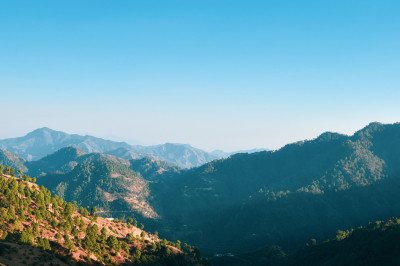
@@General Overview: The Hukkeri Math is a prominent socio-religious institution located in the town of Hukkeri, known for its long history of spiritual service and social reform. The Math belongs to the Lingayat tradition and has played a crucial role in the cultural and educational development of the Belagavi region. It was founded several centuries ago and has been led by a succession of revered Swamijis who have focused on the principles of Basavanna. The institution is not just a place of worship but a hub for community activities, including free education and mass feedings. The architecture of the Math reflects traditional North Karnataka styles, with large courtyards and beautifully carved wooden and stone structures. One of the unique features of the Hukkeri Math is its historical connection to the "fountains of Hukkeri," an ancient water system developed during the Adil Shahi period. The Math has preserved many of these cultural links, making it a point of interest for both devotees and historians. The atmosphere inside the Math is one of profound peace and discipline. Daily rituals and prayers are conducted with great devotion, and the sound of Vedic chants often fills the air. The institution has also been at the forefront of providing relief during natural calamities, earning it the respect of people across all communities. Visitors to the Math can learn about the Sharana philosophy and the history of the region through the various artifacts and records maintained here. The Math also manages several educational institutions, continuing its legacy of empowering the local population. During major festivals like Basava Jayanti and Maha Shivaratri, the Math becomes a center of intense activity, with thousands of pilgrims arriving to seek blessings. The hospitality offered by the Math is legendary, with the "Prasada" (blessed food) being served to all visitors regardless of their background. It stands as a beacon of communal harmony and spiritual wisdom in the heart of Hukkeri. The surrounding town itself has a rich history, with several other monuments and temples, but the Math remains its most influential landmark.
Card image cap
Jamboti Hills

@@General Overview: Jamboti Hills are a part of the lush Western Ghats and are located a short drive away from Belagavi. These hills are famous for be...
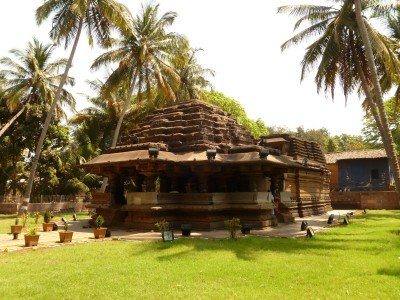
@@General Overview: Jamboti Hills are a part of the lush Western Ghats and are located a short drive away from Belagavi. These hills are famous for being the source of the Mandovi River, which is the lifeline of the state of Goa. The region is characterized by thick evergreen forests, misty peaks, and numerous seasonal waterfalls. It is a haven for nature lovers, trekkers, and those seeking a quiet retreat in the lap of nature. The climate here is significantly cooler than in the plains, with heavy rainfall during the monsoon transforming the entire landscape into a vibrant shade of green. The hills are home to a variety of flora and fauna, including rare orchids and various species of butterflies and birds. Trekking through the dense forest trails of Jamboti is a popular activity for adventure enthusiasts. The paths are often covered in mist, providing a surreal experience as you climb higher. The region is also dotted with small hamlets where the local culture has remained largely unchanged for generations. Agriculture, particularly the cultivation of paddy and spices, is the main occupation here. The Jamboti Hills offer several viewpoints that provide panoramic vistas of the surrounding valleys and the distant coastline on clear days. One of the highlights of the area is the Vajrapoha Falls, a stunning waterfall that requires a bit of a trek to reach. The hills also have historical significance, with some local legends linking the area to the times of the Mahabharata. The quietude of the hills is a refreshing change for city dwellers. The air is crisp and clean, and the only sounds you hear are the rustling of leaves and the chirping of birds. For those who enjoy long drives, the winding roads of the Jamboti Ghat provide an exhilarating experience. The area is also known for its medicinal plants, which are used by the local tribes. It is an ideal spot for camping and stargazing, away from the light pollution of the cities.
Card image cap
Kamala Basadi

@@Historical Significance:: Kamala Basadi, also known as Kamal Basti, is a highly revered 10th-century Jain Temple nestled within the formidable walls...

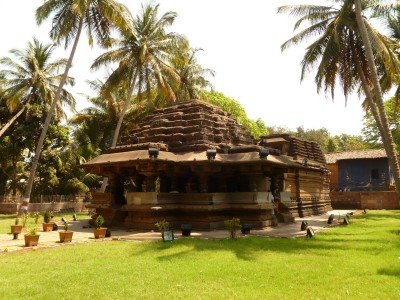
@@Historical Significance:: Kamala Basadi, also known as Kamal Basti, is a highly revered 10th-century Jain Temple nestled within the formidable walls of the Belagavi Fort. It was built in 1204 AD by Birchiraja (also called Jaya Raya), a minister in the court of the Ratta rulers, making it a significant relic of the dynasty's patronage of Jainism. The temple is dedicated to Lord Neminatha, the 22nd Jain Tirthankara. Its construction is a testament to the rich cultural and religious pluralism that characterized the region's history, as it exists in harmony with a mosque (Safa Masjid) and Hindu shrines inside the fort complex. It is believed that the temple was renovated by the Archaeology Department in 1996. The temple's name, 'Kamala' (Lotus), is derived from its unique architectural feature—an intricate lotus carving on the ceiling of the main hall. Its historical importance is further documented by stone tablets providing details of its origins. This temple is considered one of the finest examples of Jain architecture in the region, attracting both devotees and architecture enthusiasts. It serves as a living legacy of the ancient Jain community in Belagavi and is protected as a monument of national importance. The temple houses multiple idols, including those of Lord Sumatinath and Lord Adinath. It is a must-visit for anyone interested in the confluence of history and spirituality. The tranquil atmosphere inside the temple provides a peaceful retreat from the outside world. The temple’s continued spiritual use and historical preservation make it a vital landmark. The original structure suffered some damage over the centuries, but the remaining parts showcase exceptional craftsmanship. The nearby ruins of the Chikki Basadi suggest a larger religious complex once existed.
Card image cap
Kapileshwara Temple

@@Ancient Heritage:: Kapileshwara Temple is regarded as one of the oldest temples in Belagavi, deeply rooted in the city's spiritual landscape and his...
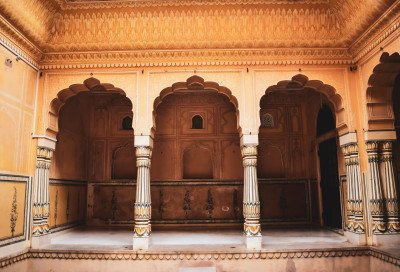
@@Ancient Heritage:: Kapileshwara Temple is regarded as one of the oldest temples in Belagavi, deeply rooted in the city's spiritual landscape and history, dedicated to Lord Shiva. It holds immense religious significance, earning it the revered title of "Dakshina Kashi" (Kashi of the South). This name suggests that a pilgrimage to this temple is considered equivalent to visiting the holy city of Varanasi (Kashi). The temple is central to local Hindu religious practice and is believed to complete the journey of the 12 Jyotirlingas for devotees who cannot visit all of them. The principal deity is a Shivalinga that is believed to be Swayambhu (self-manifested or self-incarnated), adding to the temple's sanctity and ancient aura. @@Religious Complex:: The main temple is not the only structure; the premises also house smaller shrines dedicated to other Hindu deities, including Lord Ganesh, Hanuman, Datta, and Saibaba, along with a specialized Navagraha Mandir. This complex setup caters to various devotional needs. The temple compound is also home to large, ancient trees like Banyan, Peepal, and Ficus, which are themselves considered sacred, providing a peaceful, shaded environment for devotees. @@Cultural Center:: Beyond daily worship, the temple acts as a vital cultural center, especially during major festivals like Mahashivaratri and the holy Shravan month, when it draws massive crowds of pilgrims and tourists. The temple's rich history and spiritual importance have ensured its continuous prominence in Belagavi. The intricate mythological stories depicted through its carvings and paintings also contribute to its cultural value. The continuous stream of devotees, especially on Mondays, reflects its deep-seated importance in the lives of the local population. It is a place where faith, architecture, and nature converge.
Card image cap
Kittur Fort & Palace

@@Historical Overview: Kittur Fort stands as a monumental symbol of Indian resistance against British colonial rule, primarily associated with the leg...

@@Historical Overview: Kittur Fort stands as a monumental symbol of Indian resistance against British colonial rule, primarily associated with the legendary Rani Chennamma. Built between 1650 and 1681 by Allappa Gowda Sardesai, the fort served as the administrative hub for the Desai dynasty. It gained global historical significance in 1824 when the Queen led an armed rebellion against the East India Company. Today, the ruins whisper stories of valor, featuring a palace, watchtowers, and a museum that houses weapons, jewelry, and inscriptions. Walking through the site allows visitors to trace the footsteps of warriors who fought for freedom long before the 1857 mutiny. The site is a protected monument under the Archaeological Survey of India, preserving the cultural identity of North Karnataka. It is not just a pile of stones but a sanctuary of patriotism that inspires millions. The vast layout includes the remains of a guest house, a kitchen, and a prayer hall, showcasing the lifestyle of the rulers. The museum on-site is a treasure trove of artifacts that provide a deep dive into the 19th-century military and social life of the region. Visitors often spend hours marveling at the strength of the basalt walls that once defied the British cannons. The surrounding landscape adds a serene touch to the somber history of the fort.:
Card image cap
Konkan Railway Viaduct Viewpoint

@@Overview: The Konkan Railway Viaduct Viewpoint near the Belagavi-Goa border is a breathtaking spot that offers a panoramic view of one of India's mo...

@@Overview: The Konkan Railway Viaduct Viewpoint near the Belagavi-Goa border is a breathtaking spot that offers a panoramic view of one of India's most challenging engineering feats. This section of the railway passes through the dense forests of the Western Ghats, featuring towering bridges and deep tunnels. The viaducts here are designed to withstand heavy monsoon rains and rugged terrain, creating a striking contrast between man-made structures and raw nature. Travelers often stop at specific vantage points along the highway to witness trains emerging from tunnels and crossing the high bridges. The misty mountains, cascading seasonal waterfalls, and the rhythmic sound of the train make it a sensory delight. It is a favorite among rail enthusiasts and nature photographers who wait for hours to capture the perfect shot of the "Goa Express" or other local trains crossing the valley. The area is part of the Braganza Ghats, known for its steep gradients and lush biodiversity. During the monsoons, the entire valley turns into a vibrant shade of green, with clouds floating below the level of the tracks. The viaducts are a testament to the vision of E. Sreedharan and his team who conquered this difficult landscape. Visiting this spot provides a sense of peace away from the urban chaos, offering nothing but the sounds of the forest and the distant whistle of a locomotive. It is a place that celebrates the harmony of technology and ecology.:
Card image cap
Military Mahadeva Temple

@@Establishment and Control:: The Military Mahadeva Temple is a uniquely managed Hindu shrine in Belagavi, dedicated to Lord Shiva. It was officially ...

@@Establishment and Control:: The Military Mahadeva Temple is a uniquely managed Hindu shrine in Belagavi, dedicated to Lord Shiva. It was officially inaugurated in 1955 by Lieutenant General S.M. Shrinagesh, General Officer, and Commander-in-Chief Southern Command. The temple is situated within the Belagavi Cantonment area and is meticulously built and maintained by the Indian Army, specifically the Maratha Light Infantry Regimental Centre (MLIRC), lending it a distinct sense of discipline and patriotism. This military patronage makes it a spiritual hub for defense personnel and their families, as well as the civilian populace. @@Temple Environment:: The temple is set in the midst of a lush green, well-landscaped garden and park area, providing a calm and peaceful atmosphere that contrasts with the typical hustle of a city temple. This environment, maintained with military precision, is a major draw for visitors seeking tranquility. The complex also features amenities like benches for sitting, a small eatery for refreshments, and a dedicated play area/mini-park for children. @@Spiritual Practice:: The main deity is the Shivalinga. A special weekly religious ritual called Samuhik Panchamrit (collective offering of the Panchamrit—made of milk, honey, yogurt, ghee, and sugar) is traditionally practiced here every Monday. The temple is a central venue for celebrating major Hindu festivals, most notably Mahashivaratri, which attracts both army personnel and civilians. The blend of military discipline and spiritual devotion creates a unique visitor experience. It has undergone several renovations since its establishment, including changes to the dome, to maintain its pristine condition. The temple is revered for its historical connection to the armed forces.
Card image cap
National Flag Monument

@@Patriotic Significance:: The National Flag Monument in Belagavi, locally known as Karnatakada Kottalige (Karnataka’s Fort), is one of India’s mo...

@@Patriotic Significance:: The National Flag Monument in Belagavi, locally known as Karnatakada Kottalige (Karnataka’s Fort), is one of India’s most significant and tallest flag installations, standing at a height of 110 meters (361 feet). It is an overwhelming symbol of national pride and patriotism, prominently displaying the Indian National Flag (Tricolor) high above the city, visible from a considerable distance. This monument was a collaborative effort, aimed at instilling patriotic fervor and marking the city as a significant site on the national map. @@Landmark Status:: Since its installation, it has become one of the most visible and recognizable landmarks in Belagavi, particularly due to its location next to the historic Belagavi Fort and the scenic Fort Lake (Kote Kere). The sheer scale of the flagpole and the flag itself makes a profound statement. It is a modern addition to the city's historical landscape, creating a striking visual juxtaposition between the ancient fort walls and this modern, sky-piercing symbol. @@Community Center:: The monument area acts as a gathering point for local citizens, especially during national holidays, where the spectacle of the massive Tricolor fluttering in the wind evokes strong emotional responses. It serves as an open public space, complete with lighting and pathways, inviting quiet contemplation and large-scale public events. Its establishment has also contributed to the overall development and beautification of the entire fort-lake precinct. The maintenance of the monument is a source of local pride.
Card image cap
Navilutirtha

@@Overview: Navilutirtha is a stunning gorge located between two hills through which the Malaprabha river flows. The name "Navilutirtha" literally tra...
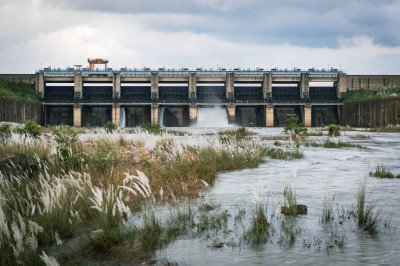
@@Overview: Navilutirtha is a stunning gorge located between two hills through which the Malaprabha river flows. The name "Navilutirtha" literally translates to "Pilgrimage of Peacocks," as the area was once teeming with these beautiful birds. In 1974, the Malaprabha Dam (also known as Renuka Sagara) was constructed here to provide irrigation and drinking water to the dry regions of North Karnataka. The dam is unique because it is one of the shortest in the state in terms of length but holds a massive reservoir of water. The site is a popular picnic spot for locals due to its serene environment and the dramatic landscape of the river cutting through the hills. Visitors can enjoy the view of the vast blue water spread across the reservoir, framed by rugged rocky outcrops. The area around the dam is well-maintained with gardens and viewpoints that offer a bird's eye view of the spillway. It is a place where nature's tranquility meets human engineering, providing a much-needed escape from city life. The sunrise and sunset at the dam are particularly famous for the reflection of the orange sky on the calm water surface. It is also a site of spiritual importance as it lies near the famous Savadatti Yellamma Temple, making it a common stop for pilgrims. Whether you are looking for a quiet afternoon or a scenic drive, Navilutirtha offers a refreshing experience in the heart of the district.:
Card image cap
Raibag

@@Overview: Raibag, often spelled Raybag, is a town with a rich historical tapestry, primarily known for its magnificent Rajwada (Palace). The palace ...

@@Overview: Raibag, often spelled Raybag, is a town with a rich historical tapestry, primarily known for its magnificent Rajwada (Palace). The palace was the seat of the local rulers who held significant power during the Adil Shahi and later Maratha periods. The architecture of the Rajwada is a splendid example of regional heritage, featuring massive wooden doors, stone-carved balconies, and traditional courtyards. The town itself has an ancient vibe, with narrow lanes that lead to various historical structures and temples. The Raybag Rajwada serves as a focal point for the local community, representing the pride of the Despande and Patwardhan families who governed the region. While parts of the palace are still private or in various states of preservation, the external facade and the accessible courtyards offer a glimpse into the opulent past. The town is also famous for its agricultural productivity, particularly sugarcane, but its heart lies in its history. Visitors to Raibag can explore the local markets that have remained unchanged for decades, offering traditional textiles and snacks. The palace complex often hosts local gatherings, keeping the royal traditions alive. It is a place for those who love offbeat heritage sites where the history isn't just in books but in the very walls of the buildings. The intricate woodwork inside the palace is particularly noteworthy, showcasing the skill of the artisans of that era. A visit to Raibag is like stepping back in time, providing a quiet, reflective atmosphere away from the more crowded tourist spots of the district.:
Card image cap
Rakaskop Dam/Reservoir

@@Overview: Rakaskop is a picturesque village located on the banks of the Markandeya river, just a short drive from the city. The place gets its uniqu...
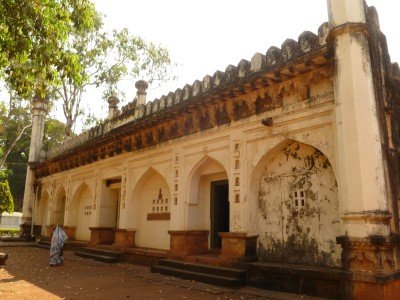
@@Overview: Rakaskop is a picturesque village located on the banks of the Markandeya river, just a short drive from the city. The place gets its unique name from a local legend about a "Rakkasa" (Giant) who is said to have lived on a hillock near the village. The primary attraction here is the Rakaskop Dam, which was built to harness the river's water and supply it as the main source of drinking water for the city of Belagavi. The reservoir created by the dam is a vast, serene body of water surrounded by lush green hills and fertile farmland. It has become a favorite weekend getaway for city dwellers looking for a quick nature retreat. The atmosphere is quiet, with the only sounds being the chirping of birds and the gentle lapping of water against the dam walls. The area is particularly beautiful during and after the monsoon when the river is in full flow and the surrounding vegetation is at its most vibrant. Visitors can walk along the dam wall, enjoy the views of the water, and explore the nearby hillock which features a cave said to be the home of the giant. The site is not overly commercialized, offering a raw and authentic nature experience. It is a great place for soul-seeking individuals or families who want to spend quality time together without the distractions of a busy tourist spot. The sunset over the reservoir is a sight to behold, painting the water in hues of gold and crimson.:
Card image cap
Safa Masjid

@@Historical Background:: The Safa Masjid is an ancient and historically significant mosque located inside the premises of the Belagavi Fort. Its cons...

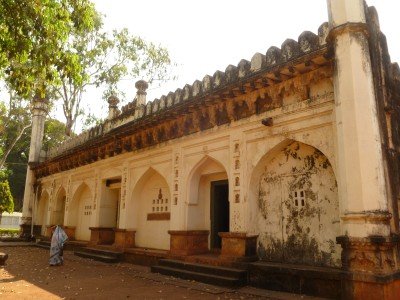
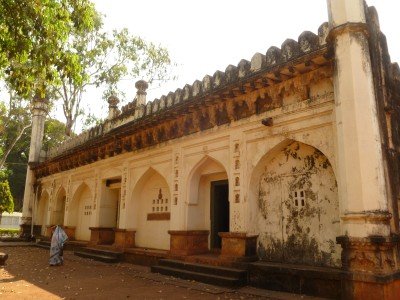
@@Historical Background:: The Safa Masjid is an ancient and historically significant mosque located inside the premises of the Belagavi Fort. Its construction is generally attributed to Asad Khan Lari and was completed in 1519 AD during the period of the Bijapur Sultanate or possibly Sultan Ali Adilshah I. The mosque is a vital component of the fort's diverse religious complex, standing alongside Kamala Basadi (Jain Temple) and Hindu shrines, symbolizing the intermingling of cultures and religious tolerance during the medieval period. It is one of two mosques within the fort, the other being Jamia Masjid. Of the two, Safa Masjid is noted for its beautiful architecture and exquisite inscriptions, drawing more visitors. @@Architectural Importance:: The structure showcases an important fusion of architectural styles. Its pillars are famous for intricate inscriptions that blend Nagari (an Indian script style) and Persian scripts, reflecting the cultural synthesis of the ruling era. Although simple in form compared to the elaborate temples, its historical value and the serene atmosphere it offers are immense. The mosque's history is linked to the fort's transformation from a Ratta stronghold to a key defense point under the Bijapur rulers. The site is a protected monument, maintained to preserve its unique architectural and historical features. It provides a peaceful setting for reflection and historical study. The intricate designs found on its components speak volumes about the craftsmanship of the early 16th century.
Card image cap
Shree Renuka Yellamma Temple

@@Sub Place Details: The Shree Renuka Yellamma Temple is a highly revered pilgrimage site located on the scenic Siddhachal Parvat hill. This ancient t...

@@Sub Place Details: The Shree Renuka Yellamma Temple is a highly revered pilgrimage site located on the scenic Siddhachal Parvat hill. This ancient temple is dedicated to Goddess Renuka, the wife of Sage Jamadagni and mother of Lord Parshurama. It serves as a major spiritual hub for millions of devotees from Karnataka, Maharashtra, and Andhra Pradesh. The temple is steeped in Puranic legends, particularly the story of Renuka's devotion and her eventual transformation into the deity Yellamma. Visitors are often moved by the deep spiritual energy that permeates the hilltop. The surroundings offer a panoramic view of the Malaprabha River and the lush plains of the Saundatti region. The temple complex is expansive, housing several smaller shrines and sacred water tanks that are integral to the ritualistic bathing practices of the pilgrims. As a prominent Shakti Peetha, it represents the divine feminine power and attracts a diverse crowd ranging from ascetic followers to families seeking blessings. The history of the site dates back centuries, with various dynasties contributing to its growth and maintenance over time. Today, it stands as a testament to the enduring religious traditions of South India. The atmosphere during peak festival seasons is electric, filled with chants, bells, and the fragrance of incense. Whether you are a spiritual seeker or a history buff, the temple provides a profound cultural experience that captures the essence of rural Indian devotion. :
Card image cap
Shri Hari Mandir

@@Ancient Veneration:: The Shri Hari Mandir, located in the quiet locality of Tilakwadi in Belagavi, is a prominent and revered Hindu Temple dedicated...
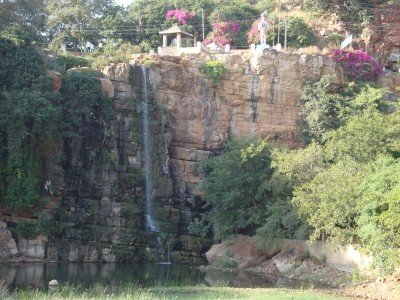
@@Ancient Veneration:: The Shri Hari Mandir, located in the quiet locality of Tilakwadi in Belagavi, is a prominent and revered Hindu Temple dedicated to Lord Vishnu, the preserver of the universe in the Hindu trinity. Believed to be over 150 years old, it stands as one of the oldest and most significant temples in the Belagavi district. It is an active place of worship, deeply cherished by the local Vaishnavite community and pilgrims alike. The temple's long history and the continuous devotion shown by its followers contribute to a powerful and serene spiritual ambiance, making it a sacred space for all visitors. @@Architectural Beauty:: The temple is noted for its beautiful and stunning architecture, which adheres to the traditional Dravidian style, a characteristic of South Indian temples known for its intricate detailing and grandeur. The temple's exterior is adorned with vibrant paintings and detailed sculptures depicting various episodes from Hindu mythological stories and traditional motifs, showcasing the region's rich artistic heritage. @@Spiritual Retreat:: The environment of the Shri Hari Mandir is characterized by its serene atmosphere and lush greenery, providing an ideal setting for quiet contemplation, prayer, and meditation. Devotees visit the temple to offer prayers to Lord Vishnu and seek his blessings for protection, prosperity, and spiritual awakening. The regular sounds of chanting and the aroma of incense add to the temple’s calming effect. It is not just a tourist attraction but a living center of faith. The temple also organizes various religious festivals and cultural events throughout the year, allowing visitors a deeper connection to Hindu traditions.
Card image cap
Sogal Kshethra

@@Sub Place Details: Sogal Kshethra is a picturesque and tranquil destination known for its blend of ancient architecture and natural beauty. This sit...

@@Sub Place Details: Sogal Kshethra is a picturesque and tranquil destination known for its blend of ancient architecture and natural beauty. This site is famous for the Someshwara Temple, which is dedicated to Lord Shiva. According to local lore, the area was the hermitage of the sage Sugol Muni, after whom the place is named. The highlight of Sogal is its perennial waterfall, which cascades down from a height of about 60 feet over a series of stone ledges. The temple is nestled against a steep hill, and the sound of falling water provides a constant, soothing backdrop for meditation and prayer. The site is not just a religious center but also a popular picnic spot for locals. The lush greenery surrounding the temple complex becomes particularly vibrant during the monsoon season, making it a haven for nature lovers. Historically, the region was under the influence of the Rashtrakuta and Kadamba dynasties, and the ruins of ancient structures can still be seen in the vicinity. The temple complex also features a unique Kalyana Mantapa, where it is believed that Shiva and Parvati once resided. Visitors often spend hours exploring the various small shrines scattered across the hillside, each with its own story. The water from the falls is considered sacred and is used for the temple's daily rituals. Sogal offers a refreshing escape from the hustle of city life, providing a perfect mix of spiritual rejuvenation and natural splendor. The trek up the hill to the ruins of the Kadamba Narayana Fort offers a bit of adventure for those willing to explore further. It is a place where history, faith, and nature coexist in perfect harmony. :
Card image cap
St. Mary's Church

@@Historical and Religious Significance:: St. Mary's Church, located in the quiet Cantonment Area (Camp) of Belagavi, is one of the oldest and most be...

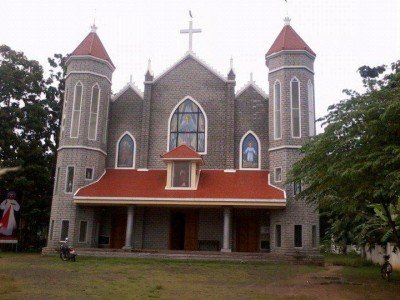
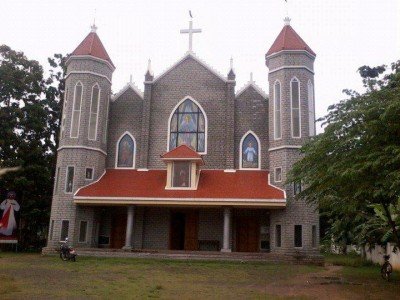
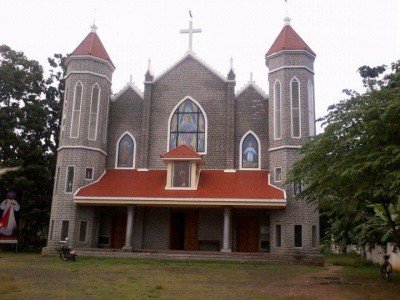
@@Historical and Religious Significance:: St. Mary's Church, located in the quiet Cantonment Area (Camp) of Belagavi, is one of the oldest and most beautiful Christian places of worship in the city, with a history dating back to its consecration in 1869. It stands as a significant testament to the city's colonial past and its enduring religious diversity. The church was built to serve the British military personnel and their families stationed in the Belagavi Cantonment. Its history is intertwined with the defense services, and it remains an active parish, serving the local Christian community with regular services and prayers. @@Architectural Identity:: The church is renowned for its stunning example of Gothic architecture, a style rarely seen with such purity in the region. The use of locally sourced materials is a notable feature; the structure is primarily constructed from Gokak pink stones combined with strong Dandeli teak wood for the interior fittings and mortar. The design features high arches, vaulted ceilings, and large, beautiful stained-glass windows that depict biblical scenes. This unique material palette and architectural style contribute significantly to its historical and visual appeal. @@Atmosphere and Appeal:: It is a sanctuary of peace and reflection, known for its calm and spiritual atmosphere. Visitors, regardless of their faith, are drawn to its architectural beauty and the sense of tranquility it provides. It is a must-visit for history enthusiasts, architecture lovers, and those seeking a quiet moment. The church's setting in the disciplined and green Cantonment area further enhances its serene environment.
Card image cap
Suvarna Vidhana Soudha

@@State's Political Symbol:: The Suvarna Vidhana Soudha in Belagavi is a modern and monumental legislative building of the state of Karnataka. It is t...
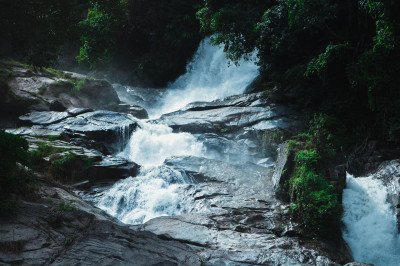
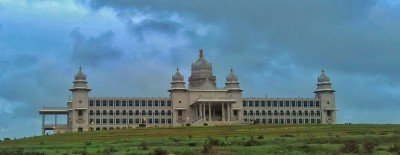
@@State's Political Symbol:: The Suvarna Vidhana Soudha in Belagavi is a modern and monumental legislative building of the state of Karnataka. It is the state’s second legislative house, built to serve as a venue for the annual Winter Session of the Karnataka Legislature, bringing the center of state politics to North Karnataka for a short period each year. Its construction was a symbol of the government's commitment to the development of North Karnataka and to resolving the long-standing border issues with the neighboring state. The name "Suvarna" (Golden) signifies its importance and grandeur. @@Architectural Marvel:: The structure is designed to be a miniature or replica of the famous Vidhana Soudha in Bengaluru, the state's capital. It is a grand building that blends traditional Dravidian and modern architecture, featuring large domes, colossal pillars, and intricate carving work. The massive scale and stunning design make it a modern architectural marvel, standing majestically on the outskirts of Belagavi. @@Usage and Access:: The building is primarily used for the legislative sessions, official meetings, and government functions. Consequently, public access to the interior is highly restricted. The main draw for tourists is to admire its massive and stunning exterior architecture, especially when it is beautifully illuminated at night. It is a source of great civic and political pride for the people of Belagavi and North Karnataka. Its strategic location on the national highway makes it visible and accessible.
Card image cap
Vajrapoha Falls

@@Sub Place Details: Vajrapoha Falls is one of the most spectacular yet least explored waterfalls in the Western Ghats of Karnataka. Formed by the Man...

@@Sub Place Details: Vajrapoha Falls is one of the most spectacular yet least explored waterfalls in the Western Ghats of Karnataka. Formed by the Mandovi River (also known as the Mahadayi), the waterfall drops from a staggering height of approximately 200 meters (660 feet) into a deep, forested gorge. The falls are located within the Bhimgad Wildlife Sanctuary, making the journey an adventure in itself. Unlike more commercialized waterfalls, Vajrapoha requires a trek through dense forests, which keeps it pristine and secluded. The name "Vajrapoha" translates to "Diamond Drop," referring to the way the water sparkles like diamonds as it catches the sunlight during its long descent. The area is a biodiversity hotspot, home to rare flora and fauna, including the Wroughton's Freetailed Bat. Reaching the viewing point involves a trek of about 4 to 5 kilometers through undulating terrain and river crossings, which is why it is favored by serious trekkers and nature enthusiasts. The sheer scale of the falls is best appreciated from a distance on the opposite hill, where the entire vertical drop is visible against the backdrop of dark green cliffs. During the monsoon, the roar of the water can be heard from miles away, and the mist created by the fall often blankets the surrounding valley. It is a place of raw, untouched beauty that offers a true wilderness experience. Because it is located in a protected area, the ecosystem remains undisturbed, providing a sanctuary for those looking to disconnect from the modern world. However, visiting requires careful planning and often permission from the forest department, ensuring that the impact on the environment is minimized. It is a must-visit for anyone seeking a "hidden gem" in the heart of nature. :
Card image cap
Yellur Fort

@@Sub Place Details: Yellur Fort, historically known as Rajhunsgad, is a formidable hilltop fortress that stands as a silent guardian over the city of...

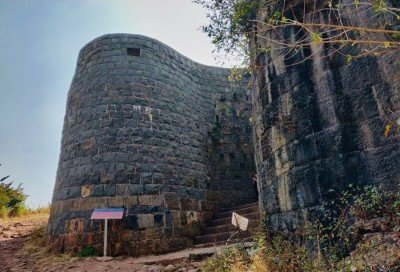
@@Sub Place Details: Yellur Fort, historically known as Rajhunsgad, is a formidable hilltop fortress that stands as a silent guardian over the city of Belagavi. Perched at an altitude of about 2,500 feet, the fort was built in the 12th century by Beechiraja of the Ratta Dynasty. Over the centuries, it has been a strategic prize, changing hands between the Yadavas, Hoysalas, Bahamanis, Adilshahis, and the Marathas. The fort served primarily as a watchtower and a defensive outpost for the main Belgaum Fort. Its location provides an unparalleled 360-degree view of the surrounding countryside, including the distant city lights of Belagavi and the rolling hills of the Western Ghats. The fort is relatively small but extremely well-preserved, with massive stone walls and bastions that reflect the military engineering of the medieval era. Inside the fort, there is a serene temple dedicated to Lord Shiva, which continues to be a site of worship for the villagers of Yellur and Sulga. The climb to the fort, whether by vehicle or on foot, is scenic, passing through lush fields and steep winding roads. In recent years, it has become a popular destination for "sundowner" trips, where visitors come to witness the sunset from the ramparts. The atmosphere at the fort is peaceful, offering a sharp contrast to the busy city below. The historical significance of the fort, combined with its accessibility, makes it one of the most visited spots in the district. It represents the martial heritage of the region and provides a sense of the strategic importance Belagavi held in South Indian history. :
Show All

Note:-

Information provided here in good Faith and for reference only.

All information and pictures will be updated soon, please keep visiting.

Near Places
...
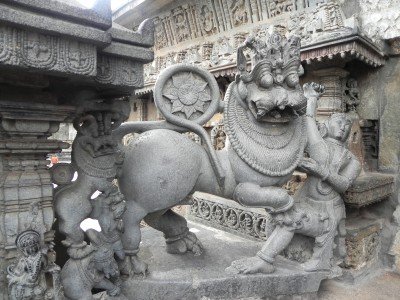
Badami

Some quick example text to build on the card title and make up the bulk of the card's content.

Go somewhere
...
Bandipur National Park

Some quick example text to build on the card title and make up the bulk of the card's content.

Go somewhere
...
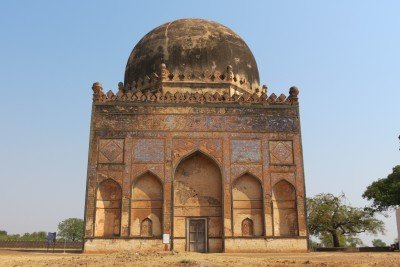
Belagavi

Some quick example text to build on the card title and make up the bulk of the card's content.

Go somewhere
...
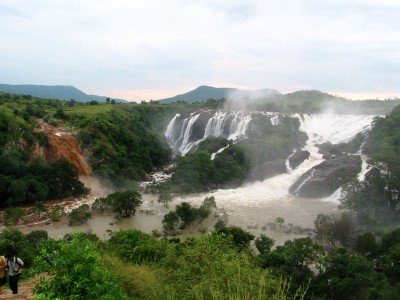
Belur, Karnataka

Some quick example text to build on the card title and make up the bulk of the card's content.

Go somewhere
...
Belur

Some quick example text to build on the card title and make up the bulk of the card's content.

Go somewhere
...
Bengaluru

Some quick example text to build on the card title and make up the bulk of the card's content.

Go somewhere
...
Bidar

Some quick example text to build on the card title and make up the bulk of the card's content.

Go somewhere
...
Bijapur

Some quick example text to build on the card title and make up the bulk of the card's content.

Go somewhere
...
Chamarajanagar

Some quick example text to build on the card title and make up the bulk of the card's content.

Go somewhere
...
Chikkaballapur

Some quick example text to build on the card title and make up the bulk of the card's content.

Go somewhere
in Other Cities