
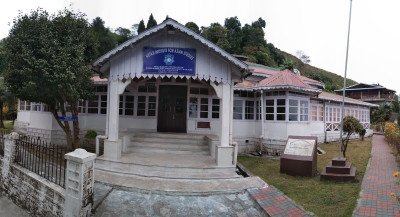
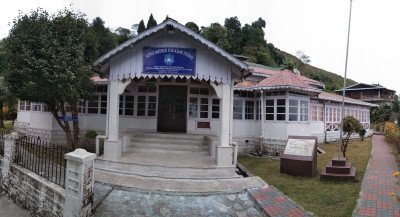
Foods And Drinks In Kurseong
● Momos
Category: Street Food
Details: Steamed dumplings filled with minced meat or vegetables, seasoned with aromatic spices like ginger, garlic, and cilantro. These dough parcels are a staple in the hills, usually served with a fiery red chili chutney and sometimes a clear, steaming bowl of vegetable soup. They are beloved by locals and tourists alike for their comforting warmth, perfect for the misty Kurseong weather, offering a bite-sized burst of Himalayan flavors that define the street food culture of the region completely.
Where It's Found: Momos are found everywhere in Kurseong, but the most famous spots include the stalls near the Kurseong Railway Station and popular local eateries like the 'Ambotia' area stalls and 'Downhill' road vendors, where freshly steamed batches are served hot throughout the day.
Price: 80
● Thukpa
Category: Street Food
Details: A hearty Tibetan-style noodle soup that serves as a complete meal in the chilly climate of the mountains. It features hand-pulled noodles, assorted fresh seasonal vegetables, and choice of meat such as chicken or pork, all simmered in a rich, flavorful broth infused with spices. It is garnished with fresh spring onions and coriander, providing a nourishing experience that is both satisfying and warming, making it an essential culinary delight for anyone visiting this scenic town in the Himalayas
Where It's Found: This soul-warming dish is widely available across Kurseong; you can find authentic versions at the small street-side shops near the Motor Stand and in established restaurants like 'The Golden Ambootia' and various cafes along the Hill Cart Road that specialize in Tibetan cuisine.
Price: 120
● Aloo Dum
Category: Street Food
Details: A spicy and tangy potato curry that is a signature street snack in the Darjeeling hills. Boiled baby potatoes are tossed in a rich gravy made from local spices, including dried red chilies, cumin, and a secret mix of mountain masalas. It is often served in small bowls or plates, garnished with bhujia, chopped onions, and fresh coriander, delivering an explosion of flavors that perfectly complements the cool, crisp mountain air, making it a must-try for all street food enthusiasts.
Where It's Found: The best Aloo Dum can be found at the bustling roadside stalls near the Kurseong Post Office area and the local market stands, where vendors serve them fresh and piping hot to locals and tourists visiting the vibrant town center of Kurseong daily.
Price: 50
● Phagshapa
Category: Street Food
Details: A traditional pork dish where strips of pork fat are cooked with radishes and dried chilies. This dish is rich in flavor and texture, embodying the rustic essence of Himalayan cooking. It is a slow-cooked preparation where the radish absorbs the savory juices of the pork fat, creating a unique, spicy, and deeply comforting profile. It is a beloved local delicacy, often eaten as a main snack or light meal, reflecting the culinary heritage that has been preserved by the local communities for gener
Where It's Found: You can find this authentic pork dish in small, traditional local kitchens tucked away near the St. Mary’s Hill area and in select family-run eateries near the Kurseong town market, which are known for serving authentic, homestyle Himalayan comfort food to visitors.
Price: 150
● Sha-Phaley
Category: Street Food
Details: Sha-Phaley consists of seasoned meat and vegetables encased in dough, which is then deep-fried until golden and crispy. The result is a perfect contrast between the crunchy exterior and the juicy, savory filling inside. Served hot with a side of pungent radish-chili dip, this dish is a popular snack that provides energy and satisfaction. It is a classic example of Tibetan-influenced cuisine in the region, prized for its simple yet robust flavor profile that appeals to every palate in the hills.
Where It's Found: This crispy treat is popularly sold at the street stalls located near the Kurseong Railway Station and by small food vendors operating along the main bazaar area, where it is freshly fried in front of customers to ensure maximum crunchiness and flavor.
Price: 90
● Laphing
Category: Street Food
Details: Laphing is a cold, spicy mung bean noodle dish that has gained immense popularity in the Himalayan towns. The translucent noodles are seasoned with a mixture of soy sauce, chili paste, vinegar, and garlic, creating a vibrant, tangy, and spicy experience. It is a light yet intense snack that is visually appealing and offers a refreshing change from the typical hot foods served in the hills. The combination of textures and the bold spice levels make it a favorite among the younger generation in Ku
Where It's Found: Vendors specializing in this snack can be found in the busy corridors of the Kurseong market and near the local schools, where students frequent the stalls to grab a quick, flavorful bite during their lunch breaks or after school hours every day.
Price: 60
● Sel-Roti
Category: Street Food
Details: A traditional ring-shaped, sweet rice bread that is crispy on the outside and soft on the inside. Made from fermented rice flour batter, it is deep-fried in oil until golden brown. This dish is traditionally prepared during festivals and special occasions, but it is also available as a street snack. It pairs perfectly with a cup of hot black tea or meat curry, offering a unique texture and a subtly sweet taste that is deeply ingrained in the culture of the Darjeeling and Kurseong hills.
Where It's Found: You will find fresh Sel-Roti being prepared in the morning by street vendors near the Kurseong Motor Stand and in local bakeries located in the heart of the town, where they are a common breakfast item enjoyed by commuters and locals alike.
Price: 30
● Choila
Category: Street Food
Details: Choila is a popular spiced meat dish, usually made with grilled chicken or buff, marinated in a mix of cumin, ginger, garlic, and hot chilies. The meat is fire-grilled to impart a smoky flavor, then mixed with spices and mustard oil to create a fiery, aromatic, and delicious appetizer. It is a staple at gatherings and local celebrations, loved for its bold, pungent taste that warms the body. It is often served with flattened rice, making for a substantial and savory street-side experience.
Where It's Found: This savory meat dish is a highlight at local food counters near the Kurseong Gidda Pahar area and in the small, cozy eateries scattered around the main town market, which are frequented by locals looking for a flavorful and authentic meat-based snack.
Price: 130
● Kachori
Category: Street Food
Details: A deep-fried snack made from a flour dough filled with a spicy mixture of lentils or peas. The outer layer is flaky and crisp, while the filling is savory and aromatic. Served hot with a spicy chickpea curry or a tangy tamarind chutney, it is a very common breakfast or evening snack in the town. The combination of the hot, crunchy pastry and the flavorful dips makes it a satisfying and affordable treat that is deeply embedded in the daily life of Kurseong residents.
Where It's Found: Found at many breakfast joints along the main Hill Cart Road, these are a staple at local sweet shops and snack counters in the Kurseong bazaar, where they are prepared fresh in large batches every morning to cater to the early risers and workers.
Price: 40
● Singara
Category: Street Food
Details: A local variant of the samosa, the Singara in the hills is often filled with a spiced mixture of potatoes, cauliflower, and peanuts. It is fried to a perfect golden brown, resulting in a crispy crust and a soft, flavorful filling. It is the quintessential tea-time snack, best enjoyed with a hot cup of Darjeeling tea while overlooking the misty mountain slopes. Its popularity remains unmatched as a quick, portable, and delicious snack that is readily available at any corner shop in the town cente
Where It's Found: These iconic snacks are available at almost every tea stall in Kurseong, particularly near the railway station, the main market area, and the various bus stops, where they are constantly being fried throughout the day to satisfy the hungry crowds of travelers.
Price: 20
● Gundruk
Category: Local Delicacies
Details: Gundruk is a fermented leafy green vegetable dish that is highly nutritious and a fundamental part of the local diet. Leaves of mustard, radish, or cauliflower are fermented and dried, creating a pungent, acidic flavor that is unique to the Himalayan region. It is typically prepared as a soup with onions, tomatoes, and chilies, serving as a comfort food that provides essential vitamins during the colder months. It is revered for its traditional taste and its ability to act as an appetizer in man
Where It's Found: You can taste authentic Gundruk soup at traditional home-style restaurants like 'Que Sera Sera' or smaller family-run kitchens located around the Makaibari Tea Estate area, which pride themselves on serving authentic, traditional food using local, farm-fresh ingredients for all visitors.
Price: 100
● Ningro
Category: Local Delicacies
Details: Ningro, or fiddlehead ferns, is a seasonal delicacy harvested from the wild forests around Kurseong. These tender, curled fern fronds are stir-fried with garlic, chilies, and sometimes cooked with cheese or dried meat to create a dish that is earthy, crunchy, and packed with nutrients. It is a highly sought-after seasonal treat that highlights the richness of the local biodiversity. The preparation is simple yet sophisticated, allowing the natural, slightly nutty flavor of the ferns to shine thr
Where It's Found: This seasonal delight is served in specialized local restaurants in the Kurseong Gidda Pahar region and occasionally as a special dish in premium cafes in the town during the monsoon season, where locals and foodies eagerly wait to enjoy this unique green vegetable.
Price: 180
● Sinki
Category: Local Delicacies
Details: Sinki is similar to Gundruk but is made specifically from radish taproots. The roots are buried in a pit and left to ferment for several weeks, resulting in a distinctively sour and savory flavor. Sinki is often used to make soups or pickles, and it is highly valued for its digestive properties and its intense flavor profile. It represents the ancient preservation techniques used in the hills, where fresh vegetables were turned into lasting pantry staples that could sustain families during the h
Where It's Found: Sinki-based dishes are primarily found in households, but can be requested in authentic Nepali restaurants around the Kurseong Dow Hill area or specialized traditional food outlets that cater to those seeking a truly indigenous and historical taste of the Himalayan region.
Price: 110
● Kinema
Category: Local Delicacies
Details: Kinema is a fermented soybean product that is rich in protein and possesses a strong, umami-rich flavor. It is often cooked into a curry with tomatoes, onions, and local spices. The unique smell and taste of Kinema make it a polarizing but beloved dish, reflecting the deep culinary roots of the local population. It is a healthy, traditional staple that provides essential amino acids and is considered a comfort food that links the people of Kurseong to their heritage and their land's specific agr
Where It's Found: Look for authentic Kinema preparations in local kitchens near the outskirts of Kurseong town or in eateries located within the vicinity of the tea garden workers' settlements, where this traditional dish is still a household staple and a source of community pride.
Price: 130
● Bamboo-Shoot-Curry
Category: Local Delicacies
Details: Tender bamboo shoots are collected from the forests and fermented or used fresh to make a savory, tangy curry. The texture is pleasantly crisp and unique, and the flavor is slightly earthy and sharp. When cooked with pork or lentils, it creates a robust and deeply aromatic dish that is a testament to the foraging culture of the hills. It is a highly valued seasonal specialty that demonstrates how local resources are transformed into delicious, complex meals that are celebrated for their natural,
Where It's Found: This delicacy is best experienced in the local eateries found around the Kurseong Hill Cart Road and in specialty restaurants like the 'Tea Garden Resort' dining area, which often includes local forest produce in their menus to showcase the authentic mountain culinary experience.
Price: 160
● Dalle-Khurseani-Pickle
Category: Local Delicacies
Details: Dalle Khurseani is one of the hottest chilies in the world, native to the Darjeeling and Sikkim hills. When pickled in oil, vinegar, or fermented, it creates a condiment that is both extremely spicy and intensely flavorful. It is served as an accompaniment to almost every meal, adding a fiery kick to rice, dal, or momos. The pickle is a hallmark of the region's cuisine, loved by those who appreciate high levels of spice and the unique, fruity aroma that this specific cherry pepper imparts to foo
Where It's Found: You can purchase authentic Dalle Khurseani pickles from the local shops in the Kurseong main bazaar, or try it as a condiment in almost any restaurant in the town, including the 'All Season' restaurant, where it is a permanent fixture on the table.
Price: 100
● Churpi
Category: Local Delicacies
Details: Churpi is a traditional hardened cheese made from cow or yak milk. It can be found in two varieties: soft and hard. The soft variety is used in curries and soups (like Churpi-Ningro), while the hard variety is chewed like a candy. It has a distinctively tangy and rich flavor, serving as a high-energy snack for people living in the mountains. It is a symbol of pastoral life in the hills and is a much-loved, shelf-stable food that can be enjoyed in various forms, from appetizers to desserts.
Where It's Found: Hard Churpi is sold in packets at almost all grocery stores and souvenir shops near the Kurseong railway station, while soft Churpi dishes are served in traditional restaurants like the ones found in the town’s main market and the nearby tourist lodges.
Price: 150
● Kakr ko Achar
Category: Local Delicacies
Details: A traditional cucumber pickle made with mustard seeds, turmeric, and local spices. Unlike store-bought pickles, this version is fresh, crisp, and has a slightly nutty flavor from the toasted mustard paste. It is a staple side dish in many Nepali-influenced meals, providing a refreshing contrast to heavy curries and steamed rice. The preparation is simple yet flavorful, capturing the essence of home-style cooking in the hills and serving as a light, palate-cleansing addition to the everyday dinin
Where It's Found: This fresh pickle is served as a side dish in nearly all home-style restaurants in Kurseong, such as the local eateries near the Tourist Lodge and the various boarding house kitchens that offer authentic meals to travelers and long-term guests in the town.
Price: 70
● Masyura
Category: Local Delicacies
Details: Masyura are small, sun-dried balls made from a paste of black lentils and seasonal vegetables like taro leaves or cauliflower. These are stored and later cooked into a curry, where they absorb the flavors of the gravy while maintaining a unique, sponge-like texture. They are an ingenious way to preserve seasonal produce and add protein to meals throughout the year. The dish is a comforting, vegetarian staple that showcases the creativity of the mountain kitchen, resulting in a rich, flavorful, a
Where It's Found: Masyura curries are common in family-run restaurants around the Kurseong market and in the local eateries located near the St. Alphonsus School, where traditional recipes are passed down through generations to create soulful, home-cooked food that is appreciated by all.
Price: 120
● Tama
Category: Local Delicacies
Details: Tama is a fermented bamboo shoot dish that is widely used in the hilly regions. It is often cooked with black-eyed peas (bodi) and potatoes to create a signature curry. The dish has a distinctively pungent, sour, and earthy taste that is very characteristic of the local cuisine. It is a dish that evokes nostalgia for many and is a staple for those who appreciate the complexity of fermented ingredients in their cooking, offering a nutritional, plant-based, and highly traditional culinary experien
Where It's Found: You can find this unique dish served in traditional food outlets near the Kurseong Motor Stand and in local cafes along the Hill Cart Road that specialize in regional Nepali cuisine, offering visitors a taste of authentic, historically significant, and localized forest-based food.
Price: 140
● Rosogolla
Category: Sweets
Details: Soft, spongy balls of chhena (cottage cheese) cooked in a light, fragrant sugar syrup. While a classic Bengali sweet, the version in Kurseong is often enjoyed for its freshness and the slightly firmer texture that pairs beautifully with the cool, misty climate of the mountains. It is a beloved dessert, cherished for its simplicity and the way it melts in the mouth, providing a sweet, comforting finish to any meal, whether served at a celebration or simply as an everyday treat from a local shop.
Where It's Found: Freshly made Rosogollas are available at the legendary 'Ganesh Mistanna Bhandar' and various other sweet shops located in the heart of the Kurseong bazaar, where they are considered a must-buy for anyone visiting the town for their daily dose of sweetness.
Price: 25
● Gulab-Jamun
Category: Sweets
Details: Deep-fried dough balls made from milk solids, soaked in a rose-scented syrup until they are incredibly moist and flavorful. In Kurseong, these are often served warm, providing a comforting experience that is perfect for the cold weather. The balance between the soft, dense texture and the intensely sweet, aromatic syrup makes it an iconic dessert that is universally loved. It is a staple at weddings and festivals but remains a popular item at local sweet shops, where they are made fresh daily fo
Where It's Found: Found at the major sweet shops along the main Hill Cart Road in Kurseong, such as 'Santi Sweets' and several other heritage confectionery shops that have been serving generations of locals with their classic, warm, and syrup-soaked milk-based dessert delicacies.
Price: 30
● Sandesh
Category: Sweets
Details: A delicate and refined sweet made from fresh chhena and sugar, often flavored with cardamom, saffron, or date palm jaggery (nolen gur) when in season. In the hills, Sandesh is known for its purity and creamy texture. It is a sophisticated dessert that represents the fine art of Bengali confectionery, adapted to the local context of Kurseong. Whether shaped into intricate patterns or left plain, it is a quintessential sweet that offers a subtle yet profound flavor profile, perfect for gifting or
Where It's Found: These high-quality sweets are sold at the established confectionery houses like 'Swadist' and various local sweet shops near the Kurseong railway crossing, where artisans use local dairy to craft these elegant, melt-in-the-mouth delicacies for the residents and visitors every day.
Price: 40
● Barfi
Category: Sweets
Details: A dense, milk-based sweet that is often flavored with nuts, dried fruits, or coconut. It is cooked until it sets into a firm, fudge-like consistency, then cut into square or diamond shapes. The texture is rich and satisfying, with the flavor of slow-cooked milk being the star. It is a traditional gift, often exchanged during festive seasons and social gatherings, reflecting the warmth and hospitality of the people of Kurseong. Its longevity and ease of handling make it a favorite for travelers p
Where It's Found: Available at all prominent sweet shops near the main town square of Kurseong, including shops like 'Modern Sweets' and others located in the bazaar, which offer a variety of milk-based barfis prepared using high-quality mountain dairy for a rich, authentic taste.
Price: 35
● Kheer
Category: Sweets
Details: A traditional rice pudding made by slow-cooking milk with rice, sugar, and aromatics like green cardamom and saffron. In Kurseong, it is often topped with locally grown walnuts or raisins, adding a crunchy texture that contrasts with the creamy pudding. It is a wholesome and comforting dessert, often served during special family meals or religious ceremonies. The slow-cooking process ensures that the milk thickens and caramelizes slightly, resulting in a deep, rich flavor that is comforting and
Where It's Found: While often a home-cooked dessert, many local restaurants and family-run diners in Kurseong offer Kheer on their menu, especially those located near the tourist lodges and guest houses, where they provide a taste of traditional, slow-cooked comfort food to the travelers.
Price: 80
● Laddu
Category: Sweets
Details: Spherical sweets made from gram flour, ghee, and sugar, often mixed with chopped nuts and seeds. These are a staple in almost every celebration and are highly valued for their shelf life and flavor. In Kurseong, they are a common sight in sweet shops, often prepared for morning offerings at temples or as an afternoon snack with tea. Their sweet, nutty flavor and slightly grainy texture make them a popular choice for all, providing a quick burst of energy and sugar, ideal for the active lifestyle
Where It's Found: Available in all local sweet marts near the Kurseong Post Office area and the bustling market lanes, these are sold by weight and are a constant feature in the inventory of every shopkeeper in the town, catering to all daily sweet cravings.
Price: 20
● Jalebi
Category: Sweets
Details: Crispy, spiral-shaped batter rings that are deep-fried and soaked in a warm saffron-infused sugar syrup. The contrast between the crunchy exterior and the juicy, syrup-filled core is what makes it truly irresistible. In Kurseong, having hot Jalebis with a cup of tea is a cherished morning ritual for many locals. They are best enjoyed immediately after being fried, when they are still warm and the syrup is thin and flavorful, making them the ultimate comfort breakfast for anyone starting their da
Where It's Found: Hot and fresh Jalebis are prepared in the mornings at the local snack counters near the Kurseong station and various tea stalls along the main road, where the sweet, aroma-filled air attracts early morning commuters looking for their favorite breakfast treat.
Price: 25
● Mishti-Doi
Category: Sweets
Details: A fermented, sweetened yogurt dessert that is rich, creamy, and has a deep caramel color and flavor, typically achieved by using jaggery. It is set in traditional clay pots, which absorb excess moisture and give it a unique earthy aroma. It is a refreshing and cooling dessert, often served as the final course of a meal. The balance between the tartness of the yogurt and the sweetness of the jaggery makes it a beloved delicacy, reflecting the rich tradition of dairy-based sweets in the region, pe
Where It's Found: You can find fresh, clay-pot Mishti Doi at reputable sweet shops like 'Ganesh Mistanna Bhandar' and other traditional dairy shops in the heart of the Kurseong bazaar, where they are a sought-after item for families looking to end their meals on a sweet note.
Price: 50
● Khaja
Category: Sweets
Details: A layered, flaky pastry that is deep-fried and then dipped in a sugar syrup. The multiple layers created during the preparation make it light and crisp, while the syrup adds a sticky, sweet finish. It is a popular travel snack in the hills, known for its ability to stay fresh for a long time. It is often enjoyed as a teatime snack, offering a delightful crunch and a sweet flavor that pairs well with the bitter, floral notes of the local Darjeeling tea served in the area.
Where It's Found: Khaja is sold in packets at various bakeries and grocery stores near the Kurseong bus terminus and the railway station, making it a convenient snack for travelers and locals who are always on the move in the vibrant town of Kurseong.
Price: 60
● Peda
Category: Sweets
Details: A semi-soft, fudge-like sweet made from khoa (reduced milk) and sugar, often flavored with cardamom or saffron. It has a smooth, rich texture and a deeply concentrated milk flavor that is very satisfying. Peda is a traditional Indian sweet that is popular in Kurseong due to the easy availability of high-quality milk from the local hills. It is often served as a gift or prasad, reflecting its importance in social and religious life. It is a timeless classic that remains a favorite for its simplic
Where It's Found: Pedas are readily available at the numerous sweet shops lining the Kurseong market and near the prominent local temples, where they are frequently bought by visitors as offerings or as a sweet treat to enjoy while exploring the beautiful, hilly landscape of Kurseong.
Price: 30
● Darjeeling-Tea
Category: Drinks
Details: Often referred to as the 'Champagne of Teas', the local Darjeeling tea is world-renowned for its delicate, floral, and muscatel flavor. Grown in the high-altitude gardens around Kurseong, the tea leaves are plucked with precision and processed with expertise. Drinking a fresh cup of this tea, especially in the misty mountain atmosphere, is an unparalleled experience. It has a light color, a complex aroma, and a refreshing finish that distinguishes it from all other teas, making it the most iconi
Where It's Found: You can enjoy premium Darjeeling tea at world-famous estates like 'Makaibari' and 'Ambootia' tea garden cafes, as well as in local teahouses like the 'Kurseong Tourist Lodge' and many small, charming cafes scattered throughout the town center of Kurseong.
Price: 150
● Butter-Tea
Category: Drinks
Details: A traditional, salty tea drink made from tea leaves, yak butter, and salt, churned together to create a rich, creamy, and hearty beverage. It is specifically designed to provide warmth and energy in the harsh, cold mountain climate. While the flavor is unusual for those accustomed to sweet tea, it is a staple of the local Himalayan lifestyle and an essential part of the cultural experience in Kurseong. It is a truly functional drink that reflects the resourcefulness and traditions of the indigen
Where It's Found: Butter tea is primarily served in traditional Tibetan eateries, including spots near the local monasteries and community-run cafes around the St. Mary’s Hill area, where visitors can experience this authentic, warm, and restorative beverage as part of the local hill culture.
Price: 70
● Tongba
Category: Drinks
Details: Tongba is a traditional millet-based alcoholic beverage, often called 'Himalayan beer'. The fermented millet is kept in a bamboo container and hot water is poured over it, which the drinker sips through a bamboo straw. As the water is drunk, more hot water is added. It is a social drink, perfect for the cool evenings in Kurseong, as it provides a comforting warmth. The flavor is mild, slightly sour, and has a unique grainy sweetness that is quite refreshing and unlike any other fermented beverag
Where It's Found: Tongba is widely available in local pubs and traditional restaurants throughout the Kurseong bazaar area, particularly in establishments that specialize in Himalayan cuisine and nightlife, where it is a favorite among locals and curious tourists looking for an authentic experience.
Price: 200
● Chang
Category: Drinks
Details: Chang is a fermented grain drink similar to beer, usually made from barley or millet. It is a traditional beverage consumed by the people of the Himalayas, often enjoyed during celebrations, festivals, or social gatherings. The preparation involves a complex fermentation process that gives it a distinct flavor profile—part sweet, part sour, and slightly bubbly. It is a symbol of hospitality and community in the hills, and sharing a pot of Chang is a traditional way to welcome guests and build bo
Where It's Found: You can find Chang served at local bars and traditional eateries near the Kurseong railway station and in the various homestays and lodges that promote local cultural experiences, where they often serve it as part of a traditional dinner or evening celebration.
Price: 180
● Local-Fruit-Juice
Category: Drinks
Details: The hills around Kurseong are home to a variety of seasonal fruits like oranges, peaches, and plums, which are turned into fresh, natural juices. These juices are vibrant, flavorful, and completely free from artificial additives. Drinking a glass of freshly pressed local orange juice, known for its sweet-and-tangy profile, is a refreshing and healthy way to experience the bounty of the land. It is a simple, delicious drink that perfectly captures the fresh, clean environment of the Himalayas and
Where It's Found: Fresh fruit juices can be found at local juice stalls in the Kurseong market during harvest seasons and at specialized health-conscious cafes like the 'Dilaram' area outlets, where they source fruits directly from the neighboring orchards to ensure the highest quality.
Price: 90
● Hot-Chocolate
Category: Drinks
Details: Given the cool and often misty weather in Kurseong, a thick, rich cup of hot chocolate is a popular treat. Made with high-quality cocoa, milk, and sometimes a hint of cinnamon or local spices, it is a decadent drink that provides immediate warmth and comfort. It is a beloved beverage in the local cafes, where the ambiance of the hills complements the warmth of the chocolate. Whether enjoyed in a cozy nook of a bookshop or in a busy cafe, it is the perfect soothing drink to enjoy after a long day
Where It's Found: Several cozy cafes in Kurseong, such as the ones near the Dow Hill area and the main market, specialize in serving premium, rich hot chocolate, providing a warm and inviting space for visitors to relax and enjoy the scenic beauty of the town.
Price: 110
● Spiced-Coffee
Category: Drinks
Details: A local twist on traditional coffee, this beverage is prepared by brewing coffee with a hint of local spices like cardamom, ginger, or cloves. The result is a bold, aromatic, and invigorating drink that is perfect for starting the day in the hills. The spices add a layer of complexity to the coffee, enhancing its natural depth while providing extra warmth. It is a popular choice for those who want a strong morning kick with an added, uniquely Himalayan, aromatic flair that makes every sip feel s
Where It's Found: Many cafes along the Hill Cart Road in Kurseong, including popular spots like the 'Kev's Cafe' or local independent coffee shops, offer this unique spiced version of coffee, catering to the tastes of visitors who appreciate a flavorful, aromatic start to their morning.
Price: 80
● Lemon-Honey-Tea
Category: Drinks
Details: A simple, soothing, and healthy drink made from fresh lemon juice, local honey, and hot water. It is a popular beverage in Kurseong, valued for its digestive properties and its ability to soothe the throat in the damp mountain climate. The sweetness of the honey balances the sharpness of the lemon, creating a light, refreshing, and calming drink that is perfect at any time of the day. It is a staple in many households and is widely available in almost every cafe and tea stall, making it a reliab
Where It's Found: This drink is available in almost every restaurant and tea stall in Kurseong, particularly those near the tourist hubs and bus stands, where they serve it hot and fresh to travelers looking for a healthy and soothing beverage to enjoy outdoors.
Price: 50
● Fresh-Buttermilk
Category: Drinks
Details: A light, cooling, and spiced buttermilk (chaas) made from fresh yogurt, water, and spices like cumin, ginger, and fresh herbs. While the climate is cool, buttermilk remains a popular refreshment, especially after a heavy or spicy meal. It is light, easy to digest, and very refreshing. In Kurseong, it is often prepared with local mountain herbs that add a unique, fresh aroma. It is a healthy alternative to sugary drinks, offering a traditional, cooling, and savory experience that is deeply refres
Where It's Found: You can find fresh buttermilk in the various local eateries and restaurants near the Kurseong market, which serve it as a refreshing side drink with lunch or as a standalone cooling beverage during the warmer parts of the day for locals and visitors.
Price: 60
● Black-Coffee
Category: Drinks
Details: A strong, pure, and simple black coffee made from fresh, high-quality beans grown in the region. In the hills, where the morning can be chilly and the air crisp, a cup of strong black coffee is the preferred fuel for many. It is a straightforward, clean, and invigorating drink that brings out the true flavor profile of the coffee. It is a classic beverage, enjoyed by locals and tourists alike, providing the necessary energy and clarity to enjoy the beautiful, mountainous surroundings of Kurseong
Where It's Found: The best black coffee is served at the various artisanal cafes and established coffee houses located along the Hill Cart Road and in the vicinity of the Kurseong railway station, where they focus on serving fresh, locally sourced coffee to their customers.
Price: 70
Kurseong Itineray And Cost:-
Information about New and Updated Locations() of West Bengal Has Been Added :-
Card subtitle
Note:-
Information provided here in good Faith and for reference only.
Near Places
Bakkhali
Some quick example text to build on the card title and make up the bulk of the card's content.
Go somewhere
Bankura
Some quick example text to build on the card title and make up the bulk of the card's content.
Go somewhere
Bishnupur
Some quick example text to build on the card title and make up the bulk of the card's content.
Go somewhere
Cooch Behar
Some quick example text to build on the card title and make up the bulk of the card's content.
Go somewhere
Darjeeling
Some quick example text to build on the card title and make up the bulk of the card's content.
Go somewhere
Digha
Some quick example text to build on the card title and make up the bulk of the card's content.
Go somewhere
Dooars
Some quick example text to build on the card title and make up the bulk of the card's content.
Go somewhere
Kalimpong
Some quick example text to build on the card title and make up the bulk of the card's content.
Go somewhere
Kolkata
Some quick example text to build on the card title and make up the bulk of the card's content.
Go somewhere
Kurseong
Some quick example text to build on the card title and make up the bulk of the card's content.
Go somewhere
Lataguri
Some quick example text to build on the card title and make up the bulk of the card's content.
Go somewhere
Lava
Some quick example text to build on the card title and make up the bulk of the card's content.
Go somewhere
Lolegaon
Some quick example text to build on the card title and make up the bulk of the card's content.
Go somewhere
Malda City
Some quick example text to build on the card title and make up the bulk of the card's content.
Go somewhere
Mandarmani
Some quick example text to build on the card title and make up the bulk of the card's content.
Go somewhere
Mayapur
Some quick example text to build on the card title and make up the bulk of the card's content.
Go somewhere