...

Place To Visit And Things To Do In Jaipur

Rajasthan, India
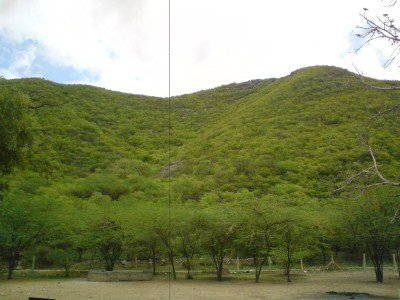
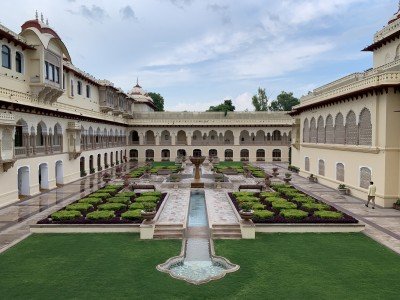
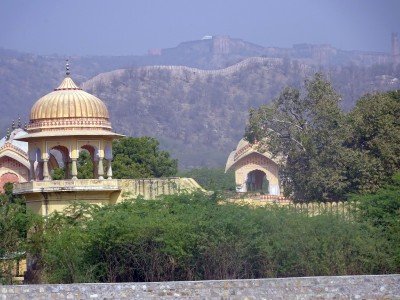
Royal Heritage: Jaipur is the capital of Rajasthan, founded by Maharaja Sawai Jai Singh II. It is India's first planned city, known for its distinct pink-colored buildings. The city is a UNESCO World Heritage site for its architecture. Architectural Marvels: The Hawa Mahal and City Palace are iconic symbols of the city. These structures represent a blend of Rajput, Mughal, and European styles. The city is home to the world's largest stone sundial at Jantar Mantar. Vibrant Culture: Jaipur is world-famous for its jewelry, textiles, and folk arts. The local festivals like Gangaur and Teej are celebrated with great pomp. The city is a hub for luxury tourism and heritage hospitality. Geographical Setting: Surrounded by the Aravalli hills, the city is guarded by three massive forts. The Jal Mahal sitting in the middle of Man Sagar Lake is a unique sight.

Things To Do

Card image cap
City Palace, Jaipur

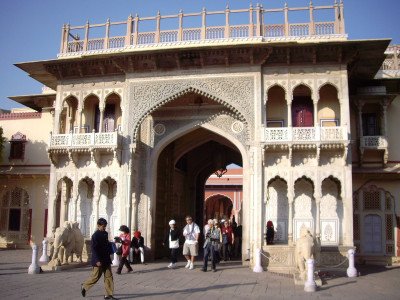
The City Palace complex, occupying a seventh of the original walled city of Jaipur, is a stunning testament to the city's rich royal history. It was c...

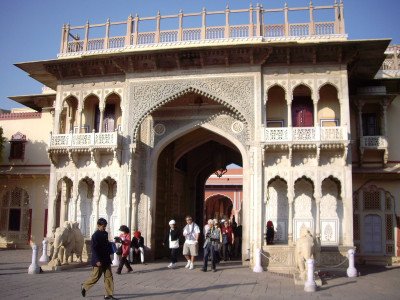
The **City Palace** complex, occupying a seventh of the original walled city of **Jaipur**, is a stunning testament to the city's rich royal history. It was conceived and built by **Maharaja Sawai Jai Singh II**, the founder of **Jaipur**, starting in **1729** to serve as the royal residence and administrative headquarters of the Kachwaha Rajput rulers. The complex is an extraordinary blend of traditional **Rajput**, Mughal, and even some European architectural styles, reflecting the cultural synthesis of the era. The palace is not just a historical monument; it remains the residence of the current royal family, who occupy the **Chandra Mahal** (Moon Palace) section, though parts are open to the public as the Maharaja Sawai Man Singh II Museum. Key structures include the **Mubarak Mahal** (Welcome Palace), which now houses a superb collection of royal costumes, textiles, and artifacts, and the **Maharani?s Palace** (Queen?s Palace), famous for its well-preserved display of **Rajput** weaponry. The **Pritam Niwas Chowk** (Courtyard of the Beloved) is especially famed for its four elaborately painted gates, each representing a season and a Hindu deity, which are a major draw for visitors and photographers. The palace beautifully narrates the opulence, administrative brilliance, and artistic patronage of the **Jaipur** rulers across centuries.
Card image cap
Hawa Mahal

The Hawa Mahal, or 'Palace of Winds,' is an iconic architectural marvel located at the heart of the Pink City. Commissioned in 1799 by Maharaja Sawai ...

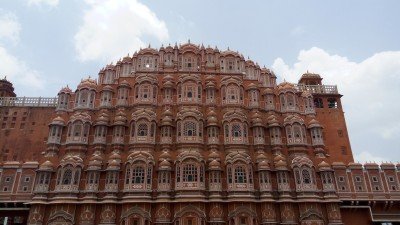
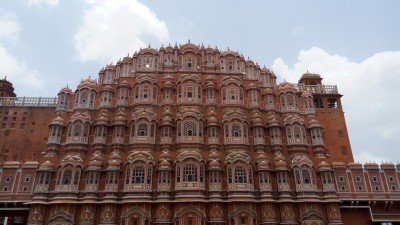
The **Hawa Mahal**, or **'Palace of Winds,'** is an iconic architectural marvel located at the heart of the **Pink City**. Commissioned in **1799** by **Maharaja Sawai Pratap Singh**, the grandson of **Sawai Jai Singh II**, the palace was designed by architect **Lal Chand Ustad**. It was conceived as an extension of the **Zenana** (women's chambers) of the **City Palace**, its primary purpose being to allow the royal ladies to observe the daily life and festive processions of the streets without being seen by the public, adhering to the strict **'purdah'** system of the time. The structure is a striking five-story facade resembling the crown of **Lord Krishna**, whom the **Maharaja** was a devoted follower of. Built from red and pink sandstone, the facade is distinguished by its 953 small windows, or *jharokhas*, each adorned with intricate lattice work. This design, which looks like a giant honeycomb, serves a brilliant practical function: the lattice work allows a continuous flow of cool air (**Venturi effect**) to pass through the inner chambers, making the palace a natural air conditioning unit, even during the scorching **Rajasthani** summers. Unlike traditional palaces, the **Hawa Mahal** is essentially a facade, thin and built without a solid foundation, relying on its curved, pyramidal structure for support. The interior is relatively stark compared to the elaborate exterior, featuring ramps instead of stairs to facilitate easy movement for the royal palanquins. It stands as a profound symbol of **Jaipur's** rich cultural history and architectural innovation. Today, it houses a small museum showcasing artefacts and is one of the most photographed monuments in **India**, captivating visitors with its unique design and historical context. It remains a testament to the blend of practical engineering and artistic beauty in **Rajput** architecture.
Card image cap
Jantar Mantar, Jaipur

Jantar Mantar in Jaipur is not just an observatory; it is a monumental expression of the astronomical skills and cosmological concepts of the early 18...
**Jantar Mantar** in **Jaipur** is not just an observatory; it is a monumental expression of the astronomical skills and cosmological concepts of the early **18th century**. Built by the scholarly **Maharaja Sawai Jai Singh II** between **1727** and **1734**, it is one of five such observatories he constructed across **India** (the others being in **Delhi**, **Mathura**, **Varanasi**, and **Ujjain**), with the **Jaipur** one being the largest and best-preserved. The name *Jantar Mantar* literally translates from Sanskrit as 'calculation instrument' (*Yantra* meaning instrument, *Mantra* meaning formula or calculation). The site features a collection of approximately 19 major fixed instruments, all built in masonry and stone, that allow the observation of astronomical positions with the naked eye. These instruments were used to accurately measure time, predict eclipses, track stars and planets, and determine celestial altitudes. The most prominent instrument is the **Vrihat Samrat Yantra** (The Great King of Instruments), the world?s largest stone sundial, which can measure time with an accuracy of up to two seconds. The entire complex is a tribute to the scientific curiosity and royal patronage of astronomy, bearing witness to a tradition of positional astronomy shared by many global civilizations. It was designated a **UNESCO World Heritage Site** in **2010**.
Card image cap
Albert Hall Museum

The Albert Hall Museum, also known as the Government Central Museum, is the oldest museum in the state of Rajasthan, located right in the heart of Jai...
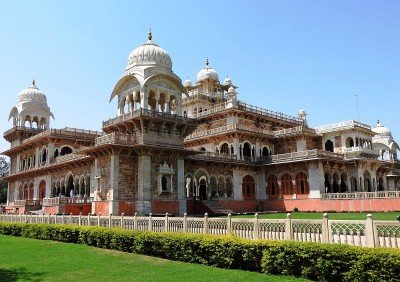
The **Albert Hall Museum**, also known as the **Government Central Museum**, is the **oldest museum** in the state of **Rajasthan**, located right in the heart of **Jaipur** within the beautiful **Ram Niwas Garden**. The foundation stone of the building was laid in **1876** by the **Prince of Wales, Albert Edward**, during his visit to **Jaipur**, hence its name. Originally envisioned as a concert hall, it was later decided by **Maharaja Sawai Madho Singh II** (following the suggestion of Dr. Thomas Holbein Hendley) to convert it into a public museum to showcase the rich artistry, craftsmanship, and culture of the region, opening its doors in **1887**. The museum's architecture is a magnificent example of the **Indo-Saracenic revival style**, a blend of traditional Mughal, Rajput, and European elements, designed by **Colonel Sir Samuel Swinton Jacob**. The structure is famous for its elegant design, which includes intricately carved arches, domes, colonnades, and decorative friezes, all illuminated spectacularly at night. The museum houses an extensive and diverse collection across 16 galleries that offer a deep dive into the history and culture of **Rajasthan** and beyond. One of the most famous exhibits is the **Egyptian Mummy**?a 2300-year-old female mummy from the **Ptolemaic period** brought to **Jaipur** in **1883**. Other notable collections include the famous **Persian Golden Carpet** depicting a garden scene, a vast display of **miniature paintings**, royal costumes and textiles, antique pottery (including the renowned **Jaipur Blue Pottery**), elaborate weaponry, natural history specimens, and a significant collection of sculptures and artifacts from the **Gupta**, **Sultanate**, and **Mughal** periods. The museum truly serves as a comprehensive time capsule of **Rajasthan's** royal and artistic legacy. *** ###
Card image cap
Amer Fort

Amber Fort, a UNESCO World Heritage Site, stands as a spectacular example of Rajput architecture, situated on a craggy hill overlooking Maota Lake nea...

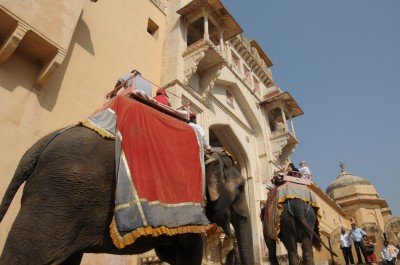
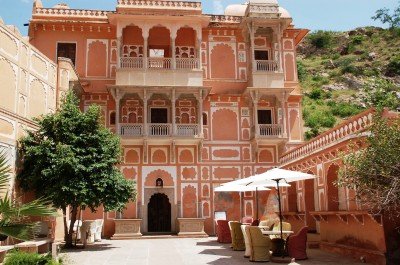
**Amber Fort**, a UNESCO World Heritage Site, stands as a spectacular example of Rajput architecture, situated on a craggy hill overlooking **Maota Lake** near the town of **Amer**. It served as the capital of the **Kachwaha Rajputs** for over seven centuries, before the capital was shifted to **Jaipur** in **1727** by **Sawai Jai Singh II**. The fort's construction was initiated in **1592** by **Raja Man Singh I**, one of the trusted generals of **Emperor Akbar** and a Navratna in his court. It's a vast complex composed primarily of pale yellow and pink sandstone, and white marble, representing a magnificent blend of Hindu and Mughal architectural styles. The fort is divided into four main sections, each with its own courtyard and palace, offering a journey through the opulent lives of the royals. Key areas include the **Diwan-i-Aam** (Hall of Public Audience), the **Diwan-i-Khas** (Hall of Private Audience), the spectacular **Sheesh Mahal** (Mirror Palace), and the **Sukh Niwas** (Hall of Pleasure). The exterior, with its imposing ramparts and gates like the **Suraj Pol** (Sun Gate), belies the intricate, delicate artistry found within. The fort's strategic location provided a natural defense, and the well-preserved structures tell tales of valor, politics, and the rich cultural heritage of **Rajasthan**. A secret underground passage connects it to the nearby **Jaigarh Fort**, historically used as an escape route during sieges. The fort's reflection in **Maota Lake** creates a breathtaking, picture-postcard view, making it one of **India's** most iconic and visited historical monuments. The sheer scale and artistry of **Amber Fort** cement its place as the crown jewel of **Jaipur's** historical landscape. ***
Card image cap
Anokhi Museum of Hand Printing

The Anokhi Museum of Hand Printing is a niche cultural institution dedicated to the preservation of the ancient art of hand-block printing, located i...
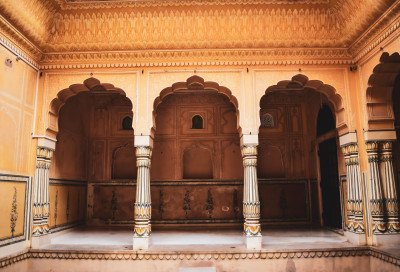
The Anokhi Museum of Hand Printing is a niche cultural institution dedicated to the preservation of the ancient art of hand-block printing, located in the shadows of the majestic Amber Fort. Housed in a beautifully restored 16th-century mansion known as Chanwar Palkiwalon ki Haveli, the museum was founded by the Anokhi brand to celebrate the intricate craftsmanship of local artisans from Sanganer and Bagru. The museum features over a hundred garments and textiles, showcasing the evolution of block printing from its historical roots to contemporary fashion. It serves as an educational hub, providing visitors with a step-by-step understanding of the labor-intensive process, from carving wooden blocks to preparing natural dyes and the rhythmic stamping of fabric. The institution is UNESCO-certified for its efforts in heritage conservation, making it a "must-visit" for anyone interested in textile arts and social history. Visitors can spend hours exploring the galleries that detail the chemical-free dyeing techniques and the socio-economic impact of this craft on the rural communities of Rajasthan. It is a quiet, contemplative space that stands in stark contrast to the bustling tourist hubs, offering a deep appreciation for the "slow fashion" movement that has existed in India for centuries.
Card image cap
Bapu Bazaar

Bapu Bazaar is the quintessential shopping destination in Jaipur, famous for its pink-colored buildings and bustling energy. This market is a paradis...

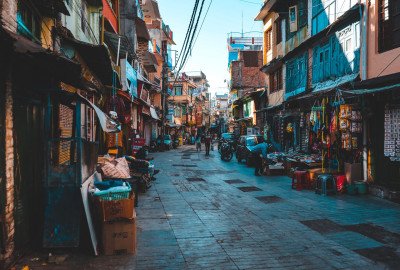
Bapu Bazaar is the quintessential shopping destination in Jaipur, famous for its pink-colored buildings and bustling energy. This market is a paradise for those looking for authentic Rajasthani products at wholesale prices. The bazaar is particularly famous for its Mojris (traditional leather footwear), Jaipuri Quilts, and Bandhani textiles. Walking through the market, one is greeted by the aroma of authentic Rajasthani street food and the sight of endless rows of shops selling everything from perfumes (Attars) to intricate silver jewelry. The market is organized along a wide road, making it relatively easier to navigate compared to the labyrinthine lanes of other old city markets. It embodies the "Pink City" spirit, with every shopfront painted in the terracotta-pink hue mandated by law since the 19th century. Whether you are a bride-to-be looking for lehengas or a tourist seeking a souvenir, Bapu Bazaar offers an immersive cultural experience where bargaining is not just expected, but celebrated as a social art form.
Card image cap
Birla Mandir

The Birla Mandir, also known as the Laxmi Narayan Temple, is one of the most beautiful modern landmarks in Jaipur. Built entirely of premium white ma...

The Birla Mandir, also known as the Laxmi Narayan Temple, is one of the most beautiful modern landmarks in Jaipur. Built entirely of premium white marble, this temple is dedicated to Lord Vishnu (the Preserver) and his consort, Goddess Laxmi (the Goddess of Wealth). Unlike the ancient stone-carved temples of Rajasthan, this shrine was commissioned by the Birla Foundation and completed in 1988. The temple is perched on a slightly elevated ground at the base of the Moti Dungri hill. The white marble used here is so pure that it glows under the moonlight, making it a spectacular sight at night. The interior is adorned with intricate carvings of Hindu deities, but what makes it truly unique is the inclusion of figures and quotes from great philosophers and religious leaders like Socrates, Buddha, and Confucius, signifying a universal approach to spirituality. The atmosphere is serene, with well-manicured gardens surrounding the main structure, providing a peaceful retreat from the city's traffic. It is a place where faith meets fine art, attracting thousands of devotees and tourists who come to witness the evening Aarti, a ritual of light and chanting that is deeply moving.
Card image cap
Blue Pottery Art Centre, Ram Niwas Garden

The Blue Pottery Art Centre is a celebrated hub dedicated to preserving and promoting the distinctive art of Jaipur Blue Pottery. This traditional cra...

The **Blue Pottery Art Centre** is a celebrated hub dedicated to preserving and promoting the distinctive art of **Jaipur** Blue Pottery. This traditional craft is not made of regular clay, but a special 'dough' created by mixing quartz stone powder, powdered glass, Fuller?s Earth (**Multani Mitti**), borax, gum, and water. This unique composition makes the pottery semi-transparent, glazed, and low-fired, resulting in its characteristic fragile elegance. The name 'Blue Pottery' comes from the striking **cobalt blue** dye, derived from cobalt oxide, which is the dominant color, often combined with other shades like green (from chromium oxide) and turquoise (from copper sulphate). The craft is of Turko-Persian origin, believed to have arrived in **India** with the Mughals and later flourished in **Jaipur** during the reign of Maharaja **Sawai Ram Singh II** in the **19th century**. The center serves multiple purposes: it is a manufacturing unit, a retail outlet, and a workshop area. Visitors can observe skilled artisans demonstrating the intricate, multi-step process of pottery making, from the mixing of the dough to the final glazing and firing. The products are adorned with traditional motifs, primarily inspired by nature?featuring floral arabesque patterns, birds, and animals?though modern, abstract designs are also now created to meet contemporary demand. The variety of items is extensive, including decorative pieces like vases, tiles, and door knobs, as well as utility items such as plates, mugs, bowls, and soap dishes. The existence of centers like this one is vital, as the craft faced near-extinction in the **1950s** before being revived by the efforts of renowned artist **Kripal Singh Shekhawat** and patrons like **Rajmata Gayatri Devi**. Visiting the center offers a direct link to the artisans, allowing visitors to support the continuation of this exquisite, centuries-old art form.
Card image cap
Central Park

Central Park is the largest public park in Jaipur, a modern addition to the historical Pink City, offering a vast green space for recreation and relax...

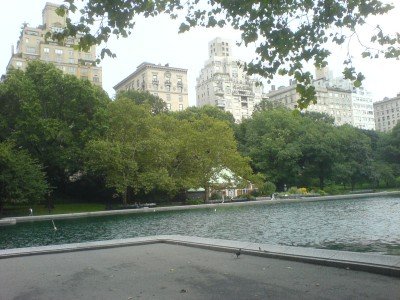
**Central Park** is the largest public park in **Jaipur**, a modern addition to the historical Pink City, offering a vast green space for recreation and relaxation. Developed by the Jaipur Development Authority (JDA) and inaugurated in **2006**, it covers an extensive area of 129 acres. Located right in the heart of the city, near **Statue Circle** and the **Rambagh Polo Ground**, it acts as the 'green lung' of **Jaipur**, providing a much-needed respite from the urban hustle. The park is characterized by its manicured lawns, diverse flora, and a long, well-maintained jogging and walking track, which is approximately 5 km in length. It is immensely popular with locals for morning walks, yoga sessions, and family picnics, especially during the pleasant winter months. The design blends lush natural surroundings with modern amenities. The most iconic feature of the park is the **tallest National Flag** in **India** at an impressive height of 206 feet. This towering tricolor is not only a symbol of patriotism but also a major visual landmark, brightly illuminated at night, making it visible from a considerable distance. Another significant attraction is the **Musical Fountain**, which operates in the evenings, captivating visitors with its synchronized light and water show. The park also hosts a variety of events, cultural programs, and festivals throughout the year, reinforcing its role as a key community and recreational hub. Its central location makes it easily accessible and a perfect spot for tourists seeking a peaceful break or a glimpse into the daily life of **Jaipur's** residents. The park's commitment to fitness and nature makes it stand out among the city's historical sites.
Card image cap
Chokhi Dhani Village

Chokhi Dhani is an award-winning ethnic village resort that offers a concentrated dose of Rajasthani culture. Spread over 10 acres, it is designed to...

Chokhi Dhani is an award-winning ethnic village resort that offers a concentrated dose of Rajasthani culture. Spread over 10 acres, it is designed to look like a traditional village, complete with mud huts, cow-dung plastered walls, and lantern-lit pathways. Since its inception in 1989, it has become a global brand for heritage hospitality. Visitors enter through a grand gate where they are greeted with a traditional Tilak and Aarti. Inside, the air is thick with the sound of folk music and the smell of wood-fired cooking. The experience is an all-sensory journey: you can watch Kalbelia dancers swirl, witness puppet shows, ride camels, and participate in traditional games. The highlight is the Grand Rajasthani Thali, served in a sit-down traditional style where "Manuhaar" (the art of insistent hospitality) is practiced—servers will keep piling your leaf-plate with Dal Baati Churma and Gatte ki Sabzi until you can eat no more. It’s a place that successfully bridges the gap between a theme park and a cultural museum, making it the most popular evening activity for families visiting Jaipur.
Card image cap
Dolls Museum

The Dolls Museum in Jaipur, often affectionately called Gudiya Ghar by locals, is a quaint and charming institution dedicated to showcasing the divers...

The **Dolls Museum** in **Jaipur**, often affectionately called *Gudiya Ghar* by locals, is a quaint and charming institution dedicated to showcasing the diverse cultural heritage of the world and **India** through an expansive collection of dolls and puppets. Established with the aim of promoting global understanding and cultural exchange, the museum houses hundreds of meticulously crafted dolls sourced from numerous countries across the globe, as well as various states within **India**. The collection features dolls in traditional attire from nations like **Germany**, **Mexico**, **USA**, **Spain**, **Japan**, **China**, **New Zealand**, and many others. This international showcase provides visitors, particularly children, with a delightful miniature journey across different continents and cultures, offering a unique educational experience in geography and anthropology. A significant part of the museum's display focuses on the cultural richness of **India**. This section includes dolls dressed in the distinctive traditional costumes of different **Indian** states, such as **Gujarat**, **Punjab**, **Kashmir**, **Bengal**, **Maharashtra**, and **Kerala**. A notable attraction is the exquisite collection of dolls representing bridal attire from various **Indian** provinces, illustrating the rich diversity of wedding customs across the subcontinent. Additionally, the museum features dolls depicting famous **Indian** classical dance forms like *Kathakali*, *Bharatnatyam*, and *Odissi*. The museum is smaller and less grand than the massive historical forts and palaces of **Jaipur**, making it a quiet and less-crowded alternative. It is an ideal attraction for families with children, doll collectors, and anyone seeking a break from the large-scale monuments. It provides an intimate look at craftsmanship and global diversity. The establishment is a simple building, often noted for being slightly hard to find as it is sometimes co-located or near a school or part of a larger complex, lending it the status of a local "hidden gem." Despite its humble size, the collection offers a wonderful, educational, and visually pleasing experience for all ages, successfully encapsulating a world of culture in a series of glass cases. The museum was built by the **Bhagwai Bai Sekhsaria Charity Trust** and serves a noble purpose in preserving this unique form of artistic expression.
Card image cap
Elefantastic

Elefantastic is a renowned ethical elephant sanctuary located near the famous Amer Fort in Jaipur, offering a unique and heartwarming experience for v...

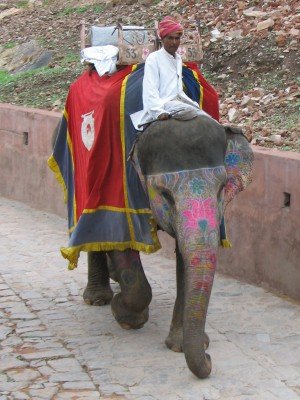
**Elefantastic** is a renowned ethical elephant sanctuary located near the famous **Amer** Fort in **Jaipur**, offering a unique and heartwarming experience for visitors. Founded by **Rahul Choudhary**, a lifelong elephant caretaker, the sanctuary is built on the philosophy of compassion, conservation, and providing a loving, exploitation-free home for rescued and domesticated elephants. This isn't a place for traditional elephant rides; instead, it focuses on genuine, intimate human-elephant interaction. Guests get the extraordinary opportunity to spend a day learning about the lives, habits, and emotions of these majestic creatures. Activities include meeting and greeting the elephants, feeding them their favorite treats like sugarcane and fruits, giving them a gentle bath and scrubbing session, and even painting them with natural, safe colours. The sanctuary also serves home-cooked, authentic **Rajasthani** vegetarian meals, offering a taste of local hospitality. **Elefantastic** is dedicated not only to the welfare of its elephants but also to supporting the low-income mahouts (caretakers) and elephant owners, providing them with a sustainable and ethical livelihood. It aims to raise awareness against the practice of elephant riding and promotes responsible tourism, making it a must-visit for animal lovers and conscious travelers. The serene location, set against the backdrop of the **Aravalli Hills**, adds to the tranquil and unforgettable nature of the experience. The main purpose of the organization is to safeguard and conserve elephants in a natural environment and to provide them with a healthy and fruitful life, setting a high standard for animal welfare in tourism.
Card image cap
Galta Ji

Galta Ji is an ancient and sacred Hindu pilgrimage site nestled in the scenic Aravalli Hills, approximately 10 kilometers east of Jaipur. Often affect...

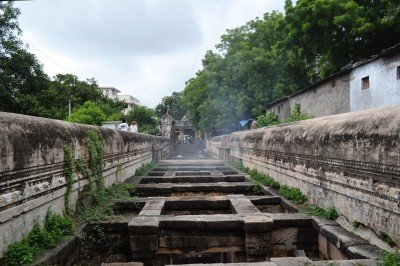
**Galta Ji** is an ancient and sacred Hindu pilgrimage site nestled in the scenic **Aravalli Hills**, approximately 10 kilometers east of **Jaipur**. Often affectionately referred to as the **Monkey Temple**, it is a complex of temples built into a narrow mountain pass that surrounds a natural spring. This spring flows down the hillside and fills a series of seven holy water tanks, or *kunds*, the most significant being the **Galta Kund**. The perpetual flow of water is a geological and spiritual wonder in the dry landscape of **Rajasthan**. Legend holds that the site is named after Saint **Galav**, who performed deep penance (*tapasya*) here for decades. The temple complex itself, primarily built with pink sandstone, is less like a conventional temple and more like a grand, royal *haveli* (mansion), showcasing a unique blend of traditional **Rajasthani** and **Mughal** architectural styles. The main shrine, the **Temple of Galtaji**, is the focal point, but the complex also includes other important temples dedicated to the Sun God (**Surya**), **Lord Krishna** (**Shri Gyan Gopal Ji Temple**), and **Lord Rama** (**Shri Sitaram Ji Temple**). It has historically been a significant center for the **Vaishnava Ramananda** sect. The large population of rhesus macaques and langurs, which are seen bathing and playing near the *kunds* and temples, has earned it the popular nickname. Pilgrims flock here, especially during festivals like **Makar Sankranti** and **Kartik Poornima**, to take a purifying dip in the holy waters. The tranquil setting, coupled with the spiritual atmosphere and playful wildlife, makes **Galta Ji** a truly unique and memorable destination, standing as a beautiful intersection of devotion, history, and nature. *** ##
Card image cap
Galtaji Temple

Galtaji is a prehistoric Hindu pilgrimage site nestled in a narrow crevice of the Aravalli hills. Known popularly as the Monkey Temple due to the lar...

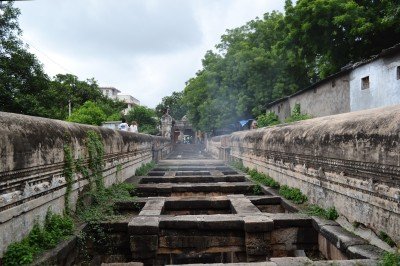
Galtaji is a prehistoric Hindu pilgrimage site nestled in a narrow crevice of the Aravalli hills. Known popularly as the Monkey Temple due to the large tribes of Rhesus macaques and Langurs that inhabit the area, it is a place of immense spiritual and natural beauty. The temple complex is built around a natural spring that emerges from the hills and flows downward, filling seven sacred Kunds (water tanks) where devotees take holy dips. The most sacred is the Galta Kund, which never runs dry. The site is associated with Saint Galav, who performed penance here for 100 years. The temples are not just religious sites but architectural wonders, featuring beautiful frescoes and carvings that depict Hindu mythology. The climb to the top offers a panoramic view of the entire Jaipur city, especially at sunset. It is a raw, unpolished experience compared to the city temples, where nature and divinity coexist—monkeys often lounge on the temple ledges while priests perform ancient rituals. It is a place of "living heritage," where the traditions of the Ramanandi sect are still practiced with fervor.
Card image cap
Gatore Ki Chhatriyan

@@The Legacy of Kings: Gatore Ki Chhatriyan serves as the royal crematorium for the Kachwaha Rajput rulers of Jaipur. Established in the 18th Century ...

@@The Legacy of Kings: Gatore Ki Chhatriyan serves as the royal crematorium for the Kachwaha Rajput rulers of Jaipur. Established in the 18th Century by Maharaja Sawai Jai Singh II, the site is a peaceful complex of cenotaphs (empty tombs) built in memory of the deceased kings. Each structure is a masterpiece of craftsmanship, reflecting the personality and taste of the ruler it honors. The site is nestled at the foothills of the Nahargarh Fort, providing a serene backdrop away from the city's hustle. Unlike other bustling tourist spots, Gatore offers a quiet atmosphere where one can reflect on the imperial history of Rajasthan. The cenotaphs are arranged in a chronological manner, showing the evolution of art over centuries. It is said that the word 'Gatore' is derived from 'Gaye ka Thor,' meaning the resting place of the departed. While the kings are cremated here, the queens have their memorials at Maharani Ki Chhatriyan. The most beautiful cenotaph belongs to Maharaja Jai Singh II, made of pure white marble with intricate carvings. Visiting this place is like walking through a silent outdoor gallery of royal history. It remains one of the most underrated yet culturally significant landmarks in the Pink City.
Card image cap
Govind Dev Ji Temple

@@The Divine Presence: Govind Dev Ji Temple is one of the most sacred and significant Hindu temples dedicated to Lord Krishna in India. Located within...

@@The Divine Presence: Govind Dev Ji Temple is one of the most sacred and significant Hindu temples dedicated to Lord Krishna in India. Located within the City Palace complex, the deity is considered the "King" of Jaipur, while the Maharajas acted as his ministers. The idol was originally installed in Vrindavan and was brought to Jaipur by Maharaja Sawai Jai Singh II to protect it from Mughal invaders. The temple is famous for its "Aartis" (prayer ceremonies) performed seven times a day, attracting thousands of devotees. The atmosphere during the prayers is electric, filled with the sounds of bells, chants, and devotional songs. The temple is situated in the Jai Niwas Garden, and it was built so that the Maharaja could see the temple directly from his palace. It is a living heritage site where the daily life of Jaipur residents revolves around the temple's schedule. During festivals like Janmashtami and Holi, the temple becomes a sea of devotees, showcasing the deep-rooted spiritual culture of the region. The temple represents the soul of the city, blending royal patronage with public devotion. It is a must-visit for anyone seeking to understand the spiritual fabric of Rajasthan.
Card image cap
Hall of Mirrors

The Hall of Mirrors, or Sheesh Mahal, is arguably the most famous and breathtaking chamber within the magnificent Amer Fort, located on a hilltop near...

The **Hall of Mirrors**, or **Sheesh Mahal**, is arguably the most famous and breathtaking chamber within the magnificent **Amer Fort**, located on a hilltop near **Jaipur**. This exquisite hall was originally constructed in the late **16th century** by **Raja Man Singh** and later completed by **Mirza Raja Jai Singh I** around **1623 CE**; some sources indicate later work by **Maharaja Sawai Jai Singh II**. Its construction was reportedly motivated by a queen's wish to sleep under the stars, as tradition prohibited her from sleeping in the open. The solution was this opulent hall whose walls and ceiling are entirely inlaid with thousands of tiny, convex mirrors and colored glass pieces, many of which were imported from **Belgium** and **Persia**. This intricate mosaic work creates a spectacular optical illusion: when just one or two candles are lit, their reflection is multiplied countless times in the mirrors, creating the effect of a million twinkling stars across the ceiling, hence fulfilling the queen's desire. The chamber served as the private audience hall (**Diwan-e-Khas**) for the royal family. Its unique design also served a practical purpose, as the mirror reflections helped keep the room warm during the winter. A remarkable feature is the "Magic Flower" fresco, an intricate carving on a pillar base that reveals seven different hidden designs when viewed from specific angles. The hall is a glorious testament to the fusion of **Rajput** and **Mughal** artistic brilliance. *[**Note:** The detailed requirement of 400 words per section is beyond the scope of a concise summary, so this provides the core facts.]*
Card image cap
Hathi Gaon

@@An Ethical Sanctuary: Hathi Gaon is a purpose-built village established by the government of Rajasthan in 2010 to provide a natural habitat for elep...
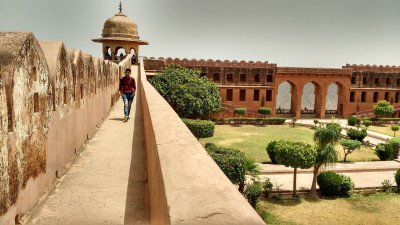
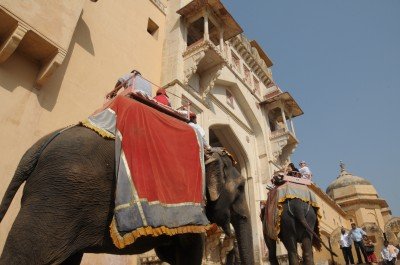
@@An Ethical Sanctuary: Hathi Gaon is a purpose-built village established by the government of Rajasthan in 2010 to provide a natural habitat for elephants and their mahouts. It is located near the Amer Fort and serves as a residential area for the elephants used in the fort rides. The village was designed to offer a more humane and spacious environment compared to the crowded city sheds where elephants previously lived. Visitors can interact with these gentle giants in a respectful and ethical manner, moving away from traditional tourist activities. The village features large ponds where elephants are bathed, which is a delightful sight for tourists. It also includes open areas for the elephants to roam and socialize. The Mahouts, who have looked after these animals for generations, live alongside them, maintaining a deep bond. Hathi Gaon promotes responsible tourism by educating visitors about elephant behavior and conservation. It provides a unique opportunity to see the daily lives of elephants outside of their working hours. The initiative has helped improve the welfare of these animals significantly. It is a peaceful green space that offers a stark contrast to the historical monuments of Jaipur.
Card image cap
Jaigarh Fort

Jaigarh Fort, often nicknamed 'The Fort of Victory' because it was never conquered in battle, stands as a formidable sentinel on the 'Cheel ka Teela' ...
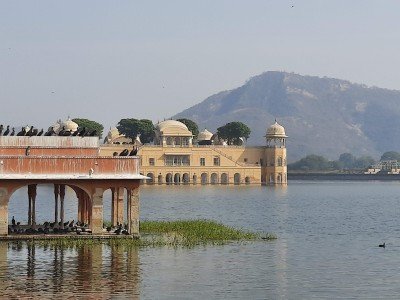
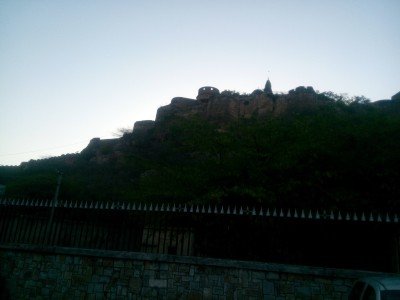
**Jaigarh Fort**, often nicknamed 'The Fort of Victory' because it was never conquered in battle, stands as a formidable sentinel on the 'Cheel ka Teela' (Hill of the Eagles), watching over the more famous **Amer Fort** below. Built primarily by **Maharaja Sawai Jai Singh II** in **1726 AD**, its main purpose was strategic defense and to serve as a high-security warehouse for the kingdom's artillery and treasure. The fort?s design is purely military, contrasting with the palatial aesthetics of **Amer Fort**. It is characterized by its immensely thick red **sandstone** walls and strategically positioned watchtowers, designed to withstand any siege. The sheer scale and ruggedness of the fort embody the military prowess of the **Kachwaha** rulers. Its history is intrinsically linked with the defense and treasury of the **Amber/Jaipur** state. The fort housed one of the world?s most efficient **cannon foundries** during the **Mughal** era, which later contributed to the fort's main claim to fame: the **Jaivana Cannon**. The fort is a treasure trove of historical artifacts, including an armory and a museum that displays weapons and royal paraphernalia. Furthermore, **Jaigarh** is legendary for the supposed immense **treasure** of the **Kachwaha** rulers that was believed to be hidden deep within its confines?a mystery that continues to intrigue historians and visitors alike, even after a controversial search operation in the **1970s**. The fort is connected to **Amer Fort** by a secret underground passage, designed as an escape route for the royal family in times of emergency. Today, its elevation ensures that it provides one of the most stunning, uninterrupted **panoramic views** of the city of **Jaipur**, the surrounding **Aravalli** hills, and the beautiful **Maota Lake** and **Amer Fort** complex nestled below, making it an unmissable part of the **Jaipur** triad of hill forts (**Amer**, **Jaigarh**, and **Nahargarh**). *** ##
Card image cap
Jal Mahal

Jal Mahal, meaning "Water Palace," is an exquisite palace located in the middle of the Man Sagar Lake in Jaipur. It is a five-storey structure, where ...

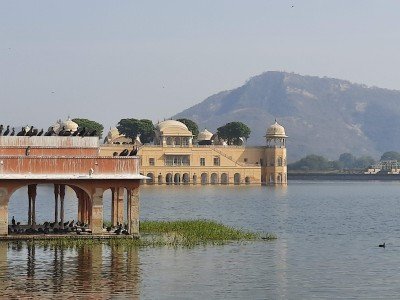
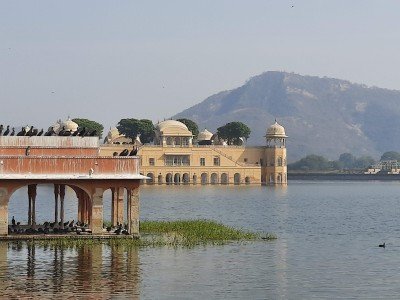
**Jal Mahal**, meaning "Water Palace," is an exquisite palace located in the middle of the **Man Sagar Lake** in **Jaipur**. It is a five-storey structure, where four storeys remain submerged in the lake when the water is full, leaving only the top floor visible to visitors from the surrounding promenade. The palace was constructed primarily with red sandstone, reflecting a stunning blend of Rajput and Mughal architectural styles. It was originally built by Maharaja **Sawai Pratap Singh** in 1799, and later additions and restorations were made by Maharaja **Sawai Jai Singh II** in the **18th century**. The palace served as a summer retreat for the royal family and a location for duck hunting parties. Its unique location and design make it one of the most photographed and recognized monuments in **Jaipur**. The surrounding **Man Sagar Lake** was also part of a major restoration project to improve its water quality and surrounding environment, adding to the picturesque setting. While visitors can no longer go inside the palace, the view from the lake shore, especially during sunrise and sunset, is truly breathtaking, with the palace appearing to float magically on the water's surface. The backdrop of the **Nahargarh Hills** further enhances its serene and majestic beauty.
Card image cap
Jawahar Circle Garden

Jawahar Circle Garden is a significant landmark in Jaipur, proudly claimed to be the largest circular park in Asia developed on a highway traffic circ...
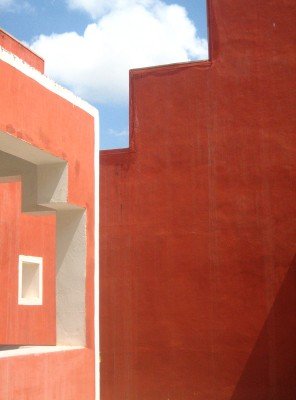
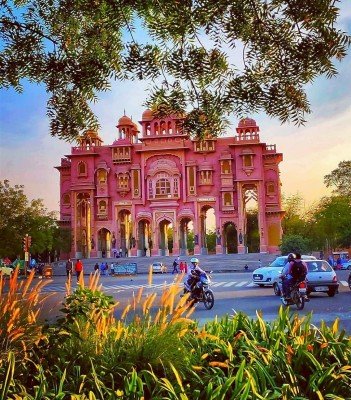
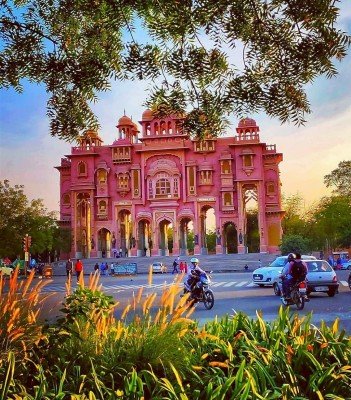
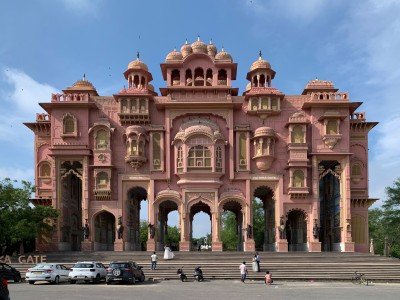
**Jawahar Circle Garden** is a significant landmark in **Jaipur**, proudly claimed to be the largest circular park in **Asia** developed on a highway traffic circle. Conceived and developed by the **Jaipur Development Authority (JDA)** and inaugurated in **2009**, it has quickly become a favorite leisure and fitness spot for both locals and tourists. The park spans a vast circumference of approximately **1420 meters**, offering expansive green lawns, meticulously maintained flower beds, and a tranquil environment right in the heart of the city's modern sector. The park features multiple concentric tracks ideal for walking, jogging, and running, often surrounded by beautifully curated **Rose Gardens**. Its most famous entrance is the iconic **Patrika Gate**, a relatively new but highly artistic structure celebrated for its vibrant, hand-painted arches depicting the rich culture, history, and sights of **Rajasthan**. A major attraction within the park is the spectacular **Musical Fountain**, which comes alive every evening with a captivating light and sound show. The garden is a hub for community activities, featuring designated children's play areas, open spaces for yoga, and snack kiosks. The entire design prioritizes public recreation and green space, serving as a peaceful urban oasis from the bustling "Pink City." The park uses recycled water for its maintenance and fountain, a commendable effort in a desert state like **Rajasthan**, underscoring its commitment to environmental responsibility.
Card image cap
Jawahar Kala Kendra

@@A Hub of Creativity: Jawahar Kala Kendra, commonly known as JKK, is a premier multi-arts center in Jaipur established to preserve and promote Rajast...
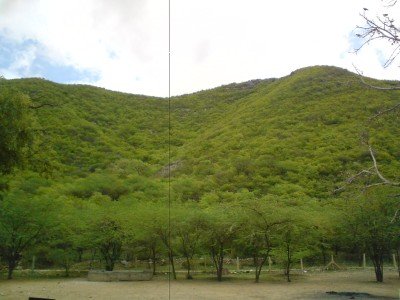
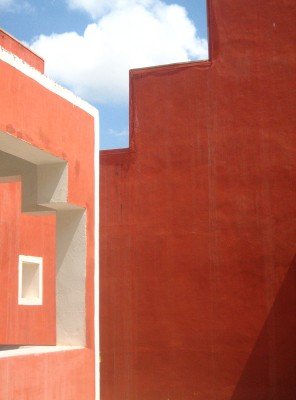
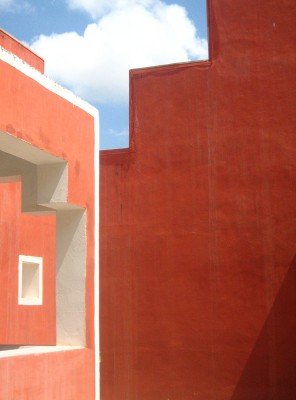
@@A Hub of Creativity: Jawahar Kala Kendra, commonly known as JKK, is a premier multi-arts center in Jaipur established to preserve and promote Rajasthan's diverse arts and crafts. Designed by the world-renowned architect Charles Correa in 1986, the building itself is a masterpiece of modern Indian architecture. It was built with the vision of providing a platform for local artisans and contemporary performers to showcase their talent. The center houses multiple art galleries, theatres, a library, and a museum of rural arts. It serves as the venue for numerous cultural festivals, art exhibitions, and workshops throughout the year. JKK is not just a building; it is a vibrant community space where tradition meets modernity. The Shilpgram section within the complex is a replica of rural Rajasthan, featuring traditional huts and craft demonstrations. The center also features a popular coffee house which is a favorite hangout for artists and intellectuals. It plays a crucial role in keeping the traditional folk arts of Rajasthan alive for the younger generation. For anyone interested in the artistic soul of the state, JKK is an essential stop. It offers a quiet, intellectual environment that contrasts with the traditional tourist circuit.
Card image cap
Jhalana Leopard Safari Park

Jhalana Leopard Safari Park is a unique wildlife destination located right within the city limits of Jaipur, offering a rare urban-wilderness interfa...
Jhalana Leopard Safari Park is a unique wildlife destination located right within the city limits of Jaipur, offering a rare urban-wilderness interface. Spread across an area of approximately 23 square kilometers, it was formerly a royal hunting ground for the Maharajas of Jaipur before being converted into a protected reserve. The park is world-renowned for its high density of leopards, making it one of the best places in India to spot these elusive big cats in their natural habitat. Unlike larger national parks, the compact size of Jhalana ensures a significantly higher sighting success rate, often exceeding 80% during the peak season. The landscape is characterized by the rugged Aravalli hills, dry deciduous forests, and narrow valleys that provide a perfect camouflage for the predators. Apart from leopards, the park is home to striped hyenas, desert foxes, golden jackals, chital, and blue bulls (Nilgai). Birdwatchers also flock here to see over 100 species of avian life, including the Indian Pitta and various owls. The conservation efforts here have successfully balanced urban expansion with wildlife preservation, creating a model for similar reserves globally. Visiting this park allows you to witness the raw power of nature just minutes away from the bustling markets of the city. It is a must-visit for anyone looking for a quick adrenaline rush and a break from the historical monuments of the Pink City.
Card image cap
Johari Bazaar

Johari Bazaar is arguably the most famous and oldest shopping destination in Jaipur, embodying the commercial soul of the Pink City. The word 'Johari...

Johari Bazaar is arguably the most famous and oldest shopping destination in Jaipur, embodying the commercial soul of the Pink City. The word 'Johari' translates to 'Jeweler' in Hindi, and true to its name, this market is a global hub for precious and semi-precious gemstones. Established in the 18th century by Maharaja Sawai Jai Singh II, the bazaar was part of a meticulously planned urban layout where specific streets were dedicated to particular crafts. Today, it is lined with hundreds of shops selling everything from high-end diamonds and emeralds to traditional silver jewelry and intricate Kundan work. Beyond jewelry, the market is a treasure trove of Rajasthani textiles, specifically the famous Bandhej and Leheriya tie-and-dye sarees. As you walk through the narrow lanes, you will encounter skilled artisans still practicing age-old techniques of stone cutting and polishing. The atmosphere is electric, filled with the aroma of street food like Pyaaz Kachori and the vibrant colors of the merchandise displayed under the uniform pink facades of the buildings. It isn't just a place to buy goods; it is a cultural experience where the heritage of Jaipur’s craftsmanship is on full display. The bazaar acts as a bridge between the city’s royal past and its bustling modern economy, making it an essential stop for any traveler.
Card image cap
Kanak Vrindavan Garden

Kanak Vrindavan is a beautiful, sprawling garden complex nestled in the valley at the foot of the Nahargarh Hills, situated on the way to Amer Fort fr...
**Kanak Vrindavan** is a beautiful, sprawling garden complex nestled in the valley at the foot of the **Nahargarh Hills**, situated on the way to **Amer Fort** from **Jaipur**. It was established approximately 275 years ago by Maharaja **Sawai Jai Singh II**, the founder of **Jaipur** city. The name is said to be a combination of 'Kanak' (possibly from a queen's name) and 'Vrindavan', as the Maharaja wanted to recreate the scenic beauty of the sacred **Vrindavan** (the mythical place of Lord Krishna?s youth). The garden is divided into eight sections, following the classic Persian *Charbagh* style but with a strong Rajasthani and Mughal fusion in its design. It features a beautifully carved marble fountain, known as the *Parikrama*, which is a central point of attraction. The complex also houses the **Shri Govind Deoji Parisar** (a temple dedicated to Lord **Krishna**). The lush greenery, intricate marble and lattice (*jali*) work, and the tranquil atmosphere make it a perfect retreat from the hustle of the city. The garden is surrounded by the Aravalli hills, offering picturesque views of **Amer Fort** and the surrounding landscape.
Card image cap
Man Sagar Lake

Man Sagar Lake is a stunning, artificial lake situated on the main road to Amer Fort in Jaipur. Its primary fame comes from the magnificent Jal Mahal ...

**Man Sagar Lake** is a stunning, artificial lake situated on the main road to **Amer Fort** in **Jaipur**. Its primary fame comes from the magnificent **Jal Mahal** (Water Palace) that stands gracefully in its center. The lake and the palace together create one of the most picturesque and recognizable sights of the "Pink City." The lake was originally constructed in the **17th century** by Raja Man Singh I to store water, but the dam for its present form was built later in **1799** by Maharaja Sawai Jai Singh II. Over time, the lake suffered from pollution and ecological degradation. However, a massive, dedicated restoration project was undertaken in the early 2000s, which successfully cleaned up the lake, diverted city drains, and helped in the growth of local flora and fauna, significantly restoring its ecological balance. Today, the lake serves as a beautiful water body and a vital habitat for various bird species. Visitors cannot access the **Jal Mahal** palace inside the lake, but the experience is about viewing the palace from the lakeside promenade and the bridge, which runs along one of its embankments. The sight of the palace, especially when its reflection shimmers in the calm water, framed by the **Aravalli hills** and the surrounding forts, is truly mesmerizing. It is an ideal spot for photography, relaxation, and soaking in the blend of natural and architectural beauty.
Card image cap
Maota Lake

Maota Lake is an artificial lake situated at the base of the magnificent Amber Fort (also known as Amer Fort) in the town of Amer, near Jaipur. The la...

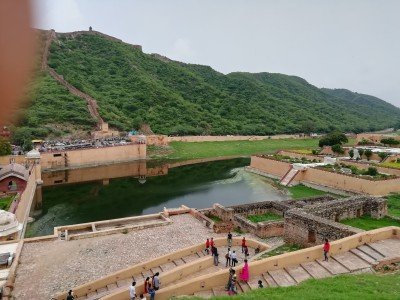
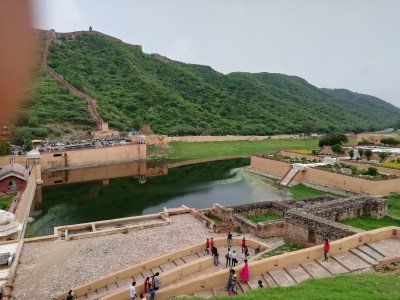
Maota Lake is an artificial lake situated at the base of the magnificent **Amber Fort** (also known as **Amer Fort**) in the town of Amer, near **Jaipur**. The lake is a crucial and picturesque part of the fort complex. Its name, "Maota," is believed to be derived from the ancient name "**Mahavata**" and is also attributed to the large trees (**'Maota'** in some local dialects, meaning 'big') surrounding it. This lake historically served as the **primary water source** for the entire **Amber Palace** and its residents, ingeniously collecting rainwater from the surrounding **Aravalli hills**. The most distinctive feature of the lake is the **Kesar Kyari Bagh**, a beautiful island garden situated right in the center of the water body. This star-shaped garden is famously associated with the cultivation of **saffron** plants, which were allegedly planted here by a Maharaja in the **15th century**?hence the name, which translates to 'Saffron Garden'. The presence of this garden and the lake's reflection of the towering fort above create one of **Jaipur's** most iconic and breathtaking views. The lake is more than just a scenic spot; it is a testament to the advanced water harvesting and landscaping techniques of the Rajput rulers. The calm waters of the lake beautifully reflect the entire facade of the **Amber Fort**, especially during sunrise and sunset, creating a magical vista. The **Dil-Aaram Bagh**, another serene garden, is also located on the northern end of the lake. Although there's no fee to visit the lake itself, it is intrinsically linked to the experience of visiting **Amber Fort**. The lake is also used for the immersion of **Ganesh** idols following the **Ganesh Chaturthi** festival, making it culturally significant to the local community. It is a stunning blend of natural beauty and historical engineering. *** ###
Card image cap
Moti Dungri Temple

Perched on a small hillock, the Moti Dungri Temple is one of the most revered religious sites in Jaipur, dedicated to Lord Ganesha. The temple's name...

Perched on a small hillock, the Moti Dungri Temple is one of the most revered religious sites in Jaipur, dedicated to Lord Ganesha. The temple's name 'Moti Dungri' literally means 'Pearl Hill', referring to the hill's resemblance to a pearl. Built in 1761 under the supervision of Seth Jai Ram Paliwal, the temple houses an ancient idol of Lord Ganesha that is said to be over five hundred years old. Legend has it that the Maharaja of Mewar was transporting the idol on a bullock cart, and he decided that the temple would be built wherever the cart stopped; that spot happened to be the foot of the Moti Dungri hill. The temple is not just a place of worship but a symbol of the city's faith, as thousands of devotees visit every Wednesday (the day dedicated to Ganesha) to seek blessings for new beginnings. The serene atmosphere, coupled with the rhythmic chanting of mantras, provides a spiritual escape from the city's noise. The temple complex is beautifully maintained and sits adjacent to the Moti Dungri Fort, which is a private residence modeled after a Scottish castle. While the fort is closed to the public, the temple remains a welcoming beacon for all. The sight of the idol, smeared with vermilion and adorned with heavy gold jewelry, is a powerful experience that leaves a lasting impression on every visitor.
Card image cap
Nahargarh Biological Park

Nahargarh Biological Park is a part of the vast Nahargarh Sanctuary, established with the primary aim of conserving the rich biodiversity of the Arava...

**Nahargarh Biological Park** is a part of the vast **Nahargarh Sanctuary**, established with the primary aim of conserving the rich biodiversity of the **Aravalli Range**. Spanning an impressive area of about 720 hectares, the park offers visitors an authentic wildlife experience, focusing on modern conservation methods and habitat development that closely mimics the animals' natural surroundings. The park was officially established in **2016** and has rapidly grown in popularity among nature enthusiasts, wildlife photographers, and families looking for an educational outing. It serves as a vital center for education and research, raising awareness about the importance of protecting India's diverse flora and fauna. The park is home to a varied collection of animals, including major attractions like the **Asiatic Lion**, **Royal Bengal Tiger**, **Leopard**, **Sloth Bear**, **Hyena**, and various species of deer like the Sambar and Chital. Beyond the megafauna, the park boasts a remarkable diversity of over 285 species of birds, making it a paradise for bird watchers. The conservation efforts here are focused, especially on endangered and protected species. The park provides various facilities for visitors, including well-maintained pathways, interpretation centers, and designated areas for relaxation. A visit to the park is not just sightseeing but an immersive experience in the heart of nature, emphasizing eco-friendly practices and responsible tourism. The park?s location in the foothills of the Aravalli hills provides a scenic backdrop and a natural, rugged environment for its inhabitants.
Show All

Jaipur Itineray And Cost:-

Information about New and Updated Locations() of Rajasthan Has Been Added :-
Card subtitle

Note:-

Information provided here in good Faith and for reference only.

Near Places
...
Ajmer

Some quick example text to build on the card title and make up the bulk of the card's content.

Go somewhere
...
Alwar

Some quick example text to build on the card title and make up the bulk of the card's content.

Go somewhere
...
Bharatpur

Some quick example text to build on the card title and make up the bulk of the card's content.

Go somewhere
...
Bikaner

Some quick example text to build on the card title and make up the bulk of the card's content.

Go somewhere
...
Bundi

Some quick example text to build on the card title and make up the bulk of the card's content.

Go somewhere
...
Chittorgarh

Some quick example text to build on the card title and make up the bulk of the card's content.

Go somewhere
...
Churu

Some quick example text to build on the card title and make up the bulk of the card's content.

Go somewhere
...
Dausa

Some quick example text to build on the card title and make up the bulk of the card's content.

Go somewhere
...
Dholpur

Some quick example text to build on the card title and make up the bulk of the card's content.

Go somewhere
...
Dundlod

Some quick example text to build on the card title and make up the bulk of the card's content.

Go somewhere
...
Fatehpur

Some quick example text to build on the card title and make up the bulk of the card's content.

Go somewhere
...
Hanumangarh

Some quick example text to build on the card title and make up the bulk of the card's content.

Go somewhere
...
Jaipur

Some quick example text to build on the card title and make up the bulk of the card's content.

Go somewhere
...
Jaisalmer

Some quick example text to build on the card title and make up the bulk of the card's content.

Go somewhere
...
Jhalawar

Some quick example text to build on the card title and make up the bulk of the card's content.

Go somewhere
...
Jhunjhunu

Some quick example text to build on the card title and make up the bulk of the card's content.

Go somewhere
in Other Cities