

Khuda Bakhsh Oriental Public Library
General information
-
Ideal Duration:
1-3 hours (Depends on browsing interest or research activity)Place Type:
Library, Research Center, National Heritage InstitEntry Fees:
Nominal Entry Fee: There is generally no entry fee for general visitors who wish to browse the premises or use the Curzon Reading Room for a short period. Access is intended to be free as per the founder's public trust deed.
Fees for Services:<...Nominal Entry Fee: There is generally no entry fee for general visitors who wish to browse the premises or use the Curzon Reading Room for a short period. Access is intended to be free as per the founder's public trust deed.
Fees for Services: While entry is free, fees are charged for specific services:
Research Access: Researchers or students seeking access to the manuscript section or microfilming services must pay a nominal registration/usage fee for their research period.
Digital/Xerox Copies: There are mandatory fees for requesting photocopies, microfilms, or high-resolution digital scans of manuscripts or rare books, as per the library's preservation and copyright policies.
Library Card: Getting a full membership library card for borrowing privileges (not for general browsing) will require a security deposit and a small annual fee.Timing:
Regular Timings: The library is typically open from 10:00 AM to 5:30 PM or 6:00 PM on all days except major holidays. It is usually closed on Fridays. The specific operating hours for the research section and the main reading rooms may vary slightly, so check ahead if you ...Regular Timings: The library is typically open from 10:00 AM to 5:30 PM or 6:00 PM on all days except major holidays. It is usually closed on Fridays. The specific operating hours for the research section and the main reading rooms may vary slightly, so check ahead if you have a specific research purpose.
Ideal Visit Time: The best time to visit is on a weekday (Monday to Thursday), immediately after opening (10:00 AM to 1:00 PM). This avoids the afternoon rush and allows you to experience the full atmosphere of quiet study and utilize the reading rooms with fewer people around.
Seasonal Consideration: The cool Winter months (October to March) are the most pleasant for visiting and spending time in the reading rooms.Special Events:
Annual Khuda Bakhsh Seminar Series: The library hosts an annual, high-profile seminar series, often attracting renowned scholars from around the world to present papers on Oriental studies, Islamic history, and Urdu/Persian literature, which is a major event in the academic ...Annual Khuda Bakhsh Seminar Series: The library hosts an annual, high-profile seminar series, often attracting renowned scholars from around the world to present papers on Oriental studies, Islamic history, and Urdu/Persian literature, which is a major event in the academic calendar.
Commemoration of the Founder: Special events, talks, and small exhibitions are organized annually to commemorate the birth and death anniversaries of Khan Bahadur Khuda Bakhsh, the founder, celebrating his legacy of public service and scholarship.
Digitalization Project Launches: The library occasionally organizes events to launch the latest phase of its manuscript digitalization project, showcasing newly digitized rare manuscripts to the public and the media.
Cultural and Literary Functions: Being a major cultural institution, the library frequently hosts literary meets, poetry readings (Mushairas), and cultural programs in its auditorium, often focused on the preservation and promotion of regional and Urdu literature.Best Photo Spots:
The Spiral Staircase: This is the most unique photographic subject. Capture the entire cast-iron staircase, emphasizing its ornate detailing and the geometric pattern it creates as it winds upwards through the book stacks (only when permitted).
...The Spiral Staircase: This is the most unique photographic subject. Capture the entire cast-iron staircase, emphasizing its ornate detailing and the geometric pattern it creates as it winds upwards through the book stacks (only when permitted).
The Main Reading Room Interior: Capture the vast, high-ceilinged interior of the main reading rooms (like the Curzon Reading Room), showing the scholars at work in a studious, quiet atmosphere. Use the long tables and high windows to convey a sense of depth and academic focus.
The Library Facade: The main facade of the building, with its Indo-Saracenic influences, high arches, and distinguished appearance, makes for an imposing and recognizable establishing shot. Capture it from across the road to include the entire breadth.
The Manuscript Display Case: Focus on the display cases holding the most famous manuscripts, such as the Tarikh-e-Khandan-e-Timuriyah, capturing the detail of the miniature paintings and the age of the paper. (Approx )Photo Gallery
Things To Do
-
Viewing the Rare Manuscript Exhibit: Request to see the display of the most rare and important manuscripts, such as the illustrated Tarikh-e-Khandan-e-Timuriyah or the samples of calligraphed Qurans. These are usually kept in secure, climate-controlled display cases. This is the main scholarly activity.
Exploring the Architecture: Spend time admiring the architecture, especially the main facade and the internal features of the original building. The highlight is locating and appreciating the imported Glasgow cast-iron spiral staircase—a perfect blend of utility and ornate Victorian engineering.
Using the Reading Rooms: If you are interested in a quiet reading or study session, make use of the free Curzon Reading Room for browsing general books, newspapers, and periodicals in a scholarly, tra...Viewing the Rare Manuscript Exhibit: Request to see the display of the most rare and important manuscripts, such as the illustrated Tarikh-e-Khandan-e-Timuriyah or the samples of calligraphed Qurans. These are usually kept in secure, climate-controlled display cases. This is the main scholarly activity.
Exploring the Architecture: Spend time admiring the architecture, especially the main facade and the internal features of the original building. The highlight is locating and appreciating the imported Glasgow cast-iron spiral staircase—a perfect blend of utility and ornate Victorian engineering.
Using the Reading Rooms: If you are interested in a quiet reading or study session, make use of the free Curzon Reading Room for browsing general books, newspapers, and periodicals in a scholarly, tranquil environment. Researchers should utilize the dedicated research reading room.
Browsing the Printed Book Collection: Take a walk through the massive stack rooms (if permitted) where the collection of over 2. 5 lakh printed books in multiple languages is housed. Even a brief look showcases the sheer volume and diversity of the library’s collection across history, literature, and science.
Attending a Seminar or Workshop: Check the library's notice boards for academic events. The library regularly hosts high-level seminars, lectures, and workshops on Oriental studies and history, which are often open to the public and provide an excellent opportunity for intellectual engagement.
Requesting Digital Copies: If you are a scholar, inquire about the digital library project and the process for requesting digital copies (microfilm/xerox) of manuscripts for research purposes, which is a specialized service the library provides to the global academic community.
Reflecting on the Founder's Legacy: Take a moment to reflect on the immense generosity and vision of Khuda Bakhsh, who donated his life's collection to the public, ensuring access to this cultural heritage for all.
Information
-
Why Famous:
Home to Tarikh-e-Khandan-e-Timuriyah: The library's most famous possession is the sole surviving, heavily illustrated manuscript of the Tarikh-e-Khandan-e-Timuriyah, a history of the Mughal dynasty. Its rarity and the high quality of its miniature paintings make it invaluab...Home to Tarikh-e-Khandan-e-Timuriyah: The library's most famous possession is the sole surviving, heavily illustrated manuscript of the Tarikh-e-Khandan-e-Timuriyah, a history of the Mughal dynasty. Its rarity and the high quality of its miniature paintings make it invaluable and a source of global scholarly fame for the institution.
National Importance Status: It is famous for being one of India's few institutions to be designated an "Institution of National Importance" by an Act of Parliament, officially recognizing its unparalleled contribution to the preservation of Oriental learning and heritage.
Lord Curzon's Visit: The library received great historical patronage and attention, including a visit by Lord Curzon, the Viceroy of India, who donated a portion of the building funds and for whom a reading room is named. This early association with high office cemented its prestigious position.
Unique Spiral Staircase: The unique, elaborate spiral staircase imported from Glasgow in the 19th century is a famous architectural curiosity that draws the attention of architects and general tourists alike. -
Architecture:
Indo-Saracenic Influences: The architecture of the main library building shows influences of the Indo-Saracenic style, which was popular during the British Raj for public buildings. This style blends features of Indian, Islamic, and Western architecture, often characterized...Indo-Saracenic Influences: The architecture of the main library building shows influences of the Indo-Saracenic style, which was popular during the British Raj for public buildings. This style blends features of Indian, Islamic, and Western architecture, often characterized by domes, pointed arches, vaulted ceilings, and sometimes chhatris (pavilions). The overall design is imposing and scholarly, reflecting the gravity of the knowledge it holds.
The Reading Rooms and Halls: The complex includes several important architectural divisions, such as two main reading rooms: the main reading room for scholars and researchers, and the Curzon Reading Room (named after Lord Curzon) which is open to the general public and students. These halls are designed to be vast, well-lit, and quiet, providing a conducive environment for focused study and research.
The Unique Book Case: The library features an iconic, but often overlooked, architectural curiosity—a spiral staircase imported from Glasgow, Scotland, in the late 19th century, which leads to the upper stack rooms. This cast-iron staircase is a beautiful piece of utilitarian engineering and a highlight of the library's physical structure.
Expansion and Utilitarian Design: The complex has expanded over time with the addition of a new wing for printed books, conservation labs, and administrative offices. The later structures are more utilitarian in design, prioritizing storage and conservation facilities (like specialized microfilming and preservation labs) necessary for handling the fragile manuscript collection. The library stands close to the banks of the Ganga, adding a geographic context to its physical presence. -
How To Reach:
By Air: The nearest airport, Jay Prakash Narayan International Airport (PAT), is about 8 KM away. Take a reserved auto-rickshaw or a cab to the library on Ashok Rajpath; the drive takes about 25-35 minutes.
By Train: Patna Junction (PNBE) ...By Air: The nearest airport, Jay Prakash Narayan International Airport (PAT), is about 8 KM away. Take a reserved auto-rickshaw or a cab to the library on Ashok Rajpath; the drive takes about 25-35 minutes.
By Train: Patna Junction (PNBE) is the closest major station, only about 2 KM away. The library is a well-known landmark right on Ashok Rajpath, making it a quick and easy auto-rickshaw ride.
By Road: The library is centrally located on the arterial Ashok Rajpath, close to Gandhi Maidan and Patna University. It is easily accessible by city buses and all private/public transport. Use the "Khuda Bakhsh Library" name, and the driver will know the location.
By Local Transport: Auto-rickshaws (shared and reserved) are the most convenient mode of transport. Shared autos running the length of Ashok Rajpath will pass right by the entrance. Cycle-rickshaws are also a viable option for short trips from the central business district. -
Weather and Best Time to Visit:
Weather-Based Ideal Season: The Winter Season (October to March) is the most ideal for a visit, as the outside temperature is comfortable for travel and the quiet library interiors provide a pleasant study environment. The humid and hot summer is less ideal.Weather-Based Ideal Season: The Winter Season (October to March) is the most ideal for a visit, as the outside temperature is comfortable for travel and the quiet library interiors provide a pleasant study environment. The humid and hot summer is less ideal.
Time of Day for Visit: The Late Morning is best for general visitors and researchers to use the facilities peacefully. The early afternoon can sometimes be crowded with students coming in after university classes.
Day of the Week: Visit on a weekday (Monday to Thursday) to avoid the weekend rush, as the library is a popular spot for local students. Remember, it is closed on Fridays. -
Near Tourist Places:
1.
Gandhi Sangrahalaya: 1 KM (West, on Gandhi Maidan). 2.
Gandhi Maidan: 2 KM (West/South). 3.
Gandhi Ghat: 3 KM (East on Ashok Rajpath). 4.
Golghar: 2 KM (West). 5.
Patna Museum (Jadu Ghar): 3. 5 KM (South-West). 6.
Buddha Smriti Park: 2. 5 KM (South). 7.
Patna University: 1 KM (East). 8.
Mahavir Mandir: 2 KM (South, near Patna Junction). 9.
Srikrishna Science Centre: 4 KM (South-West). 10.
Jalan Museum (Qila House): 7 KM (East on Ashok Rajpath).
Tourism Tips
-
Health & Safety:
Manuscript Handling: If granted access to original manuscripts, treat them with extreme care and follow all instructions regarding handling, as they are fragile and irreplaceable.
Noise Levels:Health & Safety:
Manuscript Handling: If granted access to original manuscripts, treat them with extreme care and follow all instructions regarding handling, as they are fragile and irreplaceable.
Noise Levels: Maintain strict silence in the reading rooms out of respect for the scholars working there.
Valuables: As it is a central location, keep a secure eye on personal belongings.
Packing: If you plan to research, carry your ID card, a notebook, and pencil (pens are often not allowed near manuscripts). Leave large bags, food, and water outside in the designated areas.
Accommodation: Stay in the central city area near Fraser Road or Gandhi Maidan for the best and quickest access to the library.
Other Tourism Tips:
Research Purpose: If you are visiting for serious research, contact the library beforehand to understand the necessary formal procedures and requirements for manuscript access.
Book Browsing: Take time to browse the collection of books and specialized journals, not just the manuscripts, as the printed collection is also impressive.
Reviews
FAQs
Patna Itineray And Cost:-
Khuda Bakhsh Oriental Public Library Tourism:-
Other Places In Patna :-
Other States In India :-
Information about New and Updated Locations() of Bihar Has Been Added :-
Card subtitle
Note:-
Information provided here in good Faith and for reference only.
Near Places
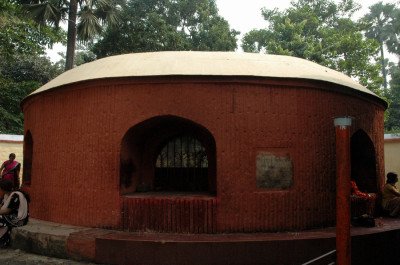
Agam Kuan
Some quick example text to build on the card title and make up the bulk of the card's content.
Go somewhere
Bihar Museum
Some quick example text to build on the card title and make up the bulk of the card's content.
Go somewhere
Buddha Smriti Park
Some quick example text to build on the card title and make up the bulk of the card's content.
Go somewhere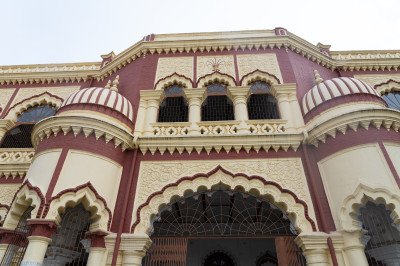
Darbhanga House
Some quick example text to build on the card title and make up the bulk of the card's content.
Go somewhere
Eco Park
Some quick example text to build on the card title and make up the bulk of the card's content.
Go somewhere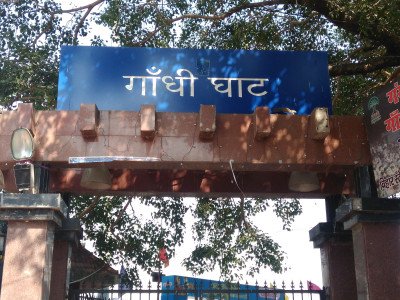
Gandhi Ghat
Some quick example text to build on the card title and make up the bulk of the card's content.
Go somewhere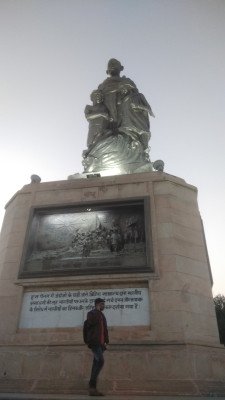
Gandhi Maidan
Some quick example text to build on the card title and make up the bulk of the card's content.
Go somewhere
Gandhi Sangrahalaya
Some quick example text to build on the card title and make up the bulk of the card's content.
Go somewhere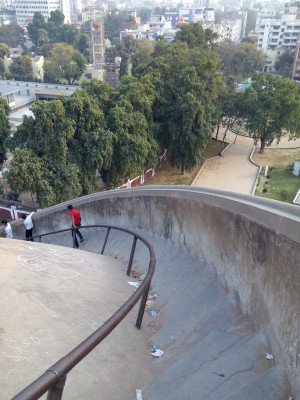
Golghar
Some quick example text to build on the card title and make up the bulk of the card's content.
Go somewhere
ISKCON Temple Patna
Some quick example text to build on the card title and make up the bulk of the card's content.
Go somewhere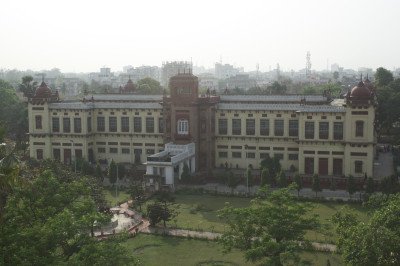
Jalan Museum
Some quick example text to build on the card title and make up the bulk of the card's content.
Go somewhere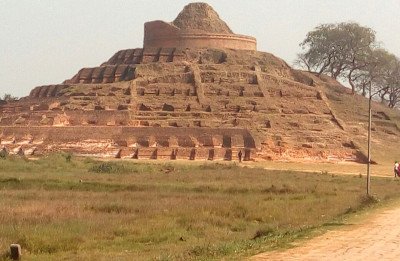
Kesariya Stupa
Some quick example text to build on the card title and make up the bulk of the card's content.
Go somewhere
Khuda Bakhsh Oriental Public Library
Some quick example text to build on the card title and make up the bulk of the card's content.
Go somewhere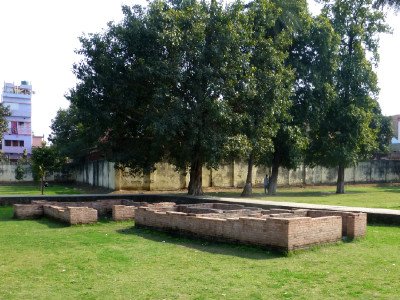
Kumhrar Park
Some quick example text to build on the card title and make up the bulk of the card's content.
Go somewhere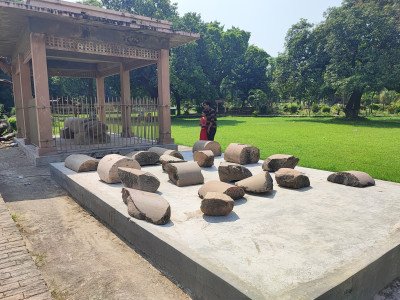
Kumhrar
Some quick example text to build on the card title and make up the bulk of the card's content.
Go somewhere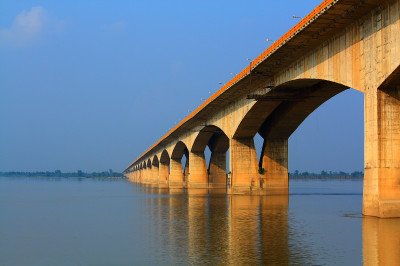
Mahatma Gandhi Setu
Some quick example text to build on the card title and make up the bulk of the card's content.
Go somewherein Other Cities