Kumhrar
General information
-
Ideal Duration:
1-2 hoursPlace Type:
Archaeological Site, Historical Park, Ancient RuinEntry Fees:
Nominal Entry Fee: The entry fee for Kumhrar is very low, as it is an ASI-maintained site. For Indian nationals, it is typically around Rs.5 to Rs.20 per person. For Foreign nationals, the fee is higher, usually around Rs.100 per person.
Photography...Nominal Entry Fee: The entry fee for Kumhrar is very low, as it is an ASI-maintained site. For Indian nationals, it is typically around Rs.5 to Rs.20 per person. For Foreign nationals, the fee is higher, usually around Rs.100 per person.
Photography Fee: There is usually no charge for personal photography and mobile phone cameras. However, professional filming, use of a tripod, or large commercial photography equipment requires an expensive, formal permit from the Archaeological Survey of India (ASI).
Students: School groups and bona fide students often receive a subsidized or free entry upon presenting valid institutional ID.
Parking: There may be a very small, nominal fee for vehicle parking outside the main gate.Timing:
Regular Timings: Kumhrar is open from 9:00 AM or 10:00 AM to 5:00 PM or 5:30 PM. It is strictly closed on Mondays. As an outdoor park, visitors are typically asked to leave promptly at closing time.
Ideal Visit Time: The best time is the E...Regular Timings: Kumhrar is open from 9:00 AM or 10:00 AM to 5:00 PM or 5:30 PM. It is strictly closed on Mondays. As an outdoor park, visitors are typically asked to leave promptly at closing time.
Ideal Visit Time: The best time is the Early Morning (9:00 AM to 11:00 AM) or the Late Afternoon (4:00 PM to 5:00 PM). This avoids the scorching midday sun, as the ruins are mostly exposed, and the soft light is ideal for photography. In summer, the heat can be intense.
Seasonal Consideration: The cool Winter months (October to March) are by far the most comfortable for exploring this exposed outdoor site. Avoid the monsoon season, as the low-lying areas in the hall can get waterlogged.Special Events:
Annual Ashoka Jayanti Celebrations: The park occasionally hosts small cultural or historical events to commemorate the birth anniversary of Emperor Ashoka (Ashoka Jayanti, often in April or May), recognizing the site's connection to the great Mauryan ruler.Annual Ashoka Jayanti Celebrations: The park occasionally hosts small cultural or historical events to commemorate the birth anniversary of Emperor Ashoka (Ashoka Jayanti, often in April or May), recognizing the site's connection to the great Mauryan ruler.
Buddhist Pilgrimage Events: As the likely site of the Third Buddhist Council, the park may host special gatherings, prayer meets, or seminars by local and international Buddhist organizations and pilgrims, particularly around major Buddhist holidays.
World Heritage Day: The ASI sometimes organizes special guided tours, lectures, or small exhibits on World Heritage Day (April 18th) to educate the public about the site's global historical value and the ongoing preservation work.Best Photo Spots:
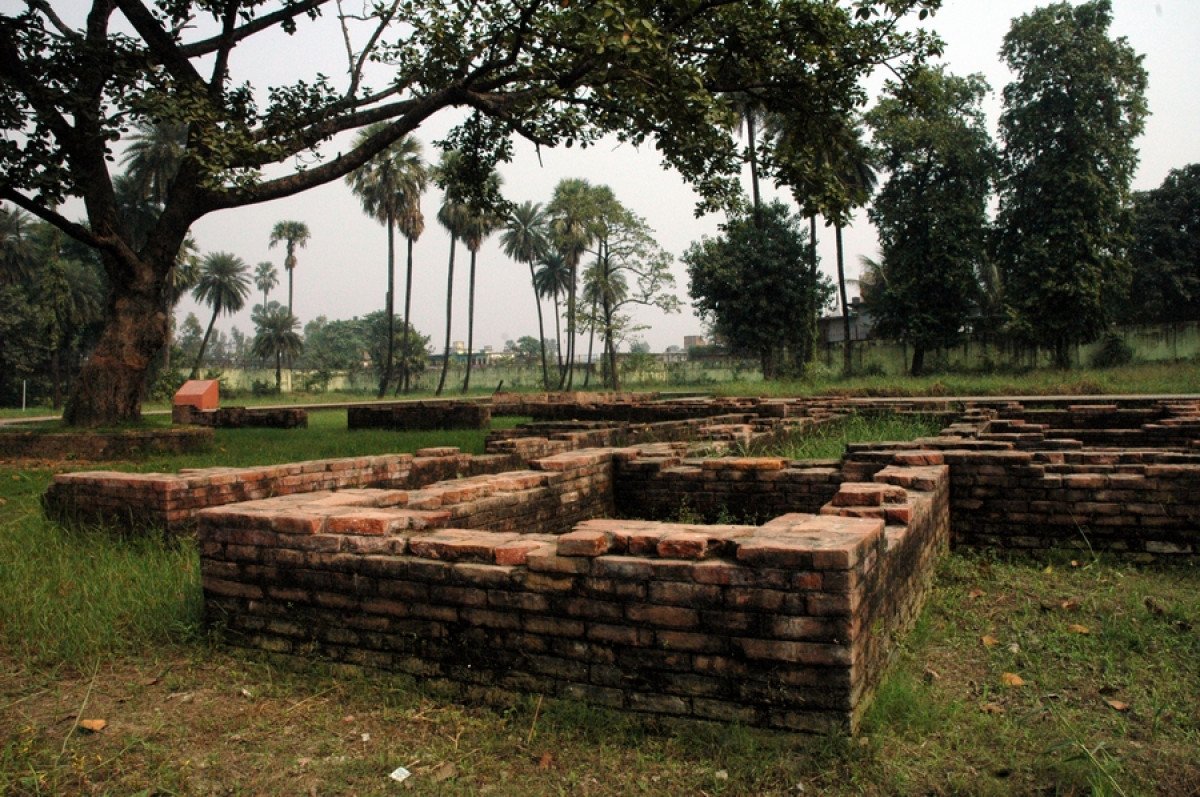
The 8x10 Pillar Grid: The perfect geometric grid of the pillar foundation pits, best captured from a slightly elevated position within the hall, is the most defining shot. This emphasizes the grand scale and the sophisticated planning.
The Rema...The 8x10 Pillar Grid: The perfect geometric grid of the pillar foundation pits, best captured from a slightly elevated position within the hall, is the most defining shot. This emphasizes the grand scale and the sophisticated planning.
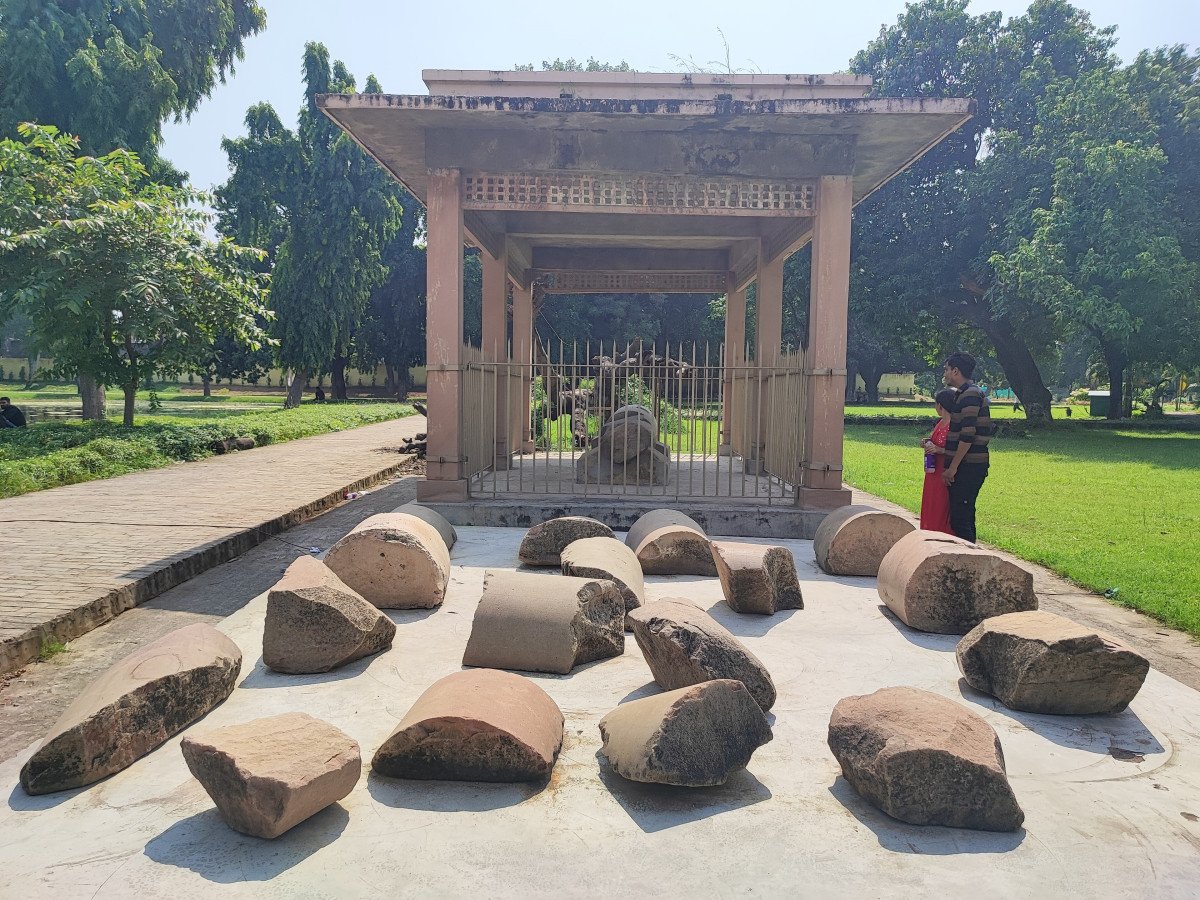
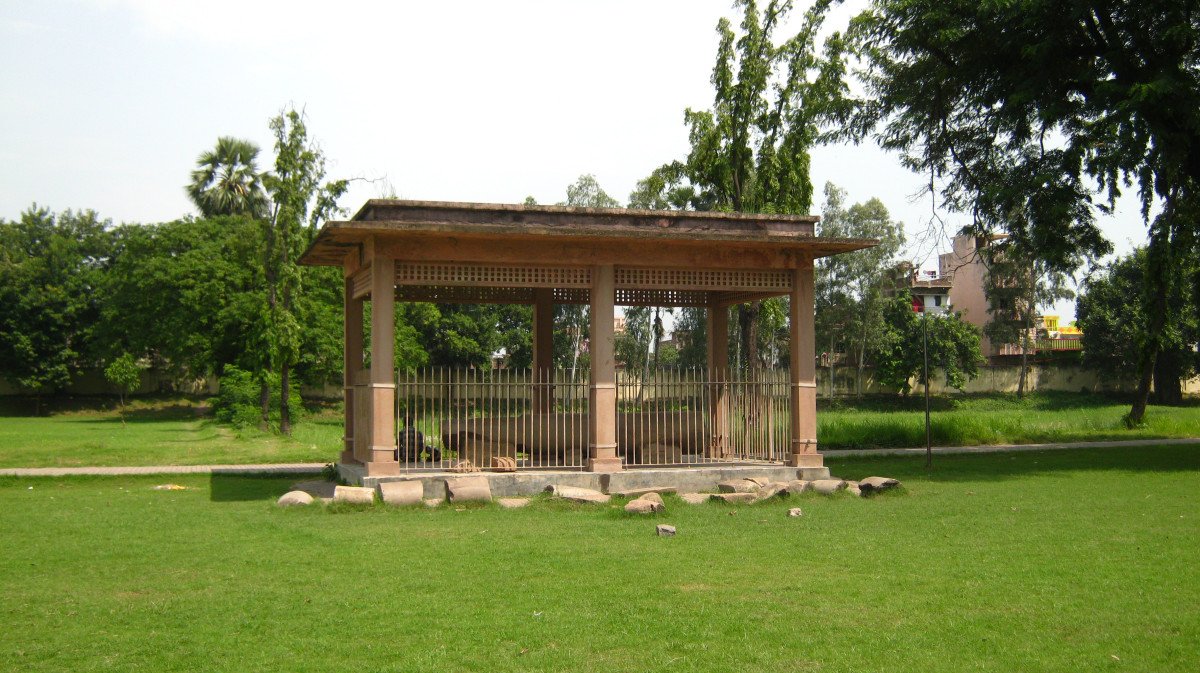
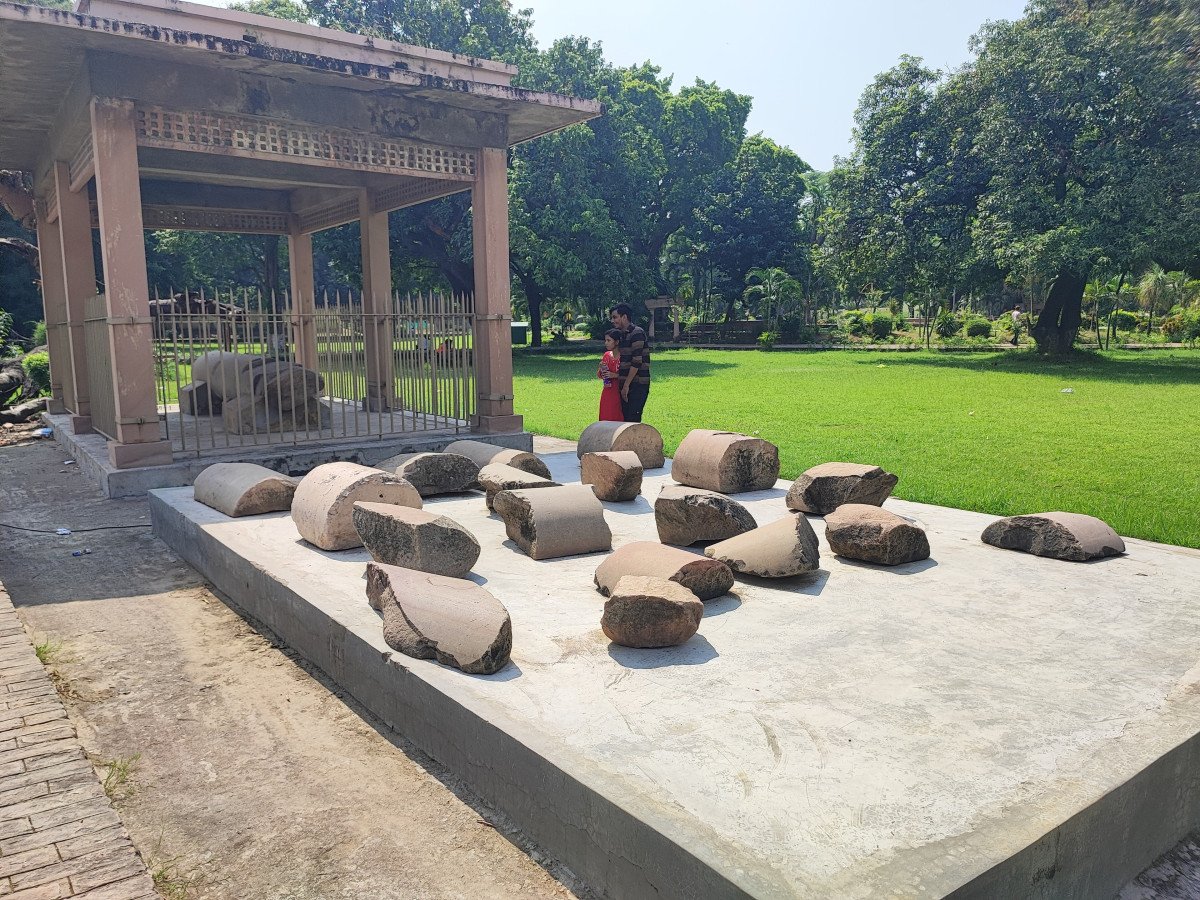
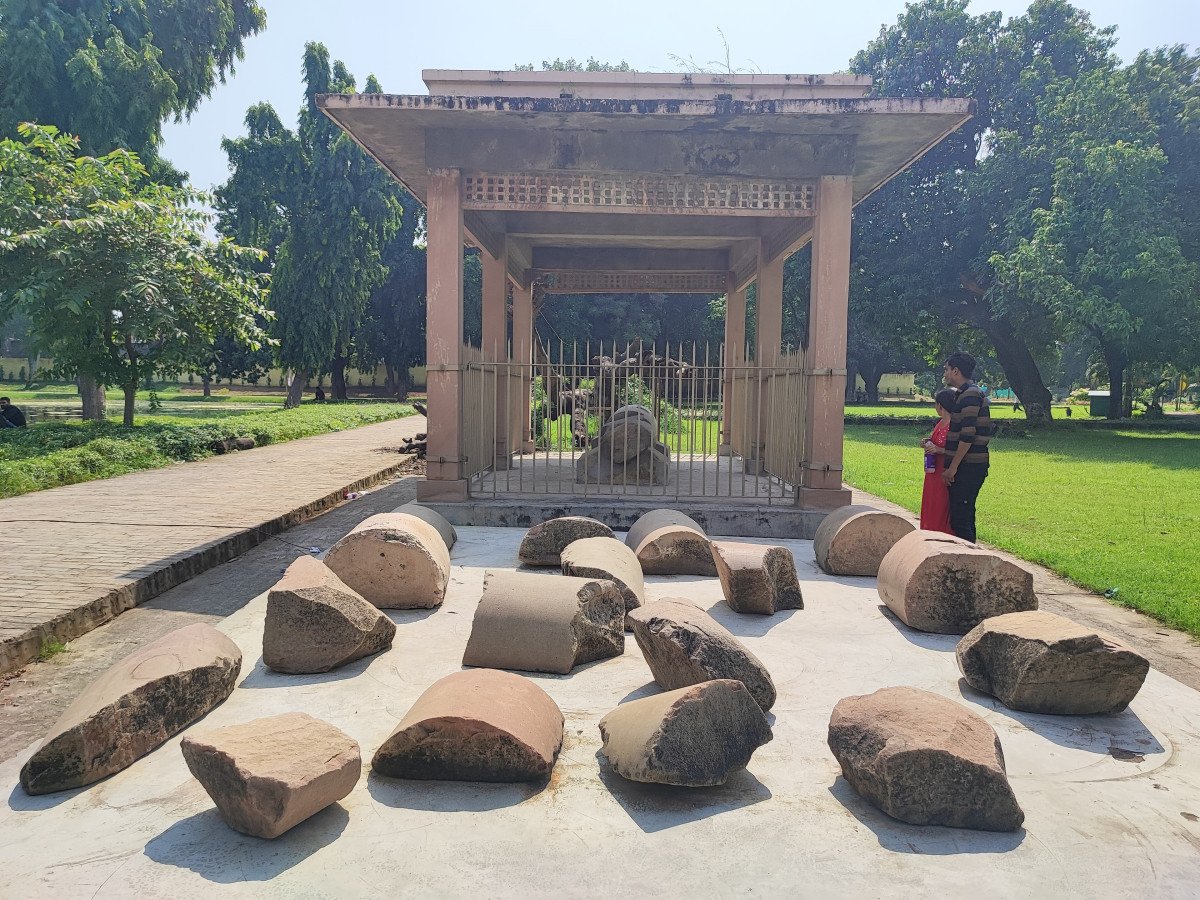
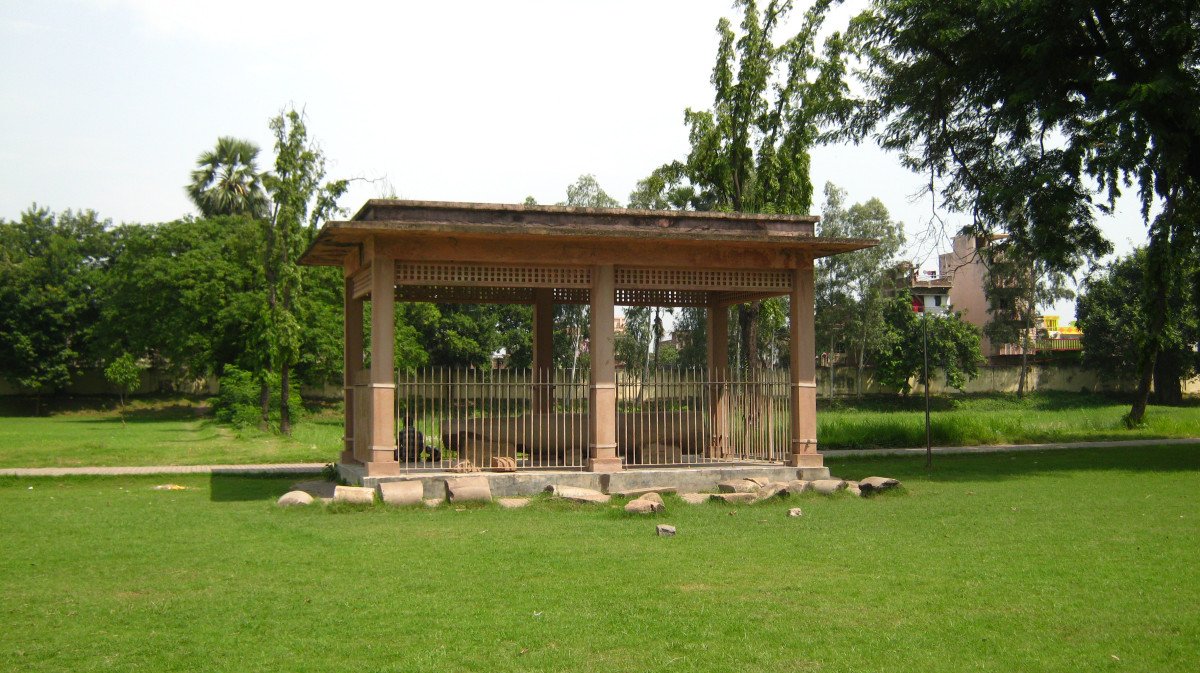
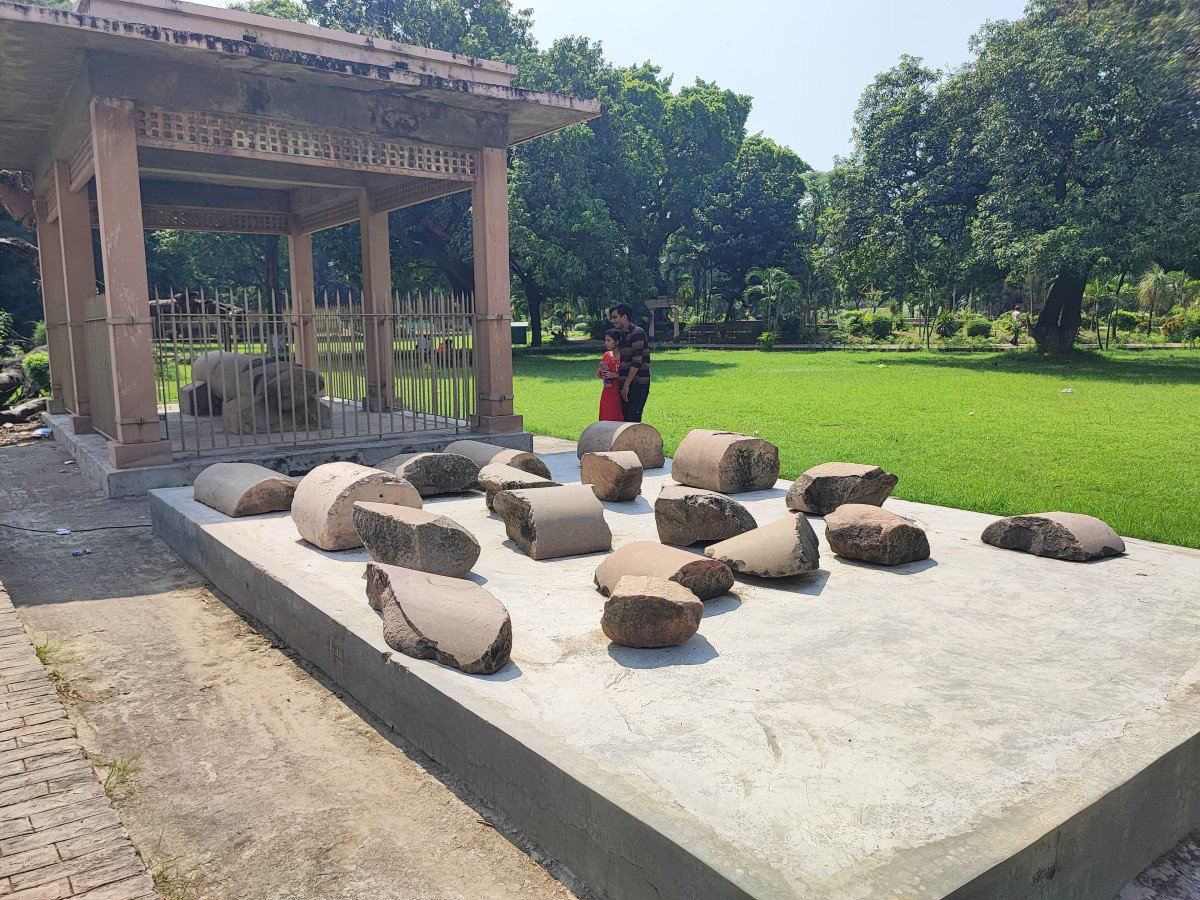
The Remaining Pillar Stump: A close-up, dramatic shot of the single remaining polished sandstone pillar fragment. This is the only original Mauryan structure visible and must be captured to show the characteristic polish and the high-quality material.
Framing the Ruins with the Park: Use the park's trees and the surrounding pathways to frame the vast expanse of the ruins, providing a sense of scale and showing the historical ruins embedded within the modern city's nature.
Museum Artifact Close-Ups: (If permitted) Focus on the best artifacts inside the small museum, such as the pottery or the Dhanvantari potsherd, to capture the details of the ancient craftsmanship. (Approx )Photo Gallery
Things To Do
-
Walking the Eighty-Pillared Hall Layout: The main activity is to walk the precise grid of the Eighty-Pillared Hall. Follow the marked spots/foundation pits that show where each of the 80 pillars once stood. Use your imagination to visualize the sheer majesty of the hall's colonnade and the vaulted wooden roof it once supported. This helps in grasping the scale of the Mauryan capital.
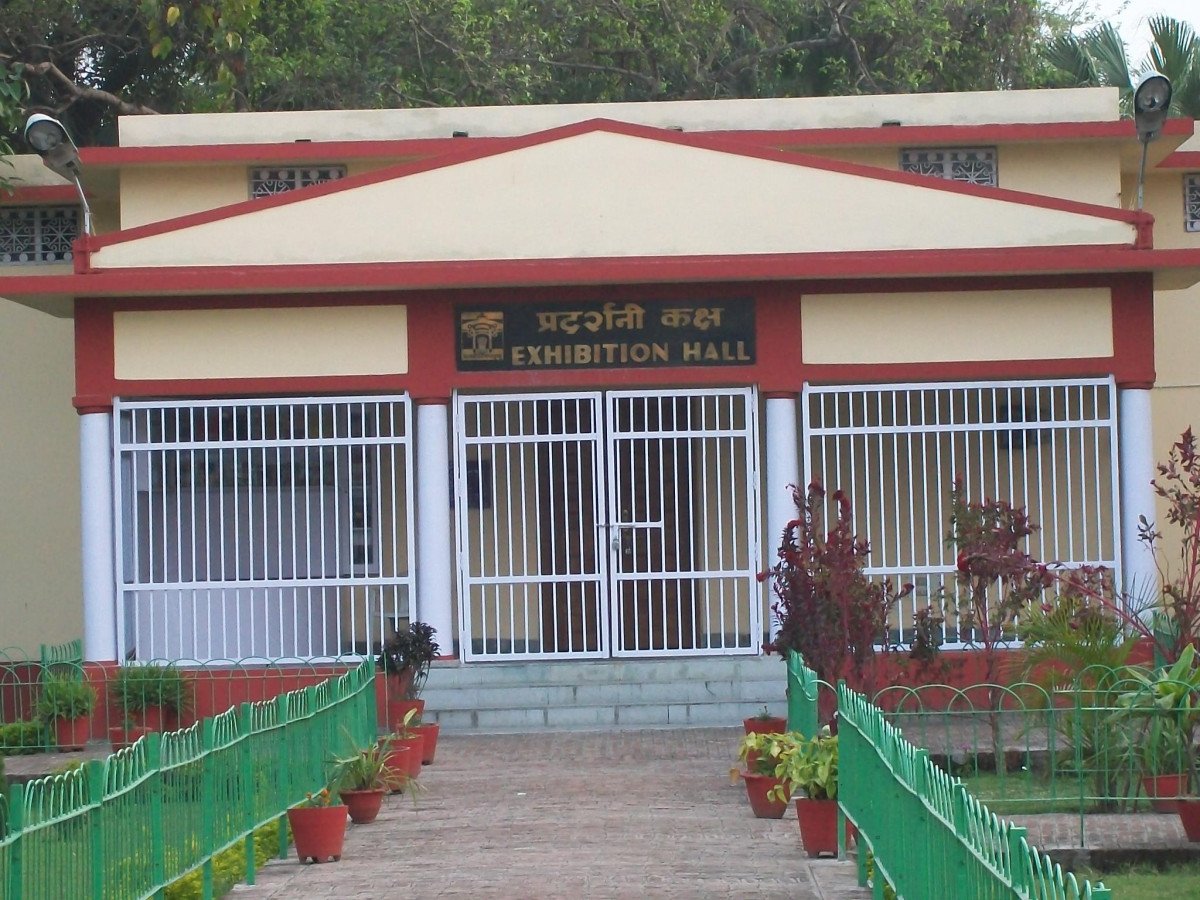
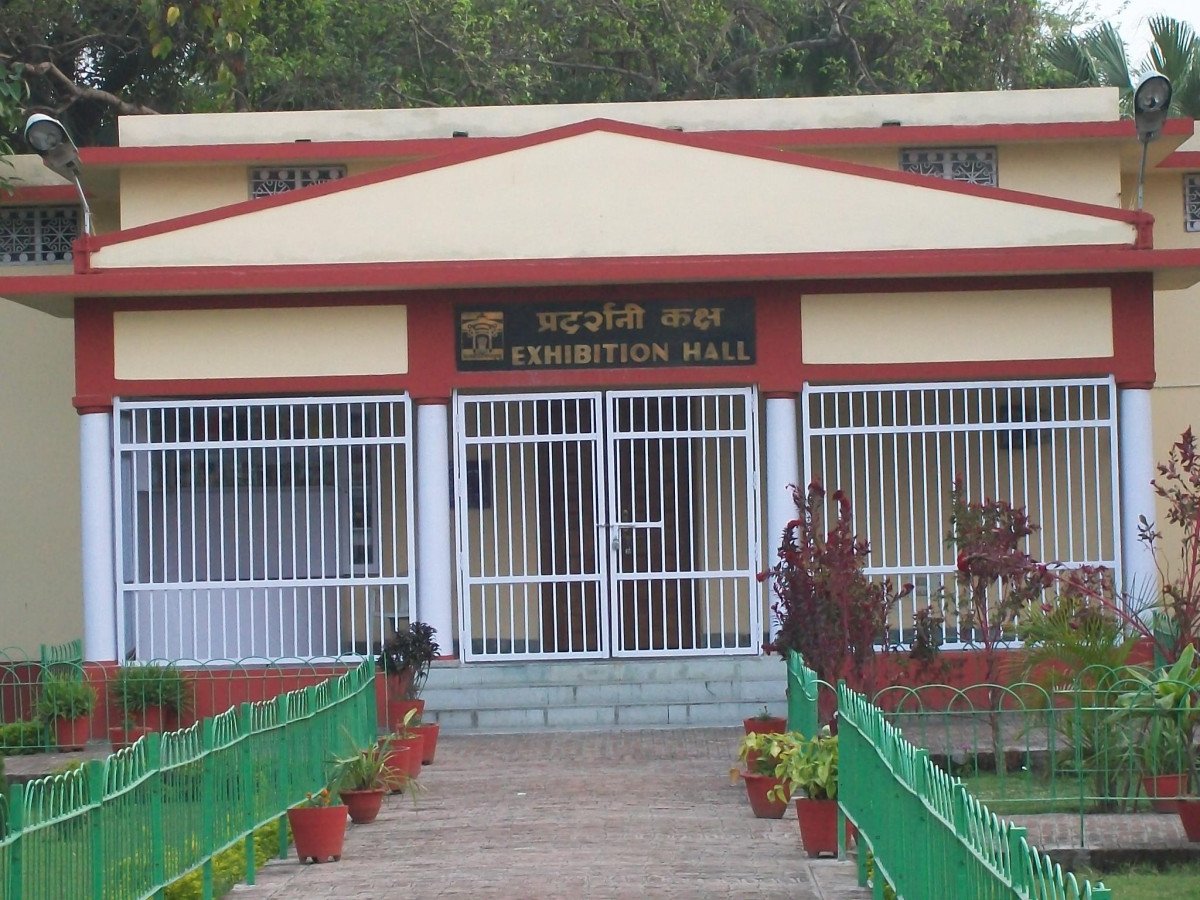
Visiting the Site Museum: Spend a mandatory half-hour in the small on-site museum/interpretation center. Here, you can see the recovered artifacts (pottery shards, coins, terracottas) and read the detailed textual explanations and diagrams that bring the ruins to life, providing the necessary context that the ruins alone cannot convey. Look specifically for the display of the remaining polished stone pillar fragment.Walking the Eighty-Pillared Hall Layout: The main activity is to walk the precise grid of the Eighty-Pillared Hall. Follow the marked spots/foundation pits that show where each of the 80 pillars once stood. Use your imagination to visualize the sheer majesty of the hall's colonnade and the vaulted wooden roof it once supported. This helps in grasping the scale of the Mauryan capital.
Visiting the Site Museum: Spend a mandatory half-hour in the small on-site museum/interpretation center. Here, you can see the recovered artifacts (pottery shards, coins, terracottas) and read the detailed textual explanations and diagrams that bring the ruins to life, providing the necessary context that the ruins alone cannot convey. Look specifically for the display of the remaining polished stone pillar fragment.
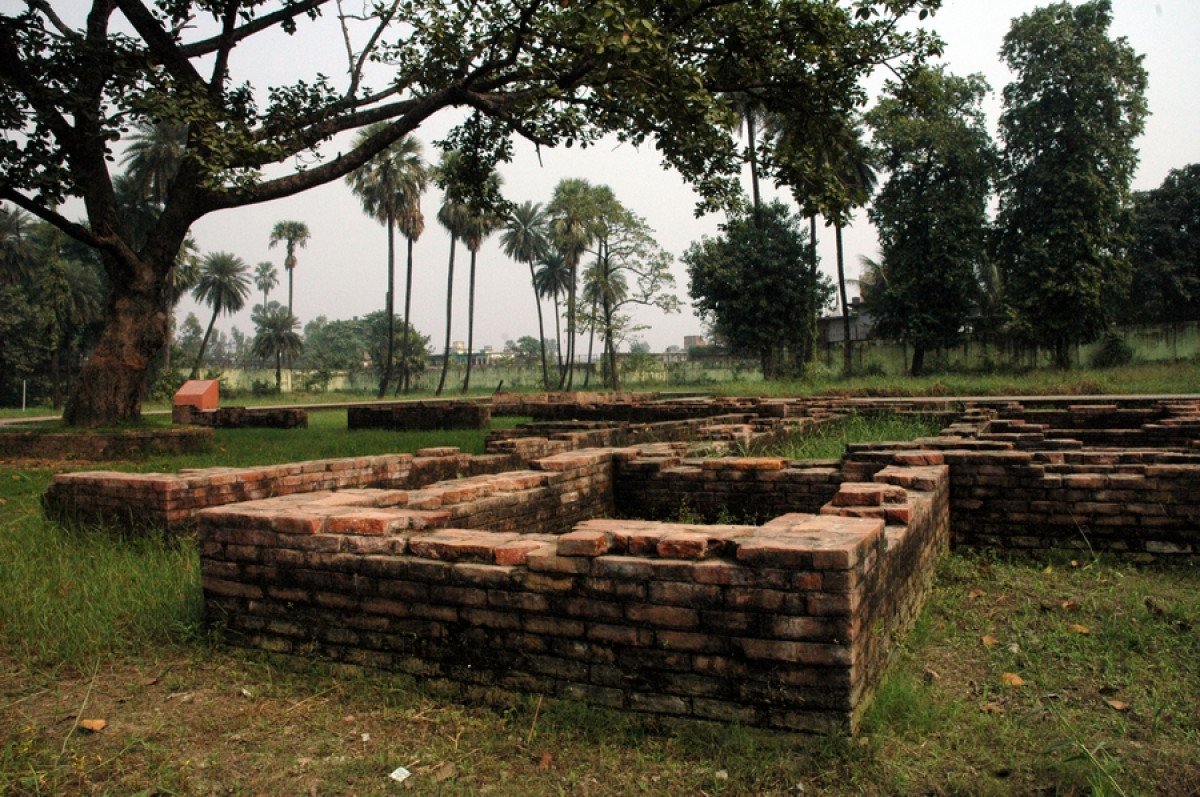
Contemplation at the Arogya Vihar Ruins: Visit the ruins of the Arogya Vihar (hospital/monastery). Reflect on the public welfare aspect of Emperor Ashoka's and the later Gupta dynasty's reigns. This area is often quieter and more conducive to quiet reflection on the Buddhist and medical history of the site.
Studying the Archaeological Process: Read the display boards that explain the process of excavation—the history of the different archaeological teams (Spooner, Altekar) and how they deciphered the use and structure of the hall from the pit and rubble marks. This adds a fascinating layer of academic history to the site.
Photography of the Ruins: The perfect symmetry of the 8x10 pillar grid makes for excellent abstract and geometric photography, especially in the early morning light. Use the remaining pillar base as a central point of interest.
Combining with Agam Kuan: Since Agam Kuan (another ancient Ashokan site) is only a few kilometers away, combine the visit. These two sites provide a more complete picture of the ancient city's spiritual and administrative functions.
Enjoying the Park Setting: The ruins are situated within a pleasant, well-maintained archaeological park. Take a slow walk through the park, enjoying the greenery and the serene atmosphere, which is a peaceful contrast to the bustle of modern Patna.
Information
-
Why Famous:
The Mauryan Capital's Heart: It is famous for being the most tangible link to Pataliputra, the legendary capital of the Mauryan and other great empires. This connection to the golden age of Indian history, including the reign of Emperor Ashoka, gives it immense historical f...The Mauryan Capital's Heart: It is famous for being the most tangible link to Pataliputra, the legendary capital of the Mauryan and other great empires. This connection to the golden age of Indian history, including the reign of Emperor Ashoka, gives it immense historical fame.
The Eighty-Pillared Hall Discovery: The discovery and partial reconstruction of the Eighty-Pillared Hall is an archaeological milestone. The sheer size and precision of the hypostyle hall's foundations are famous among scholars as evidence of monumental architecture in ancient India.
Site of the Third Buddhist Council: The ruins are strongly believed to be the location of the Third Buddhist Council (c. 250 BCE), convened under Emperor Ashoka. This association makes Kumhrar a significant historical and religious site for the global Buddhist community.
Evidence of Ancient Medicine: The ruins of the Arogya Vihar (hospital/monastery) are famous for providing strong evidence of sophisticated, organized medicine and public welfare activities in ancient India, well before the medieval period. -
Architecture:
Hypostyle Hall Foundation Layout: The architecture on display is primarily the foundation layout and the remains of the substructure of the Eighty-Pillared Hall. The design reveals a perfectly symmetrical grid system, with the pillar bases arranged in 8 rows of 10 pillars e...Hypostyle Hall Foundation Layout: The architecture on display is primarily the foundation layout and the remains of the substructure of the Eighty-Pillared Hall. The design reveals a perfectly symmetrical grid system, with the pillar bases arranged in 8 rows of 10 pillars each, spaced approximately 4. 57 meters apart. This geometric precision demonstrates the high level of planning and construction expertise during the Mauryan period.
Pillar Materials: The original pillars were massive monoliths made of black-spotted buff sandstone—a feature that links them to other Ashokan-era constructions across India. Each pillar was estimated to be 9. 75 meters tall, with a significant portion set underground for stability. The fine polishing of these pillars, characteristic of Mauryan royal work, is a key architectural trait.
The Arogya Vihar Ruins: The ruins of the later Gupta-era Arogya Vihar show a more typical monastery layout, likely made of brick, with a series of rooms and a central courtyard. The architectural remains here are more fragmented than the main hall but still indicate a structure designed for both habitation and patient care.
The Interpretation Museum: The accompanying small site museum is a modern, functional structure designed to protect the smaller artifacts and provide informational displays. Its architecture is subservient to the historical ruins, acting as a simple, explanatory annex to the main archaeological park. The overall architectural narrative of Kumhrar is one of layers—the massive stone foundations of the Mauryan period giving way to the brick structures of the subsequent Gupta and later periods. -
How To Reach:
By Air: The nearest airport, Jay Prakash Narayan International Airport (PAT), is about 12 KM away. Take a taxi or app-based cab. The drive can take 30-45 minutes depending on the city traffic.
By Train: Patna Junction (PNBE) is about 6 KM ...By Air: The nearest airport, Jay Prakash Narayan International Airport (PAT), is about 12 KM away. Take a taxi or app-based cab. The drive can take 30-45 minutes depending on the city traffic.
By Train: Patna Junction (PNBE) is about 6 KM away. The site is a well-known historical landmark, easily accessible by reserved auto-rickshaw or taxi. The ride takes about 15-20 minutes.
By Road: Kumhrar is located on the eastern side of Patna but is connected to the city center via major roads. It can be reached from the Kankarbagh area and is a familiar location for local transport.
By Local Transport: Auto-rickshaws are the primary mode. Ask the driver for "Kumhrar Park" or "Mauryan Ruins. " Since the location is slightly off the main artery, negotiate a reserved auto fare directly from your starting point. You can also take a shared auto along the main route and then a cycle-rickshaw for the final kilometer. -
Weather and Best Time to Visit:
Weather-Based Ideal Season: The Winter Season (October to March) is the absolute best time, as the cool, mild temperatures are necessary for comfortably walking and exploring the exposed outdoor ruins for an hour or two. The summer heat is a significant deterrent.
<...Weather-Based Ideal Season: The Winter Season (October to March) is the absolute best time, as the cool, mild temperatures are necessary for comfortably walking and exploring the exposed outdoor ruins for an hour or two. The summer heat is a significant deterrent.
Time of Day for Visit: The Early Morning or Late Afternoon is mandatory to avoid the sun and heat on the open ground. A visit from 9:00 AM to 11:00 AM is perfect for beating the crowds and the heat.
Day of the Week: Visit on a weekday (Tuesday to Friday) for the fewest crowds, as it is closed on Mondays and weekends attract more local school groups and families. -
Near Tourist Places:
1.
Agam Kuan: 3. 5 KM (Ancient well). 2.
Jalan Museum (Qila House): 6 KM (East, near Patna Sahib). 3.
Takht Sri Harmandir Ji Patna Sahib (Gurudwara): 7 KM (East). 4.
Patan Devi Temple: 4 KM (South-East). 5.
Gandhi Maidan: 6 KM (West). 6.
Golghar: 7 KM (West). 7.
Patna Museum (Jadu Ghar): 7 KM (West). 8.
Buddha Smriti Park: 5 KM (West). 9.
Mahavir Mandir: 6 KM (West, near Patna Junction). 10.
Patna Planetarium: 7 KM (West).
Tourism Tips
-
Health & Safety:
Footwear: Wear sturdy, comfortable shoes suitable for walking on uneven, exposed ruins and earth/grass.
Sun Protection: As the site is entirely exposed, a hat, sunglasses, and sunscreen are e...Health & Safety:
Footwear: Wear sturdy, comfortable shoes suitable for walking on uneven, exposed ruins and earth/grass.
Sun Protection: As the site is entirely exposed, a hat, sunglasses, and sunscreen are essential even in winter.
Water: Carry a full water bottle to stay hydrated, especially if visiting closer to midday.
Packing: Bring your camera and a notebook to take notes on the pillar layout. Leave large bags or valuables at your hotel. Binoculars might be useful for distant viewing.
Accommodation: Stay in the central city area near Kankarbagh or Patna Junction for easier and quicker access to this eastern site.
Other Tourism Tips:
Read the ASI Plaques: Take time to read the explanatory plaques from the ASI (Archaeological Survey of India); they provide crucial context for understanding what you are viewing.
Imagine the Grandeur: Since only foundations remain, use the diagrams and information in the small museum to help visualize the original majesty of the Eighty-Pillared Hall—it's a site that requires historical imagination.
Reviews
FAQs
Patna Itineray And Cost:-
Other Places In Patna :-
Other States In India :-
Information about New and Updated Locations() of Bihar Has Been Added :-
Card subtitle
Note:-
Information provided here in good Faith and for reference only.
Near Places
Agam Kuan
Some quick example text to build on the card title and make up the bulk of the card's content.
Go somewhere
Bihar Museum
Some quick example text to build on the card title and make up the bulk of the card's content.
Go somewhere
Buddha Smriti Park
Some quick example text to build on the card title and make up the bulk of the card's content.
Go somewhere
Darbhanga House
Some quick example text to build on the card title and make up the bulk of the card's content.
Go somewhere
Eco Park
Some quick example text to build on the card title and make up the bulk of the card's content.
Go somewhere
Gandhi Ghat
Some quick example text to build on the card title and make up the bulk of the card's content.
Go somewhere
Gandhi Maidan
Some quick example text to build on the card title and make up the bulk of the card's content.
Go somewhere
Gandhi Sangrahalaya
Some quick example text to build on the card title and make up the bulk of the card's content.
Go somewhere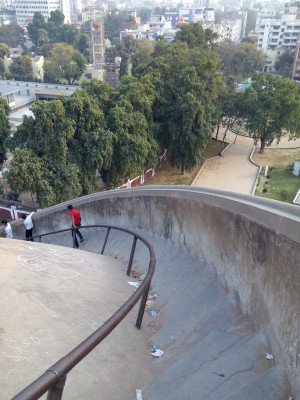
Golghar
Some quick example text to build on the card title and make up the bulk of the card's content.
Go somewhere
ISKCON Temple Patna
Some quick example text to build on the card title and make up the bulk of the card's content.
Go somewhere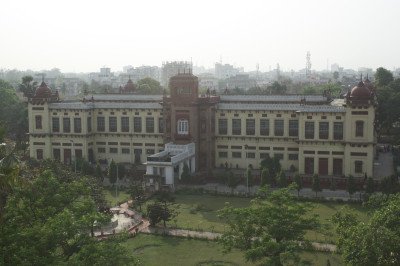
Jalan Museum
Some quick example text to build on the card title and make up the bulk of the card's content.
Go somewhere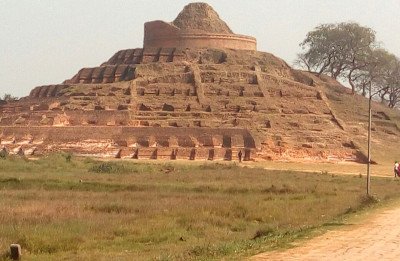
Kesariya Stupa
Some quick example text to build on the card title and make up the bulk of the card's content.
Go somewhere
Khuda Bakhsh Oriental Public Library
Some quick example text to build on the card title and make up the bulk of the card's content.
Go somewhere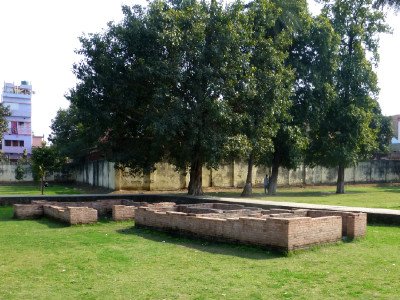
Kumhrar Park
Some quick example text to build on the card title and make up the bulk of the card's content.
Go somewhere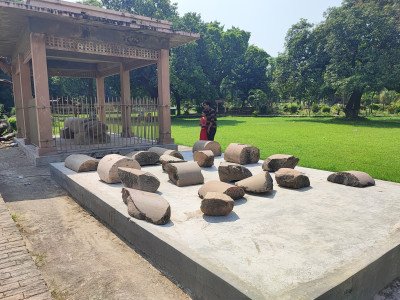
Kumhrar
Some quick example text to build on the card title and make up the bulk of the card's content.
Go somewhere
Mahatma Gandhi Setu
Some quick example text to build on the card title and make up the bulk of the card's content.
Go somewherein Other Cities