...

Place To Visit And Things To Do In Koraput

Odisha, India
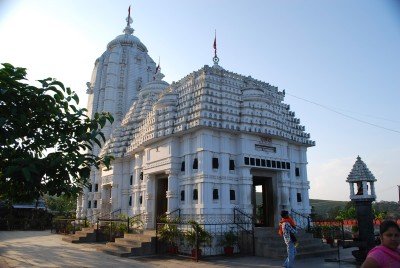
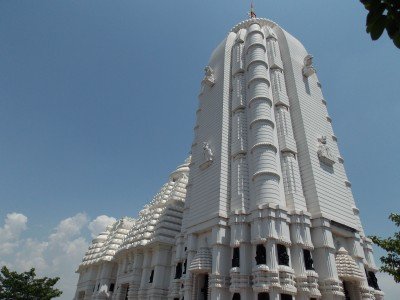
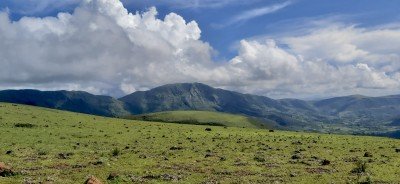
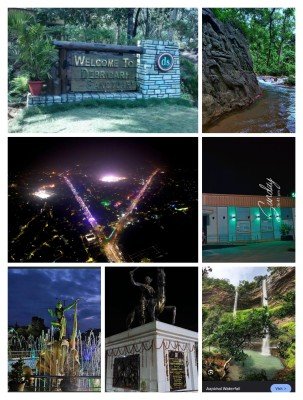
About Koraput: Koraput is a beautiful hill station located in the southern part of Odisha. It is known for its rolling hills, coffee plantations, and tribal culture. The town offers a cool climate and a peaceful vibe away from city life. It is often called the "Kashmir of Odisha" due to its natural beauty. Cultural Hub: The town is a center for tribal heritage with over 60 different tribes. The Tribal Museum here provides a deep look into their unique traditions. It is a place where ancient customs are still alive and well-preserved. Visitors can experience a completely different way of life here. Natural Grandeur: Surrounded by the Eastern Ghats, it has many scenic viewpoints. The Kolab Dam and its reservoir are popular spots for relaxation and picnics. Lush green forests and hidden waterfalls add to the charm of the region. It is a paradise for nature lovers and photographers. Spiritual Peace: The Sabara Srikhetra Jagannath Temple is a unique spiritual site here. It is built on a hill and welcomes people of all castes and tribes. The temple symbolizes the harmony between tribal and non-tribal cultures. It offers a stunning view of the entire Koraput town.

Things To Do

Card image cap
Balda Cave

Balda Cave is a geological marvel perched on a vast plateau known for its massive flat surface. The area is so expansive that locals claim five footb...
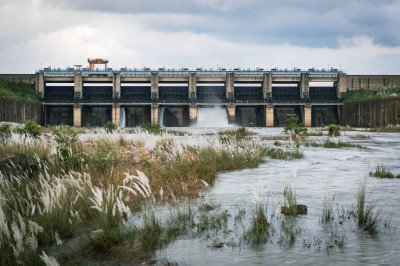
Balda Cave is a geological marvel perched on a vast plateau known for its massive flat surface. The area is so expansive that locals claim five football matches can be played simultaneously on the summit. The cave itself is dedicated to the deity Donger Dei, a powerful local goddess. Visitors are greeted by lush green forests and a serene pond located right on the plain near the cave entrance. The air here is crisp and the views of the Jalaput Reservoir are simply breathtaking. Historically, it serves as a spiritual sanctuary for the tribal communities of the Koraput region. The cave's interior features narrow passages that open into wider chambers, providing a thrill for explorers. It is a perfect blend of high-altitude beauty and subterranean mystery. The surrounding landscape remains largely untouched, offering a raw experience of the Eastern Ghats. Tourists often find peace in the silence of the caves and the rhythmic sounds of nature outside. It is increasingly becoming a hotspot for campers who wish to spend a night under the starlit sky on the flat tableland.
Card image cap
Damanjodi Township

Damanjodi is a beautifully planned industrial township nestled at the base of the Panchpatmali hills. It was developed to support the NALCO (National...

Damanjodi is a beautifully planned industrial township nestled at the base of the Panchpatmali hills. It was developed to support the NALCO (National Aluminium Company) plant, one of the largest in Asia. The town is a model of sustainable living, featuring wide avenues, dense plantations, and a cool climate throughout the year. It serves as a cultural melting pot where people from across India reside, creating a cosmopolitan atmosphere. The township is famous for its religious sites, including a stunning Jagannath Temple and a Sai Baba Temple that replicates the one in Shirdi. Nature enthusiasts love the NALCO Rock Garden, which features artificial streams and well-manicured lawns. The township is also a gateway to the Deomali peak, making it a strategic stop for travelers. The local markets are vibrant and offer a glimpse into the industrial-tribal synergy of the region. Despite being a hub of heavy industry, the air remains fresh due to the millions of trees planted by the corporation. It is often cited as one of the cleanest and greenest towns in Odisha. Visiting the residential sectors gives one a sense of the organized urban planning that defines this high-altitude settlement.
Card image cap
Deomali Peak

Deomali is the highest mountain peak in the state of Odisha, standing at an elevation of 1,672 meters. It is part of the Chandragiri-Pottangi sub-ran...

Deomali is the highest mountain peak in the state of Odisha, standing at an elevation of 1,672 meters. It is part of the Chandragiri-Pottangi sub-range of the Eastern Ghats. The journey to the top is a visual treat, with winding roads passing through dense deciduous forests and tribal hamlets. The peak itself is a sprawling ridge that offers panoramic views of the entire Koraput district and the neighboring state of Andhra Pradesh. It is a paradise for trekkers and nature lovers who seek solitude away from urban noise. The clouds often descend to touch the peak, creating a magical misty environment. The area is rich in mineral resources like bauxite and is home to diverse flora and fauna. Culturally, the foothills are inhabited by tribes like the Kandha and Paraja, who have lived in harmony with the mountain for centuries. Recently, the government has developed an eco-tourism camp here, allowing visitors to stay overnight in comfortable cottages. The sunrise from Deomali is considered one of the most beautiful sights in Eastern India, with the sky changing colors over the undulating hills. It is not just a destination but an emotion for the people of Koraput.
Card image cap
Duduma Waterfall

Duduma Waterfall, also known as Matsya Tirtha, is one of the tallest waterfalls in India, plunging from a height of 175 meters. Formed by the Machkun...

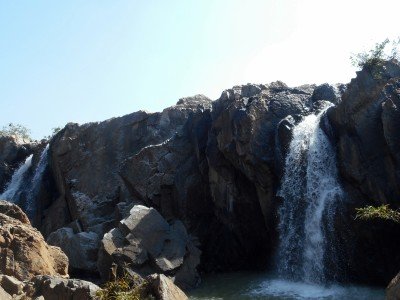
Duduma Waterfall, also known as Matsya Tirtha, is one of the tallest waterfalls in India, plunging from a height of 175 meters. Formed by the Machkund River, it serves as the backbone for the Machkund Hydroelectric Project, a collaborative venture between Odisha and Andhra Pradesh. The waterfall is surrounded by a rugged landscape and dense forests, creating a dramatic and powerful atmosphere. Legend has it that the great Vaishnavite saint Shri Chaitanya visited this spot in the 16th century. The area is also famous for being the home of the Bonda tribe, one of the most primitive tribal groups in India, who visit the nearby Onkadeli market every Thursday. The sight of the water crashing into the deep gorge creates a permanent mist that supports a unique micro-ecosystem. Visitors can view the falls from a well-maintained viewpoint or descend the 1000+ steps to reach the base for a closer look. The power of the water is palpable, and the roar can be heard from several kilometers away. It is a site of both industrial importance and natural splendor. The government has recently added amenities like the Mission Shakti Cafe and a "Selfie Point" to cater to modern tourists.
Card image cap
Galigabadar Waterfall

Galigabadar Waterfall, often referred to as the Rathibali Waterfall, is a hidden treasure located at the foothills of the Deomali range. Unlike the s...
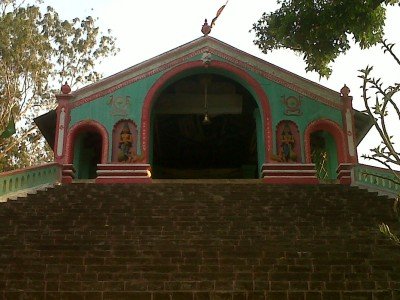
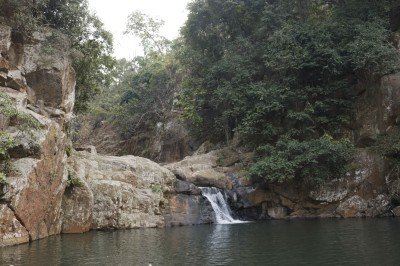
Galigabadar Waterfall, often referred to as the Rathibali Waterfall, is a hidden treasure located at the foothills of the Deomali range. Unlike the single drop of Duduma, this waterfall is a multi-tiered cascade where water flows down in several rocky steps. The surrounding area is incredibly lush, filled with indigenous trees and wild shrubs that remain green even in summer. The waterfall is fed by perennial mountain springs, ensuring a steady flow of water throughout the year. It has become a favorite spot for local "Van-Bhoji" (forest feasts) and picnics due to the large flat rocks near the water's edge. The sound of the water cascading over the stones creates a rhythmic and soothing background. There is a small watchtower nearby that provides a strategic view of the hills and the winding stream. During the monsoon, the entire hill is often shrouded in low-hanging clouds, making it look like a scene from a fantasy movie. The path to the waterfall is relatively easy, making it accessible for people of all ages. It is a place where one can truly connect with the "raw" side of Koraput’s landscape. The local tribal kids are often seen playing in the shallower pools, adding a touch of innocence to the rugged beauty of the site.
Card image cap
Nandapur Batrisa Singhasan

Nandapur Batrisa Singhasan is a magnificent historical site that serves as a testament to the glorious past of the Jeypore Kingdom in Odisha. Located...
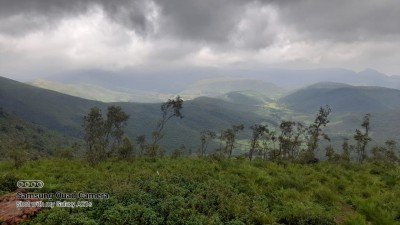
Nandapur Batrisa Singhasan is a magnificent historical site that serves as a testament to the glorious past of the Jeypore Kingdom in Odisha. Located about 45 KMs from the heart of Koraput, this site was once the capital of the powerful Suryavansi kings who ruled the region with great valor. The name Nandapur itself is believed to be derived from the Nanda dynasty of Magadha, indicating that the area's history stretches back thousands of years. The primary attraction here is the Batrisa Singhasan, which translates to the 'Throne of Thirty-Two Steps'. This site is deeply rooted in Indian mythology and folklore, as it is traditionally linked to the legendary throne of King Vikramaditya of Ujjain. Local legends suggest that the throne possessed divine powers and could only be ascended by a ruler of absolute righteousness. Walking through the ruins, one can feel a nostalgic connection to an era where the Jeypore kings conducted their royal courts and delivered justice from this very spot. The surrounding area is dotted with other significant monuments, including the shrine of Bhairavnath and an ancient temple dedicated to Lord Sarveswar. The site is not just a pile of stones but a living chronicle of the socio-political evolution of southern Odisha. Over the centuries, Nandapur witnessed the rise and fall of various dynasties, including the Kakateyas and Chindriko Nagos, and the presence of Jain relics indicates a period where Jainism flourished alongside Hinduism. The natural beauty of the place, with small streams flowing nearby and lush greenery covering the ancient mud walls, adds a layer of tranquility to the historical gravity of the location. For any history enthusiast or traveler looking to understand the tribal and royal heritage of the Koraput district, a visit to this 'Ancient Capital' is absolutely essential. It offers a unique window into the architectural and spiritual traditions that have shaped the identity of the local communities over several centuries. :
Card image cap
Palmetum Park

Palmetum Park, located on the scenic Patadevi Dangar hill, is one of the most refreshing and modern eco-tourist destinations in Koraput. Situated jus...
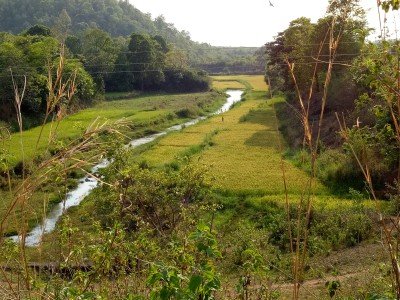
Palmetum Park, located on the scenic Patadevi Dangar hill, is one of the most refreshing and modern eco-tourist destinations in Koraput. Situated just 2 KMs away from the town center, it offers a quick escape into the lap of nature without having to travel far. This park is a botanical marvel, specifically designed to showcase a wide variety of palm species, hence the name 'Palmetum'. However, its attractions extend far beyond just palms. The park is part of a larger eco-tourist complex that includes a Bambusetum (collection of bamboo species), a Spicy Orchard featuring various spice plants, a Pine Park, and a vibrant Fruit Garden. As you walk along the well-paved paths, you are surrounded by a lush canopy of fruit and flower trees that provide shade and a sweet fragrance to the air. The park is built on a gradient, and as you ascend the hill, the views of Koraput city become increasingly panoramic. From the highest point, you can witness the sprawling coffee gardens of the region, the undulating hills of the Eastern Ghats, and the neatly laid out streets of the town below. A significant spiritual element is added by the presence of a large stone statue of Maa Patadevi at the summit, where locals and tourists alike stop to offer prayers and seek blessings. The park has been developed with a focus on family-friendly tourism, featuring unique cement sculptures of birds and animals that fascinate children, and wooden-style benches that offer a rustic place to rest. It serves as a vital green lung for the city and a center for environmental education, where visitors can learn about the diverse flora of the Koraput highlands. Whether you are looking for a vigorous uphill walk to stay fit or a quiet spot to watch the sunset over the valley, Palmetum Park provides the perfect setting. It is a place where the air is noticeably cooler and the noise of the city is replaced by the chirping of birds, making it a favorite haunt for nature lovers and photography enthusiasts in Odisha. :
Card image cap
Pandi Picnic Spot

Pandi Picnic Spot, also known as the area near Kechala, is one of the most picturesque waterfront destinations in the Koraput district. Located appro...
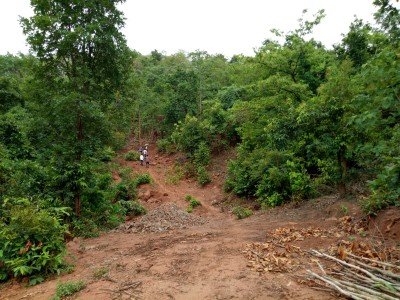
Pandi Picnic Spot, also known as the area near Kechala, is one of the most picturesque waterfront destinations in the Koraput district. Located approximately 15 KMs from the main town, it is situated along the vast backwaters of the Kolab reservoir. This spot is a perfect blend of natural beauty and historical intrigue. The area is famous for the Kechala Dam and the serene environment it creates, making it an ideal location for day-long picnics. Historically, the region holds immense value; an ancient copper plate inscription from 1620 suggests that this land was granted to a scholar named Narasingha Mishra by the Maharaja of the time. Furthermore, Pandi and Kechala are significant centers of Jainism from the medieval period. Visitors can explore the ruins of ancient Jain temples, including a notable 30-foot-high structure that houses images of Tirthankaras like Rishabhanatha and Mahavira. The picnic spot itself is characterized by its wide, calm waters surrounded by rolling green hills, providing a landscape that feels almost like a coastal retreat in the middle of the mountains. One of the main draws for tourists is the opportunity for boating. Taking a boat ride across the reservoir allows you to truly appreciate the scale of the water body and the beauty of the submerged hills. The spot is particularly popular during the winter months when the weather is mild and the water is a deep, clear blue. Families from across the district gather here to cook meals in the open air, a traditional part of the local picnic culture. The tranquility of the place is its biggest asset, offering a stark contrast to the busy market areas of Koraput. Whether you are interested in exploring the Jain heritage of Odisha or simply want to spend a day relaxing by the water, Pandi Picnic Spot offers a multi-faceted experience that caters to all types of travelers. It remains a somewhat offbeat destination, ensuring that it hasn't lost its pristine, natural charm to over-commercialization. :
Card image cap
Punjisil Waterfalls

Punjisil Waterfalls is a breathtaking natural attraction located approximately 30 KMs from the town of Koraput and about 46 KMs from Jeypore. Nestled...
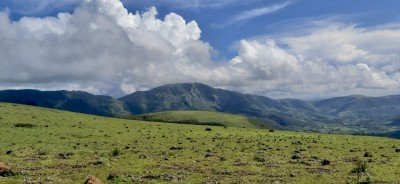
Punjisil Waterfalls is a breathtaking natural attraction located approximately 30 KMs from the town of Koraput and about 46 KMs from Jeypore. Nestled deep within a dense and thick forest area, this waterfall is one of the region's best-kept secrets. Unlike the more famous Duduma, Punjisil offers a more intimate and serene experience with nature. The waterfall is a cascading type, which means the water doesn't fall in a single vertical drop but flows over multiple levels of ancient rock formations, creating a series of beautiful, frothy white steps. The water is known for its crystal clarity, making it a popular spot for visitors who wish to take a refreshing bath in the natural pools formed at the base of the tiers. The surrounding landscape is dominated by high mountains and lush greenery, providing a perfect canopy that keeps the area cool even during the warmer months. While it hasn't been officially declared a major tourist destination by the state department yet, its popularity has grown organically through word-of-mouth and social media. Local villagers often visit the falls for weekend picnics, and it is now becoming a must-visit for travelers exploring the Koraput-Laxmipur circuit. The trek to the waterfall is as beautiful as the destination itself, leading you through forested paths where you can observe a variety of local flora and fauna. The sound of the water crashing against the rocks can be heard from a distance, building anticipation as you approach the site. The atmosphere here is one of pure, unadulterated nature, free from the commercial noise of more developed tourist spots. It is a place where you can spend hours just listening to the sound of flowing water and the rustle of leaves. For those seeking a bit of adventure, the different levels of the waterfall offer varying degrees of challenge to climb and explore. Punjisil is a shining example of the rugged and pristine beauty that the Koraput district is famous for in Odisha. :
Card image cap
Putsil Table Mountain

Putsil Table Mountain, often referred to as the 'Switzerland of Odisha', is a spectacular high-altitude plateau located about 40 KMs from Koraput tow...

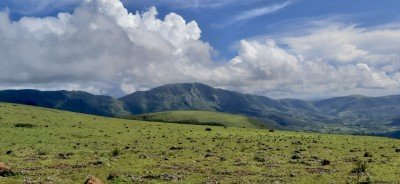
Putsil Table Mountain, often referred to as the 'Switzerland of Odisha', is a spectacular high-altitude plateau located about 40 KMs from Koraput town. This destination has rapidly gained fame for its breathtaking alpine-like scenery, characterized by rolling hills, deep valleys, and a unique flat-topped mountain structure. At an elevation that places it among the highest points in the region, Putsil offers a climate that is significantly cooler than the surrounding plains, often being draped in a thick blanket of clouds. The journey to the top is an experience in itself, as the winding roads pass through lush coffee plantations, sparkling mountain springs, and small tribal hamlets. The plateau is famous for its Eco Retreat, a seasonal luxury glamping initiative by Odisha Tourism that allows visitors to stay in high-end tents right on the mountain edge. From the viewpoints at Putsil, one can see the neighboring hills stretching into the horizon, with the valleys below often filled with mist, creating a 'sea of clouds' effect that is rare in eastern India. The area is not just about the views; it's a hub for eco-adventure. The vast flat surface of the table mountain provides ample space for trekking, paragliding (during specific festivals), and stargazing. The silence of the mountain is profound, broken only by the whistling wind and the occasional call of a mountain bird. Putsil is also known for its proximity to Deomali, the highest peak in Odisha, making it a central point for mountain tourism in the state. The combination of well-maintained roads, stunning vistas, and the luxury of the Eco Retreat has made it a favorite for travelers seeking both comfort and wilderness. Whether you are visiting for a winter picnic or a romantic getaway, the ethereal beauty of Putsil leaves a lasting impression, proving that Koraput is truly a paradise for mountain lovers. :
Card image cap
Raisil Perennial Stream

The Raisil Perennial Stream is a breathtaking natural wonder located near the small town of Laxmipur in the Koraput district. This destination is uni...
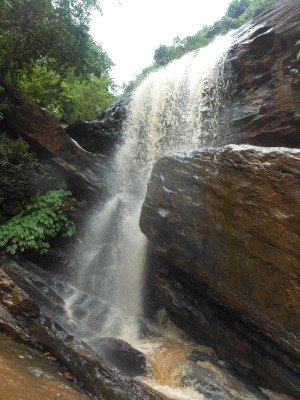
The Raisil Perennial Stream is a breathtaking natural wonder located near the small town of Laxmipur in the Koraput district. This destination is unique because it features a stream that flows continuously throughout the year, even during the peak summer months of May and June. The stream originates from a massive stone hill, creating a rhythmic sound of flowing water that echoes through the valley. Surrounded by the dense greenery of the Eastern Ghats, the place serves as a vital water source for the local flora and fauna. Historically, the stream has been a gathering point for local tribes who believe the water has purifying properties. The landscape is characterized by large granite boulders and ancient trees that provide ample shade for weary travelers. Unlike the more crowded waterfalls of Odisha, Raisil offers a quiet, meditative atmosphere where the only sounds are bird calls and the bubbling of water. The geological formation of the stone hill is a subject of interest, showing layers of sedimentary history that have withstood centuries of erosion. Tourists often find themselves mesmerized by the clarity of the water, which reflects the blue sky and the surrounding emerald canopy. Over the years, the local government has worked to preserve the ecological integrity of the site while making it accessible to eco-tourists. The stream eventually joins larger tributaries, contributing to the rich river system of southern Odisha. For those seeking a break from the digital world, Raisil represents the "slow life" of the mountains. It is a place where time seems to stand still, and the connection between man and nature is restored. The site is not just a tourist spot but a living ecosystem that supports diverse life forms including rare butterflies and orchids. Visitors are encouraged to explore the upper reaches of the stream where the water is at its most pristine. The local community plays a significant role in maintaining the site, ensuring that the water remains free from pollutants. Whether you are a solo traveler looking for solitude or a family seeking a natural playground, the Raisil Perennial Stream offers an authentic experience of the Koraput highlands. :
Card image cap
Rani Duduma Waterfalls

Rani Duduma Waterfalls is one of the most picturesque and serene waterfalls in the Koraput district, often referred to as the "Queen's Waterfall" due...
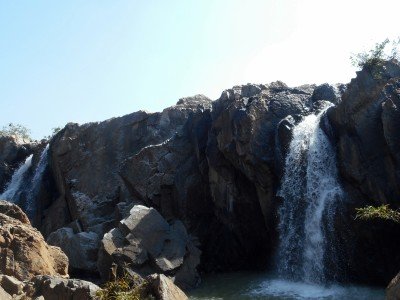
Rani Duduma Waterfalls is one of the most picturesque and serene waterfalls in the Koraput district, often referred to as the "Queen's Waterfall" due to its elegant and graceful descent. Unlike the massive Duduma Waterfall near Machhkund, Rani Duduma is more approachable and intimate. The waterfall is situated at the edge of the Nandapur hills, surrounded by a dense blanket of tropical forest. The water cascades from a height of approximately 60 to 70 feet, creating a curtain-like effect as it hits the rocky pool below. The water is exceptionally clear, sourced from the pristine springs of the Eastern Ghats. To reach the falls, visitors enjoy a short trek of about 1 Km through a landscape filled with wildflowers and tribal settlements. The area is a popular picnic spot, especially for families from Semiliguda and Sunabeda. A well-maintained park has been developed near the falls, providing seating and play areas for children. The atmosphere here is one of absolute tranquility, with the sound of the waterfall providing a natural soundtrack. Historically, the region around Nandapur was the ancient capital of the Jeypore kingdom, and local legends suggest that the royalty often visited this spot for recreation. Today, it stands as a testament to the natural beauty of southern Odisha. The pool at the bottom is relatively shallow in many areas, allowing tourists to enjoy a refreshing bath in the cool waters during the months of October to January. The surrounding cliffs are home to various species of ferns and orchids that thrive in the humid environment created by the mist. For nature enthusiasts, the site offers a glimpse into the rich biodiversity of the Koraput highlands. The local tribal communities, particularly the Parajas and Gadabas, live in the vicinity and their vibrant culture adds to the charm of the visit. Efforts are being made by the forest department to keep the area plastic-free. The journey to the falls is as beautiful as the destination itself, with winding roads that offer views of terraced farms and rolling hills. Whether you are looking for a place to host a family feast or a quiet corner to write or paint, Rani Duduma provides the perfect backdrop. It is a hidden gem that is slowly gaining popularity among national tourists. :
Card image cap
Rathibali Waterfall

Rathibali Waterfall, also popularly known as the Galigabadar Waterfall, is a unique multi-tiered cascade located in the southern tip of the Koraput d...
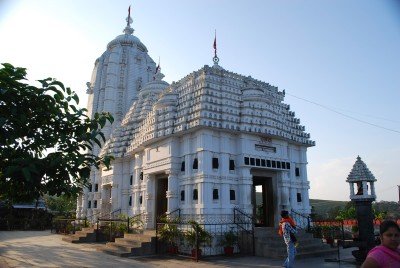
Rathibali Waterfall, also popularly known as the Galigabadar Waterfall, is a unique multi-tiered cascade located in the southern tip of the Koraput district. It is tucked away in the rugged terrain of the Pottangi hills, which are known for their high altitude and mist-covered peaks. The waterfall is distinctive because the water does not just drop once; it slides and leaps over several rocky levels, creating a series of natural steps. The surrounding landscape is a lush mix of evergreen forests and coffee plantations, typical of the Eastern Ghats border region. The air here is noticeably cooler than in the plains, making it a perfect summer retreat during March and April. The water is crystal clear and originates from deep mountain springs that remain pure throughout the year. For many years, Rathibali remained a secret known only to the local tribal communities and adventurous bikers. Recently, the tourism department has built a watchtower to allow visitors to enjoy the panoramic views of the hills and the winding waterfall from a safe distance. The site is especially beautiful during the rainy season of August, when the clouds literally touch the hilltops, and the waterfall is at its most thunderous. The rocks at Rathibali are ancient metamorphic formations, smoothed by centuries of flowing water into interesting shapes. The path to the waterfall involves a short walk through a scenic landscape of wild shrubs and tribal farmlands. It is a place where you can experience the raw, unedited beauty of nature. The waterfall eventually flows down towards the plains of Andhra Pradesh, symbolizing the geographical connection between the two states. Because it is located near the border, the local culture is a fascinating blend of Odia and Telugu influences, seen in the local food and language. The area is also known for its rich birdlife, including several species of raptors that soar high above the cliffs. Visiting Rathibali is not just about seeing water fall; it is about the journey through the ghats, the cool mountain breeze, and the feeling of being at the edge of the world. It is a must-visit for anyone exploring the Pottangi and Deomali circuit of Koraput. :
Card image cap
Sabar Srikhetra Jagannath Temple

The Sabar Srikhetra Jagannath Temple is a unique spiritual landmark that stands as a symbol of universal brotherhood and tribal integration. Perched ...

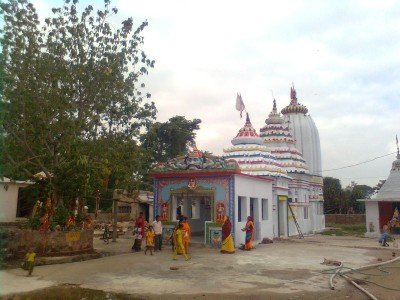
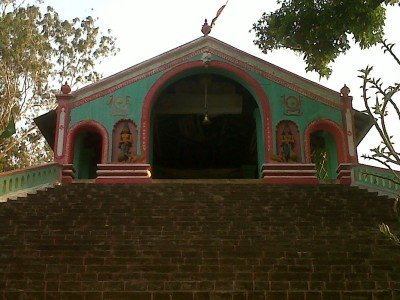
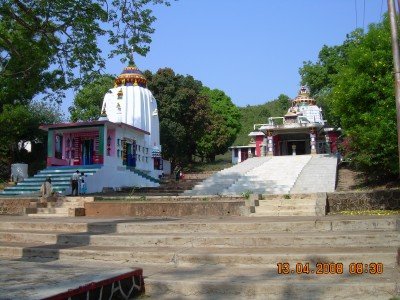
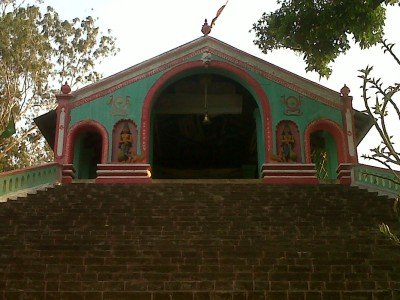
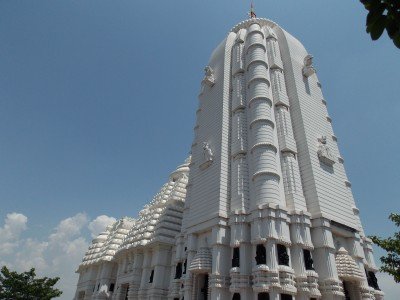
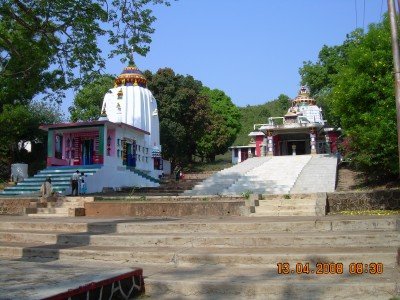
The Sabar Srikhetra Jagannath Temple is a unique spiritual landmark that stands as a symbol of universal brotherhood and tribal integration. Perched at an altitude of nearly 3,000 feet on a hillock in Koraput, it is often called the "Second Srikhetra" after the famous temple in Puri. What makes this temple truly extraordinary is its connection to the Sabar tribe, the original worshippers of Lord Jagannath. Legend says that the deity was originally worshipped as "Neela Madhava" by a tribal chief named Biswabasu. Built in 1972, this temple was established to spread the "Jagannath Consciousness"—a philosophy that transcends caste, creed, and religion. Unlike the main temple in Puri, where non-Hindus are restricted, Sabar Srikhetra is open to everyone, regardless of their background. The temple complex is not just a place of ritual but a center for social harmony. The priests here follow many traditions that are deeply rooted in tribal culture, and the local community plays a primary role in all major festivals. The climb to the temple involves over 100 steps, and with each step, the panoramic view of Koraput town becomes more spectacular. The temple is dedicated to Lord Jagannath, Balabhadra, and Subhadra, who are worshipped here in their wooden forms as "Daru Brahma." The serene environment, combined with the cool mountain air, makes it a perfect place for spiritual reflection. The temple is surrounded by nine smaller shrines dedicated to various gods and goddesses, creating a complete spiritual circuit. Adjacent to the temple is a tribal museum and a research council (COATS), which emphasize the temple's role in preserving indigenous heritage. Every year in June or July, the Rath Yatra is celebrated with immense fervor, where the "Chhera Pahanra" (ritual sweeping of the chariots) is traditionally performed by a tribal villager who is crowned "King for a Day." This practice highlights the temple's core value of equality. The architecture of the temple mirrors the Kalinga style but with a simpler, more modern touch. It is a place where nature meets divinity, offering both a religious experience and a visual feast of the surrounding green valleys. :
Card image cap
Sabara Srikhetra

Sabara Srikhetra is more than just a place of worship; it is the cultural heart of the Koraput district, serving as a bridge between ancient tribal l...
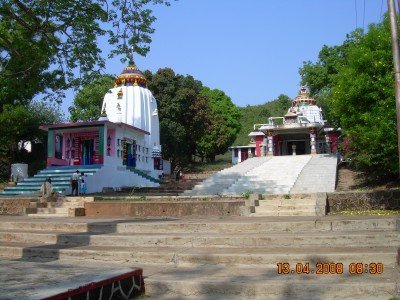
Sabara Srikhetra is more than just a place of worship; it is the cultural heart of the Koraput district, serving as a bridge between ancient tribal lore and modern spiritual practice. This row focuses on the broader complex, including the Council of Analytical Tribal Studies (COATS) and the associated Tribal Museum. The site was chosen because of its historical significance to the Sabar tribe, who are believed to have originated the worship of Jagannath in the form of a log of wood. The temple complex acts as a living laboratory for those interested in anthropology and sociology. Visitors can spend hours exploring the museum, which houses a vast collection of tribal artifacts, including traditional costumes, hunting tools, and musical instruments. The temple itself sits as the crown of this hill, but the entire hillside is dedicated to the preservation of indigenous identity. The philosophy of "Jagannath Consciousness" here is rooted in the idea that God belongs to the forest and its people. This is evident in the rituals where tribal elders are given positions of honor. The landscape of the complex is beautifully maintained, with flowering trees and paths that wind around the hill. For researchers, the library at COATS offers rare manuscripts and books on the 62 ethnic groups of Odisha. The atmosphere is one of profound respect for the past while embracing the future. In the evenings, the area becomes a social hub for the people of Koraput, who come to enjoy the cool air and the spiritual vibrations of the chanting. The temple has also been a pioneer in social reform, encouraging the education of tribal youth and promoting traditional crafts. A visit here provides a deep understanding of why Koraput is considered a melting pot of cultures. The integration of the tribal "Matarbnom" deity within the temple boundaries is a rare example of religious syncretism. Every corner of the hill tells a story of survival, faith, and the enduring bond between the people and the land. Whether you are looking at the intricate carvings on the temple walls or the simple mud-wall replicas in the museum, the experience is one of complete immersion into the soul of southern Odisha. :
Card image cap
Sunabeda Township

Sunabeda Township is a perfectly planned and beautiful industrial town nestled in the lush green hills of the Eastern Ghats in the Koraput district o...

Sunabeda Township is a perfectly planned and beautiful industrial town nestled in the lush green hills of the Eastern Ghats in the Koraput district of Odisha. Established in the early 1960s, this town was primarily built to accommodate the employees of Hindustan Aeronautics Limited (HAL), which is one of India's premier aerospace and defense organizations. The township is located at an altitude of about 1000 meters above sea level, providing it with a pleasant and cool climate throughout the year, earning it the nickname "Kashmir of Odisha" among locals. The area was originally a tribal habitation before the government selected it for its strategic and secure location, far from international borders and surrounded by protective natural cover like dense forests and rolling mountains. The township is divided into several sectors and zones, featuring wide roads, excellent drainage systems, and a vast cover of evergreen trees that make every street look like a park. The town represents a unique blend of modern engineering excellence and traditional tribal culture, as the surrounding villages still maintain their ancient lifestyle. Over the decades, Sunabeda has grown from a high-security industrial hub into a vibrant community with schools, hospitals, and recreational centers. It gained further significance after the 1971 war when it hosted camps for refugees, leading to a multicultural demographic that includes people from across India. Today, it stands as a symbol of India's self-reliance in defense, specifically in the manufacturing of aero-engines for fighter aircraft. The presence of the Central University of Odisha and the COBRA battalion headquarters has added to the town's importance as an educational and administrative center. Visitors are often struck by the cleanliness and the systematic layout of the residential colonies, which contrast beautifully with the wild, rugged beauty of the surrounding Koraput landscape. It is a place where one can witness the "Navratna" PSU's industrial might while enjoying the serene peace of a hill station, making it a must-visit for anyone exploring the southern reaches of Odisha.
Card image cap
Talamiting Waterfall

Talamiting Waterfall is one of the most mesmerizing yet lesser-known natural wonders in the Koraput district of Odisha. Tucked away in the dense fore...

Talamiting Waterfall is one of the most mesmerizing yet lesser-known natural wonders in the Koraput district of Odisha. Tucked away in the dense forests of the Laxmipur region, this waterfall is a serene escape for those who love offbeat travel. The waterfall cascades from a height of approximately 100 feet, creating a thunderous sound that echoes through the quiet hills. What makes Talamiting truly unique is the geological formation at its base; the water has carved out a natural stone basin that resembles a modern infinity pool. From this pool, one can look out over the edge into the deep valley below, surrounded by the towering peaks of the Eastern Ghats. The journey to the waterfall involves a bit of trekking through rugged terrain and tribal hamlets, providing a raw and authentic experience of the Odisha wilderness. The area is rich in biodiversity, with rare birds and vibrant forest flora that change colors with the seasons. During the winter months, the water is crystal clear and cool, making it an inviting spot for a refreshing dip. Unlike the more famous Duduma or Bagra falls, Talamiting offers a sense of solitude and peace, as it is not yet crowded by large-scale commercial tourism. The local tribal communities consider the forest sacred, and their presence adds a spiritual dimension to the visit. The mist rising from the falling water often creates small rainbows when the sunlight hits the gorge at certain angles. It is a perfect destination for backpackers, adventure seekers, and photography enthusiasts who wish to capture the untouched beauty of southern Odisha. The surrounding landscape is a mix of deciduous forests and rocky outcrops, offering numerous trails for those who wish to explore further. A visit to Talamiting is not just about the waterfall; it is about the adventure of discovery in a land where nature still reigns supreme.
Card image cap
Tribal Museum

The Tribal Museum in Koraput is a profound cultural repository that offers an immersive window into the lives, traditions, and artistic expressions o...
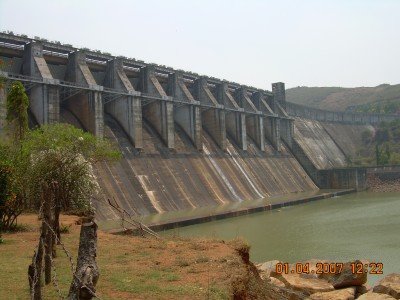
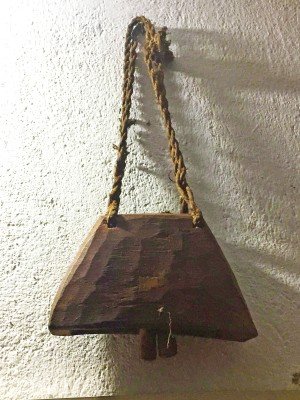
The Tribal Museum in Koraput is a profound cultural repository that offers an immersive window into the lives, traditions, and artistic expressions of the various indigenous communities inhabiting the Eastern Ghats. Established to preserve the fast-fading heritage of tribes like the Bonda, Gadaba, Paraja, Kandha, and Dharua, the museum is not just a building but a bridge to the ancient world. It is strategically located near the Sabar Srikhetra (Jagannath Temple), making it a central point for cultural tourism in the district. The museum houses an extensive collection of artifacts, including traditional jewelry made of beads and silver, heavy brass neck rings, hunting weapons like bows and specialized iron axes, and intricate hand-woven textiles known for their unique tribal patterns and natural dyes. Visitors can explore various galleries that display household utensils made from dried gourds and wood, musical instruments like the long 'Dhemsa' drums and stringed instruments, and agricultural tools that have been used for centuries. One of the highlights is the collection of 'Dhokra' metal craft, an ancient wax-casting technique used to create figurines of gods, animals, and daily life. The museum also features life-sized dioramas and models of traditional tribal huts, showing the architectural styles of different tribes. The walls are often adorned with tribal paintings that tell stories of forest myths and community celebrations. The museum plays a crucial role in educating both locals and tourists about the sustainable lifestyle of the tribes, who have lived in harmony with nature for generations. It serves as a research center for anthropologists and students interested in ethnography. The peaceful ambiance of the museum, with its well-maintained gardens and informative displays, provides a contemplative space to understand the rich diversity that makes Koraput the soul of Odisha. For any traveler, this museum is the starting point to appreciate the human landscape of the region before heading out to the tribal markets or remote villages.
Card image cap
Upper Kolab Dam

Upper Kolab Dam is a magnificent engineering marvel and a premier eco-tourism destination located on the Kolab River, a major tributary of the Godava...

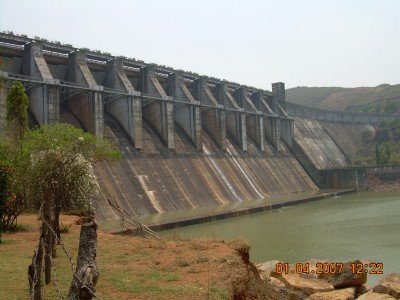
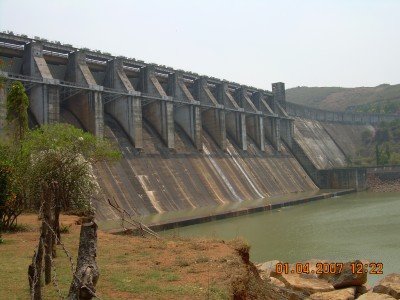
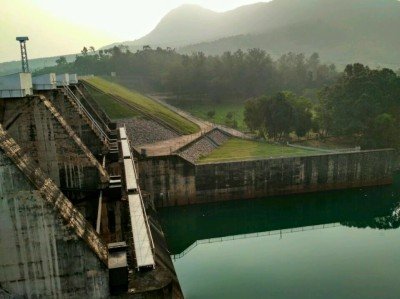
Upper Kolab Dam is a magnificent engineering marvel and a premier eco-tourism destination located on the Kolab River, a major tributary of the Godavari. Situated at an impressive altitude of about 3000 feet above sea level, the dam serves as a vital source of hydroelectric power, irrigation, and drinking water for the entire southern Odisha region. The project, which was completed in the early 1990s, has created a vast and beautiful reservoir that stretches across the hilly landscape, surrounded by the verdant peaks of the Eastern Ghats. The scenic beauty of the reservoir is breath-taking, with the deep blue waters contrasting against the emerald green of the surrounding forests. One of the main attractions here is the Kolab Botanical Garden, which is meticulously maintained by the state government and features over 200 varieties of flowering plants, shrubs, and trees. The garden is a favorite spot for families and nature lovers, offering well-laid paths, ornamental fountains, and viewpoints that overlook the massive expanse of the water. During the winter months, the reservoir becomes a haven for thousands of migratory birds, including Siberian cranes, making it a hotspot for birdwatchers. The atmosphere is incredibly peaceful, far removed from the hustle of urban life, with the only sounds being the gentle lap of waves and the chirping of birds. Boating facilities are often available, allowing visitors to venture out onto the reservoir and appreciate the scale of the dam and the beauty of the submerged hills. The sunset at Upper Kolab is a sight to behold, as the sky turns into a palette of orange and purple reflecting on the still waters. The area is also popular for weekend picnics, with dedicated spaces for groups to enjoy a day out in nature. The dam itself is a concrete gravity structure that stands as a symbol of regional development. Whether you are interested in civil engineering, botany, or simply looking for a quiet place to relax, Upper Kolab Dam offers a perfect blend of man-made utility and natural splendor.
Show All

Koraput Itineray And Cost:-

Information about New and Updated Locations() of Odisha Has Been Added :-
Card subtitle

Note:-

Information provided here in good Faith and for reference only.

All information and pictures will be updated soon, please keep visiting.

Near Places
...
Angul

Some quick example text to build on the card title and make up the bulk of the card's content.

Go somewhere
...
Balasore

Some quick example text to build on the card title and make up the bulk of the card's content.

Go somewhere
...
Bargarh

Some quick example text to build on the card title and make up the bulk of the card's content.

Go somewhere
...
Baripada

Some quick example text to build on the card title and make up the bulk of the card's content.

Go somewhere
...
Berhampur

Some quick example text to build on the card title and make up the bulk of the card's content.

Go somewhere
...
Bhadrak

Some quick example text to build on the card title and make up the bulk of the card's content.

Go somewhere
...
Bhubaneswar

Some quick example text to build on the card title and make up the bulk of the card's content.

Go somewhere
...
Chandipur

Some quick example text to build on the card title and make up the bulk of the card's content.

Go somewhere
...
Cuttack

Some quick example text to build on the card title and make up the bulk of the card's content.

Go somewhere
...
Daringbadi

Some quick example text to build on the card title and make up the bulk of the card's content.

Go somewhere
in Other Cities