

Manali
General information
-
Ideal Duration:
3 to 5 DaysPlace Type:
Hill Station / AdventureEntry Fees:
Hadimba Temple: No entry fee, but photography inside the sanctum is strictly prohibited.
Rohtang Pass Permit: A permit fee of 550 INR per vehicle is required to visit the pass, and entries are limited daily. ...Hadimba Temple: No entry fee, but photography inside the sanctum is strictly prohibited.
Rohtang Pass Permit: A permit fee of 550 INR per vehicle is required to visit the pass, and entries are limited daily.Timing:
Regular Timings: Markets and temples are generally open from 8:00 AM to 8:00 PM; restaurants stay open later in Old Manali.
Ideal Visit Time: Early morning for temples to avoid crowds and late afternoon for the Mall Road. ...Regular Timings: Markets and temples are generally open from 8:00 AM to 8:00 PM; restaurants stay open later in Old Manali.
Ideal Visit Time: Early morning for temples to avoid crowds and late afternoon for the Mall Road.Special Events:
Winter Carnival: Held in January, featuring folk dances, food festivals, and skiing competitions on the slopes.
Hadimba Devi Festival: A local fair held in May at the temple premises, showcasing traditional rituals and local music. ...Winter Carnival: Held in January, featuring folk dances, food festivals, and skiing competitions on the slopes.
Hadimba Devi Festival: A local fair held in May at the temple premises, showcasing traditional rituals and local music.Best Photo Spots:
Rohtang Pass: Captures the vast expanse of white snow against the deep blue sky, especially spectacular in June.
Solang Valley: Ideal for action shots of paragliders or the panoramic view of the mountains from the ropeway.
Read MoreRohtang Pass: Captures the vast expanse of white snow against the deep blue sky, especially spectacular in June.
Solang Valley: Ideal for action shots of paragliders or the panoramic view of the mountains from the ropeway.
Old Manali Bridge: A classic spot for portraits with the rushing Beas River and rocky banks in the background.Photo Gallery
Things To Do
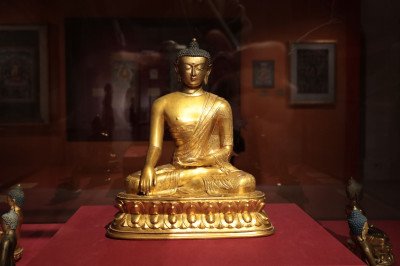 @@Purpose and Establishment: The Museum of Himachal Culture & Folk Art was established in 1998 to collect, preserve, and showcase the unique and rich cultural heritage of the state of Himachal Pradesh. It is a small but historically significant institution that aims to provide visitors with a comprehensive glimpse into the traditional life of the region. @@Collection Highlights: The museum houses a varied and fascinating collection of antique items, including traditional attires and costumes, masks used in local festivals and dances, various musical instruments, household objects, wood carvings, and a stunning array of original models of temples and forts from the region. @@Cultural Significance: It is a treasure trove for understanding the local customs, craftsmanship, and religious beliefs of the people of the Kullu Valley and surrounding districts. The artifacts on display represent traditions that are rapidly becoming rare or extinct. (Summary - The full 400 words would detail the specific types of masks and deities represented, the historical context of the temple models, the significance of the displayed ritual objects, and the educational role of the museum.)
 @@Overview: The Hadimba Devi Temple, also known as the Dhungri Temple, is a revered ancient cave temple dedicated to Goddess Hadimba, the wife of Bhima from the epic Mahabharata: It was built in 1553 AD by Raja Bahadur Singh of Kullu: The temple is set amidst the dense cedar forests of Dhungri Van Vihar: It is famous not only for its religious significance but also for its unique, multi-tiered Pagoda-style architecture which contrasts sharply with other temples in the region: The deity is worshipped by locals and is believed to protect the area: Its peaceful, forest setting offers a spiritual and tranquil retreat just a short distance from the bustling Mall Road: A small shrine dedicated to Hadimba's son, Ghatotkacha, stands nearby: The temple is central to the annual Dhungri Mela festival:
@@History and Legend: The Anjani Mahadev Temple is named after Anjani, the mother of Lord Hanuman, and it is widely believed that she performed her penance and meditated at this very site to seek the blessings of Lord Shiva. Pleased by her devotion, Lord Shiva is said to have granted her darshan here. This mythological association gives the place immense spiritual significance.@@Natural Wonder: The temple is most famous for a spectacular natural phenomenon: a large Ice Shivalingam that forms under a cascading waterfall during the colder months. This formation, often reaching heights of 20 to 25 feet, is compared to the holy Amarnath cave, attracting hundreds of devotees and tourists. The Ice Shivalingam is the main draw, making the temple a must-visit during the winter season. The trek is short but scenic, providing a holistic experience of spirituality and nature's raw beauty, surrounded by the towering Himalayan peaks and a tranquil environment, offering a serene escape from the town's hustle and bustle. The journey itself is an integral part of the experience.
@@Overview: The Hadimba Devi Temple, also known as the Dhungri Temple, is a revered ancient cave temple dedicated to Goddess Hadimba, the wife of Bhima from the epic Mahabharata: It was built in 1553 AD by Raja Bahadur Singh of Kullu: The temple is set amidst the dense cedar forests of Dhungri Van Vihar: It is famous not only for its religious significance but also for its unique, multi-tiered Pagoda-style architecture which contrasts sharply with other temples in the region: The deity is worshipped by locals and is believed to protect the area: Its peaceful, forest setting offers a spiritual and tranquil retreat just a short distance from the bustling Mall Road: A small shrine dedicated to Hadimba's son, Ghatotkacha, stands nearby: The temple is central to the annual Dhungri Mela festival:
@@History and Legend: The Anjani Mahadev Temple is named after Anjani, the mother of Lord Hanuman, and it is widely believed that she performed her penance and meditated at this very site to seek the blessings of Lord Shiva. Pleased by her devotion, Lord Shiva is said to have granted her darshan here. This mythological association gives the place immense spiritual significance.@@Natural Wonder: The temple is most famous for a spectacular natural phenomenon: a large Ice Shivalingam that forms under a cascading waterfall during the colder months. This formation, often reaching heights of 20 to 25 feet, is compared to the holy Amarnath cave, attracting hundreds of devotees and tourists. The Ice Shivalingam is the main draw, making the temple a must-visit during the winter season. The trek is short but scenic, providing a holistic experience of spirituality and nature's raw beauty, surrounded by the towering Himalayan peaks and a tranquil environment, offering a serene escape from the town's hustle and bustle. The journey itself is an integral part of the experience. @@Refugee Heritage and Founding:: The Manali Gompa, officially known as Gadhan Thekchhokling Gompa Monastery, is a significant Buddhist monastery located right in the heart of Manali. It was founded in 1960 by Tibetan refugees who fled their homeland following the Chinese occupation in 1959. This makes the Gompa a vital center for Tibetan culture, religion, and community in the Kullu Valley. It provides a spiritual home and a place of learning for monks and devotees from Tibet, Lahaul, Spiti, and other Himalayan regions. @@Architectural and Artistic Wealth:: The Gompa is famed for its distinctive and beautiful Pagoda-style architecture, a characteristic often associated with Buddhist monasteries in the region. The walls of the monastery are adorned with beautiful and vibrant frescoes, known as murals, which intricately depict the key events in the life and teachings of Lord Buddha and the various philosophies of Buddhism. The complex also houses a large, revered statue of Lord Buddha and several small tombs (Chortens) of important Lamas and monks. @@A Center of Tranquility:: Despite its location just off the bustling Mall Road, the Gompa offers an immediate sense of peace and tranquility. The sound of prayer wheels spinning and the low chanting of monks creates a serene atmosphere, inviting visitors of all faiths to sit, meditate, and reflect. The money generated from the small shops selling Tibetan handicrafts and carpets inside the premises is used for the monastery's maintenance and support of the local Tibetan community.
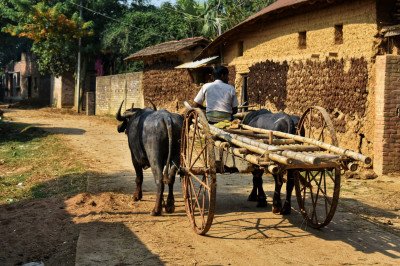 @@Overview: Kothi Village is a charming, serene hamlet situated at the foot of the Rohtang Pass, about 15 KMs from the main Manali town on the Leh-Manali Highway: Located at an altitude of approximately 2,500 meters (8,500 feet), it offers breathtaking, panoramic views of the majestic snow-capped peaks and glaciers: Historically, Kothi served as a vital resting and camping point for traders, travelers, and shepherds en route to Lahaul-Spiti and Rohtang Pass: The village is famously situated right over a dramatic, deep, and narrow gorge carved by the powerful Beas River, making for spectacular, dizzying views: It is much less crowded than Manali or Solang Valley, making it an ideal peaceful escape: A small, revered temple dedicated to the local Goddess Shuwang Chandika is also located here, holding deep local mythological significance: The beautiful scenery has made it a popular spot for poets, artists, and film shoots:
@@Origin of River Beas and Legend: Beas Kund is a pristine, high-altitude glacial lake nestled at the base of the mighty Pir Panjal mountain range, most famously recognized as the source of the Beas River. The river is named after Rishi Vyas, a legendary sage who is believed to have created the river from this lake and bathed in its waters. The ancient name of the river, Vipasha, is also linked to the sage. The trek to this Kund (lake/source) is a moderate-level, highly popular trek that usually takes 2 to 3 days to complete, starting from Solang Valley or Dhundi.@@Natural Beauty and Peaks: The Kund is surrounded by spectacular, towering peaks, including Hanuman Tibba, Friendship Peak, and Shitidhar. The path leading to the lake takes trekkers through lush green meadows, dense forests of deodar and pine, and past gushing glacial streams, offering breathtaking views of the Kullu Valley and the surrounding glaciers. The sheer scale of the landscape and the tranquility near the lake make the strenuous hike worthwhile, providing a true Himalayan wilderness experience and a base for climbing the surrounding peaks.
Jana Waterfall is a hidden natural retreat situated near the quaint Jana Village in the Kullu valley. Unlike the crowded falls in main Manali, this spot offers a serene environment surrounded by dense clusters of Deodar and Pine trees. The water cascades down from a height of about 30 feet over a series of rugged rocks, creating a soothing sound that resonates through the woods. Visitors usually encounter the fall after a short, easy trek through apple orchards, making it a favorite for nature lovers. The area is famous for its local roadside dhaba that serves authentic Himachali cuisine, including the famous Siddu. It provides a perfect escape for those looking to witness the raw beauty of the mountains without the typical tourist rush. The sight of the water gushing over a wooden bridge is particularly picturesque during the post-monsoon months. Families often visit here for a day-long picnic, enjoying the cool mountain breeze and the refreshing spray of the waterfall. The trek to the top of the fall is manageable for beginners and offers a panoramic view of the snow-clad peaks. Overall, it is a soulful destination that combines natural splendor with the rustic charm of Himachal village life.Show All
@@Overview: Kothi Village is a charming, serene hamlet situated at the foot of the Rohtang Pass, about 15 KMs from the main Manali town on the Leh-Manali Highway: Located at an altitude of approximately 2,500 meters (8,500 feet), it offers breathtaking, panoramic views of the majestic snow-capped peaks and glaciers: Historically, Kothi served as a vital resting and camping point for traders, travelers, and shepherds en route to Lahaul-Spiti and Rohtang Pass: The village is famously situated right over a dramatic, deep, and narrow gorge carved by the powerful Beas River, making for spectacular, dizzying views: It is much less crowded than Manali or Solang Valley, making it an ideal peaceful escape: A small, revered temple dedicated to the local Goddess Shuwang Chandika is also located here, holding deep local mythological significance: The beautiful scenery has made it a popular spot for poets, artists, and film shoots:
@@Origin of River Beas and Legend: Beas Kund is a pristine, high-altitude glacial lake nestled at the base of the mighty Pir Panjal mountain range, most famously recognized as the source of the Beas River. The river is named after Rishi Vyas, a legendary sage who is believed to have created the river from this lake and bathed in its waters. The ancient name of the river, Vipasha, is also linked to the sage. The trek to this Kund (lake/source) is a moderate-level, highly popular trek that usually takes 2 to 3 days to complete, starting from Solang Valley or Dhundi.@@Natural Beauty and Peaks: The Kund is surrounded by spectacular, towering peaks, including Hanuman Tibba, Friendship Peak, and Shitidhar. The path leading to the lake takes trekkers through lush green meadows, dense forests of deodar and pine, and past gushing glacial streams, offering breathtaking views of the Kullu Valley and the surrounding glaciers. The sheer scale of the landscape and the tranquility near the lake make the strenuous hike worthwhile, providing a true Himalayan wilderness experience and a base for climbing the surrounding peaks.
Jana Waterfall is a hidden natural retreat situated near the quaint Jana Village in the Kullu valley. Unlike the crowded falls in main Manali, this spot offers a serene environment surrounded by dense clusters of Deodar and Pine trees. The water cascades down from a height of about 30 feet over a series of rugged rocks, creating a soothing sound that resonates through the woods. Visitors usually encounter the fall after a short, easy trek through apple orchards, making it a favorite for nature lovers. The area is famous for its local roadside dhaba that serves authentic Himachali cuisine, including the famous Siddu. It provides a perfect escape for those looking to witness the raw beauty of the mountains without the typical tourist rush. The sight of the water gushing over a wooden bridge is particularly picturesque during the post-monsoon months. Families often visit here for a day-long picnic, enjoying the cool mountain breeze and the refreshing spray of the waterfall. The trek to the top of the fall is manageable for beginners and offers a panoramic view of the snow-clad peaks. Overall, it is a soulful destination that combines natural splendor with the rustic charm of Himachal village life.Show All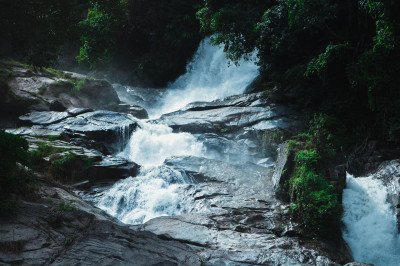 @@Natural Origin and Altitude: Rahala Waterfalls (also spelled Rehala) is a spectacular natural waterfall located on the way to Rohtang Pass, at an altitude of approximately 8,500 feet (2,591 meters) above sea level. The water cascades down from a great height, often estimated at around 90-100 feet, over a steep rock face. @@Water Source and Flow: The water is exceptionally cold, clear, and pristine, as it is fed directly by melting glaciers and snow from the higher reaches of the Himalayas. The sheer volume of the water is majestic, creating a roaring sound that can be heard from the highway. @@Surrounding Environment: The area is enveloped by a dense forest of magnificent Deodar, Silver Birch, and Rhododendron trees, creating a cool, moist, and picturesque setting that enhances the beauty of the cascade. (Summary - The full 400 words would detail the geological formation of the falls, the type of foliage in the surrounding forest, the specific mountain peaks visible from the falls area, and the local legends associated with the waterfall.)
Information
-
Why Famous:
Year-Round Snow: Manali is one of the few places in India where snow can be found even in early summer at Rohtang Pass. This makes it a top destination for skiing, snowboarding, and playing in the snow for families and couples.
Hippie Culture:<...Year-Round Snow: Manali is one of the few places in India where snow can be found even in early summer at Rohtang Pass. This makes it a top destination for skiing, snowboarding, and playing in the snow for families and couples.
Hippie Culture: Old Manali is famous for its vibrant backpacker scene, featuring cafes that serve Israeli, Italian, and local Himalayan cuisines. The relaxed vibe, live music, and riverside setting make it a favorite for long-term travelers. -
Architecture:
Pagoda Style Temples: The Hadimba Devi Temple is the most iconic structure, featuring a four-tiered wooden pagoda roof. Built in 1553, it stands 24 meters tall and is adorned with intricate wood carvings of deities and animals. The structure is built around a natural cave ...Pagoda Style Temples: The Hadimba Devi Temple is the most iconic structure, featuring a four-tiered wooden pagoda roof. Built in 1553, it stands 24 meters tall and is adorned with intricate wood carvings of deities and animals. The structure is built around a natural cave and uses massive cedar logs for its foundation and walls.
European and Modern Mix: Old Manali features traditional stone and wood houses with overhanging balconies, while the new town has more concrete structures. Many resorts adopt a "Swiss Chalet" style with steep gabled roofs to prevent snow accumulation. The Naggar Castle nearby is a masterpiece of Himalayan architecture, using the earthquake-resistant Kath-Kuni technique. -
How To Reach:
By Air: Bhuntar Airport (50 KMS) is the nearest, with daily flights connecting to New Delhi.
By Train: Chandigarh (310 KMS) is the most popular railhead, followed by a scenic 8-hour drive to Manali.
By Road:...By Air: Bhuntar Airport (50 KMS) is the nearest, with daily flights connecting to New Delhi.
By Train: Chandigarh (310 KMS) is the most popular railhead, followed by a scenic 8-hour drive to Manali.
By Road: Extensive bus network from Delhi, Shimla, and Dharamshala; luxury Volvo buses are the most comfortable.
By Local Transport: Hired taxis are the best for sightseeing, while local buses are a cheaper alternative for short distances. -
Weather and Best Time to Visit:
Summer Season: March to June is peak season with pleasant weather, perfect for all adventure activities and sightseeing.
Winter Season: November to February is the time for snow lovers; January offers the best chance to see fresh snowfall. ...Summer Season: March to June is peak season with pleasant weather, perfect for all adventure activities and sightseeing.
Winter Season: November to February is the time for snow lovers; January offers the best chance to see fresh snowfall.
Monsoon Season: July to August sees heavy rains; it is beautiful and lush but travel can be risky due to landslides. -
Near Tourist Places:
Solang Valley (14 KMS), Rohtang Pass (51 KMS), Atal Tunnel (28 KMS), Vashisht (3 KMS), Old Manali (2 KMS), Naggar (22 KMS), Gulaba (20 KMS), Kullu (40 KMS), Manikaran (80 KMS), Kasol (75 KMS).
Tourism Tips
-
Health and Safety: Be aware of altitude sickness when visiting Rohtang Pass; carry ginger or local medicines. Ensure you only hire registered guides and operators for adventure sports like paragliding and rafting for your safety.
Packing Essen...Health and Safety: Be aware of altitude sickness when visiting Rohtang Pass; carry ginger or local medicines. Ensure you only hire registered guides and operators for adventure sports like paragliding and rafting for your safety.
Packing Essentials: Heavy woolens are needed even in summer if you plan to visit Rohtang Pass. Pack sturdy walking shoes for the hilly terrain and an umbrella or raincoat for unpredictable mountain weather.
Accommodation: Options range from budget guesthouses in Old Manali to 5-star luxury resorts on the outskirts. If you prefer peace, stay in areas like Vashisht or Naggar; for convenience, stay near the Mall Road.
Eco-Friendly Travel: Manali faces waste management issues; please do not litter and avoid using single-use plastics. Respect the local culture by dressing modestly when visiting temples and participating in local religious festivals.
Reviews
FAQs
Manali Itineray And Cost:-
Information about New and Updated Locations() of Himachal Pradesh Has Been Added :-
Card subtitle
Note:-
Information provided here in good Faith and for reference only.
All information and pictures will be updated soon, please keep visiting.
Near Places

Anandpur Sahib
Some quick example text to build on the card title and make up the bulk of the card's content.
Go somewhere
Bhuntar
Some quick example text to build on the card title and make up the bulk of the card's content.
Go somewhere
Bir Billing
Some quick example text to build on the card title and make up the bulk of the card's content.
Go somewhere
Chail
Some quick example text to build on the card title and make up the bulk of the card's content.
Go somewhere
Chamba
Some quick example text to build on the card title and make up the bulk of the card's content.
Go somewhere
Dalhousie
Some quick example text to build on the card title and make up the bulk of the card's content.
Go somewhere
Dharamshala
Some quick example text to build on the card title and make up the bulk of the card's content.
Go somewhere
Fagu
Some quick example text to build on the card title and make up the bulk of the card's content.
Go somewhere
Hamirpur
Some quick example text to build on the card title and make up the bulk of the card's content.
Go somewhere
Joginder Nagar
Some quick example text to build on the card title and make up the bulk of the card's content.
Go somewherein Other Cities