Nahan
General information
-
Ideal Duration:
2 to 3 DaysPlace Type:
Heritage, Nature, PilgrimageSpecial Events:
Renuka Fair: Held in November, it is a state-level fair that celebrates the meeting of Lord Parshuram and his mother Renuka. Thousands of people gather for traditional music and dance.
Bawan Dwadashi: A unique local festival where idols fro...Renuka Fair: Held in November, it is a state-level fair that celebrates the meeting of Lord Parshuram and his mother Renuka. Thousands of people gather for traditional music and dance.
Bawan Dwadashi: A unique local festival where idols from various temples are taken in a procession. It is celebrated with great devotion and cultural displays. The town's streets are decorated beautifully during this time.Best Photo Spots:
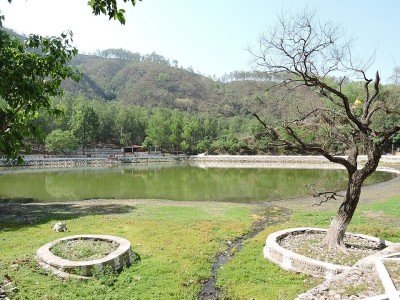
Renuka Lake Bank: The serene banks of the lake offer multiple angles for landscape shots. The sunset reflected in the water is a prized shot for many. The temple in the background adds a cultural element.
Hills of Jaitak: The high vantage ...Renuka Lake Bank: The serene banks of the lake offer multiple angles for landscape shots. The sunset reflected in the water is a prized shot for many. The temple in the background adds a cultural element.
Hills of Jaitak: The high vantage point from the fort provides panoramic valley views. It is perfect for wide-angle photography. On clear days, you can see far into the plains of Haryana.
Suketi Fossil Park Models: The life-size models of prehistoric animals are fun for creative photography. They look very realistic against the natural backdrop of the hills. It is a hit on social media platforms.Photo Gallery
Things To Do
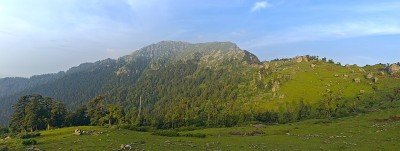
 Jamu Peak is a majestic summit located near the sacred Renuka Lake, offering one of the most breathtaking views in the entire Sirmaur district. It is home to an ancient temple dedicated to Rishi Jamdagni, the husband of Goddess Renuka and the father of Lord Parshuram. The peak serves as a spiritual pinnacle where devotees come to pay their respects and seek blessings. The trek to the top is approximately 8 kilometers from the lake, passing through thick deodar and oak forests that resonate with the sounds of nature. As you ascend, the air becomes crisper and the views more expansive. Once at the summit, one is rewarded with a bird's-eye view of the entire Renuka Lake, which appears like a reclining woman from this height. The peak is also significant because it is believed to be the place where Rishi Jamdagni meditated. The quietude of the summit, combined with the sacred vibrations of the temple, makes it an ideal spot for those seeking spiritual solace. From here, the snow-clad peaks of the higher Himalayas are often visible on clear days, providing a stunning backdrop to the green valleys below. It is a place where nature and mythology are intricately woven, offering a profound experience to every traveler.
 Paonta Sahib Gurudwara is one of the most significant Sikh pilgrimage sites in the world, located on the banks of the majestic Yamuna River. The word 'Paonta' means 'a space for a foothold', marking the place where Guru Gobind Singh, the tenth Sikh Guru, first set foot in the kingdom of Sirmour. The Guru lived here for over four years, during which he composed several important Sikh scriptures, including parts of the Dasam Granth. The Gurudwara is not just a place of worship but a historical monument that witnessed the Guru's literary and martial excellence. The site overlooks the wide expanse of the Yamuna, which flows peacefully alongside the white marble structure. The Gurudwara houses a museum that displays the weapons and pens used by the Guru, providing a deep insight into his life as a 'Saint-Soldier'. The 'Langar' (community kitchen) here is famous for serving thousands of people daily with humility and love. The atmosphere is charged with spirituality, with the continuous chanting of 'Gurbani' echoing through the halls. The town of Paonta Sahib grew around this sacred site and remains a hub of trade and culture. Historically, it was here that the Guru defeated several hill rajas in the Battle of Bhangani. The complex includes several important spots like Shri Talab Asthan, where the Guru distributed salaries, and Shri Dastar Asthan, where he held turban-tying competitions. For travelers, the Gurudwara offers a blend of serene riverside beauty and profound religious history, making it a cornerstone of any visit to the Nahan region.
 @@Historical Context and Functionality: The Chaugan Road Market is the bustling commercial heart of Nahan town, historically serving as the main trade route and gathering place adjacent to the Chaugan ground, which was a royal playground and parade ground. It retains its old-world charm, blending traditional Himachali shops with modern amenities. It’s a crucial artery for local life, offering everything from daily groceries and apparel to local handicrafts and Himachali artifacts. It's a key place to experience the authentic pulse of the town. @@Diverse Shopping Experience: The road is not just a marketplace but a cultural melting pot where local vendors display their wares. The atmosphere is vibrant and often crowded, especially during peak hours and festive seasons. It is particularly known for its variety of street food stalls, which are a major draw for both locals and tourists seeking authentic Himachali and North Indian flavors. This central location makes it a reference point for directions and a starting point for exploring the rest of Nahan. The area around the Chaugan offers open space contrasting the dense market. (Approximate 400 words):
 @@Historical Foundation and Deity: The Kalisthan Temple, dedicated to Goddess Kali, the fierce yet protective form of the Hindu Divine Mother, is one of the most revered Shakti Peethas (sacred seats of the Goddess) in the Nahan region. It was constructed in 1830 (Vikram Samvat 1887) by Raja Vijay Prakash. Local legend holds that the idol of Goddess Kali was brought to Nahan from the Kumaon region by the king's wife, Rani Sahiba, thus establishing its spiritual lineage to other sacred Goddess sites. @@A Center for Royal Worship: Historically, the temple was a focal point of royal worship, especially during major festivals like Dussehra and Navratri, when the Maharaja would visit the temple for worship. The temple sits slightly above the main town, offering a serene environment conducive to spiritual practice and meditation. It continues to be an important community center for worship and cultural activities. (Approximate 400 words):
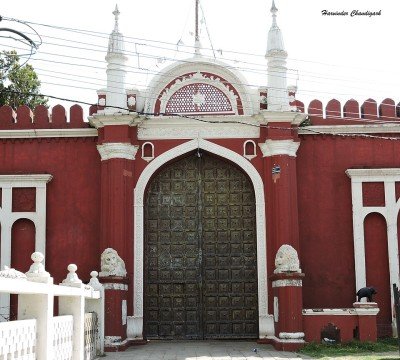 @@History and Significance: The Ranzor Palace, also frequently referred to as Nahan Palace, is a magnificent historical landmark built during the 19th century under the reign of Maharaja Rajinder Singh of Sirmour, succeeding the old, largely destroyed Nahan Fort. It served as the primary residence of the royal family of Sirmour and stands as a testament to the kingdom's later-era power and refined taste. Today, it has been elegantly converted into a Heritage Hotel, allowing visitors to step directly into the royal ambiance of a bygone era while enjoying modern comforts. The palace is an architectural marvel that showcases a fusion of traditional Indian/Pahari styles with a distinct European/Colonial influence, a popular trend among Indian royalty of the time. Its spacious halls, grand corridors, and meticulously maintained grounds reflect the elegance and luxury of the royal lifestyle. Located on a prominent hill feature, it offers stunning panoramic views of the surrounding Shivalik Hills and the entire Nahan town. Beyond its function as a hotel, the palace remains a vital cultural hub, often hosting significant events, weddings, and cultural gatherings, preserving its regal identity. This blending of history, architecture, and hospitality makes the Ranzor Palace a unique and essential stop in Nahan.@@Regal Transformation: Modern heritage hotel preserving 19th-century royal life.@@Architectural Fusion: Splendid blend of Indian and Colonial styles.@@Cultural Venue: Hosts high-profile weddings and special events.
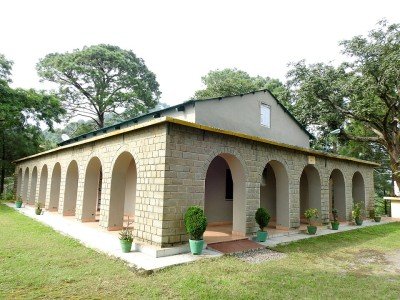 Perched atop the Jaitak Hills, the Jaitak Fort is a historical landmark that offers a panoramic view of the surrounding valleys and the Kayarda Dun. Built in 1810 by the Gorkha leader Ranjor Singh Thapa, the fort was constructed using the materials from the destroyed Nahan Fort. It is famously known as the site of a fierce battle between the British forces and the Gorkhas during the Anglo-Gorkha War (1814-1815). The strategic importance of this location is evident from the 360-degree visibility it provides, allowing defenders to monitor movement across the plains and hills. Today, the fort lies largely in ruins, but its crumbling walls tell a story of valor and military strategy. A visit to Jaitak Fort is a journey back in time, where one can walk through the remains of once-mighty ramparts and imagine the cannon fire that once echoed across these ridges. The climb to the fort is a short but steep trek from Jamta, rewarding visitors with refreshing breezes and breathtaking vistas of the Shivalik range. It is an ideal spot for history buffs and photography enthusiasts who wish to capture the essence of Himachal’s martial past. The serene atmosphere, far from the city's noise, makes it a peaceful retreat where the only sounds are the whistling wind and the calls of mountain birds.
 Markanda Temple is a highly revered ancient shrine situated on the banks of the Markanda River, just a short drive from Nahan. The temple is dedicated to Maharishi Markandeya, a famous sage known for his unwavering devotion to Lord Shiva. According to Hindu mythology, this is the site where the young Markandeya meditated and conquered death (Yama) through the 'Mahamrityunjaya Mantra'. The temple complex is serene and surrounded by a thick grove of trees, with the river flowing gently alongside it. The water of the Markanda River is considered holy, and many devotees take a dip in its waters to cure skin ailments and seek spiritual purification. The atmosphere here is one of deep contemplation and ancient mystery. The river itself originates from a spring near a large fig tree in the vicinity, adding to the site's natural charm. Historically, the temple has been a center for Vedic learning and meditation for centuries. The surrounding landscape consists of low Shivalik hills and fertile plains, making it a picturesque spot for a day trip. During major festivals like Shivratri, the temple is decorated with flowers and lights, and the echoes of Vedic chants fill the air. It is not just a religious site but also a place of historical significance, as the river has been mentioned in various ancient texts. Visitors often find a sense of peace here that is hard to find in more commercialized tourist spots. The simple lifestyle of the resident priests and the timeless flow of the river create a soulful experience for every visitor.Show All
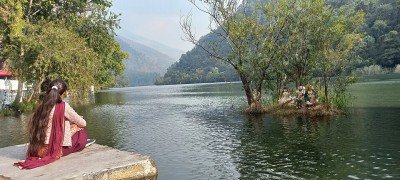 The Renuka Zoo, often referred to as the Mini Zoo, is the oldest zoo in Himachal Pradesh, established to provide a safe haven for rescued and local wildlife. It is uniquely situated on the banks of the Renuka Lake, allowing the animals to live in an environment that closely mimics their natural habitat. The zoo is most famous for its Asiatic Lions, which were brought here to start a breeding colony. Apart from the lions, the zoo houses Spotted Deer, Barking Deer, Himalayan Black Bears, and various species of monkeys like the Lion-tailed Macaque. The layout of the zoo is integrated with the natural slope of the hill, requiring visitors to walk along a winding path to see the different enclosures. It serves as an excellent educational center for children and tourists who want to see the fauna of the Shivaliks up close. The zoo is part of the larger Renuka Wildlife Sanctuary but is managed as a separate viewing area. The enclosures are designed to be spacious, giving the animals room to roam. The sound of the wind through the pines and the occasional roar of a lion create a thrilling atmosphere for everyone.
Information
-
Why Famous:
Renuka Lake: Located near Nahan, it is the largest natural lake in Himachal Pradesh. It is shaped like a reclining woman and is sacred to the goddess Renuka.
Asia's First Fossil Park: The Suketi Fossil Park is famous for its life-size model...Renuka Lake: Located near Nahan, it is the largest natural lake in Himachal Pradesh. It is shaped like a reclining woman and is sacred to the goddess Renuka.
Asia's First Fossil Park: The Suketi Fossil Park is famous for its life-size models of prehistoric animals. It houses fossils dating back millions of years found in the Shivalik range. This makes it a unique destination for science enthusiasts. -
How To Reach:
By Air: The nearest airport is Chandigarh Airport, about 90 KMS away. From Chandigarh, one can hire a taxi or take a luxury bus to reach Nahan. The drive takes about 3 hours.
By Train: Ambala Cantt is the nearest major railway station at 8...By Air: The nearest airport is Chandigarh Airport, about 90 KMS away. From Chandigarh, one can hire a taxi or take a luxury bus to reach Nahan. The drive takes about 3 hours.
By Train: Ambala Cantt is the nearest major railway station at 85 KMS. It is well-connected to Delhi and other major cities. Taxis and buses are available outside the station.
By Road: Nahan is well-connected by road to Delhi, Chandigarh, and Dehradun. The distance from Delhi is about 250 KMS. The route via Saha and Kala Amb is the most common.
By Local Transport: The town is small enough to be explored on foot. Local buses and taxis are available for traveling to Renuka Lake or Paonta Sahib. Auto-rickshaws are common for short distances within the town. -
Weather and Best Time to Visit:
Spring Season (March to June): The weather is very pleasant, neither too hot nor too cold. This is the best time for outdoor activities and visiting the fossil park. The greenery is at its peak after the winter rains.
Post-Monsoon (September t...Spring Season (March to June): The weather is very pleasant, neither too hot nor too cold. This is the best time for outdoor activities and visiting the fossil park. The greenery is at its peak after the winter rains.
Post-Monsoon (September to November): The air is clear and the views of the mountains are sharp. This is also the time for the famous Renuka Fair. The climate is cool and refreshing.
Day and Night: Days are bright and sunny, ideal for picnics by the lake. Nights are calm and cool, requiring light woolens even in summer. The town has a very peaceful nightlife. -
Near Tourist Places:
Renuka Lake (38 KMS), Paonta Sahib (45 KMS), Suketi Fossil Park (21 KMS), Jaitak Fort (15 KMS), Trilokpur Temple (23 KMS), Churdhar Peak (50 KMS), Dhaula Kuan (20 KMS), Kala Amb (18 KMS), Baru Sahib (60 KMS), Simbalwada Sanctuary (35 KMS)
Tourism Tips
-
Health and Safety: Keep yourself hydrated as the sun can be strong during the day. Basic medical facilities are available in the town center. When trekking, always inform your hotel or a local guide.
Packing: Carry comfortable cotton cloth...Health and Safety: Keep yourself hydrated as the sun can be strong during the day. Basic medical facilities are available in the town center. When trekking, always inform your hotel or a local guide.
Packing: Carry comfortable cotton clothes for the day and a light sweater for the night. Sunscreen and a hat are recommended for the open-air fossil park. Sturdy shoes are needed for fort climbs and lake walks.
Accommodation: Nahan has several heritage hotels and budget guesthouses. Staying in a government-run tourist bungalow is also a good option. It is advisable to book in advance during festival seasons.
Cultural Respect: Dress modestly while visiting the temples around Renuka Lake. Seek permission before taking photographs of locals. Avoid littering in the sacred lake and the surrounding forest areas.
Reviews
FAQs
Nahan Itineray And Cost:-
Other Places In Himachal Pradesh :-
Other States In India :-
Information about New and Updated Locations() of Himachal Pradesh Has Been Added :-
Card subtitle
Note:-
Information provided here in good Faith and for reference only.
Near Places

Anandpur Sahib
Some quick example text to build on the card title and make up the bulk of the card's content.
Go somewhere
Bhuntar
Some quick example text to build on the card title and make up the bulk of the card's content.
Go somewhere
Bir Billing
Some quick example text to build on the card title and make up the bulk of the card's content.
Go somewhere
Chail
Some quick example text to build on the card title and make up the bulk of the card's content.
Go somewhere
Chamba
Some quick example text to build on the card title and make up the bulk of the card's content.
Go somewhere
Dalhousie
Some quick example text to build on the card title and make up the bulk of the card's content.
Go somewhere
Dharamshala
Some quick example text to build on the card title and make up the bulk of the card's content.
Go somewhere
Fagu
Some quick example text to build on the card title and make up the bulk of the card's content.
Go somewhere
Hamirpur
Some quick example text to build on the card title and make up the bulk of the card's content.
Go somewhere
Joginder Nagar
Some quick example text to build on the card title and make up the bulk of the card's content.
Go somewhere
Kangra
Some quick example text to build on the card title and make up the bulk of the card's content.
Go somewhere
Kasauli
Some quick example text to build on the card title and make up the bulk of the card's content.
Go somewhere
Kasol
Some quick example text to build on the card title and make up the bulk of the card's content.
Go somewhere
Khajjiar
Some quick example text to build on the card title and make up the bulk of the card's content.
Go somewhere
Kufri
Some quick example text to build on the card title and make up the bulk of the card's content.
Go somewhere
Kullu
Some quick example text to build on the card title and make up the bulk of the card's content.
Go somewherein Other Cities