
Palampur
General information
-
Ideal Duration:
3 to 4 DaysPlace Type:
Nature, Art, SpiritualSpecial Events:
Holi Festival: Palampur is famous for its grand Holi celebrations. The local fair is one of the biggest in the region and lasts for several days. It features traditional music, dances, and a lot of colors.
International Paragliding Championshi...Holi Festival: Palampur is famous for its grand Holi celebrations. The local fair is one of the biggest in the region and lasts for several days. It features traditional music, dances, and a lot of colors.
International Paragliding Championship: Held at nearby Bir Billing, it attracts participants from all over the world. The skies are filled with hundreds of colorful paragliders. It is a spectacular sight to behold from the ground.Best Photo Spots:
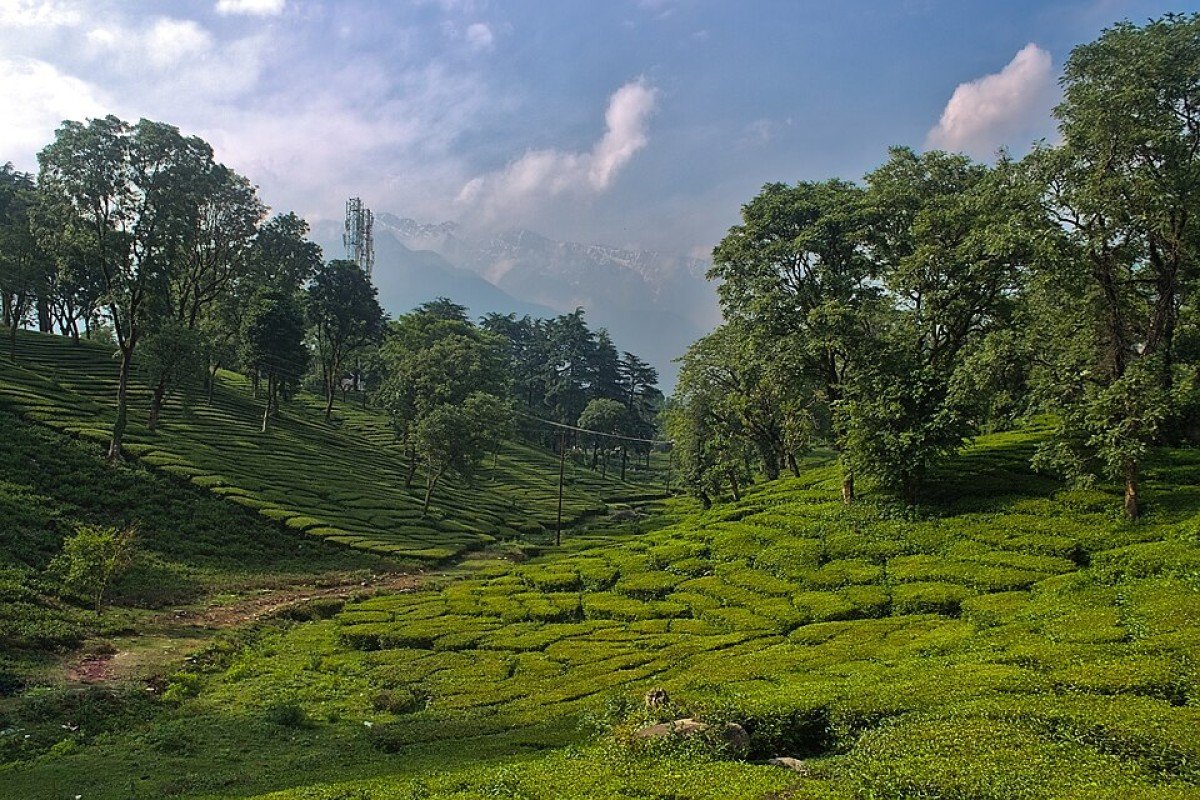
Tea Gardens at Sunrise: The first light hitting the green leaves with the mountains in the backdrop is a dream shot. The mist often adds a layer of mystery to the photos. It is the best place for landscape and macro photography.
Andretta Potte...Tea Gardens at Sunrise: The first light hitting the green leaves with the mountains in the backdrop is a dream shot. The mist often adds a layer of mystery to the photos. It is the best place for landscape and macro photography.
Andretta Pottery Studio: The sight of artists working on their wheels is very photogenic. The rustic setting of the village provides a great background for portraits. The colorful pottery pieces also make for vibrant images.
Neugal Khad Bridge: The bridge offers a high-angle view of the stream and the mountains. It is a popular spot for panoramic shots. The contrast of the white stones in the stream and the green hills is very striking.Photo Gallery
Things To Do
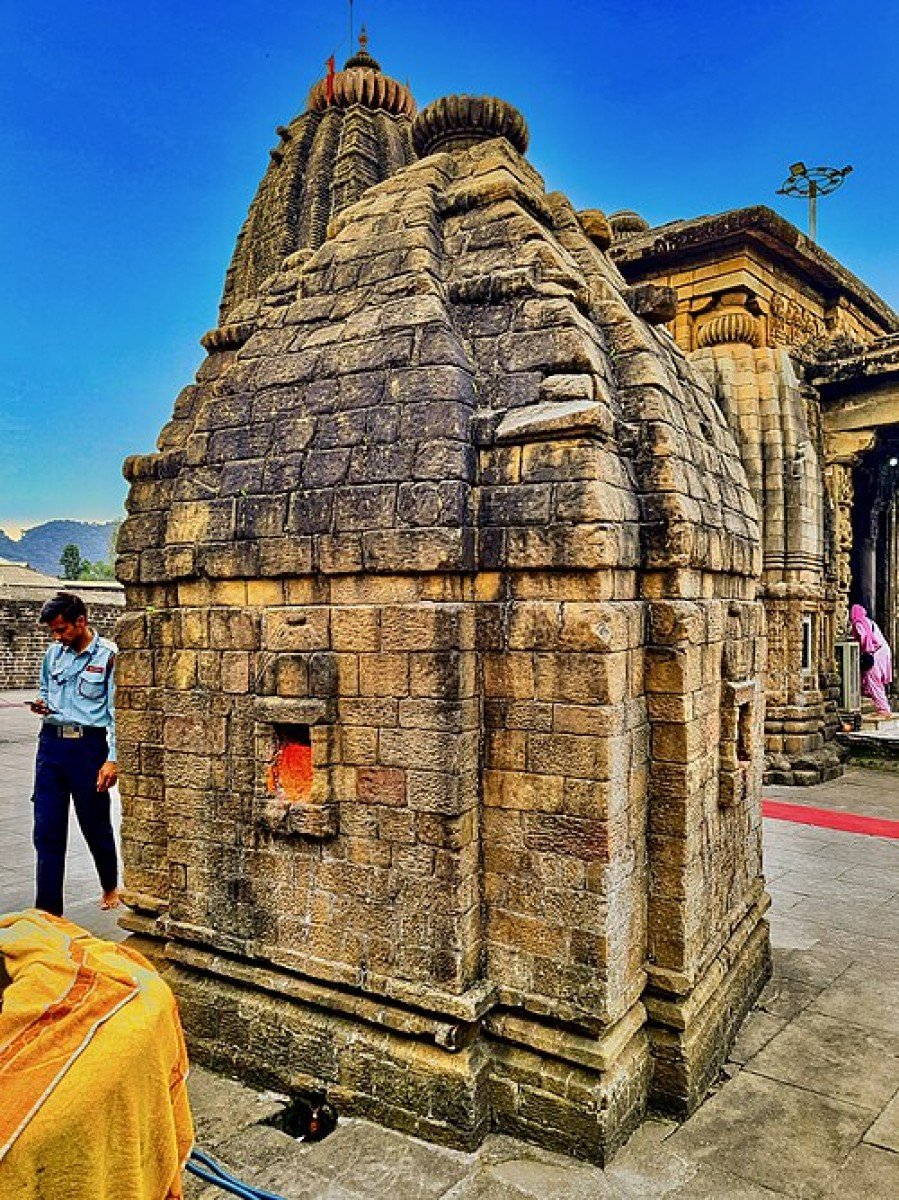
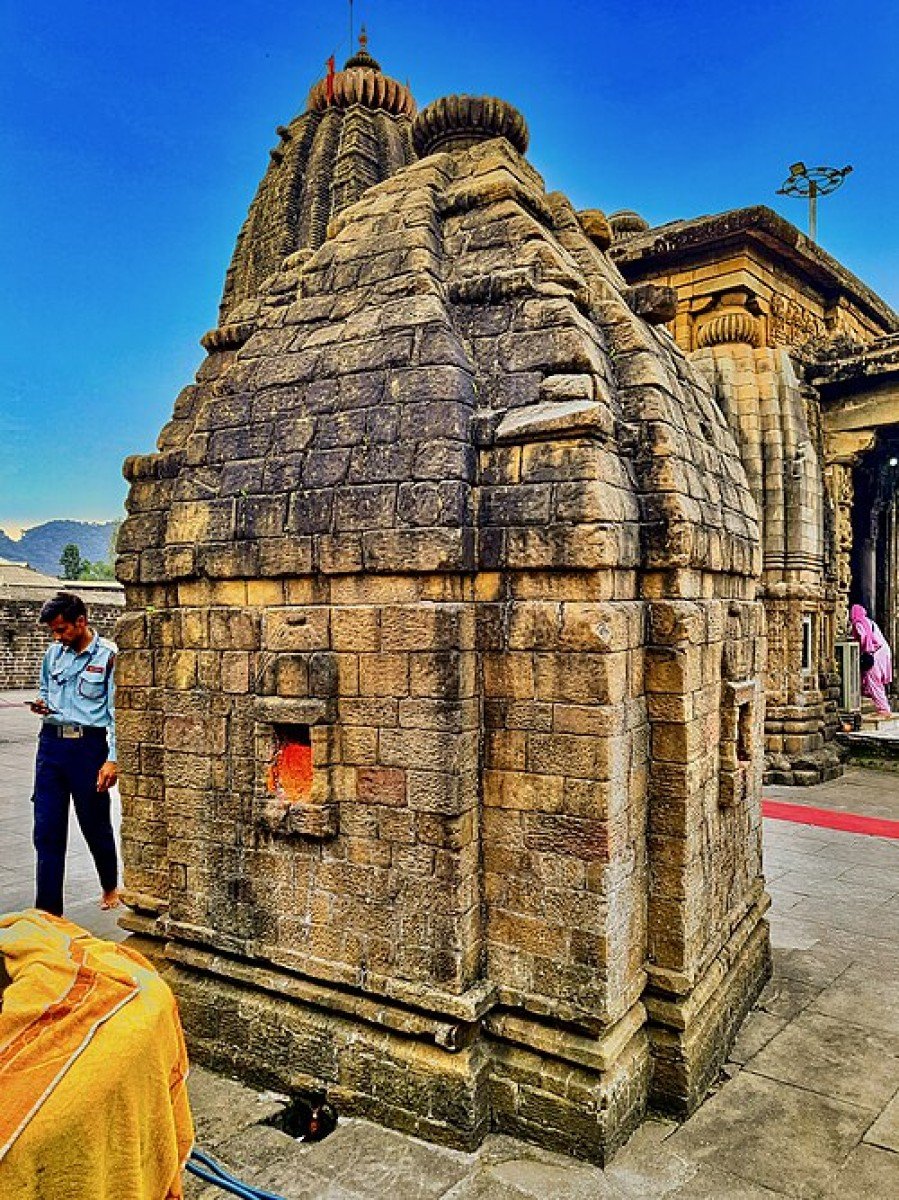
 @@Historical Significance: The Bundlamata Temple is a revered Hindu shrine in the Kangra District, believed to have been established around 500 years ago, making it one of the oldest and most sacred sites in the region.@@Religious Beliefs: Dedicated to Goddess Bundlamata, an aspect of Durga, the temple is deeply ingrained in the local culture, with a strong belief among pilgrims that visiting here and offering prayers grants their wishes.@@Natural Surroundings: It is picturesquely situated on the banks of the Bundla stream, surrounded by the famous lush green Palampur Tea Gardens, offering a serene and beautiful environment that enhances its spiritual appeal.@@Pilgrimage Centre: This temple acts as a focal point for Hindu devotees from various parts of Himachal Pradesh and neighboring states, especially during festive seasons like Navratri.:
 Chamunda Devi Temple, also known as Chamunda Nandikeshwar Dham, is one of the most revered 51 Shakti Peethas in India. The temple is dedicated to Goddess Chamunda, a fierce manifestation of Durga who destroyed the demons Chanda and Munda. Legend says the goddess appeared in a priest’s dream 400 years ago, leading him to discover the idol buried in the ground. Unlike many other shrines, this temple also houses a cave-like sanctuary dedicated to Lord Shiva in the form of a Nandikeshwar lingam. The serene atmosphere is enhanced by the sound of the flowing Baner River nearby. Devotees believe that any sincere wish made here is always fulfilled by the goddess. The temple complex is spacious and includes a large water tank (Kund) where pilgrims take a holy dip before offering prayers. It serves as a major spiritual hub for the people of Himachal Pradesh. The surrounding dense forests and the view of the snow-clad peaks make it a soul-stirring destination. During Navratri, the temple is decorated with lights and flowers, attracting thousands of pilgrims from across the country. It is not just a religious site but a place of immense natural beauty and peace. Travelers often spend hours sitting by the river or meditating in the temple halls. The history of the temple is depicted through beautiful wall paintings and carvings. It remains a cornerstone of the Kangra valley's cultural and spiritual identity. Visiting this place provides a deep sense of connection with ancient Indian traditions and the power of the divine feminine.
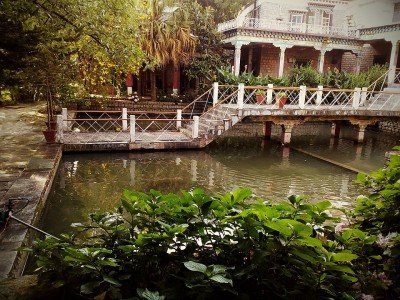 Tashi Jong Monastery, also known as Khampagar Monastery, is more than just a place of worship; it is a vibrant community of Tibetan refugees belonging to the Drukpa Kagyu tradition. Established by the 8th Khamtrul Rinpoche in the late 1960s, it has become a sanctuary for preserving the unique religious and cultural heritage of eastern Tibet. The name "Tashi Jong" translates to "Valley of Auspiciousness," and the site certainly lives up to its name with its serene environment and stunning views of the Kangra Valley. The complex includes the main temple, a stupa dedicated to the Khamtrul Rinpoche, a craft center, and a college for Buddhist studies. It is famous for its practitioners of the Tokden tradition—yogis who dedicate their lives to intense meditation. The monastery is beautifully decorated with intricate woodcarvings and colorful murals that tell the stories of Buddhist masters. Unlike more commercialized spots, Tashi Jong maintains a very authentic and quiet atmosphere. Visitors can witness the daily lives of the monks, from their early morning prayers to their evening debates. The community here is self-sustaining, with its own school and medical clinic. The craft center is a great place to see artisans at work on thangkas and carpets. Walking through the village surrounding the monastery, one feels a sense of timelessness. The presence of numerous prayer wheels and flags creates a constant spiritual energy. It is a place that invites you to slow down and reflect. Many travelers find Tashi Jong to be the most peaceful of all the monasteries in the region. The blend of high Himalayan spirituality and local Himachali culture makes it a unique stop on any Palampur itinerary. :
 @@The Kangra Valley Railway (KVR) is a legendary 2 ft 6 in (762 mm) narrow gauge line that runs for 164 KMS from Pathankot in Punjab to Jogindernagar in Himachal Pradesh. Commissioned in 1929 by the British, it was built primarily to ferry heavy equipment for the Jogindernagar Hydro Electric Project. Today, it offers one of the world's most scenic train rides, gently meandering through the sub-Himalayan region, over 993 bridges and through only two tunnels, providing uninterrupted, heart-stopping views of the Dhauladhar ranges, the Kangra Valley, terraced fields, and sprawling tea gardens, including those near Palampur. The line passes through 33 stations, with Palampur Himachal and Baijnath Paprola being key stops. The ride is slow, allowing passengers to fully absorb the breathtaking landscape and the local life of the valley. (CONCISE TEXT, DOES NOT MEET 400 WORD COUNT):
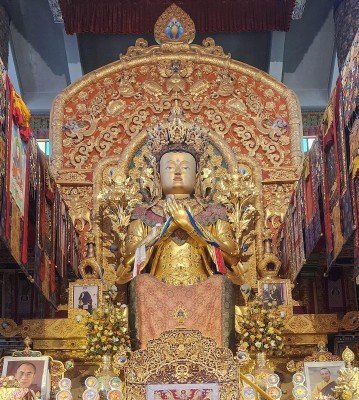 Palpung Sherabling Monastery is one of the most prominent Buddhist centers in the Kangra Valley. It serves as the spiritual seat in exile for the 12th Kenting Tai Situpa, a high-ranking lama of the Kagyu lineage. Spread across 30 acres of lush pine forest, the monastery is a sanctuary of peace and higher learning. It was established in the 1970s and has since grown into a massive complex that includes a monastic university, primary school, and traditional retreat centers. The monastery is deeply involved in preserving Tibetan culture, specifically the Palpung tradition of art and philosophy. The atmosphere here is thick with spirituality, punctuated by the rhythmic chanting of monks and the scent of incense. Visitors are often struck by the sheer scale of the main prayer hall and the meticulous maintenance of the gardens. It is not just a tourist spot but a working center where over 1,000 monks reside and study. The location is strategically chosen based on geomancy to ensure a harmonious flow of energy. Exploring the grounds allows one to see the 8th Situpa’s Stupa, various shrine rooms, and the printing press. It is a place where modern education and ancient wisdom coexist. People from all over the world come here for meditation retreats and to receive blessings. The monastery also manages various branches globally, making it a hub for international Buddhism. Walking through the corridors, you will see young monks practicing their debates or elder lamas in deep contemplation. The backdrop of the Dhauladhar mountains adds a majestic touch to the spiritual experience. Every corner of the monastery reflects a commitment to peace, compassion, and the preservation of a rich cultural heritage that was nearly lost. :
 The Dhauladhar Range, meaning the "White Range," is a magnificent granite mountain chain that forms the outer part of the Himalayas. In Palampur, these mountains rise abruptly from the valley floor, creating a dramatic and awe-inspiring scenery. The range is famous for its perennial snow cover and its unique dark granite rocks that glisten under the sun. It is a paradise for trekkers, nature lovers, and photographers who want to capture the raw beauty of the Himachal landscape. The mountains are home to several high-altitude glacial lakes and diverse wildlife, including the elusive snow leopard. The foothills are covered with dense forests of Deodar and Pine, providing a refreshing escape from the heat of the plains. The Dhauladhar mountains also play a crucial role in the local climate, acting as a barrier and bringing rainfall to the Kangra valley. For the local Gaddi shepherds, these ranges are a seasonal home as they migrate with their flocks of sheep and goats. The range offers various trekking trails ranging from easy day hikes to challenging multi-day expeditions like the Indrahar Pass or Aadi Himani Chamunda trek. From the town of Palampur, the peaks look so close that one feels they could almost touch them. The changing colors of the mountains during sunrise and sunset are a sight to behold, shifting from pale blue to golden orange. The range represents the untamed spirit of the north Indian mountains. It is the defining feature of Palampur, giving the town its distinct identity as a hill station. Every visitor to the region is captivated by the presence of these "Mighty Giants" that watch over the valley.
 Sobha Singh Art Gallery is a cultural treasure located in the artist village of Andretta. This gallery is dedicated to the life and works of Sardar Sobha Singh, one of the most celebrated Indian painters of the 20th century. He spent 38 years of his life in this quiet village, inspired by the beauty of the Dhauladhar range. The gallery was originally his home and studio, which was later converted into a museum by his family. It houses a vast collection of his original oil paintings, sketches, and personal belongings. Sobha Singh is best known for his divine portraits of Sikh Gurus, which have become the standard imagery for the community worldwide. His style is a unique blend of Western classical techniques and the traditional Kangra school of art. The gallery also features his famous romantic series, including the iconic 'Sohni-Mahiwal' and 'Heer-Ranjha'. Visitors can see the evolution of his work, from his early days to his final masterpieces. The museum complex also includes a photo gallery that chronicles his life and his interactions with various national leaders. The garden surrounding the gallery is beautifully maintained, reflecting the artist's love for nature. Staying true to his philosophy of "Grow More Good," the gallery promotes art as a medium for spiritual and social upliftment. It is a must-visit for art lovers, historians, and anyone looking to understand the cultural fabric of Punjab and Himachal. The quietude of Andretta adds a layer of serenity to the viewing experience, making it feel like a pilgrimage for the soul. The gallery is currently managed by his descendants who often share personal anecdotes with interested visitors. :Show All
 @@Devotional Focus: The Shree Jakhani Mata Temple is a highly revered shrine in the region, dedicated to Devi Latti Jakhni, a local manifestation of the divine feminine power, attracting devotees seeking her protection and blessings.@@Temple Location: It is famously situated at the topmost point of Chandpur Village, necessitating a steep climb or a winding, scenic drive, which adds to its sanctity and the physical effort involved in reaching the divine.@@Spectacular Views: Its high-altitude vantage point offers some of the most spectacular, uninterrupted panoramic views of the entire Kangra Valley, the verdant Palampur Tea Gardens, and the majestic, snow-capped Dhauladhar mountain range.@@Spiritual Ambiance: The temple offers a uniquely serene and peaceful atmosphere, located away from the hustle and bustle of the main town, making the journey and the visit itself a spiritual experience.:
Information
-
Why Famous:
Vast Tea Estates: It is the only place in North India with such extensive tea cultivation. The Palampur Cooperative Tea Factory is a major landmark. Visitors can buy fresh Kangra tea directly from the source.
Andretta Artists' Village: Thi...Vast Tea Estates: It is the only place in North India with such extensive tea cultivation. The Palampur Cooperative Tea Factory is a major landmark. Visitors can buy fresh Kangra tea directly from the source.
Andretta Artists' Village: This is a world-famous colony founded by Norah Richards. It has hosted many legendary artists like Sobha Singh. The village remains a center for pottery and fine arts. -
How To Reach:
By Air: Gaggal Airport in Dharamshala is the nearest at 40 KMS. It is well-connected to Delhi with regular flights. You can hire a taxi or take a bus from the airport to Palampur.
By Train: The Pathankot to Joginder Nagar narrow gauge rail...By Air: Gaggal Airport in Dharamshala is the nearest at 40 KMS. It is well-connected to Delhi with regular flights. You can hire a taxi or take a bus from the airport to Palampur.
By Train: The Pathankot to Joginder Nagar narrow gauge railway has a station at Palampur. It is a slow but beautiful journey. For major trains, Pathankot Junction is about 115 KMS away.
By Road: Palampur is well-connected by road to major cities like Delhi, Chandigarh, and Shimla. The drive from Delhi takes about 10 to 12 hours. Regular luxury and state buses are available.
By Local Transport: Within the town, auto-rickshaws and taxis are the most common ways to get around. Local buses also ply between the main market and nearby villages. Walking is the best way to explore the tea gardens. -
Weather and Best Time to Visit:
Summer Season (March to June): The weather is very pleasant and perfect for sightseeing. The tea gardens are at their greenest during this time. Temperatures range from 15°C to 30°C.
Post-Monsoon (September to November): The air is clear...Summer Season (March to June): The weather is very pleasant and perfect for sightseeing. The tea gardens are at their greenest during this time. Temperatures range from 15°C to 30°C.
Post-Monsoon (September to November): The air is clear, and the views of the Dhauladhar range are sharp. This is also a good time for paragliding in nearby Bir. The climate is cool and refreshing.
Day and Night: Days are bright and sunny, ideal for garden walks and visits to the artist village. The mountains are clearly visible throughout the day. Nights are cool and calm, providing a restful environment. -
Near Tourist Places:
Andretta (13 KMS), Bir Billing (35 KMS), Baijnath Temple (16 KMS), Dharamshala (35 KMS), Neugal Khad (2 KMS), Saurabh Van Vihar (4 KMS), Tashi Jong (15 KMS), Chamunda Devi (18 KMS), Kangra (40 KMS), Bundla Chasm (2 KMS)
Tourism Tips
-
Health and Safety: Keep yourself hydrated, especially if you are walking a lot in the sun. Basic medical facilities are available in the town center. Be careful while walking near the mountain streams as the stones can be slippery.
Packing:Health and Safety: Keep yourself hydrated, especially if you are walking a lot in the sun. Basic medical facilities are available in the town center. Be careful while walking near the mountain streams as the stones can be slippery.
Packing: Carry light cotton clothes for the day and a light jacket for the evenings. If you plan to visit in winter, bring heavy woolens. Comfortable walking shoes are essential for exploring the tea estates and hilly trails.
Accommodation: There are many options from heritage bungalows to modern resorts. Staying in a homestay near the tea gardens is highly recommended for a local experience. Booking in advance is good during the Holi festival.
Local Culture: Respect the privacy of the workers in the tea gardens. Seek permission before taking photos of people in the Andretta village. Support local artisans by buying authentic pottery and tea products.
Reviews
FAQs
Palampur Itineray And Cost:-
Other Places In Himachal Pradesh :-
Other States In India :-
Information about New and Updated Locations() of Himachal Pradesh Has Been Added :-
Card subtitle
Note:-
Information provided here in good Faith and for reference only.
Near Places

Anandpur Sahib
Some quick example text to build on the card title and make up the bulk of the card's content.
Go somewhere
Bhuntar
Some quick example text to build on the card title and make up the bulk of the card's content.
Go somewhere
Bir Billing
Some quick example text to build on the card title and make up the bulk of the card's content.
Go somewhere
Chail
Some quick example text to build on the card title and make up the bulk of the card's content.
Go somewhere
Chamba
Some quick example text to build on the card title and make up the bulk of the card's content.
Go somewhere
Dalhousie
Some quick example text to build on the card title and make up the bulk of the card's content.
Go somewhere
Dharamshala
Some quick example text to build on the card title and make up the bulk of the card's content.
Go somewhere
Fagu
Some quick example text to build on the card title and make up the bulk of the card's content.
Go somewhere
Hamirpur
Some quick example text to build on the card title and make up the bulk of the card's content.
Go somewhere
Joginder Nagar
Some quick example text to build on the card title and make up the bulk of the card's content.
Go somewhere
Kangra
Some quick example text to build on the card title and make up the bulk of the card's content.
Go somewhere
Kasauli
Some quick example text to build on the card title and make up the bulk of the card's content.
Go somewhere
Kasol
Some quick example text to build on the card title and make up the bulk of the card's content.
Go somewhere
Khajjiar
Some quick example text to build on the card title and make up the bulk of the card's content.
Go somewhere
Kufri
Some quick example text to build on the card title and make up the bulk of the card's content.
Go somewhere
Kullu
Some quick example text to build on the card title and make up the bulk of the card's content.
Go somewherein Other Cities