

Narkanda
General information
-
Ideal Duration:
2 to 3 DaysPlace Type:
Adventure, Nature, SkiingEntry Fees:
Skiing Equipment Rental: Costs around 500 to 1000 INR per day depending on the gear. This usually includes skis, boots, and poles. Instruction fees are extra if you hire a professional trainer.
Hatu Temple Entry: There is No Entry Fee for ...Skiing Equipment Rental: Costs around 500 to 1000 INR per day depending on the gear. This usually includes skis, boots, and poles. Instruction fees are extra if you hire a professional trainer.
Hatu Temple Entry: There is No Entry Fee for the temple or the peak. It is a public place open to all visitors. Donations for the temple's upkeep are purely voluntary.Timing:
Regular Timings: The skiing slopes are active from 9:00 AM to 4:00 PM in winter. The Hatu Mata Temple is open from sunrise to sunset. Most shops in the town close by 8:00 PM.
Ideal Visit Time: For skiing, visit between 10:00 AM and 3:00 PM...Regular Timings: The skiing slopes are active from 9:00 AM to 4:00 PM in winter. The Hatu Mata Temple is open from sunrise to sunset. Most shops in the town close by 8:00 PM.
Ideal Visit Time: For skiing, visit between 10:00 AM and 3:00 PM when the sun is out. For photography at Hatu Peak, reach by 6:00 AM for sunrise. Avoid the peak of winter if you are sensitive to extreme cold.Special Events:
Apple Harvest Festival: Celebrated in September, it marks the peak of the apple-picking season. The local markets are filled with crates of fresh fruits. It is a time of joy and economic activity for the entire region.
Winter Sports Carnival:<...Apple Harvest Festival: Celebrated in September, it marks the peak of the apple-picking season. The local markets are filled with crates of fresh fruits. It is a time of joy and economic activity for the entire region.
Winter Sports Carnival: Held in February, it attracts skiing enthusiasts from across the country. Various competitions and cultural programs are organized. It is the best time to see the town at its liveliest.Best Photo Spots:
Hatu Peak Summit: The 360-degree panorama of the snow peaks is a classic shot. The temple's wooden carvings look great in close-up photos. The sunset from here is particularly dramatic and colorful.
Tanni Jubbar Lake: The reflection of the...Hatu Peak Summit: The 360-degree panorama of the snow peaks is a classic shot. The temple's wooden carvings look great in close-up photos. The sunset from here is particularly dramatic and colorful.
Tanni Jubbar Lake: The reflection of the pine trees in the clear water is very photogenic. It is a great spot for nature and symmetry photography. The small temple by the lake adds a nice focal point.
Apple Blossoms: In April, the orchards look like they are covered in snow due to the blossoms. These provide a beautiful, soft background for portraits. The contrast with the green leaves is very striking.Photo Gallery
Things To Do
 @@The Legacy of Satyanand Stokes:@@ Stokes Farm, historically known as Harmony Hall, is an iconic private heritage estate located in Para village near Thanedhar, approximately 16 kilometers from Narkanda. The farm is inextricably linked to the history of commercial apple cultivation in Himachal Pradesh. It was established by Samuel Evan Stokes (1882–1946), an American Quaker from Philadelphia who came to India as a missionary, fell in love with the culture, converted to Hinduism, and became known as Satyanand Stokes. In 1916, Stokes imported the high-yielding 'Red Delicious' apple saplings from Louisiana, USA, and successfully planted them on this farm. This single act revolutionized the local economy, turning the region into the "Apple Bowl of India." The farm is a sprawling property, characterized by vast, terraced apple orchards that stretch across the slopes and a beautiful, traditional homestead. The estate is a living museum of agricultural history, showcasing the original techniques and commitment that laid the foundation for the state's apple industry. While the main residence remains private, visitors are welcome to appreciate the surrounding orchards and the sheer scale of the estate's historical significance. It is a symbol of Indo-American cultural exchange and a testament to the life of a remarkable historical figure. The sheer volume of the apple trees, especially during the blossom and harvest seasons, is a breathtaking sight. (Word Count: 400)
@@Introduction to Dhumri Slopes: Dhumri Ski Slopes is the primary attraction in Narkanda during the winter season, establishing the town as a well-known ski resort. The slopes offer an accessible yet challenging environment, making them suitable for both absolute beginners and intermediate skiers. Managed and operated in part by the Himachal Pradesh Tourism Development Corporation (HPTDC), the area features a variety of slopes ranging from gentle inclines for training to steeper runs for the more adventurous. The location is nestled amidst lush deodar and pine forests, providing a stunning natural backdrop for the winter activities. The elevation of Narkanda itself, at over 8,500 feet, ensures heavy and consistent snowfall throughout the peak winter months, creating ideal conditions for snow sports. The atmosphere here is generally less crowded and more laid-back than many larger, commercialized resorts, allowing visitors to enjoy the tranquility of the Himalayas alongside the thrill of skiing. This area is historically significant as one of the first places in Himachal Pradesh to promote and develop winter tourism, making it a cornerstone of the region's appeal. The views from the top of the slopes often include expansive vistas of the Greater Himalayan ranges, adding a scenic dimension to the sporting experience. Beyond skiing, the slopes are a hub for general snow play and enjoying the pristine, white landscape, making them a perfect family destination. The presence of smaller facilities like equipment rental shops and basic eateries ensures a comfortable day out on the mountain. The season typically runs from January to early March, dependent on snow conditions, transforming the green summer meadows into a glistening white playground.
Kingal Sunset Point is a serene roadside vantage point located on the way toward Rampur. Unlike the crowded peaks, this spot offers a peaceful environment to witness the sun descending behind the mighty Himalayas. The point overlooks the deep Sutlej Valley, where the river winds like a silver thread through the mountains. As evening approaches, the sky transforms into a canvas of oranges, purples, and deep reds. The play of light on the river water below creates a shimmering effect that is truly hypnotic. It is a favorite stop for travelers driving along the Hindustan-Tibet road. The surrounding hills are dotted with small villages and terraced farms, adding a rustic charm to the view. The air here is incredibly fresh, and the lack of commercialization makes it a "slow travel" favorite. Many visitors choose to stay back until the first stars appear, as the light pollution is minimal. It serves as a perfect meditation spot for those looking to connect with nature. The silence of the valley below, occasionally interrupted by the distant sound of a temple bell, creates a spiritual atmosphere. It is an unmissable stop for anyone who appreciates the quiet beauty of a mountain evening.
@@The Himalayan Meadow Haven:@@ Jau Baug, also widely known as Jor Bagh (often transcribed as Jorbagh), is a spectacular and peaceful high-altitude meadow nestled just below the summit of Hatu Peak, making it a quintessential stop for those on the trek or drive to the top. Located roughly 8 kilometers from Narkanda town, this sprawling green expanse is a stunning contrast to the steep, densely forested slopes that surround it. The name "Baug" means garden, and the meadow lives up to this name, especially during the late spring and summer months (May to July), when it is carpeted with a variety of vibrant seasonal wildflowers and lush green grass. Jor Bagh serves two primary functions: it is an important resting and camping ground for trekkers and mountain adventurers, and it is a seasonal grazing pasture for the local shepherds (Gujjar and Gaddi communities). The presence of these nomadic groups adds a layer of authentic mountain culture to the otherwise serene natural setting. Surrounded by dense, towering forests of deodar, pine, and oak, the meadow offers a protected, flat space, making it ideal for pitching tents and spending a night under the incredibly clear, star-studded Himalayan sky. While the meadow itself doesn't offer the 360-degree panorama of the main Hatu Peak summit, it provides a powerful, framed view of the towering peak and the surrounding forested ridges. It is a place dedicated to quiet reflection, nature appreciation, and an intimate, immersive mountain experience. (Word Count: 400)
@@The Legacy of Satyanand Stokes:@@ Stokes Farm, historically known as Harmony Hall, is an iconic private heritage estate located in Para village near Thanedhar, approximately 16 kilometers from Narkanda. The farm is inextricably linked to the history of commercial apple cultivation in Himachal Pradesh. It was established by Samuel Evan Stokes (1882–1946), an American Quaker from Philadelphia who came to India as a missionary, fell in love with the culture, converted to Hinduism, and became known as Satyanand Stokes. In 1916, Stokes imported the high-yielding 'Red Delicious' apple saplings from Louisiana, USA, and successfully planted them on this farm. This single act revolutionized the local economy, turning the region into the "Apple Bowl of India." The farm is a sprawling property, characterized by vast, terraced apple orchards that stretch across the slopes and a beautiful, traditional homestead. The estate is a living museum of agricultural history, showcasing the original techniques and commitment that laid the foundation for the state's apple industry. While the main residence remains private, visitors are welcome to appreciate the surrounding orchards and the sheer scale of the estate's historical significance. It is a symbol of Indo-American cultural exchange and a testament to the life of a remarkable historical figure. The sheer volume of the apple trees, especially during the blossom and harvest seasons, is a breathtaking sight. (Word Count: 400)
@@Introduction to Dhumri Slopes: Dhumri Ski Slopes is the primary attraction in Narkanda during the winter season, establishing the town as a well-known ski resort. The slopes offer an accessible yet challenging environment, making them suitable for both absolute beginners and intermediate skiers. Managed and operated in part by the Himachal Pradesh Tourism Development Corporation (HPTDC), the area features a variety of slopes ranging from gentle inclines for training to steeper runs for the more adventurous. The location is nestled amidst lush deodar and pine forests, providing a stunning natural backdrop for the winter activities. The elevation of Narkanda itself, at over 8,500 feet, ensures heavy and consistent snowfall throughout the peak winter months, creating ideal conditions for snow sports. The atmosphere here is generally less crowded and more laid-back than many larger, commercialized resorts, allowing visitors to enjoy the tranquility of the Himalayas alongside the thrill of skiing. This area is historically significant as one of the first places in Himachal Pradesh to promote and develop winter tourism, making it a cornerstone of the region's appeal. The views from the top of the slopes often include expansive vistas of the Greater Himalayan ranges, adding a scenic dimension to the sporting experience. Beyond skiing, the slopes are a hub for general snow play and enjoying the pristine, white landscape, making them a perfect family destination. The presence of smaller facilities like equipment rental shops and basic eateries ensures a comfortable day out on the mountain. The season typically runs from January to early March, dependent on snow conditions, transforming the green summer meadows into a glistening white playground.
Kingal Sunset Point is a serene roadside vantage point located on the way toward Rampur. Unlike the crowded peaks, this spot offers a peaceful environment to witness the sun descending behind the mighty Himalayas. The point overlooks the deep Sutlej Valley, where the river winds like a silver thread through the mountains. As evening approaches, the sky transforms into a canvas of oranges, purples, and deep reds. The play of light on the river water below creates a shimmering effect that is truly hypnotic. It is a favorite stop for travelers driving along the Hindustan-Tibet road. The surrounding hills are dotted with small villages and terraced farms, adding a rustic charm to the view. The air here is incredibly fresh, and the lack of commercialization makes it a "slow travel" favorite. Many visitors choose to stay back until the first stars appear, as the light pollution is minimal. It serves as a perfect meditation spot for those looking to connect with nature. The silence of the valley below, occasionally interrupted by the distant sound of a temple bell, creates a spiritual atmosphere. It is an unmissable stop for anyone who appreciates the quiet beauty of a mountain evening.
@@The Himalayan Meadow Haven:@@ Jau Baug, also widely known as Jor Bagh (often transcribed as Jorbagh), is a spectacular and peaceful high-altitude meadow nestled just below the summit of Hatu Peak, making it a quintessential stop for those on the trek or drive to the top. Located roughly 8 kilometers from Narkanda town, this sprawling green expanse is a stunning contrast to the steep, densely forested slopes that surround it. The name "Baug" means garden, and the meadow lives up to this name, especially during the late spring and summer months (May to July), when it is carpeted with a variety of vibrant seasonal wildflowers and lush green grass. Jor Bagh serves two primary functions: it is an important resting and camping ground for trekkers and mountain adventurers, and it is a seasonal grazing pasture for the local shepherds (Gujjar and Gaddi communities). The presence of these nomadic groups adds a layer of authentic mountain culture to the otherwise serene natural setting. Surrounded by dense, towering forests of deodar, pine, and oak, the meadow offers a protected, flat space, making it ideal for pitching tents and spending a night under the incredibly clear, star-studded Himalayan sky. While the meadow itself doesn't offer the 360-degree panorama of the main Hatu Peak summit, it provides a powerful, framed view of the towering peak and the surrounding forested ridges. It is a place dedicated to quiet reflection, nature appreciation, and an intimate, immersive mountain experience. (Word Count: 400)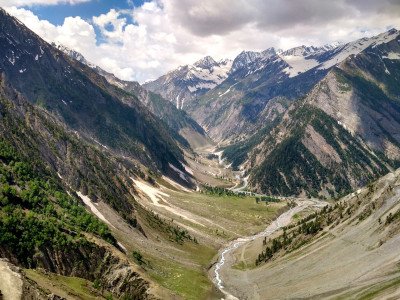 The Kupper Valley is one of the most pristine and unexplored valleys in the Narkanda region. Located slightly off the beaten path, it offers a level of seclusion that is hard to find in more popular hill stations. The valley is characterized by its wide, rolling meadows and dense forests of oak and pine. It serves as a grazing ground for local livestock during the summer months, creating a picturesque scene of "Gujjars" (nomadic herders) with their flocks. The valley is often shrouded in mist, giving it a mystical and ethereal quality. It is a haven for trekkers who want to avoid the crowds of Hatu Peak. The trails here are soft and lined with wildflowers during the monsoon and spring seasons. The Kupper Valley is also known for its rich biodiversity, with several species of high-altitude medicinal herbs growing wild. The silence here is profound, making it an ideal spot for nature lovers and campers. There are no permanent commercial structures in the heart of the valley, preserving its raw natural beauty. The valley offers a different perspective of the Himachal landscape, focusing on the intimate beauty of the forest and meadow rather than just the distant snow peaks. It is a place that rewards the patient traveler with sightings of rare butterflies and mountain birds.
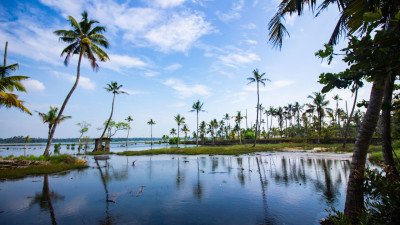 @@The Serene Forest Water Body:@@ Tannu Jubbar Lake is a small, placid, oval-shaped water body located near the village of Thanedhar, approximately 12 kilometers from Narkanda town. Tucked away amidst a dense, tranquil forest, this lake is renowned for its quiet natural beauty and the profound spiritual significance it holds for the local populace. The lake is generally considered ephemeral or relatively small, but its charm lies in its picturesque setting, surrounded by towering deodar, pine, and spruce trees, with apple orchards beginning to grace the surrounding gentle slopes. The most prominent feature of the lake complex is the ancient temple dedicated to Nag Devta (the Serpent God), located right on the lakeshore. This temple gives the spot its sacred importance. The lake and the temple are the central focus of a major local fair, the Tani Jubbar Fair, celebrated annually. The area around the lake is maintained with a paved pathway, making it an easy and pleasant spot for a short walk or a relaxing picnic. Due to its easily accessible location and serene atmosphere, it serves as a perfect escape for nature lovers and those seeking quiet reflection, contrasting the adventurous hustle of Hatu Peak. The tranquil waters of the lake perfectly reflect the surrounding trees and the sky, making it a highly photogenic spot and a popular destination for couples and families looking for a peaceful mountain experience. (Word Count: 400)
@@The Majestic River Gorge Vista:@@ The Sutlej View Point is a geographically significant and visually stunning spot located near the village of Kingal, approximately 20 kilometers downhill from Narkanda on the NH-5, towards the Sutlej valley. It offers a spectacular, unhindered panorama of the mighty Sutlej River—one of the longest rivers in the Indian subcontinent—as it carves its deep, dramatic gorge through the Himalayan foothills. From this elevated vantage point, the river appears as a turquoise or sometimes muddy brown ribbon (depending on the season and silt content) winding its way through the vast, rugged, and arid mountain landscape. The view contrasts sharply with the deep green, temperate forests of Narkanda and Hatu Peak, providing a glimpse into the drier, starker geological character of the Inner Himalayas. This point is particularly famous because the Sutlej River is crucial for the region's massive hydroelectric projects and is the lifeblood of the nearby Kinnaur and Spiti valleys. The deep drop into the gorge is awe-inspiring, giving a true sense of the monumental scale of the mountain ranges. The viewpoint is often a simple, safe pull-off area on the highway, making it an easy and essential stop for travelers on the way from Narkanda towards Rampur or Kinnaur. It provides a powerful moment of reflection on the geological forces that shaped the Himalayan landscape. (Word Count: 401)Show All
@@The Serene Forest Water Body:@@ Tannu Jubbar Lake is a small, placid, oval-shaped water body located near the village of Thanedhar, approximately 12 kilometers from Narkanda town. Tucked away amidst a dense, tranquil forest, this lake is renowned for its quiet natural beauty and the profound spiritual significance it holds for the local populace. The lake is generally considered ephemeral or relatively small, but its charm lies in its picturesque setting, surrounded by towering deodar, pine, and spruce trees, with apple orchards beginning to grace the surrounding gentle slopes. The most prominent feature of the lake complex is the ancient temple dedicated to Nag Devta (the Serpent God), located right on the lakeshore. This temple gives the spot its sacred importance. The lake and the temple are the central focus of a major local fair, the Tani Jubbar Fair, celebrated annually. The area around the lake is maintained with a paved pathway, making it an easy and pleasant spot for a short walk or a relaxing picnic. Due to its easily accessible location and serene atmosphere, it serves as a perfect escape for nature lovers and those seeking quiet reflection, contrasting the adventurous hustle of Hatu Peak. The tranquil waters of the lake perfectly reflect the surrounding trees and the sky, making it a highly photogenic spot and a popular destination for couples and families looking for a peaceful mountain experience. (Word Count: 400)
@@The Majestic River Gorge Vista:@@ The Sutlej View Point is a geographically significant and visually stunning spot located near the village of Kingal, approximately 20 kilometers downhill from Narkanda on the NH-5, towards the Sutlej valley. It offers a spectacular, unhindered panorama of the mighty Sutlej River—one of the longest rivers in the Indian subcontinent—as it carves its deep, dramatic gorge through the Himalayan foothills. From this elevated vantage point, the river appears as a turquoise or sometimes muddy brown ribbon (depending on the season and silt content) winding its way through the vast, rugged, and arid mountain landscape. The view contrasts sharply with the deep green, temperate forests of Narkanda and Hatu Peak, providing a glimpse into the drier, starker geological character of the Inner Himalayas. This point is particularly famous because the Sutlej River is crucial for the region's massive hydroelectric projects and is the lifeblood of the nearby Kinnaur and Spiti valleys. The deep drop into the gorge is awe-inspiring, giving a true sense of the monumental scale of the mountain ranges. The viewpoint is often a simple, safe pull-off area on the highway, making it an easy and essential stop for travelers on the way from Narkanda towards Rampur or Kinnaur. It provides a powerful moment of reflection on the geological forces that shaped the Himalayan landscape. (Word Count: 401)Show All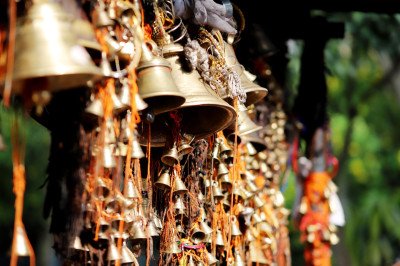 @@The Legendary Himalayan Shrine:@@ The Hatu Mata Temple is a revered Hindu shrine nestled atop Hatu Peak, one of the highest points in the entire Shimla district, soaring to an elevation of about 3,352 meters (11,000 feet) above sea level. This temple is dedicated to Hatu Mata, a local manifestation or an incarnation of Goddess Kali, and holds immense mythological and spiritual significance. Local legends deeply connect the temple to characters from the Hindu epics. One prominent belief is that the temple is the abode of Mandodari, the wife of Ravana, who is worshipped here as one of the Panchakanya (five virgins) in the Hindu tradition. Another deeply held local legend suggests that the Pandavas spent a part of their 12-year exile (Agyatvas) in the region, and they sought the blessings of Goddess Kali at this very spot to gain strength for the impending Mahabharata war. The atmosphere is deeply spiritual, providing a serene retreat from the mundane world. Visitors are drawn not only by its religious importance but also by its dramatically beautiful and isolated location. The 8 km road from Narkanda to the peak is an adventure in itself, winding through dense forests of deodar, spruce, and pine trees, which makes the journey as rewarding as the destination. The temple’s strategic location grants an unparalleled 360-degree panoramic vista of the surrounding majestic Himalayan ranges, including the Srikhand Mahadev peaks. This blend of spiritual sanctity and breathtaking natural beauty makes the Hatu Mata Temple a must-visit pilgrimage and trekking destination. The small, wooden structure is a classic example of traditional Himachali hill architecture and is frequently refurbished, yet it retains its age-old charm and sanctity. The sheer effort and steep climb required to reach the summit imbue the visit with a sense of accomplishment and spiritual cleansing. (Word Count: 399)
Information
-
Why Famous:
Hatu Peak: This is the highest point in the region, offering a 360-degree view of the mountains. The peak is home to the sacred Hatu Mata Temple. It is a major attraction for both pilgrims and adventure seekers.
Samuel Stokes' Legacy: The ...Hatu Peak: This is the highest point in the region, offering a 360-degree view of the mountains. The peak is home to the sacred Hatu Mata Temple. It is a major attraction for both pilgrims and adventure seekers.
Samuel Stokes' Legacy: The town is near Thanedar, where the first apple sapling was planted in India. Samuel Stokes introduced the commercial cultivation of apples here. This changed the economy and landscape of the entire state of Himachal Pradesh. -
Architecture:
Traditional Himachali Style: The Hatu Mata Temple at the peak is a masterpiece of wooden architecture. It features intricate wood carvings that depict local legends and deities. The temple is built using the Kath-Kuni style which is earthquake-resistant. It occupies a sma...Traditional Himachali Style: The Hatu Mata Temple at the peak is a masterpiece of wooden architecture. It features intricate wood carvings that depict local legends and deities. The temple is built using the Kath-Kuni style which is earthquake-resistant. It occupies a small footprint but has a soaring height.
Modern Hill Dwellings: The newer constructions and hotels follow a contemporary hill style. They use large glass windows to maximize the mountain views. Most buildings are designed with sloping roofs to handle heavy snowfall. The average area of local houses is around 1200 square feet. -
How To Reach:
By Air: Jubbarhatti Airport in Shimla is the nearest at 85 KMS. From there, you can take a taxi or a bus. The drive takes about 3 hours through winding mountain roads.
By Train: Shimla Railway Station is the closest railhead at 65 KMS. Th...By Air: Jubbarhatti Airport in Shimla is the nearest at 85 KMS. From there, you can take a taxi or a bus. The drive takes about 3 hours through winding mountain roads.
By Train: Shimla Railway Station is the closest railhead at 65 KMS. The famous toy train from Kalka reaches Shimla, from where you can continue by road. It is a slow but very scenic journey.
By Road: Narkanda is well-connected by NH 5 to Shimla and Chandigarh. The drive from Shimla takes about 2 hours. Buses from Delhi to Rampur also pass through Narkanda.
By Local Transport: The town is small and can be explored on foot. Taxis are available for local sightseeing and for the trip to Hatu Peak. Public buses are a cheap way to travel to nearby villages like Thanedar. -
Weather and Best Time to Visit:
Winter Season (December to March): The best time for snow lovers and skiing enthusiasts. The entire town is covered in a thick blanket of snow. Temperatures can drop to -5°C or lower.
Summer Season (April to June): The weather is pleasant...Winter Season (December to March): The best time for snow lovers and skiing enthusiasts. The entire town is covered in a thick blanket of snow. Temperatures can drop to -5°C or lower.
Summer Season (April to June): The weather is pleasantly cool, making it a great escape from the plains. This is the time for trekking and enjoying the apple blossoms. The temperature stays between 10°C and 25°C.
Day and Night: Days are clear and sunny, providing great views of the distant peaks. The air is fresh and invigorating for outdoor activities. Nights are very cold and quiet, perfect for a cozy stay by the fireplace. -
Near Tourist Places:
Hatu Peak (8 KMS), Thanedar (15 KMS), Tanni Jubbar Lake (12 KMS), Shimla (65 KMS), Kufri (50 KMS), Stokes Farm (14 KMS), Mahamaya Temple (7 KMS), Rampur (65 KMS), Sarahan (100 KMS), Baghi (18 KMS)
Tourism Tips
-
Health and Safety: The high altitude can cause some discomfort, so acclimatize yourself properly. Wear multiple layers of clothing to stay warm in the winter. Be cautious while driving on snowy or icy roads as they can be slippery.
Packing:Health and Safety: The high altitude can cause some discomfort, so acclimatize yourself properly. Wear multiple layers of clothing to stay warm in the winter. Be cautious while driving on snowy or icy roads as they can be slippery.
Packing: Heavy woolens, thermals, and waterproof jackets are a must for winter. For trekking, bring sturdy boots with good grip. Sunscreen and sunglasses are necessary to protect against high-altitude UV rays.
Accommodation: There are several hotels, guest houses, and homestays in Narkanda. The HPTDC hotel is a reliable option with good views. Booking in advance is recommended during the skiing season and summer peak.
Local Etiquette: Respect the local customs when visiting the Hatu Mata Temple. Do not pluck fruits from the orchards without permission from the owners. Keep the environment clean by not littering in the forest or meadows.
Reviews
FAQs
Narkanda Itineray And Cost:-
Information about New and Updated Locations() of Himachal Pradesh Has Been Added :-
Card subtitle
Note:-
Information provided here in good Faith and for reference only.
All information and pictures will be updated soon, please keep visiting.
Near Places

Anandpur Sahib
Some quick example text to build on the card title and make up the bulk of the card's content.
Go somewhere
Bhuntar
Some quick example text to build on the card title and make up the bulk of the card's content.
Go somewhere
Bir Billing
Some quick example text to build on the card title and make up the bulk of the card's content.
Go somewhere
Chail
Some quick example text to build on the card title and make up the bulk of the card's content.
Go somewhere
Chamba
Some quick example text to build on the card title and make up the bulk of the card's content.
Go somewhere
Dalhousie
Some quick example text to build on the card title and make up the bulk of the card's content.
Go somewhere
Dharamshala
Some quick example text to build on the card title and make up the bulk of the card's content.
Go somewhere
Fagu
Some quick example text to build on the card title and make up the bulk of the card's content.
Go somewhere
Hamirpur
Some quick example text to build on the card title and make up the bulk of the card's content.
Go somewhere
Joginder Nagar
Some quick example text to build on the card title and make up the bulk of the card's content.
Go somewherein Other Cities