...

Place To Visit And Things To Do In Dharmasthala

Karnataka, India
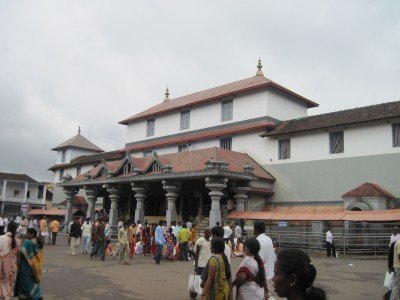
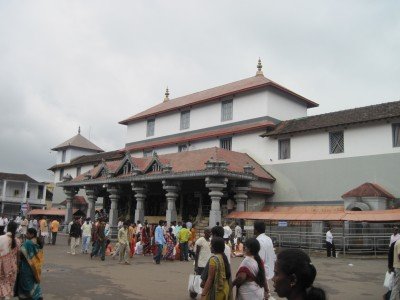
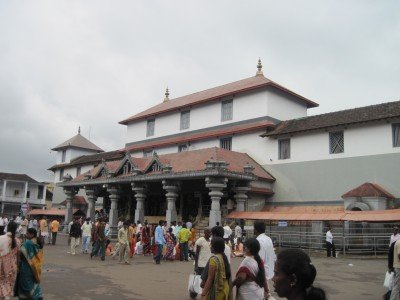
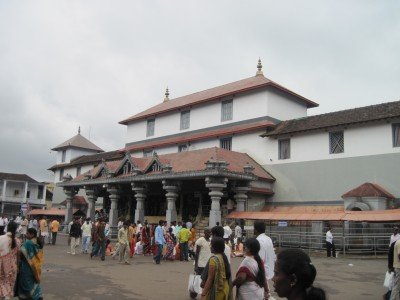
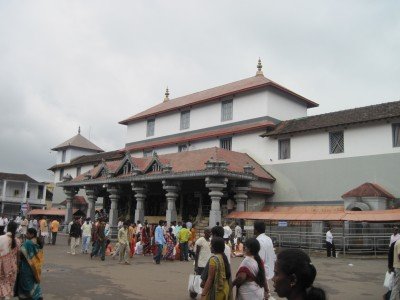
Place Overview: Dharmasthala is a sacred temple town located on the banks of the Netravati River in the Dakshina Kannada district. It is home to the famous Manjunatha Temple, dedicated to Lord Shiva, and is a shining example of religious harmony and selfless service. The town is managed by the Hegga de family, who have practiced the concept of Dana (charity) for over 800 years. Philanthropic Hub: The temple is known for its Annadana, providing free meals to thousands of devotees daily without any discrimination. Spiritual Blend: Uniquely, the temple is run by a Jain hereditary administrator (the Heggade), while the rituals are performed by Hindu priests. Nature's Abode: Surrounded by the lush green hills of the Western Ghats, the town offers a serene environment for spiritual reflection.

Things To Do

Card image cap
Ballalarayana Durga Fort

Ballalarayana Durga Fort is a historical marvel perched at an elevation of 1509 meters in the Western Ghats. This ancient structure was commissioned ...
Ballalarayana Durga Fort is a historical marvel perched at an elevation of 1509 meters in the Western Ghats. This ancient structure was commissioned by the wife of the Hoysala King Veera Ballala I during the 12th century. The fort served as a strategic military outpost to monitor the movement of rival forces across the lush valleys. Today, the fort stands in a state of majestic ruin, surrounded by emerald green hills and rolling grasslands that create a mystical atmosphere. The journey to the fort involves a moderately challenging trek through dense Shola forests, making it a favorite for adventure seekers. As you reach the summit, the panoramic views of the Chikmagalur landscape and the distant Netravathi River are absolutely breathtaking. The site is often covered in a thick blanket of mist, lending it an ethereal quality that feels like stepping back in time. It is a place where history meets nature in its rawest form, offering a profound sense of solitude and peace. Visitors are encouraged to explore the crumbling bastions and walls that still bear witness to the glorious Hoysala era. The silence of the hills is only broken by the whistling wind and the chirping of exotic birds.
Card image cap
Bandaje Arbi Falls

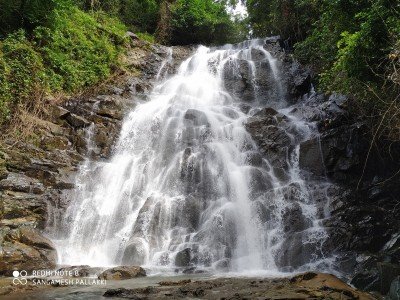
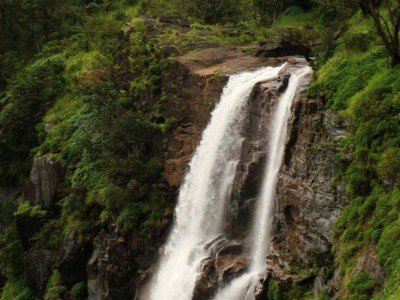
Bandaje Arbi Falls is a spectacular hidden waterfall tucked deep within the Charmadi range of the Western Ghats. Unlike most accessible waterfalls, B...
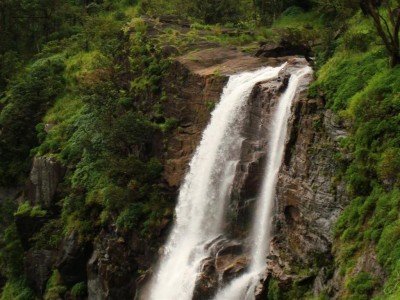
Bandaje Arbi Falls is a spectacular hidden waterfall tucked deep within the Charmadi range of the Western Ghats. Unlike most accessible waterfalls, Bandaje requires a rigorous trek of about 7 to 8 kilometers, making it a secluded paradise for nature lovers. The water plunges from a staggering height of over 200 feet, creating a thunderous sound that echoes through the valley. The trek starts from either the Mundaje village near Ujire or via the Ballalarayana Durga Fort route. The trail takes you through diverse landscapes, including dense evergreen forests and vast, undulating grasslands that offer uninterrupted views of the Netravathi River valley. The waterfall itself is a single-stream plunge that remains perennial, though its volume increases dramatically during the monsoon. Standing at the edge of the falls, you can see the water disappearing into a deep, forested abyss. The mist generated by the falling water often creates rainbows on sunny afternoons. It is a place of raw, untouched beauty where human interference is minimal. The trek is considered moderate to difficult due to some steep ascents, but the reward at the end is a refreshing dip in the cool mountain stream.
Card image cap
Bhagwan Bahubali Statue

@@The Statue and its Symbolism: The magnificent Bhagwan Bahubali Statue, also known as the Gomateshwara Statue, stands atop Ratnagiri Hill overlooking...

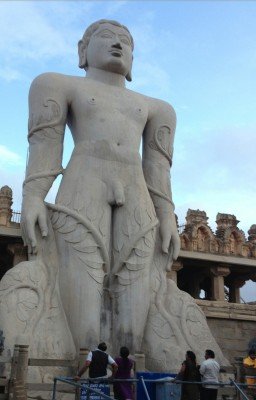
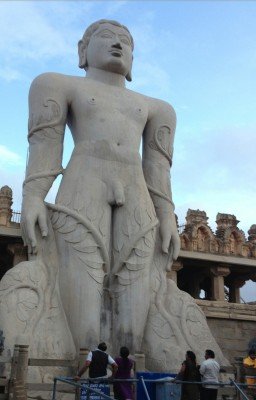
@@The Statue and its Symbolism: The magnificent Bhagwan Bahubali Statue, also known as the Gomateshwara Statue, stands atop Ratnagiri Hill overlooking the town of Dharmasthala. It is a monolithic statue, carved from a single piece of stone, representing the Jain deity Bahubali, the son of the first Jain Tirthankara, Adinatha. The statue is about 39 feet tall and is a powerful symbol of renunciation, non-violence (Ahimsa), and complete mastery over the ego. Bahubali is shown in the Kayotsarga (standing in meditation) posture, a stance of ultimate penance, with climbing vines around his body, symbolizing his prolonged, immovable meditation. The hill is sacred to Jains and the climb up the broad, well-maintained steps is a pilgrimage in itself. The statue was erected under the patronage of the Heggade family, who are Jains, further cementing the town’s interfaith foundation. The panoramic view of the temple town and the surrounding Western Ghats from the hill's summit is breathtaking, offering both spiritual peace and natural beauty. The statue is a testament to the continued artistic and religious patronage in Dharmasthala.
Card image cap
Charmadi Ghat View Point

Charmadi Ghat is one of the most scenic mountain passes in the Western Ghats, connecting the coastal district of Dakshina Kannada with the hilly terr...
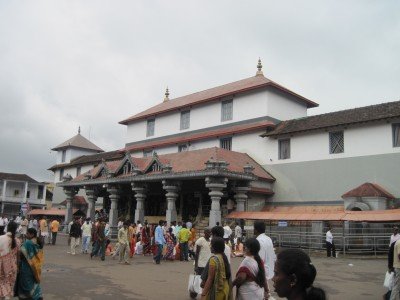
Charmadi Ghat is one of the most scenic mountain passes in the Western Ghats, connecting the coastal district of Dakshina Kannada with the hilly terrain of Chikmagalur. The ghat road is famous for its 12 hairpin curves and breathtaking vistas of deep valleys and towering peaks. The "View Point" refers to several spots along the highway where travelers stop to soak in the beauty of the landscape. During the monsoon, the entire ghat transforms into a lush green carpet with hundreds of temporary waterfalls cascading down the rocks right next to the road. The mist here is so thick at times that visibility drops to a few meters, creating a thrilling driving experience. The air is remarkably cool and fresh, often several degrees lower than the plains below. From the higher reaches of the ghat, on a clear day, one can see the distant horizon of the Arabian Sea coastline. It is a haven for nature photographers and road-trippers who enjoy winding mountain roads. The biodiversity here is rich, with the region being home to various endangered species of flora and fauna. It is not just a transit route but a destination in itself for those who appreciate the raw grandeur of the Sahyadri mountains.
Card image cap
Dharmasthala Annappa Betta

Annappa Betta, also known as Badinede Betta, is a sacred hill in Dharmasthala dedicated to the guardian deities known as the Dharma Daivas. According...

Annappa Betta, also known as Badinede Betta, is a sacred hill in Dharmasthala dedicated to the guardian deities known as the Dharma Daivas. According to local legend, Annappa Swamy was the one who brought the four deities—Kalarahu, Kalarkayi, Kumaraswamy, and Kanyakumari—to this region to protect the town. The hill is considered highly spiritual, and there is a strict tradition where women and children are generally not allowed to visit the inner sanctum atop the hill. The path to the top consists of a flight of stone stairs surrounded by lush greenery and a peaceful atmosphere. From the summit, one can get a panoramic view of the Dharmasthala temple complex and the winding Netravathi River. The air at the top is filled with a sense of divine tranquility. Many pilgrims visit this hill after offering prayers at the main Manjunatha Temple to seek the protection of the guardian gods. The hill is also home to ancient shrines and stone structures that reflect the unique religious culture of the Tulu people. It serves as a reminder of the deep-rooted folk traditions that coexist with Vedic Hinduism in this part of Karnataka. The climb is relatively easy, making it accessible to most male devotees who visit the holy town.
Card image cap
Dharmasthala Ugrana

The Dharmasthala Ugrana or the traditional granary is a vital part of the temple infrastructure that supports the world-famous Annadana (food charity...
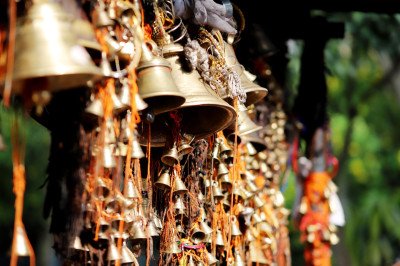
The Dharmasthala Ugrana or the traditional granary is a vital part of the temple infrastructure that supports the world-famous Annadana (food charity) program. It is an enormous warehouse where tons of rice, pulses, vegetables, and coconuts are stored to ensure that no pilgrim goes hungry. The management of this granary is a logistical marvel, as it handles massive quantities of provisions donated by devotees from all over Karnataka and neighboring states. Historically, the Ugrana represents the prosperity and self-sufficiency of the Kshetra, maintaining enough stock to feed over 50,000 people during festival peaks like Laksha Deepotsava. The items are sorted and stored using traditional methods to prevent spoilage, and the entire operation is overseen by dedicated volunteers and staff. This granary is a symbol of the community's collective contribution toward the service of humanity, reflecting the core values of "Dharma" where sharing resources is considered a high form of worship. Visitors are often amazed by the sheer scale of the vegetable mounds and the systematic way the food supplies are moved to the kitchen.
Card image cap
Kadri Manjunath Temple

Kadri Manjunath Temple is a historic temple in Mangaluru that dates back to the 10th century and is culturally linked to Dharmasthala. It is widely b...

Kadri Manjunath Temple is a historic temple in Mangaluru that dates back to the 10th century and is culturally linked to Dharmasthala. It is widely believed that the Shiva Linga currently worshipped in Dharmasthala was originally brought from this very temple by the deity Annappa Swamy. Located on the Kadri Hills, this temple was initially a center of Vajrayana Buddhism before evolving into a prominent Shaivite center under the Natha Pantha tradition. The temple houses a magnificent bronze statue of Lokeshwara (Lord Manjunatha), which is considered one of the finest bronze idols in India. The hill is also home to the Pandava Caves, which are ancient laterite caves where monks used to meditate. The surrounding garden, known as Kadri Park, adds to the serenity of the location. The temple complex features seven holy ponds fed by a natural spring called Gomukha, where devotees perform ritual purifications. It remains a focal point for the Jogi community and is a must-visit for anyone interested in the spiritual history of the Tulunadu region and its deep connections with the Alupa kings.
Card image cap
Karkala Bahubali Monolith

The Karkala Bahubali Monolith is a magnificent 42-foot tall statue of Lord Bahubali carved out of a single block of granite in 1432 AD. Commissioned ...

The Karkala Bahubali Monolith is a magnificent 42-foot tall statue of Lord Bahubali carved out of a single block of granite in 1432 AD. Commissioned by Veera Pandya Bhairarasa Wodeyar, this statue is the second tallest of its kind in Karnataka and stands atop a rocky hill called Gommata Betta. The statue depicts Bahubali (Gommateshwara) in a state of deep meditation, with his arms hanging straight down and creepers carved around his legs, symbolizing his long period of penance. This site is a major pilgrimage for the Jain community and is famous for the Mahamastakabhisheka ceremony held every 12 years. The monolith is surrounded by several other historical structures, including the Chaturmukha Basadi, a four-faced Jain temple built entirely of stone. The town of Karkala itself is an ancient center of Jain culture and was the capital of the Bhairarasa dynasty. The serene expression on the face of the statue and the panoramic views of the Western Ghats from the hilltop provide a deeply spiritual and aesthetic experience for every traveler.
Card image cap
Kateel Durga Parameshwari Temple

The Kateel Durga Parameshwari Temple is a magnificent spiritual retreat situated on a natural islet in the middle of the sacred Nandini River. This a...

The Kateel Durga Parameshwari Temple is a magnificent spiritual retreat situated on a natural islet in the middle of the sacred Nandini River. This ancient temple is dedicated to Goddess Durga Parameshwari, who is worshipped here in the form of a self-manifested 'Udbhavalinga'. The legend of this place is deeply connected to the Sage Jabali, whose penance brought the River Nandini to earth to end a devastating drought. The temple is one of the most revered 'Shakti Peethas' in the coastal region of Karnataka, attracting thousands of pilgrims who seek blessings for family harmony and prosperity. The sound of the flowing river surrounding the sanctum creates a meditative atmosphere that is rare to find elsewhere. Visitors often feel a profound sense of peace as they cross the bridge to enter the temple premises. The temple is also a hub for classical arts, especially the traditional dance-drama known as Yakshagana, which is performed almost every night. The goddess is often decorated with jewelry and flowers, reflecting her different moods and powers. The sacred waters of the river are believed to have healing properties, and many devotees take a holy dip before entering. The temple administration provides free meals, known as 'Annadana', to all visitors, embodying the spirit of hospitality.
Card image cap
Kukke Subramanya Temple

Kukke Subramanya Temple is nestled amidst the lush greenery of the Western Ghats, overlooked by the majestic Kumara Parvatha peak. It is one of the m...
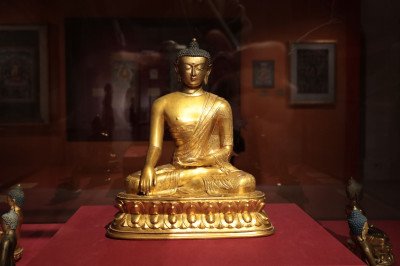
Kukke Subramanya Temple is nestled amidst the lush greenery of the Western Ghats, overlooked by the majestic Kumara Parvatha peak. It is one of the most prestigious pilgrimage centers in India, dedicated to Lord Subramanya, the lord of all serpents. According to mythology, the divine serpent Vasuki took refuge here under Lord Subramanya to escape the wrath of Garuda. The temple is globally famous for being the ultimate destination to perform 'Sarpa Samskara' and 'Ashlesha Bali' to get relief from 'Naga Dosha'. The river Kumaradhara flows nearby, and it is a mandatory ritual for devotees to take a dip in its holy waters before entering the temple. The atmosphere here is deeply spiritual, with the constant chanting of Vedic hymns and the smell of burning incense filling the air. The surrounding forests add a layer of natural serenity, making it a favorite for both pilgrims and nature lovers. The temple architecture is simple yet powerful, reflecting the rugged beauty of the mountains. It is considered one of the seven holy 'Mukti Sthalas' of Karnataka. The temple administration is well-organized, managing thousands of visitors daily with efficiency. Visiting Kukke is often combined with a trip to Dharmasthala, as both represent the pinnacle of South Indian devotion.
Card image cap
Manjusha Car Museum

The Manjusha Car Museum, also known as the Manjusha Vastu Sangrahalaya, is a private museum owned by the Heggade family of Dharmasthala. This museum ...

The Manjusha Car Museum, also known as the Manjusha Vastu Sangrahalaya, is a private museum owned by the Heggade family of Dharmasthala. This museum is a treasure trove for automobile enthusiasts and history buffs alike. It houses an incredible collection of vintage and classic cars, some dating back to the early 1900s. The collection was painstakingly curated by Dr. D. Veerendra Heggade, the Dharmadhikari of the temple. Beyond cars, the museum also displays a vast array of antiques including ancient manuscripts, stone statues, temple chariots, and everyday objects from bygone eras. Each car in the museum is maintained in pristine condition, with many still in working order. The collection includes rare models from brands like Rolls Royce, Cadillac, Daimler, and Ford. One of the highlights is a car that was used by Mahatma Gandhi during his visit to Karnataka. The museum provides a fascinating glimpse into the evolution of transportation and the lifestyle of Indian royalty and the elite during the colonial era. It is located right in the heart of the temple town, making it an easy addition to any pilgrimage trip. The exhibits are well-labeled, providing historical context for each piece on display.
Card image cap
Manjusha Museum

The Manjusha Museum is a unique private museum established by Shri Veerendra Heggade, the Dharmadhikari of Dharmasthala. It is one of the most divers...

The Manjusha Museum is a unique private museum established by Shri Veerendra Heggade, the Dharmadhikari of Dharmasthala. It is one of the most diverse museums in India, housing an incredible collection of artifacts ranging from ancient scripts to vintage cars. The museum serves as a cultural bridge, preserving the rich history of the Tulu Nadu region and the artistic legacy of Karnataka. One of the star attractions is the 300-year-old Veena that belonged to the legendary musician Veena Sheshanna. The collection also includes stone and metal sculptures from the Hoysala and Vijayanagara periods. For automotive enthusiasts, there is a sprawling section dedicated to classic cars, including models used by Indian royalty. The museum is not just a display of objects but a narrative of human evolution and craftsmanship. It also features a wide array of household items used in coastal Karnataka centuries ago, providing a glimpse into the lifestyle of ancestors. The layout is systematic, making it easy for visitors to navigate through different eras of history. It is a must-visit for students, historians, and families looking for an educational break from the temple visits. The museum is located very close to the main Manjunatha Temple, making it highly accessible.
Card image cap
Netravathi River Bathing Ghat

@@Significance of the Netravathi: The Netravathi River is considered a Punya Teertha (holy river) in Dharmasthala, flowing close to the main temple co...

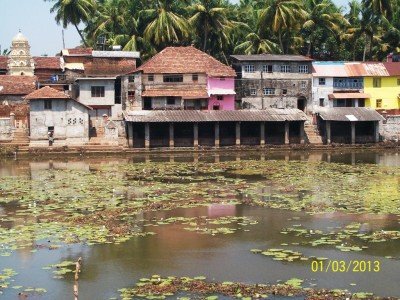
@@Significance of the Netravathi: The Netravathi River is considered a Punya Teertha (holy river) in Dharmasthala, flowing close to the main temple complex and is a tributary of the Arabian Sea. The river originates in the Western Ghats and is known for its relatively clean and perennial flow in this stretch, though subject to heavy currents during the monsoon. The Bathing Ghat is the designated and safest area for pilgrims to take a holy dip before visiting the Sri Manjunatha Swamy Temple. It is believed that a dip in the holy waters cleanses one of sins and prepares the soul for Darshan. The entire area around the ghat is developed to facilitate mass bathing, including steps, safety railings, and changing rooms. The serene environment contrasts with the bustle of the main temple complex, offering a moment of quiet reflection. There is a Barrage or small dam constructed on the river near the ghat, which helps maintain a steady water level and facilitates a safe bathing experience, making it accessible even in drier months. The riverbanks are also home to the famous Shri Dharmasthala Manjunatheshwara College of Naturopathy and Yogic Sciences (SDMCNYS), a unique nature cure hospital, adding a layer of holistic wellness to the site's importance. The river is integral to the culture of Dharmasthala, serving as a natural boundary and a source of life for the surrounding agricultural community. The name Netravathi itself suggests a beautiful and life-giving stream.
Card image cap
Rudraksha Mantapa

@@Nature and Significance: The term Rudraksha Mantapa refers to a dedicated pavilion or a significant structure focused on Rudraksha beads. In Dharmas...

@@Nature and Significance: The term Rudraksha Mantapa refers to a dedicated pavilion or a significant structure focused on Rudraksha beads. In Dharmasthala, this is not a separate ancient temple but rather a special section or shop within the temple complex, or an area run by the temple trust, specifically dedicated to the sale, display, and sanctification of these sacred beads. Rudraksha beads are the seeds of the Elaeocarpus Ganitrus tree and are deeply revered in Hinduism, especially among devotees of Lord Shiva (Rudra is another name for Shiva, and Aksha means tears/eyes). The beads are believed to have originated from the tears of Lord Shiva after a long meditation, possessing powerful spiritual, protective, and healing properties. The Mantapa serves as an authentic source where pilgrims can purchase different types of Mukhi (faced) Rudrakshas (from 1 to 21 Mukhi), often after they have been ritually consecrated (Prana Prathishta). This spot is a nexus for the material and spiritual needs of the devotee, offering a tangible sacred object to take home. The knowledgeable staff often provides guidance on the significance and proper wearing of each Mukhi type, enhancing the spiritual benefit for the wearer.
Card image cap
Shri Chandranatha Swamy Basadi

@@Jain-Hindu Harmony: The Shri Chandranatha Swamy Basadi is one of the oldest and most revered Digambara Jain shrines in the region, dedicated to Chan...

@@Jain-Hindu Harmony: The Shri Chandranatha Swamy Basadi is one of the oldest and most revered Digambara Jain shrines in the region, dedicated to Chandraprabha Swamy, the 8th Jain Tirthankara. Its significance in Dharmasthala is immense, as it reinforces the town’s ethos of religious tolerance. The Basadi, a Jain Temple, is located on a small mound adjacent to the historic Nelyadi Beedu (the original home of the Jain Pergade family), making it the historical and spiritual counterpart to the main Hindu temple. The temple was founded by the Jain chieftain Birmanna Pergade over 800 years ago, even before the installation of the Manjunatha Shivalinga. This history cements the Jain roots of the Dharmasthala Kshetra. It is a tranquil place of worship, often less crowded than the main temple, offering a peaceful atmosphere for reflection and prayer. The presence of this important Basadi along with the Hindu temple and Bahubali Statue in close proximity highlights the unique syncretic culture of the town. The statue of Chandraprabha is considered a powerful and auspicious deity.
Card image cap
Shri Rama Kshetra, Kanyadi

@@Overview and Deities: Shri Rama Kshetra, Kanyadi, is a relatively new and vast temple complex dedicated primarily to Lord Rama. Located a short dist...

@@Overview and Deities: Shri Rama Kshetra, Kanyadi, is a relatively new and vast temple complex dedicated primarily to Lord Rama. Located a short distance before the main Dharmasthala town on the Mangalore-Dharmasthala road, it serves as a significant spiritual destination in its own right. Though dedicated to Lord Rama, the temple is a magnificent hub of diverse deities, housing a total of around 36 idols spread across two floors. The main shrine features a beautiful set of white marble idols of Lord Rama in the Pattabhisheka Kolam (coronation posture) along with Goddess Seetha, Lakshmana, Bharatha, Shatrughna, and Lord Anjaneya Swamy (Hanuman). The complex was founded by Sri Sri Sri Brahmananda Saraswathi Swamiji and is a thriving center for religious and spiritual activities. @@Activities and Philosophy: The ground floor of the temple complex is a large hall dedicated to community activities like Bhajans, Yoga Classes, Spiritual Discourses, and Meditation. This focus on community and spiritual learning makes it more than just a place for Darshan. The temple's large premises, towering Rathas (chariots), and modern facilities distinguish it from the ancient, more traditional look of the Manjunatha Temple. It is an important center for devotees of Lord Rama and Lord Hanuman in the region.
Card image cap
Sri Manjunatha Swamy Temple

@@Introduction and Religious Harmony: The Sri Manjunatha Swamy Temple is the spiritual core of Dharmasthala, a unique pilgrimage center over 800 years...

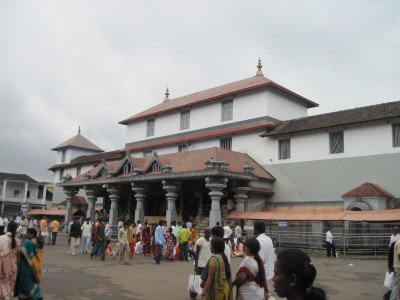
@@Introduction and Religious Harmony: The Sri Manjunatha Swamy Temple is the spiritual core of Dharmasthala, a unique pilgrimage center over 800 years old. Dedicated to Lord Shiva in the form of Manjunatheshwara (a Shivalinga procured from Kadri Manjunath Temple), the temple is famed for its remarkable blend of faiths and secular administration. The unique feature is that while the presiding deity is Hindu (Lord Shiva), the temple is administered by a Jain family, the Heggades, who serve as the hereditary Dharma Adhikaris (Chief Administrators). Rituals are conducted by Madhwa Brahmin priests. This unique blend of Jain administration and Hindu worship exemplifies religious tolerance, which is the very essence of Dharmasthala, meaning 'The Place of Righteousness'. The temple's charity is world-renowned, especially the daily Anna Dana (free meal) provided to all pilgrims irrespective of caste, creed, or faith. This principle of selfless service is central to the temple's identity. The temple complex also houses shrines for the Dharma Daivas (Kalarahu, Kalarkayi, Kumaraswamy, and Kanyakumari) and the Jain Tirthankara, Chandraprabha. The present structure is a testament to continuous patronage and maintenance, drawing millions of devotees annually seeking both spiritual solace and the blessings of Dharma Daivas. The temple is situated on the banks of the holy Netravathi River, adding to its serene and sacred ambiance. The story of its origin involves the Jain chieftain Birmanna Pergade and his wife Ammu Ballalthi being instructed by the Dharma Daivas to dedicate their life and home to the practice and propagation of Dharma. This historical foundation underscores the deeply rooted values of justice and philanthropy that govern the entire town of Dharmasthala.@@Historical Context and Philanthropy: The establishment dates back to the 13th century, initially known as Kuduma. The temple is managed by the current Dharmadhikari, Dr. Veerendra Heggade, who continues the legacy of providing free food, shelter, medical aid, and education. This extensive philanthropic work transforms a pilgrimage site into a humanitarian institution.
Card image cap
Sri Manjunatha Temple

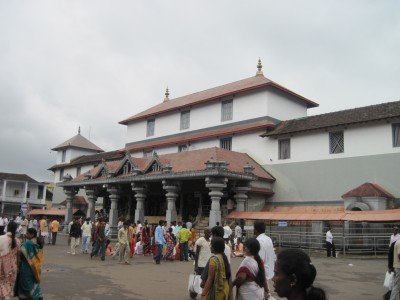
Sri Manjunatha Temple is a legendary 800-year-old religious institution where the primary deity is Lord Shiva, worshipped as Manjunatha. This sacred ...

Sri Manjunatha Temple is a legendary 800-year-old religious institution where the primary deity is Lord Shiva, worshipped as Manjunatha. This sacred spot is globally unique because it represents a rare blend of religious harmony where a Jain family, known as the Heggades, manages the administration while Hindu priests of the Madhwa Vaishnava sect perform the daily rituals and pujas. The temple is situated on the banks of the Netravathi River and is deeply rooted in the legend of Birmanna Pergade and his wife Ammu Ballalthi, who were requested by the Guardian Angels of Dharma to establish this holy site. Every visitor is treated with equal respect regardless of caste or creed, following the four traditional principles of "Danas" which include food, medicine, education, and protection. The temple serves free meals daily to thousands of pilgrims in the Annapoorna Dining Hall, maintaining a legacy of massive scale charity and spiritual discipline that attracts millions of devotees annually. It is a place where faith transcends structural boundaries, creating a peaceful atmosphere for meditation and prayer.
Card image cap
Thousand Pillars Temple

The Thousand Pillars Temple, also known as Saavira Kambada Basadi, is an architectural marvel of the 15th century. It is the most prominent of the 18...

The Thousand Pillars Temple, also known as Saavira Kambada Basadi, is an architectural marvel of the 15th century. It is the most prominent of the 18 Jain temples in Moodabidri, a town rightfully called the 'Jain Kashi' of the South. Built in 1430 AD by the local ruler Devaraya Wodeyar, it took 31 years to complete this massive stone structure. The temple is dedicated to Chandranatha Swami, the 8th Tirthankara, whose 8-foot-tall bronze idol resides in the sanctum. What makes this temple legendary is the fact that it has 1,000 granite pillars, and remarkably, no two pillars are identical in their carvings. The carvings depict diverse subjects, from African giraffes and Chinese dragons to local folk tales, indicating the global trade links of that era. The temple consists of seven halls (mandapas), each displaying a high level of craftsmanship. The overall structure resembles Nepalese temples with its multi-layered wooden roofs, a rare sight in South India. The spiritual vibes of the temple are complemented by its peaceful surroundings. It remains a living monument where Jain rituals are performed with ancient precision. Visiting this temple is like walking through a stone-carved encyclopedia of world cultures and spiritual history.
Card image cap
Venoor Bahubali Monolith

The Venoor Bahubali Monolith is a towering 35-foot statue of Lord Bahubali, standing on the banks of the Gurupura River. Carved out of a single block...

The Venoor Bahubali Monolith is a towering 35-foot statue of Lord Bahubali, standing on the banks of the Gurupura River. Carved out of a single block of granite, this statue was installed in 1604 AD by the Ajila King, Thimmanna Ajila. It is one of the five major monolithic statues of Bahubali in Karnataka. The statue depicts Bahubali in a state of deep meditation, standing upright in the 'Kayotsarga' posture. His face radiates a sense of eternal calm and detachment, symbolizing the core Jain philosophy of non-violence and renunciation. The site is part of a larger complex that includes several ancient Jain 'Basadis' like the Akkangala Basadi and Shantinatha Basadi. The historical town of Venoor was once the capital of the Ajila dynasty, and these monuments stand as a testament to their patronage of art and religion. Unlike the crowded shrines of other towns, Venoor offers a much more peaceful and raw experience. The surrounding landscape is filled with coconut groves and paddy fields, providing a scenic backdrop to the giant stone figure. The simplicity of the site, combined with the sheer scale of the statue, leaves a lasting impression on every visitor. It is an essential stop for anyone exploring the Jain heritage circuit of Karnataka.
Show All

Dharmasthala Itineray And Cost:-

Information about New and Updated Locations() of Karnataka Has Been Added :-
Card subtitle

Note:-

Information provided here in good Faith and for reference only.

All information and pictures will be updated soon, please keep visiting.

Near Places
...
Badami

Some quick example text to build on the card title and make up the bulk of the card's content.

Go somewhere
...
Belagavi

Some quick example text to build on the card title and make up the bulk of the card's content.

Go somewhere
...
Belur

Some quick example text to build on the card title and make up the bulk of the card's content.

Go somewhere
...
Bengaluru

Some quick example text to build on the card title and make up the bulk of the card's content.

Go somewhere
...
Bidar

Some quick example text to build on the card title and make up the bulk of the card's content.

Go somewhere
...
Bijapur

Some quick example text to build on the card title and make up the bulk of the card's content.

Go somewhere
...
Chamarajanagar

Some quick example text to build on the card title and make up the bulk of the card's content.

Go somewhere
...
Chikkaballapur

Some quick example text to build on the card title and make up the bulk of the card's content.

Go somewhere
...
Chikmagalur

Some quick example text to build on the card title and make up the bulk of the card's content.

Go somewhere
...
Coorg

Some quick example text to build on the card title and make up the bulk of the card's content.

Go somewhere
in Other Cities