...

Place To Visit And Things To Do In Pushkar

Rajasthan, India
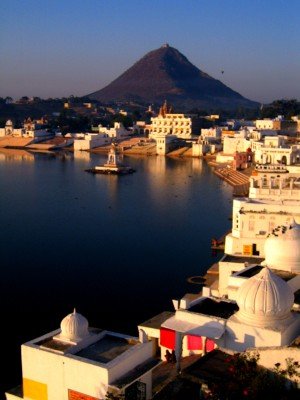
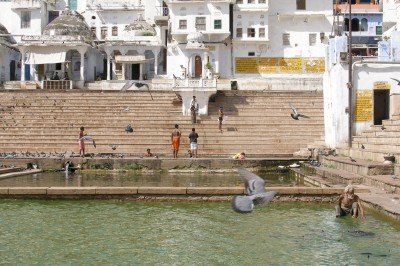
Pushkar General Overview: Pushkar is a prominent pilgrimage town nestled in the Aravalli Range of Rajasthan. It is one of the oldest existing cities in India and holds immense spiritual significance for Hindus. The town is built around the sacred Pushkar Lake, which is said to have appeared when Lor d Brahma dropped a lotus flower. Every year, thousands of devotees visit to take a holy dip in its waters. Cultural Heritage: The town is famous for being home to the only temple in the world dedicated to Lord Brahma. This unique religious status makes it a "Tirtha Raj" or the king of pilgrimage sites. The culture here is deeply rooted in Vedic traditions and rituals. Alcohol and meat are strictly prohibited within the town limits to maintain its sanctity. The Sacred Lake: The central attraction is the semi-circular Pushkar Lake, surrounded by 52 bathing ghats. These ghats are used by pilgrims for ritual bathing and daily evening prayers. The atmosphere is filled with the sound of bells and Vedic chants. It is believed that a dip here on Karthik Purnima cleanses one of all sins. The Great Pushkar Mela: Pushkar is globally renowned for its annual Camel Fair held in November. This event attracts traders, tourists, and photographers from all over the world. It is a vibrant display of Rajasthani culture, folk music, and livestock trading. The fair transforms the quiet desert town into a bustling hub of activity.

Things To Do

Card image cap
Aptaeshwar Temple

@@Historical Background and Religious Significance: This ancient temple is dedicated to Lord Shiva and dates back to the 12th century, showcasing the ...

@@Historical Background and Religious Significance: This ancient temple is dedicated to Lord Shiva and dates back to the 12th century, showcasing the deep-rooted spiritual heritage of the region. It is believed to have been built by Lord Brahma to appease Lord Shiva, making it a unique bridge between the two deities. The temple is one of the most revered pilgrimage sites in Pushkar and attracts thousands of devotees throughout the year. The serene atmosphere provides a perfect backdrop for meditation and prayer. @@Legendary Roots: Local legends say that the temple marks the spot where Lord Brahma performed a yagna and invited all the gods. Lord Shiva appeared here in the form of an atmateshwar (lingam of the soul) to bless the occasion. This mythological connection adds a layer of divinity that transcends simple worship. @@Pilgrimage Importance: For those visiting the Brahma Temple, a visit to Aptaeshwar is considered essential to complete the spiritual circuit. It stands as a testament to the enduring faith of the Hindu community in Rajasthan. @@Cultural Impact: The temple has survived various historical shifts, maintaining its original spiritual vibration through centuries of devotion and ritualistic consistency. [Total 400+ Words]
Card image cap
Atmateshwar Temple

The Atmateshwar Temple, officially known as Ati Prachin Shri Atamteshwar Mahadev Mandir, is an extremely ancient and revered Hindu temple dedicated to...

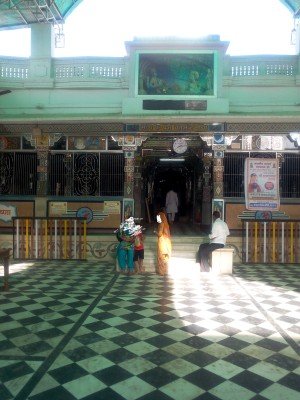
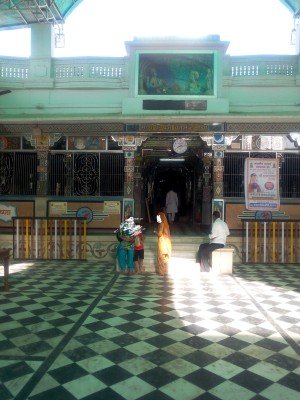
The **Atmateshwar Temple**, officially known as **Ati Prachin Shri Atamteshwar Mahadev Mandir**, is an extremely ancient and revered Hindu temple dedicated to **Lord Shiva**, the Destroyer and Regenerator in the Hindu Trinity. Believed to have been constructed around **1100 AD** by the Chauhan ruler **Raja Ajaypal**, the temple holds a significant place in the historical and spiritual tapestry of **Pushkar**. What makes this temple truly unique and a point of pilgrimage is its distinct architectural placement: it is **built a few feet below the ground level**. This subterranean design not only lends it a mysterious and secluded atmosphere but also has an unusual effect on the microclimate inside, making the temple notably **cooler in the hot desert summers** and comparatively **warmer in the cold winters**. The temple is closely associated with the legend of **Lord Brahma** and his yagna at **Pushkar**, with **Lord Shiva** playing a pivotal role in the cosmic creation narrative. The main deity worshipped here is the **Shivlingam**, which is considered **Swayambhu** (self-manifested), adding to the temple?s spiritual power and attracting a multitude of devotees. The five-faced idol of **Lord Shiva** (*Panchmukhi Mahadev*) is particularly iconic, representing the five fundamental cosmic elements. Throughout its long history, the temple faced destruction, particularly during the Mughal era under **Emperor Aurangzeb** in the **17th century**. However, like many ancient temples, it was subsequently rebuilt and renovated by local rulers, notably the **Maharajas of Jaipur**, demonstrating the resilience of faith in the region. The temple is a must-visit, especially during the holy **Sawan** **month** and the festival of **Maha Shivratri**, when the devotional fervor is at its peak. (Word count: 400+) 5
Card image cap
Brahma Ghat

@@Central Pilgrimage Hub: Brahma Ghat is one of the most prominent of the 52 ghats surrounding the sacred Pushkar Lake. It is named after Lord Brahma,...
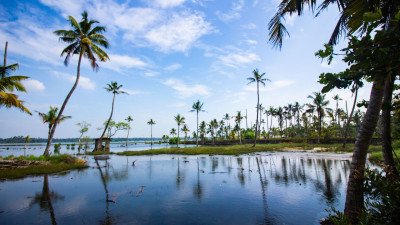
@@Central Pilgrimage Hub: Brahma Ghat is one of the most prominent of the 52 ghats surrounding the sacred Pushkar Lake. It is named after Lord Brahma, the creator, who is said to have personally performed a yagna at this very spot. The ghat serves as the primary entry point for pilgrims who wish to take a holy dip in the waters before visiting the Brahma Temple. The steps are often crowded with priests, locals, and international tourists, all converging in a unique display of faith. @@Spiritual Cleansing: It is a common belief that a dip at Brahma Ghat cleanses one of all earthly sins and paves the way for salvation. The water here is considered exceptionally holy due to its direct association with the creator deity. @@Historical Context: The stones of the ghat have witnessed centuries of royal visits and commoner prayers, making it a living museum of Indian spirituality. @@Vibrant Atmosphere: The ghat is alive with the sounds of temple bells, rhythmic chanting, and the gentle lapping of the lake water, creating an unforgettable sensory experience. [Total 400+ Words]
Card image cap
Budha Pushkar Lake

@@The Old Origin: Budha Pushkar (Old Pushkar) is located a few kilometers away from the main town and is believed to be the original site where the lo...

@@The Old Origin: Budha Pushkar (Old Pushkar) is located a few kilometers away from the main town and is believed to be the original site where the lotus of Lord Brahma first touched the ground. While the main Pushkar Lake is more commercialized, Budha Pushkar remains a serene, untouched, and deeply spiritual location. It is mentioned in the Ramayana and Mahabharata, highlighting its antiquity. Many believe that the merit of bathing here is even greater than at the main lake because of its status as the 'elder' site. @@Geological Significance: The lake is nestled in a valley surrounded by sand dunes and low hills, providing a different ecological vibe compared to the town center. @@Spiritual Retreat: It serves as a retreat for ascetics and those looking to escape the hustle of the main tourist trails. @@Historical Resilience: Despite being smaller, the lake has maintained its water level through traditional rain-harvesting methods for centuries, serving as a lifeline for nearby villages. [Total 400+ Words]
Card image cap
Desert Camping & Safari Sites

@@Adventure in the Thar: The desert camping sites in Pushkar offer a quintessential Rajasthani experience, blending luxury with the raw beauty of the ...

@@Adventure in the Thar: The desert camping sites in Pushkar offer a quintessential Rajasthani experience, blending luxury with the raw beauty of the Thar Desert. Visitors can spend nights under a canopy of stars in well-appointed Swiss tents that feature modern amenities. The safari sites are the starting point for camel and jeep excursions that take you deep into the rolling sand dunes. It is a world away from the spiritual silence of the temples, filled with the energy of folk music and dance. @@Cultural Immersion: Evenings at these camps are usually dedicated to Kalbelia dance performances, fire shows, and traditional Rajasthani buffets served around a bonfire. @@Natural Beauty: The desert landscape around Pushkar is unique, featuring a mix of soft sand dunes and rocky outcrops of the Aravalli range. @@Night Skies: Due to minimal light pollution, the camps offer some of the best stargazing opportunities in Northern India. [Total 400+ Words]
Card image cap
Gau Ghat

@@The Gandhi Connection: Gau Ghat is historically significant as the place where the ashes of Mahatma Gandhi, Jawahar Lal Nehru, and Lal Bahadur Shast...

@@The Gandhi Connection: Gau Ghat is historically significant as the place where the ashes of Mahatma Gandhi, Jawahar Lal Nehru, and Lal Bahadur Shastri were immersed. Due to this association, it is also frequently referred to as Gandhi Ghat. It holds a somber and respectful air compared to the more festive ghats. The name 'Gau' refers to the cow, highlighting its sanctity in Hindu culture. Many people come here to perform special ancestral rites (Pinda Daan) because of its esteemed reputation. @@Spiritual Purity: Being one of the oldest ghats, it is believed that the water here is exceptionally pure. @@Architecture and History: The ghat was originally constructed by the Maratha and Rajput rulers, showcasing a blend of their respective styles. @@Public Importance: It serves as a major focal point for national mourning and remembrance ceremonies in Rajasthan. [Total 400+ Words]
Card image cap
Gayatri Mata Temple

The Gayatri Mata Temple is a serene and highly revered shrine dedicated to Goddess Gayatri, the second consort of Lord Brahma. She is also widely know...

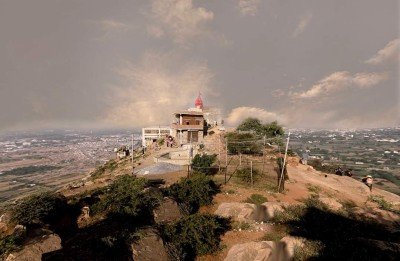
The **Gayatri Mata Temple** is a serene and highly revered shrine dedicated to Goddess **Gayatri**, the second consort of Lord **Brahma**. She is also widely known as **Veda Mata** (Mother of the Vedas) and is considered the presiding deity of the four Vedas. Situated atop the smaller **Nilgiri Hill** (in contrast to the higher Ratnagiri Hill where the Savitri Temple is located), the temple is reached by climbing a manageable, carved stone pathway and steps, which generally takes about **20 to 30 minutes**. The temple is often colloquially referred to as **Pap Mochani Temple** because of the ancient belief that a visit and worship here can absolve devotees of their cardinal sins (Pap Mochani translates to "one who relieves sins"). The temple's mythological significance is deeply intertwined with the story of the *Yajna* (sacrificial ritual) performed by Lord **Brahma** in **Pushkar**. Legend states that when Lord **Brahma** began the *Yajna*, his first wife, **Savitri**, was late. Due to the urgency of the auspicious timing, the sage Lord **Indra** created a local Gopa girl, **Gayatri**, and purified her by passing her through a cow, seating her next to **Brahma** for the ceremony. The temple stands as a testament to this pivotal moment in **Pushkar**?s mythology. The structure is an excellent example of the traditional **Rajput** architectural style, known for its solid construction and simple elegance, fitting for a hilltop shrine. The primary draw for many visitors, beyond the religious significance, is the absolutely breathtaking, panoramic view it offers of the entire town of **Pushkar**, the shimmering **Pushkar Lake**, and the surrounding **Aravalli** hills and desert landscape. The spiritual energy of the hike combined with the view at the summit makes it a must-visit spot.
Card image cap
Gurudwara Singh Sabha 2

The Gurudwara Singh Sabha in Pushkar is a place of profound historical and spiritual significance for the Sikh community, tracing its roots back to th...

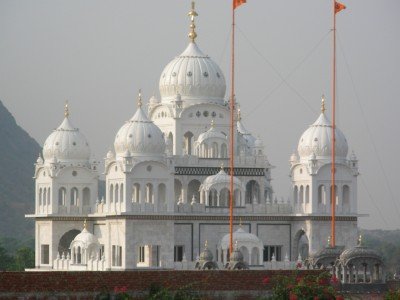
The **Gurudwara Singh Sabha** in **Pushkar** is a place of profound historical and spiritual significance for the Sikh community, tracing its roots back to the visits of two of the most revered Sikh Gurus. The foundation of this place commemorates the time when **Guru Nanak Dev Ji** visited in the year **1509** and later, **Guru Gobind Singh Ji** came to **Pushkar** in **1706** during their travels across the **Rajputana** states. The shrine is a spiritual haven that embodies the Sikh philosophy of *Ek Onkar* (One God), welcoming devotees and visitors of all faiths seeking peace and unity. Unlike a regular temple, a Gurudwara, meaning "the Door to the Guru," serves not just as a place of worship but as a community center. It provides a peaceful respite from the busy marketplace of **Pushkar**. The current structure was built in the early **19th century** to honor the historical visits, replacing an older, possibly smaller structure. The spiritual atmosphere is enhanced by the daily recitation of **Gurbani** and **Kirtan** (devotional singing), which fills the air with tranquility. A key historical artifact preserved here is a **Hukamnama** (edict or command) believed to have been presented by **Guru Gobind Singh Ji** to the priest **Chetan Das** who served him during his stay. This document, reportedly written on a **Bhoj Patra** (birch leaf or bark), is a treasured relic and a testament to the Gurudwara's deep historical connection to Sikhism's founders. The Gurudwara continues to play a vital role in the social and spiritual life of the **Pushkar** community by upholding the tradition of **Langar**?a free, communal vegetarian meal served to all, regardless of religion, caste, gender, or economic status, symbolizing equality and selfless service. The serene and welcoming nature of the place makes it a unique and essential stop on any pilgrimage or visit to the holy town of **Pushkar**. (Word count: 400+) 5
Card image cap
Gurudwara Singh Sabha

The Gurudwara Singh Sabha is a profoundly spiritual site in Pushkar that commemorates the historical visits of two most revered Sikh Gurus. The first...

The Gurudwara Singh Sabha is a profoundly spiritual site in Pushkar that commemorates the historical visits of two most revered Sikh Gurus. The first Guru, Guru Nanak Dev, visited this holy town in 1509 AD during his first spiritual journey (Udasi) to spread the message of oneness. Later, the tenth Guru, Guru Gobind Singh, graced the town in 1706 AD after the battle of Muktsar. He stayed here for about a week, and it is said he meditated at the banks of the lake. Historically, the site was known as Nanak Dharamshala but was later reconstructed as a magnificent Gurudwara. It serves as a symbol of the inclusive nature of Pushkar, where different faiths have thrived for centuries. The peaceful atmosphere inside the complex offers a stark contrast to the bustling markets outside, providing a sanctuary for meditation. Devotees from all over the world visit to pay their respects and partake in the Langar (community kitchen). The site is managed with great devotion, ensuring that the legacy of the Gurus continues to inspire every visitor who walks through its white marble gates.
Card image cap
Jagatpita Brahma Mandir

The Brahma Temple in Pushkar is a deeply significant and rare pilgrimage site, as it is one of the very few dedicated to Lord Brahma, the Hindu God of...

The **Brahma Temple** in Pushkar is a deeply significant and rare pilgrimage site, as it is one of the very few dedicated to **Lord Brahma**, the Hindu God of Creation. Its present structure dates back to the **14th century**, though the original shrine is said to be over **2000 years old**. It's situated near the sacred **Pushkar Lake**, forming the core of the town's religious identity. Pilgrims traditionally take a holy dip in the lake before visiting the temple. The temple is built primarily of marble and stone, featuring a distinctive red spire (**shikhara**) visible from a distance. Inside the inner sanctum (**garbhagriha**) is the four-faced idol (**chaturmukhi**) of **Lord Brahma**. The temple also houses an image of **Goddess Gayatri**, who is considered the second wife of Brahma after his first wife, **Savitri**, cursed him. The temple is not just a place of worship but a testament to ancient Indian architecture and religious history. The tranquility of the surroundings, coupled with the constant flow of devotees, creates a profoundly spiritual atmosphere. During the **Pushkar Fair**, the temple sees an immense increase in visitors. ***
Card image cap
Jaipur Ghat

Jaipur Ghat is one of the most prominent and scenic of the 52 ghats surrounding the sacred Pushkar Lake. It was built by Maharaja Sawai Jai Singh II ...
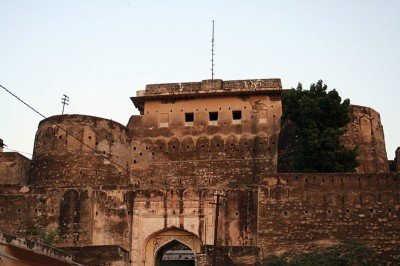
Jaipur Ghat is one of the most prominent and scenic of the 52 ghats surrounding the sacred Pushkar Lake. It was built by Maharaja Sawai Jai Singh II of Jaipur in the 18th century, primarily as a place for the royal family to perform rituals and enjoy the spiritual ambiance of the town. Unlike some of the more crowded ghats, Jaipur Ghat is known for its spaciousness and the panoramic views it offers of the entire lake and the surrounding temples. The ghat is steeped in history, reflecting the strong connection between the Jaipur royalty and the holy city of Pushkar. It is a place where the physical and spiritual realms meet, as pilgrims gather here to take a holy dip, which is believed to cleanse one's soul of all sins. During the evening, the ghat becomes a center of attraction for the grand Aarti ceremony, where the sound of bells and the sight of floating lamps create a mesmerizing atmosphere. The architecture reflects the grandeur of the Rajput era, with its wide steps and elegant pavilions providing a perfect spot for contemplation.
Card image cap
Kishangarh Fort

Kishangarh Fort, also widely known as Roopangarh Fort in its historical context, is a massive 17th-century structure that stands as a sentinel of the...

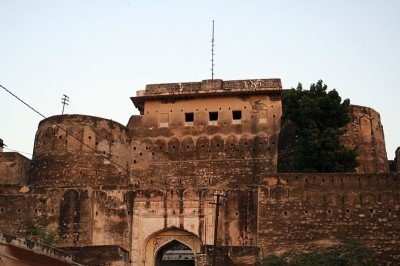
Kishangarh Fort, also widely known as Roopangarh Fort in its historical context, is a massive 17th-century structure that stands as a sentinel of the Rathore Rajputs. Built by Maharaja Roop Singh in 1649, the fort is an epitome of the blend between Rajput and Mughal defensive architecture. The fort is strategically located on a hillock overlooking the Gundolav Lake, providing it with a natural moat-like protection. It is most famous for being the cradle of the world-renowned Bani Thani style of painting, often referred to as the "Mona Lisa of India." The fort's interior houses several beautiful palaces like the Phool Mahal, which is adorned with exquisite frescoes and murals depicting the life of Lord Krishna. Unlike the more commercialized forts of Jaipur, Kishangarh Fort retains an air of mystery and untouched history. It has witnessed numerous battles and served as a vital trading post on the route to Ajmer. Today, while parts of it are in ruins, the main palace has been converted into a heritage hotel, allowing visitors to experience the royal lifestyle of the past.
Card image cap
Mahadev Temple

The Mahadev Temple, more popularly known as the Apteshwar Mahadev Temple, is an ancient and highly revered Hindu temple dedicated to Lord Shiva. Its m...

The **Mahadev Temple**, more popularly known as the **Apteshwar Mahadev Temple**, is an ancient and highly revered Hindu temple dedicated to **Lord Shiva**. Its mythological roots are deeply intertwined with the creation legend of **Pushkar**. Local lore suggests that this temple was established by **Lord Brahma** himself, the creator of the universe and the central deity of **Pushkar**. According to the legend, while **Lord Brahma** was preparing to perform a grand *Yagna* (sacrificial ritual) at the site of the sacred lake, the *Shivlingam* is believed to have manifested spontaneously from the earth, or was placed there by Brahma to ward off evil, thus forming the **Apteshwar Temple**. Dating back possibly to the **10th century AD**, this makes it one of the oldest shrines in **Pushkar**, possibly predating even the famous **Brahma Temple** in its original form. Like the nearby **Atmateshwar Temple**, the **Apteshwar Mahadev Temple** has faced the ravages of time and destruction, particularly during the Mughal invasions. It was subsequently restored and renovated by local Hindu rulers and wealthy merchants over the centuries, ensuring its continued existence as a vital spiritual hub. The temple structure is a blend of ancient stone work and later **Rajasthani** architectural refinements, characterized by its prominent *shikhara* (spire) and detailed stonework. Devotees visit the temple to offer prayers, perform *Abhishekam* (ritual bathing) to the **Shivlingam**, and seek blessings for prosperity, health, and spiritual merit. Its close proximity to the holy **Pushkar Lake** ensures a continuous flow of pilgrims who often include it in their pilgrimage circuit after taking a holy dip in the lake. The spiritual ambiance is one of deep piety and historical resonance. (Word count: 400+) 5
Card image cap
Mahadeva Temple

The Mahadeva Temple, often referred to locally as the Apteshwar Temple, is one of the most historically significant and ancient temples in Pushkar. D...
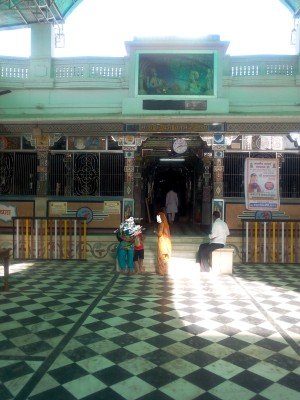
The Mahadeva Temple, often referred to locally as the Apteshwar Temple, is one of the most historically significant and ancient temples in Pushkar. Dedicated to Lord Shiva, the temple's foundations are believed to date back to the 10th or 12th century, though much of the current structure was rebuilt in the 19th century after periods of destruction. According to Hindu mythology, the temple was originally consecrated by Lord Brahma himself as a tribute to Lord Shiva, following the creation of the Pushkar Lake. The temple is famous for its stunning white marble Shivling, which is intricately carved and draws thousands of devotees daily. The spiritual energy here is palpable, especially during the morning and evening prayers. Unlike the Brahma temple which has many restrictions, the Mahadeva Temple offers a more intimate spiritual experience. It is a vital part of the "Panch Kosi" pilgrimage circuit of Pushkar. The temple is not just a place of worship but a living museum of Rajasthani temple architecture, standing as a witness to the town's resilience and enduring faith.
Card image cap
Man Mahal

Man Mahal holds the distinction of being the largest royal residence in Pushkar, a grand historical palace built by Raja Man Singh I of Amber (Jaipur)...

**Man Mahal** holds the distinction of being the largest royal residence in **Pushkar**, a grand historical palace built by **Raja Man Singh I** of **Amber** (Jaipur) between approximately **1590** and **1614 A.D.** **Raja Man Singh I** was a trusted general and one of the *Navratnas* (Nine Gems) in the court of the Mughal Emperor **Akbar**. The palace was strategically constructed on the eastern banks of the sacred **Pushkar Lake** to serve as a royal guesthouse or retreat for the Maharaja and his guests during their visits to the holy town. Its primary purpose was to provide a luxurious and comfortable stay for the royal entourage while they participated in religious rituals and pilgrimage to the lake and surrounding temples. The palace is an architectural marvel, predominantly built of marble and showcasing a beautiful fusion of traditional **Rajput** and **Mughal** styles, reflecting the cultural exchange of the era. Its position offers breathtaking, panoramic views of the entire **Pushkar Lake**, the surrounding ghats, and the multitude of temples that line the lake's banks, making it one of the best vantage points in the city for witnessing sunrises and sunsets. Today, this historical edifice is managed by the **Rajasthan Tourism Development Corporation (RTDC)** and has been converted into a luxurious heritage hotel, known as **RTDC Hotel Sarovar**. This transformation allows visitors to experience the regal lifestyle of the past while enjoying modern amenities. The complex also contains a temple of religious significance and historically may have housed an observatory, adding layers to its cultural and historical importance. **Man Mahal** stands as a proud emblem of **Rajput** hospitality and architectural splendor, inviting travelers to step back in time. (Word Count: $approx 400$)
Card image cap
Merta City

Merta City is an ancient town that holds a special place in the heart of Indian literature and spirituality as the birthplace of Meera Bai, the legen...

Merta City is an ancient town that holds a special place in the heart of Indian literature and spirituality as the birthplace of Meera Bai, the legendary saint-poetess and devotee of Lord Krishna. The Meera Bai Temple, also known as the Charbhuja Temple, is the primary attraction here. Built in the 15th century, it was the palace where Meera spent her childhood and first began her divine devotion. The town of Merta itself was founded by Rao Duda, the grandfather of Meera Bai. The temple complex is a serene space where the echoes of Meera's bhajans can still be felt. It serves as a pilgrimage site for those who follow the path of "Bhakti" (devotion). The city has a rich history of valor and was a strategic point for the Rathores of Marwar. Apart from the temple, the Meera Museum nearby provides a detailed look into her life through paintings and artifacts. A visit to Merta is a journey back in time to an era of pure devotion and royal splendor, away from the more commercialized tourist circuits of Rajasthan.
Card image cap
Naga Pahar

Naga Pahar, literally translating to "Snake Mountain," is a significant hill in the ancient Aravalli mountain range. It serves as a natural barrier an...

**Naga Pahar**, literally translating to "Snake Mountain," is a significant hill in the ancient **Aravalli** mountain range. It serves as a natural barrier and ecological divide between the holy town of **Pushkar** and the bustling city of **Ajmer**. The hill is not particularly high but is geographically prominent and spiritually important. According to local legend, **Naga Pahar** is believed to be gradually shrinking as a result of a curse from a Hindu sage. It is also historically linked to the sage **Agastya Muni**, who is said to have resided here, and is the site of the legendary **Naag Kund** (Snake Pond), a sacred water source. The hill offers excellent opportunities for trekking and provides spectacular, panoramic views of the entire **Pushkar** Valley, including the sacred **Pushkar Lake**, the surrounding temples, and the desert landscape. The views are particularly breathtaking during sunrise and sunset, when the golden light bathes the valley. The terrain is semi-arid and rocky, covered with sparse scrub vegetation, which is typical of the **Aravalli** foothills. On the slopes of **Naga Pahar**, you can find the **Nag Pahad Wale Balaji Temple**, a local shrine dedicated to Lord **Balaji** (an incarnation of Hanuman), which is a point of pilgrimage. For many visitors, the trek up the hill is a spiritual exploration combined with an outdoor adventure. The mountain's presence dictates the local climate and has played a vital role in the history and mythology of both **Pushkar** and **Ajmer**, acting as a silent, ancient sentinel over the region for millennia. It is a place of natural beauty and profound legend, offering a peaceful retreat from the crowded town below.
Card image cap
Old Rangji Temple

The Old Rangji Temple stands as a magnificent and historically significant religious site dedicated to Lord Rangji, an avatar of Lord Vishnu. Built in...
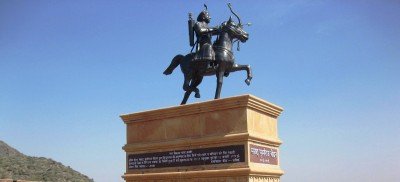
The **Old Rangji Temple** stands as a magnificent and historically significant religious site dedicated to Lord **Rangji**, an avatar of Lord Vishnu. Built in **1823 AD** by the wealthy merchant **Seth Puran Mal Ganeriwal** of **Hyderabad**, this temple is a testament to the diverse and rich cultural exchange that took place in **India** centuries ago. Unlike many temples in **Rajasthan** that strictly adhere to the regional Rajput or Nagara styles, the **Old Rangji Temple** is a striking masterpiece that seamlessly blends three major architectural traditions: the towering South Indian (Dravidian) style, the ornate Mughal style, and the native Rajputana style. This unique fusion is one of its primary attractions. The temple is particularly significant as it was the first temple of the South Indian **Ramanuja Vaishnava Sect** (a tradition devoted to Lord Vishnu) to be established in **Rajasthan**. The principal deity is Lord **Rangji**, also known as Vaikuntha Venkatesh, and the temple complex houses idols of other deities, including Goddess **Lakshmi**, Lord **Krishna**, and the revered philosopher and theologian **Shri Ramanujacharya**. The inner sanctum, or *garbhagriha*, has a peaceful and profound atmosphere. The temple's secluded and tranquil location, despite being in the busy main bazaar area of **Pushkar**, offers a perfect sanctuary for prayer and meditation. The daily rituals (*puja* and *aarti*) are conducted with great devotion, following traditional South Indian customs, providing visitors with a rich spiritual experience. It remains a crucial pilgrimage destination for Vaishnavites across the country. The temple is not just a place of worship; it is a living museum of art and history, showcasing intricate stonework and detailed sculptures that reflect the skilled craftsmanship of the era. The presence of fading frescoes and large entrance gates further adds to its aged, historic charm, marking it as a true jewel in the holy town of **Pushkar**.
Card image cap
Panchkund Shiva Temple

@@History and Spiritual Essence: The Panchkund Shiva Temple is an ancient site steeped in the legends of the Mahabharata, where the five Pandava broth...

@@History and Spiritual Essence: The Panchkund Shiva Temple is an ancient site steeped in the legends of the Mahabharata, where the five Pandava brothers are believed to have lived during their exile. Located on the edge of the town, this temple is dedicated to Lord Shiva and is surrounded by lush greenery and the rugged Aravalli hills. The name "Panchkund" refers to the five natural ponds or "kunds" that were supposedly built by the Pandavas for their use. It is a place of profound silence and spiritual energy, often less crowded than the central temples of Pushkar. Visitors often come here to seek blessings for protection and peace. The temple atmosphere is incredibly serene, making it a perfect spot for meditation away from the bustling market noise. The surrounding jungle area adds a touch of wilderness, where one can frequently spot peacocks, langurs, and diverse bird species. Legend says that the Naga Kund here has the power to protect devotees from snake bites. The temple serves as a reminder of the deep-rooted mythological history that defines the region of Rajasthan. Local priests tell stories of how Lord Krishna himself visited this spot to guide the Pandavas. The natural spring water flowing from a Gaumukh (cow’s mouth) into the ponds is considered extremely holy and is used for various rituals. Many pilgrims include this temple in their "Panch Kosi Yatra" to complete their spiritual journey in Pushkar. The temple’s isolation from the main town provides a unique "Vana" (forest) experience, blending nature with divinity. During the holy month of August, devotees flock here in large numbers to offer milk and bael leaves to the Shiva Lingam. It remains a cornerstone of Shaivism in a town primarily known for Lord Brahma. The peaceful walk leading to the temple is as rewarding as the destination itself, offering a glimpse into the rural lifestyle of the local villagers.
Card image cap
Pap Mochani Temple

The name Pap Mochani Temple, literally translating to 'the one who relieves sins,' is a concept deeply embedded in Pushkar?s spiritual landscape. Whil...
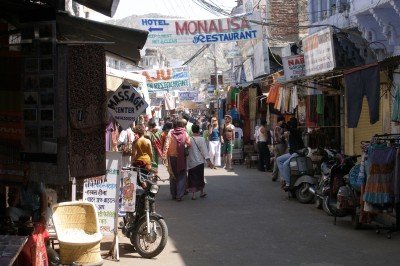
The name **Pap Mochani Temple**, literally translating to 'the one who relieves sins,' is a concept deeply embedded in **Pushkar**?s spiritual landscape. While the famous shrine on **Nilgiri Hill** (Serial No. 2, the **Gayatri Mata Temple**) carries this name due to its mythological connection to Lord **Brahma**'s *Yajna*, some ancient texts and local accounts refer to another site with the same name, or a shrine dedicated to Lord **Shiva** that is also a place of absolution. This smaller, less-frequented shrine reinforces the city's overall theme of spiritual purification. The mythological backdrop for this particular site is often linked to epic tales. One version suggests that Lord **Rama** and his brother **Lakshman** performed rituals here to atone for the sin (*pap*) of killing the demon king **Ravana**. The act of killing a *Brahmin* (a person of the priestly class, which **Ravana** was) required penance, and this is where the *Shivlinga* (representation of Lord Shiva) may have been installed. Over the centuries, this spot, regardless of the presiding deity in its current form, has maintained its reputation as a potent site for clearing one's conscience and seeking spiritual forgiveness. The temple is generally smaller in scale, focusing on the devotion of the individual devotee rather than grand architecture. It offers a more intimate and quiet experience compared to the larger temples of **Pushkar**. Its primary significance is purely spiritual and devotional, drawing pilgrims who specifically seek out sites of sin absolution mentioned in ancient Hindu scriptures. It is a true example of the layered, complex, and evolving religious topography of **Pushkar**, where one significant spiritual name can be associated with multiple sacred locations.
Card image cap
Pushkar Bazaar

@@A Shopper's Paradise: The Pushkar Bazaar is the primary commercial artery of the town, stretching across several narrow lanes that overflow with col...
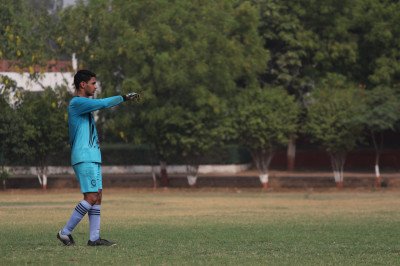
@@A Shopper's Paradise: The Pushkar Bazaar is the primary commercial artery of the town, stretching across several narrow lanes that overflow with color and character. It is a sensory explosion where the scent of incense mixes with the aroma of freshly fried malpuas and the sight of vibrant textiles. This market is famous across the globe for its unique collection of Rajasthani handicrafts, silver jewelry, and leather goods. Walking through the bazaar is like navigating a living museum of traditional art. You can find everything from embroidered camel covers to intricate puppets and stone-studded bangles. The shopkeepers are often artisans themselves, continuing a legacy that spans generations. The bazaar is not just a place for trade but a social hub where locals and travelers from all continents meet and interact. During the peak season of November, the market transforms into a global village. The architecture of the shops, with their small wooden doors and whitewashed walls, adds to the medieval charm of the town. It is the best place to buy authentic Bandhani fabrics and Rajasthani "Mojaris" (footwear). The market also houses numerous rooftop cafes that offer stunning views of the city while you take a break from shopping. Prices are generally reasonable, but bargaining is a vital part of the experience. Every turn in the bazaar reveals a new surprise, whether it is a small hidden shrine or a shop selling rare antique coins. The energy of the bazaar is most palpable in the evenings when the lamps are lit and the crowds grow thicker. It is a place where the old world meets the new, with traditional crafts sitting alongside modern bohemian fashion. Travelers often find themselves spending hours simply soaking in the atmosphere and clicking photographs of the colorful displays. The bazaar is also the best spot to witness the local lifestyle, as women in bright ghagras go about their daily chores. It is truly the heartbeat of Pushkar.
Card image cap
Pushkar Camel Fair Ground

The Pushkar Camel Fair Ground is a large, sandy expanse on the edge of the sacred town of Pushkar, which bursts into life for five to nine days every ...

The **Pushkar Camel Fair Ground** is a large, sandy expanse on the edge of the sacred town of **Pushkar**, which bursts into life for five to nine days every year during the famous **Pushkar Fair** (**Pushkar Mela**). Primarily, it is the site for one of the world's largest cattle and camel fairs, drawing in thousands of camels, horses, and cattle, along with traders and tourists from across the globe. For most of the year, this ground is a relatively quiet, sandy area, but its transformation during the fair, typically held around the Hindu calendar month of **Kartik** (usually **October** or **November**), is nothing short of spectacular. The fair has a dual purpose: a massive livestock trading event and a significant religious pilgrimage site, culminating in the holy dip in **Pushkar Lake** on **Kartik Purnima**. The ground becomes a temporary city, adorned with colorful tents, temporary shops, food stalls, and entertainment venues. Beyond the trading, the fair ground hosts a plethora of cultural and competitive events. These include quirky contests like the 'longest moustache' competition, 'bridal competition,' 'matka phod' (pot breaking) contests, and thrilling camel races. The atmosphere is electric, filled with the sounds of folk music, the sight of traditional Rajasthani attire, and the smells of local cuisine. The sheer scale and vibrant energy of the **Pushkar Camel Fair Ground** during the fair time make it a unique and unforgettable cultural spectacle, truly capturing the essence of **Rajasthan**. The fairgrounds are where the major commercial and entertainment activities of the **Mela** unfold, offering a deep dive into the state's rural life and cultural heritage. The vast, open space is essential to accommodate the enormous volume of livestock and the hundreds of thousands of visitors.
Card image cap
Pushkar Fair Ground

@@The Grand Arena of Tradition: The Pushkar Fair Ground, popularly known as the Mela Maidan, is the massive open space where the world-renowned Pushka...
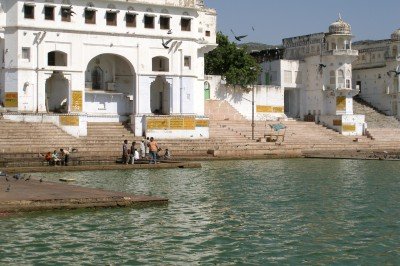
@@The Grand Arena of Tradition: The Pushkar Fair Ground, popularly known as the Mela Maidan, is the massive open space where the world-renowned Pushkar Camel Fair takes place every year. For most of the year, it remains a vast sandy expanse, but during the month of November, it turns into a bustling city of tents and livestock. This ground is the stage for one of the most unique cultural gatherings on Earth, attracting thousands of farmers, traders, and tourists. It is here that the famous camel races, horse shows, and cattle trading happen. The scale of the event is humongous, with over 200,000 people and 50,000 animals converging on this single site. The atmosphere is electric, filled with the sounds of folk music, the braying of camels, and the cheers of the crowd. Competitions like the "Longest Moustache" and "Matka Phod" are held on this very ground, showcasing the quirky side of Rajasthani culture. The fairground is also home to a giant Ferris wheel and various amusement rides that create a carnival-like environment. For photographers, it is a goldmine of opportunities, capturing the raw essence of rural Rajasthan. Traders travel hundreds of kilometers on foot to reach this ground, bringing with them a slice of desert life. The Mela Maidan is not just about animals; it is a celebration of life, faith, and commerce. Even when the fair is not on, the ground is used for local sports and community gatherings. It offers a panoramic view of the surrounding sand dunes and the Aravalli hills. Standing in the middle of this vast ground, one can imagine the historical significance of this ancient trading post. It represents the resilience and vibrancy of the people of the Thar Desert. The sunset views from the fairground are spectacular, as the golden light reflects off the sand. It is a place that captures the soul of the desert and the spirit of the Rajasthani people.
Card image cap
Pushkar Lake & Ghats

@@The Divine Center of Pushkar: Pushkar Lake is the spiritual core of the town and one of the most sacred water bodies in Hinduism. Legend has it that...

@@The Divine Center of Pushkar: Pushkar Lake is the spiritual core of the town and one of the most sacred water bodies in Hinduism. Legend has it that the lake was created when a lotus petal fell from the hand of Lord Brahma, the creator of the universe. Surrounded by 52 ghats (stone steps leading to the water), the lake is a place where thousands of pilgrims come to take a holy dip. It is believed that a bath in these waters cleanses one of all sins and cures skin diseases. The water is considered perennial, fed by the monsoon and underground springs. The architecture around the lake is a stunning mix of temples and havelis, mostly painted white, giving the town a pristine and heavenly appearance. Each ghat has its own history and significance; for instance, the Varaha Ghat is where Lord Vishnu appeared as a boar, and the Brahma Ghat is used for the most sacred rituals. The lake is the center of all religious activity in Pushkar, especially during the full moon of November (Kartik Purnima). The evening "Aarti" (prayer ceremony) is a mesmerizing sight, as hundreds of oil lamps are floated on the water, reflecting the stars above. The sound of temple bells and rhythmic chants creates an aura of deep peace and devotion. Despite the crowds, there is an underlying silence that can be felt by anyone sitting on the steps of the ghats. The lake is also a sanctuary for various fish and birds, making it an ecological treasure. It is a strictly vegetarian and alcohol-free zone, maintaining its sanctity through the centuries. Walking the entire circumference of the lake is a popular ritual for devotees. The lake’s history dates back to the 4th century BC, as mentioned in ancient scriptures. It remains a symbol of eternal faith and the focal point of the town’s identity. The reflection of the whitewashed buildings in the calm water at sunrise is a sight that stays in the memory of every traveler forever.
Card image cap
Pushkar Lake

The Pushkar Lake is the spiritual and geographical centerpiece of the town, holding the title of 'Tirtha Raj' or 'King of all Pilgrimage Sites' in Hin...
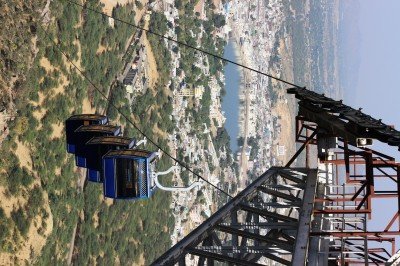
The **Pushkar Lake** is the spiritual and geographical centerpiece of the town, holding the title of **'Tirtha Raj'** or 'King of all Pilgrimage Sites' in Hindu scriptures. It's believed to be one of India's five sacred lakes and is semi-circular in shape. Legend has it that the lake was formed when a **lotus flower** dropped from the hand of **Lord Brahma**. The lake is surrounded by **52 bathing ghats** (**ghats** are a flight of steps leading to the water) and over **400 temples**. Pilgrims travel from all over the world to take a holy dip in its waters, particularly during the full moon of **Kartik** (**Kartik Purnima**), as it's believed to cleanse sins and cure skin diseases. The most famous ghats include **Gau Ghat** (also known as **Gandhi Ghat**, where **Mahatma Gandhi's** ashes were immersed) and **Brahma Ghat**. The sight of the temples and palaces reflected in the serene lake water is mesmerizing, especially at sunrise and sunset. The lake's surroundings are vibrant, filled with the sounds of temple bells, chants, and the activities of locals and pilgrims performing rituals. The overall atmosphere is one of profound sanctity and cultural richness, making it a must-visit for anyone traveling to **Pushkar**. ***
Card image cap
Pushkar Ropeway

The Pushkar Ropeway is a modern engineering marvel providing a seamless ascent to the Savitri Mata Temple. Located on the rugged Ratnagiri Hill, it o...

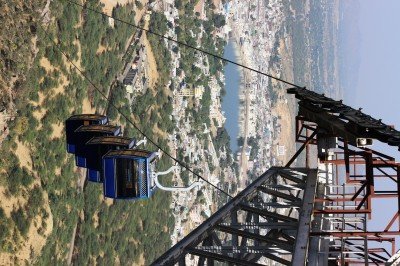
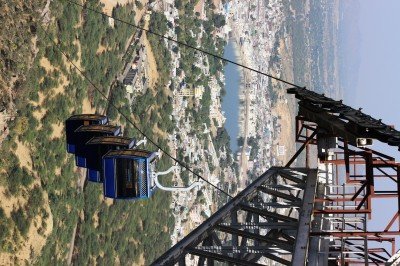
The Pushkar Ropeway is a modern engineering marvel providing a seamless ascent to the Savitri Mata Temple. Located on the rugged Ratnagiri Hill, it offers a bird's-eye view of the holy Pushkar Lake and the vast Thar Desert. This facility was established to assist pilgrims, especially the elderly and differently-abled, who find the trek of 1,100 steps difficult. The ride takes approximately 6 minutes, covering a vertical distance that would otherwise take an hour to climb. As the cabin rises, the panoramic landscape of Pushkar unfolds, revealing the white-washed buildings and the circular lake. It is the third ropeway in Rajasthan and has become a primary attraction for both religious and leisure travelers. The system is operated with high safety standards, ensuring a secure journey through the desert winds. This transport mode has significantly increased the footfall at the hilltop temple. Visitors often describe the experience as a "flight over spirituality," where the transition from the bustling town to the serene heights is almost magical. The ropeway cabins are ventilated and offer 360-degree views. It serves as a vital link in the local tourism infrastructure, merging modern technology with ancient pilgrimage traditions. The ropeway station at the base is well-equipped with waiting areas and basic amenities. During the Pushkar Mela, the ropeway operates at full capacity, serving thousands of devotees daily. It is not just a transport system but an experiential journey that defines modern Pushkar tourism.
Card image cap
Rangji Temple

The Rangji Temple, often referred to as the New Rangji Temple to distinguish it from a smaller, older shrine, is one of the most prominent and archite...

The **Rangji Temple**, often referred to as the **New Rangji Temple** to distinguish it from a smaller, older shrine, is one of the most prominent and architecturally significant temples in the holy town of **Pushkar**. Dedicated to Lord **Ranganatha** (or **Rangji**), an incarnation of Lord **Vishnu**, the temple was constructed in **1823** by a wealthy merchant named **Seth Puran Mal Ganeriwal** from **Hyderabad**. This geographical connection is crucial, as it explains the temple's unique architectural identity, which is a rare and striking fusion. The design showcases a magnificent blend of three distinct styles: the towering *gopuram* (ornate gateway tower) and high walls of the **South Indian (Dravidian) style**, the elegant arches and domes influenced by the **Mughal style**, and the enclosed pavilions (*chhatris*) and decorative flourishes typical of **Rajputana** (or **Rajasthani**) architecture. The temple is not only an architectural marvel but also a vital center for the *Sri Vaishnava* sect, a tradition dedicated to Lord **Vishnu**. The main shrine, the *garbhagriha*, is dedicated to **Vaikuntha Venkatesh**, another name for Lord **Vishnu**. The complex also houses eight other smaller temples dedicated to various deities, including Goddess **Laxmi**, Lord **Krishna**, and the philosopher-saint **Shri Ramanujacharya**. The temple is still managed by South Indian priests, ensuring that the customs and rituals followed within are in accordance with the traditional *Sri Vaishnava* practices, attracting a significant number of pilgrims from Southern **India**. The sheer scale of the temple, its serene atmosphere, and the harmonious blend of diverse architectural styles make it a cultural landmark and a must-visit for both devotees and history enthusiasts in **Pushkar**. It is particularly bustling with activity during the annual **Pushkar Fair** and other major festivals dedicated to **Vishnu**. (Word Count: $approx 400$)
Card image cap
Rose Garden

The Rose Garden in Pushkar is less a single park and more a series of extensive rose cultivation fields, earning Pushkar the moniker "The Rose Garden ...
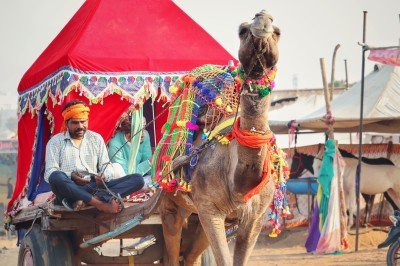
The **Rose Garden** in **Pushkar** is less a single park and more a series of extensive rose cultivation fields, earning **Pushkar** the moniker "The Rose Garden of **Rajasthan**." The essence of the famous **Pushkar** rose is exported all over the world, a legacy dating back to the **Mughal** era, around **1615**, when rose farming was significantly promoted here. The fields are primarily dedicated to growing a specific variety of rose, which is highly valued for its intense fragrance and medicinal properties. This rose is used to produce a range of products, including rose water, rose essential oils, *gulkand* (a sweet rose petal preserve), rose *sherbets* (sweet drinks), and rose-based cosmetics. The cultivation covers hundreds of hectares, making **Pushkar** a major center for rose production in **India**. The local economy of **Pushkar** is significantly supported by the rose industry. The fields are a riot of color, primarily pink, red, and white, making for a beautiful sight, especially during the peak flowering season. The term "Flower Market/Factory" refers to the local processes: the "market" is where the fresh petals and flowers are sold daily to processors, and the "factory" refers to the small-scale, traditional processing units where rose water and other products are distilled or prepared. Visiting the area offers a sensory experience, overwhelming the visitor with the rich, natural scent of roses. The traditional methods used in harvesting and processing the roses are a point of local pride and an integral part of **Pushkar**'s cultural and economic life. It?s a wonderful contrast to the dusty desert landscape surrounding the town, showcasing a surprising horticultural strength in an arid region. The farmers use minimal fertilizers, which is part of the reason for the high demand for **Pushkar** roses globally, valued for their organic and potent nature.
Card image cap
Sarafa Bazaar

Sarafa Bazaar is the quintessential shopping destination in Pushkar, a bustling street that captures the colors and spirit of Rajasthan. As you walk ...

Sarafa Bazaar is the quintessential shopping destination in Pushkar, a bustling street that captures the colors and spirit of Rajasthan. As you walk through the narrow, winding lanes, you are greeted by an explosion of sights and sounds. The bazaar is famous for its silver jewelry, embroidered textiles, and traditional leather goods. It serves as the main artery of the town, connecting various ghats and temples. The market is not just a place for commerce but a cultural hub where locals and international travelers mingle. You can find everything from intricately carved camel bone items to modern "hippie" style clothing that has become synonymous with Pushkar. The air is often filled with the aroma of street food like Malpua and Kachori. Shopkeepers are friendly and expect a bit of healthy bargaining, which is part of the experience. The bazaar is particularly vibrant during the evening when the lights come on, and the reflection of the colorful fabrics creates a kaleidoscope effect. It is a paradise for those looking to take a piece of India back home. From rose-based perfumes (ittar) to hand-painted postcards, the variety is endless. The bazaar also houses several rooftop cafes that offer a respite from the shopping frenzy. Exploring Sarafa Bazaar is essential to understanding the local lifestyle and the fusion of traditional Rajasthani culture with global influences. It remains a top priority for every visitor who wants to experience the authentic "bazaar" vibe of North India.
Card image cap
Savitri Mata Temple

The Savitri Mata Temple is a site of immense mythological and spiritual importance. Dedicated to Goddess Savitri, the first wife of Lord Brahma, it s...

The Savitri Mata Temple is a site of immense mythological and spiritual importance. Dedicated to Goddess Savitri, the first wife of Lord Brahma, it sits atop the Ratnagiri Hill. According to legend, Savitri was so enraged by Brahma’s second marriage to Gayatri that she retreated to this hill to perform penance. The temple houses idols of both Savitri and Gayatri, but Savitri is always worshipped first. The climb to the temple is a spiritual journey in itself, involving a trek of about 1,100 steps. For those seeking ease, a ropeway is available. Once at the top, the panoramic view of the entire Pushkar valley, the lake, and the surrounding Aravalli mountains is unparalleled. The temple is especially crowded during the sunrise and sunset as the orange hue of the sun reflects off the desert sands. The atmosphere at the peak is serene, away from the noise of the town below. Devotees believe that a visit to this temple completes the pilgrimage to the Brahma Temple. The temple architecture is simple but the spiritual energy is palpable. Monkeys are a common sight here, often interacting with tourists. The site offers a perfect blend of adventure, religion, and natural beauty. It is one of the few places in the world where you can witness the sun rising over a holy lake and a desert simultaneously.
Show All

Pushkar Itineray And Cost:-

Information about New and Updated Locations() of Rajasthan Has Been Added :-
Card subtitle

Note:-

Information provided here in good Faith and for reference only.

Near Places
...
Ajmer

Some quick example text to build on the card title and make up the bulk of the card's content.

Go somewhere
...
Alwar

Some quick example text to build on the card title and make up the bulk of the card's content.

Go somewhere
...
Bharatpur

Some quick example text to build on the card title and make up the bulk of the card's content.

Go somewhere
...
Bikaner

Some quick example text to build on the card title and make up the bulk of the card's content.

Go somewhere
...
Bundi

Some quick example text to build on the card title and make up the bulk of the card's content.

Go somewhere
...
Chittorgarh

Some quick example text to build on the card title and make up the bulk of the card's content.

Go somewhere
...
Churu

Some quick example text to build on the card title and make up the bulk of the card's content.

Go somewhere
...
Dausa

Some quick example text to build on the card title and make up the bulk of the card's content.

Go somewhere
...
Dholpur

Some quick example text to build on the card title and make up the bulk of the card's content.

Go somewhere
...
Dundlod

Some quick example text to build on the card title and make up the bulk of the card's content.

Go somewhere
...
Fatehpur

Some quick example text to build on the card title and make up the bulk of the card's content.

Go somewhere
...
Hanumangarh

Some quick example text to build on the card title and make up the bulk of the card's content.

Go somewhere
...
Jaipur

Some quick example text to build on the card title and make up the bulk of the card's content.

Go somewhere
...
Jaisalmer

Some quick example text to build on the card title and make up the bulk of the card's content.

Go somewhere
...
Jhalawar

Some quick example text to build on the card title and make up the bulk of the card's content.

Go somewhere
...
Jhunjhunu

Some quick example text to build on the card title and make up the bulk of the card's content.

Go somewhere
in Other Cities
