...

Place To Visit And Things To Do In Tumakuru

Karnataka, India
Place Details: Tumakuru, formerly known as Tumkur, is a fast-growing city located on the outskirts of Bengaluru. It is famously known as the "Shikshana Kashi" (City of Education) and the "Coconut City" due to its vast coconut plantations. The city is home to the renowned Siddaganga Mutt, a unique ed ucational and spiritual center that provides free food and education to thousands of students regardless of caste. Tumakuru is surrounded by rocky hills and historical forts, making it a popular weekend getaway for trekking enthusiasts and spiritual seekers alike. The district has a rich history dating back to the Ganga and Chola dynasties, with several ancient temples like the Devarayanadurga hill temple. As an industrial hub, it balances modern growth with traditional culture, offering a mix of urban facilities and scenic natural landscapes like Amanikere Lake.

Things To Do

Card image cap
Aralaguppe Chennakesava Temple

The Aralaguppe Chennakesava Temple is a magnificent 13th-century structure dedicated to Lord Vishnu. Built during the Hoysala Empire's peak, it repre...

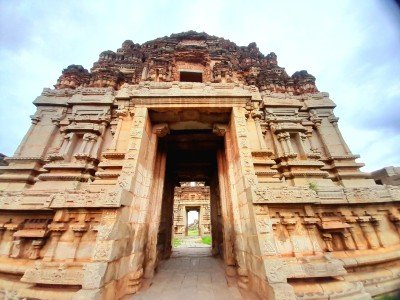
The Aralaguppe Chennakesava Temple is a magnificent 13th-century structure dedicated to Lord Vishnu. Built during the Hoysala Empire's peak, it represents the finest artistry of that era. The temple is an ekakuta (single shrine) design, featuring a stellar-shaped platform that adds to its grandeur. Inside, the deity Chennakesava stands majestically in the sanctum sanctorum. The walls are covered with intricate carvings of deities, dancers, and musicians. It remains one of the lesser-known yet most artistically dense Hoysala temples in Karnataka. Visiting this place offers a silent, spiritual atmosphere far from city noise. The temple is protected by the ASI and maintains its ancient charm perfectly.
Card image cap
Boranakanive Reservoir

Boranakanive Reservoir is a scenic irrigation dam built across the Suvarnamukhi river. It was constructed in 1892 during the British administration u...
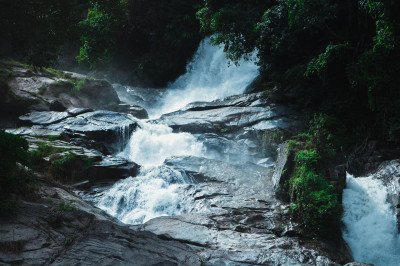
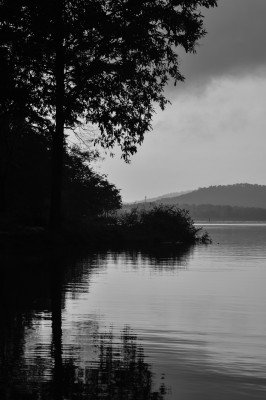
Boranakanive Reservoir is a scenic irrigation dam built across the Suvarnamukhi river. It was constructed in 1892 during the British administration under the guidance of the Maharaja of Mysore. The dam serves as a primary water source for the arid regions of Chikkanayakanahalli and Huliyar. Surrounded by low-lying hills and coconut groves, it has become a popular spot for nature lovers and bird watchers. The reservoir creates a massive lake that reflects the blue sky, providing a peaceful retreat from urban life. It is particularly beautiful after the monsoon when the gates are opened. Many locals visit here for weekend picnics and to enjoy the sunset over the water.
Card image cap
Bugudanahalli Falls

@@Nature's Seasonal Show: Bugudanahalli Falls is a lesser-known, seasonal waterfall that comes alive primarily during and immediately after the monsoo...

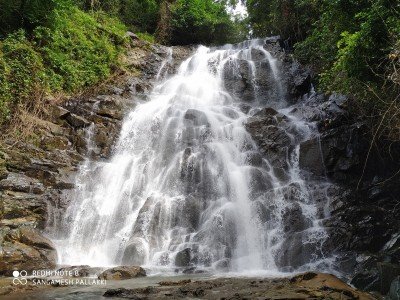
@@Nature's Seasonal Show: Bugudanahalli Falls is a lesser-known, seasonal waterfall that comes alive primarily during and immediately after the monsoon months of July to October. It is situated near the village of Bugudanahalli and is a true hidden gem for locals seeking a quick escape. The surrounding landscape is characterized by lush green fields, rocky terrain, and serene village life, offering a stark contrast to the bustle of Tumakuru city. The water cascades over a series of rocks, creating a refreshing sight and a small pool at the base where visitors can sometimes take a dip. The area is largely undeveloped for mass tourism, preserving its natural, rustic charm. It is an excellent spot for a half-day trip to reconnect with nature and experience the simple tranquility of a Karnataka village. The falls are a part of a minor stream system and their flow is entirely dependent on recent rainfall, making a visit during the dry season generally unrewarding. Its proximity to the city makes it an easily accessible natural spot for local nature lovers and a great introduction to the rural landscape of Tumakuru.
Card image cap
Devarayanadurga

@@A Twin Temple Hill Station: Devarayanadurga (meaning "Fort of the God") is a picturesque hill station famous for its two major temples: the Bhoga Na...

@@A Twin Temple Hill Station: Devarayanadurga (meaning "Fort of the God") is a picturesque hill station famous for its two major temples: the Bhoga Narasimha Temple at the foothills and the Yoga Narasimha Temple at the top. The town itself is nestled in a forested, rocky expanse, part of the Devarayanadurga State Forest. Historically, it was a fortified settlement that passed through the hands of various dynasties including the Cholas, Hoysalas, and the Wodeyars of Mysore. Its current name is attributed to the Mysore ruler Chikka Devaraja Wodeyar in the 17th Century. The spiritual atmosphere combined with the thrilling trek to the summit makes it a unique destination. The natural springs, forest cover, and panoramic views from the top provide a complete package for nature and history enthusiasts. The entire area is a protected reserve, known for its rich flora and fauna and provides a serene escape from the urban environment. The drive up the hill is beautiful, winding through dense trees and rock faces.
Card image cap
Goravanahalli Mahalakshmi Temple

The Goravanahalli Mahalakshmi Temple is one of the most revered pilgrimage sites in Karnataka. Dedicated to the Goddess of Wealth, Mahalakshmi, the t...
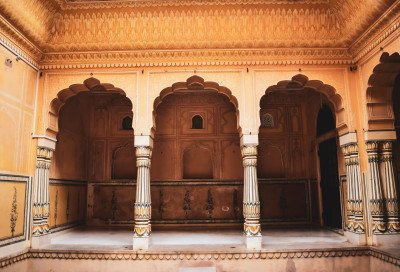
The Goravanahalli Mahalakshmi Temple is one of the most revered pilgrimage sites in Karnataka. Dedicated to the Goddess of Wealth, Mahalakshmi, the temple has a soul-stirring history involving a devotee named Kamalamma who revitalized the worship here in the mid-20th century. The temple is located in a serene setting surrounded by the Theetha Reservoir and lush greenery. Thousands of devotees flock here, especially on Tuesdays and Fridays, which are considered auspicious for the Goddess. The temple complex is well-maintained and provides free meals (Prasadam) to all visitors. It is believed that sincere prayers here bring prosperity and remove financial obstacles. The atmosphere is filled with the scent of incense and the sound of Vedic chants.
Card image cap
Huthridurga Fort

Huthridurga Fort is a historical hill fortress built by Kempegowda, the founder of Bengaluru, in the 16th century. It is one of the "Nava Durgas" (ni...

Huthridurga Fort is a historical hill fortress built by Kempegowda, the founder of Bengaluru, in the 16th century. It is one of the "Nava Durgas" (nine forts) located around the capital city. The fort is situated atop a rocky hill at an altitude of about 3,700 feet. It features a unique seven-tiered fortification system, though many layers are now in ruins. The trek to the top is moderately easy and takes about an hour, passing through several ancient stone gateways. At the summit, there is a small temple dedicated to Lord Shiva known as the Shankareshwara Temple. Historically, the fort served as a military bastion for Tipu Sultan during his wars with the British. The panoramic view of the surrounding plains and other hills like Savandurga is spectacular from the top.
Card image cap
Kaggaladu Bird Sanctuary

Kaggaladu Bird Sanctuary is a unique wildlife haven located in the Sira taluk of Tumakuru district. Unlike typical sanctuaries with fenced areas, thi...

Kaggaladu Bird Sanctuary is a unique wildlife haven located in the Sira taluk of Tumakuru district. Unlike typical sanctuaries with fenced areas, this is a community-protected heronry where birds nest right on the trees within the village. It is the second-largest sanctuary for Painted Storks in South Asia. The village became famous in 1999 when the Wildlife Aware Nature Club (WANC) brought it to global attention. The villagers have a deep bond with the birds, believing their arrival brings good luck and rain. They even avoid harvesting tamarind from the nesting trees to protect the birds' habitat. Apart from Painted Storks, one can see Grey Herons and various other local species. The sight of hundreds of large birds nesting in the middle of a village is truly heartwarming.
Card image cap
Kaidala Chennakeshava Temple

@@A Hoysala Gem and Jakanachari's Birthplace: The Kaidala Chennakeshava Temple is a small but exquisite 12th-century shrine dedicated to Lord Vishnu (...
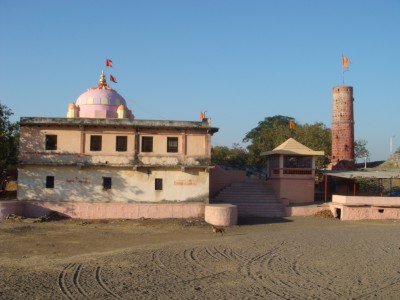
@@A Hoysala Gem and Jakanachari's Birthplace: The Kaidala Chennakeshava Temple is a small but exquisite 12th-century shrine dedicated to Lord Vishnu (in the form of Chennakeshava). It is historically significant as the birthplace of the legendary sculptor Jakanachari, who is said to have sculpted the main idol here before moving on to work on the grand temples of Belur and Halebidu. The temple is a fine example of the transitional phase between the Dravidian and Hoysala architectural styles. Local legend states that the sculptor lost his hand after a flaw was found in the idol and only regained it after finding a perfect idol in Belur, which led to his return and work here. This temple provides a quiet, intimate experience of the devotion and incredible artistry of the Hoysala period, far from the larger, more crowded sites. The presence of the dwibhuja (two-armed) form of Chennakeshava is also a unique feature, making it a key historical site for art and history scholars. The temple is well-maintained and remains an active place of worship.
Card image cap
Kedareshwara Temple

This hidden gem is a classic Hoysala masterpiece dedicated to Lord Shiva. Built in the 13th century by Narasimha III, it represents the pinnacle of s...

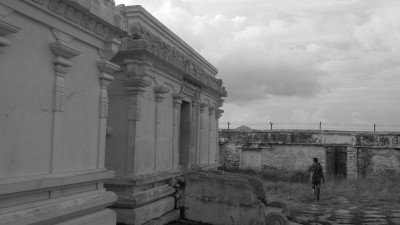
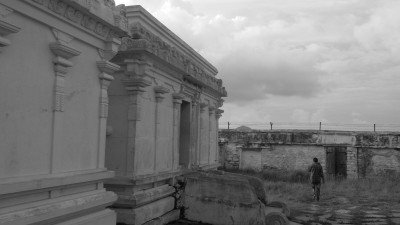
This hidden gem is a classic Hoysala masterpiece dedicated to Lord Shiva. Built in the 13th century by Narasimha III, it represents the pinnacle of soapstone carving. Unlike the crowded temples of Belur, this site offers a peaceful atmosphere where you can admire the 16-pointed star-shaped sanctum. The temple is an Ekakuta (single shrine) design, featuring a Garbhagriha, Sukhanasi, and a Navaranga. It remains largely unfinished, yet the intricate detailing on the outer walls is breathtaking. Visitors can see a variety of deities and celestial dancers. The serene surroundings of Nagalapura village make it a perfect retreat for history lovers and spiritual seekers alike. It is managed by the Archaeological Survey of India and stands as a testament to the artistic glory of the Hoysala dynasty. Many carvings depict scenes from Puranas and daily life of that era. Despite its age, the structure remains remarkably intact, though the original tower is missing. It is a place where time seems to stand still.
Card image cap
Madhugiri Fort

Madhugiri Fort is perched atop the second-largest monolith in Asia. The fort was originally built by Raja Hire Gowda in the 17th century and later fo...

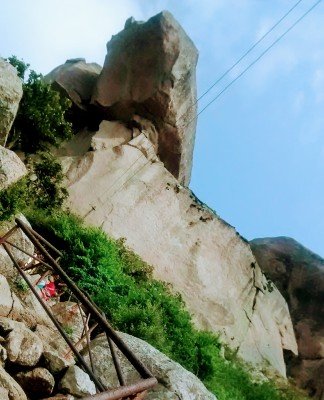
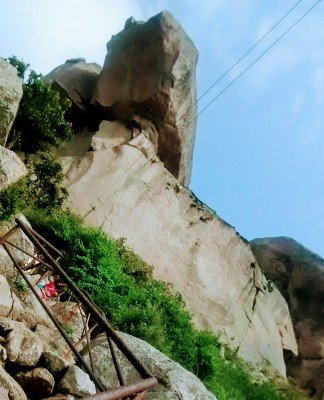
Madhugiri Fort is perched atop the second-largest monolith in Asia. The fort was originally built by Raja Hire Gowda in the 17th century and later fortified by Hyder Ali and Tipu Sultan. The climb is a thrilling challenge, featuring steep rock faces and ancient stone steps. As you ascend, you pass through multiple gateways like the Diddibagilu. The fort houses massive granaries and water tanks that showcase ancient engineering. At the summit, the ruins of the Gopalakrishna Temple offer a panoramic view of the Tumakuru landscape. The hill stands at an elevation of 3,930 feet, making it a favorite for trekkers. The rock itself has a honey-like hue, which gives the town its name (Madhu meaning honey). Exploring the fort feels like walking through a military history book, with bastions and watchtowers still standing guard. It is a place of immense strength and strategic beauty. The trek takes about 2 hours and requires good physical fitness. The descent is equally exciting but requires caution on the slippery slopes.
Card image cap
Mandaragiri Hill

Mandaragiri Hill, also known as Basadi Betta, is a significant Jain pilgrimage site. It is famous for the unique Guru Mandir, which is shaped like a ...
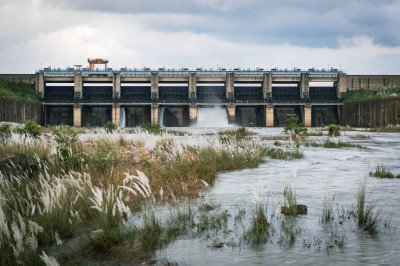
Mandaragiri Hill, also known as Basadi Betta, is a significant Jain pilgrimage site. It is famous for the unique Guru Mandir, which is shaped like a Pinchi (a peacock feather fan used by Jain saints). The hill itself is a gentle monolith with around 450 well-maintained steps. At the base, a towering 81-foot statue of Lord Bahubali welcomes visitors. The architecture here is modern yet deeply rooted in Jain philosophy. The summit features four ancient Jain Basadis dating back to the 12th century. The panoramic view from the top includes the serene Mydala Lake. This place has gained immense popularity on social media due to its colorful and geometric temple designs. It is a peaceful spot for meditation and a quick getaway from the city. The blend of spiritual heritage and natural beauty makes it a must-visit in Tumakuru. The site is clean, well-managed, and offers a refreshing experience for people of all ages.
Card image cap
Markonahalli Dam

Markonahalli Dam is built across the Shimsha River and is a unique engineering feat. Commissioned by the Maharaja of Mysore and designed by Sir M. Vi...

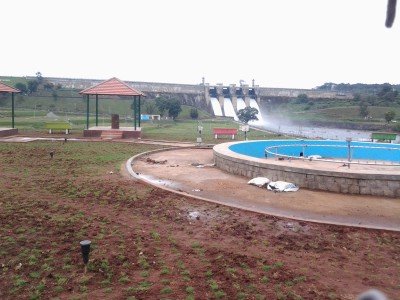
Markonahalli Dam is built across the Shimsha River and is a unique engineering feat. Commissioned by the Maharaja of Mysore and designed by Sir M. Visvesvaraya, it was the first in the world to use automatic siphon spillways. This technology allows the dam to release water automatically when it reaches maximum capacity without manual gate operation. The reservoir is vast and surrounded by lush greenery, making it a popular spot for birdwatching and photography. It serves as a vital water source for agriculture in the Tumakuru district. The dam has a peaceful environment, away from the hustle of the highway. Visitors can walk along the embankment and enjoy the cool breeze. The structure stands as a tribute to Indian engineering brilliance in the early 20th century. It is an ideal spot for a day trip, especially during the monsoon when the siphons are active. The sight of water gushing through the siphons is a rare and spectacular experience for visitors.
Card image cap
Namada Chilume

@@A Mythological and Natural Wonder: Namada Chilume is a sacred natural spring located within the forested hills near Devarayanadurga. The name transl...

@@A Mythological and Natural Wonder: Namada Chilume is a sacred natural spring located within the forested hills near Devarayanadurga. The name translates to "Spring of the Tilak" (Nama = Tilak or caste mark; Chilume = Spring). According to local legend from the epic Ramayana, Lord Rama, along with Sita and Lakshmana, rested here during their exile. When Rama needed water to apply his tilak but couldn't find any, he shot an arrow into the rock, causing a small, perennial spring to gush forth from the rock's surface. This water, which flows year-round from a small hole, is considered holy (Tirtha). The site is part of the Devarayanadurga State Forest and also serves as a small research center for the forest department, particularly known for its deer park. The combination of deep religious history, a unique geological phenomenon, and the peaceful, forested setting makes it a popular stop for devotees and day-trippers seeking tranquility and mythological connection. The water is believed to have purifying and healing properties.
Card image cap
Nonavinakere Lakshmi Narasimha

This temple is an ancient spiritual powerhouse dedicated to Lord Lakshmi Narasimha. It is part of the "Pancha Narasimha" temples in the region. The t...

This temple is an ancient spiritual powerhouse dedicated to Lord Lakshmi Narasimha. It is part of the "Pancha Narasimha" temples in the region. The temple dates back to the Hoysala and Vijayanagara periods, showcasing a blend of architectural styles. The deity, Lord Narasimha, is depicted in a calm posture with Goddess Lakshmi. The village of Nonavinakere itself has a rich history of Vedic scholarship. The temple complex is spacious and features a traditional Gopuram and a large Kalyani (temple tank). It is believed that visiting this temple brings peace and prosperity to the devotees. The intricate carvings on the pillars tell stories of the Dasavatara. The atmosphere is deeply meditative, away from the commercialized temple circuits. It is a place where rituals are performed with strict adherence to ancient traditions. For those seeking a quiet spiritual experience combined with heritage, this temple is an ideal destination.
Card image cap
Pavagada Fort

@@Historical Background: The Pavagada Fort is a majestic hilltop fortification with a history spanning over six centuries. It was originally construct...

@@Historical Background: The Pavagada Fort is a majestic hilltop fortification with a history spanning over six centuries. It was originally constructed in 1405 by a chieftain of the Vijayanagara Empire to serve as a strategic military outpost near the border of present-day Karnataka and Andhra Pradesh. Over the generations, the fort witnessed numerous power shifts, coming under the control of the Deccan Sultanates, the Marathas, and eventually the British forces. The fort is built on a massive rocky hill, providing a natural defense mechanism that made it nearly impregnable in its prime. Its elevation offers a bird’s-eye view of the arid plains below, which was crucial for spotting advancing enemy troops. Today, it stands as a silent witness to the turbulent battles and cultural exchanges of the Medieval period. The rugged terrain surrounding the fort is dotted with scattered vegetation, creating a starkly beautiful landscape. Local legends often associate the fort with mystical folklore, suggesting that hidden treasures remain buried within its deep, unexplored chambers. Visitors are drawn to its historical allure and the physical challenge of the ascent. It remains one of the most significant yet underrated historical sites in the Tumakuru region, perfect for those seeking a blend of adventure and history. The fort's proximity to the border gives it a unique cultural blend reflected in the local dialect and traditions. Explorers can spend hours tracing the ruins of old residential quarters and granaries that once sustained a whole garrison. Every stone here tells a story of valor and the relentless passage of time.
Card image cap
Pavagada Solar Park

@@General Overview: The Pavagada Solar Park, officially known as Shakti Sthala, is one of the world's largest photovoltaic solar power stations. Launc...
@@General Overview: The Pavagada Solar Park, officially known as Shakti Sthala, is one of the world's largest photovoltaic solar power stations. Launched in 2018, this massive project covers an astounding 13,000 Acres (53 square kilometers) of land across five villages. The park was conceptualized to harness the intense solar radiation of the Pavagada region, which is known for its dry and arid climate. With a total capacity of 2,050 Megawatts, it plays a critical role in India's transition to renewable energy. What makes this project unique is the "Plug and Play" model, where the government leased land from over 2,300 Farmers instead of acquiring it outright, ensuring a steady income for the local community. This innovative approach has turned a drought-prone area into a thriving hub of green technology. Walking or driving near the park, one sees an endless sea of shimmering blue panels that seem to meet the horizon. The project represents a significant investment of approximately 14,800 Crore Rupees and involves multiple global power players like Tata Power and SoftBank. It serves as a model for sustainable development, proving that technology can coexist with rural livelihoods. For visitors, it is an educational experience that showcases the scale of human ingenuity in tackling climate change. The silence of the park, broken only by the hum of inverters, creates a futuristic atmosphere. It is a symbol of modern India’s commitment to a cleaner, greener future. The park has significantly reduced the state's carbon footprint and provides electricity to millions of homes across Karnataka.
Card image cap
Shivagange Hill

@@Detailed Description: Shivagange is a sacred mountain and a popular trekking destination located near the town of Dobbaspet. Standing at an altitude...

@@Detailed Description: Shivagange is a sacred mountain and a popular trekking destination located near the town of Dobbaspet. Standing at an altitude of 1,368 Meters, the hill is uniquely shaped like a Shivalinga when viewed from one side, a bull from another, and an elephant from yet another. It is popularly known as Dakshina Kashi (Kashi of the South) due to its numerous temples and sacred water bodies. The ascent to the top is a combination of a pilgrimage and an adventure trek, involving thousands of rock-cut steps. Along the way, trekkers encounter the Gavi Gangadhareshwara temple, which is tucked inside a natural cave. A famous legend associated with this temple is that ghee offered to the deity miraculously turns into butter, which is then distributed as prasadam. Further up, one finds the Olakal Teertha, a small spring hidden deep within a rocky cleft; it is believed that only the righteous can touch the water. The climb becomes progressively steeper, with iron railings provided for safety in the final sections. At the very summit, a massive statue of Nandi (the bull) carved from a single rock stands guard, offering a panoramic view of the surrounding plains. The hill is also the source of the Kumudvathi river. For many, the journey is a spiritual test of endurance, while for others, it is a thrilling outdoor experience. The path is lined with small shops selling refreshments, and the resident monkeys are a constant, if sometimes mischievous, presence. Shivagange perfectly encapsulates the blend of religious devotion and natural beauty that defines rural Karnataka.
Card image cap
Sira Fort

@@Historical Context: The Sira Fort, also known as the Kasturi Rangappa Nayaka Fort, is a significant historical landmark that reflects the diverse po...

@@Historical Context: The Sira Fort, also known as the Kasturi Rangappa Nayaka Fort, is a significant historical landmark that reflects the diverse political history of the region. Built in the early 17th Century by Kasturi Rangappa Nayaka, the chieftain of Sira, the fort served as the foundation of the town. Legend has it that the site was chosen after the Nayaka saw a hare chasing a hound, an omen of bravery. However, before the fort could be completed, it was captured by the Bijapur Sultanate. Over the next two centuries, the fort changed hands multiple times, being ruled by the Mughals, the Marathas, Hyder Ali, and Tipu Sultan, before finally falling to the British. Each ruler added their own architectural touches, making it a unique hybrid of styles. During the Mughal era, Sira was the capital of a province (Subah), and the fort was the center of administration. The structures within the fort, including the mosques and palaces, showcase a blend of Indo-Islamic and local Hindu styles. Today, parts of the fort are in ruins, but the massive stone walls and the moat still command respect. The Archaeological Survey of India has undertaken restoration works to preserve this heritage. Exploring the fort feels like walking through a timeline of South Indian history, from the local Nayaka traditions to the grand imperial designs of the Mughals and the Mysore Kingdom. It is a must-visit for history buffs who want to see how different cultures influenced a single defensive structure.
Card image cap
Sree Siddaganga Mutt

@@A Pillar of Education and Annadanam: The Sree Siddaganga Mutt is a highly revered Lingayat religious and educational institution with a history span...

@@A Pillar of Education and Annadanam: The Sree Siddaganga Mutt is a highly revered Lingayat religious and educational institution with a history spanning over 500 years. It is world-famous for its unparalleled humanitarian work, specifically its commitment to the principle of "Trividha Dasoha" (triple service): Anna Dasoha (free food), Akshara Dasoha (free education), and Vastra Dasoha (free shelter/clothing). The Mutt provides all these services to over 10,000 children from underprivileged backgrounds, regardless of their caste or creed. The Mutt was led for decades by the late, revered Dr. Sree Sree Sree Shivakumara Swamiji (popularly known as "The Walking God"), whose selfless service turned the Mutt into a major charitable powerhouse. The campus houses the Gadduge (tomb/shrine) of the late Swamiji, which is a major pilgrimage spot. The Mutt is a living example of Basava philosophy, dedicated to social equality and knowledge, and visiting it is a profoundly moving, humbling, and inspiring experience that showcases the best of Indian charity and spiritual discipline.
Card image cap
Yediyur Siddalingeshwara Temple

@@Temple Overview: The Yediyur Siddalingeshwara Temple is one of the most revered pilgrimage sites for the Lingayat community and devotees across Karn...

@@Temple Overview: The Yediyur Siddalingeshwara Temple is one of the most revered pilgrimage sites for the Lingayat community and devotees across Karnataka. It is not just a temple but the Nirvikalpa Shivayoga Samadhi (final resting place) of Tontada Siddalinga, a celebrated 15th-century Lingayat saint and teacher. The saint was a prolific writer who authored the Shathsthala Jnana Saramrutha, containing 701 Vachanas (poems). He is believed to have performed miracles and spent 12 years in deep meditation in a garden (thota), earning him the name Thotada Siddalingeshwara. The temple complex is vast and exudes a sense of deep spiritual peace. Unlike many other temples, the focus here is on the saint's teachings of equality and devotion. The main deity is the saint himself, represented by his tomb. The temple also houses a shrine for Veerabhadra Swamy. The atmosphere is always bustling with devotees who come to fulfill vows or participate in the daily 'Dasoha' (free community meals). The temple management also runs various educational institutions and choultries, making it a center for social service. The architecture is a fine example of the Dravidian style, with a colorful and intricately carved Gopura. For a visitor, the temple offers a glimpse into the living traditions of the Sharana faith and the profound impact of the Bhakti movement in Karnataka. The surrounding village of Yediyur has grown around the temple, maintaining a traditional and pious character.
Show All

Tumakuru Itineray And Cost:-

Information about New and Updated Locations() of Karnataka Has Been Added :-
Card subtitle

Note:-

Information provided here in good Faith and for reference only.

All information and pictures will be updated soon, please keep visiting.

Near Places
...
Badami

Some quick example text to build on the card title and make up the bulk of the card's content.

Go somewhere
...
Belagavi

Some quick example text to build on the card title and make up the bulk of the card's content.

Go somewhere
...
Belur

Some quick example text to build on the card title and make up the bulk of the card's content.

Go somewhere
...
Bengaluru

Some quick example text to build on the card title and make up the bulk of the card's content.

Go somewhere
...
Bidar

Some quick example text to build on the card title and make up the bulk of the card's content.

Go somewhere
...
Bijapur

Some quick example text to build on the card title and make up the bulk of the card's content.

Go somewhere
...
Chamarajanagar

Some quick example text to build on the card title and make up the bulk of the card's content.

Go somewhere
...
Chikkaballapur

Some quick example text to build on the card title and make up the bulk of the card's content.

Go somewhere
...
Chikmagalur

Some quick example text to build on the card title and make up the bulk of the card's content.

Go somewhere
...
Coorg

Some quick example text to build on the card title and make up the bulk of the card's content.

Go somewhere
in Other Cities