...

Place To Visit And Things To Do In Udayagiri

Odisha, India
Place Overview: Udayagiri, meaning the "Hill of Sunrise," is a significant archaeological site located on the outskirts of Bhubaneswar. It is part of the twin hills of Udayagiri and Khandagiri, which house a series of rock-cut caves dating back to the 1st century BCE. These caves were primarily buil t as residential blocks for Jain monks during the reign of King Kharavela of the Mahameghavahana dynasty. The site is a testament to the architectural brilliance and religious tolerance of ancient Odisha. The 18 caves in Udayagiri are more elaborate and better preserved than those in Khandagiri. Historical Importance: The caves contain the famous Hathi Gumpha inscription, which provides a detailed account of King Kharavela's military conquests and public works. Artistic Value: The walls are adorned with beautiful friezes depicting royal processions, hunting scenes, and daily life in ancient India. Scenic Beauty: Being on a hill, it offers a peaceful environment and a great view of the Bhubaneswar city skyline.

Things To Do

Card image cap
Akhandalmani Temple

The Akhandalmani Temple, located on the banks of the river Baitarani in the village of Aradi, is one of the most revered Shaivite shrines in Odisha. ...
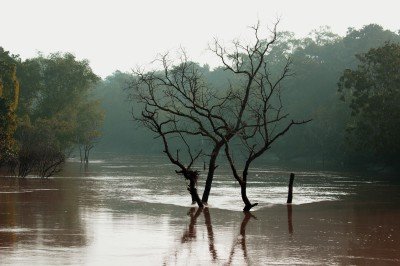
The Akhandalmani Temple, located on the banks of the river Baitarani in the village of Aradi, is one of the most revered Shaivite shrines in Odisha. Legend states that the main deity, a black granite Shiva Linga, was discovered by a farmer named Niladri Samara Singha Mohapatra while ploughing his field roughly 350 years ago. The Linga is uniquely known as Akhandalamani, which translates to the "Indestructible Jewel," and it is believed that worshipping here remits all human miseries and fulfills deep-seated desires. The temple complex is a spiritual hub that draws thousands of devotees who come to offer "Gharsan" (sandalwood paste) and holy water to the Lord. The serene surroundings and the flowing river nearby create a meditative atmosphere that allows visitors to disconnect from the modern world. Government initiatives have recently enhanced the area with better pathways and facilities, making it a primary pillar of the tourism industry in the Bhadrak district.
Card image cap
Bhitarkanika National Park

Bhitarkanika National Park is a unique and sprawling ecosystem located in the northeastern part of Odisha, often referred to as the "Mini Amazon of I...
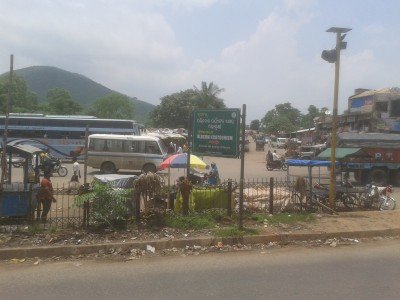
Bhitarkanika National Park is a unique and sprawling ecosystem located in the northeastern part of Odisha, often referred to as the "Mini Amazon of India." Spread over 672 square kilometers, it is a Ramsar site and a UNESCO tentative heritage site, famous for being the largest habitat of the endangered saltwater crocodile in the country. The park is a maze of mangrove forests, meandering creeks, and rivers like the Brahmani, Baitarani, and Dhamra, which converge to create a rich biodiversity hotspot. It is home to over 60 species of mangroves, which is a higher variety than even the Sundarbans. Visitors can spot a wide array of wildlife, including the majestic saltwater crocodiles, spotted deer, wild boars, pythons, and monitor lizards. During the winter months, the park transforms into a birdwatcher's paradise as thousands of migratory birds from Siberia and Central Asia arrive at the Bagagahana bird sanctuary. The experience of a boat safari through the dark, canopy-covered creeks is both thrilling and serene, offering a rare glimpse into a prehistoric-looking natural world that remains largely untouched by modernization.
Card image cap
Chandikhol

Chandikhol is a bustling town and a scenic picnic spot located in the Jajpur district of Odisha, serving as a major junction where spirituality meets...
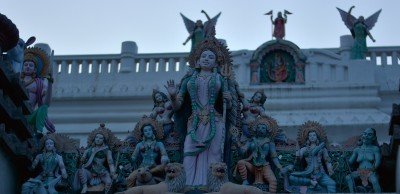
Chandikhol is a bustling town and a scenic picnic spot located in the Jajpur district of Odisha, serving as a major junction where spirituality meets nature. Named after the Goddess Chandi, the area is nestled at the base of the lush Barunei Hill, providing a picturesque backdrop of rolling green hills and dense forests. The town is famous for its Chandi Temple, which was established by the late monk Baba Bhairabananda Brahmachari, whose spiritual presence still lingers in the tranquil atmosphere of the hilltop. Chandikhol is not just a religious site but also a preferred weekend getaway for locals from Cuttack and Bhubaneswar due to its natural springs and scenic beauty. The area is strategically located near the Buddhist "Golden Triangle" of Odisha (Ratnagiri, Lalitgiri, and Udayagiri), making it a vital stop for history buffs and spiritual seekers alike. The local market is vibrant, offering traditional Odia sweets and handicrafts, while the surrounding hills provide ample opportunities for light trekking and nature photography. It serves as a perfect base for exploring the rich cultural and archaeological heritage of the Jajpur region.
Card image cap
Chhatia Bata

Chhatia Bata, often referred to as the "Second Sri Kshetra," is a unique and mysterious temple dedicated to Lord Jagannath, Lord Balabhadra, and Godd...
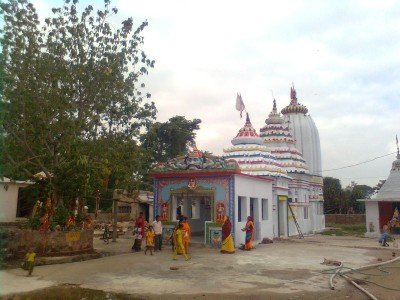
Chhatia Bata, often referred to as the "Second Sri Kshetra," is a unique and mysterious temple dedicated to Lord Jagannath, Lord Balabhadra, and Goddess Subhadra. Located in the town of Chhatia, the temple is famously associated with the 15th-century saint Achyutananda Das and his prophetic text, the "Malika." According to local belief and the prophecies, when the world reaches its end (Kaliyuga), the deities of Puri will abandon their current abode and settle at Chhatia Bata, which is said to be the only place that will not be submerged by the rising sea. The name "Bata" refers to the massive, ancient banyan tree within the complex under which the saint Hadidas meditated and wrote his future predictions. Unlike the temple in Puri, the idols here are depicted in a distinct warrior-like form, with Lord Jagannath and Balabhadra riding black and white horses and holding swords, signifying their roles as the Kalki avatar. The atmosphere is thick with mysticism and deep devotion, as pilgrims come to seek protection from the predicted future calamities. The temple rituals strictly follow the traditions of the Puri Jagannath temple, making it a significant center for Vaishnavite worship in Odisha.
Card image cap
Dharma Sal Beach

Dharma Sal Beach, located in the relatively offbeat and scenic coastal belt near the Udayagiri region of Kandhamal (often confused with the Buddhist ...

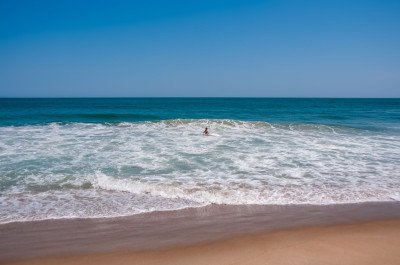
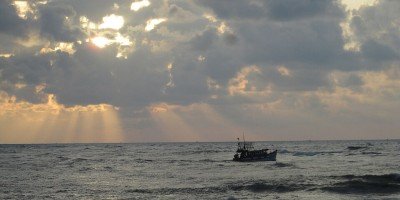
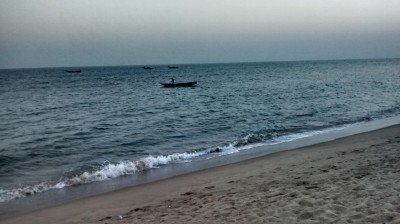
Dharma Sal Beach, located in the relatively offbeat and scenic coastal belt near the Udayagiri region of Kandhamal (often confused with the Buddhist site of the same name in Jajpur), is a hidden paradise for those seeking solitude. Unlike the crowded beaches of Puri or Gopalpur, this stretch of coastline is characterized by its pristine white sands, gentle waves, and a complete absence of commercial noise. The beach is fringed by dense groves of casuarina and palm trees, which provide natural shade and a rhythmic rustling sound that complements the crashing waves. The area is mostly inhabited by local fishing communities, offering visitors a raw and authentic glimpse into the coastal life of Odisha. Because it is not yet a mainstream tourist destination, the environment remains exceptionally clean, and the air is fresh. It is an ideal spot for long, meditative walks, bird watching, or simply watching the local fishermen launch their traditional wooden boats into the Bay of Bengal at dawn. The serenity of Dharma Sal Beach makes it a perfect retreat for writers, photographers, and nature lovers who want to escape the typical tourist circuit.
Card image cap
Indralath Temple

The Indralath Temple is a magnificent archaeological marvel situated in the historic site of Ranipur Jharial. This temple is renowned as one of the t...

The Indralath Temple is a magnificent archaeological marvel situated in the historic site of Ranipur Jharial. This temple is renowned as one of the tallest ancient brick temples surviving in India, standing as a testament to the advanced engineering of the Somavamshi dynasty. Historically, the temple dates back to the 8th Century AD to 9th Century AD. Legend suggests that Lord Indra himself performed penance here to please Lord Shiva, hence the name Indralath. The structure is built entirely of high-quality burnt bricks, joined with a unique paste made from rice bran and lime. This site was once a major hub for both Shaivism and Vaishnavism, reflected in the diverse deities found within the complex. Although the original Jagamohana has collapsed over time, the towering Vimana remains remarkably intact. The temple serves as a bridge between different eras of Odishan temple building. Visitors are often struck by the sheer scale of the brickwork against the rural backdrop of Balangir. The surrounding area, known as Soma Tirtha, contains hundreds of smaller stone temples, but Indralath dominates the skyline. It represents a rare phase of Indian architecture where brick was the primary medium before the shift to sandstone. The Archaeological Survey of India (ASI) manages the site to preserve its delicate terracotta finish. Exploring this temple offers a deep dive into the spiritual and artistic history of Western Odisha.
Card image cap
Koshaleswar Temple

The Koshaleswar Temple, located on the serene banks of the Kusei River in Deogaon, is a jewel of Keonjhar's heritage. Built around the 9th Century AD...

The Koshaleswar Temple, located on the serene banks of the Kusei River in Deogaon, is a jewel of Keonjhar's heritage. Built around the 9th Century AD, it is dedicated to Lord Shiva, known here as Koshaleswar Mahadev. The temple is a unique site where diverse religious influences—Jainism, Buddhism, Vaishnavism, and Shaivism—converge harmoniously. Historically, it is associated with the Koshal empire's expansion and the patronage of the Keshari kings. The complex is famous for its Mukti Mandap, which features exquisite carvings of various incarnations. One of the most striking features is the presence of a large Avalokiteswar statue, a remnant of the region's Buddhist past. The temple's location by the river provides a peaceful atmosphere for pilgrims and tourists alike. A massive stone embankment was constructed centuries ago to protect the shrine from the river's flow, which is considered an engineering feat of that era. During the holy month of Sravan, thousands of devotees carry water from the river to offer to the deity. The temple's sanctum houses a powerful Shiva Linga that is highly revered. The artistry on the pillars and walls reflects the "Kalinga" style of architecture at its peak. It remains a "hidden gem" because it is tucked away from the main tourist circuits of Odisha. Visiting this temple offers both spiritual solace and a glimpse into the multifaceted religious history of the state.
Card image cap
Kuakhia River Ghat

The Kuakhai River Ghat is a picturesque spot along the Kuakhai River, a major distributary of the Mahanadi. This river flows past the outskirts of Bh...
The Kuakhai River Ghat is a picturesque spot along the Kuakhai River, a major distributary of the Mahanadi. This river flows past the outskirts of Bhubaneswar and is a lifeline for the region. The ghats are famous for their wide, sandy banks and clean, shallow waters, making them a popular retreat for locals seeking peace away from the city. Historically, these riverbanks have been sites of religious congregations and seasonal festivals. The river branches off from the Kathajodi at Naraj and creates a beautiful landscape of greenery and water. During the Chhath Puja festival, the ghats transform into a vibrant spectacle of lights and prayers as thousands of devotees offer "Arghya" to the Sun God. The soft white sand of the riverbed is often used for creating temporary sculptures and sand art. For tourists coming from Udayagiri, it offers a refreshing natural break. The sunset views from the bridge and the riverbanks are breathtaking, casting a golden hue over the moving water. It is a common spot for morning walks and evening gatherings. The local community is deeply connected to the river, utilizing its waters for both daily needs and spiritual rituals. Recently, the government has focused on beautifying the ghats to promote eco-tourism. Whether you want to meditate by the water or enjoy a quiet evening with friends, the Kuakhai River Ghat provides a perfect backdrop. It is also an excellent spot for birdwatching during the winter months when migratory birds frequent the river.
Card image cap
Kuanpur Wildlife Sanctuary

Kuanpur Wildlife Sanctuary (often associated with the forest patches near the Brahmani basin) is a burgeoning eco-tourism destination. This sanctuary...

Kuanpur Wildlife Sanctuary (often associated with the forest patches near the Brahmani basin) is a burgeoning eco-tourism destination. This sanctuary is characterized by its dense deciduous forests and its role as a vital corridor for local fauna. Historically, the area was part of the royal hunting grounds but was later protected to preserve the dwindling population of deer and migratory birds. The sanctuary is home to a variety of species including spotted deer, wild boars, monkeys, and several species of reptiles. Its proximity to the Brahmani River makes it a lush habitat during the monsoon and post-monsoon months. For travelers visiting the "Diamond Triangle" of Buddhist sites, Kuanpur offers a refreshing change of pace from history to nature. The sanctuary features several nature trails that allow visitors to explore the thickets and observe wildlife in their natural environment. The forest department has established a small interpretation center to educate tourists about the local biodiversity. The area is particularly famous for its bird population, especially during the winter when water bodies nearby attract ducks and teals. The quietude of the forest is a major draw for those looking to escape the hustle of city life. Local communities are involved in the protection of the forest, promoting sustainable tourism. Efforts are ongoing to upgrade the facilities to include eco-cottages for overnight stays. It serves as an essential ecological balance for the industrial and historical belt of Jajpur.
Card image cap
Lalitgiri Buddhist Site

Lalitgiri, also known as Naltigiri, is the oldest Buddhist complex in Odisha, dating back to the 1st Century AD. It forms the most vital part of the ...

Lalitgiri, also known as Naltigiri, is the oldest Buddhist complex in Odisha, dating back to the 1st Century AD. It forms the most vital part of the "Diamond Triangle" alongside Ratnagiri and Udayagiri. Historically, the site reached its peak between the 5th and 10th Century AD. The most significant discovery here was the Relic Caskets found inside the massive Mahastupa, which contained charred bones believed by many to be those of Gautama Buddha himself. The site is spread over the Landa and Parabhadi hills. It features an impressive Apsidal Chaitya (prayer hall), which is the first of its kind found in the state. Excavations have revealed four large monasteries and numerous sculptures of Buddha, Tara, and Avalokiteshvara. The architecture showcases a transition from Hinayana to Mahayana and eventually Vajrayana Buddhism. The site was mentioned by the Chinese traveler Hiuen Tsang in his journals. A modern museum on-site houses the priceless artifacts and the gold and silver caskets that once held the holy relics. The surrounding landscape is peaceful, with ancient banyan trees casting long shadows over the brick ruins. Walking through the monastic cells, one can almost feel the spiritual energy of the thousands of monks who once studied here. Lalitgiri is not just a ruin; it is a profound historical archive of India's Buddhist legacy. It remains a major pilgrimage site for Buddhists from across the world, especially from East Asia. The site is meticulously maintained by the ASI, ensuring that the intricate brickwork and stone statues are preserved for future generations.
Card image cap
Maa Mangala Temple, Kakatpur

Maa Mangala Temple is a premier Shakti shrine of Odisha nestled on the eastern bank of the holy Prachi River. This 15th-century temple is dedicated t...

Maa Mangala Temple is a premier Shakti shrine of Odisha nestled on the eastern bank of the holy Prachi River. This 15th-century temple is dedicated to Goddess Mangala, an incarnation of Shakti who is believed to be the epitome of peace and protection. The temple is inextricably linked to the Jagannath Temple in Puri, as the priests of Puri travel here to seek divine guidance from the Goddess to locate the sacred Daru (neem trees) required for the Nabakalebara festival. The idol of the Goddess is unique, carved from black stone and depicted as four-armed, sitting in a cross-legged posture on a lotus. Legend says the Goddess was found by a merchant in the river and installed here to protect the region from calamities. The temple complex is a hub of spiritual energy where thousands of devotees flock daily to offer their prayers and seek blessings for a prosperous life. The atmosphere is filled with the scent of incense and the sound of bells, creating a serene environment that transports visitors to a realm of ancient devotion and cultural richness. The local community holds the deity in high regard, considering her the supreme mother who looks after the welfare of all her children. Visiting this temple offers a deep insight into the complex religious traditions of Odisha and the seamless integration of different cults within the state's spiritual fabric.
Card image cap
Madhavapura Mahavihara Monastery

The Madhavapura Mahavihara, often referred to as Udayagiri Site 2, is a sprawling monastic complex that reveals the organized residential life of anc...

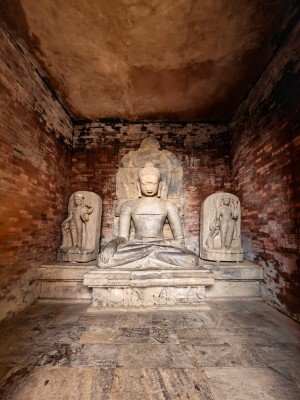
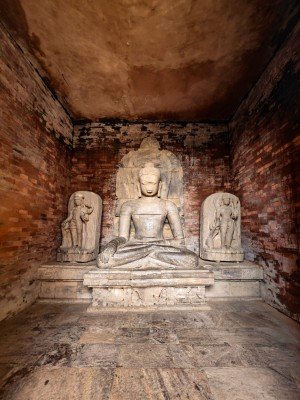
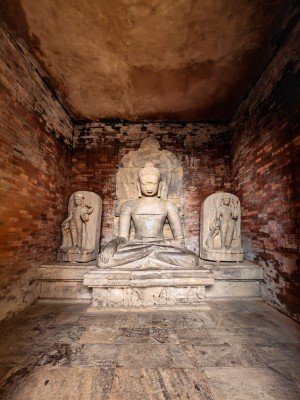
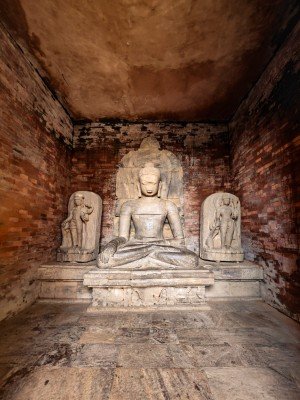
The Madhavapura Mahavihara, often referred to as Udayagiri Site 2, is a sprawling monastic complex that reveals the organized residential life of ancient Buddhist monks. Excavated between 1997 and 2000, this site is a masterpiece of early medieval engineering and religious architecture. The monastery is double-storied in design, featuring a central courtyard surrounded by thirteen cells that once served as living quarters for the Bhikshus. At the center of the shrine, a colossal seated image of Lord Buddha in the Bhumisparsha Mudra presides with serene authority. The discovery of various inscriptions and clay seals at this location provided the vital evidence needed to identify the site’s historical name as Madhavapura. The complex also includes a unique stone-stepped well, which is an architectural marvel on its own. This well served as a perennial water source for the monks, and its inscriptions date back to the 10th century. The site is notable for its transition into Vajrayana practices, evidenced by the presence of female deities like Tara and Aparajita. The layout of the monastery reflects a highly disciplined lifestyle, with specific areas for meditation, study, and daily chores. The northern side of the complex opens up to a wide courtyard that likely hosted communal gatherings and debates. Archaeologists have also unearthed a sophisticated drainage system, showcasing the advanced urban planning of the time. The monastery is built on a slightly elevated terrain to protect it from the seasonal flooding of the nearby river. The artistic excellence is visible in the decorated doorways and the intricate carvings on the pillars that have survived the ravages of time. Today, the ruins stand as a silent witness to the intellectual vibrancy that once characterized the "Diamond Triangle" of Odisha. It is a must-visit for anyone interested in the history of education and communal living in ancient India. The site offers a deeper understanding of how Buddhism evolved and flourished under the patronage of regional dynasties like the Bhaumakaras.
Card image cap
Mahastupa of Udayagiri

The Mahastupa of Udayagiri is a monumental brick structure that serves as the spiritual heart of the largest Buddhist complex in Odisha. Excavated pr...

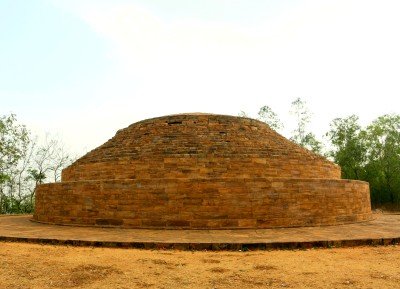
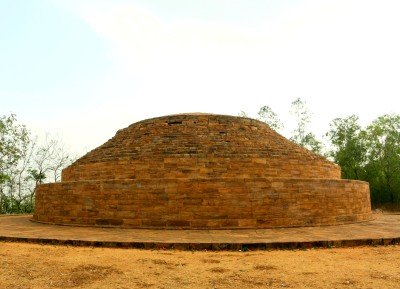
The Mahastupa of Udayagiri is a monumental brick structure that serves as the spiritual heart of the largest Buddhist complex in Odisha. Excavated primarily in the mid-1980s, this site dates back to the 7th and 12th centuries AD, showcasing the peak of Vajrayana Buddhism. The stupa is uniquely positioned against a backdrop of lush green hills, creating a serene atmosphere for pilgrims. It was discovered as a massive mound of earth and bricks before being carefully restored by the Archaeological Survey of India. The structure is famous for its four cardinal niches, each housing a magnificent stone image of a Dhyani Buddha. These statues represent the cosmic Buddhas: Akshobhya, Amitabha, Ratnasambhava, and Amoghasiddhi. Visitors can see the intricate stone masonry combined with brickwork that has survived over a millennium. The site is surrounded by hundreds of smaller votive stupas, which were donated by devotees to gain spiritual merit. Historical records suggest that this stupa was a major destination on the ancient trade route connecting the coast to the hinterland. The panoramic view of the Birupa river valley from the stupa's platform is breathtaking, especially during the morning hours. The presence of numerous terracotta seals confirms that this place was once known as Madhavapura Mahavihara. The quietude of the location allows for deep reflection on the transient nature of time and the enduring power of faith. Every stone at this site tells a story of the transition from Mahayana to Tantric Buddhism. The complex is much larger than the nearby sites of Ratnagiri and Lalitgiri, spreading across two separate valleys. Walking through the paved paths leading to the stupa, one feels transported to a different era of intellectual and spiritual awakening. The site remains one of the most significant archaeological treasures of eastern India, drawing scholars and travelers from across the globe to witness the remnants of a vanished monastic civilization. It is a place where the silence is only broken by the chirping of birds and the rustle of leaves.
Card image cap
Mahavinayak Temple

Mahavinayak Temple is an ancient and spiritually unique shrine located on the lush green Barunabanta Hill near Chandikhole. What makes this temple ex...

Mahavinayak Temple is an ancient and spiritually unique shrine located on the lush green Barunabanta Hill near Chandikhole. What makes this temple extraordinary is the presence of a single natural stone lingam that is worshipped as five deities simultaneously: Ganesha, Shiva, Vishnu, Durga, and Surya, collectively known as Pancha Devata. It is considered one of the oldest Ganesh temples in Odisha and holds a significant place in the religious history of the state. The temple is surrounded by a dense reserved forest, providing a tranquil and meditative atmosphere far from the hustle of urban life. A perennial stream flows from the hilltop right beside the temple, which is believed to have medicinal properties and adds to the site's natural beauty. Pilgrims often take a holy dip in the stream's water before entering the sanctum to offer prayers. The history of the temple is shrouded in legends, with some attributing its sanctity to the era of the Mahabharata. It serves as a major center for Shaivite and Ganapatya traditions, uniting different sects under one roof. The trek up the hill to reach the temple offers stunning views of the surrounding Jajpur district's plains and forests. For nature lovers and spiritual seekers, Mahavinayak provides a perfect blend of ecological wonder and divine intervention.
Card image cap
Maniabandha

Maniabandha is a unique cultural village renowned for its exquisite Ikat handloom sarees and its rare community of Buddhist weavers. Unlike most of O...
Maniabandha is a unique cultural village renowned for its exquisite Ikat handloom sarees and its rare community of Buddhist weavers. Unlike most of Odisha, which is predominantly Hindu, this village is home to a community that has practiced Buddhism since the time of Emperor Ashoka. The weavers here are known for their "Ahimsa" (non-violent) silk, where they wait for the silkworm to leave the cocoon before harvesting the thread. The village is famous for producing the Khandua Pata, a traditional silk saree that is offered to Lord Jagannath at the Puri temple. The intricate designs are created using a tie-and-dye technique where the patterns are dyed into the threads before weaving begins. Walking through the narrow lanes of Maniabandha, one can hear the rhythmic "clack-clack" of wooden looms from almost every household. The villagers are incredibly hospitable and often invite visitors into their homes to witness the painstaking process of creating a single saree, which can take weeks. This village represents a beautiful confluence of religious harmony and artistic excellence that has survived for centuries. It is not just a place for shopping but a living museum of ancient textile technology and peaceful living. The village is situated near the banks of the Mahanadi River, adding a scenic dimension to the cultural experience.
Card image cap
Paradeep Port

Paradeep Port is one of the largest and most strategically important seaports on India's eastern coast, situated at the confluence of the Mahanadi Ri...

Paradeep Port is one of the largest and most strategically important seaports on India's eastern coast, situated at the confluence of the Mahanadi River and the Bay of Bengal. Established in the 1960s, it serves as a deep-water natural port that handles massive volumes of coal, iron ore, and oil. For a tourist, the port represents the industrial might of modern India, with giant cranes and massive cargo ships dominating the horizon. The area is not just industrial; it also features the beautiful Paradeep Sea Beach, known for its clear blue waters and golden sands. The beach is a popular spot for locals and tourists to enjoy the sea breeze and watch ships entering the harbor. Nearby, the Smurti Udyan, a memorial garden dedicated to the victims of the 1999 super cyclone, offers a space for quiet reflection. The Paradeep Lighthouse is another major attraction, providing a bird's-eye view of the entire port operations and the vast ocean. The town has a cosmopolitan feel due to the influx of port workers and maritime professionals from across the country. Watching the sun set over the industrial skyline where the river meets the sea is a unique visual experience that contrasts the mechanical with the natural. It is a hub of economic activity that remains a fascinating destination for those interested in maritime history and modern engineering.
Show All

Udayagiri Itineray And Cost:-

Information about New and Updated Locations() of Odisha Has Been Added :-
Card subtitle

Note:-

Information provided here in good Faith and for reference only.

Near Places
...
Angul

Some quick example text to build on the card title and make up the bulk of the card's content.

Go somewhere
...
Balasore

Some quick example text to build on the card title and make up the bulk of the card's content.

Go somewhere
...
Bargarh

Some quick example text to build on the card title and make up the bulk of the card's content.

Go somewhere
...
Baripada

Some quick example text to build on the card title and make up the bulk of the card's content.

Go somewhere
...
Berhampur

Some quick example text to build on the card title and make up the bulk of the card's content.

Go somewhere
...
Bhadrak

Some quick example text to build on the card title and make up the bulk of the card's content.

Go somewhere
...
Bhubaneswar

Some quick example text to build on the card title and make up the bulk of the card's content.

Go somewhere
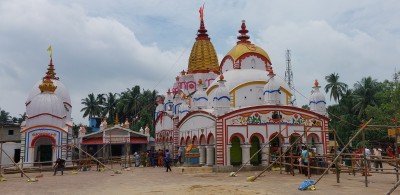
...
Chandipur

Some quick example text to build on the card title and make up the bulk of the card's content.

Go somewhere
...
Cuttack

Some quick example text to build on the card title and make up the bulk of the card's content.

Go somewhere
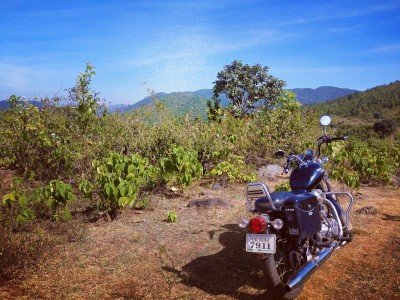
...
Daringbadi

Some quick example text to build on the card title and make up the bulk of the card's content.

Go somewhere
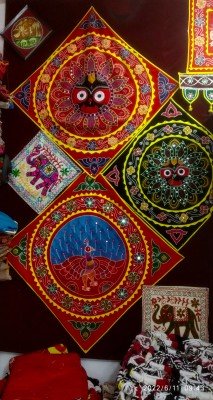
...
Dhauli

Some quick example text to build on the card title and make up the bulk of the card's content.

Go somewhere
...
Dhauligiri

Some quick example text to build on the card title and make up the bulk of the card's content.

Go somewhere
...
Gopalpur

Some quick example text to build on the card title and make up the bulk of the card's content.

Go somewhere
...
Jajpur

Some quick example text to build on the card title and make up the bulk of the card's content.

Go somewhere
...
Jeypore

Some quick example text to build on the card title and make up the bulk of the card's content.

Go somewhere
...
Jharsuguda

Some quick example text to build on the card title and make up the bulk of the card's content.

Go somewhere
in Other Cities
