Archaeological Museum
General information
-
Ideal Duration:
1 HourPlace Type:
Museum, Historical SiteEntry Fees:
No Separate Fee (Fort Ticket Included): There is no separate entry fee for the Archaeological Museum; access is included in the main ticket for the Fatehpur Sikri complex, making it a value-added stop.
ASI Monument Ticket Structure: The mai...No Separate Fee (Fort Ticket Included): There is no separate entry fee for the Archaeological Museum; access is included in the main ticket for the Fatehpur Sikri complex, making it a value-added stop.
ASI Monument Ticket Structure: The main fort entry ticket is Rs.50 for Indian citizens and citizens of SAARC and BIMSTEC countries. For all other Foreign Nationals, the fee is Rs.610. This ticket grants access to the entire palace complex, including the Diwan-i-Aam, Panch Mahal, and the museum.
Free Entry for Children: Children under the age of 15 years, regardless of nationality, are generally granted free entry to the entire monument complex, including the museum, encouraging educational visits for young people.
Electronic Payment Preference: While a counter is available for purchasing physical tickets, the Archaeological Survey of India (ASI) often promotes online and electronic payment for tickets to streamline the process, reduce queues, and provide touchless entry at the main gate.
Group Discounts and Concessions: Though not standard, large educational groups may sometimes inquire about special concessions or discounted rates, which must be arranged in advance with the ASI local office, though the standard rates are typically applied.Timing:
Regular Timings and Weekly Holiday: The museum is generally open from 9:00 AM to 5:00 PM or from sunrise to sunset, consistent with the main fort complex timings, but is Closed on Friday, making Friday the weekly holiday for museum staff and cleaning.
Read MoreRegular Timings and Weekly Holiday: The museum is generally open from 9:00 AM to 5:00 PM or from sunrise to sunset, consistent with the main fort complex timings, but is Closed on Friday, making Friday the weekly holiday for museum staff and cleaning.
Ideal Visit Time: The ideal time to visit is immediately after seeing the Diwan-i-Aam or before exploring the private quarters, preferably during the mid-day hours (around 11:00 AM to 1:00 PM) when the heat outside is high, as the indoor museum provides a cool, quiet, and structured respite from the sun, allowing for focused learning.
Best Day for Visit: Visiting on a Tuesday, Wednesday, or Thursday is recommended to avoid the larger crowds of the weekend and the weekly closure on Friday, ensuring a more peaceful experience.
Duration Advice: Dedicate at least 45 minutes to 1 hour to the museum for a thorough look, as rushing through the details on the explanatory panels diminishes the educational value of the visit. The quiet time contrasts favorably with the busy, open courtyards.Special Events:
World Heritage Week Celebrations: During World Heritage Week (typically November 19th to 25th) organized by the Archaeological Survey of India (ASI), the museum often hosts special guided tours, lectures by prominent archaeologists, and educational workshops focused on the h...World Heritage Week Celebrations: During World Heritage Week (typically November 19th to 25th) organized by the Archaeological Survey of India (ASI), the museum often hosts special guided tours, lectures by prominent archaeologists, and educational workshops focused on the history and conservation of the Fatehpur Sikri site, attracting a specialized, intellectual audience.
Temporary Exhibition Showcases: Occasionally, the Archaeological Museum may host temporary exhibitions featuring artifacts on loan from other regional museums or recent discoveries from ongoing local excavations, providing a fresh perspective on the area's history, focusing on new finds or specific themes like Mughal pottery or coinage.
School and University Workshops: The premises are sometimes utilized for educational programs for local schools and universities, especially in the winter months, where historians and curators conduct hands-on sessions or detailed presentations on Mughal-era administrative practices and archaeological methods, turning the space into a live classroom.
Special Curatorial Viewings: On rare occasions for high-level officials or special guests, unique curatorial viewings of archives or artifacts not normally on public display may be arranged, offering an extremely exclusive look into the deeper reserves of the collection.Best Photo Spots:
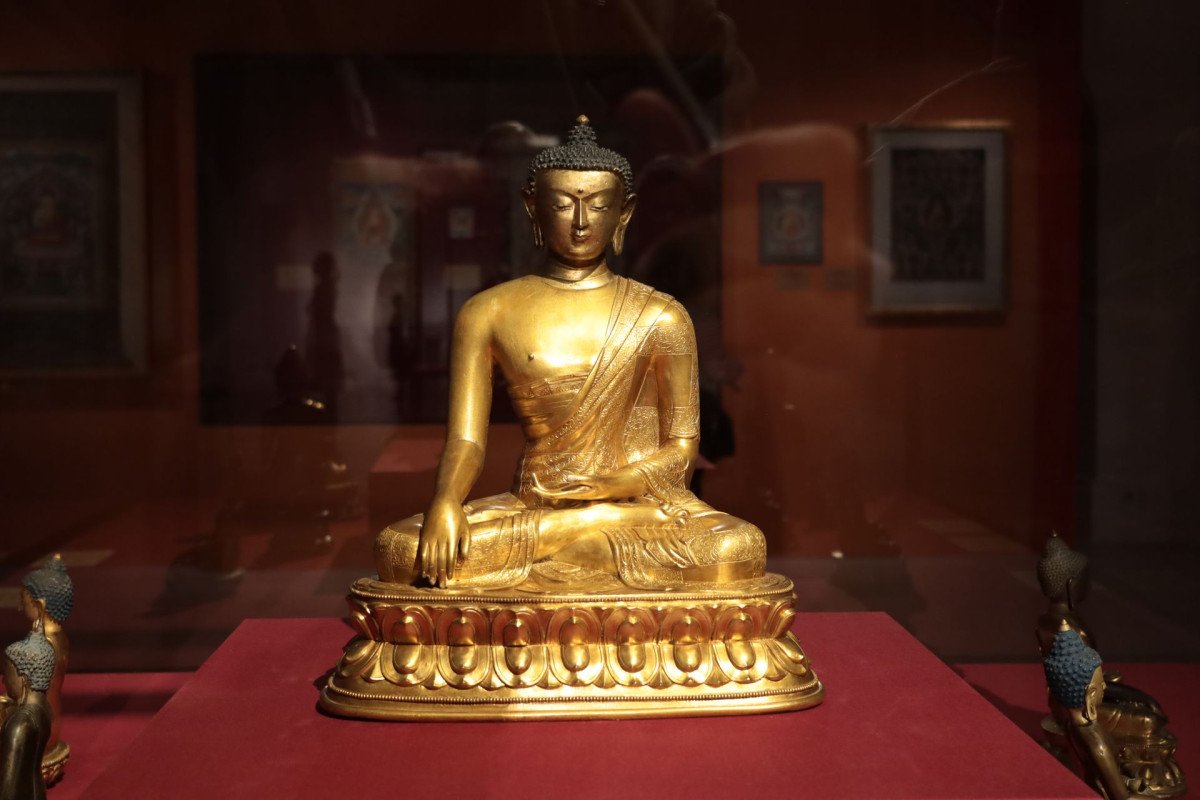
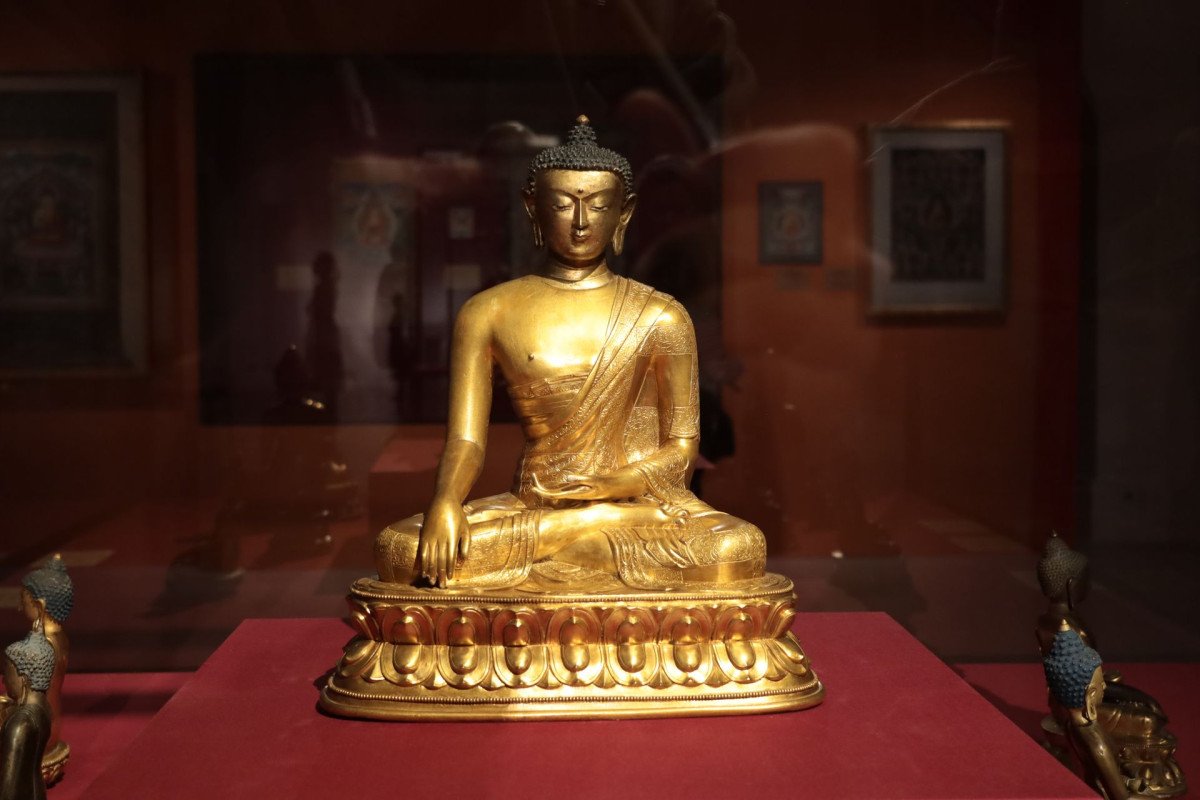
The Jain Tirthankar Statues Corner: The area displaying the Jain sculptures is excellent for a photo that captures the religious diversity and ancient history of the region, contrasting the smooth, old stone against the reddish Mughal walls, best shot with natural light from...The Jain Tirthankar Statues Corner: The area displaying the Jain sculptures is excellent for a photo that captures the religious diversity and ancient history of the region, contrasting the smooth, old stone against the reddish Mughal walls, best shot with natural light from the museum windows.
The Red Sandstone Wall Texture: The thick, unadorned red sandstone walls of the original Treasury building offer a perfect backdrop for minimalist and texture-focused photography, especially early in the morning when the light is soft, highlighting the natural grain and ruggedness of the rock.
The Display Panels and Artifact Context: A photograph capturing the detailed map of the Fatehpur Sikri excavation sites, with a few key artifacts in the foreground, is a great shot for history enthusiasts, showing the scientific side of the heritage, best taken from a slightly elevated angle.
Window-Framed View: The occasional window or aperture in the museum walls often perfectly frames a view of the adjacent Diwan-i-Aam or the other palace structures outside, offering a beautiful photo that juxtaposes the indoor collection with the outdoor monument.
Mughal Miniature Painting Display: The section with Mughal paintings, particularly those depicting court figures or historical scenes, allows for macro photography of the intricate art, focusing on the vibrant colors and fine brushwork, best done with a steady hand and without flash to avoid glare and damage.Photo Gallery
Things To Do
-
Detailed History Immersion: Spend time reading every exhibit panel to fully grasp the city's 400-year history, from prehistoric settlement to its role as an imperial capital and later abandonment, allowing the Fatehpur Sikri story to unfold in a structured, detailed manner.
Study of Akbar's Syncretism: Focus on the artifacts showing religious synthesis, such as the pre-Mughal Hindu and Jain statues displayed near Mughal pottery, to understand the Emperor's famous policy of religious tolerance and the architectural blending visible throughout the complex.
Tracing Mughal Administration: Imagine the building's original use as the Imperial Treasury or record-keeping office (Daftar Khana), contemplating how the vast Mughal Empire's finances and documents were managed within these walls, making the adm...Detailed History Immersion: Spend time reading every exhibit panel to fully grasp the city's 400-year history, from prehistoric settlement to its role as an imperial capital and later abandonment, allowing the Fatehpur Sikri story to unfold in a structured, detailed manner.
Study of Akbar's Syncretism: Focus on the artifacts showing religious synthesis, such as the pre-Mughal Hindu and Jain statues displayed near Mughal pottery, to understand the Emperor's famous policy of religious tolerance and the architectural blending visible throughout the complex.
Tracing Mughal Administration: Imagine the building's original use as the Imperial Treasury or record-keeping office (Daftar Khana), contemplating how the vast Mughal Empire's finances and documents were managed within these walls, making the administrative history come alive.
Comparing Art Styles: Observe the differences between the Mughal miniature paintings, often depicting court life and historical figures, and the older, weathered stone sculptures, noting the contrasting artistic traditions that co-existed in the region.
Guided Curator Tour: If available, ask the museum staff for a brief walkthrough or special insight into the most prized and rare artifacts, which often have unique stories not fully detailed on the standard plaques, enhancing the historical depth of the visit.
Photography of Detail (Non-Flash): Practice close-up photography of the intricate carvings on the sculptures and the fine details of the metal artifacts, focusing on texture and material, ensuring all flash is strictly off to preserve the delicate exhibits.
Quiet Reflection and Note-Taking: Use the museum's quiet atmosphere as a perfect opportunity for deep reflection, journaling, or taking detailed notes on the history and archaeology of the site, which is difficult in the busy main courtyard. This is a must for any serious history enthusiast or student of Mughal history.
Educational Resource Gathering: Purchase relevant official publications, books, or postcards from the museum shop (if present) to serve as post-visit reference materials and educational souvenirs, extending the learning experience beyond the confines of the tour.
Appreciating the Building Material: Take a moment to appreciate the red sandstone structure of the original Treasury Building, noting its unornamented robustness and the subtle craftsmanship of the walls and ceiling, providing a counterpoint to the more delicate palace architecture.
Accessibility Check: Note the modern accessibility features provided (wheelchair ramps, accessible washrooms), which, as a contemporary adaptation, contrast with the limitations of the ancient monuments, showcasing the museum's commitment to modern tourism standards. The museum offers a complete historical background to the entire Fatehpur Sikri experience, making it an essential first or last stop for comprehensive sightseeing.
Information
-
Why Famous:
Preserver of the Fatehpur Sikri Story: It is famous as the repository of the city's untold stories, showcasing artifacts that pre-date and define the Mughal capital. The sheer range of recovered items, from household goods to religious sculptures, makes it a critical primar...Preserver of the Fatehpur Sikri Story: It is famous as the repository of the city's untold stories, showcasing artifacts that pre-date and define the Mughal capital. The sheer range of recovered items, from household goods to religious sculptures, makes it a critical primary source.
Showcasing Syncretic Culture: The presence of Jain Tirthankar statues and other non-Islamic artifacts underlines Emperor Akbar's policy of religious tolerance (Din-i-Ilahi), making the museum a testament to the cultural fusion of the 16th-century court. This collection directly illustrates the complex social fabric of the empire, which is otherwise only inferred from the architectural blend of the larger city.
The Treasury Building's Legacy: Its fame is also linked to its original function as the Imperial Treasury or Khazana, a key administrative node in the short-lived capital, symbolizing the fiscal and administrative might of the early Mughal state. Visitors appreciate seeing the actual spaces where state business was conducted.
Educational Value: For students and researchers, the museum is invaluable, providing detailed archaeological reports and maps of the excavation sites, linking the visible ruins with the scientific process of historical discovery and reconstruction. -
Architecture:
The Treasury Building's Structure: The building itself, the original Treasury, is a modest yet strong example of early Mughal administrative architecture, built primarily of local red sandstone. It features thick walls and a simple, secure design, reflecting its original pu...The Treasury Building's Structure: The building itself, the original Treasury, is a modest yet strong example of early Mughal administrative architecture, built primarily of local red sandstone. It features thick walls and a simple, secure design, reflecting its original purpose of storing valuables and records. The structure is rectangular with a flat roof.
Interior and Material Use: While renovated for museum use, the interior maintains the historical character of a Mughal administrative block. The stone masonry is robust, typical of structures built for security.
Dimension (Approximate Building Footprint): The building is centrally protected and of a contained size, offering a concentrated display area. Its design is more functional than ornate, but the use of local red sandstone connects it visually and materially to the larger palace complex, displaying the standard Mughal material palette. The building's structural integrity has allowed for its modern reuse as a protected exhibition space, demonstrating the durability of Akbar's construction methods.
Architectural Repurposing: The museum represents an adaptive reuse of a historical monument, showcasing how former administrative spaces can be transformed into cultural institutions while preserving the original structure. -
How To Reach:
By Air (Closest Airport): The nearest airport is Agra's Kheria Airport (AGR), approximately 35-40 KMS away. It connects to major Indian cities like Delhi, Mumbai, and Bengaluru. From the airport, one must hire a pre-paid taxi or a private cab to reach Fatehpur Sikri, which...By Air (Closest Airport): The nearest airport is Agra's Kheria Airport (AGR), approximately 35-40 KMS away. It connects to major Indian cities like Delhi, Mumbai, and Bengaluru. From the airport, one must hire a pre-paid taxi or a private cab to reach Fatehpur Sikri, which takes about 1. 5 hours depending on traffic and time of day. The nearest international airport is Indira Gandhi International Airport (DEL) in New Delhi, about 210 KMS away, requiring a connecting flight or a 4-5 hour road journey.
By Train (Nearest Station): The closest railway station is Fatehpur Sikri Railway Station (FTS), which is a small local station about 3 KMS from the fort complex. However, the major, well-connected rail hub is Agra Cantt Railway Station (AGC), about 37 KMS away, which has frequent trains like the Shatabdi Express from Delhi. From Agra Cantt, taxis, auto-rickshaws, and local buses are readily available for the final leg of the journey to the fort.
By Road (Bus and Taxi): Fatehpur Sikri is well-connected by National Highway 19 (NH 19), formerly NH 2, making the road journey smooth. Regular state-run buses (UPSRTC) operate from Agra's Idgah Bus Stand (approx. 35 KMS). Taxis and private cars are the most comfortable option, easily hired from Agra or Delhi. The drive from Agra takes about an hour.
By Local Transport (Within Fatehpur Sikri): Private vehicles and taxis can only go up to a designated parking area (Shahi Gate Parking), about 1 KM from the main complex. From there, visitors must take an authorized CNG auto-rickshaw (a shared vehicle service with a fixed rate) or a government-approved electric bus shuttle to the fort's main entrance. This last mile transport is mandatory and avoids congestion near the monument. -
Weather and Best Time to Visit:
Winter Season (October to March): This is undeniably the Best Time to Visit. The weather is cool and pleasant, with daytime temperatures ranging from 10°C to 25°C, making extensive walking and outdoor exploration of the vast Fatehpur Sikri complex and the museum comfortab...Winter Season (October to March): This is undeniably the Best Time to Visit. The weather is cool and pleasant, with daytime temperatures ranging from 10°C to 25°C, making extensive walking and outdoor exploration of the vast Fatehpur Sikri complex and the museum comfortable and enjoyable for a full day.
Summer Season (April to June): This period is Extremely Hot, with temperatures soaring above 45°C. Visiting the museum during these months is only recommended during the brief opening hours and primarily for the relief of the indoor, cooler environment, with outdoor exploration kept to an absolute minimum due to the risk of heat exhaustion.
Monsoon Season (July to September): The rains bring a slight drop in temperature, making the complex lush, but the humidity is high. The slightly damp conditions inside the museum should be managed with care for the exhibits, though the light drizzle outside can make for beautiful, atmospheric photos of the red sandstone.
Different Parts of the Day: The ideal time is the Mid-Day Break. Visit the museum between 11:00 AM and 1:00 PM, as the indoor nature offers a perfect, cool retreat from the strong sun that hits the open courtyards of the main complex at this time. Early morning or late afternoon should be reserved for the open-air structures like the Diwan-i-Aam and Buland Darwaza. -
Near Tourist Places:
Buland Darwaza (Adjacent, <1 KM), Jami Masjid (Adjacent, <1 KM), Diwan-i-Aam (Adjacent, <1 KM), Diwan-i-Khas (Adjacent, <1 KM), Panch Mahal (Adjacent, <1 KM), Birbal's House (Adjacent, <1 KM), Tomb of Salim Chishti (Adjacent, <1 KM), Hiran Minar (Approx. 1. 5 KMS), Agra Fort (Approx. 37 KMS), Taj Mahal (Approx. 39 KMS).
Tourism Tips
-
Health & safety: Carry a small First-Aid Kit for minor scrapes from walking the ruins. Be cautious of the interior steps and flooring in the Treasury Building, as they may be uneven. Stay hydrated by carrying bottled water, especially if visiting in the non-winter months, ...Health & safety: Carry a small First-Aid Kit for minor scrapes from walking the ruins. Be cautious of the interior steps and flooring in the Treasury Building, as they may be uneven. Stay hydrated by carrying bottled water, especially if visiting in the non-winter months, but note that food and drinks are not allowed inside the exhibition halls.
Packing Essentials: Bring a zoom lens for detailed photography of artifacts and a small notebook and pen for jotting down historical facts from the panels. A light jacket is advisable even in winter as the indoor stone structure of the museum can feel cool. Do not carry large bags, as they may not be permitted inside and cloakroom facilities are limited or non-existent.
Accommodation Options: For the most convenience, it is recommended to stay in Agra (approx. 35 KMS) where a wide range of luxury to budget hotels is available. Day-tripping from Agra is standard practice. Limited, local guesthouses are available in Fatehpur Sikri town, offering a more authentic, village-like experience.
Local Guides and Etiquette: While the museum has detailed panels, hiring a licensed guide for the main fort complex is beneficial for broader historical context. Always maintain silence and respect the display area; Do not touch any of the artifacts, as instructed by the ASI guidelines. This ensures the preservation of these centuries-old relics for future visitors.
Transport Management: Arrange your CNG auto-rickshaw or electric bus from the parking lot in advance to avoid long waits, particularly during the return journey, ensuring you have the driver's contact number or a pre-negotiated round-trip fare.
Reviews
FAQs
Fatehpur Sikri Itineray And Cost:-
Archaeological Museum Tourism:-
Other Places In Fatehpur Sikri :-
Other States In India :-
Information about New and Updated Locations() of Uttar Pradesh Has Been Added :-
Card subtitle
Note:-
Information provided here in good Faith and for reference only.
Near Places

Abul Fazal and Faizi's Houses
Some quick example text to build on the card title and make up the bulk of the card's content.
Go somewhere
Agra Gate
Some quick example text to build on the card title and make up the bulk of the card's content.
Go somewhere
Anup Talao
Some quick example text to build on the card title and make up the bulk of the card's content.
Go somewhere
Archaeological Museum
Some quick example text to build on the card title and make up the bulk of the card's content.
Go somewhere
Baoli
Some quick example text to build on the card title and make up the bulk of the card's content.
Go somewhere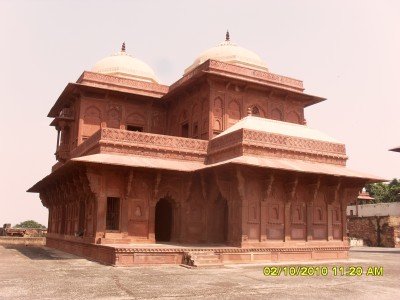
Birbal's House
Some quick example text to build on the card title and make up the bulk of the card's content.
Go somewhere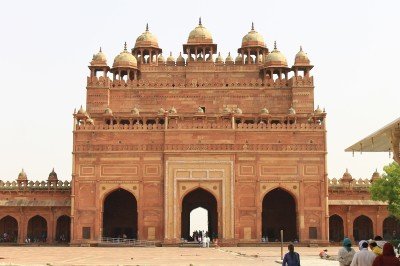
Buland Darwaza
Some quick example text to build on the card title and make up the bulk of the card's content.
Go somewhere
Caravanserai
Some quick example text to build on the card title and make up the bulk of the card's content.
Go somewhere
Daftar Khana
Some quick example text to build on the card title and make up the bulk of the card's content.
Go somewhere
Diwan-i-Aam
Some quick example text to build on the card title and make up the bulk of the card's content.
Go somewhere
Diwan-i-Khas
Some quick example text to build on the card title and make up the bulk of the card's content.
Go somewhere
Jami Masjid
Some quick example text to build on the card title and make up the bulk of the card's content.
Go somewhere
King's Gate
Some quick example text to build on the card title and make up the bulk of the card's content.
Go somewhere
Naubat Khana
Some quick example text to build on the card title and make up the bulk of the card's content.
Go somewhere
Pachisi Court
Some quick example text to build on the card title and make up the bulk of the card's content.
Go somewhere
Panch Mahal
Some quick example text to build on the card title and make up the bulk of the card's content.
Go somewherein Other Cities