Jodha Bai's Palace
General information
-
Ideal Duration:
1 Hour 30 Minutes:Required to explore the various apartments, the courtyard, and study the architectural details and carvings.Place Type:
Historic Structure:The private residential quartEntry Fees:
Ticket Price for Fatehpur Sikri Complex:The entry to Jodha Bai's Palace is included in the single, consolidated ticket for the Fatehpur Sikri Imperial Complex. The fee is typically INR 40-50 for Indian nationals and INR 550-610 for foreign tourists.
Read MoreTicket Price for Fatehpur Sikri Complex:The entry to Jodha Bai's Palace is included in the single, consolidated ticket for the Fatehpur Sikri Imperial Complex. The fee is typically INR 40-50 for Indian nationals and INR 550-610 for foreign tourists.
No Separate Fee:There is no separate entry fee to this specific palace. Always purchase tickets at the official booth.Timing:
Regular Timings:The palace complex is open from Sunrise to Sunset every day, consistent with the rest of the monuments (approx. 6:00 AM to 6:30 PM).
Ideal Visit Time:The best time to visit is the Early Morning (sunrise to 9:00 AM). The cen...Regular Timings:The palace complex is open from Sunrise to Sunset every day, consistent with the rest of the monuments (approx. 6:00 AM to 6:30 PM).
Ideal Visit Time:The best time to visit is the Early Morning (sunrise to 9:00 AM). The central courtyard is large and unshaded, and the morning sun highlights the carvings beautifully while the temperature is cool, making the exploration of the large complex comfortable.
Heat Avoidance:Avoid the midday sun (11:00 AM to 3:00 PM) as the large courtyard is extremely exposed and the red sandstone radiates heat, making a slow, detailed walk very difficult.Special Events:
Royal Birth Celebrations:The palace would have been the center of elaborate celebrations for the birth of Prince Salim (Jahangir) in 1569, and later for his birthdays, which involved grand feasts, music, and the distribution of alms within the palace walls.Royal Birth Celebrations:The palace would have been the center of elaborate celebrations for the birth of Prince Salim (Jahangir) in 1569, and later for his birthdays, which involved grand feasts, music, and the distribution of alms within the palace walls.
Private Royal Festivals:The queens and ladies of the Zenana celebrated Hindu festivals like Diwali and Holi within the safety of the palace walls. The courtyard would have been the site of these private, colorful, and vibrant celebrations, a world hidden from the male court.Best Photo Spots:
The East Gate Grandeur:Photographing the magnificent eastern gateway with its powerful Rajasthani brackets, emphasizing the single, dominant entrance to the large palace.
The Central Courtyard Symmetry:Capturing the vast, square courtyard fr...The East Gate Grandeur:Photographing the magnificent eastern gateway with its powerful Rajasthani brackets, emphasizing the single, dominant entrance to the large palace.
The Central Courtyard Symmetry:Capturing the vast, square courtyard from one of the upper-level balconies, showcasing the symmetry of the surrounding chambers and the stark, red sandstone expanse.
Bracket and Column Detail:Close-up photography of the intricate serpentine brackets and the Hindu-style column carvings, focusing on the fine craftsmanship and the diverse iconography.
The Temple Niche:A respectful photograph of the temple niche area in the western suite, highlighting the cultural significance of the space.
Framed Views of the Panch Mahal:Using the arched windows of the palace to frame the multi-storeyed structure of the Panch Mahal (often considered a viewing gallery for the Zenana), visually connecting the two residential spaces.Photo Gallery
Things To Do
-
Studying the Hindu Carvings:Spend time in the western suite (the former temple) and on the brackets to closely examine the traditional Hindu motifs like the lotus, elephant, swan, and parrot carvings, which are rare in core Mughal architecture.
Walking the Perimeter for Perspective:Walk along the upper level to appreciate the scale and the secluded nature of the courtyard below. Imagine the life of the women in this high-walled, private world.
Comparing Palace Designs:Compare the domestic design elements of this palace with the similar, though smaller, Birbal's House and the Khwabgah to understand the hierarchy and different functions of the residences in the complex.
Photography of the Fusion:Capture a photograph that clearly shows the juxtaposition of the Mugh...Studying the Hindu Carvings:Spend time in the western suite (the former temple) and on the brackets to closely examine the traditional Hindu motifs like the lotus, elephant, swan, and parrot carvings, which are rare in core Mughal architecture.
Walking the Perimeter for Perspective:Walk along the upper level to appreciate the scale and the secluded nature of the courtyard below. Imagine the life of the women in this high-walled, private world.
Comparing Palace Designs:Compare the domestic design elements of this palace with the similar, though smaller, Birbal's House and the Khwabgah to understand the hierarchy and different functions of the residences in the complex.
Photography of the Fusion:Capture a photograph that clearly shows the juxtaposition of the Mughali archways (or domes) with the Rajasthani-style columns and curved brackets, highlighting the palace's unique hybrid style.
The Sound of the Chhatris:Observe the chhatris (domed kiosks) on the roofline. They were not only ornamental but also served as lightwells and wind catchers. Stand in the chambers below to appreciate the clever ventilation system.
Exploring the Kitchen and Service Areas:Look for the remains of the kitchen and utility rooms, which are often signposted, to gain insight into the daily domestic logistics of the royal household. This provides a grounding, human element to the grand architecture.
Visiting the Adjoining Hawa Mahal:Combine the visit with the adjoining Hawa Mahal gate/pavilion to understand the connection between the Queen's main residence and her separate, screened observation and recreation areas.
Information
-
Why Famous:
A Testament to Interfaith Marriage:It is famous as the residence of the Rajput queen of Akbar, symbolizing the powerful political and personal alliances of the time. The integration of a temple and Hindu iconography within the palace is a rare and significant historical sta...A Testament to Interfaith Marriage:It is famous as the residence of the Rajput queen of Akbar, symbolizing the powerful political and personal alliances of the time. The integration of a temple and Hindu iconography within the palace is a rare and significant historical statement about Akbar's religious tolerance.
The Largest Palace in the Harem:Being the largest residential complex within the Zenana, it underscores the importance and high status of Mariam-uz-Zamani (Jodha Bai) in the imperial court, cementing her influence as the mother of the future emperor. -
Architecture:
The Fusionist Structure:The large, rectangular palace measures approximately 67 meters by 46 meters. It is enclosed by high, robust walls for privacy and built entirely of red sandstone.
The architecture is a harmonious blend: the overall...The Fusionist Structure:The large, rectangular palace measures approximately 67 meters by 46 meters. It is enclosed by high, robust walls for privacy and built entirely of red sandstone.
The architecture is a harmonious blend: the overall plan (central courtyard surrounded by chambers) is distinctly Hindu, while the decorative geometric patterns and central gateway arch show Mughal and Persian influences.
Hindu Motifs and Features:The western suite contains a notable area that served as a Hindu temple, complete with niches (vedikas) and motifs of swans, parrots, and elephants. The roof is characterized by blue-tiled sloping roofs and features ornate Gujarati and Rajasthani style brackets and chhatris (domed kiosks).
The Eastern Gateway:The single, magnificent eastern gateway is one of the palace's most striking features, with typical Rajasthani architectural elements, including a guard room and a triangular ceiling. This entrance ensured the security and privacy of the Zenana.
Internal Quarters:The complex is double-storeyed and consists of an apartment on the ground floor with a terrace, a kitchen, and a dining chamber. The interiors are simple, focusing on functionality and the integration of cooling elements like jali screens and large, airy chambers. -
How To Reach:
By Air:The nearest domestic airport is Agra's Kheria Airport (AGR) at approx. 33-40 KMS away. The nearest international airport is Delhi's Indira Gandhi International Airport (DEL) at approx. 215 KMS. Hire a pre-paid taxi.
By Train:
<...By Air:The nearest domestic airport is Agra's Kheria Airport (AGR) at approx. 33-40 KMS away. The nearest international airport is Delhi's Indira Gandhi International Airport (DEL) at approx. 215 KMS. Hire a pre-paid taxi.
By Train:
Local station: Fatehpur Sikri Railway Station (FTS) (approx. 3 KMS).
Main hub: Agra Cantt (AGC) (approx. 37 KMS). Take a bus or taxi from Agra to the city.
By Road:Located approx. 36-40 KMS west of Agra. Frequent buses from Agra's Idgah Bus Stand. Taxis and private cabs are the most convenient for a day trip.
By Local Transport:The palace is centrally located within the Imperial Complex, accessible after a short walk or CNG auto-rickshaw ride from the fort's main parking and drop-off point. It is a central monument in the palace section, making it easily reachable. -
Weather and Best Time to Visit:
Different Types of Seasons:The ideal time is the Winter Season (October to March), when the cool weather makes walking and studying the exterior carvings and the open courtyard pleasant. The Monsoon Season (July to September) is humid, and the Summer Season (April to June) ...Different Types of Seasons:The ideal time is the Winter Season (October to March), when the cool weather makes walking and studying the exterior carvings and the open courtyard pleasant. The Monsoon Season (July to September) is humid, and the Summer Season (April to June) is scorching hot and must be avoided.
Different Parts of the Day:The Early Morning is the best time for a serene and uncrowded experience, offering the best natural light for photography. The Late Afternoon is also a pleasant time to visit, but the courtyards will be exposed to the setting sun. -
Near Tourist Places:
Hawa Mahal (Palace of Winds): Adjoining.
Khwabgah (Akbar's Private Residence): Approx. 0. 5 KM.
Panch Mahal (Wind Tower): Approx. 0. 2 KM.
Diwan-i-Khas (Hall of Private Audience): Approx. 0. 3 KM.
Birbal's House: Approx. 0. 5 KM.
Diwan-i-Aam (Hall of Public Audience): Approx. 0. 5 KM.
Anup Talao (Ornamental Pool): Approx. 0. 2 KM.
Turkish Sultana's House: Approx. 0. 3 KM.
Jama Masjid Complex: Approx. 1 KM.
Fatehpur Sikri Archaeological Museum: Approx. 1 KM.
Tourism Tips
-
Health & Safety:Carry plenty of water, as the complex is large and largely uncovered. Be mindful of the large steps and thresholds in the palace, which can be tripping hazards.
Packing Essentials:Carry a zoom lens to capture the details of ...Health & Safety:Carry plenty of water, as the complex is large and largely uncovered. Be mindful of the large steps and thresholds in the palace, which can be tripping hazards.
Packing Essentials:Carry a zoom lens to capture the details of the Hindu motifs and the blue tiles on the upper sections of the palace. A sun-hat is essential for the exposed courtyard.
Accommodation:Staying in a hotel in Agra (37 KMS) is recommended for better amenities and convenience.
Hiring a Guide:A local, authorized guide can offer detailed insights into the specific Hindu and Mughal architectural elements and the story of Mariam-uz-Zamani within the palace.
Respecting the Site:The palace is a vast complex; plan your route to minimize walking back and forth. Avoid touching the fragile carvings or standing on low walls.
Reviews
FAQs
Fatehpur Sikri Itineray And Cost:-
Jodha Bai's Palace Tourism:-
Other Places In Fatehpur Sikri :-
Other States In India :-
Information about New and Updated Locations() of Uttar Pradesh Has Been Added :-
Card subtitle
Note:-
Information provided here in good Faith and for reference only.
Near Places

Abul Fazal and Faizi's Houses
Some quick example text to build on the card title and make up the bulk of the card's content.
Go somewhere
Agra Gate
Some quick example text to build on the card title and make up the bulk of the card's content.
Go somewhere
Anup Talao
Some quick example text to build on the card title and make up the bulk of the card's content.
Go somewhere
Archaeological Museum
Some quick example text to build on the card title and make up the bulk of the card's content.
Go somewhere
Baoli
Some quick example text to build on the card title and make up the bulk of the card's content.
Go somewhere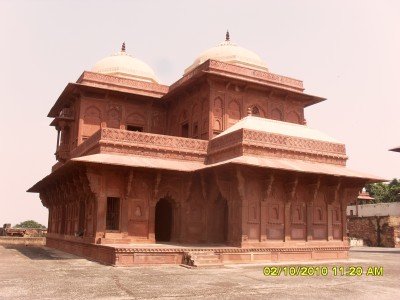
Birbal's House
Some quick example text to build on the card title and make up the bulk of the card's content.
Go somewhere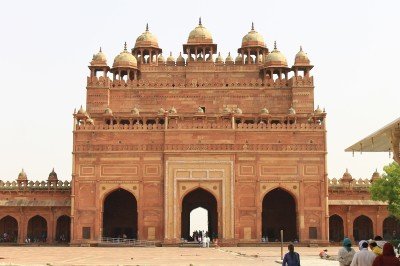
Buland Darwaza
Some quick example text to build on the card title and make up the bulk of the card's content.
Go somewhere
Caravanserai
Some quick example text to build on the card title and make up the bulk of the card's content.
Go somewhere
Daftar Khana
Some quick example text to build on the card title and make up the bulk of the card's content.
Go somewhere
Diwan-i-Aam
Some quick example text to build on the card title and make up the bulk of the card's content.
Go somewhere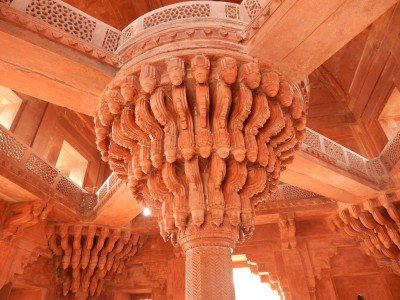
Diwan-i-Khas
Some quick example text to build on the card title and make up the bulk of the card's content.
Go somewhere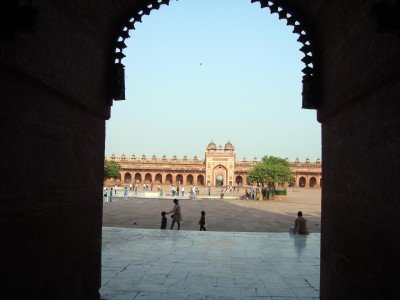
Jami Masjid
Some quick example text to build on the card title and make up the bulk of the card's content.
Go somewhere
King's Gate
Some quick example text to build on the card title and make up the bulk of the card's content.
Go somewhere
Naubat Khana
Some quick example text to build on the card title and make up the bulk of the card's content.
Go somewhere
Pachisi Court
Some quick example text to build on the card title and make up the bulk of the card's content.
Go somewhere
Panch Mahal
Some quick example text to build on the card title and make up the bulk of the card's content.
Go somewherein Other Cities