Khazana Mahal
General information
-
Ideal Duration:
20 Minutes:A brief stop to appreciate the security-minded architectural features.Place Type:
Administrative Structure:Part of the secure admiEntry Fees:
Ticket Price for Fatehpur Sikri Complex:Entry to the Khazana Mahal is included in the consolidated ticket for the Fatehpur Sikri Imperial Complex. Fee is typically INR 40-50 for Indian nationals and INR 550-610 for foreign tourists.
No Separate...Ticket Price for Fatehpur Sikri Complex:Entry to the Khazana Mahal is included in the consolidated ticket for the Fatehpur Sikri Imperial Complex. Fee is typically INR 40-50 for Indian nationals and INR 550-610 for foreign tourists.
No Separate Fee:There is no separate entry fee required to enter and explore this specific structure within the main complex.Timing:
Regular Timings:The structure is open from Sunrise to Sunset every day, consistent with the rest of the Imperial Complex (approx. 6:00 AM to 6:30 PM).
Ideal Visit Time:The best time to visit is Midday (11:00 AM to 2:00 PM) or the Early Morn...Regular Timings:The structure is open from Sunrise to Sunset every day, consistent with the rest of the Imperial Complex (approx. 6:00 AM to 6:30 PM).
Ideal Visit Time:The best time to visit is Midday (11:00 AM to 2:00 PM) or the Early Morning. Since the corridors are mostly dark, the time of day does not impact the light significantly, but an earlier visit ensures fewer crowds for exploring the narrow passages.Special Events:
Administrative Assemblies:While no public festivals were held here, the area immediately outside the Khazana Mahal, near the Diwan-i-Khas, would have been the site of occasional important administrative assemblies, security drills, and the official transfer of imperial wealt...Administrative Assemblies:While no public festivals were held here, the area immediately outside the Khazana Mahal, near the Diwan-i-Khas, would have been the site of occasional important administrative assemblies, security drills, and the official transfer of imperial wealth under heavy guard.
Imperial Inventory Days:The Mahal would have been the center of annual or periodic administrative events related to the counting, inventorying, and maintenance of the empire's financial assets, involving a large number of officials, but these were closed events.Best Photo Spots:
The Corridor Apertures:A photograph taken from the inside of the security corridor, using the small window or doorway to frame the more elaborate architecture outside, symbolizing the guarded nature of the building.
Exterior Contrast:A wide-...The Corridor Apertures:A photograph taken from the inside of the security corridor, using the small window or doorway to frame the more elaborate architecture outside, symbolizing the guarded nature of the building.
Exterior Contrast:A wide-angle shot that includes the entire facade of the Khazana Mahal standing next to the ornate columned building of the Diwan-i-Khas, highlighting the stark architectural difference.
The Solid Red:A close-up shot of the unadorned, solid red sandstone wall, emphasizing the robust and unyielding material used for the treasury's security.Photo Gallery
Things To Do
-
Exploring the Security System:Walk slowly through the narrow, dark corridors that wrap around the inner rooms. Try to follow the complex paths to fully understand the architectural ingenuity employed to secure the treasure. This is a unique, sensory experience of historical security.
Discussing the Legends:Engage a guide or a fellow traveler in a discussion about the two main historical theories (Treasury vs. Hide-and-Seek Palace) to appreciate the different interpretations of the building's simple form.
Photography of Geometric Contrast:Capture the sharp contrast between the smooth, plain walls of the Khazana Mahal and the richly decorated, adjacent architecture of the Diwan-i-Khas, visually representing the different values (utility vs. display) placed on the two structures.Exploring the Security System:Walk slowly through the narrow, dark corridors that wrap around the inner rooms. Try to follow the complex paths to fully understand the architectural ingenuity employed to secure the treasure. This is a unique, sensory experience of historical security.
Discussing the Legends:Engage a guide or a fellow traveler in a discussion about the two main historical theories (Treasury vs. Hide-and-Seek Palace) to appreciate the different interpretations of the building's simple form.
Photography of Geometric Contrast:Capture the sharp contrast between the smooth, plain walls of the Khazana Mahal and the richly decorated, adjacent architecture of the Diwan-i-Khas, visually representing the different values (utility vs. display) placed on the two structures.
Observing Light and Shadow:Due to the narrow corridors and small openings, the interior is often dark. Focus on capturing the dramatic play of light and shadow, which emphasizes the defensive and mysterious nature of the inner chambers.
Imagining the Contents:Stand in one of the central rooms and use your imagination to picture the vast wealth of the Mughal treasury—chests of gold, jewels, and priceless documents—that may have been stored here. This mental exercise connects the historical function to the physical space.
Checking the Foundations:Examine the sturdy, solid construction of the base and walls, noticing how thick and unyielding the red sandstone masonry is, a primary testament to its function as a secure vault.
Information
-
Why Famous:
A Symbol of Imperial Wealth Security:It is famous for being the probable vault of the Mughal Empire, representing the immense wealth and the rigorous security systems that protected the imperial treasury during Akbar's reign. The complex layout is a physical puzzle designed...A Symbol of Imperial Wealth Security:It is famous for being the probable vault of the Mughal Empire, representing the immense wealth and the rigorous security systems that protected the imperial treasury during Akbar's reign. The complex layout is a physical puzzle designed to foil intruders.
The Ankh Michauli Legend:The alternate, more romanticized name Ankh Michauli (Hide and Seek) often makes the structure famous, drawing tourists with the charming, albeit unsubstantiated, legend of the emperor and his courtiers playing games within its confusing corridors. -
Architecture:
Robust, Security-Focused Structure:The building is a low-lying, rectangular, and double-storeyed structure built of solid, unadorned red sandstone. Its entire design prioritizes security and strength over decoration, a key indicator of its important function.Robust, Security-Focused Structure:The building is a low-lying, rectangular, and double-storeyed structure built of solid, unadorned red sandstone. Its entire design prioritizes security and strength over decoration, a key indicator of its important function.
Three-Room Cluster:The core of the structure consists of three main chambers, believed to be the vault rooms. The simplicity of these inner chambers suggests a utilitarian purpose for storage rather than residence or audience.
Corridor and Guard System:Each room is protected by a narrow, dark, and difficult-to-navigate corridor that encircles it. These passages, which would have been manned by guards, created a sophisticated, multi-layered security system to prevent unauthorized access to the treasury, akin to a medieval bank vault.
Minimal Ornamentation:Unlike the nearby palaces, the Khazana Mahal is characterized by an almost complete absence of decorative carvings, pillars, or elaborate bracket-and-beam construction. The few architectural features are simple arches and solid walls, emphasizing its function as a fortress for wealth. -
How To Reach:
By Air:Nearest domestic airport is Agra's Kheria Airport (AGR) at approx. 33-40 KMS away. The nearest international airport is Delhi's Indira Gandhi International Airport (DEL) at approx. 215 KMS. A hired taxi is recommended.
By Train:By Air:Nearest domestic airport is Agra's Kheria Airport (AGR) at approx. 33-40 KMS away. The nearest international airport is Delhi's Indira Gandhi International Airport (DEL) at approx. 215 KMS. A hired taxi is recommended.
By Train:
Local station: Fatehpur Sikri Railway Station (FTS) (approx. 3 KMS).
Main hub: Agra Cantt (AGC) (approx. 37 KMS). Take a bus or taxi from Agra to the city.
By Road:Located approx. 36-40 KMS west of Agra. Frequent buses from Agra's Idgah Bus Stand. Taxis and private cabs are the most convenient for a direct journey.
By Local Transport:The Mahal is centrally located within the Imperial Complex, accessible after a short walk or CNG auto-rickshaw ride from the fort's main parking and drop-off point, being adjacent to the Diwan-i-Khas. -
Weather and Best Time to Visit:
Different Types of Seasons:The best time is the Winter Season (October to March), when the mild temperatures make walking around the complex pleasant. The simple nature of the building makes it easy to visit in most weather, but the exterior walk is most pleasant in Winter....Different Types of Seasons:The best time is the Winter Season (October to March), when the mild temperatures make walking around the complex pleasant. The simple nature of the building makes it easy to visit in most weather, but the exterior walk is most pleasant in Winter.
Different Parts of the Day:The Early Morning is best to visit the central administrative area before the rush. The light conditions do not change the dark, secure nature of the interior. -
Near Tourist Places:
Diwan-i-Khas (Hall of Private Audience): Adjoining.
Diwan-i-Aam (Hall of Public Audience): Adjoining.
Khwabgah (Akbar's Private Residence): Approx. 0. 1 KM.
Anup Talao (Ornamental Pool): Approx. 0. 1 KM.
Panch Mahal (Wind Tower): Approx. 0. 2 KM.
Turkish Sultana's House: Approx. 0. 2 KM.
Jodha Bai's Palace: Approx. 0. 5 KM.
Birbal's House: Approx. 0. 5 KM.
Jama Masjid Complex: Approx. 1 KM.
Fatehpur Sikri Archaeological Museum: Approx. 1 KM.
Tourism Tips
-
Health & Safety:Be extremely careful when navigating the dark, narrow, and potentially slippery security corridors. Use your phone's flashlight. Carry water.
Packing Essentials:A small, powerful flashlight is a useful tool for fully apprec...Health & Safety:Be extremely careful when navigating the dark, narrow, and potentially slippery security corridors. Use your phone's flashlight. Carry water.
Packing Essentials:A small, powerful flashlight is a useful tool for fully appreciating the interior of the security corridors and chambers. Wear comfortable, non-slip footwear.
Accommodation:Staying in Agra (37 KMS) is the best choice for a wide variety of hotels and an easy day trip.
Guide Focus:A guide can help clarify the historical purpose of the structure and point out the subtle security features that are easy to miss.
Respecting the Site:The structure is simple, but its historical value is immense. Avoid touching the walls, especially in the darker, more sensitive areas.
Reviews
FAQs
Fatehpur Sikri Itineray And Cost:-
Other Places In Fatehpur Sikri :-
Other States In India :-
Information about New and Updated Locations() of Uttar Pradesh Has Been Added :-
Card subtitle
Note:-
Information provided here in good Faith and for reference only.
Near Places

Abul Fazal and Faizi's Houses
Some quick example text to build on the card title and make up the bulk of the card's content.
Go somewhere
Agra Gate
Some quick example text to build on the card title and make up the bulk of the card's content.
Go somewhere
Anup Talao
Some quick example text to build on the card title and make up the bulk of the card's content.
Go somewhere
Archaeological Museum
Some quick example text to build on the card title and make up the bulk of the card's content.
Go somewhere
Baoli
Some quick example text to build on the card title and make up the bulk of the card's content.
Go somewhere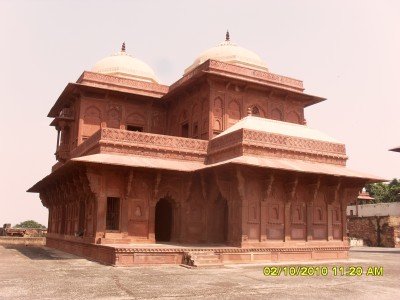
Birbal's House
Some quick example text to build on the card title and make up the bulk of the card's content.
Go somewhere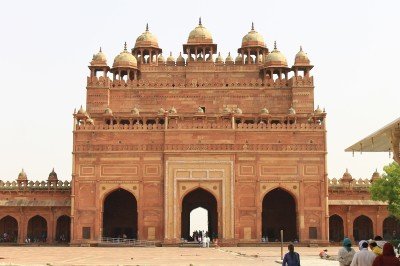
Buland Darwaza
Some quick example text to build on the card title and make up the bulk of the card's content.
Go somewhere
Caravanserai
Some quick example text to build on the card title and make up the bulk of the card's content.
Go somewhere
Daftar Khana
Some quick example text to build on the card title and make up the bulk of the card's content.
Go somewhere
Diwan-i-Aam
Some quick example text to build on the card title and make up the bulk of the card's content.
Go somewhere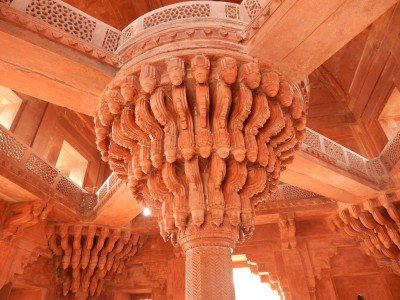
Diwan-i-Khas
Some quick example text to build on the card title and make up the bulk of the card's content.
Go somewhere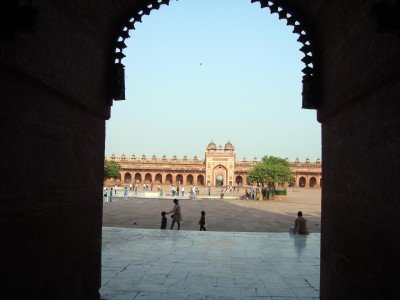
Jami Masjid
Some quick example text to build on the card title and make up the bulk of the card's content.
Go somewhere
King's Gate
Some quick example text to build on the card title and make up the bulk of the card's content.
Go somewhere
Naubat Khana
Some quick example text to build on the card title and make up the bulk of the card's content.
Go somewhere
Pachisi Court
Some quick example text to build on the card title and make up the bulk of the card's content.
Go somewhere
Panch Mahal
Some quick example text to build on the card title and make up the bulk of the card's content.
Go somewherein Other Cities