Ibadat Khana
General information
-
Ideal Duration:
30 Minutes:A brief stop to contemplate the historical and philosophical significance of the ruins.Place Type:
Historic Site:A site of profound intellectual anEntry Fees:
Ticket Price for Fatehpur Sikri Complex:Entry to the ruins of the Ibadat Khana is included in the combined ticket for the Fatehpur Sikri Imperial Complex. Fee is typically INR 40 to INR 50 for Indian nationals and INR 550 to INR 610 for foreign tourists.
Read MoreTicket Price for Fatehpur Sikri Complex:Entry to the ruins of the Ibadat Khana is included in the combined ticket for the Fatehpur Sikri Imperial Complex. Fee is typically INR 40 to INR 50 for Indian nationals and INR 550 to INR 610 for foreign tourists.
No Separate Fee:There is no separate fee required to visit these specific ruins, as they are a part of the centrally protected monuments within the complex.Timing:
Regular Timings:Open from Sunrise to Sunset every day, consistent with the rest of the Imperial Complex (approx. 6:00 AM to 6:30 PM).
Ideal Visit Time:The best time to visit the Ibadat Khana ruins for contemplation is the Mid-Morning (9:00 ...Regular Timings:Open from Sunrise to Sunset every day, consistent with the rest of the Imperial Complex (approx. 6:00 AM to 6:30 PM).
Ideal Visit Time:The best time to visit the Ibadat Khana ruins for contemplation is the Mid-Morning (9:00 AM to 11:00 AM). This allows the sun to reveal the geometry of the foundations while avoiding the earliest morning crowds focused on the main palaces.
Low Crowd Time:Since it is a ruin and requires intellectual engagement rather than visual spectacle, it is a low-traffic area throughout the day, offering relative peace even during peak hours.Special Events:
The Urs Festival in Jama Masjid:Although the Ibadat Khana itself is a ruin, its philosophical legacy is celebrated during the annual Urs (death anniversary) of Sheikh Salim Chishti in the adjacent Jama Masjid complex. The festival is a public demonstration of faith and incl...The Urs Festival in Jama Masjid:Although the Ibadat Khana itself is a ruin, its philosophical legacy is celebrated during the annual Urs (death anniversary) of Sheikh Salim Chishti in the adjacent Jama Masjid complex. The festival is a public demonstration of faith and includes Qawwali singing, which is a spiritual musical tradition that Akbar was fond of.
Academic Seminars:Due to its profound historical importance, the ruins are occasionally the site of small, dedicated academic seminars or historical society gatherings, particularly on themes of religious tolerance, philosophy, and Mughal history.Best Photo Spots:
Foundational Geometry:Capturing the simple, clear outline of the excavated foundations, emphasizing the geometry and the historical significance of the floor plan.
Framing the View:A photograph using the low walls of the ruins to frame the m...Foundational Geometry:Capturing the simple, clear outline of the excavated foundations, emphasizing the geometry and the historical significance of the floor plan.
Framing the View:A photograph using the low walls of the ruins to frame the majestic Buland Darwaza or the intricate carvings of the Jodha Bai's Palace, creating a visual link between the intellectual and physical centers of power.
The Poignant Landscape:A wide-angle shot of the open mound with the foundational remains, capturing the vastness of the space and its solitude, symbolizing the end of a grand intellectual experiment.
Shadows of History:Shooting the site in the strong light of the day, using the shadows cast by the few remaining stone features to add drama and emphasize the age and abandonment of the structure.Photo Gallery
Things To Do
-
Contemplating Akbar's Vision:Take time to sit among the ruins and reflect on the historical importance of the debates that took place here. Ponder the questions Akbar posed and the sheer audacity of questioning established religious norms in the 16th century.
Reading Historical Accounts:Bring a history book or an authorized guide who can read and share excerpts from the historical accounts of the debates written by courtiers like Abul Fazl or contemporary foreign travelers. This active engagement with the history of the place is essential.
Comparing Architecture:Observe the simple foundation of the Ibadat Khana and compare it with the complex, decorated architecture of the adjacent Diwan-i-Khas and the palaces. This contrast highlights the different functions of the buildings—one for spiritu...Contemplating Akbar's Vision:Take time to sit among the ruins and reflect on the historical importance of the debates that took place here. Ponder the questions Akbar posed and the sheer audacity of questioning established religious norms in the 16th century.
Reading Historical Accounts:Bring a history book or an authorized guide who can read and share excerpts from the historical accounts of the debates written by courtiers like Abul Fazl or contemporary foreign travelers. This active engagement with the history of the place is essential.
Comparing Architecture:Observe the simple foundation of the Ibadat Khana and compare it with the complex, decorated architecture of the adjacent Diwan-i-Khas and the palaces. This contrast highlights the different functions of the buildings—one for spiritual thought, the others for statecraft and residence.
Photography of the Historical Context:Photograph the foundational remains with the more prominent structures like the Jama Masjid or Jodha Bai's Palace in the background, visually placing the philosophical center of the city within its political and religious context.
Understanding Sulh-e-Kul:Use this location to better understand and discuss Akbar's policy of religious tolerance, Sulh-e-Kul, and how it influenced the rest of his administration and architecture.
Visiting the Interpretive Center:Check for any nearby interpretive or visitor centers that might display more information, models, or artistic renderings of the Ibadat Khana in its original form, as the ruins themselves are not visually striking.
Quiet Reflection:The location is often less crowded than the main palaces, making it an ideal spot for quiet reflection, meditation, or simply taking a break from the busy sightseeing schedule.
Information
-
Why Famous:
The Birthplace of Din-i-Ilahi:It is famous as the location where Emperor Akbar formulated his unique syncretic faith, the Din-i-Ilahi, after years of religious debate. This faith was a conscious effort to blend the best elements of various religions.
Read MoreThe Birthplace of Din-i-Ilahi:It is famous as the location where Emperor Akbar formulated his unique syncretic faith, the Din-i-Ilahi, after years of religious debate. This faith was a conscious effort to blend the best elements of various religions.
Symbol of Universal Tolerance (Sulh-e-Kul):The Ibadat Khana is the ultimate symbol of Akbar's philosophy of Sulh-e-Kul (Universal Peace or Harmony with All). It marks a revolutionary period in world history where a major sovereign actively promoted interfaith dialogue rather than religious dogma.Architecture:
Excavated Foundation Plan:The actual structure is now reduced to its foundations, identified through archaeological excavation, particularly the work of K. K. Muhammed in the 1980s. The plan is thought to have been a simple, rectangular or square hall with a central platfo...Excavated Foundation Plan:The actual structure is now reduced to its foundations, identified through archaeological excavation, particularly the work of K. K. Muhammed in the 1980s. The plan is thought to have been a simple, rectangular or square hall with a central platform from which Akbar presided, and four separate wings or sections where the various religious delegates sat.
Architectural Simplicity:Historical records and paintings suggest the Ibadat Khana was a relatively simple, unadorned structure, perhaps built of red sandstone and plastered, contrasting sharply with the opulent palaces. Its simplicity may have reflected the emperor's focus on intellectual and spiritual discourse rather than material display.
A Central Pillar of Power:The structure is believed to have featured a raised central dais or platform (matching the style of the central column in the Diwan-i-Khas) where Akbar sat. The four different sections surrounding the dais were designed to accommodate the different religious groups, emphasizing the structured, yet inclusive, nature of the debates.
Absence of Typical Ornamentation:Unlike other key buildings in the city, the Ibadat Khana lacked the heavy ornamentation found in the mosques or palaces, emphasizing its function as a space for pure, unadorned intellectual and spiritual exchange.How To Reach:
By Air:Nearest airport is Agra's Kheria Airport (AGR) at approx. 33-40 KMS. International flights land at Delhi's Indira Gandhi International Airport (DEL) at approx. 215 KMS. Hire a pre-paid taxi from either.
By Train:The local Fatehpur...By Air:Nearest airport is Agra's Kheria Airport (AGR) at approx. 33-40 KMS. International flights land at Delhi's Indira Gandhi International Airport (DEL) at approx. 215 KMS. Hire a pre-paid taxi from either.
By Train:The local Fatehpur Sikri Railway Station (FTS) is nearby (1 KM), but major trains stop at Agra Cantt (AGC), about 37 KMS away. Travel to Fatehpur Sikri by bus or taxi from Agra.
By Road:Located approx. 36-40 KMS west of Agra. Regular bus services are available from Agra's Idgah Bus Stand. A hired car or taxi is the most convenient option for the hour-long journey.
By Local Transport:The site is a short, uphill walk or a mandatory CNG auto-rickshaw ride from the parking lot near the main entrance to the fort complex, as private vehicles are restricted in the main heritage zone.Weather and Best Time to Visit:
Different Types of Seasons:The most pleasant time is the Winter Season (October to March), when the mild temperatures are perfect for outdoor reflection among the ruins. The Monsoon Season (July to September) can make the exposed earth and stone foundations muddy. Avoid th...Different Types of Seasons:The most pleasant time is the Winter Season (October to March), when the mild temperatures are perfect for outdoor reflection among the ruins. The Monsoon Season (July to September) can make the exposed earth and stone foundations muddy. Avoid the scorching Summer (April to June).
Different Parts of the Day:The Early Morning is best for a quiet, introspective visit. The Late Afternoon provides a beautiful, warm light that can enhance the historical feeling of the abandoned foundations.Near Tourist Places:
Diwan-i-Khas (Hall of Private Audience): Adjoining.
Diwan-i-Aam (Hall of Public Audience): Adjoining.
Jodha Bai's Palace: Approx. 0. 5 KM.
Panch Mahal: Approx. 0. 2 KM.
Khwabgah (Akbar's Private Residence): Approx. 0. 1 KM.
Jama Masjid Complex: Approx. 1 KM.
Buland Darwaza: Approx. 1 KM.
Hiran Minar: Approx. 1 KM.
Birbal's House: Approx. 0. 5 KM.
Tomb of Sheikh Salim Chishti: Within the Jama Masjid Complex (Approx. 1 KM).Tourism Tips
-
Health & Safety:Be cautious of the uneven ground and low foundational walls in the ruin area. Do not climb on the protected historical remains.
Packing Essentials:Carry a light notebook and pen for recording philosophical thoughts or histor...Health & Safety:Be cautious of the uneven ground and low foundational walls in the ruin area. Do not climb on the protected historical remains.
Packing Essentials:Carry a light notebook and pen for recording philosophical thoughts or historical notes inspired by the location. Wear comfortable, durable footwear suitable for uneven, dusty surfaces.
Respectful Conduct:Maintain silence and respect the area, as it is a place of profound historical and spiritual importance. Avoid littering, as it is an active archaeological site.
Guide Storytelling:Engaging a guide who is knowledgeable about Akbar's reign and the specific history of the Ibadat Khana is essential for understanding the significance of the simple ruins.
Visualizing the Past:Use your imagination to visualize the debates—the emperor on his dais, the priests, scholars, and courtiers sitting in their respective sections, passionately arguing their theological points.
Reviews
FAQs
Fatehpur Sikri Itineray And Cost:-
Other Places In Fatehpur Sikri :-
Other States In India :-
Information about New and Updated Locations() of Uttar Pradesh Has Been Added :-
Card subtitle
Note:-
Information provided here in good Faith and for reference only.
Near Places

Abul Fazal and Faizi's Houses
Some quick example text to build on the card title and make up the bulk of the card's content.
Go somewhere
Agra Gate
Some quick example text to build on the card title and make up the bulk of the card's content.
Go somewhere
Anup Talao
Some quick example text to build on the card title and make up the bulk of the card's content.
Go somewhere
Archaeological Museum
Some quick example text to build on the card title and make up the bulk of the card's content.
Go somewhere
Baoli
Some quick example text to build on the card title and make up the bulk of the card's content.
Go somewhere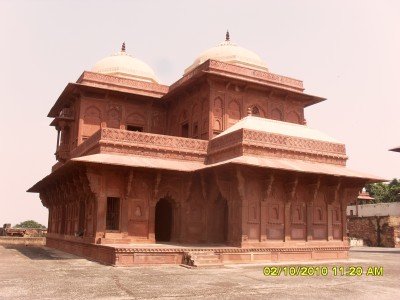
Birbal's House
Some quick example text to build on the card title and make up the bulk of the card's content.
Go somewhere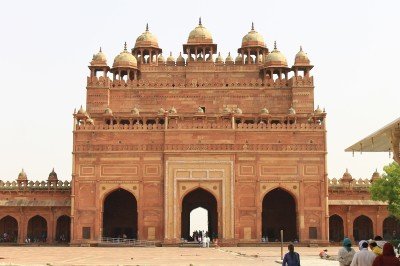
Buland Darwaza
Some quick example text to build on the card title and make up the bulk of the card's content.
Go somewhere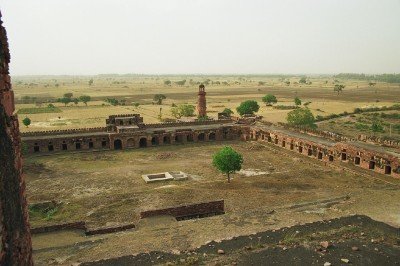
Caravanserai
Some quick example text to build on the card title and make up the bulk of the card's content.
Go somewhere
Daftar Khana
Some quick example text to build on the card title and make up the bulk of the card's content.
Go somewhere
Diwan-i-Aam
Some quick example text to build on the card title and make up the bulk of the card's content.
Go somewhere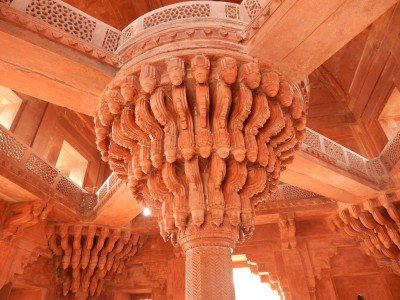
Diwan-i-Khas
Some quick example text to build on the card title and make up the bulk of the card's content.
Go somewhere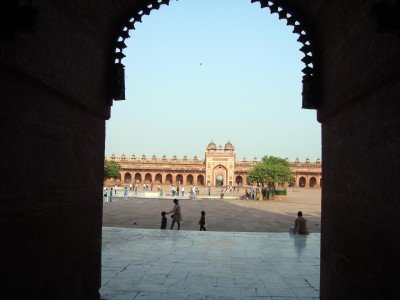
Jami Masjid
Some quick example text to build on the card title and make up the bulk of the card's content.
Go somewhere
King's Gate
Some quick example text to build on the card title and make up the bulk of the card's content.
Go somewhere
Naubat Khana
Some quick example text to build on the card title and make up the bulk of the card's content.
Go somewhere
Pachisi Court
Some quick example text to build on the card title and make up the bulk of the card's content.
Go somewhere
Panch Mahal
Some quick example text to build on the card title and make up the bulk of the card's content.
Go somewherein Other Cities