

Tomb of Sheikh Salim Chishti
General information
-
Ideal Duration:
45 minutes to 1 hourPlace Type:
Spiritual, Pilgrimage, Mausoleum, ArchitectureEntry Fees:
No Separate Fee: The monument is located inside the courtyard of the Jama Masjid complex, which is generally outside the ASI ticketed area.
Donation: Be aware that caretakers and spiritual custodians may request a donation (offering) upon le...No Separate Fee: The monument is located inside the courtyard of the Jama Masjid complex, which is generally outside the ASI ticketed area.
Donation: Be aware that caretakers and spiritual custodians may request a donation (offering) upon leaving the shrine, which is a common practice at Sufi dargahs. It is a voluntary contribution.Timing:
Regular Timings: Open daily from sunrise to sunset (approx. 6:00 AM to 6:00 PM). Being a working religious shrine, visitors should check for specific prayer times.
Ideal Visit Time: Early morning (6:00 AM to 8:00 AM) is highly recommended ...Regular Timings: Open daily from sunrise to sunset (approx. 6:00 AM to 6:00 PM). Being a working religious shrine, visitors should check for specific prayer times.
Ideal Visit Time: Early morning (6:00 AM to 8:00 AM) is highly recommended for a peaceful experience before the crowds and pilgrims arrive, and the light is soft.Special Events:
The Urs Festival: The annual Urs (death anniversary) of Sheikh Salim Chishti is a major spiritual and cultural event, drawing thousands of pilgrims, Sufi singers, and devotees.
Qawwali Performances: The tomb and the Jama Masjid courtyard fre...The Urs Festival: The annual Urs (death anniversary) of Sheikh Salim Chishti is a major spiritual and cultural event, drawing thousands of pilgrims, Sufi singers, and devotees.
Qawwali Performances: The tomb and the Jama Masjid courtyard frequently host traditional Sufi devotional music (Qawwali) performances, which are a major attraction.Best Photo Spots:
The Jali Close-up: Extreme close-up shots of the marble jali screen, focusing on the fine carving and the translucent quality of the marble.
The Serpentine Bracket: A unique angle shot focusing solely on the elegantly carved serpentine brack...The Jali Close-up: Extreme close-up shots of the marble jali screen, focusing on the fine carving and the translucent quality of the marble.
The Serpentine Bracket: A unique angle shot focusing solely on the elegantly carved serpentine brackets that support the eaves.
The Marble Glow: A photograph taken in the early morning light that captures the pristine white marble glowing against the red sandstone backdrop.Photo Gallery
Things To Do
-
Tie a Wishing Thread: Participate in the traditional practice of tying a thread to the jali screen to make a wish (a mannat).
Examine the Jali: Dedicate time to closely examine the famous marble screen, tracing the delicate geometric and floral patterns.
Observe the Contrasts: Note the architectural dialogue between the pure white marble of the tomb and the vast, red sandstone courtyard of the Jama Masjid.
Listen to the Qawwali: If you are lucky, witness a live performance of Sufi devotional music (Qawwali) near the shrine, which is a powerful cultural experience.
Circumambulate: Walk around the entire structure, admiring the unique serpentine brackets on each side. ...Tie a Wishing Thread: Participate in the traditional practice of tying a thread to the jali screen to make a wish (a mannat).
Examine the Jali: Dedicate time to closely examine the famous marble screen, tracing the delicate geometric and floral patterns.
Observe the Contrasts: Note the architectural dialogue between the pure white marble of the tomb and the vast, red sandstone courtyard of the Jama Masjid.
Listen to the Qawwali: If you are lucky, witness a live performance of Sufi devotional music (Qawwali) near the shrine, which is a powerful cultural experience.
Circumambulate: Walk around the entire structure, admiring the unique serpentine brackets on each side.
Information
-
Why Famous:
Spiritual Power: Famous as a major pilgrimage site for centuries, where devotees tie a thread (mannat ka dhaga) to the marble jali screens, praying for the fulfillment of their wishes, especially for the blessing of a child.
Architectural Master...Spiritual Power: Famous as a major pilgrimage site for centuries, where devotees tie a thread (mannat ka dhaga) to the marble jali screens, praying for the fulfillment of their wishes, especially for the blessing of a child.
Architectural Masterpiece: Recognized as one of the finest examples of Mughal architecture in India, celebrated for its pure white marble construction and the unparalleled, intricate geometric and floral patterns of its jali work.
Royal Legacy: It is the site that directly links Emperor Akbar and his son Jahangir to the Sufi tradition, the foundation of the city, and the spiritual patronage of the Chishti Order. -
Architecture:
Design and Dimension: The tomb is a small, square structure built on a one-meter high platform, contrasting sharply with the surrounding red sandstone of the Jama Masjid as it is entirely clad in pristine white marble, giving it an ivory-like appearance.
Read MoreDesign and Dimension: The tomb is a small, square structure built on a one-meter high platform, contrasting sharply with the surrounding red sandstone of the Jama Masjid as it is entirely clad in pristine white marble, giving it an ivory-like appearance.
Jali Work: Its most famous architectural feature is the extraordinarily intricate white marble screen (jali) that encloses the main tomb chamber on all sides. This lattice work is considered one of the finest examples of the Mughal sculptural craft, creating a delicate, lace-like effect.
Serpentine Brackets: Another unique feature is the elegantly curved, serpentine brackets supporting the wide overhang (chhajja), which are derived from Gujarati architectural traditions. The plinth is ornamented with black and yellow marble mosaics.How To Reach:
By Air: The nearest airport is Kheria Airport (AGR) in Agra (approx. 34 KM). Hire a pre-paid taxi.
By Train: The major railhead is Agra Cantt Railway Station (AGC) (approx. 35 KM). From Agra Cantt, take a taxi or bus.
Read MoreBy Air: The nearest airport is Kheria Airport (AGR) in Agra (approx. 34 KM). Hire a pre-paid taxi.
By Train: The major railhead is Agra Cantt Railway Station (AGC) (approx. 35 KM). From Agra Cantt, take a taxi or bus.
By Road: Fatehpur Sikri is well-connected to Agra via NH19. Private car is the recommended mode of transport for convenience.
Local Transport: The tomb is a short walk inside the Jama Masjid complex, near the Buland Darwaza. From the parking, take the CNG auto-rickshaw or shuttle bus to the main gate area.Weather and Best Time to Visit:
Seasonal Best: Winter (November to March) is the most comfortable time for a visit, especially given the exposure to the sun in the open courtyard.
Part of Day: Early morning is the best part of the day to experience the spiritual serenity a...Seasonal Best: Winter (November to March) is the most comfortable time for a visit, especially given the exposure to the sun in the open courtyard.
Part of Day: Early morning is the best part of the day to experience the spiritual serenity and for photography.Near Tourist Places:
Jama Masjid (0. 1 KM), Buland Darwaza (0. 1 KM), Tomb of Islam Khan (0. 1 KM), Stone Cutters' Mosque (0. 2 KM), Diwan-i-Aam (1. 2 KM), Panch Mahal (1. 3 KM), Hiran Minar (1. 5 KM), Agra Fort (37 KM), Taj Mahal (40 KM), Bharatpur Bird Sanctuary (30 KM)Tourism Tips
-
Spiritual Etiquette: This is a deeply revered spiritual site. Dress very modestly, and both men and women must cover their heads before entering the courtyard and the shrine.
Footwear Policy: Shoes must be removed before entering the Jama M...Spiritual Etiquette: This is a deeply revered spiritual site. Dress very modestly, and both men and women must cover their heads before entering the courtyard and the shrine.
Footwear Policy: Shoes must be removed before entering the Jama Masjid complex courtyard. Sock can be helpful on hot stone.
Respect Pilgrims: Be respectful of the devotees and pilgrims performing their rituals; avoid obstructing their path or their prayers.
Reviews
FAQs
Fatehpur Sikri Itineray And Cost:-
Tomb of Sheikh Salim Chishti Tourism:-
Other Places In Fatehpur Sikri :-
Other States In India :-
Information about New and Updated Locations() of Uttar Pradesh Has Been Added :-
Card subtitle
Note:-
Information provided here in good Faith and for reference only.
Near Places

Abul Fazal and Faizi's Houses
Some quick example text to build on the card title and make up the bulk of the card's content.
Go somewhere
Agra Gate
Some quick example text to build on the card title and make up the bulk of the card's content.
Go somewhere
Anup Talao
Some quick example text to build on the card title and make up the bulk of the card's content.
Go somewhere
Archaeological Museum
Some quick example text to build on the card title and make up the bulk of the card's content.
Go somewhere
Baoli
Some quick example text to build on the card title and make up the bulk of the card's content.
Go somewhere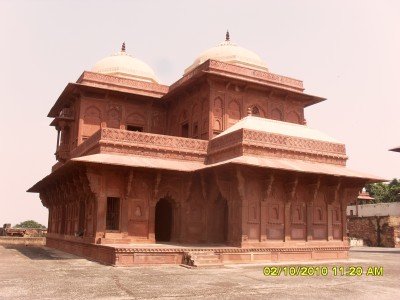
Birbal's House
Some quick example text to build on the card title and make up the bulk of the card's content.
Go somewhere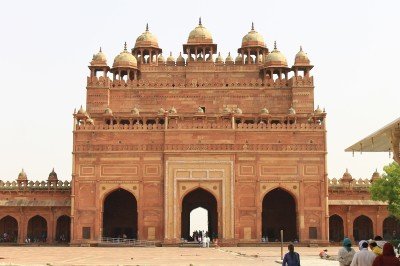
Buland Darwaza
Some quick example text to build on the card title and make up the bulk of the card's content.
Go somewhere
Caravanserai
Some quick example text to build on the card title and make up the bulk of the card's content.
Go somewhere
Daftar Khana
Some quick example text to build on the card title and make up the bulk of the card's content.
Go somewhere
Diwan-i-Aam
Some quick example text to build on the card title and make up the bulk of the card's content.
Go somewhere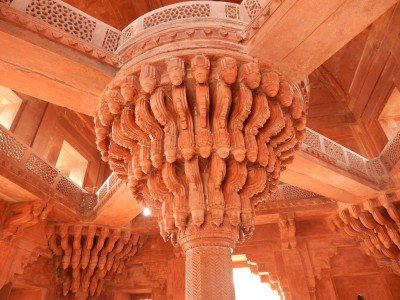
Diwan-i-Khas
Some quick example text to build on the card title and make up the bulk of the card's content.
Go somewhere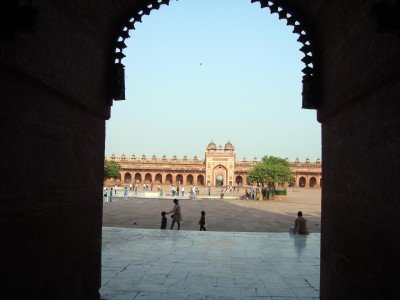
Jami Masjid
Some quick example text to build on the card title and make up the bulk of the card's content.
Go somewhere
King's Gate
Some quick example text to build on the card title and make up the bulk of the card's content.
Go somewhere
Naubat Khana
Some quick example text to build on the card title and make up the bulk of the card's content.
Go somewhere
Pachisi Court
Some quick example text to build on the card title and make up the bulk of the card's content.
Go somewhere
Panch Mahal
Some quick example text to build on the card title and make up the bulk of the card's content.
Go somewherein Other Cities