Khwabgah
General information
-
Ideal Duration:
45 Minutes:A brief but essential stop to appreciate the historical importance of the emperor's private space.Place Type:
Historic Structure:The personal residence and adEntry Fees:
Ticket Price for Fatehpur Sikri Complex:Entry to the Khwabgah is included in the consolidated ticket for the Fatehpur Sikri Imperial Complex. Fee is typically INR 40-50 for Indian nationals and INR 550-610 for foreign tourists.
No Separate Fee:...Ticket Price for Fatehpur Sikri Complex:Entry to the Khwabgah is included in the consolidated ticket for the Fatehpur Sikri Imperial Complex. Fee is typically INR 40-50 for Indian nationals and INR 550-610 for foreign tourists.
No Separate Fee:There is no separate entry fee required to enter and explore the Emperor's private residence within the main complex.Timing:
Regular Timings:The structure is open from Sunrise to Sunset every day, consistent with the rest of the Imperial Complex (approx. 6:00 AM to 6:30 PM).
Ideal Visit Time:The best time to visit is the Early Morning (sunrise to 9:00 AM). This ...Regular Timings:The structure is open from Sunrise to Sunset every day, consistent with the rest of the Imperial Complex (approx. 6:00 AM to 6:30 PM).
Ideal Visit Time:The best time to visit is the Early Morning (sunrise to 9:00 AM). This allows for a quiet, contemplative visit to the emperor's personal quarters before the complex becomes crowded, allowing a greater sense of the privacy it once commanded.
Midday Contrast:Visiting around Midday can be useful as the strong light will help to highlight the faded colors and details of the murals in the inner chambers.Special Events:
Private Consultations:The 'secret official meetings' room within the Khwabgah was the site of the most sensitive administrative and political consultations, which, while not public events, were the most critical gatherings for the running of the empire.
Read MorePrivate Consultations:The 'secret official meetings' room within the Khwabgah was the site of the most sensitive administrative and political consultations, which, while not public events, were the most critical gatherings for the running of the empire.
Imperial Recitals:Given the proximity of the Anup Talao, which sometimes hosted musical and poetic performances, the Emperor might have privately enjoyed recitals from the windows or verandah of the Khwabgah.Best Photo Spots:
Anup Talao Vista:The view of the ornamental pool from the window or balcony of the upper floor is an excellent photo spot, capturing the pool's intricate geometry and the central platform.
Pillared Verandah Symmetry:Capturing the symmetry an...Anup Talao Vista:The view of the ornamental pool from the window or balcony of the upper floor is an excellent photo spot, capturing the pool's intricate geometry and the central platform.
Pillared Verandah Symmetry:Capturing the symmetry and the delicate stone-tiled sloping roof of the pillared verandah surrounding the emperor's bedroom.
Faded Murals (with Flashlight):Using a slight exposure boost to capture the faint, detailed patterns of the faded murals on the inner walls, providing a rare glimpse of the original color scheme.
Framing the Diwan-i-Khas:Using an archway of the Khwabgah to frame the prominent single column of the adjacent Diwan-i-Khas, symbolizing the direct connection between the emperor's residence and his private audience hall.Photo Gallery
Things To Do
-
Standing on the Emperor's Platform:Stand on the upper-floor platform of the emperor's bedroom and imagine Akbar contemplating his empire, as this space was his most personal retreat. Appreciate the commanding view over the Anup Talao.
Visualizing the Library:Spend time in the room designated as the library (Kutub Khana) and visualize the 25,000 manuscripts that once lined the walls, reflecting on the depth of the intellectual activity that occurred there.
Studying the Mural Remains:Carefully study the faded patches of the murals and try to discern the patterns, colors, or scenes. This is an exercise in historical detection and visual archaeology.
Photography of the Anup Talao View:Use the window frames or arched openings of the Khwabgah to frame the beautiful s...Standing on the Emperor's Platform:Stand on the upper-floor platform of the emperor's bedroom and imagine Akbar contemplating his empire, as this space was his most personal retreat. Appreciate the commanding view over the Anup Talao.
Visualizing the Library:Spend time in the room designated as the library (Kutub Khana) and visualize the 25,000 manuscripts that once lined the walls, reflecting on the depth of the intellectual activity that occurred there.
Studying the Mural Remains:Carefully study the faded patches of the murals and try to discern the patterns, colors, or scenes. This is an exercise in historical detection and visual archaeology.
Photography of the Anup Talao View:Use the window frames or arched openings of the Khwabgah to frame the beautiful square pool of the Anup Talao and the central platform, creating a picturesque, multi-layered view.
Following the Flow of Power:Trace the physical connections from the Khwabgah to the Diwan-i-Khas (for private meetings), the Daulat Khana (offices), and the Zenana to understand how the emperor's life seamlessly blended statecraft, administration, and domesticity.
Engaging with a Guide on Personal Life:Hire a guide to focus specifically on the personal life and routine of Akbar within these chambers, sharing anecdotes about his reading habits and his private decision-making process.
Information
-
Why Famous:
The Emperor's Private World:It is famous for being the most private space of the great Emperor Akbar, a place where he slept, read, and conducted the most sensitive state meetings. This intimacy contrasts dramatically with the vastness of the public areas.The Emperor's Private World:It is famous for being the most private space of the great Emperor Akbar, a place where he slept, read, and conducted the most sensitive state meetings. This intimacy contrasts dramatically with the vastness of the public areas.
The Great Mughal Library:The presence of the Kutub Khana (library) is a major feature, symbolizing Akbar's deep love for knowledge, literature, and intellectual pursuits. It highlights the scholarly side of the warrior-emperor who commissioned the translation of major Sanskrit works into Persian. -
Architecture:
The Centralized Double-Storey Design:The Khwabgah is a compact, double-storeyed rectangular building constructed of red sandstone. Its strategic location at the complex's heart allowed Akbar easy access to the public (Diwan-i-Aam) and private (Diwan-i-Khas) audience halls, ...The Centralized Double-Storey Design:The Khwabgah is a compact, double-storeyed rectangular building constructed of red sandstone. Its strategic location at the complex's heart allowed Akbar easy access to the public (Diwan-i-Aam) and private (Diwan-i-Khas) audience halls, the Zenana (through a covered passage), and the administrative blocks.
The Emperor's Quarters:The upper floor, the most important part, housed the private bedroom (Khilwatkada-i-Khas), which was surrounded by a pillared verandah with a sloping stone-tiled roof. The design incorporated functional rooms like the Kutub Khana (library) and the secret meeting room.
Decorative Elements and Murals:The first floor was the most opulent, with traces of beautiful, faded murals and paintings depicting scenes from the Mughal court, along with Persian inscriptions. These internal decorations sharply contrast with the plain exterior, emphasizing the privacy of the luxury.
Connection to the Anup Talao:The structure overlooks the beautiful square ornamental pool, the Anup Talao, which features a central platform connected by four narrow causeways. This visual link suggests a location for private contemplation or a retreat from the heat. -
How To Reach:
By Air:Nearest airport is Agra's Kheria Airport (AGR) at approx. 33-40 KMS away. The nearest international airport is Delhi's Indira Gandhi International Airport (DEL) at approx. 215 KMS. Hire a private taxi for the most comfort.
By Train:By Air:Nearest airport is Agra's Kheria Airport (AGR) at approx. 33-40 KMS away. The nearest international airport is Delhi's Indira Gandhi International Airport (DEL) at approx. 215 KMS. Hire a private taxi for the most comfort.
By Train:
Local station: Fatehpur Sikri Railway Station (FTS) (approx. 3 KMS).
Main hub: Agra Cantt (AGC) (approx. 37 KMS). Take a bus or taxi from Agra to the city.
By Road:Located approx. 36-40 KMS west of Agra. Frequent buses from Agra's Idgah Bus Stand. Taxis and private cabs are widely available.
By Local Transport:The Khwabgah is centrally located within the Imperial Complex, accessible after a short walk or CNG auto-rickshaw ride from the fort's main parking and drop-off point. It overlooks the Anup Talao, which is a central landmark. -
Weather and Best Time to Visit:
Different Types of Seasons:The best time is the Winter Season (October to March), when the mild temperatures are ideal for navigating the central administrative hub. The closed nature of the Khwabgah provides some retreat from the sun, but the surrounding courtyards are exp...Different Types of Seasons:The best time is the Winter Season (October to March), when the mild temperatures are ideal for navigating the central administrative hub. The closed nature of the Khwabgah provides some retreat from the sun, but the surrounding courtyards are exposed.
Different Parts of the Day:The Early Morning is best for a serene visit to the personal chambers. The Late Afternoon offers a pleasing, warm light on the red sandstone as you look out over the Anup Talao. -
Near Tourist Places:
Anup Talao (Ornamental Pool): Adjoining.
Diwan-i-Khas (Hall of Private Audience): Adjoining.
Khazana Mahal (The Treasury): Approx. 0. 1 KM.
Panch Mahal (Wind Tower): Approx. 0. 1 KM.
Turkish Sultana's House: Adjoining.
Diwan-i-Aam (Hall of Public Audience): Approx. 0. 3 KM.
Jodha Bai's Palace: Approx. 0. 5 KM.
Birbal's House: Approx. 0. 5 KM.
Jama Masjid Complex: Approx. 1 KM.
Hiran Minar: Approx. 1 KM.
Tourism Tips
-
Health & Safety:Be aware of the steep, narrow staircases leading to the upper floor, which can be challenging for those with mobility issues. The railings are historical, so do not rely on them heavily. Carry water.
Packing Essentials:A zo...Health & Safety:Be aware of the steep, narrow staircases leading to the upper floor, which can be challenging for those with mobility issues. The railings are historical, so do not rely on them heavily. Carry water.
Packing Essentials:A zoom lens and a small flashlight can be very useful for examining the high architectural details and the faded murals in the darker corners. Wear comfortable walking shoes.
Accommodation:Stay in Agra (37 KMS) for convenience and selection of lodging. Fatehpur Sikri offers only basic hotels.
Guide Focus:Hire a guide to focus on the historical narratives of Akbar's life and administrative routine within the private quarters, which brings the empty rooms to life.
Security Awareness:Note the proximity to the Khazana Mahal and the controlled access points; this was the most secure zone of the empire, and a high level of security awareness is still palpable.
Reviews
FAQs
Fatehpur Sikri Itineray And Cost:-
Other Places In Fatehpur Sikri :-
Other States In India :-
Information about New and Updated Locations() of Uttar Pradesh Has Been Added :-
Card subtitle
Note:-
Information provided here in good Faith and for reference only.
Near Places

Abul Fazal and Faizi's Houses
Some quick example text to build on the card title and make up the bulk of the card's content.
Go somewhere
Agra Gate
Some quick example text to build on the card title and make up the bulk of the card's content.
Go somewhere
Anup Talao
Some quick example text to build on the card title and make up the bulk of the card's content.
Go somewhere
Archaeological Museum
Some quick example text to build on the card title and make up the bulk of the card's content.
Go somewhere
Baoli
Some quick example text to build on the card title and make up the bulk of the card's content.
Go somewhere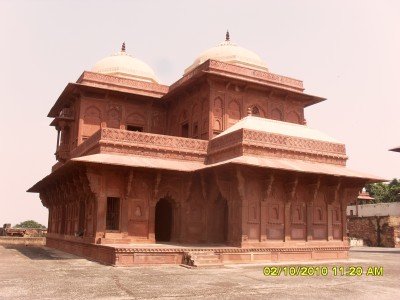
Birbal's House
Some quick example text to build on the card title and make up the bulk of the card's content.
Go somewhere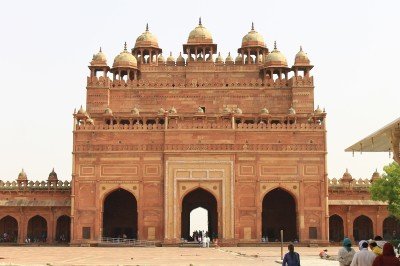
Buland Darwaza
Some quick example text to build on the card title and make up the bulk of the card's content.
Go somewhere
Caravanserai
Some quick example text to build on the card title and make up the bulk of the card's content.
Go somewhere
Daftar Khana
Some quick example text to build on the card title and make up the bulk of the card's content.
Go somewhere
Diwan-i-Aam
Some quick example text to build on the card title and make up the bulk of the card's content.
Go somewhere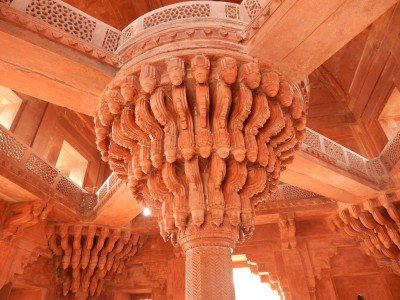
Diwan-i-Khas
Some quick example text to build on the card title and make up the bulk of the card's content.
Go somewhere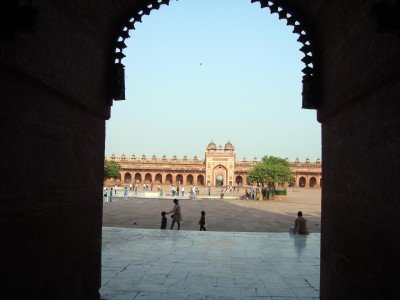
Jami Masjid
Some quick example text to build on the card title and make up the bulk of the card's content.
Go somewhere
King's Gate
Some quick example text to build on the card title and make up the bulk of the card's content.
Go somewhere
Naubat Khana
Some quick example text to build on the card title and make up the bulk of the card's content.
Go somewhere
Pachisi Court
Some quick example text to build on the card title and make up the bulk of the card's content.
Go somewhere
Panch Mahal
Some quick example text to build on the card title and make up the bulk of the card's content.
Go somewherein Other Cities