

King's Gate
General information
-
Ideal Duration:
30 - 45 MinutesPlace Type:
Historical Gateway; Architectural Masterpiece; RelEntry Fees:
General Fatehpur Sikri Site Entry: The King's Gate is part of the overall Fatehpur Sikri palace complex managed by the ASI. The current entry fee for the general site for Indian Citizens is typically INR 50 per person, and for Foreign Tourists, it is around INR 610 per pers...General Fatehpur Sikri Site Entry: The King's Gate is part of the overall Fatehpur Sikri palace complex managed by the ASI. The current entry fee for the general site for Indian Citizens is typically INR 50 per person, and for Foreign Tourists, it is around INR 610 per person. Children below 15 years usually enter free.
Ticket Inclusions: This fee provides access to the entire main archaeological area, which includes the Diwan-i-Aam, Diwan-i-Khas, Jodha Bai's Palace, Panch Mahal, and other structures. The fee often includes a nominal charge for the use of the site's amenities.
Separate Dargah Entry: Note that while the entry to the main complex is ticketed, entry into the Jama Masjid courtyard, which houses the King's Gate and Sheikh Salim Chishti's Tomb, is generally free of cost, though visitors often need to pay for the compulsory bus service from the main parking area to the top of the ridge where the mosque is located.
Photography and Video Fees: There is generally no extra charge for still photography; however, for professional video cameras or large film crew equipment, separate commercial fees must be negotiated and paid to the ASI. Always check for the latest fee structures before visiting.Timing:
Regular Timings: The Fatehpur Sikri complex, including the King's Gate area, is generally open from Sunrise to Sunset (approximately 6:00 AM to 6:30 PM). It is open on all days of the week, with the Jama Masjid area remaining open slightly longer for prayer.Regular Timings: The Fatehpur Sikri complex, including the King's Gate area, is generally open from Sunrise to Sunset (approximately 6:00 AM to 6:30 PM). It is open on all days of the week, with the Jama Masjid area remaining open slightly longer for prayer.
Ideal Visit Time: The best time to visit is immediately upon opening (around 6:00 AM) to enjoy the cool weather, minimal crowds, and the beautiful soft light of the sunrise, which is excellent for photography. The late afternoon (4:00 PM to 6:00 PM) is also ideal as the light is warm, highlighting the red sandstone, and the heat of the day has passed.
Worst Time to Visit: The hours between 11:00 AM and 3:00 PM should be avoided, especially during the Summer months (April to June), due to intense heat. Visiting on Fridays or during the major Urs festival can mean significantly larger crowds due to religious significance.Special Events:
Annual Urs Celebration: The most significant special event associated with this gate is the annual Urs (death anniversary) of Hazrat Sheikh Salim Chishti. During this multi-day festival, thousands of pilgrims, Sufis, and devotees pass through the Badshahi Darwaza for the ri...Annual Urs Celebration: The most significant special event associated with this gate is the annual Urs (death anniversary) of Hazrat Sheikh Salim Chishti. During this multi-day festival, thousands of pilgrims, Sufis, and devotees pass through the Badshahi Darwaza for the rites inside the Jama Masjid complex. The atmosphere is charged with religious fervor, Sufi singing (Qawwali), and ceremonial processions.
Major National and State Events: As a UNESCO World Heritage Site, the gate and its complex are sometimes used for cultural events or national celebrations, such as Republic Day or Independence Day, often involving flag hoisting or musical programs organized by the Archaeological Survey of India (ASI).
Film and Documentary Shoots: The majestic appearance and perfect preservation of the King's Gate make it a favored backdrop for historical films, travel documentaries, and cultural television programs, which can occasionally be witnessed by visitors. These events bring a temporary buzz of activity to the otherwise historical site, highlighting its cultural importance.Best Photo Spots:
The Grand Archway from the Courtyard: Stand centrally in the Jama Masjid courtyard to capture the majestic scale of the gate, framed by the white marble of the neighboring tomb. This shot contrasts the two main building materials of Fatehpur Sikri: red sandstone and white m...The Grand Archway from the Courtyard: Stand centrally in the Jama Masjid courtyard to capture the majestic scale of the gate, framed by the white marble of the neighboring tomb. This shot contrasts the two main building materials of Fatehpur Sikri: red sandstone and white marble.
The Elevated Perspective: Climb the steps leading to the gate and shoot downwards into the courtyard or outwards toward the city. This perspective emphasizes the gate’s strategic elevation and the sheer drop, capturing the functional and symbolic height difference.
Detail Shots of Carvings and Calligraphy: Focus on the elaborate floral and geometric inlay patterns, especially those around the arch's spandrels, and the beautifully preserved Quranic calligraphy bands above the entrance. Use a zoom lens to capture the fine craftsmanship.
Sunrise and Sunset Silhouettes: The gate’s eastern orientation makes it ideal for a dramatic sunrise shot from the outside, while a sunset view from the mosque courtyard can create a powerful, warm silhouette against the twilight sky.
Framing the Tomb: Use the deep recess of the archway as a natural frame for the sparkling white marble dome of Sheikh Salim Chishti's Tomb, creating a composition that links the two most important structures of the complex. (Approx. )Photo Gallery
Things To Do
-
Walk the Emperor's Path: Trace the footsteps of Emperor Akbar and his court by walking through the massive central archway, mentally transitioning from the secular palace complex into the sacred space of the Jama Masjid courtyard.
Photography Challenge: Capture the contrasting textures of the red sandstone against the white marble of the neighboring Tomb of Sheikh Salim Chishti. The morning or late afternoon sun offers the best light to highlight the intricate stone carvings on the archway spandrels and the decorative chhatris atop the gate.
Observe Mughal Security Features: Spend time examining the architectural details of the upper-floor balconies and windows (jharokhas), which were designed for both aesthetics and discrete surveillance of the complex, gaining insight into the security and cer...Walk the Emperor's Path: Trace the footsteps of Emperor Akbar and his court by walking through the massive central archway, mentally transitioning from the secular palace complex into the sacred space of the Jama Masjid courtyard.
Photography Challenge: Capture the contrasting textures of the red sandstone against the white marble of the neighboring Tomb of Sheikh Salim Chishti. The morning or late afternoon sun offers the best light to highlight the intricate stone carvings on the archway spandrels and the decorative chhatris atop the gate.
Observe Mughal Security Features: Spend time examining the architectural details of the upper-floor balconies and windows (jharokhas), which were designed for both aesthetics and discrete surveillance of the complex, gaining insight into the security and ceremonial protocol of the Mughal court.
Study the Indo-Islamic Fusion: Look closely at the carved motifs—you will find a blend of Islamic geometric patterns, Persian floral designs, and indigenous Hindu architectural elements like the sturdy brackets and pillars. Identifying these fusion points provides a deeper understanding of Akbar's syncretic style.
Listen to the Guides: Hire a licensed government guide to explain the historical and spiritual context, particularly the link between Akbar's spiritual quest and the construction of the entire Fatehpur Sikri complex, enriching your understanding beyond what is visible.
Participate in the Atmosphere: The area around the gate often has a vibrant atmosphere due to the proximity of the Dargah. Observe the flow of pilgrims and the local life surrounding the gate, offering a cultural experience beyond the monument itself.
Find the Symmetry: Stand back in the courtyard to appreciate the perfect symmetry of the gate's façade, a key characteristic of classical Mughal planning and design.
Reflection and Quiet Time: While the area can be busy, take a few minutes in the deep recess of the gate's archway to appreciate the coolness and quiet, reflecting on the history of this monumental entrance.
Information
-
Why Famous:
Symbol of Spiritual and Imperial Legitimacy: The gate is intrinsically linked to the birth of Prince Salim and Akbar's devotion to Sheikh Salim Chishti. It represents the synthesis of Akbar's temporal power and the spiritual authority he derived from the Sufi saint. Its sh...Symbol of Spiritual and Imperial Legitimacy: The gate is intrinsically linked to the birth of Prince Salim and Akbar's devotion to Sheikh Salim Chishti. It represents the synthesis of Akbar's temporal power and the spiritual authority he derived from the Sufi saint. Its sheer scale and eastern orientation towards Agra emphasize its function as the principal axis of royal movement and authority.
Architectural Transition Point: Unlike the monumental Buland Darwaza, the Badshahi Darwaza is graceful and proportionally integrated into the mosque complex. It perfectly mediates the transition from the bustling royal city to the tranquil sanctity of the Jama Masjid courtyard. Its constant use by the emperor made it the silent witness to the most important daily spiritual rituals of the Mughal court.
Preservation and Detail: It showcases some of the best-preserved original red sandstone detailing in Fatehpur Sikri, including the complex floral and geometric patterns that define the early Mughal artistic vocabulary before the dominance of white marble. The elegant proportions ensure it is majestic without being overpowering. -
Architecture:
Design Elements and Dimensions: The Badshahi Darwaza is a two-storey facade constructed predominantly of red and buff sandstone. It is flanked by sturdy, semi-octagonal towers and is crowned by three elaborate chhatris (ornate kiosks supported by pillars), which are charact...Design Elements and Dimensions: The Badshahi Darwaza is a two-storey facade constructed predominantly of red and buff sandstone. It is flanked by sturdy, semi-octagonal towers and is crowned by three elaborate chhatris (ornate kiosks supported by pillars), which are characteristic of Mughal architecture and provide a sense of vertical dominance. A key dimension is the impressive central horseshoe arch.
Architectural Style: The gate exhibits a strong Indo-Islamic style, where Persian symmetry and structural techniques are harmoniously blended with indigenous Indian decorative motifs. The lower level features a grand arched portal framed by intricate geometric carvings, bands of contrasting stone, and subtle white marble accents, especially in the inlay work and calligraphy. The upper level was functional, featuring balconies (jharokhas) which were likely used for guards or for royal women to observe the proceedings below while maintaining purdah. The entire structure is elevated on a substantial plinth, magnifying its monumental presence and ceremonial function. The balance between solid red sandstone strength and delicate, detailed carving is a hallmark of this gate, acting as a prototype for later, grander Mughal gateways. The extensive use of carving over plaster distinguishes it as an authentic expression of the original Fatehpur Sikri style. -
How To Reach:
By Air: The nearest major airport is Agra's Kheria Airport (AGR), approximately 40 KMS away. From there, one can hire a pre-paid taxi or a private cab. The nearest international airport is Indira Gandhi International Airport (DEL) in New Delhi, approximately 200 KMS away, ...By Air: The nearest major airport is Agra's Kheria Airport (AGR), approximately 40 KMS away. From there, one can hire a pre-paid taxi or a private cab. The nearest international airport is Indira Gandhi International Airport (DEL) in New Delhi, approximately 200 KMS away, requiring a further four to five-hour road journey.
By Train: The nearest major railway station is Agra Cantt (AGC), about 37 KMS away, which is well-connected to major Indian cities like Delhi, Mumbai, and Jaipur. The local station, Fatehpur Sikri Railway Station (FTS), is only about 1 KM from the site but has limited services. From Agra Cantt, taxis or state transport buses are readily available.
By Road: Fatehpur Sikri is easily accessible via National Highway 44 (NH44) and is located approximately 37 KMS southwest of Agra. The road journey is smooth, taking about an hour by car or bus. State-run and private buses operate frequently from Agra's ISBT.
By Local Transport: Once you arrive at the main parking area (often called the bus stand), the King's Gate and Jama Masjid complex are located on the ridge. Tourists must take the mandatory, authorized CNG bus or electric rickshaw service for a small fee to cover the last 1-2 KMS to the main entry point of the complex due to restrictions on private vehicles. Walking this stretch is not recommended, especially in the heat. -
Weather and Best Time to Visit:
Different Types of Seasons: Winter (October to March) is the best time to visit as the weather is cool and pleasant, with daytime temperatures ranging from 10°C to 25°C. Monsoon (July to September) sees moderate rainfall, making the surroundings lush and green, but humidi...Different Types of Seasons: Winter (October to March) is the best time to visit as the weather is cool and pleasant, with daytime temperatures ranging from 10°C to 25°C. Monsoon (July to September) sees moderate rainfall, making the surroundings lush and green, but humidity is high. Summer (April to June) should be avoided due to extremely high temperatures, often exceeding 45°C, making daytime sightseeing challenging and uncomfortable.
Different Parts of the Day: Early Morning (Sunrise to 9:00 AM) is the most ideal time for photography and avoiding the crowds and harsh sunlight. Late Afternoon (4:00 PM to Sunset) is the second-best time, providing beautiful warm light on the red sandstone structures. Mid-day is the least suitable time for visiting. -
Near Tourist Places:
Buland Darwaza (Next to it, 0 KMS), Tomb of Sheikh Salim Chishti (Inside Jama Masjid, 0. 1 KMS), Jama Masjid (Adjoins the gate, 0 KMS), Diwan-i-Aam (1 KM), Panch Mahal (1. 5 KMS), Jodha Bai's Palace (1. 7 KMS), Birbal's House (1. 8 KMS), Anup Talao (1. 6 KMS), Hiran Minar (2 KMS), Khas Mahal (1. 4 KMS).
Tourism Tips
-
Health & safety: Always carry a bottle of water and wear a hat or cap, especially during sunny days, as the complex involves a lot of walking in the open. Wear comfortable, sturdy walking shoes. Be wary of unauthorized guides; only hire government-approved and licensed gu...Health & safety: Always carry a bottle of water and wear a hat or cap, especially during sunny days, as the complex involves a lot of walking in the open. Wear comfortable, sturdy walking shoes. Be wary of unauthorized guides; only hire government-approved and licensed guides.
Packing: Essential items include sunscreen, sunglasses, a light scarf or shawl (compulsory for covering the head when entering the Jama Masjid and Dargah area for both men and women), and a camera. Dress modestly out of respect for the religious site.
Accommodation: While Fatehpur Sikri has limited high-quality hotels, the city of Agra offers a wide range of luxury, mid-range, and budget accommodation options, making it the preferred base for most tourists. Book accommodation in Agra in advance, especially during the peak season (October to March).
Other Different Topics heading:
Guided Tour: Consider hiring an official guide to fully appreciate the complex history and architectural nuances of the gate.
Bus Service: Remember to factor in the small cost and time needed for the mandatory CNG bus ride from the parking lot.
Photography: The use of a tripod may be restricted by ASI, so check rules locally. Be mindful of the local residents and pilgrims, especially around the Dargah area.
Reviews
FAQs
Fatehpur Sikri Itineray And Cost:-
Other Places In Fatehpur Sikri :-
Other States In India :-
Information about New and Updated Locations() of Uttar Pradesh Has Been Added :-
Card subtitle
Note:-
Information provided here in good Faith and for reference only.
Near Places

Abul Fazal and Faizi's Houses
Some quick example text to build on the card title and make up the bulk of the card's content.
Go somewhere
Agra Gate
Some quick example text to build on the card title and make up the bulk of the card's content.
Go somewhere
Anup Talao
Some quick example text to build on the card title and make up the bulk of the card's content.
Go somewhere
Archaeological Museum
Some quick example text to build on the card title and make up the bulk of the card's content.
Go somewhere
Baoli
Some quick example text to build on the card title and make up the bulk of the card's content.
Go somewhere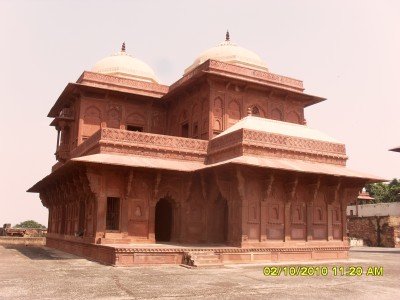
Birbal's House
Some quick example text to build on the card title and make up the bulk of the card's content.
Go somewhere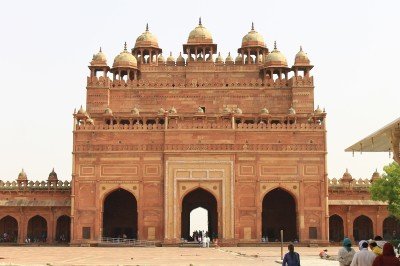
Buland Darwaza
Some quick example text to build on the card title and make up the bulk of the card's content.
Go somewhere
Caravanserai
Some quick example text to build on the card title and make up the bulk of the card's content.
Go somewhere
Daftar Khana
Some quick example text to build on the card title and make up the bulk of the card's content.
Go somewhere
Diwan-i-Aam
Some quick example text to build on the card title and make up the bulk of the card's content.
Go somewhere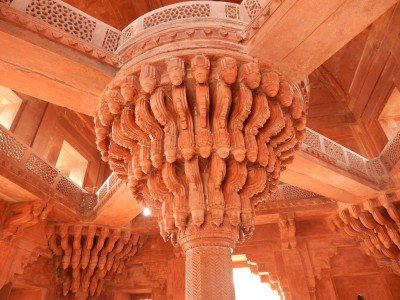
Diwan-i-Khas
Some quick example text to build on the card title and make up the bulk of the card's content.
Go somewhere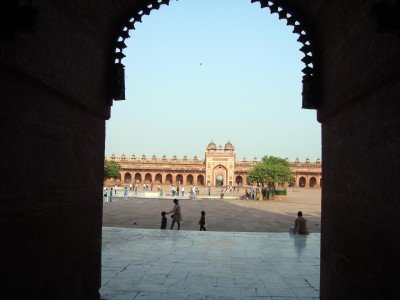
Jami Masjid
Some quick example text to build on the card title and make up the bulk of the card's content.
Go somewhere
King's Gate
Some quick example text to build on the card title and make up the bulk of the card's content.
Go somewhere
Naubat Khana
Some quick example text to build on the card title and make up the bulk of the card's content.
Go somewhere
Pachisi Court
Some quick example text to build on the card title and make up the bulk of the card's content.
Go somewhere
Panch Mahal
Some quick example text to build on the card title and make up the bulk of the card's content.
Go somewherein Other Cities