


Nutan Mahal
General information
-
Ideal Duration:
45 minutes to 1 hour (for exploration and photography).Place Type:
Heritage Ruin, Historical Palace, Archaeological SEntry Fees:
Official Entry Fee Status: As of the current period, Nutan Mahal is generally categorized as a partially-ruined, non-ASI (Archaeological Survey of India) maintained monument within the greater Rajbari (Royal Palace) complex. Consequently, there is NO official entry fee or t...Official Entry Fee Status: As of the current period, Nutan Mahal is generally categorized as a partially-ruined, non-ASI (Archaeological Survey of India) maintained monument within the greater Rajbari (Royal Palace) complex. Consequently, there is NO official entry fee or ticket required to visit and explore the ruins. This policy makes it freely accessible to all tourists, which contrasts with the nearby ticketed sites like the Rasmancha and Jor Bangla Temple.
Informal or Local Fee: Visitors should be aware that because the ruin is often located in a less-maintained area or near local residences, one might encounter informal, self-appointed "guards" or "guides" offering to show the best parts of the ruins. While this is not a mandatory government fee, it is customary to offer a small tip (Rs. 10 - Rs. 50) to these individuals if their guidance is accepted, or to local children who may offer assistance. This small, local contribution supports the community.
Photography Charges: There are no charges for still photography or videography for personal, non-commercial use. For professional filming, documentary, or commercial shoots, it is highly advisable to seek explicit permission from the local Bishnupur administration or the Bankura District Collectorate, which may involve a fee depending on the scale and nature of the project.Timing:
Regular Timings: Since Nutan Mahal is an open, non-ticketed ruin, it does not have formal opening and closing times like the ASI monuments. It is theoretically accessible 24 hours a day. However, for safety and respect for the local area, the generally accepted visit time ...Regular Timings: Since Nutan Mahal is an open, non-ticketed ruin, it does not have formal opening and closing times like the ASI monuments. It is theoretically accessible 24 hours a day. However, for safety and respect for the local area, the generally accepted visit time is from Sunrise (around 6:00 AM) to Sunset (around 6:00 PM). Visiting after dark is strongly discouraged due to the uneven ground, ruins, lack of lighting, and the presence of wild animals or insects in the overgrown areas.
Ideal Visit Time (Aesthetic & Safety): The ideal visit is during the early morning (7:00 AM to 9:00 AM).
This timeframe offers:
Best Light: The soft morning sun is perfect for the kind of atmospheric photography the ruins are famous for.
Cooler Temperature: The heat can be intense outside the winter months, making early morning the most comfortable time for a leisurely exploration of the overgrown paths.
Tranquility: Being a less-visited site, the early hours ensure a peaceful experience, allowing for quiet reflection without the noise of the day's local traffic.Special Events:
No Formal Events: As a protected but significantly ruined and often overgrown monument, the Nutan Mahal does not host any official annual festivals or large public gatherings. This lack of formal events contributes to its tranquil, untouched atmosphere, which is part of its...No Formal Events: As a protected but significantly ruined and often overgrown monument, the Nutan Mahal does not host any official annual festivals or large public gatherings. This lack of formal events contributes to its tranquil, untouched atmosphere, which is part of its appeal.
The Local 'History Walk' Gathering:
The special 'event' is the informal one: local history enthusiasts, academic groups from Kolkata or Bankura, and heritage photographers often organize specific 'History Walks' or 'Ruin Photography' meet-ups. These gatherings, usually held during the pleasant winter months (November to February), treat the entire ruined palace complex as a 'special event' location. They focus on comparative studydiscussing Malla-era palace architecture versus temple architecturemaking the site a temporary hub for intellectual and artistic activity.
Commemoration of Lalbai's Story (Folklore): On certain local festive days (dates vary, often linked to the Holi or Dol festival due to the association with King Raghunath Singh's personal life), the nearby community may perform traditional Jhumur or Kirtan songs that reference the Lalbai legend. While the performance is not at the Mahal, the ruins serve as a historical backdrop, imbuing the cultural event with a sense of its royal origins.Best Photo Spots:
The Arched Gateway (Main Entrance): The primary entry point, often a grand, albeit crumbling, archway made of laterite, is the best photo spot.
Focus: Center the composition ...The Arched Gateway (Main Entrance): The primary entry point, often a grand, albeit crumbling, archway made of laterite, is the best photo spot.
Focus: Center the composition on the arch, capturing the depth of the passageway to create a sense of mystery.
Technique: Use the 'framing' technique, where the arch's outline perfectly frames the overgrown inner courtyard or a person standing inside. The coarse texture of the laterite blocks adds a powerful, rustic foreground element.
The Stairway to the 'Hawa Mahal' (Wind Palace): Locate the surviving fragments of the central staircase.
Focus: A low-angle shot up the winding, crumbling staircase, often partially consumed by tree roots, symbolizes the past climbing to the present.
Technique: This spot works best for black and white photography to emphasize the dramatic contrast and the sense of decay, highlighting the engineering without the distraction of colour. A model or a person ascending the stairs adds a scale for human drama.
The Overgrown Laterite Walls: The long, continuous stretches of high walls that defined the periphery of the structure.
Focus: Capture the rich, deep red and brownish-orange colour of the wet laterite blocks, especially after a brief rain or early in the morning dew.
Technique: A panoramic shot to convey the scale of the original complex, or a macro-shot focusing on how moss and tiny plants have embedded themselves into the porous stone, showcasing the intimate connection between architecture and nature.Photo Gallery

Things To Do
-
Historical Photography and Documentation: The decaying architecture and the heavy foliage provide a perfect canvas for mood-driven photography.
Focus on Textures: Capture the contrast between the rough, porous surface of the laterite stone blocks and the remnants of the smoother brickwork.
Juxtaposition Shots: Frame the ruins against the surrounding trees and blue sky to highlight the victory of nature over man-made structures.
Time-Lapse/Light Study: Visit during the early morning or late afternoon (Golden Hour) to capture long shadows and the soft, diffused light filtering through the tree canopy, enhancing the melancholic and romantic atmosphere of the ruin.
Architectural Detail: Focus on the arched doorways and the struct...Historical Photography and Documentation: The decaying architecture and the heavy foliage provide a perfect canvas for mood-driven photography.
Focus on Textures: Capture the contrast between the rough, porous surface of the laterite stone blocks and the remnants of the smoother brickwork.
Juxtaposition Shots: Frame the ruins against the surrounding trees and blue sky to highlight the victory of nature over man-made structures.
Time-Lapse/Light Study: Visit during the early morning or late afternoon (Golden Hour) to capture long shadows and the soft, diffused light filtering through the tree canopy, enhancing the melancholic and romantic atmosphere of the ruin.
Architectural Detail: Focus on the arched doorways and the structural remnants of the staircases, trying to visualize the layout of the original palace.
Historical Reflection and Imagination: Spend time in quiet contemplation, allowing the serene atmosphere to transport you to the 17th century.
Visualize the Rajbari: Imagine the palace complex in its full glorythe busy courtyards, the sound of the army, and the presence of the Malla King, specifically King Raghunath Singh Dev II.
Lalbai's World: Reflect on the life of Lalbai, the King's mistress. Her story provides a unique cultural lensa secular narrative of music, love, and court politics, different from the Vaishnavite devotion seen in the temples.
Decline and Ruin: Meditate on the concepts of power, decline, and the relentless march of time, using the ruins as a physical metaphor for the fleeting nature of human kingdoms.
Ruin Exploration and Archeological Hunt: Explore the surrounding grounds of the palace complex which are contiguous with the Nutan Mahal area.
Search for Artifacts: While removing anything is prohibited, keep an eye out for small, scattered remnants of terracotta work or pieces of burnt brick on the ground that could have once adorned the structure, offering physical proof of the materials used.
Identify the Walls: Try to trace the line of the old fort wall and the remnants of the surrounding defensive structures that protected the palace complex (Rajbari), which the Mahal was a part of.
The Moat/Bandh: Locate the nearby artificial lakes (Bandhs) like Lalbandh or Pokabandh, which were part of the water system for the palace and defense, connecting the architecture to the town's geography.
Interaction with Local Community (Oral History): Since this is a lesser-known, locally significant site, engage with the older residents living nearby.
Elders' Tales: Politely ask local elders for any folklore, songs, or stories related to the 'New Palace' or the era of King Raghunath Singh and Lalbai.
Identify the Structure's Name: Confirm the usage of 'Nutan Mahal' versus other local names like 'Hawa Mahal' or simply the 'Rajbari ruins', learning the precise local nomenclature.
Artisanal Connection: Inquire if the local traditional potters (Kumbhakars) or weavers (Baluchari) have any historical connection or stories about the palace or its royal inhabitants.
Hotels
● Ankush Resort
Address: Basudebpur, Bishnupur, West Bengal
Distance: 4 km
Details: Ankush Resort offers a comfortable and pleasant stay with amenities such as free Wi-Fi and a swimming pool. It is known for its serene atmosphere, mak...
● Bishnupur River Side Resort
Address: Bishnupur, West Bengal
Distance: 3 km
Details: This resort provides a refreshing retreat with its proximity to the riverside. It features a swimming pool and a restaurant. The resort is designed to...
● Biswas Bhawan
Address: Bishnupur, West Bengal
Distance: 1.5 km
Details: Biswas Bhawan provides simple and efficient accommodation in the town center. It is an ideal spot for visitors who want to be close to the market and ...
● Golden Taste Hotel & Restaurant
Address: Bishnupur, West Bengal
Distance: 2.5 km
Details: Golden Taste is popular both for its comfortable lodging and its restaurant. The rooms are cozy, well-maintained, and equipped with standard amenities...
● Hotel Annapurna
Address: Professors Colony, Bishnupur, West Bengal
Distance: 2 km
Details: Hotel Annapurna is a well-established 3-star property in the heart of Bishnupur. It offers a variety of amenities, including a swimming pool and a res...
● Hotel Banalata
Address: Joypur, Bishnupur, West Bengal
Distance: 12 km
Details: Hotel Banalata is a reputable mid-range choice known for its quality hospitality and amenities. Facilities include a restaurant serving delicious trad...
● Hotel Sonar Bangla Joypur Forest
Address: Basudebpur, Bishnupur, West Bengal
Distance: 15 km
Details: This is a premium luxury resort set near the serene Joypur Forest. The hotel features top-tier facilities including a large swimming pool, a gymnasium...
● Hotel Suryadeep
Address: Bishnupur, West Bengal
Distance: 2 km
Details: Hotel Suryadeep is a reliable and affordable accommodation option in Bishnupur. It offers clean rooms and essential facilities including room service ...
● Jyoti Resort Joypur
Address: Joypur, Bishnupur, West Bengal
Distance: 14 km
Details: Jyoti Resort in Joypur is a high-rated property offering a luxurious experience. It features beautiful architecture and extensive garden areas. The re...
● Monalisa Lodge
Address: Bishnupur, West Bengal
Distance: 1 km
Details: Monalisa Lodge is a budget-friendly option for those visiting Bishnupur. It provides essential amenities for a basic and comfortable stay. The lodge i...
Show AllRestaurants
● Annapurna Bhojanalaya
Address: Market Area, Bishnupur, West Bengal 722122
Distance: 0.7 KM
Details: Annapurna Bhojanalaya is an authentic, no-frills eatery in Bishnupur, providing hearty, traditional meals. Located centrally, it is a highly convenien...
Food List: 'Thali', 'Rice', 'Dal', 'Aloo Bhaja', 'Mixed Veg',...
● Bishnupur Delight
Address: Main Market Road, Bishnupur, West Bengal 722122
Distance: 0.6 KM
Details: Bishnupur Delight is a cozy, popular spot near Nutan Mahal known for its extensive range of snacks and desserts. It is the perfect place to stop after...
Food List: 'Mihidana', 'Sitabhog', 'Samosa', 'Chop', 'Tea', '...
● Bishnupur Food Court
Address: Near Town Hall, Bishnupur, West Bengal 722122
Distance: 0.8 KM
Details: Bishnupur Food Court is a vibrant, multi-cuisine destination serving hungry tourists visiting Nutan Mahal. It offers a wide array of choices, making i...
Food List: 'Chicken Biryani', 'Egg Roll', 'Chowmein', 'Manchu...
● Bishnupur Palace Canteen
Address: Within Palace Premises, Nutan Mahal, Bishnupur, West Bengal 722122
Distance: 0.05 KM
Details: This canteen operates within the vicinity of Nutan Mahal, offering convenience and a unique atmosphere to tourists. It serves light snacks and traditi...
Food List: 'Vegetable Chop', 'Tea', 'Coffee', 'Rice', 'Dal', ...
● Garden Inn Restaurant
Address: Near Forest Office, Bishnupur, West Bengal 722122
Distance: 1.5 KM
Details: Garden Inn Restaurant offers a scenic and refreshing dining environment near Nutan Mahal. The restaurant features an outdoor seating area surrounded b...
Food List: 'Tandoori Chicken', 'Naan', 'Dal Makhani', 'Paneer...
Show AllInformation
-
Why Famous:
The Lalbai Legend: Nutan Mahal is primarily famous not for its current structure, but for its romantic and tragic folklore. It is linked to the celebrated love story of King Raghunath Singh Dev II and Lalbai, a Muslim dancer. The King's infatuation was so strong t...
The Lalbai Legend: Nutan Mahal is primarily famous not for its current structure, but for its romantic and tragic folklore. It is linked to the celebrated love story of King Raghunath Singh Dev II and Lalbai, a Muslim dancer. The King's infatuation was so strong that he built this separate residence for her, which caused considerable friction in the royal court and is cited as one of the signs of the moral decline that destabilized the kingdom. This unique, non-religious context makes it stand out from the terracotta temples.
Symbol of Decline: The Mahal serves as a potent symbol of the end of the Malla Dynasty's golden age. The magnificent terracotta temples represent the zenith of Malla art and piety, while the ruins of Nutan Mahal and the surrounding palace complex represent the decay brought on by extravagance, internal strife, and external pressures, particularly the devastating Maratha attacks in the early 18th century. It is a philosophical counterpoint to the town's religious heritage.
Photography and Serenity: In contemporary tourism, it is valued for its atmospheric beauty. The juxtaposition of man-made ruins with the unchecked growth of naturevines creeping over laterite blocks and old brick wallsoffers a serene and melancholy setting. This quality makes it a favourite spot for photography, capturing the raw, unspoiled essence of a forgotten history, in contrast to the well-manicured ASI-maintained temples. -
Architecture:
Architectural Style and Materials: The architecture of the Nutan Mahal is characteristic of the late Malla period, utilizing local materials like laterite stone for the main structural foundation and burnt clay bricks with lime-terracotta mortar for the superstructure. Bein...Architectural Style and Materials: The architecture of the Nutan Mahal is characteristic of the late Malla period, utilizing local materials like laterite stone for the main structural foundation and burnt clay bricks with lime-terracotta mortar for the superstructure. Being a palace rather than a temple, its design was primarily secular and functional, though likely incorporating the standard Bengali architectural elements of the period, such as arched openings and vaulted ceilings, possibly drawing influence from nearby contemporary temple styles and the Mughal court.
Design and Function: Local accounts and surviving ruins suggest the Mahal was a multi-storeyed structure. A common feature in the Bishnupur Fort area is the presence of structures locally known as 'Hawa Mahal' (Wind Palace), often a multi-level structure with stairways, designed to catch the breeze, providing a cooling effecta feature perhaps incorporated into the Nutan Mahal's design, given its 'new palace' designation. The remaining structure is primarily a shell, with stairways and walls offering hints of its former layout, likely comprising private chambers (Mahal) and a larger public court.
Dimension (Estimated/Inferred): While exact dimensions are not preserved, the Mahal would have occupied a significant footprint within the Royal Palace complex (Rajbari). The surviving ruins suggest a roughly square or rectangular base of approximately 15 imes 15 meters for the central living area, standing on a slightly raised plinth of laterite blocks, distinguishing it from the surrounding ground. The original height would have reached at least two to three storeys (approximately 8-12 meters). -
How To Reach:
Spot Located in Place Name: Bishnupur (Town), Bankura District, West Bengal, India.
By Air (Nearest Major Airport): Netaji Subhas Chandra Bose International Airport (CCU) in Kolkata is the nearest major airport, located approximately 140 -...Spot Located in Place Name: Bishnupur (Town), Bankura District, West Bengal, India.
By Air (Nearest Major Airport): Netaji Subhas Chandra Bose International Airport (CCU) in Kolkata is the nearest major airport, located approximately 140 - 150 km from Bishnupur. From the airport, travelers must take a taxi, bus, or train to reach Bishnupur.
By Train (The Most Convenient Way): Bishnupur Railway Station (VSU) is well-connected to major cities.
From Kolkata: Direct trains like the Rupasi Bangla Express, Purulia Express, or local trains from Howrah or Shalimar stations are available. The journey typically takes 3. 5 to 4. 5 hours.
From Other Regions: Trains from other parts of India generally connect via major junctions like Kharagpur or Howrah.
By Road (Bus and Car):
From Kolkata: Bishnupur is approximately 150 km via the NH 16 and NH 14 (or State Highways). The drive takes around 4 to 5 hours.
Bus Services: Regular State Transport (SBSTC) and private buses operate from Kolkata (Esplanade/Dharmatala Bus Station), Durgapur, and Bankura.
Self-Drive/Hired Car: A car offers the most flexibility for exploring the spread-out temples and ruins.
By Local Transport (Reaching Nutan Mahal):
From Bishnupur City Center/Railway Station: Nutan Mahal is located only about 1. 5 km from the city center, nestled within the larger, ruined fort complex (Rajbari), close to the ASI-protected temples like Jor Bangla and Radha Shyam Temple.
Cycle Rickshaw/E-Rickshaw (Totos): This is the best and most traditional way to reach the spot. A cycle rickshaw can easily navigate the local lanes. The ride would take approximately 10 minutes.
Walking: Given the short distance, it is easily accessible on foot for those staying in the central town area. Follow the road towards the main temple cluster and then branch off towards the palace ruins (local guidance is recommended). -
Weather and Best Time to Visit:
Ideal Season:
Winter (October to March):
Weather: This period offers the most pleasant weather. The daytime temperatures are cool and comfort...Ideal Season:
Winter (October to March):
Weather: This period offers the most pleasant weather. The daytime temperatures are cool and comfortable, ranging from 15circ C to 25circ C. This is perfect for leisurely walking and exploring the ruins without the discomfort of heat or humidity.
Major Events: This window coincides with the Bishnupur Mela (Annual Fair) in late December/early January, which showcases local handicrafts, music (Bishnupur Gharana), and culture.
Less
Ideal Season:
Summer (April to June):
Weather: The summer is extremely hot and dry, with temperatures soaring past 40circ C. Exploring the open-air ruins during the day is challenging and tiring.
Tip: If visiting in summer, strictly adhere to an early morning (before 8:00 AM) or late afternoon (after 5:00 PM) schedule.
Monsoon Season (July to September):
Weather: Characterized by heavy rainfall and high humidity. While the greenery is at its peak, enhancing the atmosphere of the ruins, the paths can become slippery, and the surrounding areas become heavily overgrown with foliage, increasing the presence of insects and making access difficult.
Best Time of Day:
Morning & Afternoon: Morning (7:00 AM to 9:00 AM) The best time for both comfort and photography. The cool air and soft light bring out the rich colour of the laterite stone. Afternoon (4:00 PM to 6:00 PM) The second-best time. The sun angle is low (Golden Hour), providing dramatic shadows and a warm glow to the stone, making it ideal for reflective exploration before sunset. -
Near Tourist Places:
Serial No. Place Name Distance from Nutan Mahal (Approx. ) Place Category 1. Jor Bangla Temple 0. 5 km Terracotta Temple 2. Radha Shyam Temple 0. 8 km Laterite Temple 3. Rasmancha 1. 0 km Unique Brick Pavilion 4. Madan Mohan Temple 1. 5 km Terracotta Temple 5. Shyam Rai Temple (Pancha Ratna) 2. 0 km Terracotta Temple 6. Pathar Darwaja (Gateway) 1. 0 km Fort Gateway 7. Gumghar (Ruins) 0. 6 km Historical Ruin 8. Dalmadal Cannon 2. 5 km Historical Cannon 9. Chhinnamasta Temple 2. 8 km Modern Temple 10. Lalbandh 1. 8 km Historical Lake
Tourism Tips
-
Health & Safety:
Uneven Ground: As a ruin, the ground is uneven, scattered with debris and overgrown roots, especially around the core structure. Wear sturdy, closed-toe walking shoes.
Insects and Snakes: ...Health & Safety:
Uneven Ground: As a ruin, the ground is uneven, scattered with debris and overgrown roots, especially around the core structure. Wear sturdy, closed-toe walking shoes.
Insects and Snakes: In the monsoon and post-monsoon months, the overgrown area may be home to snakes and various insects. Avoid wading into heavy bushes and stay on clear pathways. Carry a basic first-aid kit and an insect repellent spray.
Hydration: Always carry a reusable water bottle, especially if visiting outside of the winter months, to prevent dehydration while walking between sites.
Local Assistance: If you venture into the very secluded parts of the complex, it is wise to be accompanied by a local guide or a travel companion.
Packing Essentials:
Comfortable Clothing: Lightweight, breathable cotton clothing is best, as the climate can be humid.
Camera Gear: Bring a wide-angle lens for capturing the entire ruin and a telephoto lens for isolating architectural details amidst the foliage.
Guidebook/Map: A physical or digital map of the old fort area is helpful as signage for the lesser-known ruins like Nutan Mahal is minimal.
Torch/Flashlight: Useful for peering into the dark, arched passages and lower chambers.
Accommodation:
Range of Options: Bishnupur offers a range of accommodations, from government-run tourist lodges (e. g. , West Bengal Tourism Development Corporation (WBTDC)) to private hotels and basic guesthouses. Book well in advance for the peak winter season and during the Bishnupur Mela.
Central Location: Staying near the Rasmancha or the main market area is recommended, as it provides easy access to the local transport and all major temples/ruins, including the Nutan Mahal.
Other Tips (Respect & Etiquette):
Respect the Ruin: Do not climb on fragile walls, carve graffiti, or attempt to dislodge any stones. Treat the site with the respect due to a heritage monument, even though it is not actively maintained.
Local Guide: Consider hiring a local cycle rickshaw driver or a certified local guide for a day. They often know the precise location and local folklore of sites like Nutan Mahal better than standard maps.
Photography Etiquette: Be mindful of local residents living near the complex and always ask for permission before taking their photos.
Terracotta Shopping: Plan to visit the nearby artists' village of Panchmura (approx. 20 km away) to see the original terracotta craft, which can give context to the burnt-brick art of the Malla era.
Reviews
FAQs
Ans:- Nutan Mahal, translating literally to the New Palace, is a prominent historical residential structure built during the later period of the Malla dynasty's rule in Bishnupur. Constructed to serve as an extended royal residence for the queens and noble family members, it showcases the evolving lifestyle and architectural preferences of the rulers as regional political dynamics shifted. Although it has faced the ravages of time, the building offers a fascinating glimpse into the domestic architecture, privacy layouts, and elite courtly heritage of ancient Bengal.Ans:- Nutan Mahal is located within the core heritage zone of Bishnupur town, situated within easy traveling distance from the central marketplace and key archaeological landmarks like the Rasmancha pavilion. It is nestled amidst old residential quarters that still echo with stories of the Malla kings, making it highly accessible via local electric rickshaws or toto services. Its central location allows heritage enthusiasts to combine a visit to this palace structure seamlessly with their broader walking tour of Bishnupur.Ans:- The architectural design of Nutan Mahal reflects a fascinating blend of traditional Bengali masonry work with subtle influences from Islamic or early colonial residential styles of that era. Unlike the grand religious temples of Bishnupur, this palace features thick brick walls, wide courtyards, arched windows designed to maximize natural ventilation, and dedicated quarters designed for royal women. The layout highlights the practical engineering used to keep the interiors cool during harsh summers while maintaining strict privacy protocols for the royal family.Ans:- Nutan Mahal falls under a mix of local heritage preservation interests, with parts of the surrounding historic property managed by descendants or private caretakers, while drawing attention from regional tourism boards. Unlike the major temples heavily protected by the central Archaeological Survey of India, this residential monument requires ongoing conservation efforts to protect its structural integrity from urban encroachment. Visitors are requested to respect any private sections while exploring the accessible historical parts.Ans:- Nutan Mahal can generally be visited between 9:00 AM and 5:00 PM throughout the week, aligning with standard daylight hours suitable for exploring historical buildings safely. There is usually no formal or expensive entry ticket required to view the structure from the outside, though local caretakers might sometimes charge a nominal fee for entering specific interior courtyards. It is best to visit during the morning hours when lighting conditions are optimal for admiring the historic masonry work.Ans:- While standalone guided services are not exclusively stationed at the Nutan Mahal entrance, the approved town guides of Bishnupur include this palace in their comprehensive royal heritage circuits. Hiring a local guide is highly beneficial as they share intriguing stories, architectural secret passages, and courtly gossips related to the royal residents who lived here. It is recommended to hire an official guide from the main tourism kiosks to ensure historical accuracy in the narratives shared.Ans:- Outer photography of the vintage facade, decaying walls, and classic arches of Nutan Mahal is permitted for tourists and heritage lovers looking to docment Bishnupur non-temple architecture. However, if you wish to capture indoor shots or utilize professional video recording equipment like drones or commercial tripods, it is necessary to secure permission from the local caretakers on site. Respecting the privacy of any residents living in adjoining wings of the old property is highly mandatory.Ans:- The most favorable period to visit Nutan Mahal is during the cooler months between November and February, when walking through old buildings and unconditioned brick structures is pleasant. Bishnupur experiences hot, oppressive summer temperatures from April to June, which can make exploring open historical complexes physically exhausting. The post-monsoon months also offer a vibrant green backdrop around the old ruins, making it highly photogenic for travelers who enjoy capturing historical structures.Ans:- Due to its historic nature and lack of modern modifications, Nutan Mahal presents certain accessibility challenges for elderly visitors and individuals utilizing wheelchairs. The complex contains uneven stone pathways, high door sills, and narrow stairwells typical of ancient royal residential structures, without any modern ramp installations. Visitors with limited mobility should exercise caution and rely on family assistance while navigating the outer courtyards to ensure a safe and comfortable experience.Ans:- A standard visit to Nutan Mahal takes roughly thirty to forty-five minutes, making it a quick yet highly insightful stop within a larger Bishnupur sightseeing itinerary. Within this timeframe, visitors can appreciate the external architecture, explore the main central courtyard, take photographs of the classic brick arches, and read up on its history. It pairs beautifully as a brief transition stop between visiting the major terracotta temples and exploring the local weaver colonies.Ans:- Yes, being situated close to the urban center of Bishnupur, Nutan Mahal enjoys close proximity to various local sweet shops, tea stalls, and traditional Bengali restaurants. Visitors can easily walk down to nearby eateries to taste local delicacies like Postor Bora (poppy seed fritters) or enjoy refreshing coconut water. Several budget-friendly restaurants serving standard Indian and Chinese dishes are located along the main road just a few hundred meters away from the palace complex.Ans:- Travelers exploring the older, unrenovated wings of Nutan Mahal should exercise absolute caution regarding loose bricks, low arches, and dark corridors that may have deteriorated over time. It is strongly advised to stay within the clearly marked public paths and avoid climbing dilapidated staircases or entering structurally weak sections out of safety concerns. Carrying a small flashlight can be very helpful for inspecting architectural details in shaded corners without risking safety.Ans:- Visiting Nutan Mahal is highly recommended because it provides a necessary structural contrast to the famous religious temples, offering a rare glimpse into the secular and residential architecture of the Malla kingdom. While temples reflect divine devotion, this palace sheds light on the daily lives, defensive housing strategies, and administrative layouts of the royals. Exploring it expands a traveler's understanding of Bishnupur from a pure pilgrimage destination to a complex, multi-faceted historical capital city.Ans:- The lanes directly connecting Nutan Mahal to the main market are dotted with small workshops of traditional artisans and weaver households. Visitors can step directly into these shops to purchase authentic Baluchari sarees, terracotta artifacts, and handmade bell-metal utensils directly from the makers. Buying crafts from these neighborhood shops often guarantees better pricing than commercial emporiums and ensures that your travel expenditures directly benefit the local artisan families preserving these ancient arts.Ans:- The nearest major transport hubs to Nutan Mahal are the Bishnupur Railway Station and the main Bishnupur Central Bus Stand, both located within a three to four-kilometer radius. From either hub, tourists can instantly hire battery-operated auto-rickshaws (totos) which offer shared or private rides directly to the palace gates at highly economical rates. The well-connected local transport network ensures that reaching this historical palace from any corner of the town is swift and convenient.Bishnupur Itineray And Cost:-
Other Places In Bishnupur :-
Other States In India :-
Information about New and Updated Locations() of West Bengal Has Been Added :-
Card subtitle
Note:-
Information provided here in good Faith and for reference only.
Near Places

Acharya Jogesh Chandra Museum
Some quick example text to build on the card title and make up the bulk of the card's content.
Go somewhere
Big Stone Gateway
Some quick example text to build on the card title and make up the bulk of the card's content.
Go somewhere
Bishnupur Mela Ground
Some quick example text to build on the card title and make up the bulk of the card's content.
Go somewhere
Bishnupur Rajbari
Some quick example text to build on the card title and make up the bulk of the card's content.
Go somewhere
Chhinnamasta Temple
Some quick example text to build on the card title and make up the bulk of the card's content.
Go somewhere
Dalmadal Cannon
Some quick example text to build on the card title and make up the bulk of the card's content.
Go somewhere
Garh Darwaja
Some quick example text to build on the card title and make up the bulk of the card's content.
Go somewhere
Gokul Chand Temple
Some quick example text to build on the card title and make up the bulk of the card's content.
Go somewhere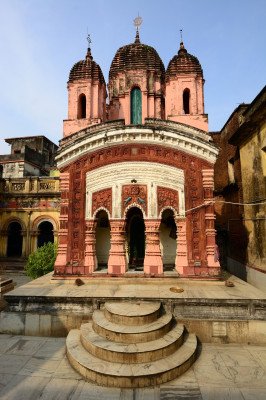
Hadal-Narayanpur
Some quick example text to build on the card title and make up the bulk of the card's content.
Go somewhere
Jhilimili & Sutan Forest
Some quick example text to build on the card title and make up the bulk of the card's content.
Go somewhere
Jor Bangla Temple
Some quick example text to build on the card title and make up the bulk of the card's content.
Go somewhere
Jor Mandir Complex
Some quick example text to build on the card title and make up the bulk of the card's content.
Go somewhere
Jorbangla Temple
Some quick example text to build on the card title and make up the bulk of the card's content.
Go somewhere
Joypur Forest
Some quick example text to build on the card title and make up the bulk of the card's content.
Go somewhere
Kalachand Temple
Some quick example text to build on the card title and make up the bulk of the card's content.
Go somewhere
Kamarpukur
Some quick example text to build on the card title and make up the bulk of the card's content.
Go somewherein Other Cities