...

FAQs On Pancha Ratna Temple

Bishnupur, West Bengal, India
The Pancha Ratna Temple, also famously known as Shyam Rai Temple, is one of the most celebrated and intricately carved temples in Bishnupur. Its name, "Pancha Ratna," means "five gems," referring to its five spires or pinnacles. Built in 1643 CE by Malla King Raghunath Singha, this temple is a shini ng example of the Pancha-Ratna style of architecture. The temple is dedicated to Lord Krishna and Radha, who are worshipped here in the form of Shyam and Rai. The temple is a square structure built on a low laterite platform. What truly sets it apart is its profusely decorated exterior and interior, covered with some of the most detailed and sophisticated terracotta art found in Bishnupur. The carvings depict a wide array of mythological, religious, and social scenes, making it a visual chronicle of the Malla dynasty's golden age. The temple's location within a well-maintained garden adds to its beauty and serene ambiance.

Ans:- The Pancha Ratna Temple, also famously known as the Shyam Rai Temple, was commissioned and built by the Malla King Raghunath Singha in the year 1643. As the grandson of the renowned King Bir Hambir, Raghunath Singha played a pivotal role in the architectural development of Bishnupur, and this temple stands as a testament to his patronage of the arts and his dedication to constructing exquisite religious structures that define the unique medieval Bengali architectural style that remains celebrated today.

Ans:- The name Pancha Ratna literally translates from Bengali to mean "five gems." This designation refers to the distinctive architectural design of the temple, which features five distinct towers or pinnacles (churas) rising from its roof. The four corner towers are square-shaped, while the central tower is octagonal and taller than the others, collectively creating the iconic five-gem silhouette that gives the structure its name and makes it a landmark example of the ratna-style temple architecture developed during the medieval period in Bengal.

Ans:- The temple is primarily dedicated to the worship of Lord Krishna and his divine consort, Radha. In the local dialect and tradition, the deity is referred to as "Shyam" (a name for Krishna) and "Rai" (a name for Radha), which is why the temple is popularly known as the Shyam Rai Temple. Devotees visit the site to pay homage to these deities, whose lives and divine love are intricately depicted through the elaborate terracotta carvings that cover the interior and exterior walls of this historic structure.

Ans:- The temple is a classic representation of the Pancha-ratna architectural style, which is a significant subset of the broader terracotta temple architecture of Bengal. It is built on a square plinth with an ambulatory path for circumambulation. The roof is of the curved "chala" type, a hallmark of Bengali architecture, which supports the five pinnacles. The entire structure is crafted from locally available clay bricks, which are then meticulously clad with terracotta tiles, showcasing a sophisticated fusion of structural engineering and intricate decorative artistry that defines the Malla dynasty's legacy.

Ans:- The exterior and interior walls of the Shyam Rai Temple are renowned for their high-quality terracotta panels, which narrate various mythological and historical themes. These carvings vividly depict scenes from the life of Lord Krishna, famously known as Krishna-lila, as well as episodes from the Indian epics, the Ramayana and the Mahabharata. Additionally, the walls feature delicate floral designs, geometric patterns, and scenes representing the daily life and culture of the medieval period, offering an invaluable visual history of the artistic prowess of the Malla era artisans.

Ans:- Yes, the Pancha Ratna Temple is officially recognized and preserved as a monument of national importance by the Archaeological Survey of India (ASI). This protection ensures the conservation of the structure, which is vital given the fragile nature of the terracotta tiles that adorn the building. Through the efforts of the ASI, the temple is maintained with a surrounding lawn and managed as a cultural heritage site, allowing visitors to appreciate the grandeur of the 17th-century craftsmanship while ensuring that these irreplaceable artistic treasures are safeguarded for future generations to study and enjoy.

Ans:- The temple is designed on a square plan, with each of its four sides measuring approximately 11.4 meters (about 37 feet) in length. From the base, the highest point of the central octagonal tower reaches a height of about 10.7 meters (35 feet). These dimensions provide the temple with a balanced and compact appearance that, while modest in size, achieves a monumental aesthetic through its rhythmic arches, symmetrical towers, and the dense concentration of decorative terracotta artwork that blankets every available surface of the exterior and interior walls.

Ans:- The roof of the Shyam Rai Temple is a remarkable example of the "chala" style, which features curved eaves that mimic the traditional thatched-roof huts of rural Bengal. Above this curved base sit the five towers. A unique feature is that while the four corner towers consist of single-story structures, the central tower is built in two levels, resembling an "8-Chala" design, and is capped with a smooth, rounded brick dome. This variation in tower construction distinguishes it from other temples and highlights the experimental and innovative spirit of the architects who built it in 1643.

Ans:- Yes, visitors are welcome to explore the temple premises. The structure includes an ambulatory pathway or a circumambulatory corridor that runs around the central sanctum, allowing devotees and tourists to walk around the interior to view the intricate terracotta carvings at close range. The porch areas on each of the four sides are opened by three multi-cusped arched gateways, which provide natural light and airflow into the interior chambers, creating an atmospheric experience that enhances the spiritual and historical significance of the site for every person who walks through its historic gates.

Ans:- The entire structure of the Pancha Ratna Temple is constructed from locally sourced clay bricks. After the primary structure was laid, the artisans clad the exterior and interior surfaces with high-quality burnt clay, commonly known as terracotta tiles. This choice of material was highly practical as well as aesthetic; the local soil provided abundant clay, and the craftsmanship involved in firing and carving these tiles allowed the Malla kings to create a lasting legacy of art that has survived for over four centuries despite the tropical climate and the passage of time.

Ans:- The best time to visit the Pancha Ratna Temple is during the early morning or late afternoon. During these hours, the sunlight hits the terracotta carvings at an angle, which emphasizes the depth and detail of the relief work, making it perfect for photography and detailed observation. Furthermore, visiting during these times avoids the intense heat of the midday sun, providing a more comfortable experience. The temple grounds are well-maintained and peaceful, so arriving when it is less crowded allows for a more reflective and immersive visit to this historic site.

Ans:- Bishnupur is well-connected by both train and road to Kolkata and other major cities in West Bengal. Once you arrive in the town of Bishnupur, the Pancha Ratna Temple is easily accessible by local rickshaws or e-rickshaws, which are the primary modes of transport for tourists navigating the various heritage sites. Most local drivers are familiar with the temple's location. Since Bishnupur is a compact town with many historical sites located relatively close to one another, you can also consider hiring a local guide or vehicle for a full-day tour to cover all major attractions.

Ans:- Generally, the government-protected historical monuments in Bishnupur, including the Pancha Ratna Temple, may have a nominal entry fee for visitors, which is used for the maintenance and preservation of the site. It is advisable to carry some small change for these fees. For foreign nationals, the entry fee is often higher than for domestic tourists. It is also recommended to check the current regulations or the official Archaeological Survey of India website for any updates on ticket prices or photography policies before you plan your visit to ensure a smooth and hassle-free experience.

Ans:- Photography is generally permitted within the premises of the Pancha Ratna Temple for personal use, allowing visitors to capture the stunning terracotta work and the unique architecture of the structure. However, it is essential to be respectful of the site and avoid using flash photography inside the temple chambers, as the intense light can potentially damage the delicate antique surfaces over time. Always check for signs regarding specific prohibitions on tripods or professional equipment, and be mindful of other visitors to ensure that your photography does not obstruct anyone else's experience at this historic place.

Ans:- While there may not always be official government-appointed guides standing directly inside the temple, the town of Bishnupur has a vibrant tourism ecosystem. You will frequently find local guides near the main parking areas or tourist information spots who are well-versed in the history of the Malla dynasty and the specific architectural details of the Shyam Rai Temple. Hiring a licensed or recommended local guide can significantly enhance your visit, as they can explain the nuances of the terracotta panels and the historical context that you might otherwise miss on your own.
Information about New and Updated Locations() of West Bengal Has Been Added :-
Card subtitle

Note:-

Information provided here in good Faith and for reference only.

Near Places
...
Acharya Jogesh Chandra Museum

Some quick example text to build on the card title and make up the bulk of the card's content.

Go somewhere

...
Big Stone Gateway

Some quick example text to build on the card title and make up the bulk of the card's content.

Go somewhere

...
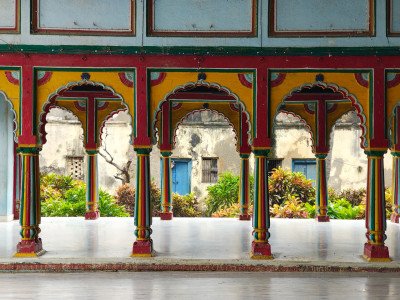
Bishnupur Mela Ground

Some quick example text to build on the card title and make up the bulk of the card's content.

Go somewhere
...
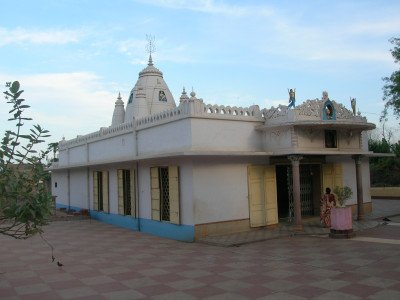
Bishnupur Rajbari

Some quick example text to build on the card title and make up the bulk of the card's content.

Go somewhere
...
Chhinnamasta Temple

Some quick example text to build on the card title and make up the bulk of the card's content.

Go somewhere
...
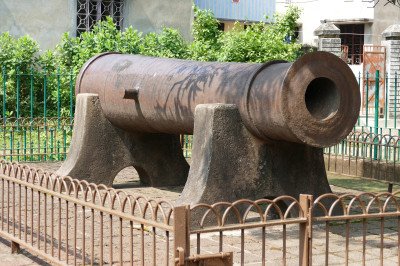
Dalmadal Cannon

Some quick example text to build on the card title and make up the bulk of the card's content.

Go somewhere

...
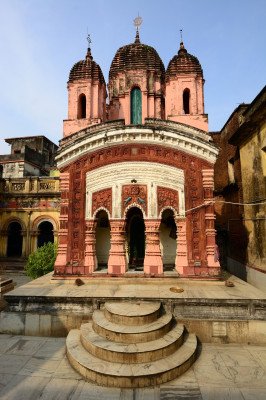
Garh Darwaja

Some quick example text to build on the card title and make up the bulk of the card's content.

Go somewhere
...
Gokul Chand Temple

Some quick example text to build on the card title and make up the bulk of the card's content.

Go somewhere

...
Hadal-Narayanpur

Some quick example text to build on the card title and make up the bulk of the card's content.

Go somewhere
...
Jhilimili & Sutan Forest

Some quick example text to build on the card title and make up the bulk of the card's content.

Go somewhere
...
Jor Bangla Temple

Some quick example text to build on the card title and make up the bulk of the card's content.

Go somewhere
...
Jor Mandir Complex

Some quick example text to build on the card title and make up the bulk of the card's content.

Go somewhere
...
Jorbangla Temple

Some quick example text to build on the card title and make up the bulk of the card's content.

Go somewhere
...
Joypur Forest

Some quick example text to build on the card title and make up the bulk of the card's content.

Go somewhere
...
Kalachand Temple

Some quick example text to build on the card title and make up the bulk of the card's content.

Go somewhere
...
Kamarpukur

Some quick example text to build on the card title and make up the bulk of the card's content.

Go somewhere
in Other Cities