...

FAQs On Panchmura Village

Bishnupur, West Bengal, India
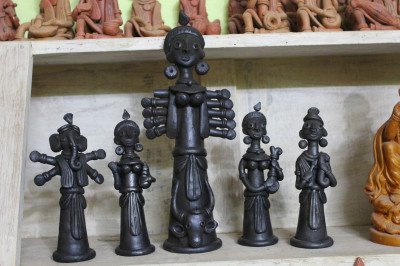
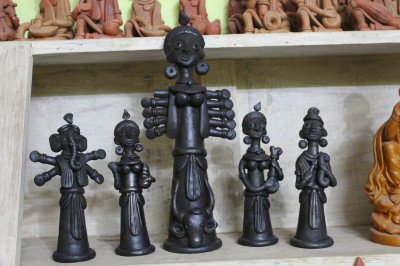
Panchmura is the artistic heart of the Bankura district, globally famous for its terracotta craft. It is the birthplace of the iconic Bankura Horse, which is now the national symbol for Indian handicrafts. The entire village is inhabited by the Kumbhakar (potter) community, where every doorstep is a workshop. As you walk through the narrow lanes, you will see thousands of terracotta figurines, from tiny horses to massive four-foot-tall idols, drying in the sun. The craft here is hereditary, passed down through generations with no formal training but immense manual skill. The artisans use a special type of clay called Etel Mati, sourced from local ponds, and fire their creations in traditional kilns. Apart from horses, they are famous for Manasa Chali (the shrine of the snake goddess) and intricate wall panels. The village offers a raw, behind-the-scenes look at how the terracotta items sold in big city boutiques are actually made. It is not just a shopping destination but a living museum of an ancient folk art form that has survived modern industrialization.

Ans:- Accommodation options in Panchmura itself are very limited and mostly consist of basic homestays. Most tourists prefer to stay in Bishnupur town, which offers a variety of hotels and government lodges, and visit Panchmura as a day trip. However, staying in a homestay can provide a more immersive experience of rural Bengali life.

Ans:- In many home-based workshops, prices are somewhat negotiable, but it is encouraged to pay a fair price to support the artisans. Large showrooms in the village may have fixed prices. Generally, the costs are much lower than what you would find in urban boutiques or international export houses, making it a bargain for tourists.

Ans:- Panchmura is located approximately 22 to 25 kilometers from Bishnupur. The most convenient way to reach the village is by hiring a private taxi or an auto-rickshaw from Bishnupur station or the bus stand. The journey takes about 45 minutes through a scenic rural landscape, making it an ideal half-day excursion for art lovers.

Ans:- The artisans of Panchmura celebrate "Chaka Puja" or the worship of the potter’s wheel, usually in mid-May. During the month of Baisakh, the wheel remains idle as a mark of respect. This religious connection highlights that pottery is not just a profession for them but a sacred tradition deeply intertwined with their spiritual and daily lives.

Ans:- The artisans use a specific type of clay known as "Etel Mati," which is sourced from local ponds and fields by digging several feet underground. This clay is highly plastic and durable, allowing the craftsmen to create large structures like the 4-foot tall Bankura horses without the clay cracking during the drying or firing process.

Ans:- The Bankura Horse originated as a ritualistic offering to local deities like Dharmaraj. Over centuries, its long ears and graceful neck became a symbol of Indian handicrafts worldwide. These horses are handcrafted using local "Etel Mati" clay and fired in traditional kilns, representing a unique blend of tribal tradition and sophisticated artistic evolution.

Ans:- The Bankura Horse was chosen as the logo because it perfectly represents the elegance, simplicity, and ancient heritage of Indian folk art. Its unique proportions—the towering neck and stylized body—make it instantly recognizable. It serves as a tribute to the anonymous rural craftsmen of Panchmura who have kept this heritage alive for centuries.

Ans:- The best time to visit is during the winter months, from October to March, when the weather is pleasant for outdoor exploration. Avoid the monsoon season, as the potters cannot dry their clay models in the rain, and many kilns remain closed, meaning you might not see the full production cycle during your visit.

Ans:- The village is inhabited by families belonging to the "Kumbhakar" (potter) community. Almost every household is involved in the craft, including women and children. This family-based tradition ensures that the secret techniques of clay mixing and firing are passed down orally and through practice, maintaining the high quality and artistic integrity of their work.

Ans:- Visitors can purchase a wide variety of items ranging from the classic Bankura Horse and Manasa Chali (serpent deity) to modern home decor. The village shops offer terracotta jewelry, wall hangings, flower vases, and miniature temple replicas. Buying directly from the artisans ensures authenticity and provides much-needed financial support to the local craft community.

Ans:- While the craft remains famous, the number of active artisans has dwindled over the years due to economic challenges and competition from plastic goods. However, recent government initiatives and increased tourism have provided a boost. Many young artisans are now experimenting with contemporary designs to make their traditional craft more relevant to modern urban home decor markets.

Ans:- While there are no formal "schools," many master craftsmen are open to teaching interested visitors the basics of clay modeling for a small fee. It is best to coordinate through a local guide or contact the village craft society in advance if you wish to spend a few hours learning the rhythmic movement of the wheel.

Ans:- Yes, tourists visiting Panchmura can walk through the narrow lanes and watch artisans at work in their home courtyards. Most potters are welcoming and will demonstrate the process of clay refining, hand-molding, and the intricate joining of parts like the neck and legs, offering a deep insight into the manual labor involved.
Information about New and Updated Locations() of West Bengal Has Been Added :-
Card subtitle

Note:-

Information provided here in good Faith and for reference only.

Near Places
...
Acharya Jogesh Chandra Museum

Some quick example text to build on the card title and make up the bulk of the card's content.

Go somewhere

...
Big Stone Gateway

Some quick example text to build on the card title and make up the bulk of the card's content.

Go somewhere
...
Bishnupur Mela Ground

Some quick example text to build on the card title and make up the bulk of the card's content.

Go somewhere
...
Bishnupur Rajbari

Some quick example text to build on the card title and make up the bulk of the card's content.

Go somewhere
...
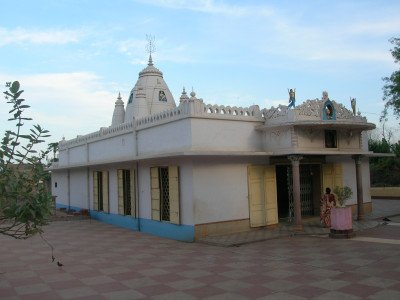
Chhinnamasta Temple

Some quick example text to build on the card title and make up the bulk of the card's content.

Go somewhere
...
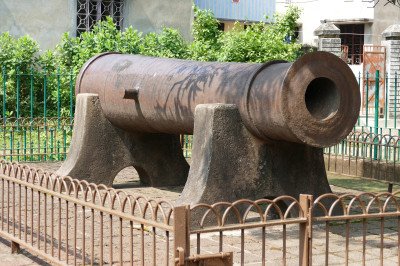
Dalmadal Cannon

Some quick example text to build on the card title and make up the bulk of the card's content.

Go somewhere

...
Garh Darwaja

Some quick example text to build on the card title and make up the bulk of the card's content.

Go somewhere
...
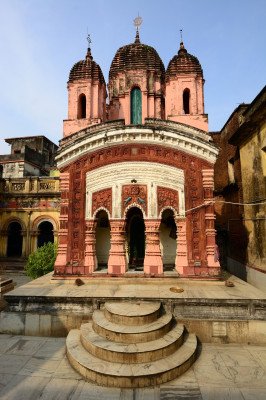
Gokul Chand Temple

Some quick example text to build on the card title and make up the bulk of the card's content.

Go somewhere
...
Hadal-Narayanpur

Some quick example text to build on the card title and make up the bulk of the card's content.

Go somewhere
...
Jhilimili & Sutan Forest

Some quick example text to build on the card title and make up the bulk of the card's content.

Go somewhere
...
Jor Bangla Temple

Some quick example text to build on the card title and make up the bulk of the card's content.

Go somewhere
...
Jor Mandir Complex

Some quick example text to build on the card title and make up the bulk of the card's content.

Go somewhere
...
Jorbangla Temple

Some quick example text to build on the card title and make up the bulk of the card's content.

Go somewhere
...
Joypur Forest

Some quick example text to build on the card title and make up the bulk of the card's content.

Go somewhere
...
Kalachand Temple

Some quick example text to build on the card title and make up the bulk of the card's content.

Go somewhere
...
Kamarpukur

Some quick example text to build on the card title and make up the bulk of the card's content.

Go somewhere
in Other Cities