...

FAQs On Radhashyam Temple

Bishnupur, West Bengal, India
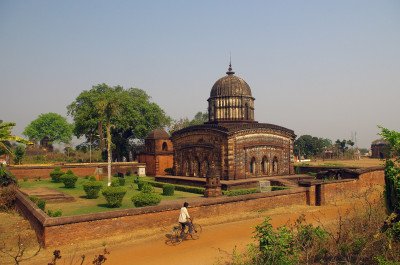
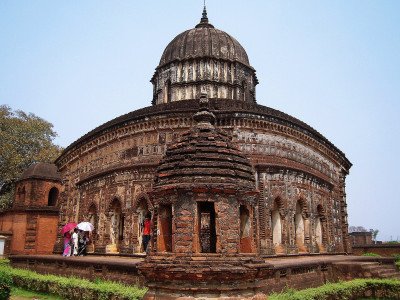
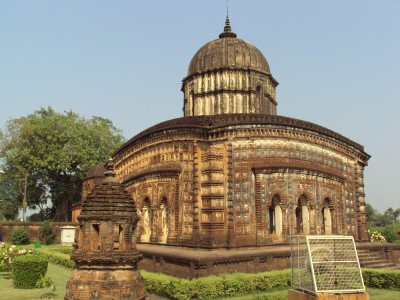
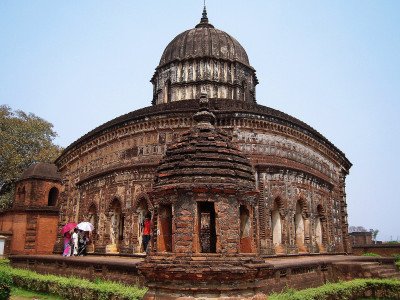
The Radhashyam Temple is another significant monument in the Bishnupur temple trail, dedicated to Lord Krishna (Shyam) and Radha. It was constructed much later in the history of Malla rule, built by King Chaitanya Singha in 1758 CE. This makes it one of the last major Eka-Ratna style temples constru cted in the region. Unlike the earlier brick temples, the Radhashyam Temple is built of laterite stone, but it features prominent stucco decorations on its low-relief carvings, suggesting a shift in preferred ornamentation style over time. The temple stands within a walled courtyard with a unique gateway structure. Like the Radha Laljiu Temple, it is considered a living shrine, housing the images of Radha-Shyam along with Nityananda and Chaitanya, and drawing a continuous flow of devotees.

Ans:- The Radhashyam Temple was constructed in 1758 CE by King Chaitanya Singha Dev, who was the 56th ruler of the Malla dynasty. It is widely recognized as the youngest of the great temples in Bishnupur and is considered one of the final significant architectural achievements of the Malla kings. By the time of its construction, the architectural styles of the region had evolved, and this temple showcases advanced techniques that distinguish it from the earlier, more traditional terracotta structures that characterize the earlier centuries of the Bishnupur temple-building boom.

Ans:- This temple is a prominent example of the Eka-Ratna style, which features a single, dome-shaped tower or ratna rising above a square sanctum. Unlike the older terracotta temples which often relied on complex, multi-tiered corbelled arches, the Radhashyam Temple incorporates more advanced structural elements like cross-vaults and cusped arches. Its design is similar to the Madan Mohan Temple, featuring a square plinth of about 11.1 meters and a height of 10.7 meters. The use of stucco, known as 'pankha', for surface ornamentation over laterite stone is a notable decorative feature of this period.

Ans:- The temple is famous for its exquisite stucco ornamentation, which is a blend of lime and clay. These decorations are found on the base friezes and along the sides of the arched openings, featuring detailed stucco figures fixed within square blocks. Because the ornamentation within the porches is sheltered, it remains exceptionally well-preserved compared to exterior works that have been weathered by time. These intricate details tell mythological stories and depict scenes of daily life, providing a rich visual narrative that complements the spiritual significance of the temple's presiding deities, Radha and Krishna.

Ans:- Yes, the gateway to the Radhashyam Temple is unique because it juxtaposes two different building traditions. While the temple itself is built of stone, it is enclosed by a traditional, two-level terracotta brick gateway. This gateway features a triple-arched passage with cusped arches and serves as a beautiful introduction to the main temple complex. This blend of stone and terracotta brick architecture is a testament to the versatility of the artisans of the era, who were capable of combining different materials and styles to create a visually impressive and historically layered monument.

Ans:- The temple is dedicated to the divine couple, Sri Krishna and Sri Radha, who were the primary objects of devotion for the Malla kings. The temple was built to provide a larger and more accessible space for viewing the deities, especially during major festivals, reflecting the king's desire to facilitate communal worship. The image of the deities within the sanctum is a central focus for both pilgrims and tourists, and the architecture of the spire, topped with a semi-spherical dome and a Kalasha, was specifically designed to enhance the visibility of these sacred images from a distance.

Ans:- As the youngest temple among the famous group in Bishnupur, the Radhashyam Temple represents the pinnacle of the Malla dynasty's architectural evolution. While earlier temples like the Rasmancha or the Shyam Rai temple are known for their distinct terracotta brickwork and specific styles like the Pancharatna or Rasmancha design, the Radhashyam Temple exhibits a move toward stone construction and refined stucco work. Its advanced architecture and the inclusion of elements like cusped arches signify the changing influences and craftsmanship techniques that emerged by the mid-18th century in the kingdom of Mallabhum.

Ans:- Pankha' is a traditional blend of clay and lime used as a medium for artistic expression on the exterior walls of the temples. In the Radhashyam Temple, this material was used to create detailed sculptures and ornamental patterns that are more durable than simple clay reliefs. This technique allowed the artisans to create crisp, high-relief images that have survived for centuries. The use of stucco shows the sophistication of the architectural finishing of the time, allowing for more intricate and refined surface designs that were highly valued by the royal patrons who commissioned these grand structures.

Ans:- Yes, the Radhashyam Temple is enclosed within a quiet, walled compound that often features garden space. This creates a peaceful environment that contrasts with the bustling town outside, allowing visitors to appreciate the temple's beauty in a serene setting. The presence of the enclosure wall not only adds to the aesthetic appeal but also has historically served to protect the temple premises. The garden area provides a lovely vantage point for photography and a calm space for quiet contemplation, which is highly appreciated by those visiting the site for spiritual or historical study.

Ans:- The Radhashyam Temple is open for tourism throughout the year, as it is a major heritage site under local and potentially government oversight. Visitors can visit at any time, but it is best to avoid the extreme heat of the summer months. Like other sites in Bishnupur, the temple can be visited conveniently as part of a larger tour. Always check for local events or festivals, as these can impact visiting hours or accessibility, but generally, the temple is ready to welcome history enthusiasts and pilgrims alike during regular daylight hours.

Ans:- The most convenient way to reach the Radhashyam Temple is by hiring a local Toto from the Bishnupur town center or the railway station. Since the site is a well-known landmark, almost all local drivers are familiar with its location. The town’s heritage sites are clustered in a way that allows for easy day trips, and your driver can wait for you while you explore the temple grounds. Walking is also an option if you are staying near the central town area, but a vehicle is much faster for covering multiple sites in a single afternoon.

Ans:- Yes, the Radhashyam Temple is located near other significant monuments, such as the Madan Mohan Temple, which is about 1 kilometer away. The cluster of temples in Bishnupur means that visitors can easily plan a route to see multiple sites in one day. Nearby attractions include the historical Rasmancha, the Shyam Rai Temple, and the various terracotta museums. Exploring these places in sequence gives a comprehensive overview of the Malla dynasty's architectural and cultural achievements, making it a perfect destination for those interested in the history of medieval Bengal.

Ans:- Generally, photography is permitted in the open-air temple complex, allowing visitors to capture the beauty of the architecture, the intricate stucco work, and the surrounding scenery. However, it is always respectful to avoid taking photographs inside the inner sanctum where the deities are kept, as this is a sacred space for active worship. Always look for signage or ask local attendants if there are any specific restrictions on professional equipment or photography in particular areas of the temple complex to ensure that you are respecting the site's rules and religious traditions.

Ans:- The Malla kings of Bishnupur, also known as the rulers of Mallabhum, were famous for their patronage of art, architecture, and music. They ruled for over a thousand years, turning their kingdom into a prominent cultural hub in West Bengal. They were particularly devout followers of Vaishnavism, which inspired the construction of dozens of magnificent temples throughout the region. Their legacy is preserved today through these iconic structures, which stand as enduring symbols of their historical influence and their deep dedication to preserving the traditional religious and cultural life of the people they governed for many generations.

Ans:- The term 'Eka-Ratna' refers to the architectural style of a single-towered temple. In the context of Bishnupur architecture, 'ratna' implies a pinnacle or a tower that sits on the roof of a temple, and 'eka' means one. Therefore, an Eka-Ratna temple is characterized by one main central spire or dome. This style became very popular in medieval Bengal as it provided a distinct and visually striking silhouette. The Radhashyam Temple is a prime example, where this single tower serves as the crown of the building, housing the deity and creating a majestic religious focal point for the city.

Ans:- While there may not always be official guides stationed specifically at the Radhashyam Temple, many tourists hire local guides from the main tourist office or ask their taxi/Toto driver to provide context. These local experts are often very knowledgeable about the history of the Malla dynasty, the architectural nuances of the various temples, and the stories behind the carvings. Having a guide can significantly enhance your experience, as they can point out specific details in the stucco work and explain the significance of the temple's construction within the broader history of Bishnupur.
Information about New and Updated Locations() of West Bengal Has Been Added :-
Card subtitle

Note:-

Information provided here in good Faith and for reference only.

Near Places
...
Acharya Jogesh Chandra Museum

Some quick example text to build on the card title and make up the bulk of the card's content.

Go somewhere

...
Big Stone Gateway

Some quick example text to build on the card title and make up the bulk of the card's content.

Go somewhere
...
Bishnupur Mela Ground

Some quick example text to build on the card title and make up the bulk of the card's content.

Go somewhere
...
Bishnupur Rajbari

Some quick example text to build on the card title and make up the bulk of the card's content.

Go somewhere
...
Chhinnamasta Temple

Some quick example text to build on the card title and make up the bulk of the card's content.

Go somewhere
...
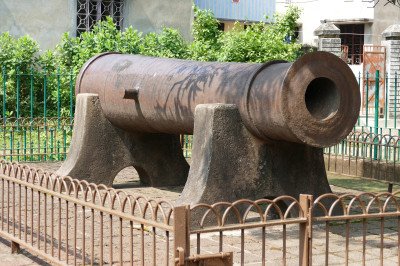
Dalmadal Cannon

Some quick example text to build on the card title and make up the bulk of the card's content.

Go somewhere

...
Garh Darwaja

Some quick example text to build on the card title and make up the bulk of the card's content.

Go somewhere
...
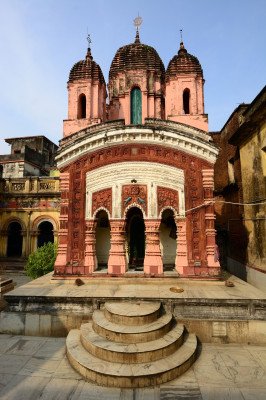
Gokul Chand Temple

Some quick example text to build on the card title and make up the bulk of the card's content.

Go somewhere

...
Hadal-Narayanpur

Some quick example text to build on the card title and make up the bulk of the card's content.

Go somewhere
...
Jhilimili & Sutan Forest

Some quick example text to build on the card title and make up the bulk of the card's content.

Go somewhere
...
Jor Bangla Temple

Some quick example text to build on the card title and make up the bulk of the card's content.

Go somewhere
...
Jor Mandir Complex

Some quick example text to build on the card title and make up the bulk of the card's content.

Go somewhere
...
Jorbangla Temple

Some quick example text to build on the card title and make up the bulk of the card's content.

Go somewhere
...
Joypur Forest

Some quick example text to build on the card title and make up the bulk of the card's content.

Go somewhere
...
Kalachand Temple

Some quick example text to build on the card title and make up the bulk of the card's content.

Go somewhere
...
Kamarpukur

Some quick example text to build on the card title and make up the bulk of the card's content.

Go somewhere
in Other Cities