

Mahmud Khilji's Tomb
General information
-
Ideal Duration:
30 minutes - 1 hour:Place Type:
Historical Ruins, Tomb, Architectural Complex:Entry Fees:
General Composite Ticket: Entry to the Mahmud Khilji's Tomb complex is included in the general composite ticket for the Central Group of Monuments. The ticket price is typically around INR 25 for Indian citizens and INR 300 for foreign tourists. This ticket covers the Ashr...General Composite Ticket: Entry to the Mahmud Khilji's Tomb complex is included in the general composite ticket for the Central Group of Monuments. The ticket price is typically around INR 25 for Indian citizens and INR 300 for foreign tourists. This ticket covers the Ashrafi Mahal and Hoshang Shah's Tomb as well.
Separate Fee for Climbing: There is usually no separate fee to climb the remaining portions of the Ashrafi Mahal tower, but visitors must exercise caution due to the ruined nature of the stairs and platforms.
Guide Services: A local guide can be hired from the area, and their charges are separate. A guide's narrative is especially important here because the monument's significance lies in its 'ruined' history and what was intended, not just what remains.
No Video Camera Fee: Standard still photography and small video cameras are usually permitted without an extra fee. ()Timing:
Regular Timings: The monument and the surrounding Ashrafi Mahal complex are generally open from Sunrise (around 6:00 AM) to Sunset (around 7:00 PM) on all days.
Ideal Visit Time: Early morning (6:00 AM to 9:00 AM) is the absolute best time. ...Regular Timings: The monument and the surrounding Ashrafi Mahal complex are generally open from Sunrise (around 6:00 AM) to Sunset (around 7:00 PM) on all days.
Ideal Visit Time: Early morning (6:00 AM to 9:00 AM) is the absolute best time. The soft morning light is ideal for photography of the ruined structures, and the site is much cooler before the sun hits the exposed brick and stone surfaces. Late afternoon (4:00 PM to Sunset) is also excellent for dramatic lighting.
Duration: Allocate approximately 1 hour to visit the tomb ruins, the Ashrafi Mahal ruins, and climb the tower, plus time for the adjacent Jami Masjid and Hoshang Shah's Tomb.
Central Location Benefit: Given its central location, it can be easily fitted into your itinerary either as a first morning stop or a late-afternoon stop before or after the main mosque visit. ()Special Events:
Local Remembrance Days: Being a tomb of a significant Sultan, the site occasionally hosts small, local religious or community gatherings on the anniversary of the Sultan's death (Urus) or other historical dates, though these are typically subdued affairs.
Read MoreLocal Remembrance Days: Being a tomb of a significant Sultan, the site occasionally hosts small, local religious or community gatherings on the anniversary of the Sultan's death (Urus) or other historical dates, though these are typically subdued affairs.
Heritage and Conservation Workshops: Due to its ruined state, the site is a frequent location for archaeological conservation work and workshops conducted by the ASI or university students, offering visitors a chance to see historical preservation in action.
Central Group Guided Tours: The Mahmud Khilji's Tomb complex is always a mandatory stop on official Mandu heritage tours and during the Mandu Festival, where its history is dramatically narrated for a large audience, often involving costumed reenactors. ()Best Photo Spots:
Framing the Jami Masjid from the Tower: The single best photo spot is from the remaining upper level of the Ashrafi Mahal victory tower, which perfectly frames the grand, repetitive domes of the nearby Jami Masjid.
Ruined Arches and Sky: Use...Framing the Jami Masjid from the Tower: The single best photo spot is from the remaining upper level of the Ashrafi Mahal victory tower, which perfectly frames the grand, repetitive domes of the nearby Jami Masjid.
Ruined Arches and Sky: Use the skeletal, ruined arches of the palace/tomb complex to frame the clear blue sky or the sunset, creating a powerful, evocative image of historical decay.
Close-up of the Cenotaphs: Capture a detailed close-up of the remaining cenotaphs and the surrounding marble fragments, focusing on the texture, age, and any surviving inscriptions.
Low-Angle Shot of the Plinth: A low-angle shot from the base of the colossal plinth emphasizes the sheer scale and monumental ambition of the original seven-storey structure. The texture of the old brickwork is highly photographic. ()Photo Gallery
Things To Do
-
Explore the Ashrafi Mahal Ruins: Dedicate time to thoroughly explore the ruins of the adjacent Ashrafi Mahal, the 'Palace of Gold Coins', and climb the remaining first floor of the victory tower for an excellent panoramic view of the Jami Masjid opposite.
Appreciate the Scale of the Plinth: Stand at the base of the massive plinth to fully appreciate the colossal scale and the monumental ambition of the original tomb complex, imagining the seven-storey structure that once stood there.
Capture the Architectural Contrast: The ruins of Mahmud Khilji's Tomb offer a powerful contrast to the perfectly preserved Jami Masjid across the road. Capture this historical juxtaposition in your photography—the power of decay versus the endurance of faith.
Examine the Marble Fragme...Explore the Ashrafi Mahal Ruins: Dedicate time to thoroughly explore the ruins of the adjacent Ashrafi Mahal, the 'Palace of Gold Coins', and climb the remaining first floor of the victory tower for an excellent panoramic view of the Jami Masjid opposite.
Appreciate the Scale of the Plinth: Stand at the base of the massive plinth to fully appreciate the colossal scale and the monumental ambition of the original tomb complex, imagining the seven-storey structure that once stood there.
Capture the Architectural Contrast: The ruins of Mahmud Khilji's Tomb offer a powerful contrast to the perfectly preserved Jami Masjid across the road. Capture this historical juxtaposition in your photography—the power of decay versus the endurance of faith.
Examine the Marble Fragments: Look closely at the scattered marble pieces and remnants of carved sandstone to observe the intricate craftsmanship and high-quality materials that were intended for this grand structure.
Historical Storytelling: Hire a guide to narrate the full history of the complex—from the Madarsa to the ambitious victory tower and finally to the tomb's destruction—to bring the pile of ruins to life through storytelling.
Spend Time Near the Cenotaphs: The site contains three main cenotaphs. Spend a moment of reflection near them to connect with the memory of the powerful Sultan who founded a major dynasty.
Photography of Decay and Drama: The ruined arches and crumbling walls offer dramatic, high-contrast, and aesthetically rich opportunities for photography, particularly at sunrise or sunset. ()
Information
-
Why Famous:
The Grandest Failure and Ambition: The tomb's fame lies in its history as the most ambitious, yet most ruined, structure in Mandu. It was intended to be more magnificent than any other tomb, a colossal symbol of the power of Mahmud Khilji, serving as both his final resting ...The Grandest Failure and Ambition: The tomb's fame lies in its history as the most ambitious, yet most ruined, structure in Mandu. It was intended to be more magnificent than any other tomb, a colossal symbol of the power of Mahmud Khilji, serving as both his final resting place and a seven-storeyed victory tower.
Historical Nexus: Its location directly opposite the Jami Masjid and adjacent to the Ashrafi Mahal makes it a crucial historical nexus. This complex was the political, religious, and academic heart of the Khilji capital, and its ruins tell a powerful story of Mandu's zenith and its fall.
The Legend of the Victory Tower: The legend of the seven-storeyed Sapt Manzila victory tower, built to commemorate the victory over the Rana of Mewar, is a key part of its appeal, even though only a fraction of the tower remains. The massive scale of the remaining plinth confirms the grandeur of the original vision.
The 'Palace of Gold Coins' (Ashrafi Mahal): The inclusion of the nearby Ashrafi Mahal, or 'Palace of Gold Coins' (which was first a college, then a seven-storey tower, then a palace), in this complex adds layers of fascinating folklore and intrigue to the site, suggesting a place of immense wealth and political drama. () -
Architecture:
Architectural Style and Original Grandeur: The tomb complex belongs to the final phase of Malwa Sultanate architecture, showcasing an extremely ambitious attempt to use expensive materials and a colossal scale, even incorporating elements of a victory tower (Sapt Manzila - S...Architectural Style and Original Grandeur: The tomb complex belongs to the final phase of Malwa Sultanate architecture, showcasing an extremely ambitious attempt to use expensive materials and a colossal scale, even incorporating elements of a victory tower (Sapt Manzila - Seven-Storeyed Tower).
Dimension and Scale: The remnants of the entire complex, including the tomb plinth and the ruins of the Ashrafi Mahal and the victory tower, are massive. The plinth alone is enormous, reflecting the colossal scale. The victory tower, of which only one story and the base remain, was intended to be seven stories high.
Material and Ornamentation: The structure prominently featured marble and fine sandstone, with intricate Persian and Arabic calligraphy on marble slabs (some fragments are preserved). The marble work and delicate carvings were meant to surpass the adjacent Hoshang Shah's Tomb. Remnants of the fine stucco work and geometric designs can still be observed. The tomb chamber itself, though now ruined, would have featured a grand dome and a highly ornamented interior. The sheer thickness of the remaining walls suggests the immense structural engineering involved in supporting the intended multi-storeyed monument. The current ruins mainly consist of the vast brick plinth and crumbling arches, offering a lesson in the transient nature of power. The structure represents the peak of Khilji ambition, attempting to merge a funerary monument with a victorious architectural statement. The site also includes the remains of the Madarsa, demonstrating the multi-functional nature of the complex. : () -
How To Reach:
By Air (The Indore Gateway): Tourists from outside Madhya Pradesh should fly to Indore's Devi Ahilyabai Holkar Airport (IDR), which is 100 kilometers away. From there, hire a reliable taxi or cab service to take you directly to Mandu (a comfortable 2. 5 to 3 hour drive).By Air (The Indore Gateway): Tourists from outside Madhya Pradesh should fly to Indore's Devi Ahilyabai Holkar Airport (IDR), which is 100 kilometers away. From there, hire a reliable taxi or cab service to take you directly to Mandu (a comfortable 2. 5 to 3 hour drive).
By Train (Via Indore): The most practical railway option is Indore Junction (INDB). From Indore, take a local bus or a hired taxi. The closest major city is well-connected by train to all parts of India.
By Road (Bus Stand Proximity): The tomb complex is exceptionally well-connected by road, being only about 200 meters from the main Mandu Bus Stand. State transport buses from Dhar and Indore are the most economical option, dropping you virtually at the doorstep of the monument.
By Local Transport in Mandu: Since the tomb is in the Central Group, which is easily walkable, you can cover this and other nearby monuments (Jami Masjid, Hoshang Shah's Tomb) on foot. For sites further afield (Rewa Kund or Royal Group), an auto-rickshaw or hired bicycle is recommended. () -
Weather and Best Time to Visit:
Different Seasons (Winter is Optimal): The cool and dry winter months of October to March are the most comfortable for exploring the sprawling, exposed ruins. The gentle sun is pleasant, and the sky is often clear, enhancing photography.
Differ...Different Seasons (Winter is Optimal): The cool and dry winter months of October to March are the most comfortable for exploring the sprawling, exposed ruins. The gentle sun is pleasant, and the sky is often clear, enhancing photography.
Different Seasons (Monsoon Drama): The monsoon brings a dramatic, mossy cover to the ruins, which is highly picturesque, but the uneven ground can be slippery and dangerous, especially on the tower stairs. Different Parts of the Day (Photographer's Delight): Early morning is best for exploring the ruins before the intense midday sun makes the exposed brickwork and rubble too hot to traverse. The shadows from the remaining arches are also longest and most dramatic at this time. () -
Near Tourist Places:
1. Jami Masjid (50m, Central Group)2. Hoshang Shah's Tomb (150m, Central Group)3. Ashrafi Mahal (Adjacent/10m, Central Group)4. Gada Shah's Shop and Palace (300m, Central Group)5. Hathi Mahal (4 KMS, Sagar Talao Group)6. Darya Khan's Tomb (4. 1 KMS, Sagar Talao Group)7. Jahaz Mahal (1. 7 KMS, Royal Group)8. Hindola Mahal (1. 8 KMS, Royal Group)9. Nilkanth Palace (4. 5 KMS, Nilkanth Group)10.
Lohani Caves (5 KMS, Royal Group vicinity):
Tourism Tips
-
Health & Safety (Caution on Ruins): Exercise extreme caution while climbing the remaining portions of the Ashrafi Mahal tower and while walking over the uneven plinth, as the ground is covered in loose stone and rubble. Wear sturdy, closed-toe shoes.
Read MoreHealth & Safety (Caution on Ruins): Exercise extreme caution while climbing the remaining portions of the Ashrafi Mahal tower and while walking over the uneven plinth, as the ground is covered in loose stone and rubble. Wear sturdy, closed-toe shoes.
Packing Essentials (Sturdy Footwear): Sturdy walking shoes are a must due to the uneven, rubble-strewn paths in this complex. Carry extra water, as the lack of shade makes dehydration a risk, even in winter.
Accommodation (Stay Central): Since this is the central hub of the ancient city, staying in a hotel or guesthouse near the Mandu Bus Stand or in the main village area offers the easiest access to this complex.
Respect the Ruins: Do not climb over the walls that are visibly crumbling, and respect the archaeological work being done. The ruins are fragile and must be preserved for future generations.
Reading Material: Carry a guidebook or read up on the history beforehand, as the 'tomb' is mostly ruins, and its importance is best understood through its narrative. ()Reviews
FAQs
Mandu Itineray And Cost:-
Mahmud Khilji's Tomb Tourism:-
Other Places In Mandu :-
Other States In India :-
Information about New and Updated Locations() of Madhya Pradesh Has Been Added :-
Card subtitle
Note:-
Information provided here in good Faith and for reference only.
Near Places
Alamgir Darwaza
Some quick example text to build on the card title and make up the bulk of the card's content.
Go somewhere
Ashrafi Mahal
Some quick example text to build on the card title and make up the bulk of the card's content.
Go somewhere
Bagh Caves
Some quick example text to build on the card title and make up the bulk of the card's content.
Go somewhere
Baz Bahadur's Palace
Some quick example text to build on the card title and make up the bulk of the card's content.
Go somewhere
Bhangi Darwaza
Some quick example text to build on the card title and make up the bulk of the card's content.
Go somewhere
Champa Baoli
Some quick example text to build on the card title and make up the bulk of the card's content.
Go somewhere
Dai ka Mahal
Some quick example text to build on the card title and make up the bulk of the card's content.
Go somewhere
Dai ki Chhoti Bahen ka Mahal
Some quick example text to build on the card title and make up the bulk of the card's content.
Go somewhere
Dai ki Chhoti Behan ka Mahal
Some quick example text to build on the card title and make up the bulk of the card's content.
Go somewhere
Darya Khan's Tomb
Some quick example text to build on the card title and make up the bulk of the card's content.
Go somewhere
Delhi Darwaza
Some quick example text to build on the card title and make up the bulk of the card's content.
Go somewhere
Delhi Gate
Some quick example text to build on the card title and make up the bulk of the card's content.
Go somewhere
Dharampuri
Some quick example text to build on the card title and make up the bulk of the card's content.
Go somewhere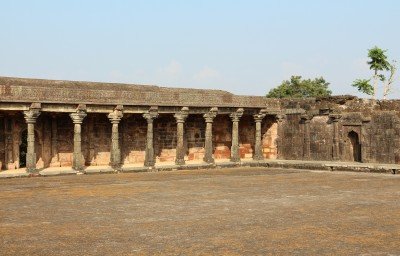
Dilawar Khan's Mosque
Some quick example text to build on the card title and make up the bulk of the card's content.
Go somewhere
Echo Point
Some quick example text to build on the card title and make up the bulk of the card's content.
Go somewhere
Eco Point
Some quick example text to build on the card title and make up the bulk of the card's content.
Go somewherein Other Cities