

Taveli Mahal
General information
-
Ideal Duration:
1 to 1.
5 Hours:Place Type:
Heritage, Museum, Functional Architecture:Entry Fees:
Indian Nationals: Rs.25 (The Mahal is part of the ticketed Royal Enclave/Central Group of Monuments).
Foreign Nationals: Rs.300 (The Mahal is part of the ticketed Royal Enclave).
Museum Fee: The entry fee to the...Indian Nationals: Rs.25 (The Mahal is part of the ticketed Royal Enclave/Central Group of Monuments).
Foreign Nationals: Rs.300 (The Mahal is part of the ticketed Royal Enclave).
Museum Fee: The entry fee to the entire complex usually covers the entry to the museum housed within the Taveli Mahal.
Note: The fee is the consolidated ASI ticket for the Central Group, which also includes Jahaz Mahal, Hindola Mahal, etc.
:Timing:
Regular Timings: 8:30 AM to 5:30 PM (Standard ASI Museum hours).
Ideal Visit Time: Mid-Morning (9:30 AM - 11:00 AM) right after or before visiting the Jahaz Mahal, as the light is good for photography outside and the interior is cool for mus...Regular Timings: 8:30 AM to 5:30 PM (Standard ASI Museum hours).
Ideal Visit Time: Mid-Morning (9:30 AM - 11:00 AM) right after or before visiting the Jahaz Mahal, as the light is good for photography outside and the interior is cool for museum exploration.
:Special Events:
Archaeological Excavation Display: The museum often hosts temporary displays or special lectures/workshops coinciding with World Heritage Week or other major archaeological events, showcasing recent finds from the Mandu region.
Local Art and Cra...Archaeological Excavation Display: The museum often hosts temporary displays or special lectures/workshops coinciding with World Heritage Week or other major archaeological events, showcasing recent finds from the Mandu region.
Local Art and Craft Exhibits: Occasionally, local artists or artisans are given space to display or sell their work outside the Mahal, turning the courtyard into a temporary market/exhibit space.
:Best Photo Spots:
Jahaz Mahal View: The view of the magnificent Jahaz Mahal and Kapoor Lake from the vantage point of the Taveli Mahal or its immediate surroundings.
Facade with Arches: Capturing the simple, elegant symmetry of the Mahal's facade with its rep...Jahaz Mahal View: The view of the magnificent Jahaz Mahal and Kapoor Lake from the vantage point of the Taveli Mahal or its immediate surroundings.
Facade with Arches: Capturing the simple, elegant symmetry of the Mahal's facade with its repeated arched openings, especially when the light is low and soft.
Artifact Close-ups: Close-up photographs of the intricate Hindu sculptures and Persian inscriptions within the museum (check if photography is permitted for artifacts). (Approx.
):Photo Gallery
Things To Do
-
Explore the ASI Museum: Spend the majority of your time examining the diverse collection of artifacts, especially the 11th-12th century Hindu sculptures and the inscribed stone slabs, to understand Mandu's deep history.
Photography of the Facade: Capture the beautiful, strong facade of the structure, using the simple arches and the surrounding greenery as a frame. It is considered a photographer's paradise, especially during the Monsoon.
View the Jahaz Mahal Complex: Use the upper-storey openings to get a unique, slightly elevated view of the neighboring Jahaz Mahal and Kapoor Lake.
Historical Context Study: Read the interpretive panels provided by the ASI to fully grasp the significance of the artifacts displayed, from pottery to weaponry.
Read MoreExplore the ASI Museum: Spend the majority of your time examining the diverse collection of artifacts, especially the 11th-12th century Hindu sculptures and the inscribed stone slabs, to understand Mandu's deep history.
Photography of the Facade: Capture the beautiful, strong facade of the structure, using the simple arches and the surrounding greenery as a frame. It is considered a photographer's paradise, especially during the Monsoon.
View the Jahaz Mahal Complex: Use the upper-storey openings to get a unique, slightly elevated view of the neighboring Jahaz Mahal and Kapoor Lake.
Historical Context Study: Read the interpretive panels provided by the ASI to fully grasp the significance of the artifacts displayed, from pottery to weaponry.
Compare Architecture: Study the Taveli Mahal's functional architecture in contrast with the elaborate royal palaces like Jahaz Mahal nearby, gaining insight into the different structural purposes within the Royal Complex.
Rest and Reflect: Utilize the building's original function as a 'rest house' (for visitors today) to take a break after exploring the nearby Jahaz Mahal complex.
:
Information
-
Why Famous:
Stable to Museum Transformation: It is famous for its unique history as a royal stable and guardhouse that was successfully converted into a modern museum, preserving and displaying Mandu's archaeological findings.
Key Location: Its location...Stable to Museum Transformation: It is famous for its unique history as a royal stable and guardhouse that was successfully converted into a modern museum, preserving and displaying Mandu's archaeological findings.
Key Location: Its location within the main Royal Enclave (right near the famous Jahaz Mahal) makes it a mandatory and easily accessible stop for all tourists visiting the central group of monuments.
Archaeological Riches: It is the only place in Mandu where visitors can see a curated collection of sculptures, pottery, and inscriptions spanning the region's history from the Parmar to the Mughal periods.
: -
Architecture:
Architectural Style: A prime, functional example of early Malwa/Indo-Islamic architecture. The style is robust and utilitarian, characterized by strong red sandstone construction and a lack of excessive ornamentation.
Design and Function: T...Architectural Style: A prime, functional example of early Malwa/Indo-Islamic architecture. The style is robust and utilitarian, characterized by strong red sandstone construction and a lack of excessive ornamentation.
Design and Function: The two-storey structure features simple yet elegant arched openings along its exterior. The ground floor was designed with high ceilings and open spaces suitable for housing large animals (horses/elephants) and guards. The upper floor likely served as quarters or storage.
Repurposing for Museum: The building's structural integrity allowed for its conversion into the ASI Museum, with the spacious interior now housing archaeological exhibits. The architecture reflects minimal ornamentation, focusing instead on structural strength and practical utility.
Dimension (Verticality/Facades): The structure is two storeys high, providing an elevated viewing position. Its facade is a prominent element in the Royal Enclave, standing proudly near the Jahaz Mahal. (Approx.
): -
How To Reach:
By Air: Nearest airport is Devi Ahilya Bai Holkar Airport (IDR) in Indore (Approx. 100 KMS). From Indore, hire a taxi or bus.
By Train: Nearest major railhead is Indore Junction (INDB) or Ratlam Junction (RTM) (Approx. 100-120 KMS). From...By Air: Nearest airport is Devi Ahilya Bai Holkar Airport (IDR) in Indore (Approx. 100 KMS). From Indore, hire a taxi or bus.
By Train: Nearest major railhead is Indore Junction (INDB) or Ratlam Junction (RTM) (Approx. 100-120 KMS). From the station, take a bus or pre-booked taxi to Mandu.
By Road: Mandu is well-connected by road to Dhar (35 KMS) and Indore (100 KMS). Private cabs or state/private buses run regularly. From the main Mandu Bus Stand/City Center, the Taveli Mahal is one of the closest and most accessible sites, located in the central group (approx. 1. 5 KMS).
By Local Transport: The monument is close enough to walk to from the main Bus Stand area, but auto-rickshaws are the most common transport for monument-hopping. Bicycles are also an excellent option for exploring the central group.
: -
Weather and Best Time to Visit:
Different Types of Seasons: Winter (October to March) is the Best Time to Visit for a pleasant exploration of the entire Royal Enclave. Monsoon (July to September) is also beautiful, with green surroundings. Avoid Summer due to heat.
Different...Different Types of Seasons: Winter (October to March) is the Best Time to Visit for a pleasant exploration of the entire Royal Enclave. Monsoon (July to September) is also beautiful, with green surroundings. Avoid Summer due to heat.
Different Parts of the Day: Morning or Late Afternoon for optimal exploration and photography of the exterior; the interior museum is comfortable throughout the day.
: -
Near Tourist Places:
1. Jahaz Mahal (0.
1 KMS): 2. Hindola Mahal (0.
1 KMS): 3. Champa Baoli (0.
2 KMS): 4. Hammam (0.
2 KMS): 5. Dilawar Khan's Mosque (0.
5 KMS): 6. Hoshang Shah's Tomb (1.
5 KMS): 7. Jami Masjid (1.
5 KMS): 8. Ashrafi Mahal (1.
5 KMS): 9.
Sagar Talab (
2 KMS): 10.
Lohani Caves (3 KMS):
Tourism Tips
-
Health & Safety: The upper floor may have uneven surfaces; watch your step. Respect the museum rules regarding touching and photographing artifacts.
Packing Essentials: A guide book/tablet is essential for the museum to look up the histori...Health & Safety: The upper floor may have uneven surfaces; watch your step. Respect the museum rules regarding touching and photographing artifacts.
Packing Essentials: A guide book/tablet is essential for the museum to look up the historical context of the displayed artifacts. Wear good walking shoes for the entire Royal Enclave tour.
Accommodation: Accommodation is plentiful in the central town near the Bus Stand, providing easy access to this group.
Other Tips: Visit the museum first to gain a deeper historical context before exploring the grand palaces like Jahaz Mahal and Hindola Mahal next door. Budget at least an hour purely for the artifacts.
:
Reviews
FAQs
Mandu Itineray And Cost:-
Other Places In Mandu :-
Other States In India :-
Information about New and Updated Locations() of Madhya Pradesh Has Been Added :-
Card subtitle
Note:-
Information provided here in good Faith and for reference only.
Near Places
Alamgir Darwaza
Some quick example text to build on the card title and make up the bulk of the card's content.
Go somewhere
Ashrafi Mahal
Some quick example text to build on the card title and make up the bulk of the card's content.
Go somewhere
Bagh Caves
Some quick example text to build on the card title and make up the bulk of the card's content.
Go somewhere
Baz Bahadur's Palace
Some quick example text to build on the card title and make up the bulk of the card's content.
Go somewhere
Bhangi Darwaza
Some quick example text to build on the card title and make up the bulk of the card's content.
Go somewhere
Champa Baoli
Some quick example text to build on the card title and make up the bulk of the card's content.
Go somewhere
Dai ka Mahal
Some quick example text to build on the card title and make up the bulk of the card's content.
Go somewhere
Dai ki Chhoti Bahen ka Mahal
Some quick example text to build on the card title and make up the bulk of the card's content.
Go somewhere
Dai ki Chhoti Behan ka Mahal
Some quick example text to build on the card title and make up the bulk of the card's content.
Go somewhere
Darya Khan's Tomb
Some quick example text to build on the card title and make up the bulk of the card's content.
Go somewhere
Delhi Darwaza
Some quick example text to build on the card title and make up the bulk of the card's content.
Go somewhere
Delhi Gate
Some quick example text to build on the card title and make up the bulk of the card's content.
Go somewhere
Dharampuri
Some quick example text to build on the card title and make up the bulk of the card's content.
Go somewhere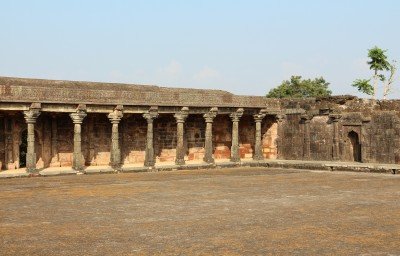
Dilawar Khan's Mosque
Some quick example text to build on the card title and make up the bulk of the card's content.
Go somewhere
Echo Point
Some quick example text to build on the card title and make up the bulk of the card's content.
Go somewhere
Eco Point
Some quick example text to build on the card title and make up the bulk of the card's content.
Go somewherein Other Cities