Malik Mughith's Tomb
General information
-
Ideal Duration:
30 minutes:Place Type:
Tomb, Historical Monument, Funerary Architecture:Entry Fees:
Free Entry: Like the adjacent mosque, the tomb is generally a free-entry historical monument, falling outside the directly ticketed clusters of the fort.
General Composite Ticket: While the tomb itself is free, the general composite ticket f...Free Entry: Like the adjacent mosque, the tomb is generally a free-entry historical monument, falling outside the directly ticketed clusters of the fort.
General Composite Ticket: While the tomb itself is free, the general composite ticket for the ASI sites in Mandu (around INR 25 for Indian citizens) is valid for the vicinity and is a worthwhile purchase for the day.
Guide Charges: A local guide can be hired for the entire Sagar Talao Group. Their fee is separate and negotiable, but they are highly recommended for the historical context of the tomb's patron.
No Camera Fee: Standard still photography and small video cameras are usually permitted without an extra fee, allowing for extensive and peaceful photo opportunities. ()Timing:
Regular Timings: The tomb and its grounds are typically open from Sunrise (around 6:00 AM) to Sunset (around 7:00 PM) for visitors on all days.
Ideal Visit Time: The best time to visit is the early morning (6:00 AM to 9:00 AM). The soft lig...Regular Timings: The tomb and its grounds are typically open from Sunrise (around 6:00 AM) to Sunset (around 7:00 PM) for visitors on all days.
Ideal Visit Time: The best time to visit is the early morning (6:00 AM to 9:00 AM). The soft light illuminates the sandstone beautifully, and the quiet atmosphere enhances the experience of a memorial site. Late afternoon is also recommended.
Secluded Atmosphere: Due to its location in the less-busy Sagar Talao Group, it offers a tranquil, uncrowded visit throughout the day, ideal for those seeking peace and reflection.
Duration: A quick yet thorough visit to the tomb requires about 30 minutes, but allow extra time for the combined visit with the adjacent mosque and the beautiful walk around the lake. ()Special Events:
Local Remembrance: Small, quiet ceremonies or remembrances are occasionally held at the tomb by local Muslim families or descendants, especially on the death anniversary (Urus) of Malik Mughith, maintaining its sanctity as a place of historical rest.
Read MoreLocal Remembrance: Small, quiet ceremonies or remembrances are occasionally held at the tomb by local Muslim families or descendants, especially on the death anniversary (Urus) of Malik Mughith, maintaining its sanctity as a place of historical rest.
Heritage Workshops: The tomb's unique architectural detail (the guldastas) makes it a point of interest for local architecture students and ASI workshops, which sometimes occur on-site to study this feature.
Sagar Talao Community Events: The larger Sagar Talao area may host local events, and the tomb is often included as a historical point of interest on the itinerary for these community walks and gatherings. ()Best Photo Spots:
The Dome and Guldastas Detail: The best photo spot is a close-up, elevated shot of the dome's base, specifically capturing the unique line of the tiny decorative kiosks (guldastas) that ring the parapet.
The Arched Opening Frame: Use one of ...The Dome and Guldastas Detail: The best photo spot is a close-up, elevated shot of the dome's base, specifically capturing the unique line of the tiny decorative kiosks (guldastas) that ring the parapet.
The Arched Opening Frame: Use one of the elegant pointed arched openings to frame the serene exterior garden or the clear blue sky, creating a contrasting image of interior shadow and exterior light.
Symmetrical Frontal Shot: A straight-on, symmetrical shot of the entire mausoleum, emphasizing its robust square plan and the dome, is ideal for architectural documentation.
Framing with the Mosque: A photograph that uses a portion of Malik Mughis' Mosque as a backdrop or foreground element to contextualize the tomb within the larger complex. ()Photo Gallery
Things To Do
-
Visit the Interior Chamber: Take a moment inside the tomb chamber to appreciate the robust construction and the quiet, spiritual atmosphere created by the single large dome and simple walls.
Examine the Decorative Parapet: Carefully walk the perimeter of the structure to closely examine the unique decorative kiosks (guldastas) on the dome's octagonal base, a key architectural detail.
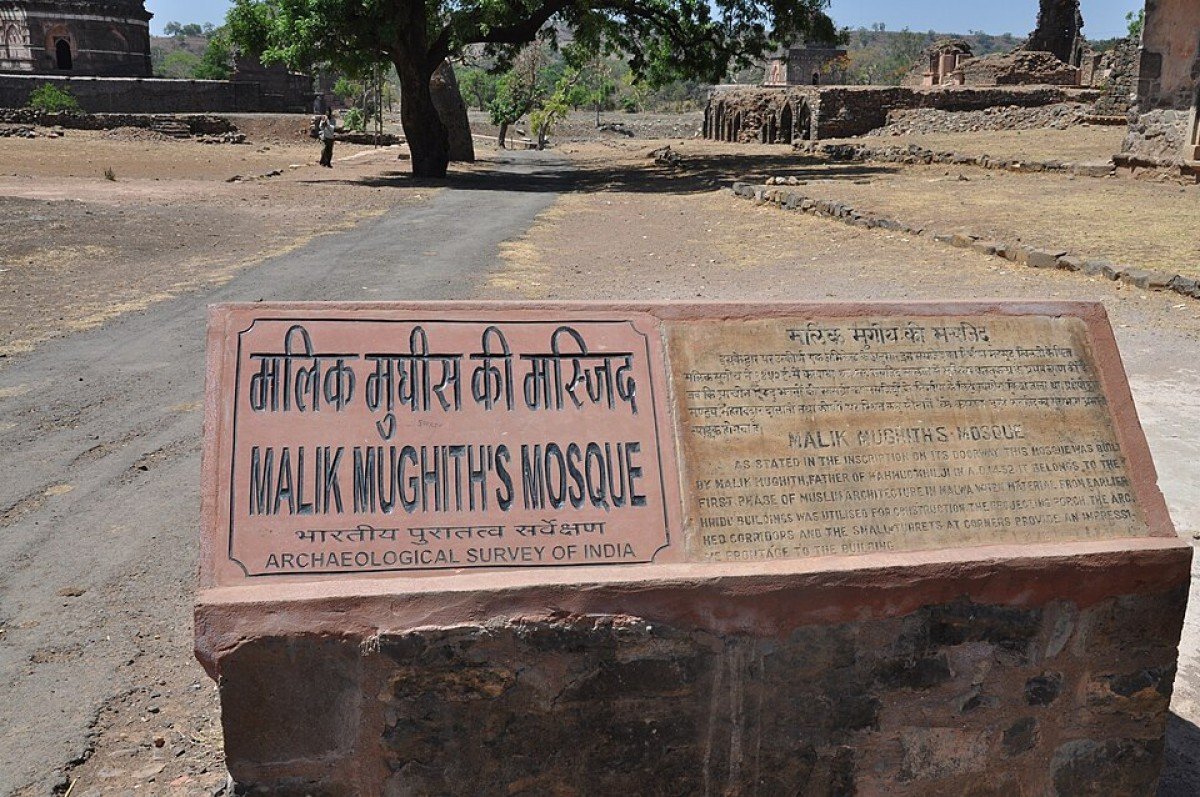
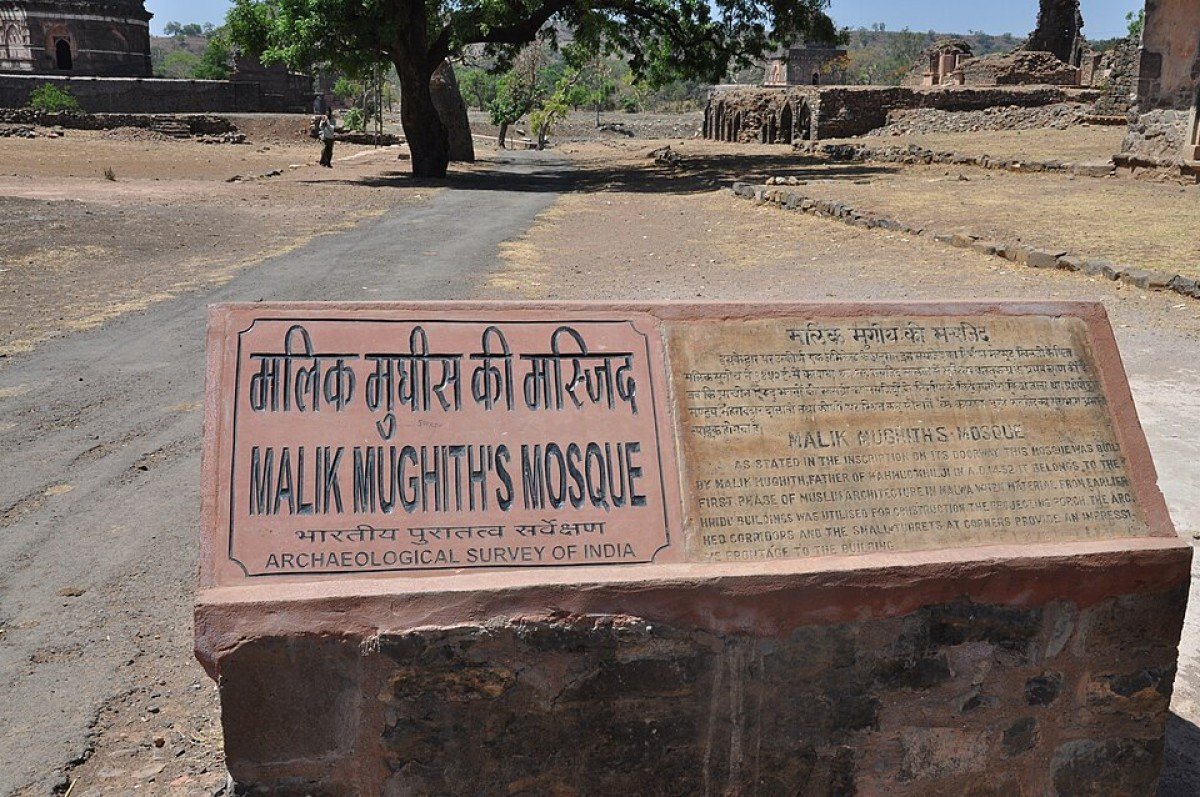
Combine with the Mosque Visit: Since the tomb is directly next to Malik Mughis' Mosque, ensure you visit both structures together to understand the full historical narrative of the patron and the architecture of the Sagar Talao Group.
Photography of the Dome and Arch: Focus on capturing the elegant pointed arched openings and the contrast of the large dome resting on the octagonal ba...Visit the Interior Chamber: Take a moment inside the tomb chamber to appreciate the robust construction and the quiet, spiritual atmosphere created by the single large dome and simple walls.
Examine the Decorative Parapet: Carefully walk the perimeter of the structure to closely examine the unique decorative kiosks (guldastas) on the dome's octagonal base, a key architectural detail.
Combine with the Mosque Visit: Since the tomb is directly next to Malik Mughis' Mosque, ensure you visit both structures together to understand the full historical narrative of the patron and the architecture of the Sagar Talao Group.
Photography of the Dome and Arch: Focus on capturing the elegant pointed arched openings and the contrast of the large dome resting on the octagonal base against the blue sky. The tomb is perfect for symmetrical, architectural portrait shots.
Reflection and Nature Shot: Utilize the surrounding garden and natural foliage to frame the tomb, giving it a soft, natural, and historically evocative setting, especially in the post-monsoon greenery.
Learn about the Dynastic Shift: Engage with a guide to fully appreciate the tomb's significance in the dynastic shift from the Ghuri to the Khilji dynasty, as it represents the powerful father of the founder.
Leisurely Walk: The overall complex allows for a relaxing, unhurried walk, a break from the crowded main sites. ()
Information
-
Why Famous:
The Patriarch's Resting Place: Its primary fame comes from being the final resting place of Malik Mughith, the powerful father of Sultan Mahmud Khilji. It is a crucial historical monument that marks the lineage and the administrative power base of the Khilji dynasty's found...The Patriarch's Resting Place: Its primary fame comes from being the final resting place of Malik Mughith, the powerful father of Sultan Mahmud Khilji. It is a crucial historical monument that marks the lineage and the administrative power base of the Khilji dynasty's founder.
Unique Architectural Feature: The tomb is famous for its unique decorative parapet on the octagonal dome base, which features tiny kiosks (guldastas). This specific element is considered rare in Mandu architecture and possibly shows a subtle influence from the architecture of the Deccan Sultanates.
Proximity to His Mosque: Its immediate proximity to Malik Mughis' Mosque, which he also commissioned, forms a historically complete complex, symbolizing his dual role as a religious patron and a military leader in the Malwa court.
Quiet Elegance: Unlike the grandiosity of the Sultan's tombs, the quiet elegance and robust simplicity of this mausoleum are highly regarded, offering a look at a more restrained, yet dignified, form of funerary architecture in the 15th century. () -
Architecture:
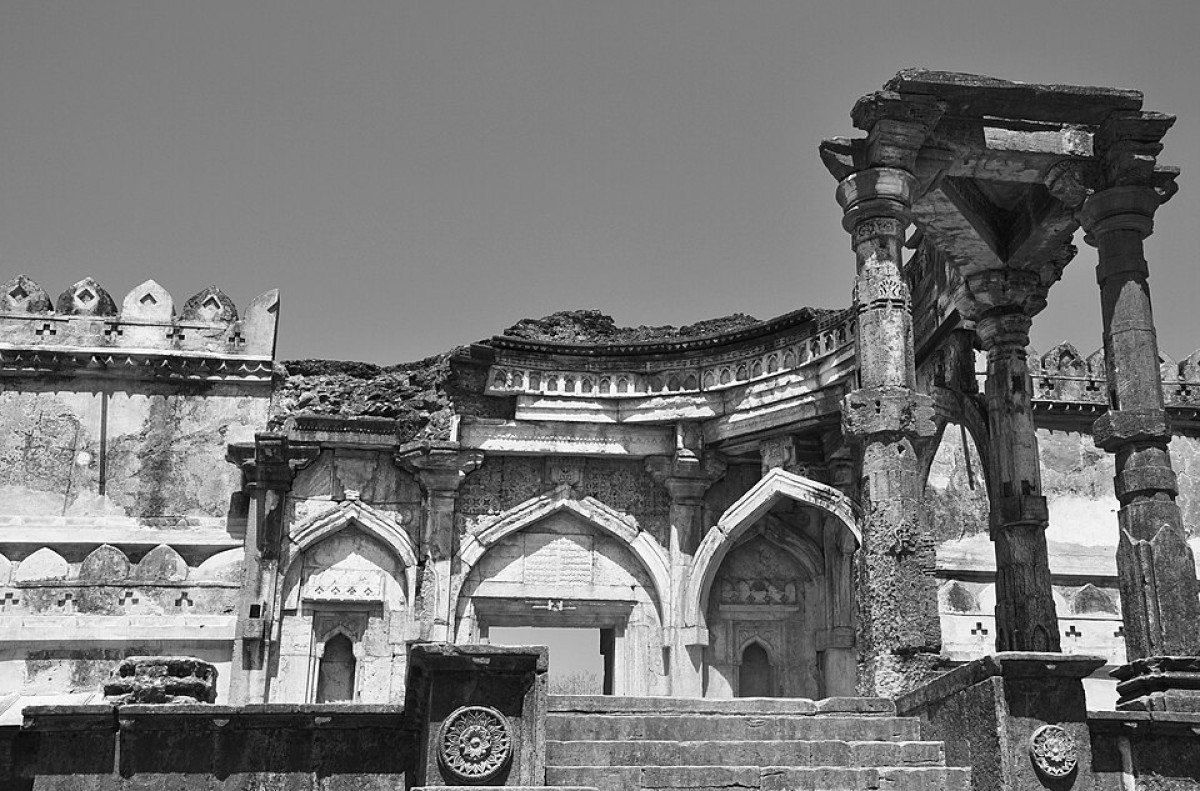
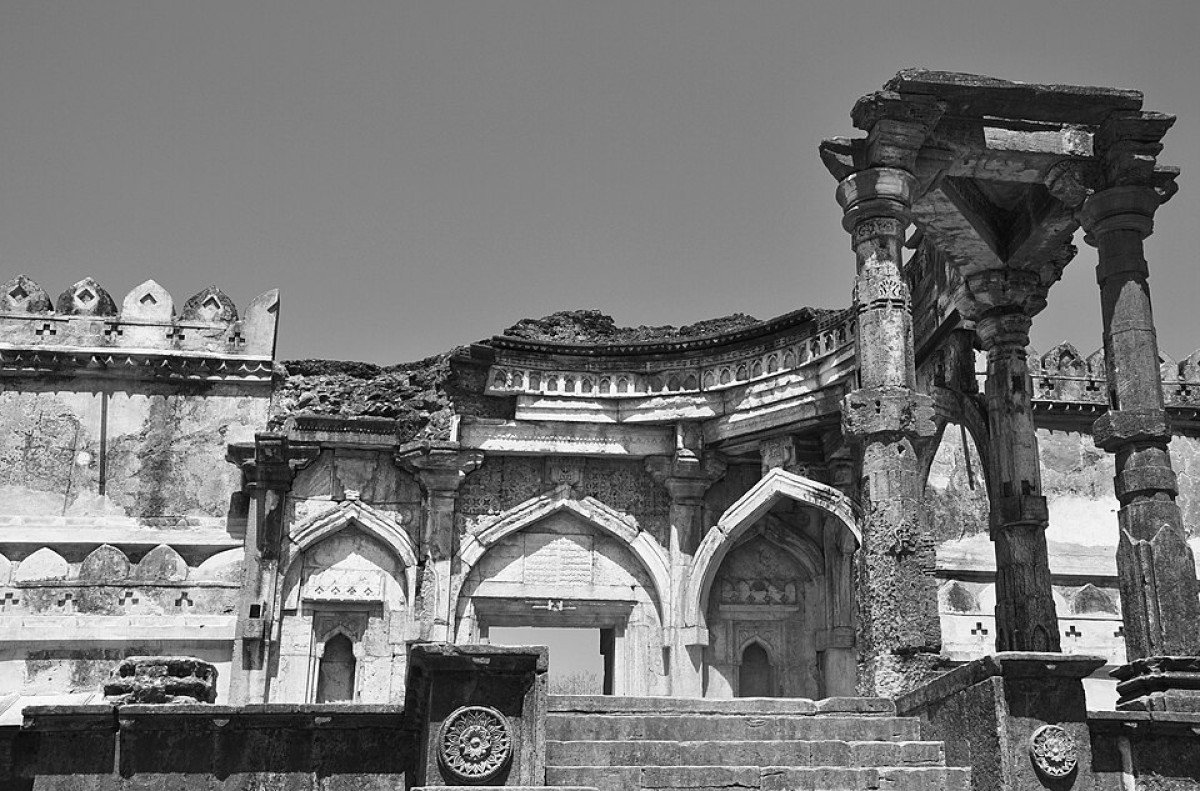
Architectural Style and Design: The tomb is a square-plan mausoleum, a standard design for Islamic tombs of the period, reflecting the conservative yet elegant early Malwa architectural style.
Dimension and Structure: The tomb is a modest, s...Architectural Style and Design: The tomb is a square-plan mausoleum, a standard design for Islamic tombs of the period, reflecting the conservative yet elegant early Malwa architectural style.
Dimension and Structure: The tomb is a modest, square building, topped by a single, large dome that rests on an octagonal base. The walls feature elegant pointed arched openings. The tomb's most notable architectural feature is the octagonal elongated plinth upon which the dome sits, which is encircled by an embellished parapet adorned with tiny kiosks or guldastas. This specific parapet feature is thought to be an early, rare instance of an architectural influence from the Deccan region, making the tomb stylistically unique within Mandu.
Material and Ornamentation: The tomb is primarily constructed of red sandstone. The decoration is restrained, focusing on delicate floral and geometric patterns visible on wall surfaces and around the arches, indicating a sophisticated but subtle aesthetic preference. The overall appearance is one of robust simplicity and quiet elegance, a fitting memorial for a powerful, but non-ruling, military figure. The architecture showcases the early use of elements that would later be refined in the larger monuments of the Khilji period. The tomb’s setting, often surrounded by a small garden, contributes to its serene atmosphere. () -
How To Reach:
By Air (Via Indore): Fly to Devi Ahilyabai Holkar Airport (IDR) in Indore (100 KMS). Hire a private taxi to reach Mandu via the well-maintained highway (2. 5-3 hours).
By Train (Via Indore): The nearest major railway station is Indore Junct...By Air (Via Indore): Fly to Devi Ahilyabai Holkar Airport (IDR) in Indore (100 KMS). Hire a private taxi to reach Mandu via the well-maintained highway (2. 5-3 hours).
By Train (Via Indore): The nearest major railway station is Indore Junction (INDB). From the station, hired cabs or local bus services are readily available for the onward journey to Mandu.
By Road (Bus Connectivity): Regular bus services operate between Mandu and major towns like Dhar and Indore. The tomb is located in the Sagar Talao Group, requiring a short local journey from the main bus stand.
By Local Transport in Mandu: The most efficient way to access this tomb and the entire Sagar Talao Group is by hiring an auto-rickshaw for a negotiated half-day or full-day rate. The auto-rickshaw drivers are very familiar with the location. Alternatively, for a peaceful experience, cycling is a great option for this area. () -
Weather and Best Time to Visit:
Different Seasons (Winter Comfort): The cool and dry winter months of October to March are the most comfortable for exploring the open-air monument and its garden setting.
Different Seasons (Monsoon Aesthetics): The tomb is beautiful in the ...Different Seasons (Winter Comfort): The cool and dry winter months of October to March are the most comfortable for exploring the open-air monument and its garden setting.
Different Seasons (Monsoon Aesthetics): The tomb is beautiful in the monsoon season, as the structure is surrounded by lush green foliage, and the lake is full. The contrast between the red sandstone and the greenery is stunning.
Different Parts of the Day (Photographer's Hour): Early morning is the best time for photography, as the low sun creates beautiful textures and shadows on the sandstone and dome. The late afternoon light is also excellent. () -
Near Tourist Places:
1. Malik Mughis' Mosque (50m, Sagar Talao Group)2. Hathi Mahal (300m, Sagar Talao Group)3. Darya Khan's Tomb (500m, Sagar Talao Group)4. Jal Mahal (near Sagar Talao) (200m, Sagar Talao Group)5. Lohani Caves (1. 5 KMS, Near Sagar Talao Group)6. Echo Point (2 KMS, Near Sagar Talao Group)7. Jami Masjid (4 KMS, Central Group)8. Hoshang Shah's Tomb (4 KMS, Central Group)9. Jahaz Mahal (4 KMS, Royal Group)10. Hindola Mahal (4.
1 KMS, Royal Group):
Tourism Tips
-
Health & Safety (Sun Protection): Carry a hat, sunglasses, and water, as the tomb is in an exposed area with little natural shade.
Packing Essentials (Camera and Guidebook): Bring your camera to capture the unique architectural details and a...Health & Safety (Sun Protection): Carry a hat, sunglasses, and water, as the tomb is in an exposed area with little natural shade.
Packing Essentials (Camera and Guidebook): Bring your camera to capture the unique architectural details and a guidebook for the historical context, as the site's significance is primarily historical.
Accommodation (Peace and Quiet): For a quiet stay, choose guesthouses in the less-crowded parts of the Mandu village, allowing for easy access to the peaceful Sagar Talao Group.
Respectful Conduct: Maintain the sanctity of the tomb as a place of rest for an important historical figure, and avoid climbing on the fragile structures.
Combine Visits: Always plan to combine the visit to this tomb with Malik Mughis' Mosque and the rest of the Sagar Talao Group for an efficient and complete tour. ()
Reviews
FAQs
Mandu Itineray And Cost:-
Malik Mughith's Tomb Tourism:-
Other Places In Mandu :-
Other States In India :-
Information about New and Updated Locations() of Madhya Pradesh Has Been Added :-
Card subtitle
Note:-
Information provided here in good Faith and for reference only.
Near Places
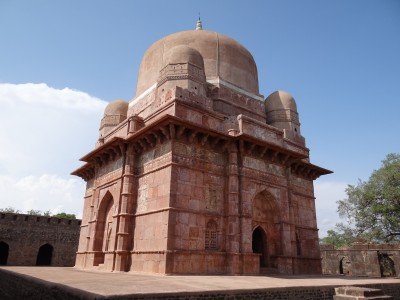
Alamgir Darwaza
Some quick example text to build on the card title and make up the bulk of the card's content.
Go somewhere
Ashrafi Mahal
Some quick example text to build on the card title and make up the bulk of the card's content.
Go somewhere
Bagh Caves
Some quick example text to build on the card title and make up the bulk of the card's content.
Go somewhere
Baz Bahadur's Palace
Some quick example text to build on the card title and make up the bulk of the card's content.
Go somewhere
Bhangi Darwaza
Some quick example text to build on the card title and make up the bulk of the card's content.
Go somewhere
Champa Baoli
Some quick example text to build on the card title and make up the bulk of the card's content.
Go somewhere
Dai ka Mahal
Some quick example text to build on the card title and make up the bulk of the card's content.
Go somewhere
Dai ki Chhoti Bahen ka Mahal
Some quick example text to build on the card title and make up the bulk of the card's content.
Go somewhere
Dai ki Chhoti Behan ka Mahal
Some quick example text to build on the card title and make up the bulk of the card's content.
Go somewhere
Darya Khan's Tomb
Some quick example text to build on the card title and make up the bulk of the card's content.
Go somewhere
Delhi Darwaza
Some quick example text to build on the card title and make up the bulk of the card's content.
Go somewhere
Delhi Gate
Some quick example text to build on the card title and make up the bulk of the card's content.
Go somewhere
Dharampuri
Some quick example text to build on the card title and make up the bulk of the card's content.
Go somewhere
Dilawar Khan's Mosque
Some quick example text to build on the card title and make up the bulk of the card's content.
Go somewhere
Echo Point
Some quick example text to build on the card title and make up the bulk of the card's content.
Go somewhere
Eco Point
Some quick example text to build on the card title and make up the bulk of the card's content.
Go somewherein Other Cities