Mandu Fort
General information
-
Ideal Duration:
2-3 Days:Place Type:
Fortified City, Historical Landscape, Heritage SitEntry Fees:
Composite Ticket (General Sites): A single composite ticket covers the entry to the main ticketed clusters (Royal Group and Central Group). The cost is typically around INR 25 for Indian citizens and INR 300 for foreign tourists. This ticket is valid for one day.
<...Composite Ticket (General Sites): A single composite ticket covers the entry to the main ticketed clusters (Royal Group and Central Group). The cost is typically around INR 25 for Indian citizens and INR 300 for foreign tourists. This ticket is valid for one day.
Specific Sites with Separate Fee: A few sites, like Baz Bahadur's Palace and Rani Roopmati's Pavilion (Rewa Kund Group), may require a separate ticket, though sometimes they are included in the same composite ticket. Always check the ticket validity list.
Mosques and Tombs: Many individual mosques (Jami Masjid, Malik Mughis' Mosque) and some tombs (Hoshang Shah's Tomb is ticketed, but some others are free) do not charge a direct entry fee but are within the ticketed complex.
Video Camera Fee: Professional-grade video cameras may incur a fee (around INR 100), but still photography and small video cameras are generally free.
Cost-Saving Tip: Purchasing the composite ticket in the morning allows you to cover the majority of the main sites in the most cost-effective way. ()Timing:
Regular Timings: The entire fort complex is essentially an open area, but the ticketed monuments like Jahaz Mahal and Jami Masjid are generally open from Sunrise (around 6:00 AM) to Sunset (around 7:00 PM) on all days.
Ideal Visit Time: The ...Regular Timings: The entire fort complex is essentially an open area, but the ticketed monuments like Jahaz Mahal and Jami Masjid are generally open from Sunrise (around 6:00 AM) to Sunset (around 7:00 PM) on all days.
Ideal Visit Time: The ideal time to visit the entire city is to start at sunrise (around 6:00 AM) to beat the crowds and heat, especially at the popular spots like Roopmati's Pavilion. Break for lunch during the midday heat (12:00 PM - 2:00 PM) and resume from 2:00 PM until sunset.
Duration and Planning: To fully appreciate the scale and cover all three major monument groups, at least 2 days are highly recommended. A rushed visit can be done in one very long day.
Monument Cluster Timing: Visit the Royal Group (Jahaz Mahal) and Rewa Kund Group (Roopmati) in the early morning and late afternoon, and the Central Group (Jami Masjid, Hoshang Shah's Tomb) during the mid-morning. ()Special Events:
Mandu Festival: The biggest annual event is the Mandu Festival, usually held in December or January. It is a multi-day cultural spectacle featuring local and national artists, food stalls, hot-air balloon rides, adventure sports, light shows, and guided heritage walks, cele...Mandu Festival: The biggest annual event is the Mandu Festival, usually held in December or January. It is a multi-day cultural spectacle featuring local and national artists, food stalls, hot-air balloon rides, adventure sports, light shows, and guided heritage walks, celebrating the city's history and natural beauty.
Local Malwa Utsav: Throughout the tourist season, cultural programs showcasing the traditional folk dance and music of the Malwa region (e. g. , Malwi and Nimar styles) are often organized by MP Tourism or local hotels.
Founding Anniversary: Days celebrating the reign of the most prominent Sultans, like Hoshang Shah or Ghiyas-ud-din Khilji, sometimes feature small, academic, or ceremonial gatherings at their respective monuments. ()Best Photo Spots:
Sunrise at Roopmati's Pavilion: The cliff-edge view from this pavilion at sunrise, capturing the vast Narmada Valley below and the misty morning, is the single most famous and best photo opportunity.
Sunset at Echo Point/Sunset Point: The pa...Sunrise at Roopmati's Pavilion: The cliff-edge view from this pavilion at sunrise, capturing the vast Narmada Valley below and the misty morning, is the single most famous and best photo opportunity.
Sunset at Echo Point/Sunset Point: The panoramic view of the Malwa plateau and the dramatic lighting of the sun setting over the ravines provides a stunning, high-contrast, wide-angle shot.
The Floating Illusion of Jahaz Mahal: The reflection of the Jahaz Mahal in the waters of Munj Talao and Kapur Talao (when full) is a mandatory, iconic photo that perfectly captures the city's unique architectural genius.
Symmetry of Jami Masjid Domes: An elevated shot (from Ashrafi Mahal or a drone view) capturing the perfect symmetry and the grid pattern of the 158 domes of the Great Mosque.
Framing the Gateways: The massive scale and deep perspective of the main gateways, like the Delhi Darwaza or the Alamgir Darwaza, when framed from the road, provide excellent photos of military architecture. ()Photo Gallery
Things To Do
-
Full Day Auto-Rickshaw Tour: Hire an auto-rickshaw for 1-2 full days to efficiently cover the three main monument groups (Royal Group, Central Group, and Rewa Kund Group) due to the city's vast size. Negotiate the rate for a full-day tour that includes all major and minor sites.
Sunrise at Roopmati's Pavilion: Wake up early for sunrise at Rani Roopmati's Pavilion (Rewa Kund Group) for the most breathtaking, panoramic views of the Narmada Valley and the most romantic start to the day.
Sunset at Echo Point: End your day with a visit to the cliffside near the Lohani Caves (Echo Point/Sunset Point) for a dramatic sunset view over the Malwa plateau and to try out the famous natural echo.
Explore the Water Systems: Dedicate time to truly study the hydraulic and climat...Full Day Auto-Rickshaw Tour: Hire an auto-rickshaw for 1-2 full days to efficiently cover the three main monument groups (Royal Group, Central Group, and Rewa Kund Group) due to the city's vast size. Negotiate the rate for a full-day tour that includes all major and minor sites.
Sunrise at Roopmati's Pavilion: Wake up early for sunrise at Rani Roopmati's Pavilion (Rewa Kund Group) for the most breathtaking, panoramic views of the Narmada Valley and the most romantic start to the day.
Sunset at Echo Point: End your day with a visit to the cliffside near the Lohani Caves (Echo Point/Sunset Point) for a dramatic sunset view over the Malwa plateau and to try out the famous natural echo.
Explore the Water Systems: Dedicate time to truly study the hydraulic and climate control systems in the Jahaz Mahal and Rewa Kund, appreciating the medieval engineering genius.
Visit the Local Market: Take a break from the ruins to explore the small, modern Mandu village market for local crafts, tribal artifacts, and authentic Malwa cuisine.
Visit the Museum: The Taveli Mahal Museum in the Royal Group is a must for contextualizing your visit with maps, sculptures, and unearthed artifacts.
Cycling Tour: Rent a bicycle for a self-guided, eco-friendly, and flexible tour, especially within the less-crowded areas, allowing you to stop at will and enjoy the tranquility of the ruins.
Heritage Walk: Join an officially organized heritage walk, often available during the tourist season, for expert narration of the city's history, architecture, and folklore. ()
Information
-
Why Famous:
Epic Scale and Defensive Wall: Mandu Fort is famous primarily for its vast scale, with its defensive wall circuit stretching for nearly 37 kilometers, solidifying its position as one of the largest and most impenetrable fortress cities in India. The 12 massive Darwazas (gat...Epic Scale and Defensive Wall: Mandu Fort is famous primarily for its vast scale, with its defensive wall circuit stretching for nearly 37 kilometers, solidifying its position as one of the largest and most impenetrable fortress cities in India. The 12 massive Darwazas (gateways) are a symbol of its military might.
The City of Joy's Architecture: It is renowned as a unique repository of the distinct Malwa architectural style, which is characterized by its robust, simple volumes and its creative integration of water and slope. The fort complex houses a rich array of monuments, including the iconic Jahaz Mahal and Jami Masjid.
Legend of Baz Bahadur and Roopmati: The fort is eternally famous for the tragic and romantic legend of Sultan Baz Bahadur and his Hindu consort, Rani Roopmati. Their palaces and pavilions (Baz Bahadur's Palace, Roopmati's Pavilion) on the southern edge are central to the city's identity and romantic lore.
The First Marble Tomb in India: The fort complex contains Hoshang Shah's Tomb, a magnificent structure built entirely of white marble, which is often cited as a key inspiration for the construction of the world-famous Taj Mahal centuries later. () -
Architecture:
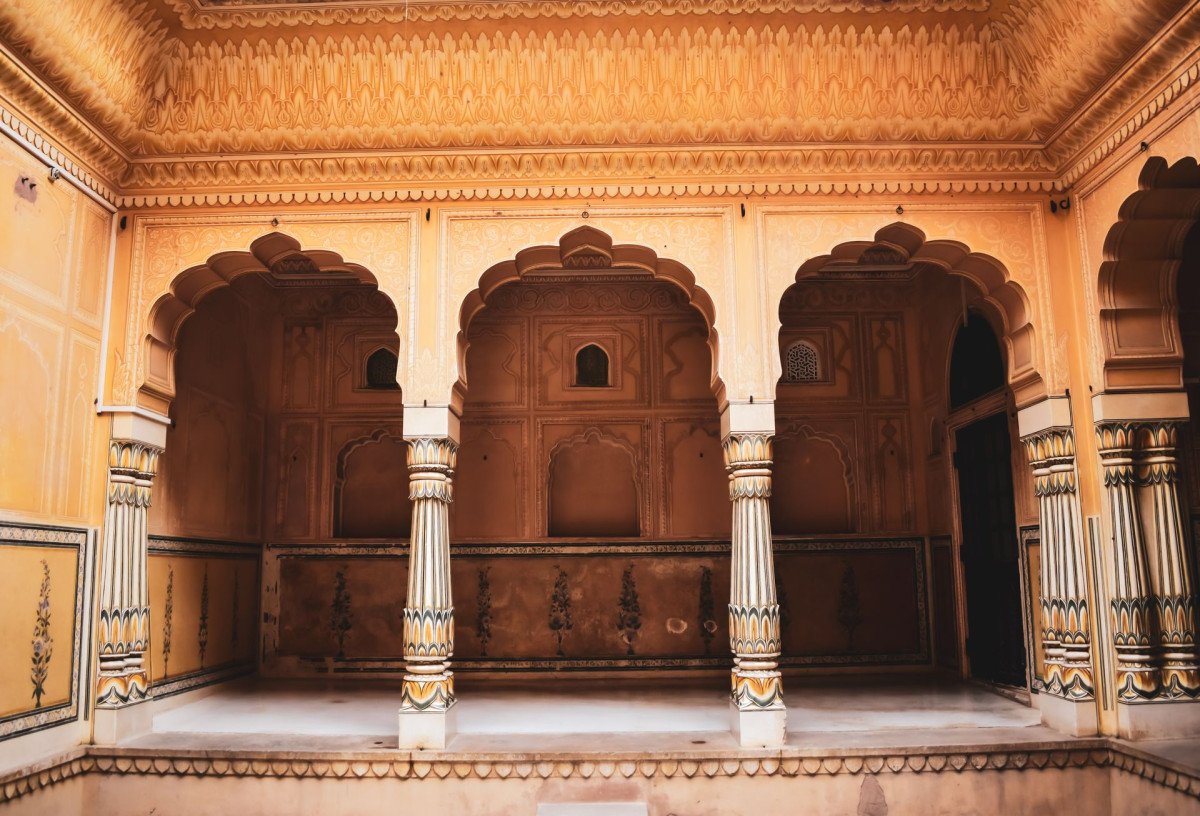
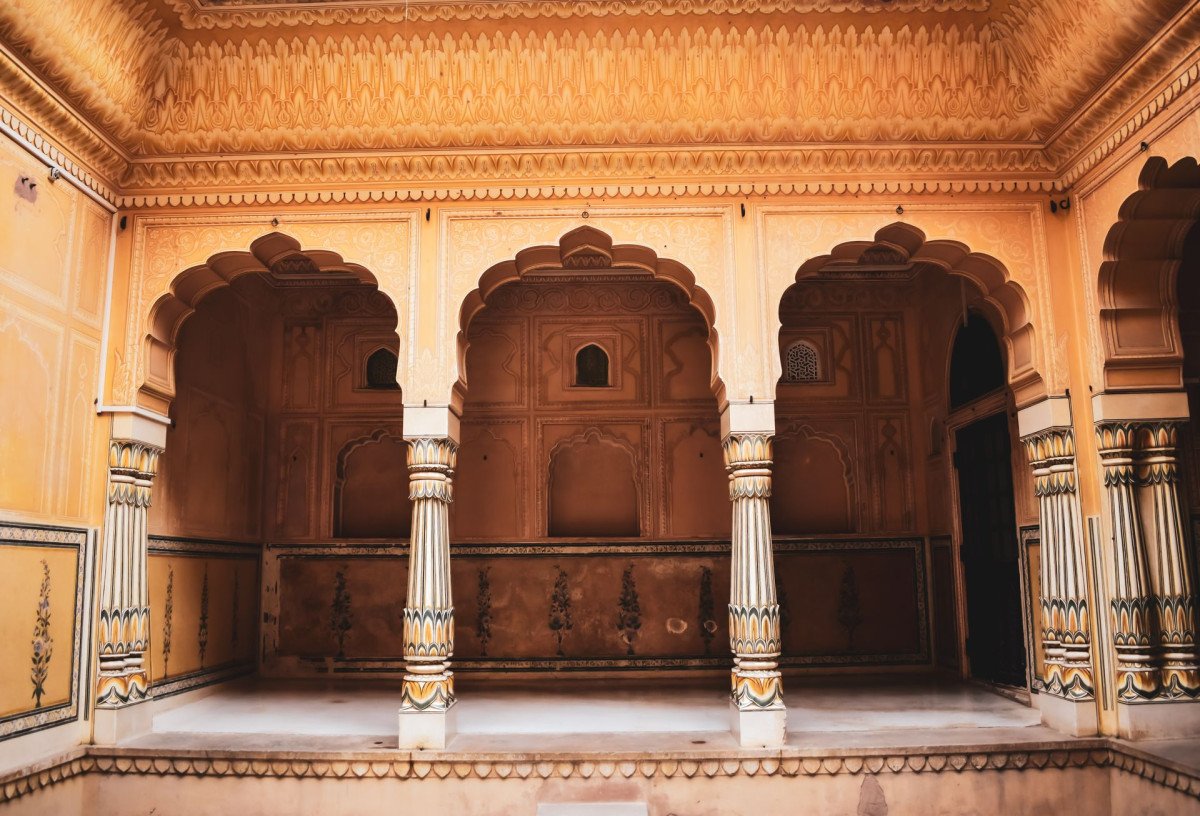
Architectural Style and Urban Planning: The architecture is defined by the unique, regional Malwa style, which fuses indigenous Hindu craftsmanship with classical Indo-Islamic design principles, characterized by broad surfaces, simple lines, massive structures, and the exten...Architectural Style and Urban Planning: The architecture is defined by the unique, regional Malwa style, which fuses indigenous Hindu craftsmanship with classical Indo-Islamic design principles, characterized by broad surfaces, simple lines, massive structures, and the extensive use of local red sandstone.
Dimension and Scale: The fort's defensive wall circuit is approximately 37 kilometers (23 miles) long, enclosing an area of about 82 square kilometers, making it one of the largest fortified cities in India. The elevation is approximately 633 meters (2,079 feet).
Key Features: The fort's unique design is a testament to sophisticated urban planning, with different clusters of monuments (The Royal Group, the Central Group, and the Rewa Kund Group) strategically spread out and connected by a road network. The architecture is characterized by massive, sloping buttressed walls (Hindola Mahal), ingenious water harvesting systems (Jahaz Mahal, Rewa Kund), and the innovative use of materials, culminating in the first entirely marble structure in India (Hoshang Shah's Tomb). The large number of natural and artificial water bodies (Munja Talao, Kapur Talao, Sagar Talao) integrated into the architecture demonstrates advanced climate-conscious design. The structures showcase a clear evolution from the early, robust style to a later, more refined and playful style, culminating in the romantic, hilltop pavilion of Rani Roopmati. () -
How To Reach:
By Air (Closest Airport Indore): Fly into Devi Ahilyabai Holkar Airport (IDR) in Indore (100 KMS). Indore is a major hub. From Indore, hire a pre-paid taxi or private cab for a comfortable 2. 5 to 3 hour drive to Mandu via the NH 59.
By Train ...By Air (Closest Airport Indore): Fly into Devi Ahilyabai Holkar Airport (IDR) in Indore (100 KMS). Indore is a major hub. From Indore, hire a pre-paid taxi or private cab for a comfortable 2. 5 to 3 hour drive to Mandu via the NH 59.
By Train (Closest Major Station Indore): The best-connected railway station is Indore Junction (INDB), which has direct trains to most major Indian cities. The distance is about 100 kilometers. From the station, frequent bus and taxi services are available to Mandu.
By Road (Bus Connectivity): Mandu is well-connected by road (NH 59) to Dhar (35 KMS), Indore, and other regional cities. State-run buses (MPSTDC) and private tourist buses offer regular services. Self-drive is a popular and flexible option due to good road conditions.
By Local Transport in Mandu: The sheer size necessitates local transport. Options include hiring an auto-rickshaw for the entire day (negotiable rate, highly recommended), renting a scooter or bicycle, or hiring a full-day car with a driver. Walking is only viable for monuments within a single cluster (e. g. , the Central Group). () -
Weather and Best Time to Visit:
Different Seasons (Winter is Prime): The prime tourist season is October to March when the weather is cool and pleasant (average 10°C to 25°C), perfect for all-day sightseeing and hiking across the large complex. Summer is intensely hot and should be avoided.Different Seasons (Winter is Prime): The prime tourist season is October to March when the weather is cool and pleasant (average 10°C to 25°C), perfect for all-day sightseeing and hiking across the large complex. Summer is intensely hot and should be avoided.
Different Seasons (Monsoon Greenery): The monsoon season (July to September) transforms the entire plateau into a lush green landscape. This is highly recommended for landscape photography and experiencing the 'City of Joy' at its most beautiful, though occasional rain interrupts plans.
Different Parts of the Day (Sunrise and Sunset): The best times are sunrise (Roopmati's Pavilion) and sunset (Echo Point), which offer the most dramatic views and the softest light for photography across the sprawling ruins. Midday should be spent in covered areas like the Jami Masjid or the Taveli Mahal Museum. () -
Near Tourist Places:
1. Rani Rupmati's Pavilion (5 KMS, Rewa Kund Group)2. Baz Bahadur's Palace (4. 5 KMS, Rewa Kund Group)3. Rewa Kund (4. 5 KMS, Rewa Kund Group)4. Hindola Mahal (1. 5 KMS, Royal Group)5. Champa Baoli (1. 5 KMS, Royal Group)6. Taveli Mahal Museum (1. 5 KMS, Royal Group)7. Jami Masjid (1. 5 KMS, Central Group)8. Hoshang Shah's Tomb (1. 5 KMS, Central Group)9. Darya Khan's Tomb (4 KMS, Sagar Talao Group)10.
Nilkanth Palace (4 KMS, Nilkanth Group):
Tourism Tips
-
Health & Safety (Sun Protection & Walking Shoes): Wear a hat, sunscreen, and carry ample water, as the sites are spread out and exposed. Sturdy walking shoes are essential for traversing uneven terrain and climbing ruins.
Packing Essentials (La...Health & Safety (Sun Protection & Walking Shoes): Wear a hat, sunscreen, and carry ample water, as the sites are spread out and exposed. Sturdy walking shoes are essential for traversing uneven terrain and climbing ruins.
Packing Essentials (Layers and Camera): Pack light, comfortable layers. Bring a high-capacity camera, extra batteries, and possibly a wide-angle lens to capture the vast landscape and architecture. A good, detailed map or guidebook is crucial for navigation.
Accommodation (Stay in Mandu): For a truly immersive experience, stay for at least one night in Mandu itself (rather than commuting from Indore or Dhar) to allow for sunrise and sunset viewings, which are the highlights. MPSTDC hotels are reliable options.
Guided Tour for Depth: Given the complexity of the history and the sheer number of sites, hiring a local, government-approved guide for at least one full day is highly recommended to bring the ruins to life.
Respect the Heritage:
Always respect the ASI guidelines: do not climb on fragile walls, do not litter, and maintain silence in tomb and prayer areas. ()
Reviews
FAQs
Mandu Itineray And Cost:-
Other Places In Mandu :-
Other States In India :-
Information about New and Updated Locations() of Madhya Pradesh Has Been Added :-
Card subtitle
Note:-
Information provided here in good Faith and for reference only.
Near Places
Alamgir Darwaza
Some quick example text to build on the card title and make up the bulk of the card's content.
Go somewhere
Ashrafi Mahal
Some quick example text to build on the card title and make up the bulk of the card's content.
Go somewhere
Bagh Caves
Some quick example text to build on the card title and make up the bulk of the card's content.
Go somewhere
Baz Bahadur's Palace
Some quick example text to build on the card title and make up the bulk of the card's content.
Go somewhere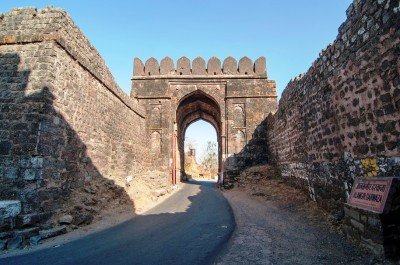
Bhangi Darwaza
Some quick example text to build on the card title and make up the bulk of the card's content.
Go somewhere
Champa Baoli
Some quick example text to build on the card title and make up the bulk of the card's content.
Go somewhere
Dai ka Mahal
Some quick example text to build on the card title and make up the bulk of the card's content.
Go somewhere
Dai ki Chhoti Bahen ka Mahal
Some quick example text to build on the card title and make up the bulk of the card's content.
Go somewhere
Dai ki Chhoti Behan ka Mahal
Some quick example text to build on the card title and make up the bulk of the card's content.
Go somewhere
Darya Khan's Tomb
Some quick example text to build on the card title and make up the bulk of the card's content.
Go somewhere
Delhi Darwaza
Some quick example text to build on the card title and make up the bulk of the card's content.
Go somewhere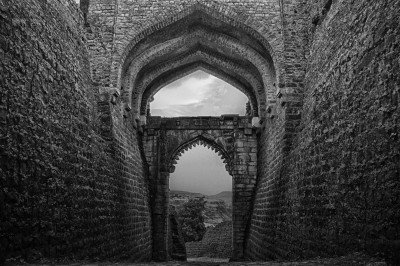
Delhi Gate
Some quick example text to build on the card title and make up the bulk of the card's content.
Go somewhere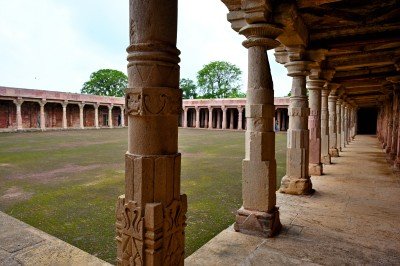
Dharampuri
Some quick example text to build on the card title and make up the bulk of the card's content.
Go somewhere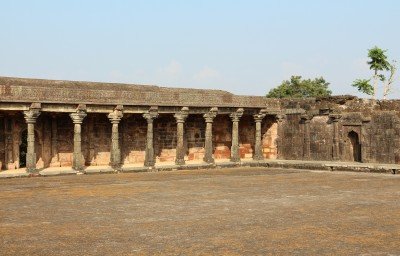
Dilawar Khan's Mosque
Some quick example text to build on the card title and make up the bulk of the card's content.
Go somewhere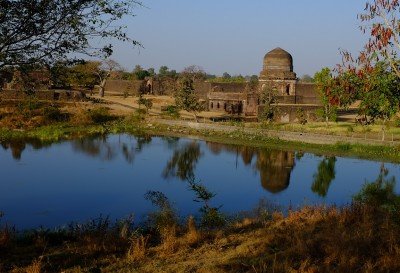
Echo Point
Some quick example text to build on the card title and make up the bulk of the card's content.
Go somewhere
Eco Point
Some quick example text to build on the card title and make up the bulk of the card's content.
Go somewherein Other Cities