


Agra
General information
-
Ideal Duration:
2 to 3 DaysPlace Type:
Heritage & HistoricalEntry Fees:
Ticket Prices: For the Taj Mahal, the fee is INR 50 for Indians and INR 1100 for foreigners. An additional INR 200 is charged to visit the main mausoleum. Agra Fort costs INR 50 for domestic visitors. Fees for other monuments like Sikandra are lower.
Read MoreTicket Prices: For the Taj Mahal, the fee is INR 50 for Indians and INR 1100 for foreigners. An additional INR 200 is charged to visit the main mausoleum. Agra Fort costs INR 50 for domestic visitors. Fees for other monuments like Sikandra are lower.
Exemptions: Children below the age of 15 years have free entry. Ticket prices are subject to change by the ASI. It is recommended to book tickets online to avoid queues. Foreigners from SAARC countries have discounted rates.Timing:
Monument Hours: The Taj Mahal is open from sunrise to sunset. It remains Closed on Fridays for general public. Agra Fort and other sites are open all days of the week. Night viewing of the Taj is allowed on full moon nights.
Best Visit Time:<...Monument Hours: The Taj Mahal is open from sunrise to sunset. It remains Closed on Fridays for general public. Agra Fort and other sites are open all days of the week. Night viewing of the Taj is allowed on full moon nights.
Best Visit Time: Early morning at 6:00 AM is the best time to avoid heat. Sunset is another ideal time for beautiful lighting conditions. The months from October to March have pleasant weather. Winter mornings can be foggy but very atmospheric.Special Events:
Taj Mahotsav: This is a 10-day festival held every February near Shilpgram. It celebrates Indian arts, crafts, and culture. Artists from all over the country perform here. It is a great time to enjoy local food and shopping.
Ram Barat: Th...Taj Mahotsav: This is a 10-day festival held every February near Shilpgram. It celebrates Indian arts, crafts, and culture. Artists from all over the country perform here. It is a great time to enjoy local food and shopping.
Ram Barat: This is a unique marriage procession of Lord Rama. It is celebrated with great pomp and show in the city. Large tableaux are taken out through the streets. People from nearby towns come to witness this grand event.Best Photo Spots:
The Taj Viewpoint: The main gate of the Taj Mahal provides the iconic frame. Capturing the reflection in the water tank is a classic shot. Early morning light offers a soft glow on the white marble. The symmetry of the structure makes it a photographer's paradise.The Taj Viewpoint: The main gate of the Taj Mahal provides the iconic frame. Capturing the reflection in the water tank is a classic shot. Early morning light offers a soft glow on the white marble. The symmetry of the structure makes it a photographer's paradise.
Riverside Shots: The view from Mehtab Bagh across the river is breathtaking. It allows for a full view of the Taj Mahal with the river. Sunset photography here is highly recommended for warm tones. It is a great spot for professional and amateur photographers.Photo Gallery
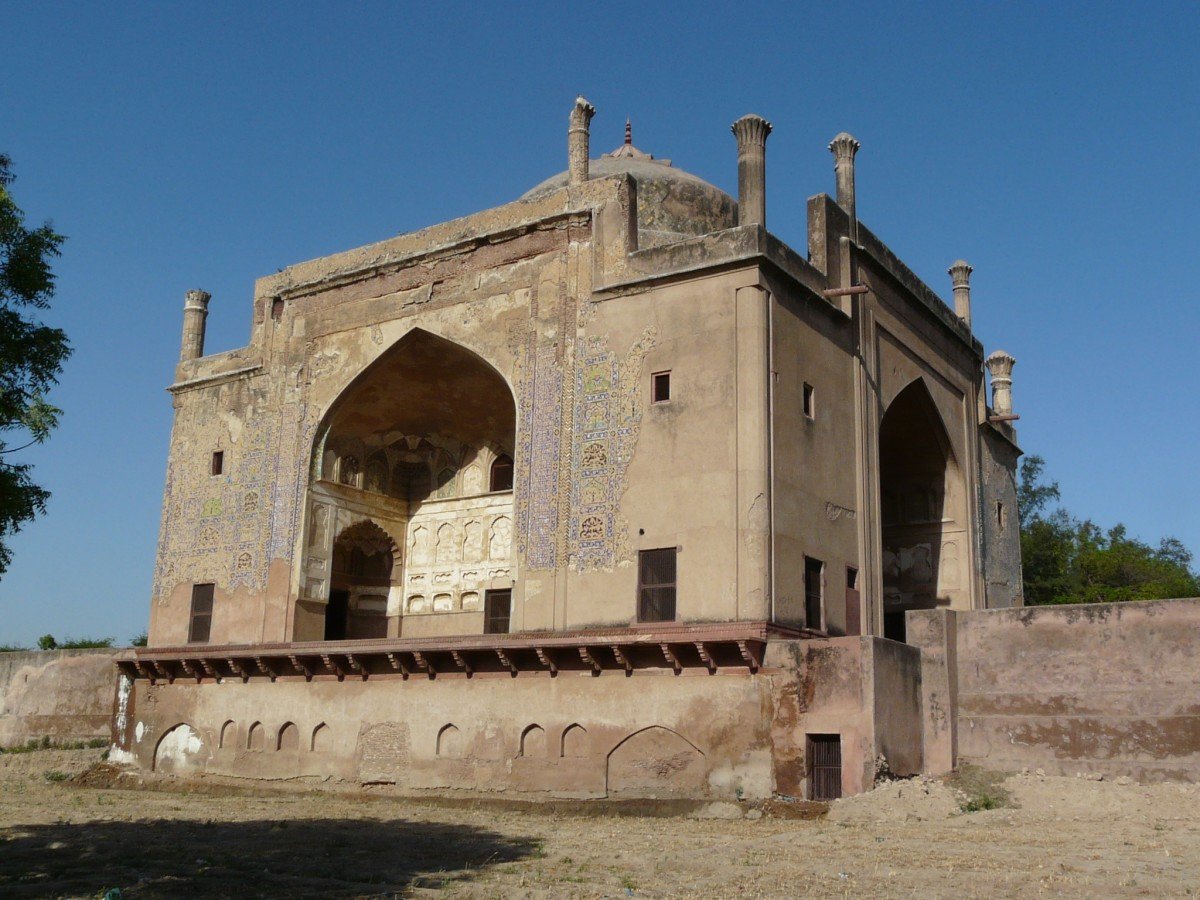
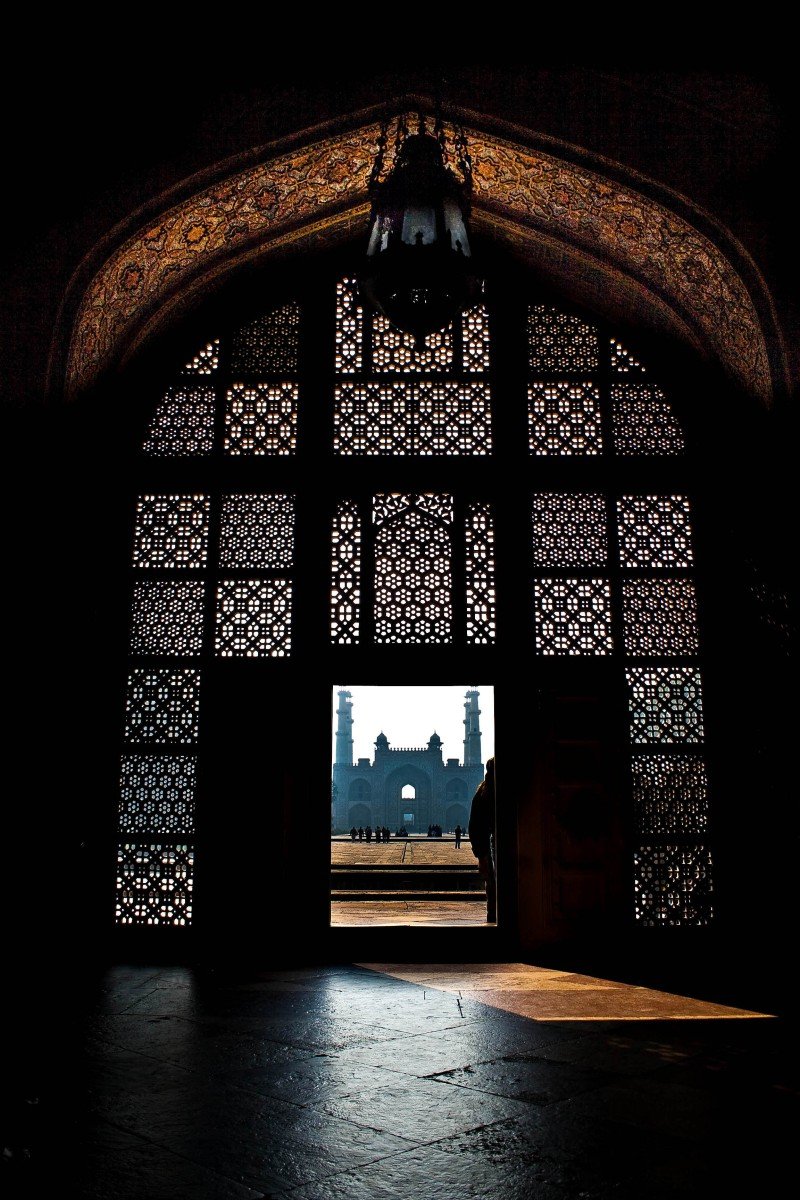
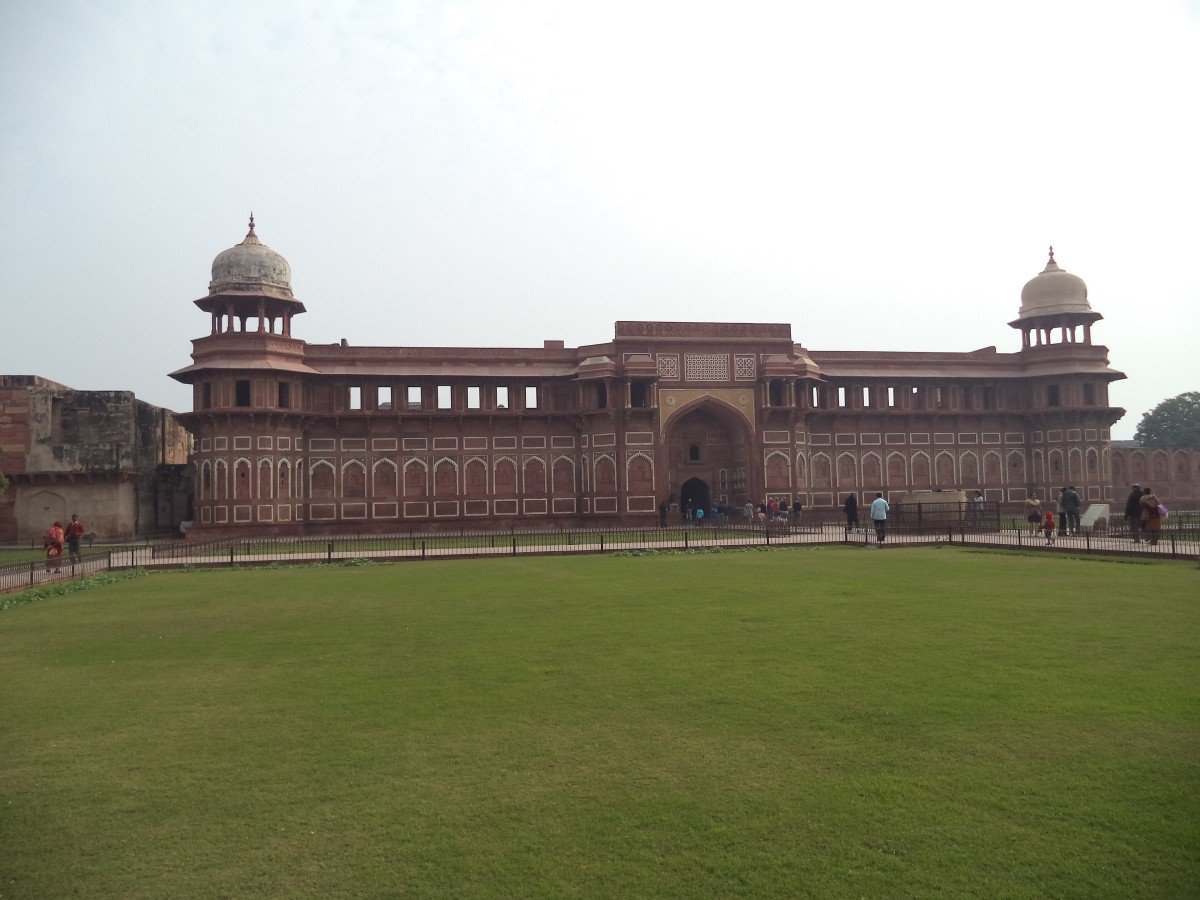
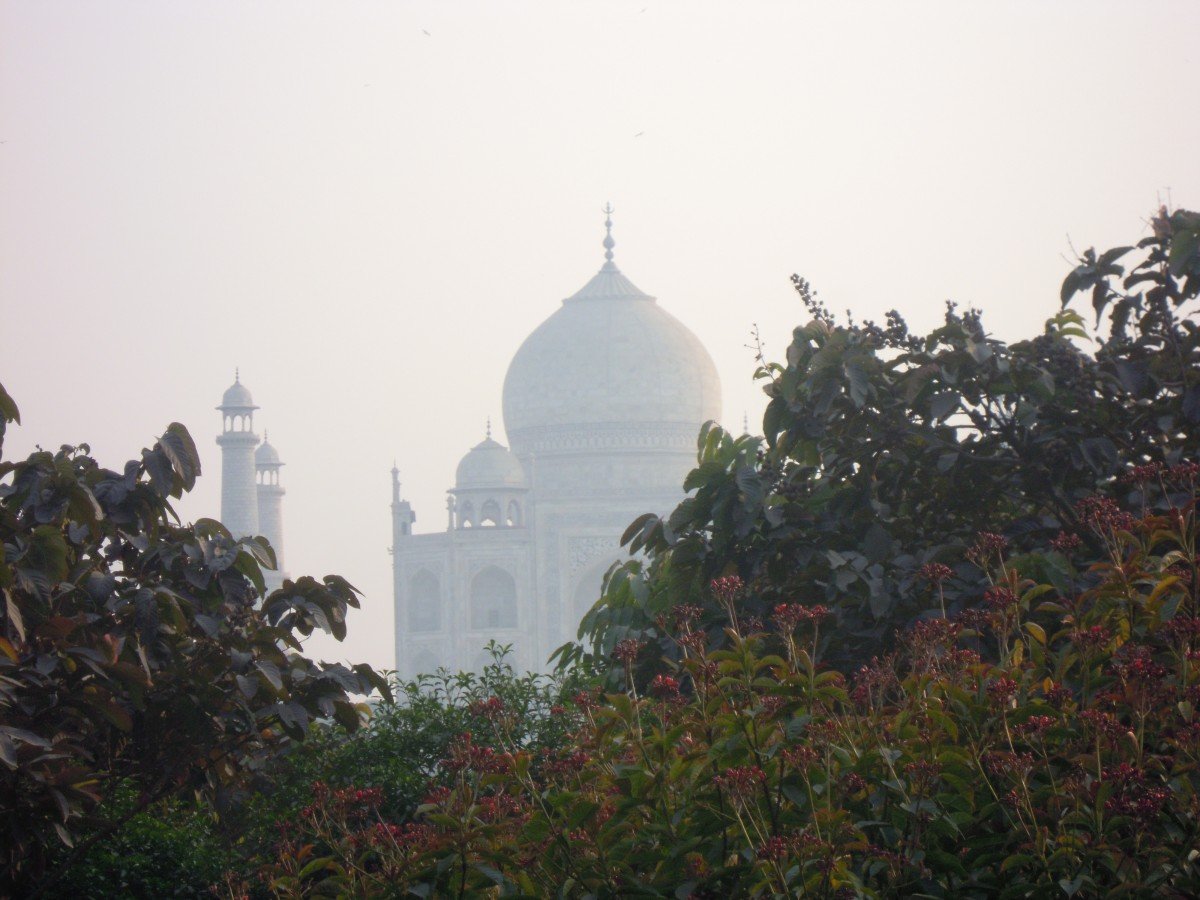
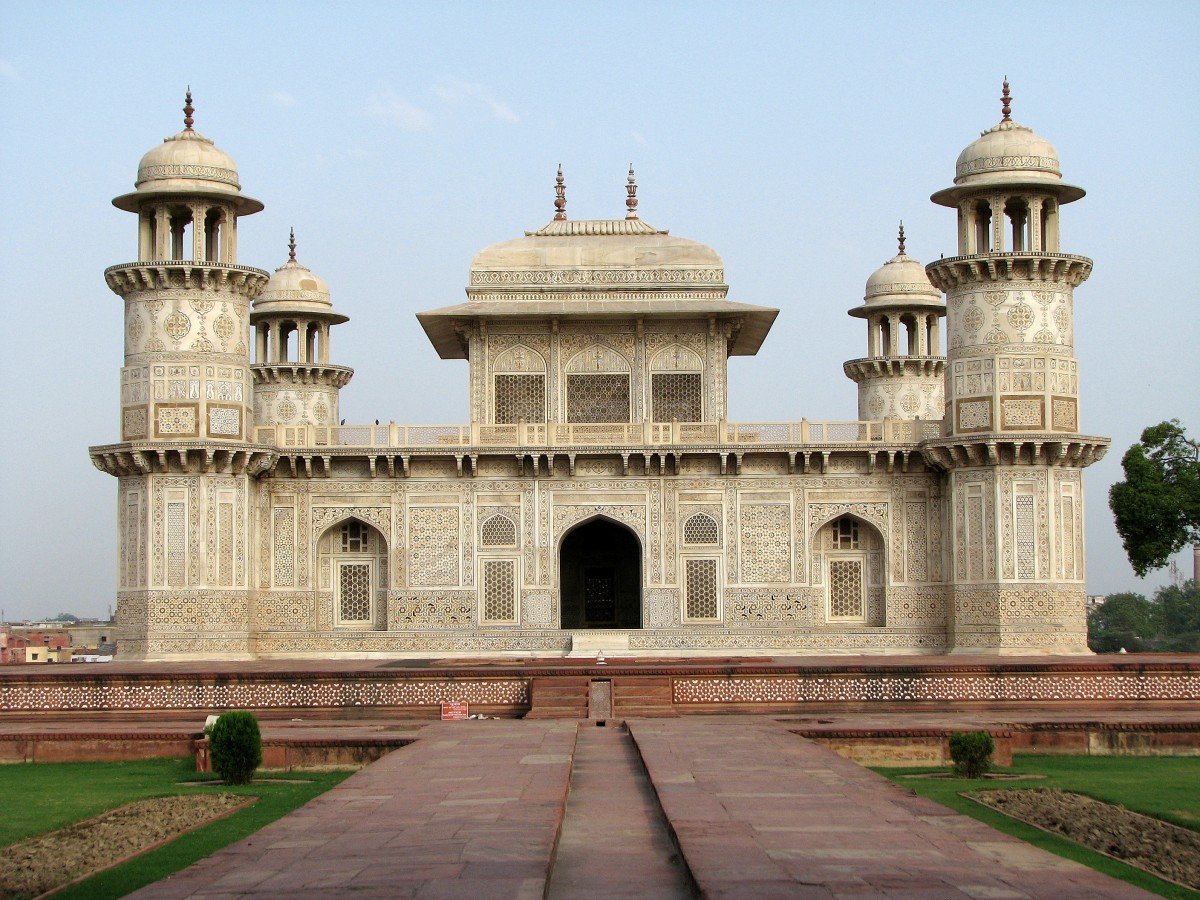
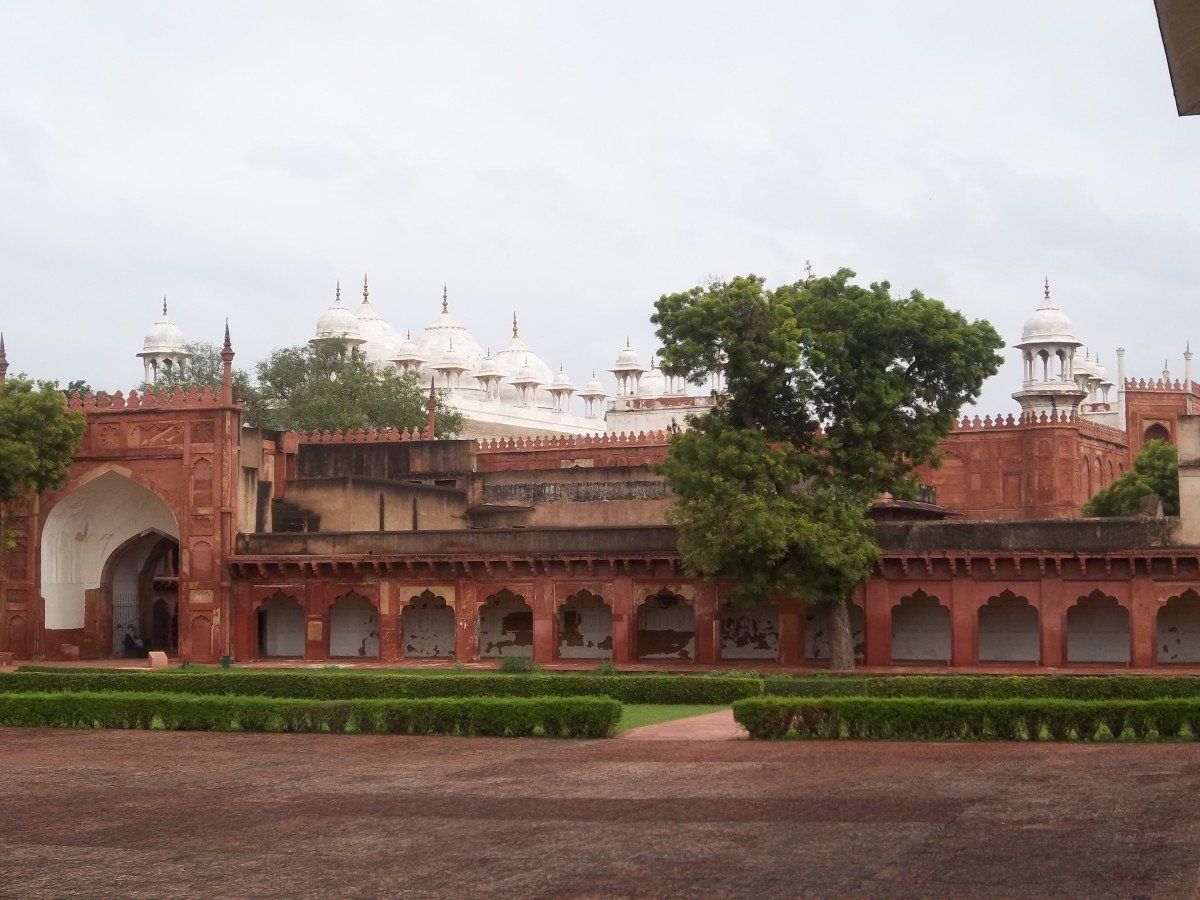

Things To Do
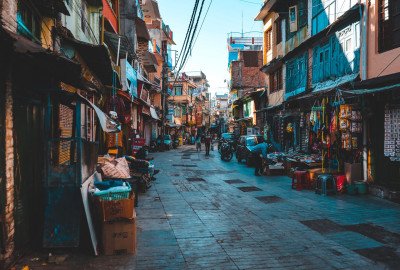 @@Historical Significance: The Kinari Bazaar has been a major commercial hub for centuries, reflecting the rich trading history and culture of old Agra. It is a bustling, vibrant marketplace located close to the Agra Fort and Jama Masjid, serving as a microcosm of the city's diverse traditions. The market retains its traditional charm, offering a sensory experience of sights, sounds, and smells unique to historical Indian bazaars. Its narrow, winding lanes are packed with shops, making it a key location for both trade and cultural immersion, particularly popular for its extensive collection of wedding materials and traditional crafts. @@Market Culture: It is a lively hub where local artisans and traders congregate, symbolizing the continued legacy of Mughal-era commerce.
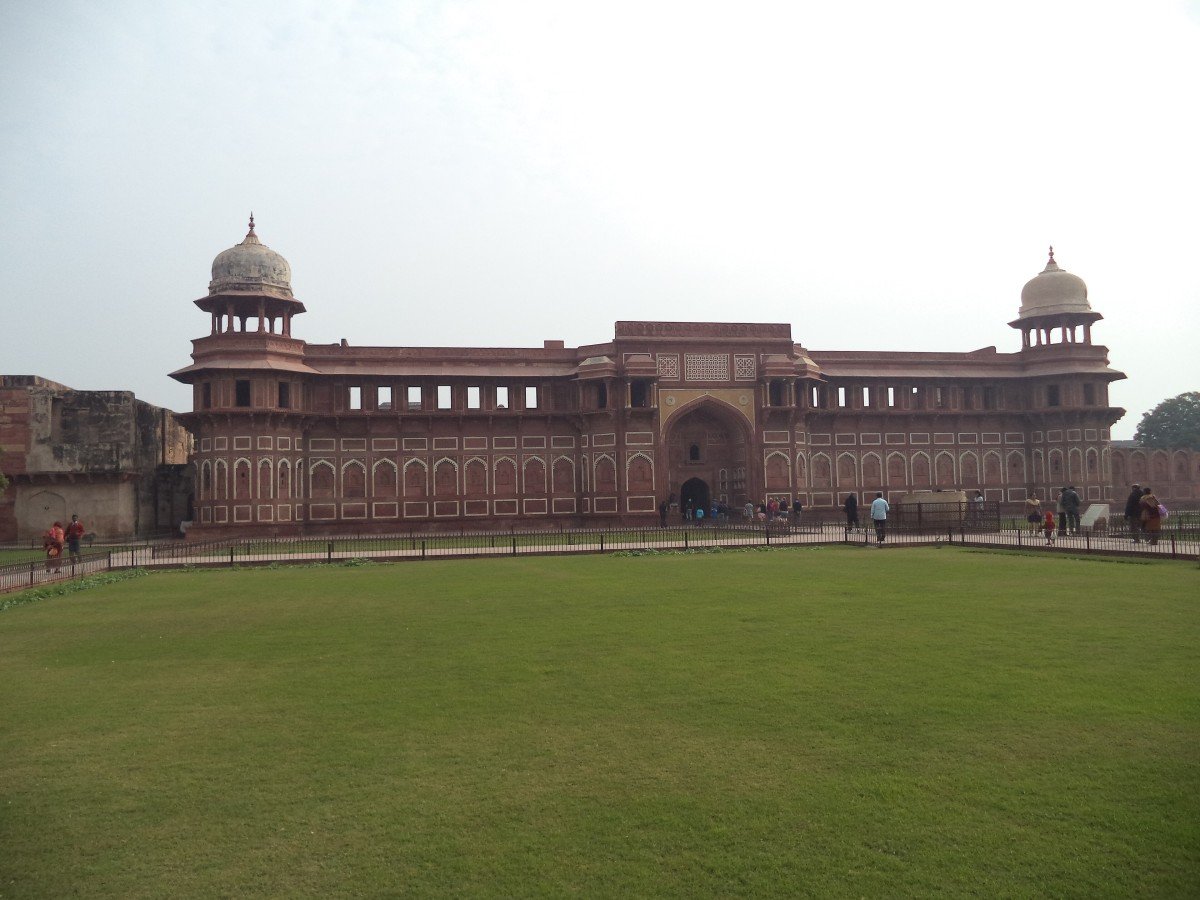
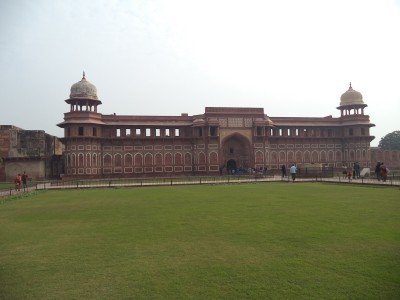 @@The Walled City of the Mughals: The Agra Fort, also known as the Lal Qila (Red Fort) of Agra, is a UNESCO World Heritage Site. Originally a brick fort held by the Chauhan Rajputs, it was taken over by Ibrahim Lodi and later by the Mughals. Emperor Akbar rebuilt it into the present structure using red sandstone starting in 1565 AD, completing it in 1573 AD. The fort served as the main residence of the Mughal emperors until 1638 when the capital shifted to Delhi. The massive walls enclose numerous palaces, halls, and mosques, representing the zenith of Mughal architecture and design. It is where Shah Jahan was imprisoned by his son, Aurangzeb, spending his last years gazing at the Taj Mahal. It is a testament to the power, military might, and artistic sensibilities of the Mughal Empire. It is situated on the banks of the Yamuna River. (Condensed from ~400 words):
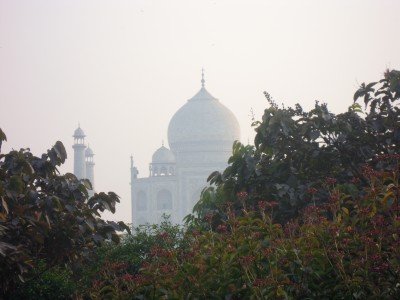 @@History and Purpose: Mehtab Bagh, meaning 'Moonlight Garden,' is a historical Charbagh (four-part) garden complex situated on the northern bank of the Yamuna River, directly opposite the Taj Mahal in Agra. It was the last of the eleven Mughal-built gardens along the Yamuna. The garden was originally built by Emperor Babur in the early 16th century (around 1530 AD), making it one of the oldest existing Mughal gardens in India. The name Mehtab Bagh is attributed to the intention that it was to be a perfect spot from which to view the Taj Mahal at night, especially under the full moon, where the reflection of the mausoleum in its central pool would create a mesmerizing 'moonlight' view. It was originally named Aram Bagh before being forgotten and later restored. The garden was meticulously planned as an integral, essential part of the Taj Mahal complex, designed to be its complementary foreground, reflecting the perfect symmetry of the entire monumental area. The garden was intentionally constructed to align perfectly with the Taj Mahal's central axis, ensuring a balanced and harmonious viewing experience across the river. For many years, the garden fell into ruin and was reduced to a sandy mound. The Archaeological Survey of India (ASI) rediscovered and began restoration in the 1990s, unearthing the original Charbagh design, pools, and fountains. The restoration was guided by the principle of reversing the degradation and bringing back the original splendor envisioned by the Mughals. Today, it serves as a tranquil, less-crowded alternative to the main Taj Mahal complex for tourists and photography enthusiasts seeking the perfect shot. The ASI has successfully planted several erosion-resistant plants and trees to maintain the integrity of the riverbank and the historical layout. It is a vital component of the overall architectural and cultural heritage of Agra. The garden is historically significant as it provides a clearer understanding of Mughal city planning and their penchant for creating complementary architectural spaces. This spot has also been the subject of speculation, with some believing Emperor Shah Jahan had planned a 'Black Taj' for himself right here, which is a popular but unsubstantiated legend. The reality of the garden's design as a perfect viewing gallery for the white monument is a more concrete historical fact.
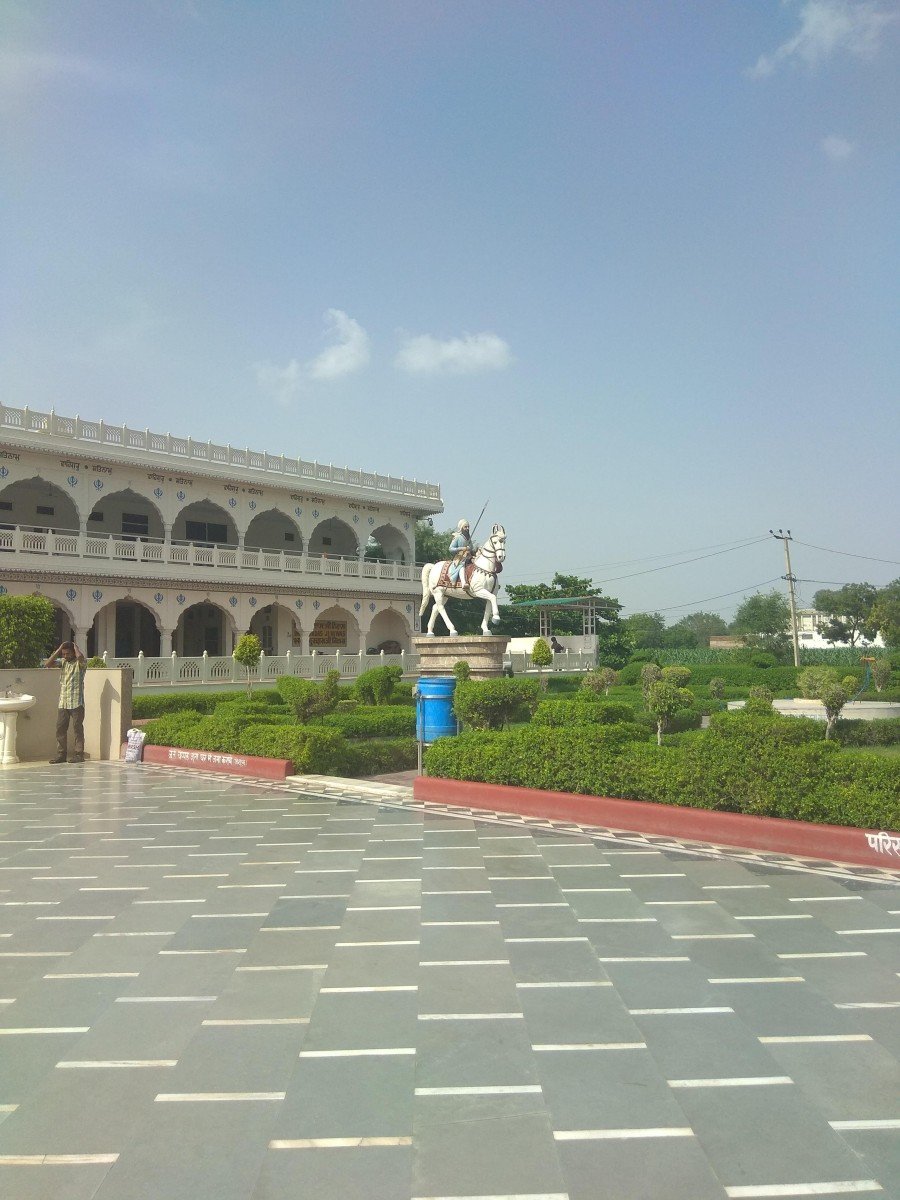
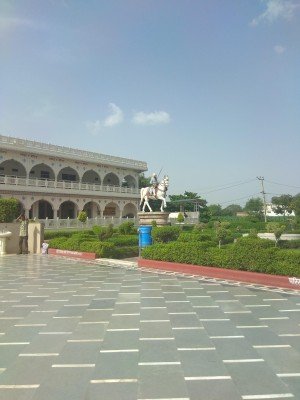 @@History and Significance: This is a significant historical Sikh pilgrimage site dedicated to the memory of the ninth Sikh Guru, Sri Guru Tegh Bahadur Ji. It is the spot where the Guru voluntarily offered himself for arrest to the Mughal Emperor Aurangzeb in 1675. The original structure on this site was a 'Taal' or reservoir, built in 1610 AD during the reign of Jahangir, for water conservation and irrigation. The current Gurudwara building was constructed in the 1970s by Sant Baba Sadhu Singh ji "Mauni". It represents the Guru's commitment to religious freedom and sacrifice. The historical reservoir had twelve towers, of which eight still survive, bearing Mughal architectural resemblance. The place where the Guru initially rested is known as Gurudwara Manji Sahib. The entire complex is a symbol of inter-faith harmony and devotion, attracting thousands of devotees annually. It holds deep spiritual value, marking a pivotal moment in Sikh history, where the Guru stood up against religious persecution.
 @@A Tranquil Wetland Ecosystem: Soor Sarovar Bird Sanctuary is a unique and peaceful wildlife and nature reserve located outside the main city of Agra, spanning an area of approximately 7.97 square kilometers. The sanctuary was officially declared a protected wildlife area in 1991 under the Wildlife Protection Act of 1972, following the recognition of its rich biodiversity. The heart of the sanctuary is the picturesque, pentagon-shaped Keetham Lake, a large artificial freshwater reservoir that serves as a vital wetland habitat. The sanctuary is also locally known as the Keetham Bird Sanctuary due to the lake. The site is named after the revered blind Hindu devotional poet, Surdas, who is believed to have lived and composed his poetry in this region during the 16th century, lending a layer of spiritual and cultural history to the natural site. It is a proposed Ramsar site, which recognizes its global importance as a wetland. The sanctuary is a critical refuge for over 165 species of resident and migratory birds, especially during the Winter season, making it a paradise for birdwatchers and nature lovers seeking a retreat from the historical monuments of Agra. Besides the avifauna, the sanctuary is also home to a significant population of other wildlife, including spotted deer, Nilgai (Blue Bull), Monitor Lizards, and a notable population of around 300 pythons. A key modern feature is the globally recognized Agra Bear Rescue Facility, run by Wildlife SOS, which rehabilitates rescued sloth bears, adding a conservation and ethical tourism dimension to the visit. The dual purpose of the sanctuary—protecting the wetland ecosystem and rehabilitating wildlife—makes it an essential stop for eco-tourism.
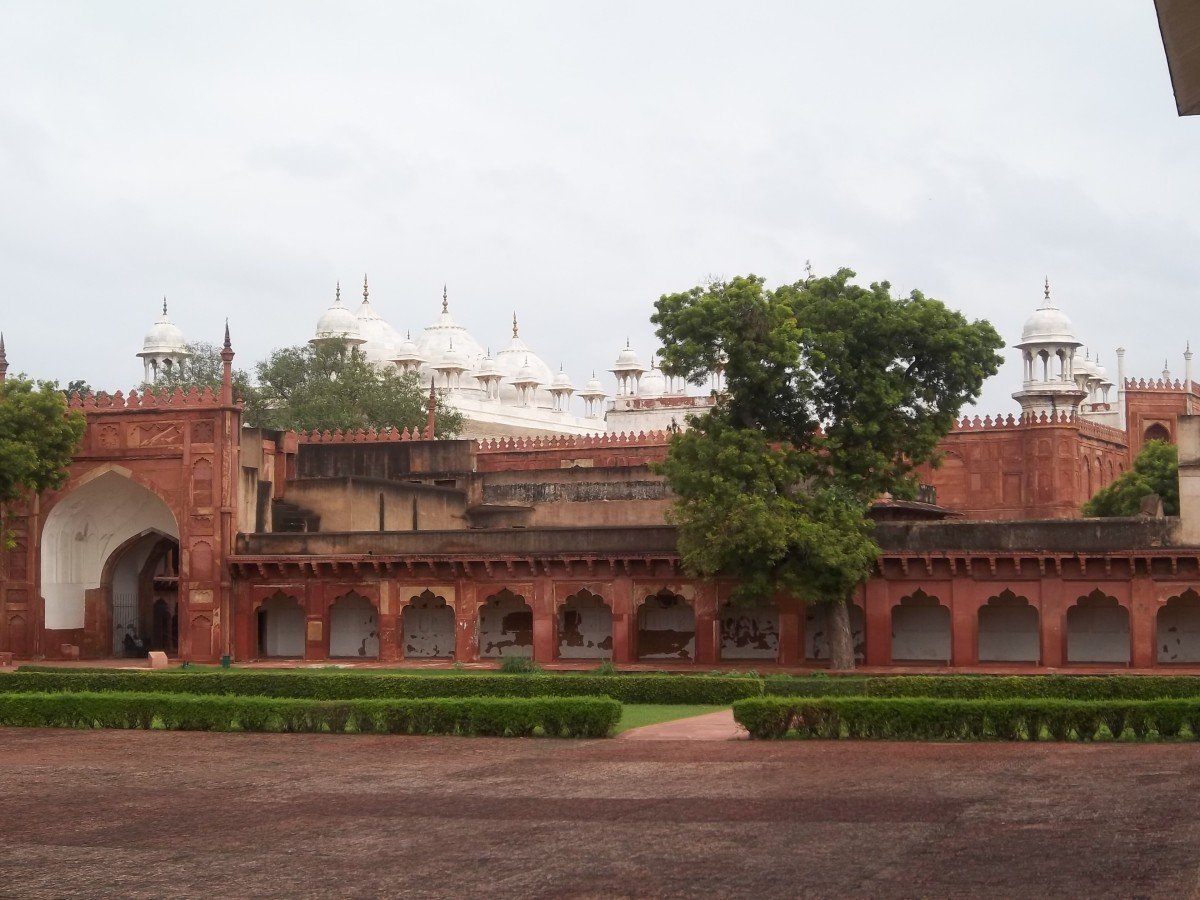
@@History and Significance: The Jama Masjid of Agra is a grand 17th-century congregational mosque, also known as the "Friday Mosque" (Jami Masjid). Its construction was commissioned by Jahanara Begum, the favorite and eldest daughter of Mughal Emperor Shah Jahan, and was completed in 1648 at a cost of five lakh rupees. It stands in the heart of the old city, strategically located opposite the Agra Fort Railway Station (the area was once the Tripolia Chowk, a grand plaza). The mosque was built to serve as the main congregational mosque for the city, reflecting Shah Jahan's and Jahanara Begum's piety. Parts of the original structure, including the main gate and an eastern enclosure, were sadly demolished by the British garrison in 1857 to provide a clear line of fire from the nearby Agra Fort. It remains a vital place of worship and a stunning example of Mughal-era religious architecture.
@@A Tranquil Wetland Ecosystem: Soor Sarovar Bird Sanctuary is a unique and peaceful wildlife and nature reserve located outside the main city of Agra, spanning an area of approximately 7.97 square kilometers. The sanctuary was officially declared a protected wildlife area in 1991 under the Wildlife Protection Act of 1972, following the recognition of its rich biodiversity. The heart of the sanctuary is the picturesque, pentagon-shaped Keetham Lake, a large artificial freshwater reservoir that serves as a vital wetland habitat. The sanctuary is also locally known as the Keetham Bird Sanctuary due to the lake. The site is named after the revered blind Hindu devotional poet, Surdas, who is believed to have lived and composed his poetry in this region during the 16th century, lending a layer of spiritual and cultural history to the natural site. It is a proposed Ramsar site, which recognizes its global importance as a wetland. The sanctuary is a critical refuge for over 165 species of resident and migratory birds, especially during the Winter season, making it a paradise for birdwatchers and nature lovers seeking a retreat from the historical monuments of Agra. Besides the avifauna, the sanctuary is also home to a significant population of other wildlife, including spotted deer, Nilgai (Blue Bull), Monitor Lizards, and a notable population of around 300 pythons. A key modern feature is the globally recognized Agra Bear Rescue Facility, run by Wildlife SOS, which rehabilitates rescued sloth bears, adding a conservation and ethical tourism dimension to the visit. The dual purpose of the sanctuary—protecting the wetland ecosystem and rehabilitating wildlife—makes it an essential stop for eco-tourism.
@@History and Significance: The Jama Masjid of Agra is a grand 17th-century congregational mosque, also known as the "Friday Mosque" (Jami Masjid). Its construction was commissioned by Jahanara Begum, the favorite and eldest daughter of Mughal Emperor Shah Jahan, and was completed in 1648 at a cost of five lakh rupees. It stands in the heart of the old city, strategically located opposite the Agra Fort Railway Station (the area was once the Tripolia Chowk, a grand plaza). The mosque was built to serve as the main congregational mosque for the city, reflecting Shah Jahan's and Jahanara Begum's piety. Parts of the original structure, including the main gate and an eastern enclosure, were sadly demolished by the British garrison in 1857 to provide a clear line of fire from the nearby Agra Fort. It remains a vital place of worship and a stunning example of Mughal-era religious architecture. @@Origin and Legend: This is one of the oldest and most sacred temples in Agra, dedicated to Lord Shiva. Legend states that the Shiva Linga here was established by Lord Shiva himself during the Dwapar Yuga when he descended from Mount Kailash to see the infant Lord Krishna in Mathura. The name Mankameshwar translates to "God who fulfills wishes" (Man: desire, Kameshwar: God). This deep mythological connection makes it a vital pilgrimage site for Hindus. @@Temple Significance: The temple is revered for its wish-granting power and is a central hub of religious activity, especially during the holy month of Shravan and the festival of Maha Shivratri. The Shiva Linga is said to be covered in silver metal.Show All
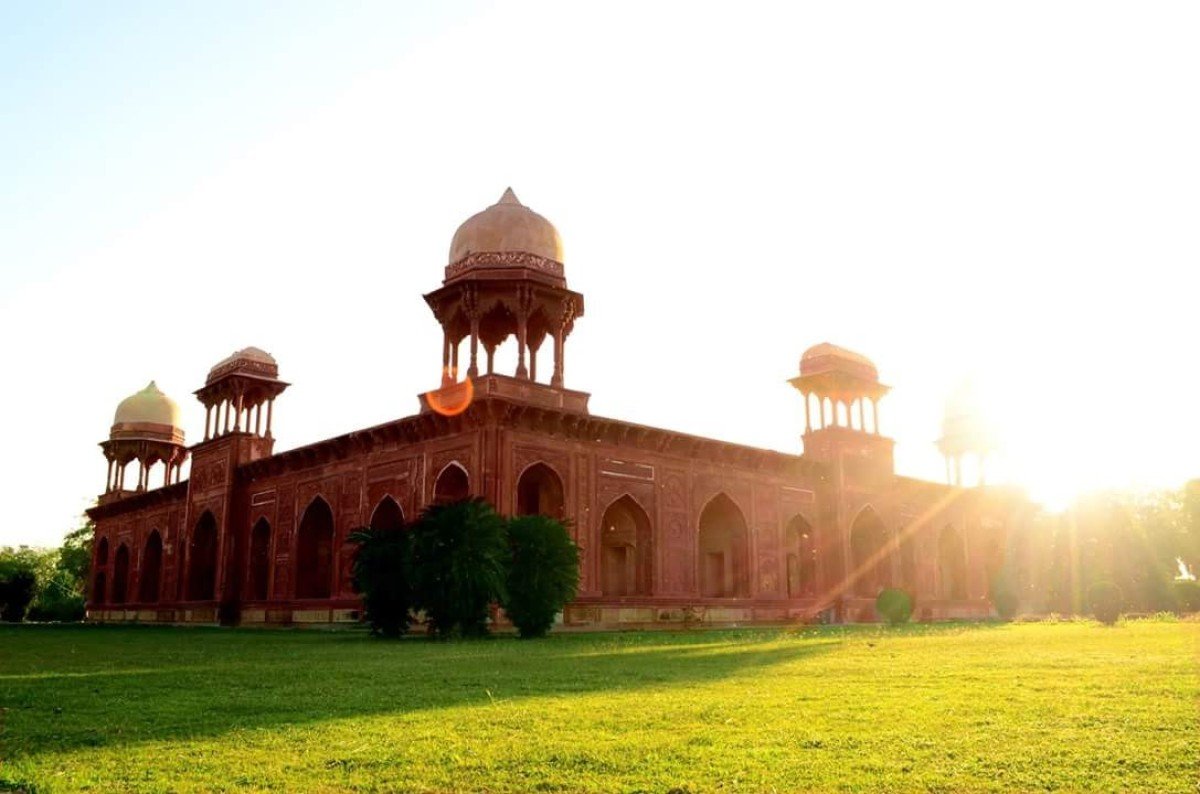
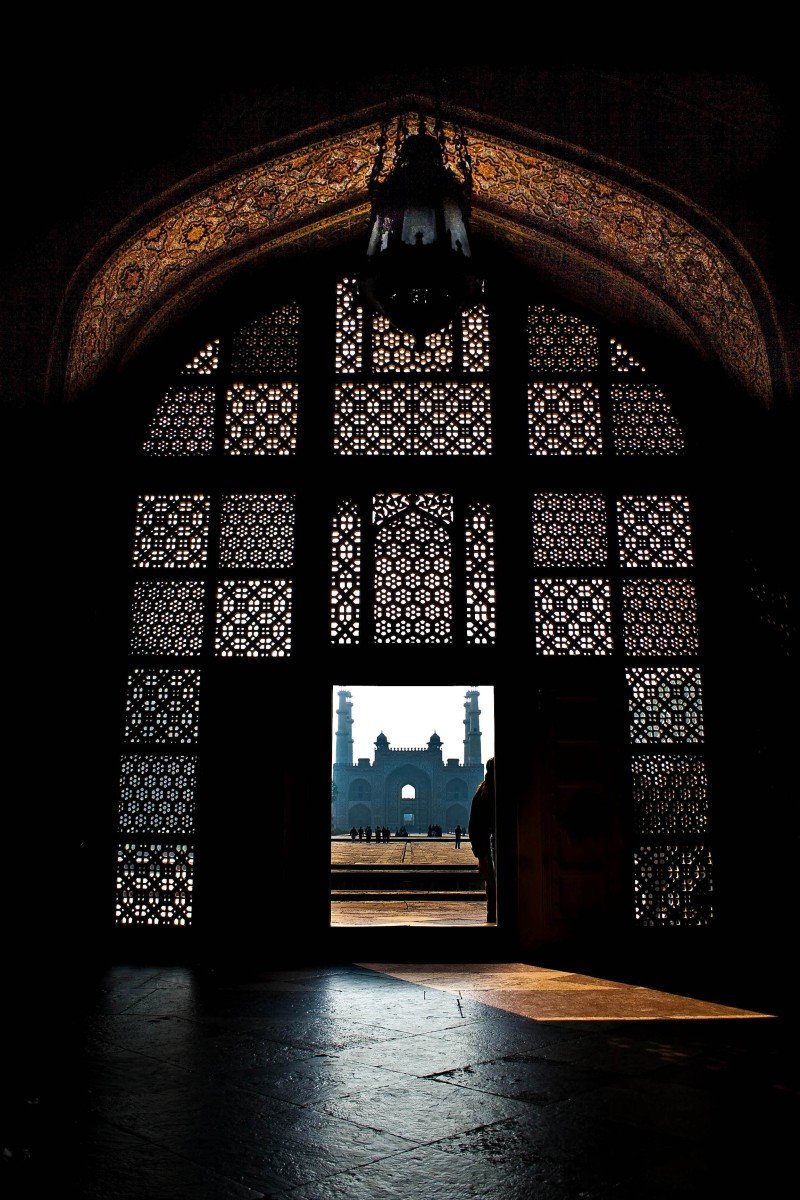
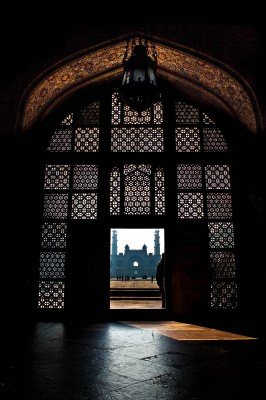 @@The Self-Designed Mausoleum: Akbar's Tomb, located in Sikandra, is the final resting place of the great Mughal Emperor, Akbar the Great. The construction was initiated by Akbar himself in 1600, following the tradition of his self-designed tomb, and was completed by his son, Jahangir, in 1613. The tomb complex is set within a massive Charbagh (four-part Persian garden) and is unique as it faces the East, towards the rising sun, rather than West (towards Mecca), reflecting Akbar's secular and eclectic religious philosophy, Din-i-Ilahi. The actual tomb is in the basement, and a false cenotaph lies on the main floor. The site also holds the grave of Akbar's wife, Mariam-uz-Zamani. (Condensed from ~400 words):
Information
-
Why Famous:
The Seventh Wonder: Agra is famous worldwide because it houses the Taj Mahal. This white marble mausoleum is a symbol of eternal love. It was built by Emperor Shah Jahan for his wife Mumtaz Mahal. Millions of tourists visit every year to see this wonder.The Seventh Wonder: Agra is famous worldwide because it houses the Taj Mahal. This white marble mausoleum is a symbol of eternal love. It was built by Emperor Shah Jahan for his wife Mumtaz Mahal. Millions of tourists visit every year to see this wonder.
Mughal Heritage: The city boasts three UNESCO World Heritage Sites. These include the Taj Mahal, Agra Fort, and Fatehpur Sikri. Each site represents a different era of Mughal rule. The architectural grandeur of these places is unmatched. -
Architecture:
Main Structure: The Taj Mahal stands on a high marble plinth with four minarets. It follows a symmetrical plan with a central bulbous dome. The height of the main dome is 73 meters. The entire complex is a masterpiece of balance.
Design Eleme...Main Structure: The Taj Mahal stands on a high marble plinth with four minarets. It follows a symmetrical plan with a central bulbous dome. The height of the main dome is 73 meters. The entire complex is a masterpiece of balance.
Design Elements: The walls are decorated with intricate carvings and Pietra Dura inlay. Precious stones were used to create floral patterns in white marble. The calligraphy on the walls features verses from the Quran. The Charbagh garden adds to the aesthetic beauty of the layout. -
How To Reach:
By Air: Agra has its own domestic airport called Kheria Airport. It is located about 13 KMS from the city center. Regular flights connect it to cities like Delhi and Mumbai. Taxis are easily available from the airport to hotels.
By Train:...By Air: Agra has its own domestic airport called Kheria Airport. It is located about 13 KMS from the city center. Regular flights connect it to cities like Delhi and Mumbai. Taxis are easily available from the airport to hotels.
By Train: Agra Cantt is the main railway station with excellent connectivity. High-speed trains like Gatiman Express run from Delhi. Other stations include Agra Fort and Raja Ki Mandi. Trains are the most convenient way to reach the city.
By Road: The Yamuna Expressway connects Agra to Delhi in about 3 hours. Regular buses operate from Lucknow, Jaipur, and Kanpur. Private cabs are a popular choice for tourists from nearby cities. The road network is well-maintained and efficient.
Local Transport: Auto-rickshaws and cycle-rickshaws are common for short distances. E-rickshaws are also widely available and eco-friendly. Taxis and app-based cabs like Uber operate in the city. Walking is feasible within the heritage zones of the old city. -
Weather and Best Time to Visit:
Winter Season: October to March is the peak tourist season. The weather is cool and perfect for long sightseeing tours. Afternoon sun is mild and comfortable for walking. This is the best time for photography and festivals.
Summer Season:...Winter Season: October to March is the peak tourist season. The weather is cool and perfect for long sightseeing tours. Afternoon sun is mild and comfortable for walking. This is the best time for photography and festivals.
Summer Season: April to June can be extremely hot with high temperatures. Sightseeing is difficult during the peak afternoon hours. It is advisable to visit monuments early in the morning. Carrying water and sun protection is essential during this time.
Monsoon Season: July to September brings rain and a fresh look to the city. The gardens look lush green and the dust is washed away. Humidity can be high, making outdoor activities a bit sweaty. It is a good time for budget travelers as crowds are thin. -
Near Tourist Places:
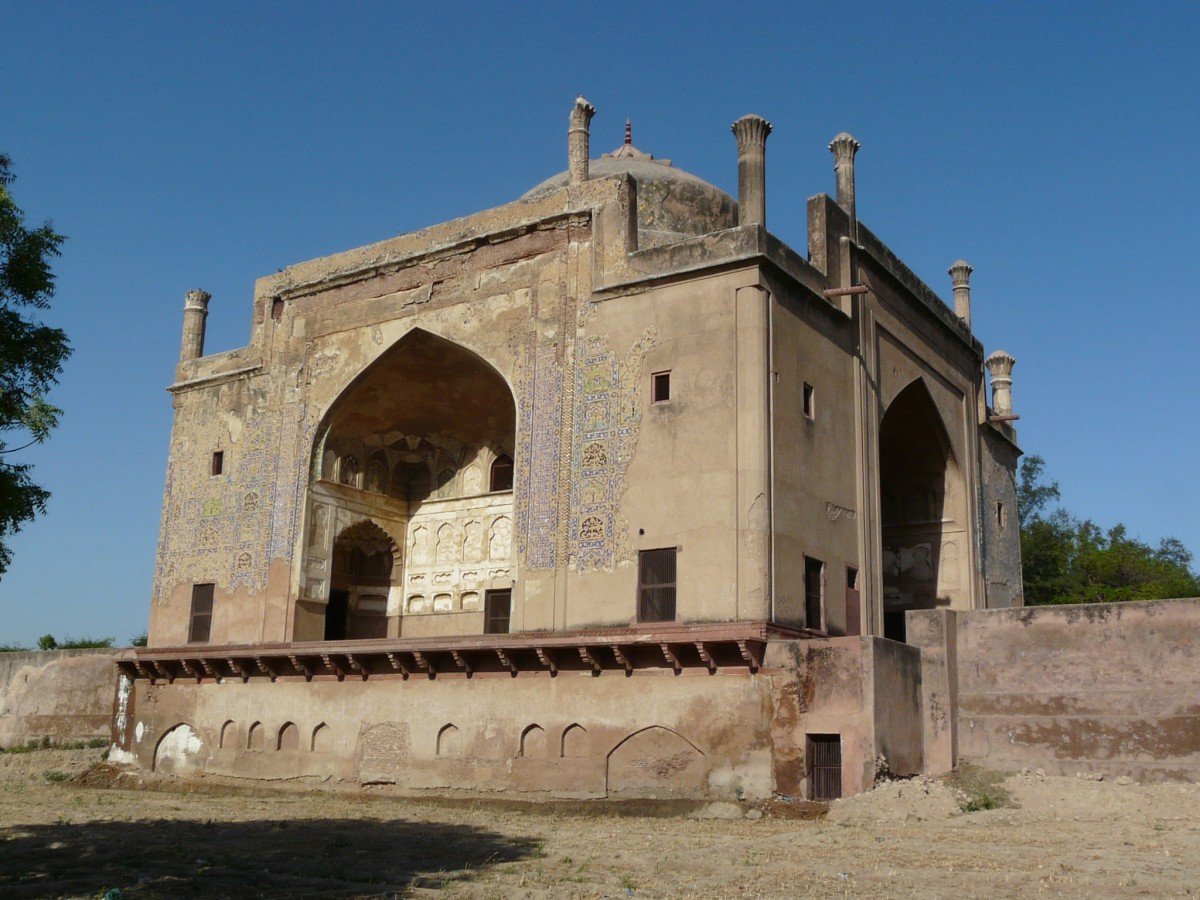
1. Fatehpur Sikri (36 KMS), 2. Mathura (58 KMS), 3. Vrindavan (70 KMS), 4. Keoladeo National Park (55 KMS), 5. Sikandra (10 KMS), 6. Itmad-ud-Daula (5 KMS), 7. Mariam's Tomb (12 KMS), 8. Dayal Bagh (8 KMS), 9. Mehtab Bagh (4 KMS), 10. Chini Ka Rauza (6 KMS).
Tourism Tips
-
Health & Safety: Always carry bottled water to stay hydrated during tours. Be cautious of "guides" who approach you without official IDs. Keep your belongings safe in crowded market areas. It is better to use authorized transport for late-night travel.
Read MoreHealth & Safety: Always carry bottled water to stay hydrated during tours. Be cautious of "guides" who approach you without official IDs. Keep your belongings safe in crowded market areas. It is better to use authorized transport for late-night travel.
Packing Tips: Wear comfortable walking shoes as monuments involve a lot of walking. Dress modestly when visiting religious or historical sites. Carry a hat, sunglasses, and sunscreen for daytime protection. Light cotton clothes are best for most of the year.
Accommodation: Agra offers a wide range of stay options from luxury to budget. Taj Ganj area has many guesthouses with views of the monument. Fatehabad Road is home to many high-end luxury hotels. It is better to book in advance during the peak winter season.
Other Advice: Check the official ASI website for any temporary closures. Try to reach the Taj Mahal before sunrise for the best experience. Avoid visiting on public holidays to stay away from huge crowds. Respect the local customs and traditions of the city.Reviews
FAQs
Agra Itineray And Cost:-
Other Places In Uttar Pradesh :-
Other States In India :-
Information about New and Updated Locations() of Uttar Pradesh Has Been Added :-
Card subtitle
Note:-
Information provided here in good Faith and for reference only.
Near Places
Agra
Some quick example text to build on the card title and make up the bulk of the card's content.
Go somewhere
Aligarh
Some quick example text to build on the card title and make up the bulk of the card's content.
Go somewhere
Ayodhya
Some quick example text to build on the card title and make up the bulk of the card's content.
Go somewhere
Azamgarh
Some quick example text to build on the card title and make up the bulk of the card's content.
Go somewhere
Bahraich
Some quick example text to build on the card title and make up the bulk of the card's content.
Go somewhere
Bareilly
Some quick example text to build on the card title and make up the bulk of the card's content.
Go somewhere
Chitrakoot
Some quick example text to build on the card title and make up the bulk of the card's content.
Go somewhere
Fatehpur Sikri
Some quick example text to build on the card title and make up the bulk of the card's content.
Go somewhere
Ghaziabad
Some quick example text to build on the card title and make up the bulk of the card's content.
Go somewhere
Gorakhpur
Some quick example text to build on the card title and make up the bulk of the card's content.
Go somewhere
Hastinapur
Some quick example text to build on the card title and make up the bulk of the card's content.
Go somewhere
Jhansi
Some quick example text to build on the card title and make up the bulk of the card's content.
Go somewhere
Kanpur
Some quick example text to build on the card title and make up the bulk of the card's content.
Go somewhere
Kushinagar
Some quick example text to build on the card title and make up the bulk of the card's content.
Go somewhere
Lucknow
Some quick example text to build on the card title and make up the bulk of the card's content.
Go somewhere
Mathura
Some quick example text to build on the card title and make up the bulk of the card's content.
Go somewherein Other Cities