

Hastinapur
General information
-
Ideal Duration:
2 to 3 DaysPlace Type:
Historical & PilgrimageEntry Fees:
Place Entry Fees:
Temple Complexes: Most temples like Bada Mandir and Jambudweep offer free entry for devotees, though donations are welcomed for maintenance.
Wildlife Sanctuary: There is a nominal fee for en...Place Entry Fees:
Temple Complexes: Most temples like Bada Mandir and Jambudweep offer free entry for devotees, though donations are welcomed for maintenance.
Wildlife Sanctuary: There is a nominal fee for entry into the sanctuary area, which helps in the conservation efforts of the Forest Department.Timing:
Place Timings:
General Hours: Temples are usually open from 6:00 AM to 8:00 PM daily; however, it is best to visit during the morning aarti.
Seasonal Changes: During Summer, early morning visits are recommen...Place Timings:
General Hours: Temples are usually open from 6:00 AM to 8:00 PM daily; however, it is best to visit during the morning aarti.
Seasonal Changes: During Summer, early morning visits are recommended, while Winter allows for all-day exploration due to pleasant weather conditions.Special Events:
Place Special Event:
Kartik Mela: Held in November, this massive fair on the banks of the Ganga attracts thousands for a holy dip and traditional shopping.
Holi Celebration: The festival of colors is celebrat...Place Special Event:
Kartik Mela: Held in November, this massive fair on the banks of the Ganga attracts thousands for a holy dip and traditional shopping.
Holi Celebration: The festival of colors is celebrated with great fervor in the temples, reflecting the local cultural traditions of the Doab region.Best Photo Spots:
Place Best Photo Spots:
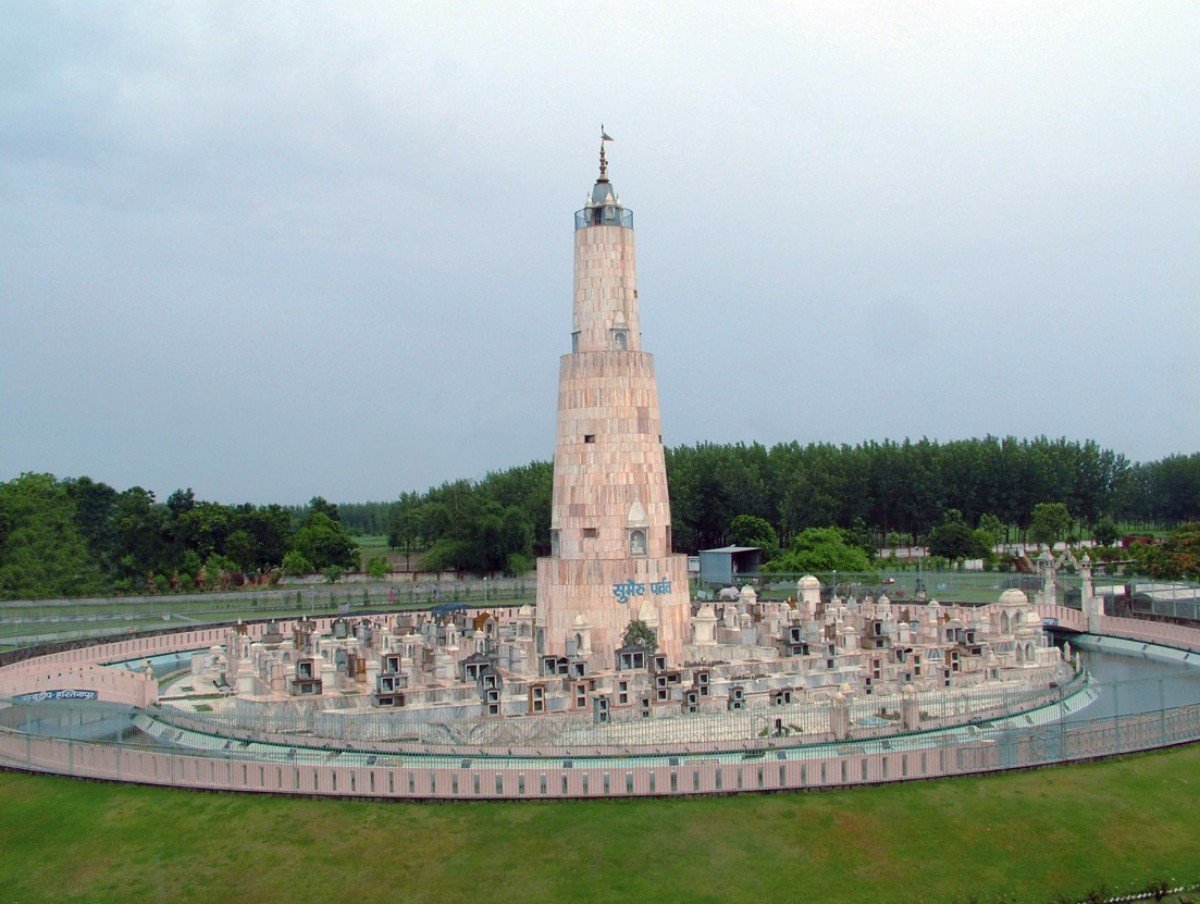
Sumeru Parvat: The towering colorful structure in Jambudweep is a photographer's delight, especially during the early morning golden hour.
Ashtapad Teerth: The white marble facade and ...Place Best Photo Spots:
Sumeru Parvat: The towering colorful structure in Jambudweep is a photographer's delight, especially during the early morning golden hour.
Ashtapad Teerth: The white marble facade and the sheer height of this temple provide a majestic backdrop for wide-angle landscape shots.
Ganga Banks: The rustic beauty of the river ravines during sunset offers a perfect silhouette of the ancient mounds and local flora.Photo Gallery


Things To Do
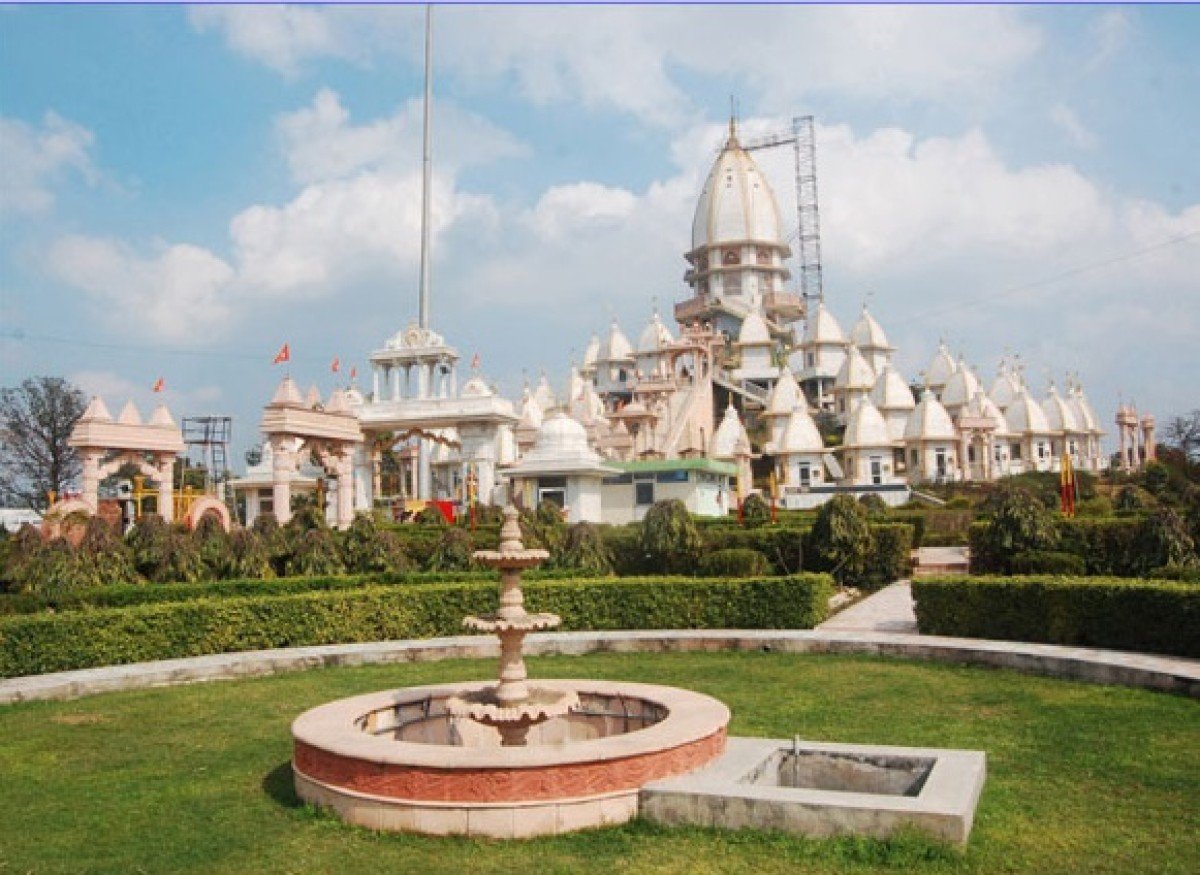
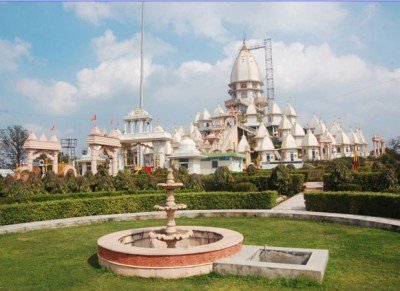 @@History of Kailash Parvat: The Kailash Parvat Rachna in Hastinapur is a massive religious structure that serves as a replica of the original Mount Kailash in the Himalayas. According to Jain tradition, the first Tirthankar, Lord Rishabhdev (Adinath), attained salvation (Moksha) on the snow-capped peaks of Kailash. Since the actual mountain is difficult for many devotees to reach due to its location in Tibet, this replica was constructed to allow pilgrims to offer their prayers in a similar spiritual setting. It is an extension of the Prachin Bada Digambar Jain Mandir, the oldest temple in the city. The structure is unique because it houses 72 separate shrines, representing the Trikal Chaubesee—the 24 Tirthankaras of the past, present, and future eras. The temple was built under the guidance of the Digambar Jain Management Trust and stands as a symbol of architectural excellence and religious devotion. The complex is surrounded by beautifully manicured gardens and fountains, creating a peaceful atmosphere for meditation and prayer. The climb to the main temple at the top is symbolic of the soul's journey toward enlightenment and liberation from the cycle of birth and death. Inside the main sanctum, a majestic idol of Lord Adinath is seated in the Padmasana posture, radiating peace and tranquility. The intricate carvings on the walls depict scenes from the life of the Tirthankaras and the various punishments in hell, serving as a moral guide for devotees. It is a place where mythology meets modern craftsmanship, making it a must-visit for anyone interested in Jainism.
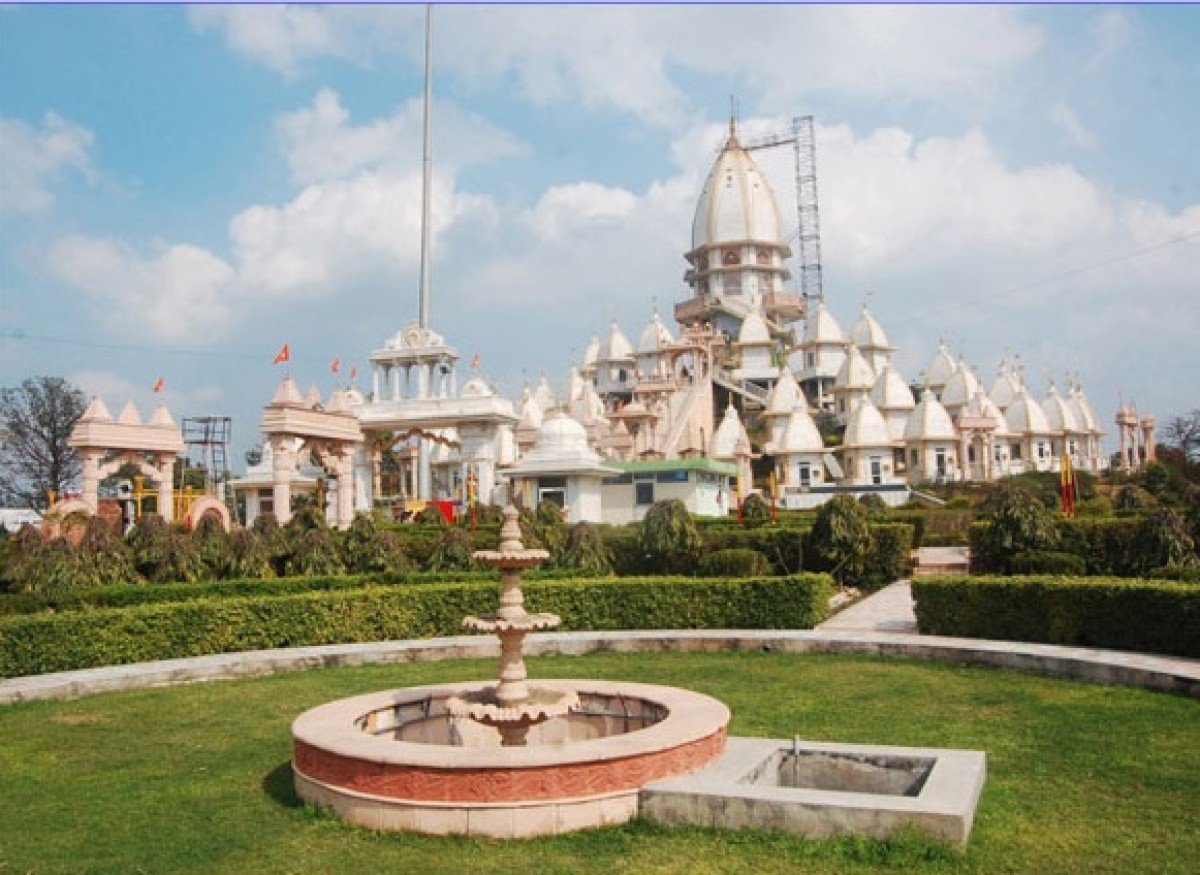
 The Ashtapad Teerth is a magnificent Shwetambar Jain shrine that serves as a symbolic replica of the original Ashtapad Mountain located in the Himalayas. According to Jain mythology, the first Tirthankara, Bhagwan Rishabhdev, attained Nirvana on the original mountain. This structure in Hastinapur was inaugurated in December 2009 under the guidance of Acharya Nityanand Surishwerji. It stands as a beacon of faith, attracting thousands of pilgrims who seek to experience the holiness associated with the salvation of the first Tirthankara. The complex is spread over a vast area and is maintained by the Shri Hastinapur Jain Shwetambar Teerth Trust. It is not just a temple but a center for spiritual learning and meditation, offering a serene environment away from the hustle of the city. The site is deeply revered because it is believed that a pilgrimage here can grant the same spiritual merits as visiting the original inaccessible peak.
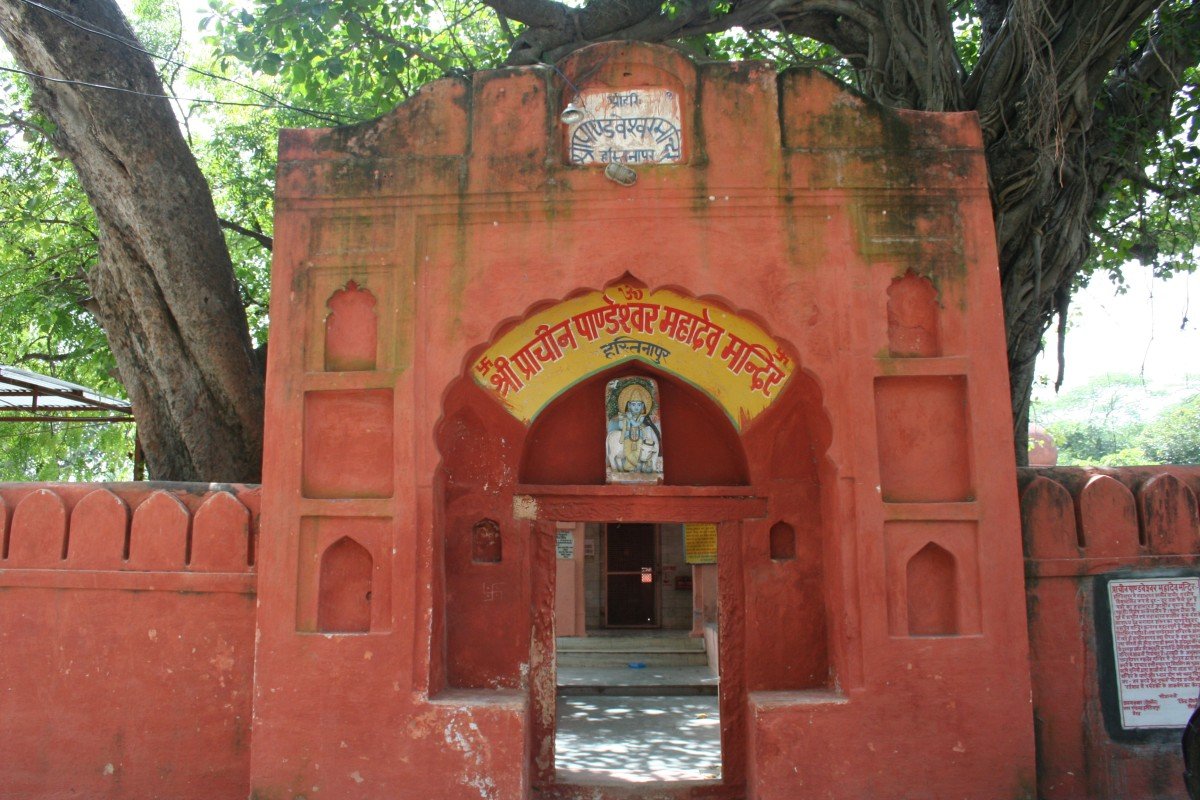
 The Pandeshwar Temple is a legendary Hindu shrine dedicated to Lord Shiva, located on a historic hillock within the archaeological ruins of Hastinapur. This site is deeply rooted in the Mahabharata epic, as it is believed to be the place where the five Pandava brothers—Yudhisthira, Bhima, Arjuna, Nakula, and Sahadeva—offered their prayers and received spiritual guidance. The temple sits atop a mound that offers a commanding view of the surrounding plains and the Ganga riverbed. Legend says that the Shivalinga here was established by Karna or worshipped by the Pandavas before the great war of Kurukshetra. The atmosphere is filled with a sense of ancient history, and the site feels like a bridge between the mythological past and the present. Surrounding the temple are various other ruins and smaller shrines, including a temple dedicated to Goddess Kali built by the Bengali community. The site is not just a religious spot but also a significant archaeological location where excavations have revealed pottery and artifacts dating back thousands of years. It is a must-visit for anyone interested in the roots of Indian civilization and the tales of the Kuru dynasty.
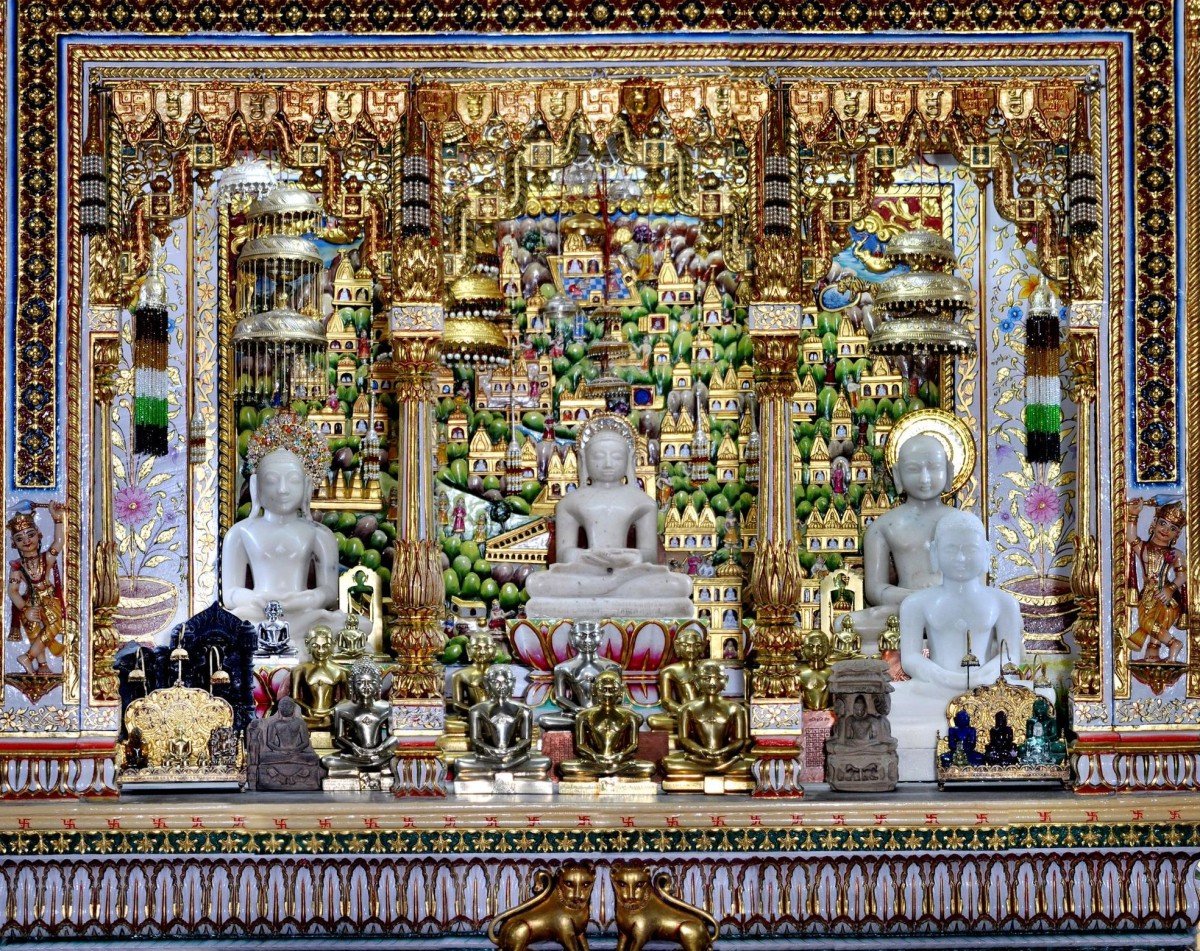
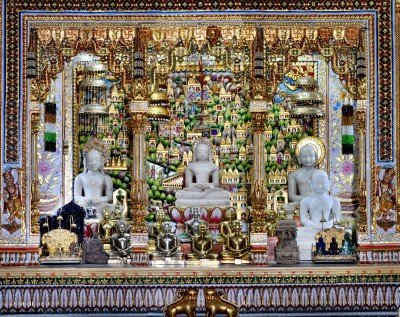 The Shri Digambar Jain Prachin Bada Mandir is the oldest and most significant Jain temple in Hastinapur. Built in 1801 by Raja Harsukh Rai, the imperial treasurer of Mughal Emperor Shah Alam II, this temple is dedicated to the 16th Tirthankara, Bhagwan Shantinatha. The temple is situated on a 40-foot-high hillock, which is believed to be a part of the ancient ruins of the Kuru capital. The complex is huge, housing several smaller temples, a library, and various 'Rachnas' (models) of Jain cosmology. It serves as the administrative heart of the Digambar Jain community in the region. The main idol of Lord Shantinatha is in the Padmasana posture and radiates a sense of profound peace. Over the centuries, the temple has been renovated, but it still retains its historical aura, making it the primary destination for every visitor to Hastinapur.
@@ Historical Significance and Origin: The Shri Digambar Jain Prachin Bada Mandir is the oldest Jain temple in Hastinapur, standing on a 40-foot-high hillock. It was constructed in 1801 under the guidance of Raja Harsukh Rai, who served as the imperial treasurer to the Mughal Emperor Shah Alam II. The temple is dedicated to Lord Shantinatha, the 16th Tirthankara, and the complex marks the birthplace of the 16th, 17th, and 18th Tirthankaras. It is also the site where the first Tirthankara, Lord Rishabhanatha, ended his 13-month fast by accepting sugarcane juice from King Shreyans, an event celebrated as Akshaya Tritiya. Over the centuries, the temple has undergone several renovations, yet it retains its spiritual gravity and ancient charm. The complex serves as the administrative heart of the Digambar Jain community in the region. Within its 40-acre campus, there are numerous smaller shrines, a gurukul, and a museum. The primary idol of Lord Shantinatha is carved from white marble and is seated in the Padmasana posture, radiating an aura of profound peace. Historical records suggest that during the Revolt of 1857, the temple faced looting, but the resilience of the local community ensured its restoration. Today, it stands as a massive pilgrimage site, attracting thousands of devotees who come to seek blessings and study Jain philosophy. The campus also includes a Jal Mandir, located in the middle of a serene pond, and a Manastambha (column of pride) that stands 31 feet tall at the entrance. The temple is not just a place of worship but a living museum of Jain culture, housing ancient scriptures and artifacts that date back several centuries. Walking through the complex, one can feel the layers of history, from the Mughal-era support of its construction to its current status as a beacon of non-violence and spiritual enlightenment. It remains the most important stop for any pilgrim visiting Hastinapur, providing both religious merit and historical insight into the Jain heritage of the Doab region.
The Shri Digambar Jain Prachin Bada Mandir is the oldest and most significant Jain temple in Hastinapur. Built in 1801 by Raja Harsukh Rai, the imperial treasurer of Mughal Emperor Shah Alam II, this temple is dedicated to the 16th Tirthankara, Bhagwan Shantinatha. The temple is situated on a 40-foot-high hillock, which is believed to be a part of the ancient ruins of the Kuru capital. The complex is huge, housing several smaller temples, a library, and various 'Rachnas' (models) of Jain cosmology. It serves as the administrative heart of the Digambar Jain community in the region. The main idol of Lord Shantinatha is in the Padmasana posture and radiates a sense of profound peace. Over the centuries, the temple has been renovated, but it still retains its historical aura, making it the primary destination for every visitor to Hastinapur.
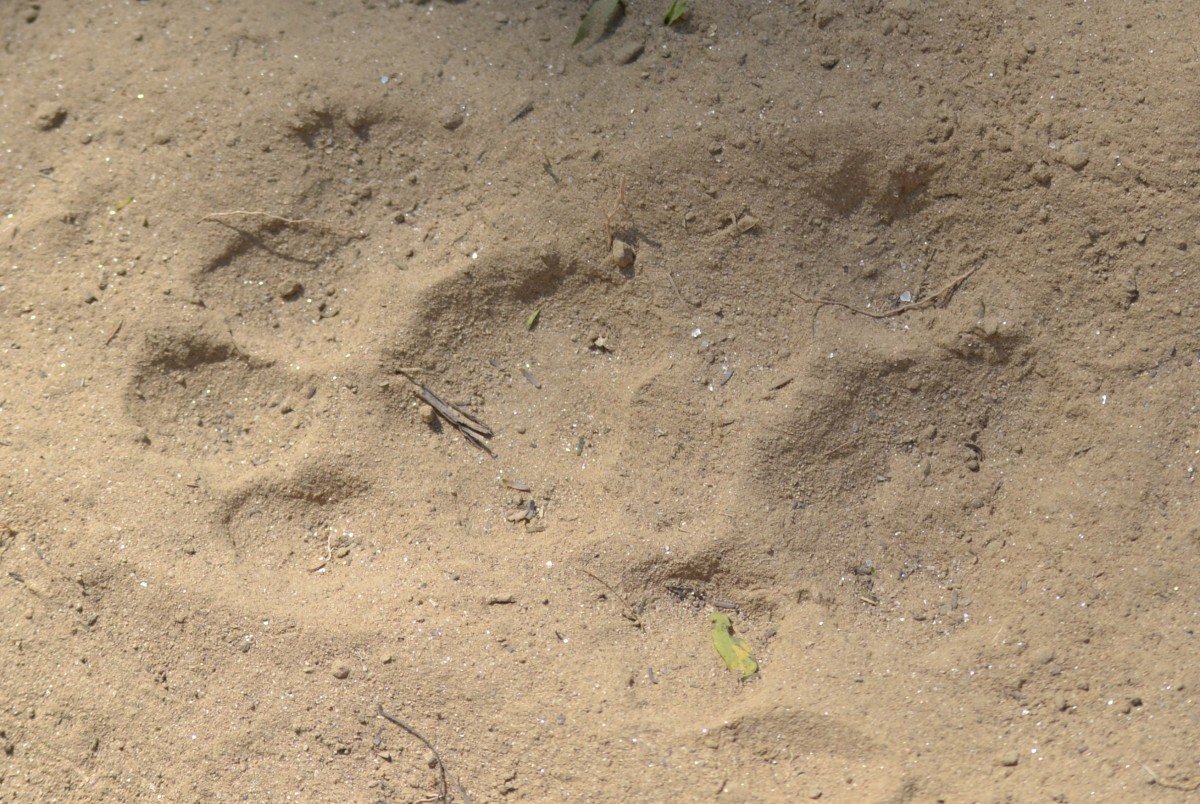
@@ Historical Significance and Origin: The Shri Digambar Jain Prachin Bada Mandir is the oldest Jain temple in Hastinapur, standing on a 40-foot-high hillock. It was constructed in 1801 under the guidance of Raja Harsukh Rai, who served as the imperial treasurer to the Mughal Emperor Shah Alam II. The temple is dedicated to Lord Shantinatha, the 16th Tirthankara, and the complex marks the birthplace of the 16th, 17th, and 18th Tirthankaras. It is also the site where the first Tirthankara, Lord Rishabhanatha, ended his 13-month fast by accepting sugarcane juice from King Shreyans, an event celebrated as Akshaya Tritiya. Over the centuries, the temple has undergone several renovations, yet it retains its spiritual gravity and ancient charm. The complex serves as the administrative heart of the Digambar Jain community in the region. Within its 40-acre campus, there are numerous smaller shrines, a gurukul, and a museum. The primary idol of Lord Shantinatha is carved from white marble and is seated in the Padmasana posture, radiating an aura of profound peace. Historical records suggest that during the Revolt of 1857, the temple faced looting, but the resilience of the local community ensured its restoration. Today, it stands as a massive pilgrimage site, attracting thousands of devotees who come to seek blessings and study Jain philosophy. The campus also includes a Jal Mandir, located in the middle of a serene pond, and a Manastambha (column of pride) that stands 31 feet tall at the entrance. The temple is not just a place of worship but a living museum of Jain culture, housing ancient scriptures and artifacts that date back several centuries. Walking through the complex, one can feel the layers of history, from the Mughal-era support of its construction to its current status as a beacon of non-violence and spiritual enlightenment. It remains the most important stop for any pilgrim visiting Hastinapur, providing both religious merit and historical insight into the Jain heritage of the Doab region. @@Overview of the Sanctuary: The Hastinapur Wildlife Sanctuary, established in 1986, is a massive protected area spanning over 2,073 Sq Kms across several districts like Meerut, Bijnor, and Amroha. This sanctuary is a vital part of the Indo-Gangetic plains, offering a diverse landscape that includes wetlands, marshes, and dense forests. It serves as a crucial habitat for the critically endangered Swamp Deer (Barasingha) and the national bird, the Sarus Crane, making it a paradise for nature lovers. The sanctuary is also home to a variety of other mammals such as Leopards, Hog Deer, and Wild Boars, along with over 350 species of resident and migratory birds. Its location along the old bed of the Ganga River, known as Boodhi Ganga, creates a unique ecosystem that supports a rich variety of flora and fauna. Visitors can witness the harmonious coexistence of wildlife and the local agricultural landscape, as much of the sanctuary area is also used for farming. This sanctuary plays a significant role in the Asia Flyway project, attracting numerous migratory birds during the winter months from far-off regions. The conservation efforts here include a Gharial breeding project and a Turtle rehabilitation center, highlighting its ecological importance. Exploring this sanctuary provides a serene escape from the urban hustle, allowing tourists to immerse themselves in the raw beauty of nature. The mix of tall grasslands and riverine forests offers a picturesque setting for eco-tourism and wildlife photography enthusiasts alike. It is truly a hidden ecological treasure in the heart of Uttar Pradesh.
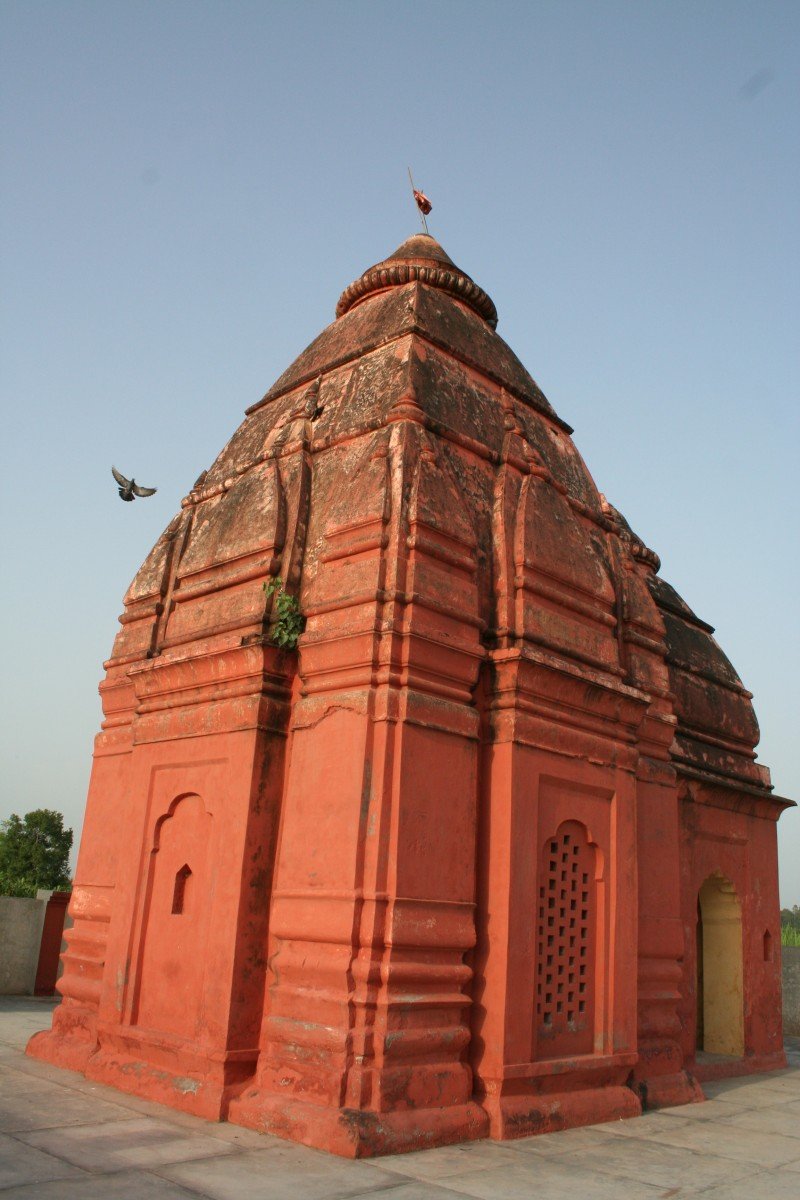
@@Historical Significance of Karna Temple: The Karn Temple is one of the most historically and mythologically significant sites in Hastinapur, dedicated to the legendary hero Karna from the Mahabharata. Situated on a high mound near the banks of the old Ganga ravine (Budhi Ganga), the temple is believed to date back over 4000 years. Legend says that Karna, known for his unparalleled generosity, established the Shivling inside this temple. It is said that he would take a ritual bath in the Ganga every morning and then offer gold to the poor before worshipping Lord Shiva at this very spot. The temple is a symbol of Karna's unwavering devotion and his role as the "Daanveer" or the Great Giver. The location offers a panoramic view of the surrounding plains, providing a glimpse into the ancient geography of the Kuru capital. Unlike the grand Jain temples, this site feels more ancient and raw, with ruins that whisper tales of the Mahabharata era. It is a place where history and myth are indistinguishable, attracting both religious devotees and history buffs. The site has been a subject of archaeological interest, as it sits on an ancient mound that has yielded artifacts from various historical periods. The peaceful aura of the temple, combined with its connection to one of the most tragic and heroic figures of Indian mythology, makes it a deeply moving place to visit. It remains a focal point for local worship and a must-see for those retracing the steps of the Pandavas and Kauravas in Hastinapur.Show All
@@Overview of the Sanctuary: The Hastinapur Wildlife Sanctuary, established in 1986, is a massive protected area spanning over 2,073 Sq Kms across several districts like Meerut, Bijnor, and Amroha. This sanctuary is a vital part of the Indo-Gangetic plains, offering a diverse landscape that includes wetlands, marshes, and dense forests. It serves as a crucial habitat for the critically endangered Swamp Deer (Barasingha) and the national bird, the Sarus Crane, making it a paradise for nature lovers. The sanctuary is also home to a variety of other mammals such as Leopards, Hog Deer, and Wild Boars, along with over 350 species of resident and migratory birds. Its location along the old bed of the Ganga River, known as Boodhi Ganga, creates a unique ecosystem that supports a rich variety of flora and fauna. Visitors can witness the harmonious coexistence of wildlife and the local agricultural landscape, as much of the sanctuary area is also used for farming. This sanctuary plays a significant role in the Asia Flyway project, attracting numerous migratory birds during the winter months from far-off regions. The conservation efforts here include a Gharial breeding project and a Turtle rehabilitation center, highlighting its ecological importance. Exploring this sanctuary provides a serene escape from the urban hustle, allowing tourists to immerse themselves in the raw beauty of nature. The mix of tall grasslands and riverine forests offers a picturesque setting for eco-tourism and wildlife photography enthusiasts alike. It is truly a hidden ecological treasure in the heart of Uttar Pradesh.
@@Historical Significance of Karna Temple: The Karn Temple is one of the most historically and mythologically significant sites in Hastinapur, dedicated to the legendary hero Karna from the Mahabharata. Situated on a high mound near the banks of the old Ganga ravine (Budhi Ganga), the temple is believed to date back over 4000 years. Legend says that Karna, known for his unparalleled generosity, established the Shivling inside this temple. It is said that he would take a ritual bath in the Ganga every morning and then offer gold to the poor before worshipping Lord Shiva at this very spot. The temple is a symbol of Karna's unwavering devotion and his role as the "Daanveer" or the Great Giver. The location offers a panoramic view of the surrounding plains, providing a glimpse into the ancient geography of the Kuru capital. Unlike the grand Jain temples, this site feels more ancient and raw, with ruins that whisper tales of the Mahabharata era. It is a place where history and myth are indistinguishable, attracting both religious devotees and history buffs. The site has been a subject of archaeological interest, as it sits on an ancient mound that has yielded artifacts from various historical periods. The peaceful aura of the temple, combined with its connection to one of the most tragic and heroic figures of Indian mythology, makes it a deeply moving place to visit. It remains a focal point for local worship and a must-see for those retracing the steps of the Pandavas and Kauravas in Hastinapur.Show All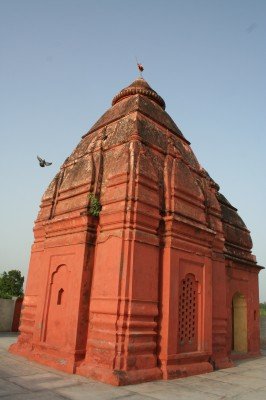 Badi Jhaal is a scenic picnic spot and a functional irrigation structure located on the Upper Ganges Canal. It is essentially a large regulator or "fall" where the canal water drops from a height, creating a beautiful artificial waterfall effect. This spot has become a popular weekend getaway for locals and tourists from Meerut and Hastinapur. The sound of rushing water combined with the surrounding greenery of the Hastinapur Wildlife Sanctuary area makes it a refreshing retreat. Historically, it was built during the British era as part of the massive Ganges Canal irrigation project. The area around the 'Jhaal' (fall) is often used by families for day outings and picnics. While it is not a religious site, its proximity to the holy town of Hastinapur makes it a must-visit for those looking for a natural escape. It provides a unique contrast to the temple-heavy itinerary of the region.
Information
-
Why Famous:
Why Famous Place:
Mahabharata Legend: The city is the primary setting for the Mahabharata, where the legendary game of dice and the exile of the Pandavas began. Every corner of the town resonates with stories of Bhishma, Dhritarashtra, and t...Why Famous Place:
Mahabharata Legend: The city is the primary setting for the Mahabharata, where the legendary game of dice and the exile of the Pandavas began. Every corner of the town resonates with stories of Bhishma, Dhritarashtra, and the Kuru princes.
Jain Pilgrimage: It is a major hub for the Digambar and Shwetambar sects, housing the massive Bada Mandir built in 1801. The presence of multiple "Tonks" and historical shrines makes it a central pillar of Jain faith in North India. -
Architecture:
Place Architecture:
Jambudweep Structure: The architecture of Jambudweep is a unique model of Jain cosmography, featuring the 101-foot tall Sumeru Parvat. It is built using white marble and colorful stones to represent various celestial isla...Place Architecture:
Jambudweep Structure: The architecture of Jambudweep is a unique model of Jain cosmography, featuring the 101-foot tall Sumeru Parvat. It is built using white marble and colorful stones to represent various celestial islands.
Ancient Temples: The Pandeshwar Temple and Karna Temple exhibit classic North Indian Shikhara styles with intricate carvings on stone. The Ashtapad Teerth stands 151 feet high, showcasing modern engineering combined with traditional religious aesthetics. -
How To Reach:
Place How to Reach:
By Air: The nearest major airport is Indira Gandhi International Airport in Delhi, located approximately 130 KMS away from the town.
By Train: Meerut City and Meerut Cantt are the closest ...Place How to Reach:
By Air: The nearest major airport is Indira Gandhi International Airport in Delhi, located approximately 130 KMS away from the town.
By Train: Meerut City and Meerut Cantt are the closest railway stations, about 40 KMS away, with regular trains from Delhi, Lucknow, and Amritsar.
By Road: It is well-connected via National Highway 34; regular UPSRTC buses ply from Meerut, Delhi, and Bijnor directly to the Hastinapur bus stand.
By Local Transport: Auto-rickshaws and cycle-rickshaws are the most common ways to move between the various temple complexes and local markets within the town. -
Weather and Best Time to Visit:
Place Best Time to Visit:
Winter Season: The months from October to March are ideal, as the temperature ranges from 10°C to 22°C, making it perfect for sightseeing.
Monsoon Magic: During July to September, ...Place Best Time to Visit:
Winter Season: The months from October to March are ideal, as the temperature ranges from 10°C to 22°C, making it perfect for sightseeing.
Monsoon Magic: During July to September, the Hastinapur Sanctuary turns lush green, though the high humidity might make outdoor temple visits slightly uncomfortable. -
Near Tourist Places:
Meerut (37 KMS), Shukratal (30 KMS), Sardhana (55 KMS), Bijnor (35 KMS), Gajraula (60 KMS), Delhi (110 KMS), Haridwar (135 KMS), Rishikesh (160 KMS), Muzaffarnagar (55 KMS), Modinagar (65 KMS).
Tourism Tips
-
Place Tourism Tips:
Packing Essentials: Carry modest clothing for temple visits and comfortable walking shoes for the vast temple complexes; sunblock is a must during the day.
Health & Safety: Drink bottled ...Place Tourism Tips:
Packing Essentials: Carry modest clothing for temple visits and comfortable walking shoes for the vast temple complexes; sunblock is a must during the day.
Health & Safety: Drink bottled water and keep a basic first-aid kit; the town is generally safe, but avoid isolated sanctuary areas after dark without a guide.
Accommodation: Stay at the various Jain Dharamshalas for an authentic and budget-friendly experience, or choose forest rest houses for a closer stay to nature.
Cultural Etiquette: Always remove your shoes before entering temple premises and seek permission before taking photographs of devotees or internal sanctums.
Reviews
FAQs
Hastinapur Itineray And Cost:-
Other Places In Uttar Pradesh :-
Other States In India :-
Information about New and Updated Locations() of Uttar Pradesh Has Been Added :-
Card subtitle
Note:-
Information provided here in good Faith and for reference only.
Near Places
Agra
Some quick example text to build on the card title and make up the bulk of the card's content.
Go somewhere
Aligarh
Some quick example text to build on the card title and make up the bulk of the card's content.
Go somewhere
Ayodhya
Some quick example text to build on the card title and make up the bulk of the card's content.
Go somewhere
Azamgarh
Some quick example text to build on the card title and make up the bulk of the card's content.
Go somewhere
Bahraich
Some quick example text to build on the card title and make up the bulk of the card's content.
Go somewhere
Bareilly
Some quick example text to build on the card title and make up the bulk of the card's content.
Go somewhere
Chitrakoot
Some quick example text to build on the card title and make up the bulk of the card's content.
Go somewhere
Fatehpur Sikri
Some quick example text to build on the card title and make up the bulk of the card's content.
Go somewhere
Ghaziabad
Some quick example text to build on the card title and make up the bulk of the card's content.
Go somewhere
Gorakhpur
Some quick example text to build on the card title and make up the bulk of the card's content.
Go somewhere
Hastinapur
Some quick example text to build on the card title and make up the bulk of the card's content.
Go somewhere
Jhansi
Some quick example text to build on the card title and make up the bulk of the card's content.
Go somewhere
Kanpur
Some quick example text to build on the card title and make up the bulk of the card's content.
Go somewhere
Kushinagar
Some quick example text to build on the card title and make up the bulk of the card's content.
Go somewhere
Lucknow
Some quick example text to build on the card title and make up the bulk of the card's content.
Go somewhere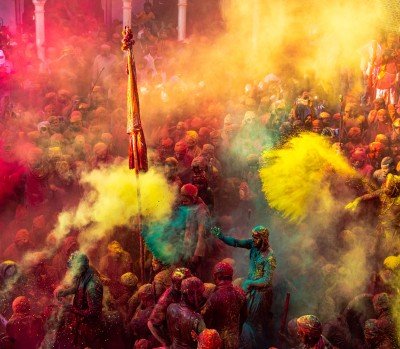
Mathura
Some quick example text to build on the card title and make up the bulk of the card's content.
Go somewherein Other Cities