
Mathura
General information
-
Ideal Duration:
2 to 3 DaysPlace Type:
Religious & Pilgrimage CityEntry Fees:
Temple Entry: Entry to almost all temples in Mathura, including the Krishna Janmabhoomi, is completely free for all visitors.
Museum Entry Fee: A nominal fee of 25 INR is charged for Indian adults to view the world-class archaeological colle...Temple Entry: Entry to almost all temples in Mathura, including the Krishna Janmabhoomi, is completely free for all visitors.
Museum Entry Fee: A nominal fee of 25 INR is charged for Indian adults to view the world-class archaeological collection.Timing:
Temple Timings: Most temples are open from 5:00 AM to 12:00 PM and then from 4:00 PM to 9:30 PM daily.
Ghat Aarti Time: The evening Yamuna Aarti usually takes place between 6:30 PM and 7:15 PM depending on the sunset. ...Temple Timings: Most temples are open from 5:00 AM to 12:00 PM and then from 4:00 PM to 9:30 PM daily.
Ghat Aarti Time: The evening Yamuna Aarti usually takes place between 6:30 PM and 7:15 PM depending on the sunset.Special Events:
Janmashtami: The city celebrates the birth of Krishna with grand mid-night rituals, decorations, and cultural performances in August.
Lathmar Holi: A unique and world-famous celebration where women playfully beat men with sticks, held in the...Janmashtami: The city celebrates the birth of Krishna with grand mid-night rituals, decorations, and cultural performances in August.
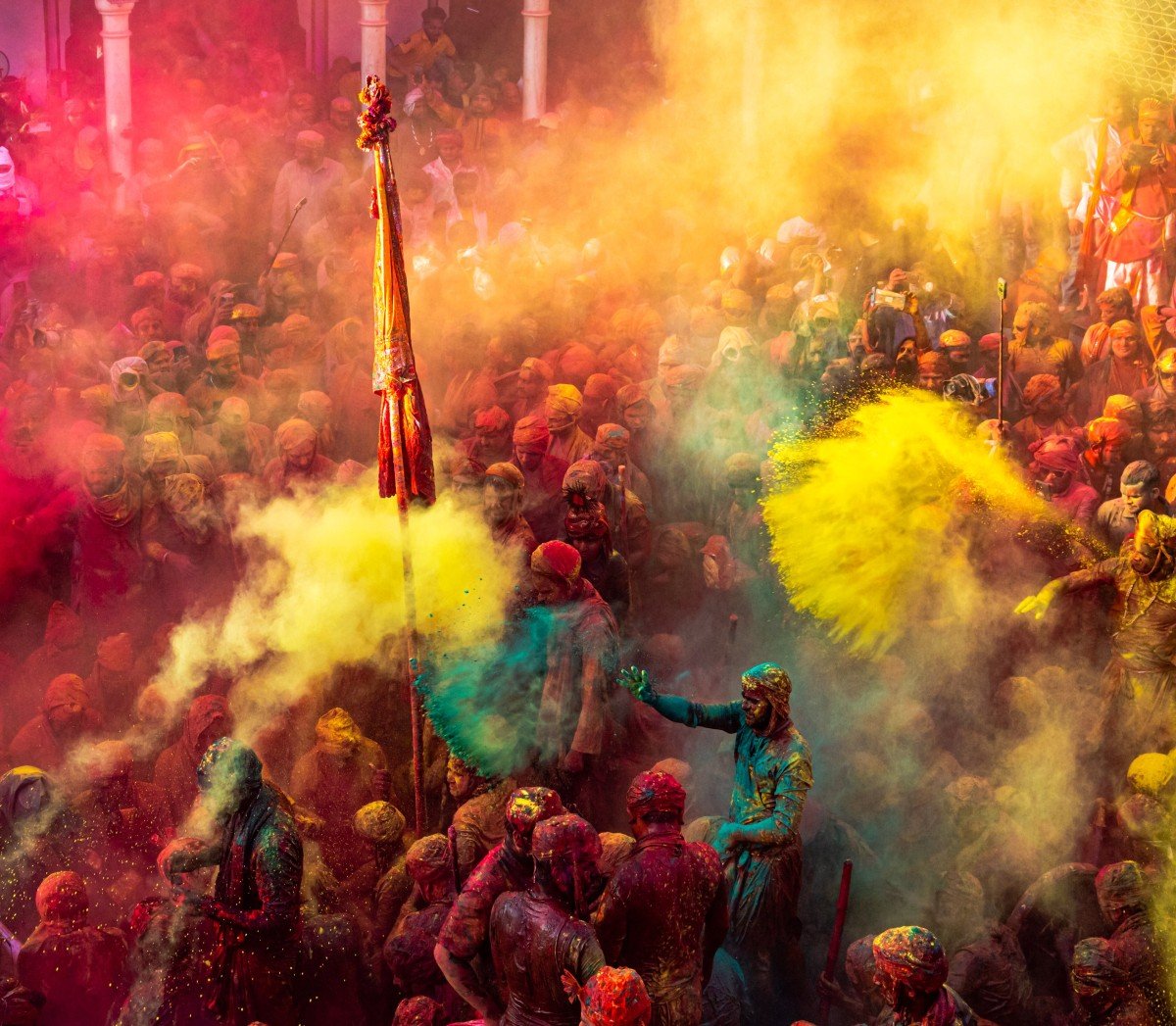
Lathmar Holi: A unique and world-famous celebration where women playfully beat men with sticks, held in the nearby villages of Barsana.Best Photo Spots:
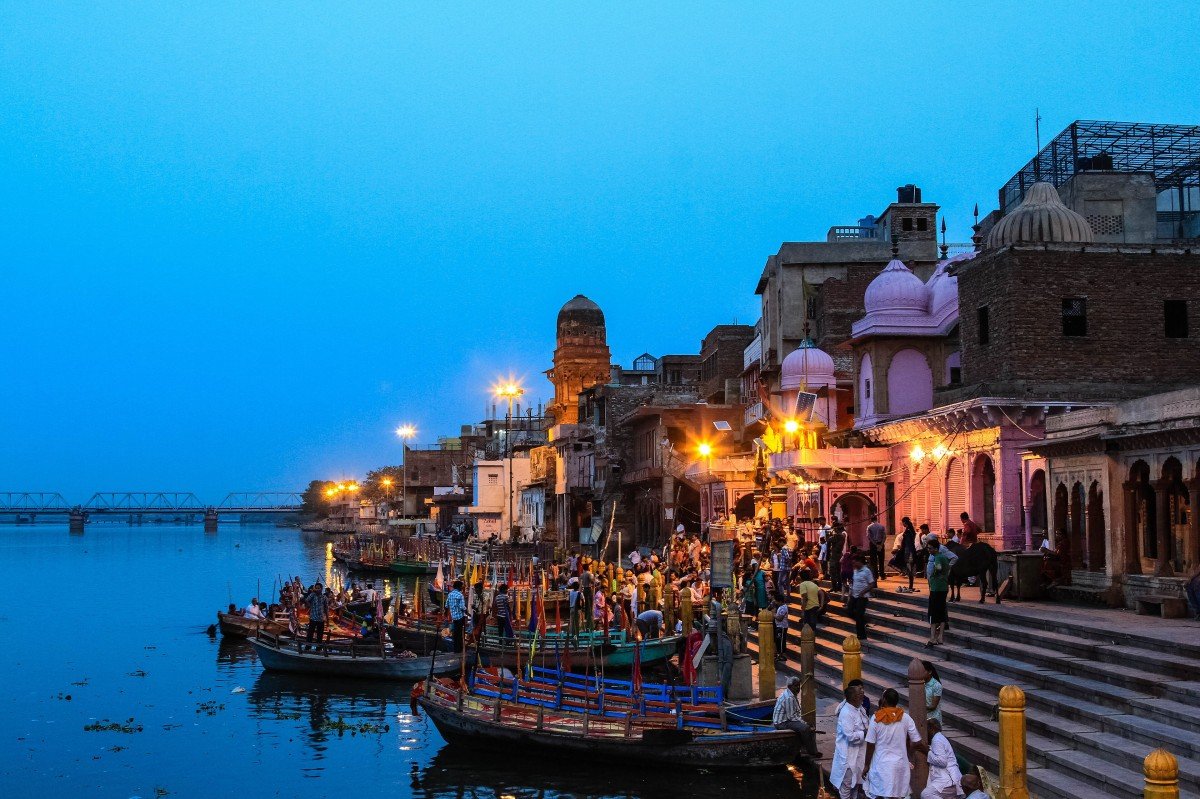
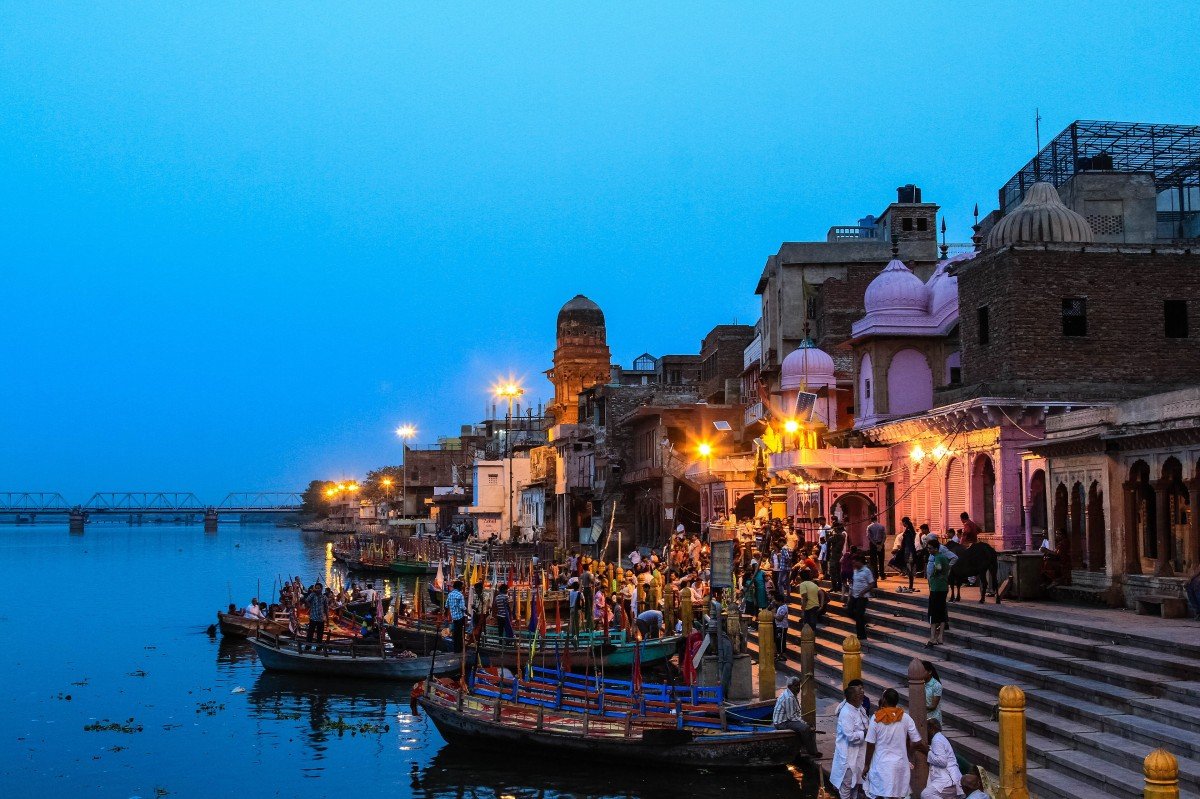
Vishram Ghat at Dusk: The reflection of the temple lights and floating diyas in the river Yamuna provides a magical and spiritual photo.
Kusum Sarovar Architecture: The intricate carvings and the reflection of the cenotaphs in the water crea...Vishram Ghat at Dusk: The reflection of the temple lights and floating diyas in the river Yamuna provides a magical and spiritual photo.
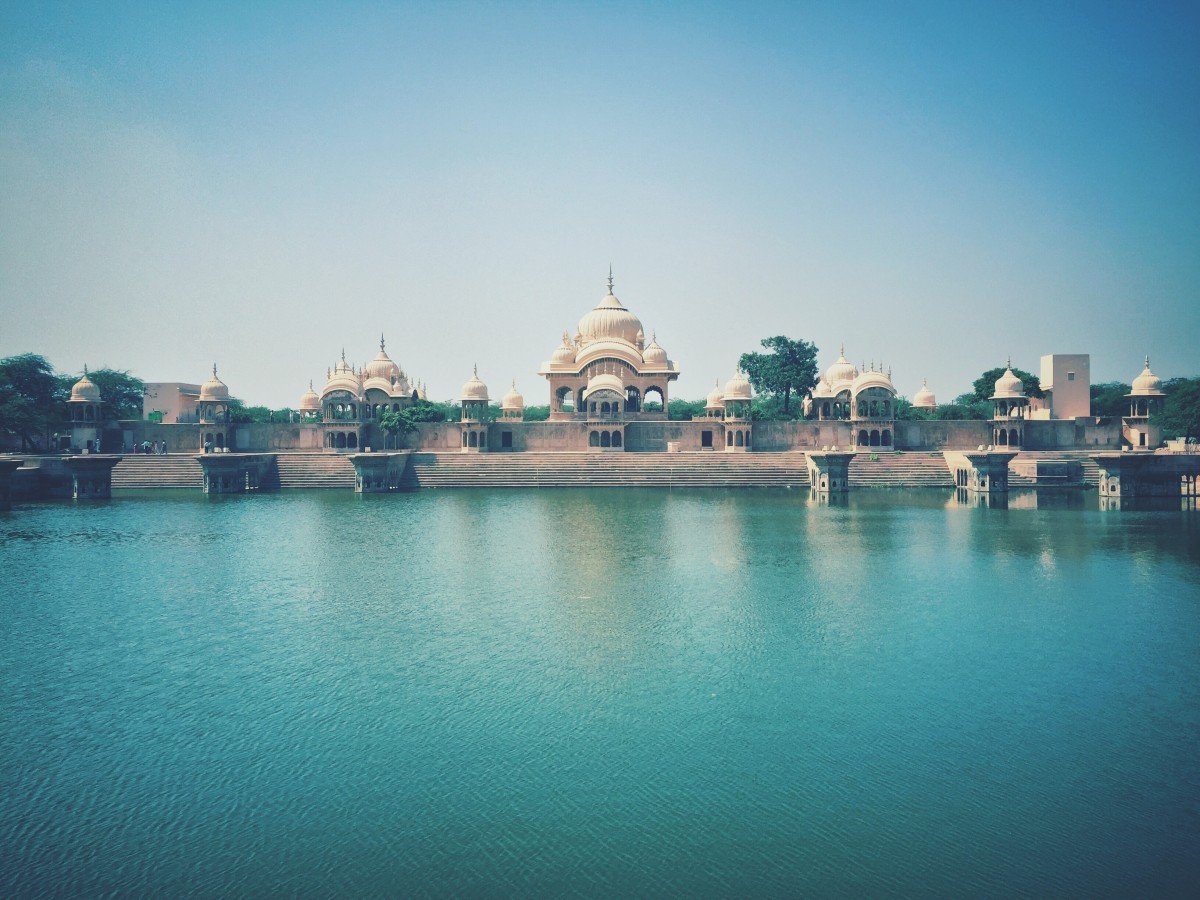
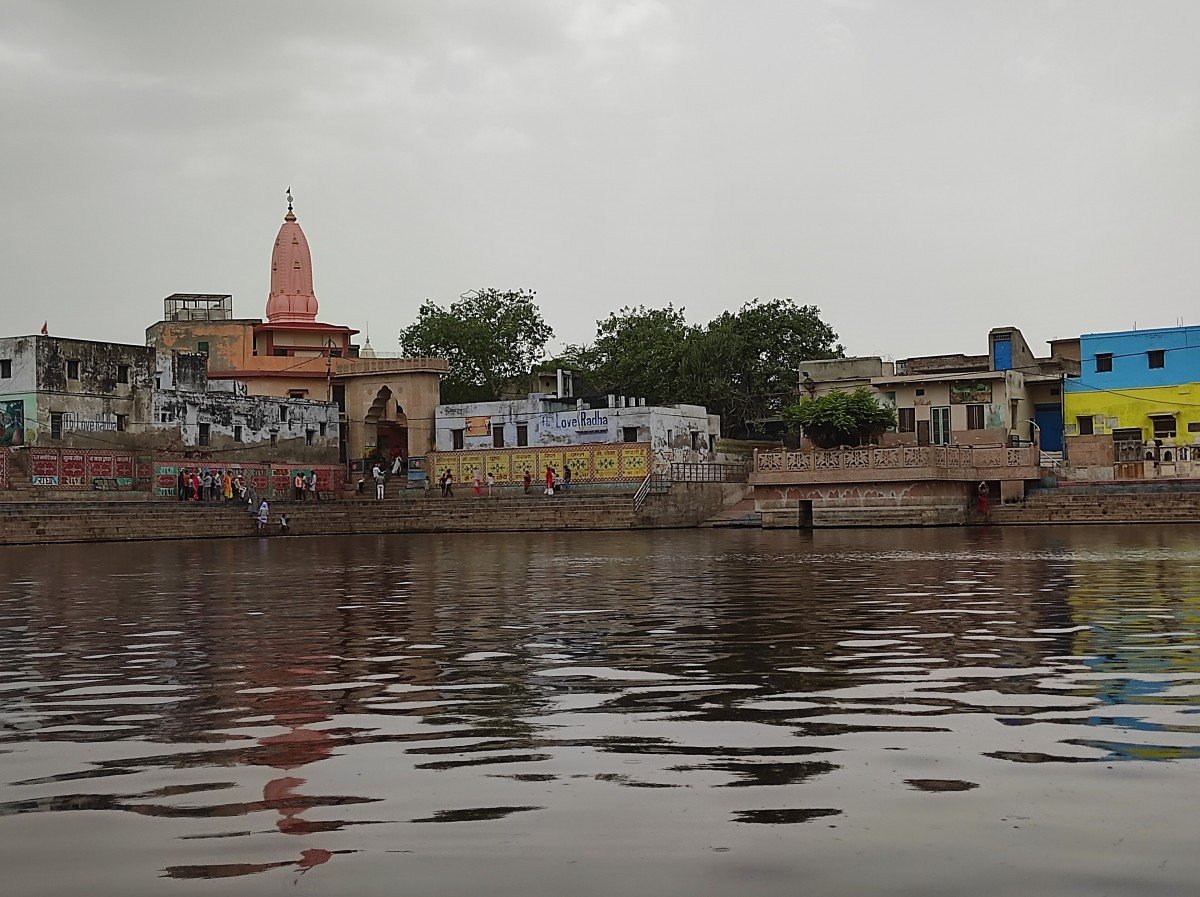
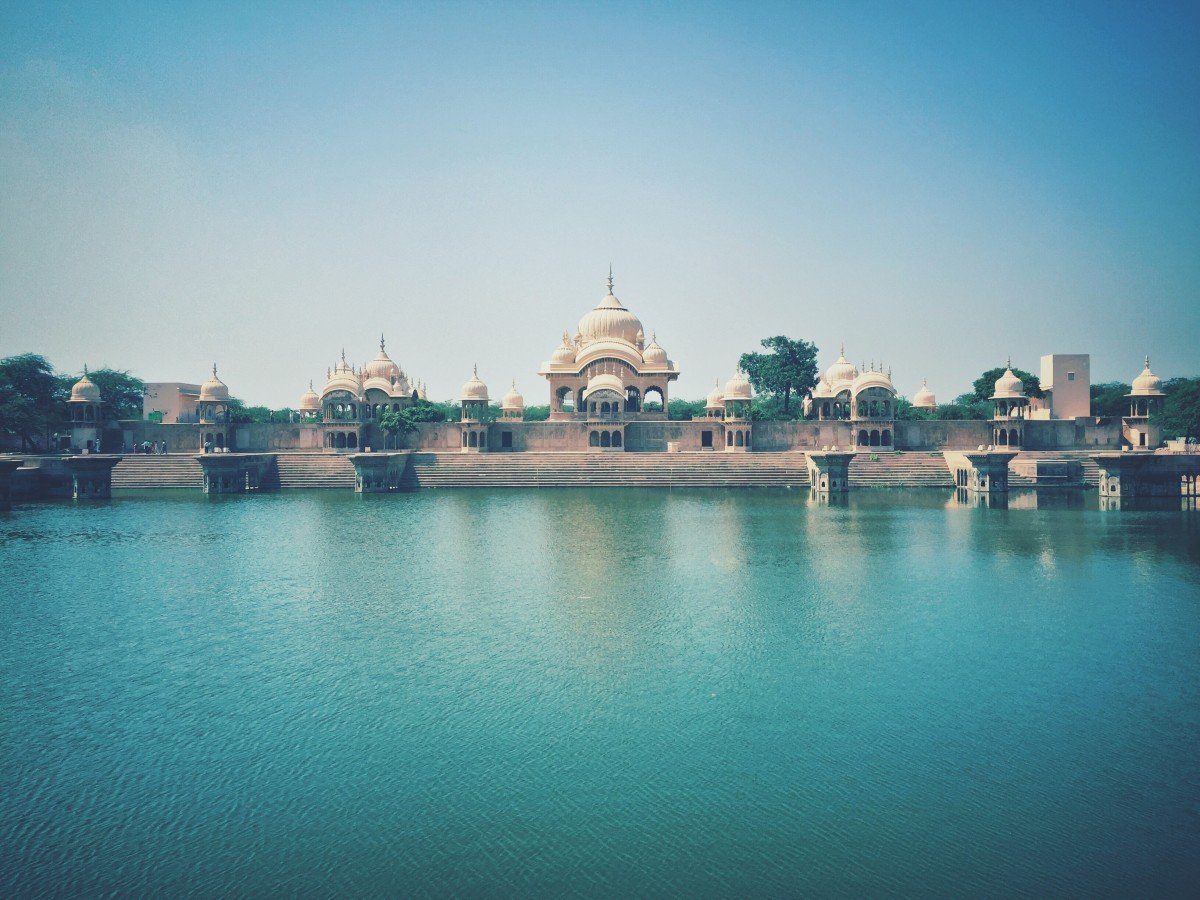
Kusum Sarovar Architecture: The intricate carvings and the reflection of the cenotaphs in the water create a stunning symmetrical landscape shot.
Street Life in Chowk: Capture the vibrant colors of flower garlands, sweets, and the daily hustle of pilgrims in the narrow ancient lanes.Photo Gallery
Things To Do
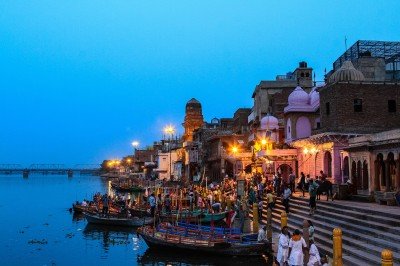 @@The Mythological Resting Place: Vishram Ghat is the most significant and central ghat among the 25 ghats in Mathura. The word "Vishram" translates to "rest," marking the spot where Lord Krishna rested after slaying the tyrant Kansa. It is situated on the banks of the holy river Yamuna. This ghat marks the traditional starting and ending point of the Braj Chaurasi Kos Parikrama. It is considered the spiritual heart of Mathura city. @@Sacred Riverfront: The stone steps leading down to the Yamuna are always buzzing with activity, from morning prayers to evening rituals. Pilgrims come here to take a holy dip, believing it washes away all sins. The view of the river from the ghat is particularly calming during sunrise. The ghat is surrounded by several ancient temples like the Mukut Temple and Murali Manohar. @@Historical Transitions: Over centuries, the ghat has been renovated by various kings and noblemen. It survived the period of Mughal restrictions under Sikandar Lodi thanks to the efforts of saints like Vallabhacharya. The structures reflect a mix of medieval and modern architectural elements. It remains a vibrant hub for local priests and scholars. @@Daily Spiritual Life: The daily life at the ghat is a spectacle of faith and tradition. Small boats ferry devotees across the river, providing a unique perspective of the city's skyline. The sound of conch shells and the fragrance of marigolds define the sensory experience. It is a place where time seems to stand still amidst the flowing water.
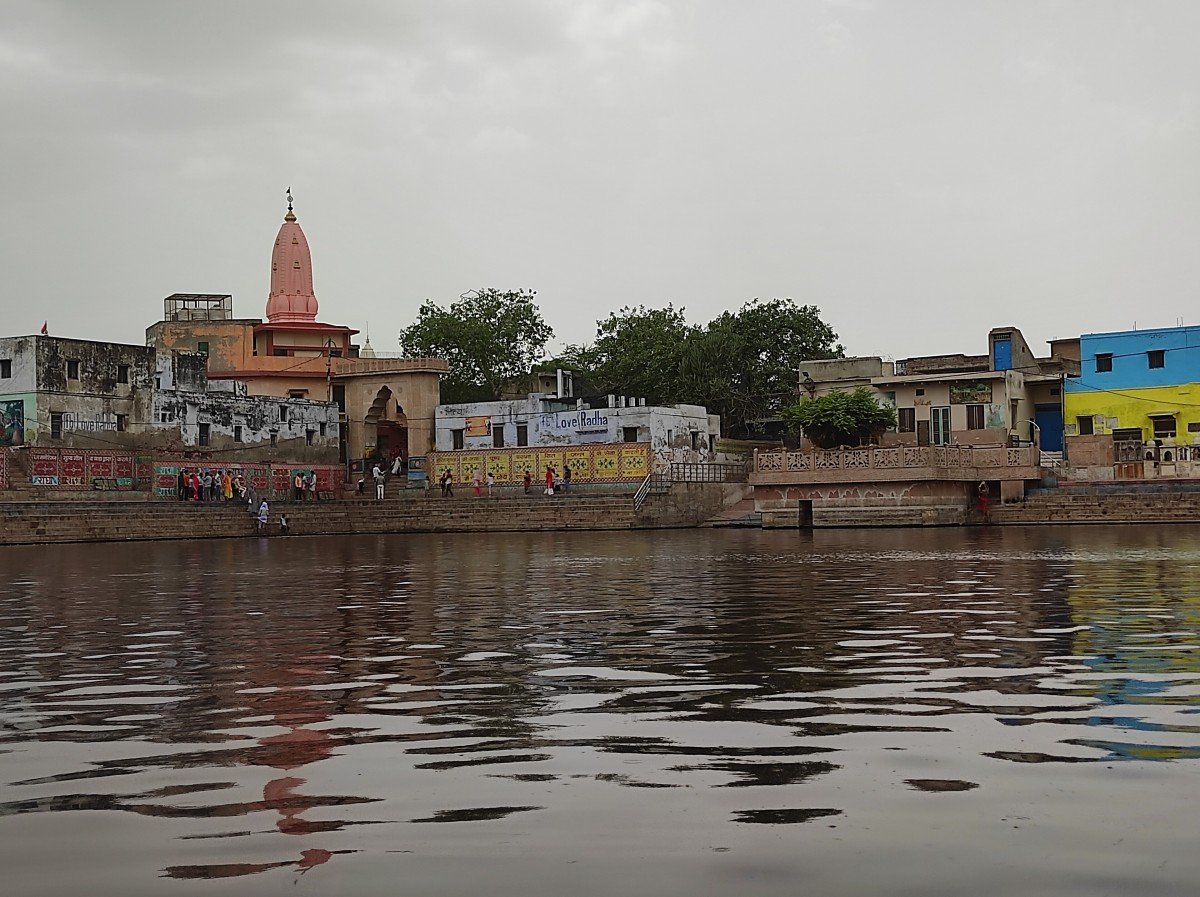
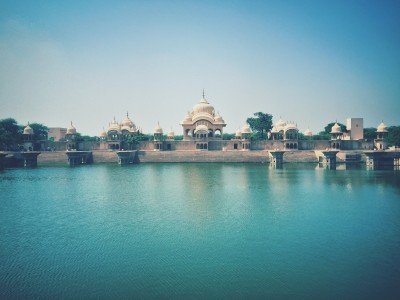 Kusum Sarovar is an exquisitely beautiful sacred tank located on the Govardhan Parikrama path. According to legend, this is the place where Radha and her friends used to pick flowers (Kusum) for Lord Krishna. The current architectural splendor was built in the 18th century by Jawahar Singh, the ruler of Bharatpur, in memory of his father, Maharaja Suraj Mal. The sarovar is surrounded by majestic sandstone buildings, including grand cenotaphs (Chhatris) with ornate domes and pillars. The water of the tank is deep and emerald green, reflecting the sandstone structures and the surrounding groves of trees. The walls and ceilings of the main cenotaph are decorated with vibrant paintings depicting scenes from the life of Krishna and the royal family of Bharatpur. It is considered one of the most serene and photogenic spots in the entire Braj region, offering a perfect blend of natural beauty, spiritual history, and royal architecture.
 The Bhuteshwar Mahadev Mandir is an ancient and deeply revered shrine dedicated to Lord Shiva, who is worshiped here as the protector or "Kshetrapal" of the holy city. Unlike most temples in Mathura that focus on Lord Krishna, this site is a vital Shaktipeeth where the ringlet of Mata Sati is believed to have fallen. The temple has a mystical atmosphere that draws thousands of devotees, especially those seeking protection from negative energies. It is said that even Lord Krishna himself worshiped here to seek the blessings of Mahadev. The temple complex is peaceful, filled with the scent of incense and the sound of bells, providing a unique spiritual balance to the Vaishnava traditions of the region. Visitors often feel a profound sense of security and ancient power within its walls.
@@A Historic Reservoir of Legends: Potra Kund is a magnificent large water reservoir or stepwell situated just outside the Shri Krishna Janmabhoomi complex. The name "Potra" is derived from the word "Pavitra," meaning pure, or according to local legends, from "Potra" meaning the baby clothes. It is traditionally believed that Mata Devaki and Vasudeva used the waters of this kund to wash the baby clothes of Lord Krishna after his birth in the prison cell. This kund was originally part of the massive prison complex of King Kansa. The water of this reservoir is considered extremely holy, and it is said that a dip here can purify the soul of all sins. Historically, the kund has been a silent witness to the various destructions and reconstructions of the adjacent temple. It remains one of the few ancient structures in Mathura that retains its original layout. The kund is connected to the Yamuna river via underground channels, ensuring a constant supply of water in ancient times. Today, it serves as a central point for pilgrims who visit the Janmabhoomi. During festivals like Janmashtami, the entire area around the kund is decorated with thousands of lamps, creating a celestial reflection in the water. The surrounding steps offer a place for devotees to sit and reflect on the divine events of the Lord's birth.
Located in the town of Baldeo, the Dauji Mandir is dedicated to Lord Balarama, the elder brother of Krishna. He is affectionately called "Dauji" or "Baldau" by the locals. This temple is unique because the idol of Balarama is one of the oldest in the region, carved from a massive black stone. Balarama is the king of Braj, and this temple is considered the heart of his kingdom. The atmosphere here is rustic and energetic, reflecting the strong and jovial nature of Balarama. The temple is famous for its "Huranga" celebrations, a more intense version of Holi. Devotees offer "Kshir" (milk pudding) as it is Balarama's favorite. The temple complex is vast, with a large pond called Balbhadra Kund at the back. Visiting this temple is considered essential to complete the pilgrimage of the Mathura circuit, as no trip is complete without the elder brother's blessings.
The Bhuteshwar Mahadev Mandir is an ancient and deeply revered shrine dedicated to Lord Shiva, who is worshiped here as the protector or "Kshetrapal" of the holy city. Unlike most temples in Mathura that focus on Lord Krishna, this site is a vital Shaktipeeth where the ringlet of Mata Sati is believed to have fallen. The temple has a mystical atmosphere that draws thousands of devotees, especially those seeking protection from negative energies. It is said that even Lord Krishna himself worshiped here to seek the blessings of Mahadev. The temple complex is peaceful, filled with the scent of incense and the sound of bells, providing a unique spiritual balance to the Vaishnava traditions of the region. Visitors often feel a profound sense of security and ancient power within its walls.
@@A Historic Reservoir of Legends: Potra Kund is a magnificent large water reservoir or stepwell situated just outside the Shri Krishna Janmabhoomi complex. The name "Potra" is derived from the word "Pavitra," meaning pure, or according to local legends, from "Potra" meaning the baby clothes. It is traditionally believed that Mata Devaki and Vasudeva used the waters of this kund to wash the baby clothes of Lord Krishna after his birth in the prison cell. This kund was originally part of the massive prison complex of King Kansa. The water of this reservoir is considered extremely holy, and it is said that a dip here can purify the soul of all sins. Historically, the kund has been a silent witness to the various destructions and reconstructions of the adjacent temple. It remains one of the few ancient structures in Mathura that retains its original layout. The kund is connected to the Yamuna river via underground channels, ensuring a constant supply of water in ancient times. Today, it serves as a central point for pilgrims who visit the Janmabhoomi. During festivals like Janmashtami, the entire area around the kund is decorated with thousands of lamps, creating a celestial reflection in the water. The surrounding steps offer a place for devotees to sit and reflect on the divine events of the Lord's birth.
Located in the town of Baldeo, the Dauji Mandir is dedicated to Lord Balarama, the elder brother of Krishna. He is affectionately called "Dauji" or "Baldau" by the locals. This temple is unique because the idol of Balarama is one of the oldest in the region, carved from a massive black stone. Balarama is the king of Braj, and this temple is considered the heart of his kingdom. The atmosphere here is rustic and energetic, reflecting the strong and jovial nature of Balarama. The temple is famous for its "Huranga" celebrations, a more intense version of Holi. Devotees offer "Kshir" (milk pudding) as it is Balarama's favorite. The temple complex is vast, with a large pond called Balbhadra Kund at the back. Visiting this temple is considered essential to complete the pilgrimage of the Mathura circuit, as no trip is complete without the elder brother's blessings.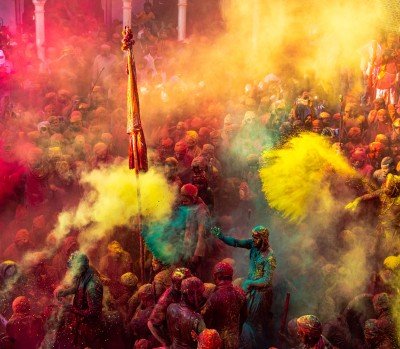 @@The Historical Essence: Shri Nand Yashoda Bhawan, also known as Nand Mahal, is a sacred site in the holy town of Gokul. It is believed to be the actual residence of Nand Baba, the foster father of Lord Krishna. According to the Bhagavata Purana, Vasudeva brought newborn Krishna here from Mathura to protect him from Kansa. The bhawan serves as a living testimony to the Bala Leela (childhood antics) of Krishna. Every corner of this ancient structure echoes with the laughter and playful footsteps of the young Lord. @@The Devotional Atmosphere: Visitors are greeted by a deep sense of maternal love, symbolizing Yashoda Maiya's affection. The temple complex is not just a place of worship but a portal to the Dvapara Yuga. Devotees often feel an emotional connection while standing in the courtyard where Krishna once crawled. The air is thick with the scent of incense and the sound of bells. It is a must-visit for those seeking the peaceful, rural charm of Braj. @@Sacred Idols and Murals: The inner sanctum houses beautiful idols of Nand Baba, Yashoda, Bal Gopal, and Rohini. Intricate murals and paintings decorate the walls, depicting scenes like the butter theft and the killing of demons. These artworks help pilgrims visualize the divine stories they have read in scriptures. The temple remains a focal point for the Vallabh Sampradaya. @@Spiritual Significance: This place is where Balram and Yogmaya were also raised. It is said that the house was originally built by Vishwakarma, the divine architect. Pilgrims often perform Parikrama around the bhawan to seek blessings for their children. The spiritual energy here is considered very grounding and pure.
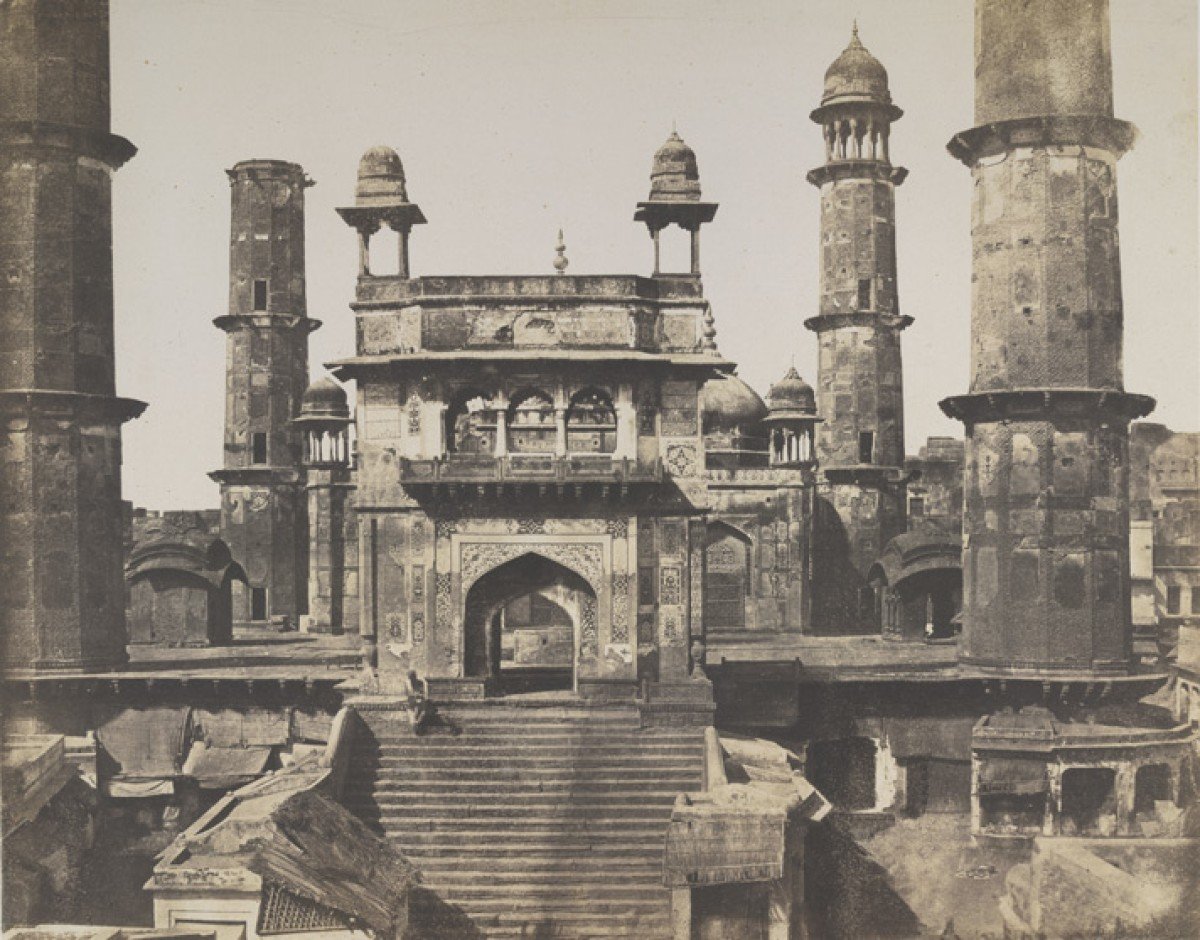
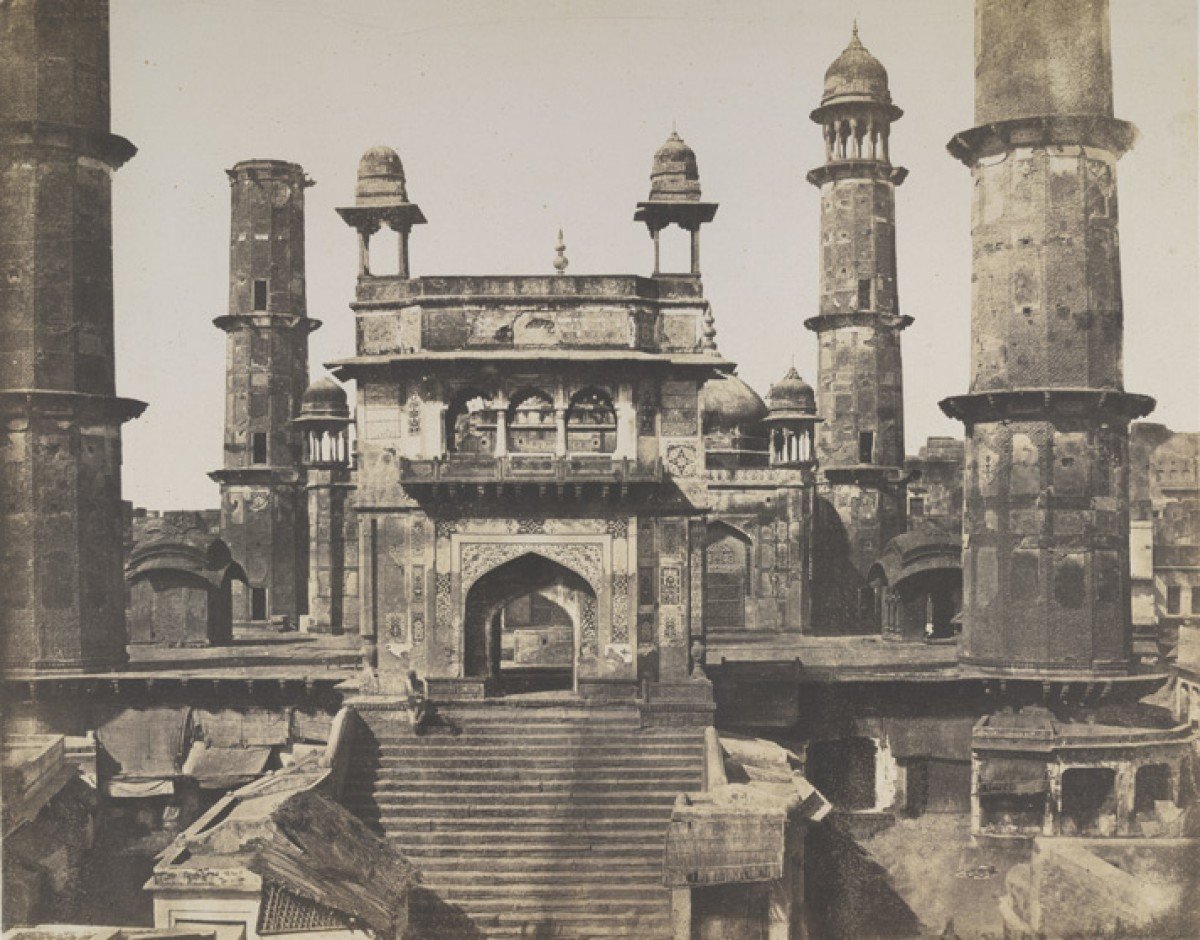
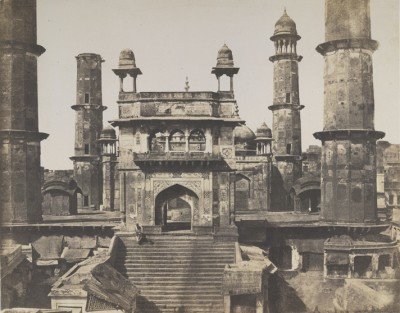 The Jama Masjid of Mathura is a significant historical monument located in the heart of the city, near the Janmabhoomi complex. Built in 1661 by Abd-un-Nabi Khan, the governor of Aurangzeb, it stands as a testament to the Mughal architectural style in the Braj region. The mosque is situated on a high plinth, giving it a commanding view of the surrounding bustling markets. It features four towering minarets that are decorated with bright, colorful plaster mosaics, some of which still retain their original luster. The mosque serves as the primary place of worship for the local Muslim community and remains a point of historical interest for travelers. Its location amidst the dense streets of the old city provides a unique cultural contrast to the surrounding Hindu temples. The structure has survived centuries and continues to be a peaceful retreat for prayer and reflection amidst the urban chaos of Mathura.Show All
 Established in 1874 by Sir F.S. Growse, the Mathura Museum (officially the Government Museum) is one of the premier archaeological museums in India. It is globally renowned for its vast collection of sculptures from the Mathura School of Art, which flourished between the 3rd century BC and the 12th century AD. The museum houses an incredible array of artifacts from the Kushan and Gupta empires, including the famous headless statue of King Kanishka and various forms of the Buddha. The exhibits showcase the evolution of Indian iconography, from early terracotta figures to sophisticated stone carvings. The building itself is an architectural gem, constructed in red sandstone with an octagonal design. For anyone interested in the history of Indian art, religion, and culture, this museum is an essential visit. It provides a scholarly yet accessible look at how Mathura served as a melting pot of Buddhist, Jain, and Hindu traditions for over a thousand years.
Information
-
Why Famous:
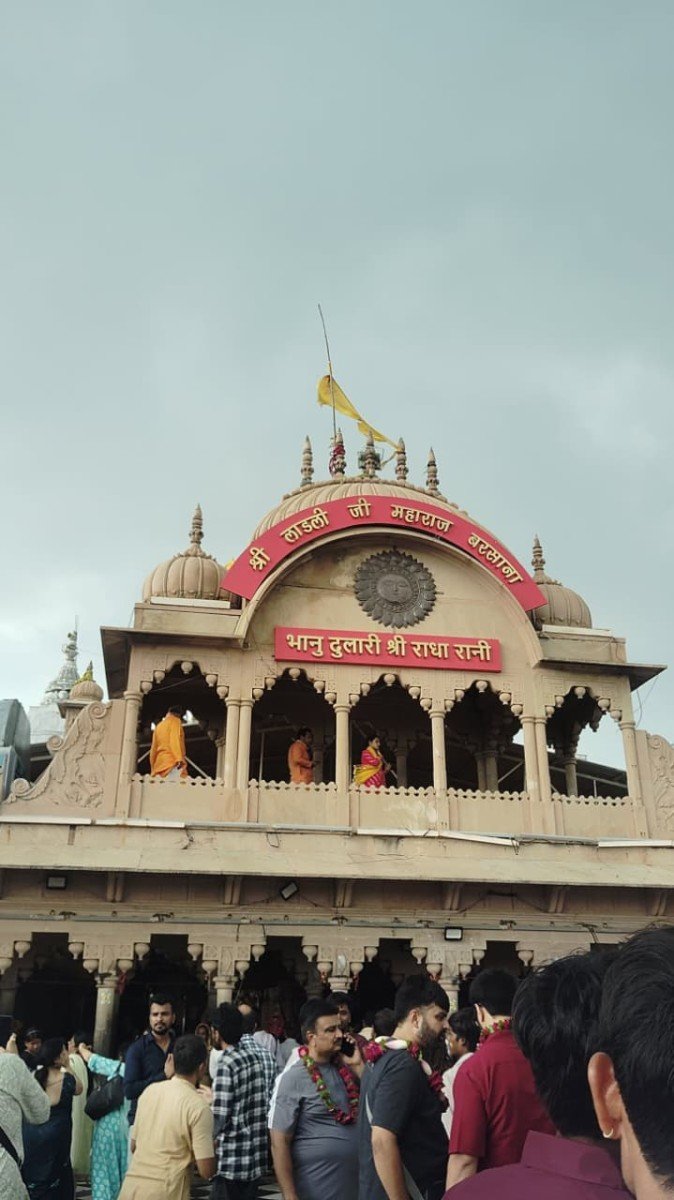
Krishna Janmabhoomi: The city's primary fame comes from being the exact site of Lord Krishna's birth, making it a top Hindu pilgrimage.
Holi Celebrations: Mathura is world-famous for its traditional Holi festivities, including the Lathmar Ho...Krishna Janmabhoomi: The city's primary fame comes from being the exact site of Lord Krishna's birth, making it a top Hindu pilgrimage.
Holi Celebrations: Mathura is world-famous for its traditional Holi festivities, including the Lathmar Holi in the surrounding villages of Braj.
Spiritual Knowledge: Historically, it was a major center for Buddhist and Jain art, with the Mathura School of Art being legendary in history. -
Architecture:
Ancient and Medieval Fusion: The architecture features red sandstone structures with intricate jaali work and grand temple spires typical of North India.
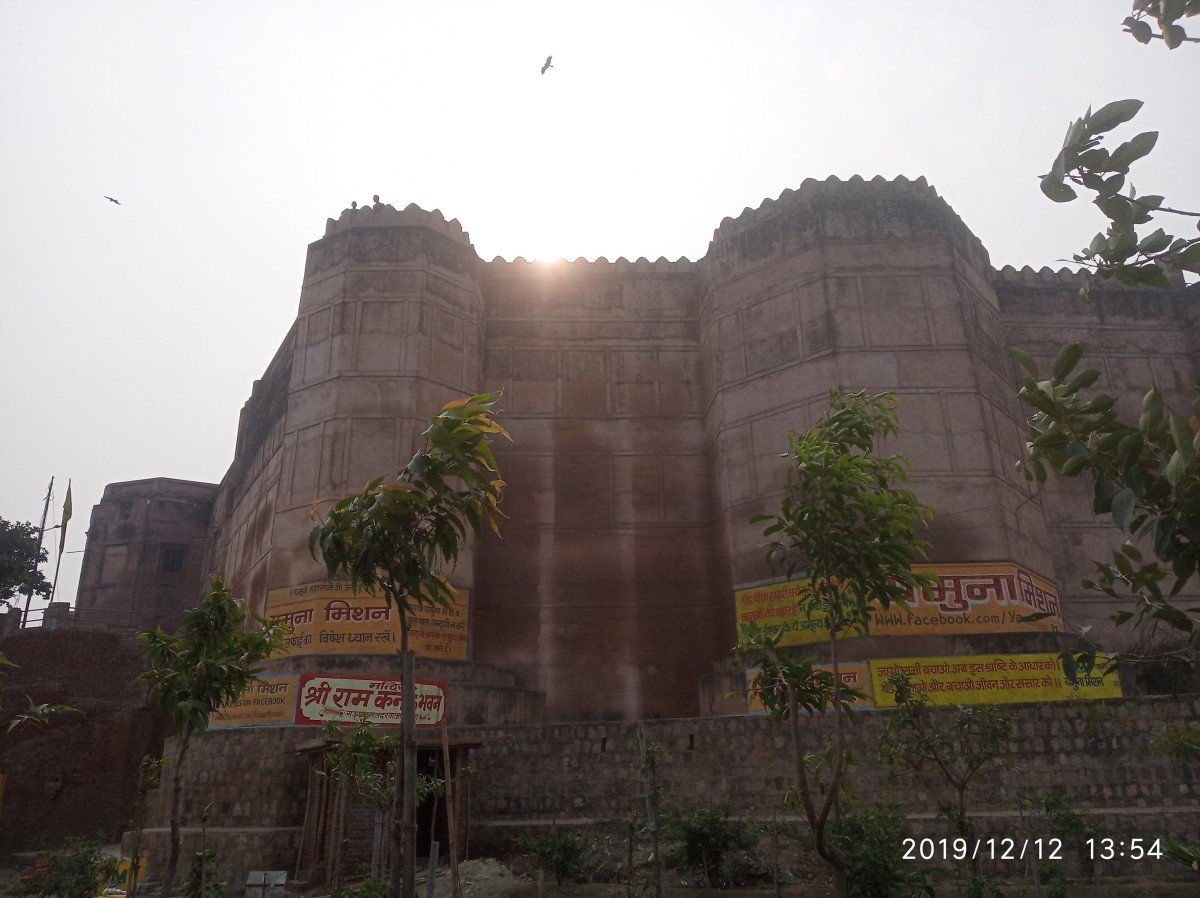
Janmasthan Temple Complex: A massive fortified structure that includes a modern temple ...Ancient and Medieval Fusion: The architecture features red sandstone structures with intricate jaali work and grand temple spires typical of North India.
Janmasthan Temple Complex: A massive fortified structure that includes a modern temple and the ancient stone-walled prison cell (Garbha Griha).
Dwarkadhish Temple Style: Built in 1814, it showcases Rajasthani architecture with beautiful ceiling paintings and carved marble pillars.
Vishram Ghat Dimensions: A wide stone embankment with a series of steps leading into the Yamuna, lined with several small shrines and arches. -
How To Reach:
By Air: The nearest major airport is in Agra (50 KM), but most international travelers use the Delhi Airport (160 KM).
By Train: Mathura Junction is a major stop on the main Delhi-Mumbai and Delhi-Chennai rail routes, with hundreds of trains...By Air: The nearest major airport is in Agra (50 KM), but most international travelers use the Delhi Airport (160 KM).
By Train: Mathura Junction is a major stop on the main Delhi-Mumbai and Delhi-Chennai rail routes, with hundreds of trains daily.
By Road: It is located on the Yamuna Expressway and NH-19, making it a comfortable 3-hour drive from Delhi or Noida.
By Local Transport: E-rickshaws are the most efficient way to navigate the narrow streets, while taxis are best for visiting nearby Govardhan. -
Weather and Best Time to Visit:
Winter Season: October to March offers pleasant weather, perfect for the long walks required for temple visits and city tours.
Janmashtami/Holi: Visit during these festivals for the most vibrant experience, though be prepared for massive cro...Winter Season: October to March offers pleasant weather, perfect for the long walks required for temple visits and city tours.
Janmashtami/Holi: Visit during these festivals for the most vibrant experience, though be prepared for massive crowds and heavy security. -
Near Tourist Places:
1. Vrindavan (11 KM), 2. Govardhan (25 KM), 3. Gokul (15 KM), 4. Barsana (45 KM), 5. Nandgaon (50 KM), 6. Agra (55 KM), 7. Deeg (35 KM), 8. Radha Kund (26 KM), 9. Bharatpur (40 KM), 10. Kusum Sarovar (24 KM).
Tourism Tips
-
Safety and Security: Expect strict security checks at the Janmabhoomi; electronics and leather items are often not allowed inside.
Beware of Monkeys: The temple areas are full of mischievous monkeys; keep your glasses and bags secure to av...Safety and Security: Expect strict security checks at the Janmabhoomi; electronics and leather items are often not allowed inside.
Beware of Monkeys: The temple areas are full of mischievous monkeys; keep your glasses and bags secure to avoid them being snatched.
Footwear Management: You will need to remove your shoes frequently; wearing easy-to-slip-on footwear or carrying a bag for shoes is helpful.
Hydration: Even in winter, the sun can be strong; always carry a water bottle while performing the various parikramas and long temple walks.
Reviews
FAQs
Mathura Itineray And Cost:-
Other Places In Uttar Pradesh :-
Other States In India :-
Information about New and Updated Locations() of Uttar Pradesh Has Been Added :-
Card subtitle
Note:-
Information provided here in good Faith and for reference only.
Near Places
Agra
Some quick example text to build on the card title and make up the bulk of the card's content.
Go somewhere
Aligarh
Some quick example text to build on the card title and make up the bulk of the card's content.
Go somewhere
Ayodhya
Some quick example text to build on the card title and make up the bulk of the card's content.
Go somewhere
Azamgarh
Some quick example text to build on the card title and make up the bulk of the card's content.
Go somewhere
Bahraich
Some quick example text to build on the card title and make up the bulk of the card's content.
Go somewhere
Bareilly
Some quick example text to build on the card title and make up the bulk of the card's content.
Go somewhere
Chitrakoot
Some quick example text to build on the card title and make up the bulk of the card's content.
Go somewhere
Fatehpur Sikri
Some quick example text to build on the card title and make up the bulk of the card's content.
Go somewhere
Ghaziabad
Some quick example text to build on the card title and make up the bulk of the card's content.
Go somewhere
Gorakhpur
Some quick example text to build on the card title and make up the bulk of the card's content.
Go somewhere
Hastinapur
Some quick example text to build on the card title and make up the bulk of the card's content.
Go somewhere
Jhansi
Some quick example text to build on the card title and make up the bulk of the card's content.
Go somewhere
Kanpur
Some quick example text to build on the card title and make up the bulk of the card's content.
Go somewhere
Kushinagar
Some quick example text to build on the card title and make up the bulk of the card's content.
Go somewhere
Lucknow
Some quick example text to build on the card title and make up the bulk of the card's content.
Go somewhere
Mathura
Some quick example text to build on the card title and make up the bulk of the card's content.
Go somewherein Other Cities