

Azamgarh
General information
-
Ideal Duration:
1 DayPlace Type:
Cultural & HeritageEntry Fees:
Most of the heritage sites and ashrams have no entry fee. Shibli Academy is open to visitors without any charge. Local fairs may have a very small ticket price for some sections. It is a very budget-friendly destination for travelers.
Donations: Visitors can mak...Most of the heritage sites and ashrams have no entry fee. Shibli Academy is open to visitors without any charge. Local fairs may have a very small ticket price for some sections. It is a very budget-friendly destination for travelers.
Donations: Visitors can make voluntary donations at the ashrams. Photography is generally allowed for free in most public places. Some research sections may require a small fee for special access. Always respect the rules of the local institutions.Timing:
Regular Hours: Markets and public places are active from 9:00 AM to 8:00 PM. Ashrams and temples are open from early morning till late evening. Museums and academies usually follow government office timings. Sunday might be a holiday for some local institutions.
<...Regular Hours: Markets and public places are active from 9:00 AM to 8:00 PM. Ashrams and temples are open from early morning till late evening. Museums and academies usually follow government office timings. Sunday might be a holiday for some local institutions.
Ideal Visit Time: The best time to visit is during the winter months. November to February has the most comfortable weather. The Kartik Purnima fair is a great time to see the local culture. Early mornings are best for visiting the riverside ashrams.Special Events:
Kartik Purnima Mela: A massive fair held at the Durvasa Rishi Ashram. Thousands of people gather for a holy dip and shopping. It features local folk music and traditional entertainment. It is the biggest annual gathering in the district.
Muba...Kartik Purnima Mela: A massive fair held at the Durvasa Rishi Ashram. Thousands of people gather for a holy dip and shopping. It features local folk music and traditional entertainment. It is the biggest annual gathering in the district.
Mubarakpur Urs: A religious festival celebrated at the local shrines. It promotes communal harmony and spiritual brotherhood. Qawwali performances are a major attraction during this event. People from all faiths participate in the celebrations.Best Photo Spots:
Shibli Academy Library: The old wooden shelves and rows of books are very photogenic. The architecture of the academy building has a classic charm. The play of light inside the library creates a scholarly mood. It is a great place for vintage-style photography.Shibli Academy Library: The old wooden shelves and rows of books are very photogenic. The architecture of the academy building has a classic charm. The play of light inside the library creates a scholarly mood. It is a great place for vintage-style photography.
Nizamabad Potteries: Capturing the artisans' hands as they shape the clay. The contrast of the black pottery against the rustic backgrounds. The intricate silver patterns look beautiful in close-up shots. It tells a story of art and tradition through images.Photo Gallery

Things To Do
 @@Silk Weaving Heritage: Mubarakpur is world-renowned for its exquisite silk weaving industry, specializing in high-quality Varanasi Sarees. The town has been a center for textile production since the 14th century, blending traditional Islamic patterns with local artistry. Every household in this town seems to vibrate with the sound of handlooms, where artisans create magic with silk and zari. The sarees produced here are exported globally and are a staple of Indian bridal wear. The craftsmanship involves a technique called 'Kadua', where each motif is woven separately. Visiting Mubarakpur offers a deep dive into the lives of weavers who have preserved this art for generations. The town also has historical significance as it was named after Raja Mubarak Shah. Apart from textiles, it is a center of Islamic learning with several prestigious Madrasas. The narrow lanes are bustling with traders, yarn sellers, and designers. It represents the economic backbone of the Azamgarh district. The fusion of culture, religion, and industry makes it a unique destination. A walk through the markets reveals a kaleidoscope of colors and textures. It is an essential stop for anyone interested in Indian textiles and handicrafts. @@Global Recognition: The Mubarakpur Saree Cluster is recognized by the government for its contribution to national exports and heritage preservation.
The Chandrama Rishi Ashram is a deeply revered spiritual site located at the scenic confluence of the Tamsa and Silni rivers. According to Hindu mythology, Chandrama Rishi is considered an avatar of Lord Brahma. The legend states that Atri Rishi performed penance for 3000 years, after which his body was filled with 'Soma' (divine nectar), leading to the birth of the Moon (Chandrama). The ashram is a place of great peace and is often visited by those seeking spiritual enlightenment. It is a center for Vedic learning and traditional Hindu rituals. The scenic beauty of the two rivers merging adds to the sanctity of the place. Devotees from far and wide visit the ashram during major festivals to take a holy dip in the confluence and seek the blessings of the sage.
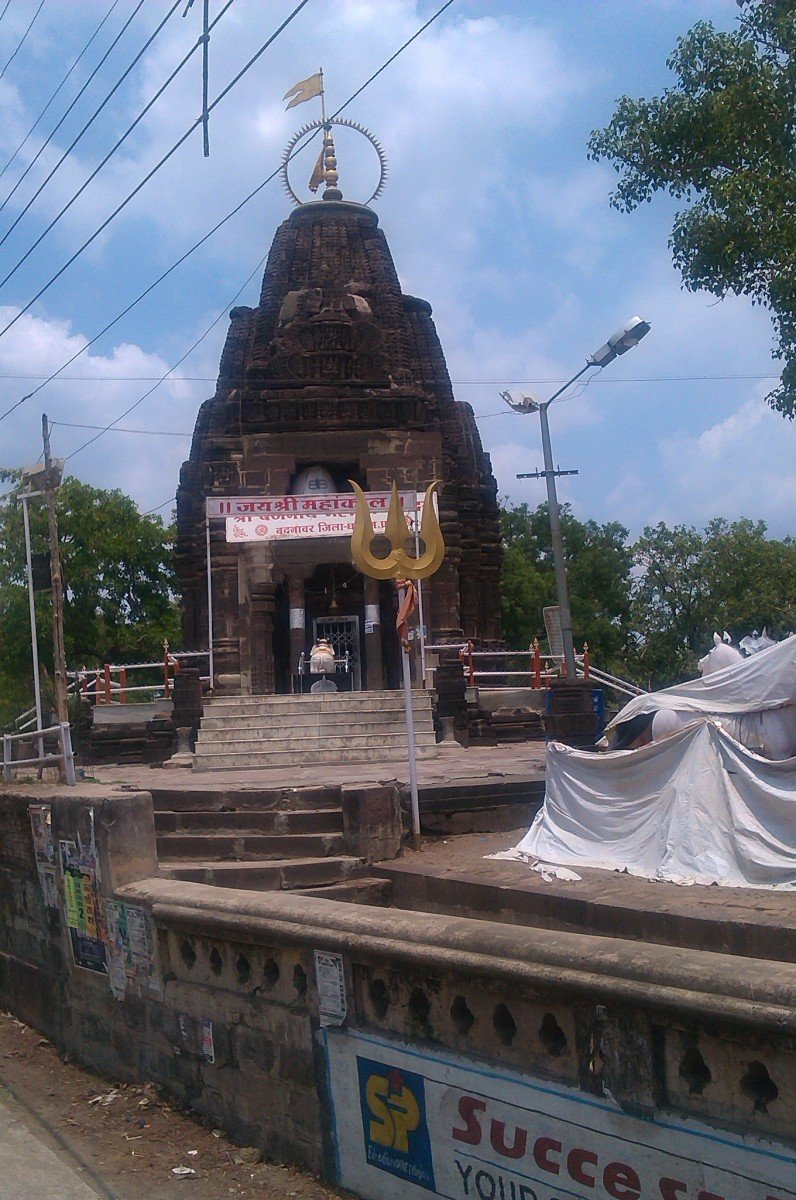
Awantikapuri Dham, popularly known as Anwak, is a site of immense mythological and historical significance located in the Mohammadpur block. According to the ancient Hindu scriptures, specifically the Mahabharata, this is the holy ground where King Janmejaya, the son of King Parikshit, organized the legendary Sarpa Satra Yagya (snake sacrifice) to avenge his father's death by the serpent Takshaka. The spiritual energy of the place is palpable, drawing thousands of devotees who believe that the soil here still holds the power of that ancient fire. The main temple is dedicated to Lord Shiva, and the entire complex is surrounded by an aura of peace and antiquity. Legend has it that the snakes of the world were being drawn into the sacrificial fire here until the intervention of the sage Astika. The site is not just a religious spot but a bridge to India’s Vedic past, where the lines between history and mythology blur beautifully. Visitors often find themselves lost in the stories told by local priests who have guarded the lore for generations. The presence of an ancient lake, believed to be the original Havan Kund, adds to the mystic charm of the dham. The local community treats this place with the utmost reverence, and it remains a cornerstone of the cultural identity of the Azamgarh district. For those seeking a deep spiritual connection or an interest in the epics of India, Awantikapuri offers a unique glimpse into the age of kings and sages. The area is quiet, far from the hustle of modern urban life, making it a perfect spot for meditation and introspection. Over the years, the government has taken steps to develop the infrastructure, making it more accessible to pilgrims while preserving its raw, ancient essence. :
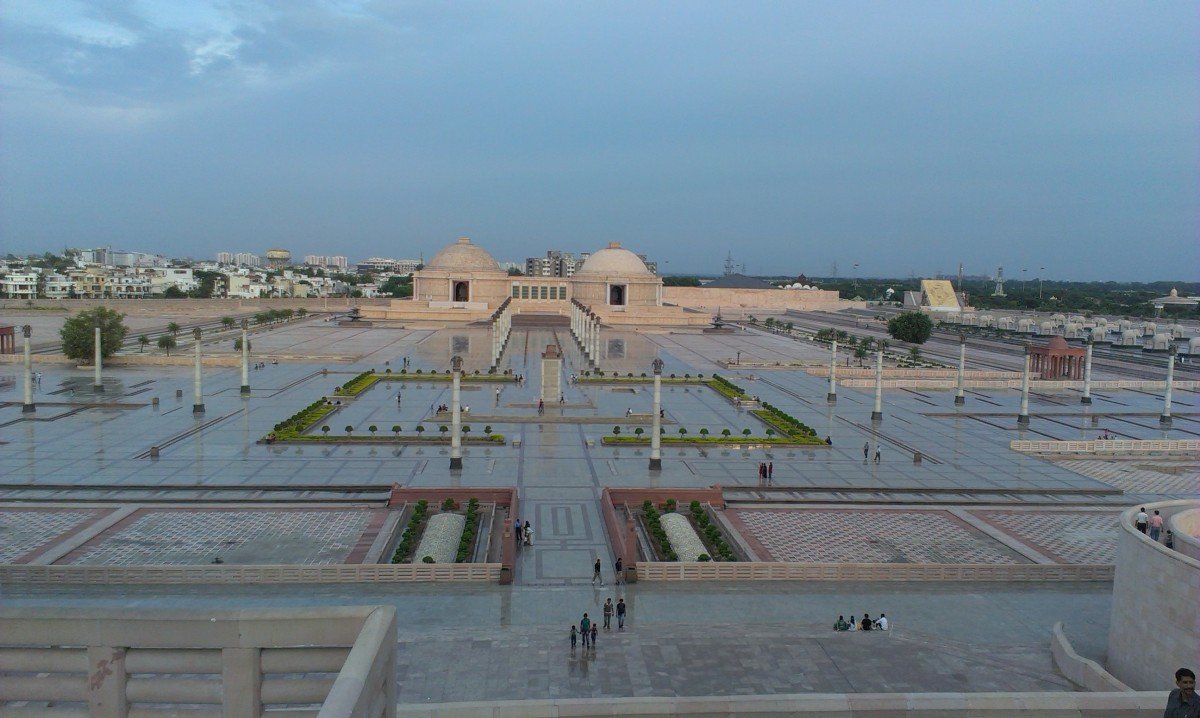
@@ Intellectual Hub of Eastern UP: Shibli National College is more than just an educational institution; it is a historic landmark of Azamgarh. Founded in 1883 by the great scholar Allama Shibli Nomani, it was established to provide modern education while preserving cultural values. The college played a pivotal role in the educational upliftment of the region. It started as a small school and grew into a prestigious degree college. The institution is famous for its massive library, which is considered one of the largest in Asia. Many prominent personalities, including scientists and politicians, have walked its corridors. The college has always been a center for nationalistic feelings and social reform. The campus is spread over a large area, providing a peaceful environment for learning. It remains a symbol of the intellectual heritage of Azamgarh. Walking through the campus, one can feel the weight of history and the dedication of its founders. It continues to serve thousands of students from diverse backgrounds.
@@Silk Weaving Heritage: Mubarakpur is world-renowned for its exquisite silk weaving industry, specializing in high-quality Varanasi Sarees. The town has been a center for textile production since the 14th century, blending traditional Islamic patterns with local artistry. Every household in this town seems to vibrate with the sound of handlooms, where artisans create magic with silk and zari. The sarees produced here are exported globally and are a staple of Indian bridal wear. The craftsmanship involves a technique called 'Kadua', where each motif is woven separately. Visiting Mubarakpur offers a deep dive into the lives of weavers who have preserved this art for generations. The town also has historical significance as it was named after Raja Mubarak Shah. Apart from textiles, it is a center of Islamic learning with several prestigious Madrasas. The narrow lanes are bustling with traders, yarn sellers, and designers. It represents the economic backbone of the Azamgarh district. The fusion of culture, religion, and industry makes it a unique destination. A walk through the markets reveals a kaleidoscope of colors and textures. It is an essential stop for anyone interested in Indian textiles and handicrafts. @@Global Recognition: The Mubarakpur Saree Cluster is recognized by the government for its contribution to national exports and heritage preservation.
The Chandrama Rishi Ashram is a deeply revered spiritual site located at the scenic confluence of the Tamsa and Silni rivers. According to Hindu mythology, Chandrama Rishi is considered an avatar of Lord Brahma. The legend states that Atri Rishi performed penance for 3000 years, after which his body was filled with 'Soma' (divine nectar), leading to the birth of the Moon (Chandrama). The ashram is a place of great peace and is often visited by those seeking spiritual enlightenment. It is a center for Vedic learning and traditional Hindu rituals. The scenic beauty of the two rivers merging adds to the sanctity of the place. Devotees from far and wide visit the ashram during major festivals to take a holy dip in the confluence and seek the blessings of the sage.
Awantikapuri Dham, popularly known as Anwak, is a site of immense mythological and historical significance located in the Mohammadpur block. According to the ancient Hindu scriptures, specifically the Mahabharata, this is the holy ground where King Janmejaya, the son of King Parikshit, organized the legendary Sarpa Satra Yagya (snake sacrifice) to avenge his father's death by the serpent Takshaka. The spiritual energy of the place is palpable, drawing thousands of devotees who believe that the soil here still holds the power of that ancient fire. The main temple is dedicated to Lord Shiva, and the entire complex is surrounded by an aura of peace and antiquity. Legend has it that the snakes of the world were being drawn into the sacrificial fire here until the intervention of the sage Astika. The site is not just a religious spot but a bridge to India’s Vedic past, where the lines between history and mythology blur beautifully. Visitors often find themselves lost in the stories told by local priests who have guarded the lore for generations. The presence of an ancient lake, believed to be the original Havan Kund, adds to the mystic charm of the dham. The local community treats this place with the utmost reverence, and it remains a cornerstone of the cultural identity of the Azamgarh district. For those seeking a deep spiritual connection or an interest in the epics of India, Awantikapuri offers a unique glimpse into the age of kings and sages. The area is quiet, far from the hustle of modern urban life, making it a perfect spot for meditation and introspection. Over the years, the government has taken steps to develop the infrastructure, making it more accessible to pilgrims while preserving its raw, ancient essence. :
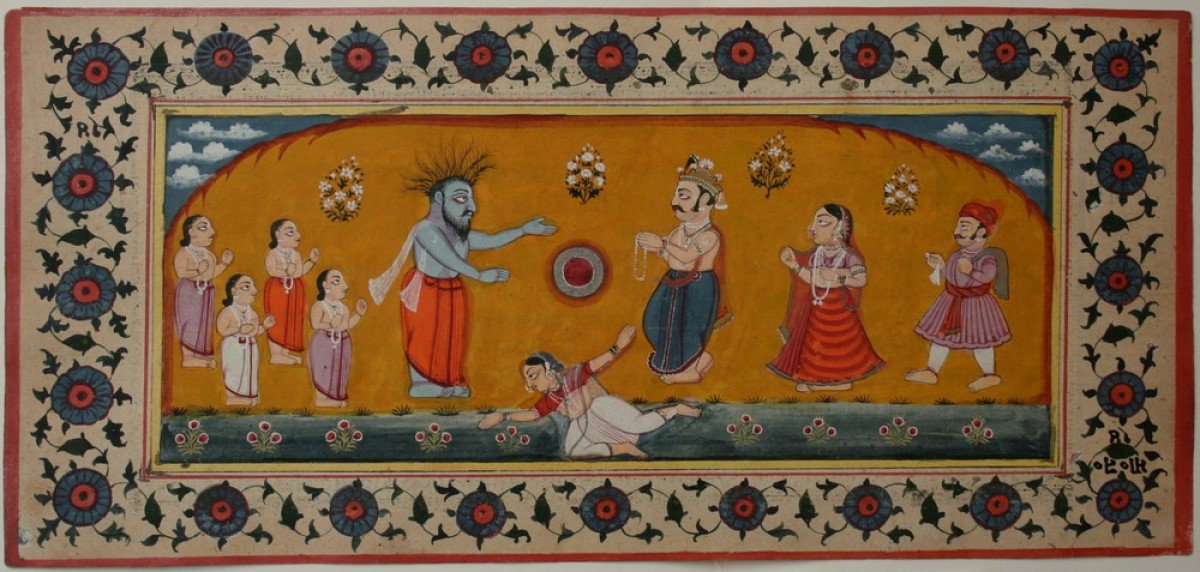
@@ Intellectual Hub of Eastern UP: Shibli National College is more than just an educational institution; it is a historic landmark of Azamgarh. Founded in 1883 by the great scholar Allama Shibli Nomani, it was established to provide modern education while preserving cultural values. The college played a pivotal role in the educational upliftment of the region. It started as a small school and grew into a prestigious degree college. The institution is famous for its massive library, which is considered one of the largest in Asia. Many prominent personalities, including scientists and politicians, have walked its corridors. The college has always been a center for nationalistic feelings and social reform. The campus is spread over a large area, providing a peaceful environment for learning. It remains a symbol of the intellectual heritage of Azamgarh. Walking through the campus, one can feel the weight of history and the dedication of its founders. It continues to serve thousands of students from diverse backgrounds. Durvasa Rishi Ashram is one of the most spiritually significant sites in Azamgarh, located at the holy confluence of the Tons and Majhuee rivers. This ancient ashram is dedicated to Sage Durvasa, who is known in Hindu mythology for his short temper and powerful boons. According to local legend, this is the very place where the sage performed intense penance and meditation for thousands of years. The ashram complex is a peaceful retreat far from the city's hustle, surrounded by thick groves of trees and the soothing sound of flowing water. It is believed that a visit to this ashram can cleanse one of sins and bring mental peace. The central temple houses a unique Shivalinga, which is said to have been established by the sage himself. Devotees from across North India visit this site to offer prayers, especially during the month of Shravan. The ashram also serves as a center for Vedic learning and traditional rituals. The confluence of the rivers near the ashram is considered highly sacred, and many pilgrims take a holy dip before entering the temple. Over the centuries, the ashram has maintained its rustic and spiritual charm, resisting modern commercialization. It is a part of the famous Panchkosi Parikrama circuit, which includes the ashrams of Dattatreya and Chandramuni. The architecture is simple but evocative of the ancient era of rishis and munis. Visiting this place offers a glimpse into India's deep-rooted spiritual heritage and the legend of the Rudra incarnation. The annual fair held here attracts hundreds of thousands of people, turning the quiet village into a vibrant hub of faith. The natural beauty of the riverbank makes it an excellent spot for those seeking solitude and connection with nature.
Azamgarh Fun City is the premier modern recreational spot in the district, offering a wide array of activities for people of all ages. As the city’s favorite amusement and water park, it provides a much-needed escape from the heat and the routine of daily life. The park is designed with modern safety standards and features multiple water slides, a large wave pool, and various dry rides that cater to both thrill-seekers and children. It has become a significant landmark for the city’s evolving lifestyle, representing the growing demand for world-class entertainment facilities in eastern Uttar Pradesh. The park is beautifully landscaped with green gardens, fountains, and seating areas where families can enjoy a full day of fun. The food court inside the park offers a variety of cuisines, ranging from local North Indian snacks to popular fast food. During the peak summer months, the park is a major attraction, drawing crowds from neighboring districts like Mau and Jaunpur. The management often organizes live DJ music and rain dance parties, adding to the festive atmosphere. Beyond just rides, Fun City serves as a popular venue for school picnics, birthday parties, and corporate outings. The clean and well-maintained environment makes it a safe choice for families with young children. For a tourist, it offers a refreshing change of pace from visiting historical and religious sites. It is a place where you can see the modern, joyful side of Azamgarh, where the community comes together to celebrate and relax. The expansion of the park in recent years has added more high-adrenaline rides, making it competitive with amusement parks in larger cities like Lucknow or Varanasi. :
@@Iconic Statue: Pahlwan Ki Murti is one of the most famous landmarks in Azamgarh, featuring a large statue of a traditional Indian wrestler (Pahlwan). The statue represents the region's long-standing tradition of wrestling and physical fitness, which is a matter of great pride for the locals. Located at a major roundabout in the Harbanspur area, it serves as a key navigational point for residents and visitors alike. The surrounding area has developed into a posh residential and educational hub, housing many schools and hospitals. The statue itself is well-crafted, depicting a wrestler in a classic 'Akhara' pose, symbolizing strength and discipline. It pays homage to the many great wrestlers who have hailed from this district and competed at national levels. The area around the statue is beautifully landscaped with small gardens and seating arrangements. In the evenings, the statue is illuminated, making it a striking sight. It has become a popular spot for youngsters to hang out and for tourists to take a quick photo stop. The landmark also signifies the transition of Azamgarh from a historical town to a modern urban center. The presence of the statue inspires the youth of the city toward sports and healthy living. @@Community Landmark: It is more than just a statue; it is a symbol of the local identity and the 'Matti' (soil) culture of Purvanchal.Show All
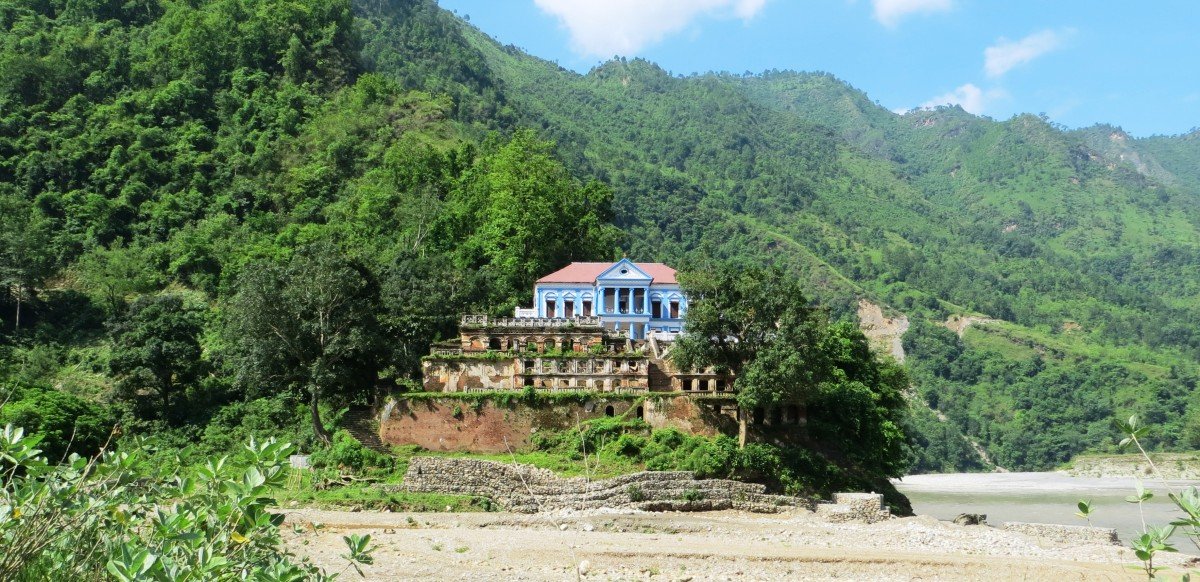
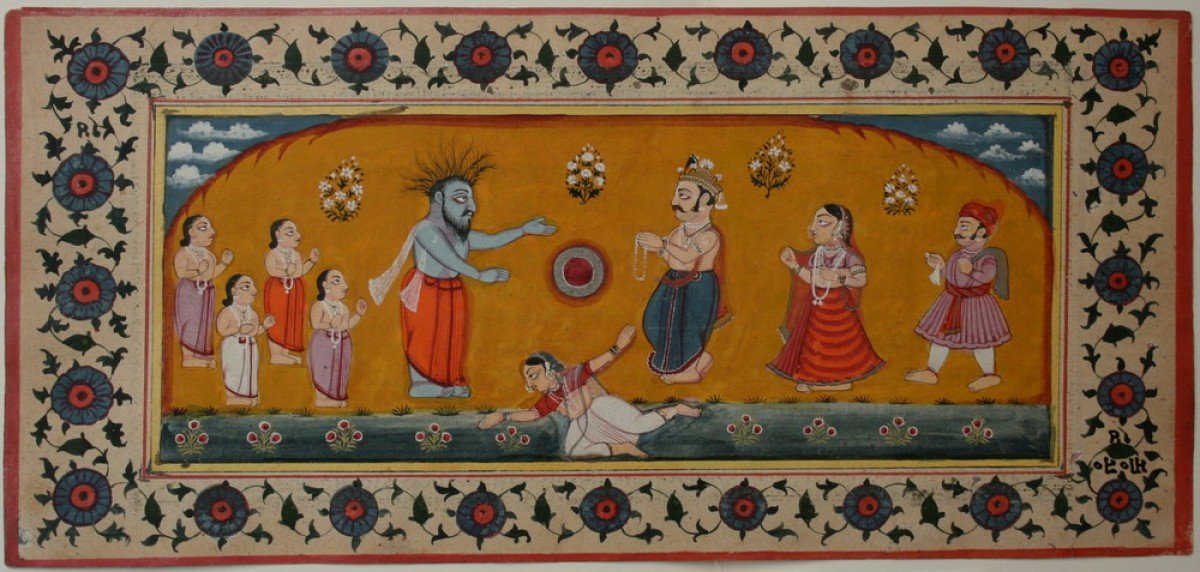
Durvasa Rishi Ashram is one of the most spiritually significant sites in Azamgarh, located at the holy confluence of the Tons and Majhuee rivers. This ancient ashram is dedicated to Sage Durvasa, who is known in Hindu mythology for his short temper and powerful boons. According to local legend, this is the very place where the sage performed intense penance and meditation for thousands of years. The ashram complex is a peaceful retreat far from the city's hustle, surrounded by thick groves of trees and the soothing sound of flowing water. It is believed that a visit to this ashram can cleanse one of sins and bring mental peace. The central temple houses a unique Shivalinga, which is said to have been established by the sage himself. Devotees from across North India visit this site to offer prayers, especially during the month of Shravan. The ashram also serves as a center for Vedic learning and traditional rituals. The confluence of the rivers near the ashram is considered highly sacred, and many pilgrims take a holy dip before entering the temple. Over the centuries, the ashram has maintained its rustic and spiritual charm, resisting modern commercialization. It is a part of the famous Panchkosi Parikrama circuit, which includes the ashrams of Dattatreya and Chandramuni. The architecture is simple but evocative of the ancient era of rishis and munis. Visiting this place offers a glimpse into India's deep-rooted spiritual heritage and the legend of the Rudra incarnation. The annual fair held here attracts hundreds of thousands of people, turning the quiet village into a vibrant hub of faith. The natural beauty of the riverbank makes it an excellent spot for those seeking solitude and connection with nature.
Azamgarh Fun City is the premier modern recreational spot in the district, offering a wide array of activities for people of all ages. As the city’s favorite amusement and water park, it provides a much-needed escape from the heat and the routine of daily life. The park is designed with modern safety standards and features multiple water slides, a large wave pool, and various dry rides that cater to both thrill-seekers and children. It has become a significant landmark for the city’s evolving lifestyle, representing the growing demand for world-class entertainment facilities in eastern Uttar Pradesh. The park is beautifully landscaped with green gardens, fountains, and seating areas where families can enjoy a full day of fun. The food court inside the park offers a variety of cuisines, ranging from local North Indian snacks to popular fast food. During the peak summer months, the park is a major attraction, drawing crowds from neighboring districts like Mau and Jaunpur. The management often organizes live DJ music and rain dance parties, adding to the festive atmosphere. Beyond just rides, Fun City serves as a popular venue for school picnics, birthday parties, and corporate outings. The clean and well-maintained environment makes it a safe choice for families with young children. For a tourist, it offers a refreshing change of pace from visiting historical and religious sites. It is a place where you can see the modern, joyful side of Azamgarh, where the community comes together to celebrate and relax. The expansion of the park in recent years has added more high-adrenaline rides, making it competitive with amusement parks in larger cities like Lucknow or Varanasi. :
@@Iconic Statue: Pahlwan Ki Murti is one of the most famous landmarks in Azamgarh, featuring a large statue of a traditional Indian wrestler (Pahlwan). The statue represents the region's long-standing tradition of wrestling and physical fitness, which is a matter of great pride for the locals. Located at a major roundabout in the Harbanspur area, it serves as a key navigational point for residents and visitors alike. The surrounding area has developed into a posh residential and educational hub, housing many schools and hospitals. The statue itself is well-crafted, depicting a wrestler in a classic 'Akhara' pose, symbolizing strength and discipline. It pays homage to the many great wrestlers who have hailed from this district and competed at national levels. The area around the statue is beautifully landscaped with small gardens and seating arrangements. In the evenings, the statue is illuminated, making it a striking sight. It has become a popular spot for youngsters to hang out and for tourists to take a quick photo stop. The landmark also signifies the transition of Azamgarh from a historical town to a modern urban center. The presence of the statue inspires the youth of the city toward sports and healthy living. @@Community Landmark: It is more than just a statue; it is a symbol of the local identity and the 'Matti' (soil) culture of Purvanchal.Show All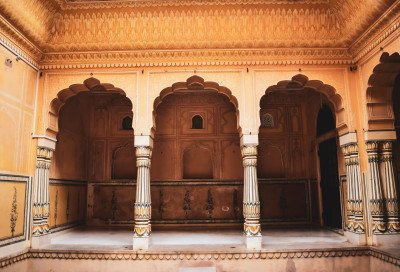 Mehnagar Fort is a fascinating historical site located in the southeastern part of the Azamgarh district. Built in the 17th century by King Haribans Singh, a prominent ruler of the Gautam Rajput clan, the fort stands as a testament to the region's medieval architectural and political history. The fort is built of sturdy mud and brick, reflecting the local defensive strategies of that era. One of the most striking features of the site is the massive pond, known as the Mehnagar Pokhara, which was also commissioned by the king and is situated adjacent to the fort. Over the years, parts of the fort have fallen into ruins, but the remaining structures still exude a sense of royal grandeur. The site is a mini-paradise for history buffs and those interested in the tales of local kings and their struggles against the Mughal and later British influences. Every year, a religious fair is held at the nearby Madilaha, which draws large crowds who also visit the fort. The architecture is a blend of traditional Rajput defensive design with local rural aesthetics. Exploring the ruins provides a deep insight into the socio-political layout of medieval Azamgarh. The fort's walls offer a panoramic view of the surrounding lush green fields and the nearby village. It is a place where legends of bravery and sacrifice are still narrated by the local elders. Despite being in a state of partial decay, the fort remains an important cultural landmark for the people of the Mehnagar region. It serves as a quiet reminder of a bygone era when this town was a seat of significant local power. A visit to Mehnagar Fort is an essential part of any heritage tour in Eastern Uttar Pradesh, offering a raw and uncommercialized experience of history.
Information
-
Why Famous:
Black Pottery: The Nizamabad black pottery is unique to this region. It is recognized under the Geographical Indication (GI) tag. The shiny black finish with silver inlay is not found anywhere else. It is a prized art form among collectors and tourists.
Read MoreBlack Pottery: The Nizamabad black pottery is unique to this region. It is recognized under the Geographical Indication (GI) tag. The shiny black finish with silver inlay is not found anywhere else. It is a prized art form among collectors and tourists.
Silk Weaving: Mubarakpur is a major center for weaving silk sarees. The craftsmanship is similar to the famous Banarasi sarees. The intricate designs and use of gold threads make them very popular. It is a significant part of the district's textile economy.Architecture:
Fort Structure: The Azamgarh Fort was built using local materials and traditional designs. It featured high walls and defensive structures for the royal family. Most of the original fort is now in ruins but its scale is visible.
Pottery Style:...Fort Structure: The Azamgarh Fort was built using local materials and traditional designs. It featured high walls and defensive structures for the royal family. Most of the original fort is now in ruins but its scale is visible.
Pottery Style: The black pottery of Nizamabad uses a special clay. The silver-colored patterns are made using an amalgam of zinc and lead. The shapes are elegant and reflect ancient artistic traditions.How To Reach:
By Air: The nearest major airport is Varanasi International Airport (100 KMS). A new domestic airport in Azamgarh is expected to start operations soon. From Varanasi, one can take a train or a private taxi. It takes about 2 to 3 hours by road.By Air: The nearest major airport is Varanasi International Airport (100 KMS). A new domestic airport in Azamgarh is expected to start operations soon. From Varanasi, one can take a train or a private taxi. It takes about 2 to 3 hours by road.
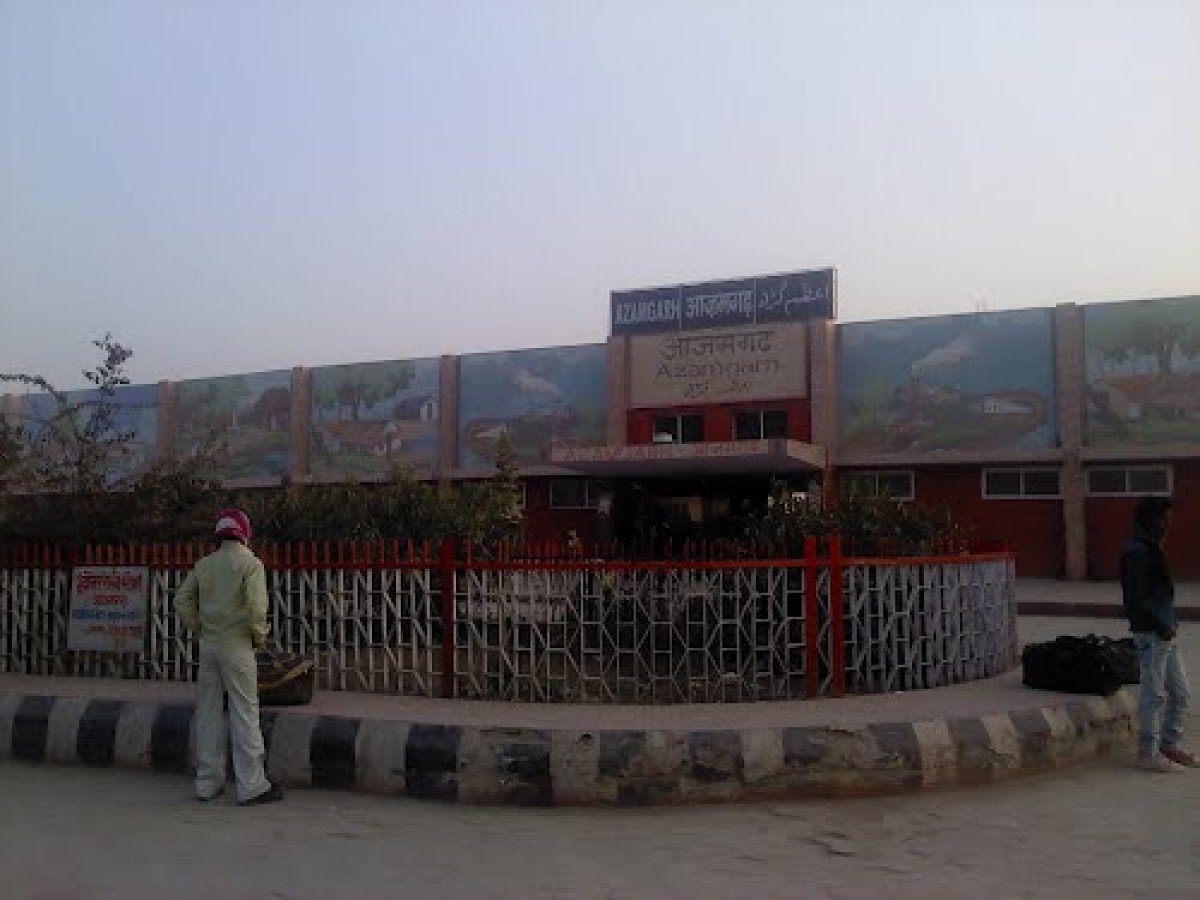
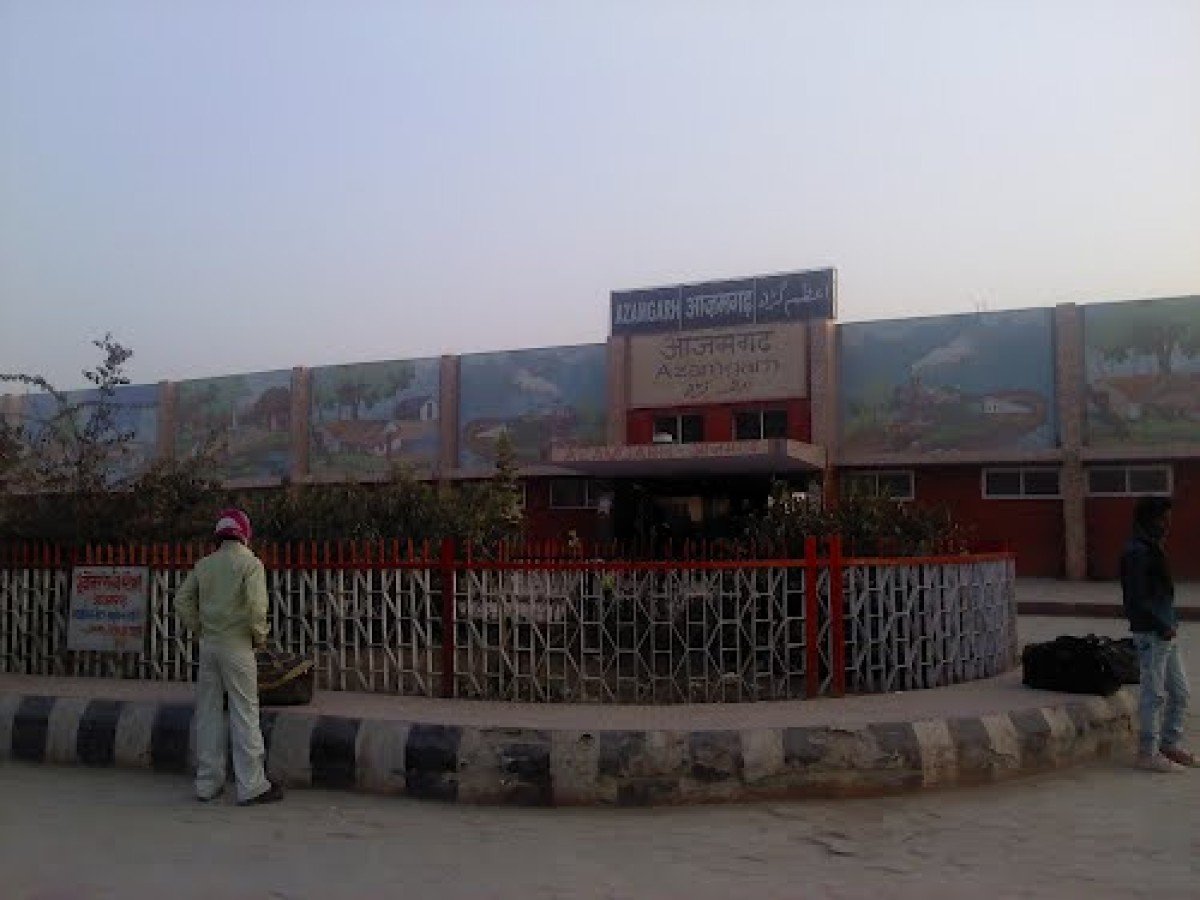
By Train: Azamgarh Railway Station is well-connected to Delhi and Kolkata. Direct trains like Kaifiyat Express run from the national capital. It is an important stop on the North Eastern Railway network. Trains are a reliable and cheap mode of travel.
By Road: The city is connected via the Purvanchal Expressway to Lucknow. It has reduced the travel time significantly from the state capital. Regular buses are available from Varanasi, Gorakhpur, and Mau. Private cars are common for interstate travel.
Local Transport: Shared auto-rickshaws are the most common way to get around. E-rickshaws have become very popular for short distances. Private taxis can be hired for full-day sightseeing. Walking is the best way to explore the local craft clusters.Weather and Best Time to Visit:
Winter Season: October to March is the peak time to visit. The weather is dry and cool, ideal for exploring the district. This is the time when most local fairs and festivals happen. It is perfect for outdoor activities and photography.
Summe...Winter Season: October to March is the peak time to visit. The weather is dry and cool, ideal for exploring the district. This is the time when most local fairs and festivals happen. It is perfect for outdoor activities and photography.
Summer Season: April to June can be very hot with temperatures above 40°C. Sightseeing during the day is not recommended. If visiting, stick to early morning or late evening hours. Drinking local cooling drinks like Sattu is helpful.
Monsoon Season: July to September brings moderate to heavy rainfall. The rivers and lakes are full, and the greenery is at its peak. Travel can be a bit slow due to rain but the weather is cooler. It is a good time for nature lovers.Near Tourist Places:
1. Varanasi (100 KMS), 2. Mau (45 KMS), 3. Gorakhpur (100 KMS), 4. Jaunpur (70 KMS), 5. Nizamabad (15 KMS), 6. Mubarakpur (13 KMS), 7. Mehnagar (35 KMS), 8. Durvasa Ashram (25 KMS), 9. Ghazipur (75 KMS), 10. Ballia (120 KMS).Tourism Tips
-
Health & Safety: Follow basic safety rules while traveling in local transport. Avoid street food that is not freshly prepared to prevent stomach issues. Carry a basic medical kit as some areas are remote. Keep your mobile phone charged as help might be far in rural spots....Health & Safety: Follow basic safety rules while traveling in local transport. Avoid street food that is not freshly prepared to prevent stomach issues. Carry a basic medical kit as some areas are remote. Keep your mobile phone charged as help might be far in rural spots.
Packing Tips: Light cotton clothes for most of the year are suitable. A warm shawl or jacket is needed for the winter nights. Carry a good camera to document the unique local crafts. Comfortable footwear is essential for walking in village clusters.
Accommodation: There are several decent hotels in the main city area. Staying near the railway station is convenient for transit. Most hotels are budget-friendly and offer basic amenities. It is better to check the facilities before booking.
Other Advice: Respect the local traditions when visiting the ashrams. Try to learn about the history of the freedom fighters from this region. Buy some black pottery and silk as they are world-class products. Be polite to the local artisans and ask before photographing them.
Reviews
FAQs
Azamgarh Itineray And Cost:-
Other Places In Uttar Pradesh :-
Other States In India :-
Information about New and Updated Locations() of Uttar Pradesh Has Been Added :-
Card subtitle
Note:-
Information provided here in good Faith and for reference only.
Near Places
Agra
Some quick example text to build on the card title and make up the bulk of the card's content.
Go somewhere
Aligarh
Some quick example text to build on the card title and make up the bulk of the card's content.
Go somewhere
Ayodhya
Some quick example text to build on the card title and make up the bulk of the card's content.
Go somewhere
Azamgarh
Some quick example text to build on the card title and make up the bulk of the card's content.
Go somewhere
Bahraich
Some quick example text to build on the card title and make up the bulk of the card's content.
Go somewhere
Bareilly
Some quick example text to build on the card title and make up the bulk of the card's content.
Go somewhere
Chitrakoot
Some quick example text to build on the card title and make up the bulk of the card's content.
Go somewhere
Fatehpur Sikri
Some quick example text to build on the card title and make up the bulk of the card's content.
Go somewhere
Ghaziabad
Some quick example text to build on the card title and make up the bulk of the card's content.
Go somewhere
Gorakhpur
Some quick example text to build on the card title and make up the bulk of the card's content.
Go somewhere
Hastinapur
Some quick example text to build on the card title and make up the bulk of the card's content.
Go somewhere
Jhansi
Some quick example text to build on the card title and make up the bulk of the card's content.
Go somewhere
Kanpur
Some quick example text to build on the card title and make up the bulk of the card's content.
Go somewhere
Kushinagar
Some quick example text to build on the card title and make up the bulk of the card's content.
Go somewhere
Lucknow
Some quick example text to build on the card title and make up the bulk of the card's content.
Go somewhere
Mathura
Some quick example text to build on the card title and make up the bulk of the card's content.
Go somewherein Other Cities