


Prayagraj
General information
-
Ideal Duration:
3 DaysPlace Type:
Pilgrimage / HistoricalEntry Fees:
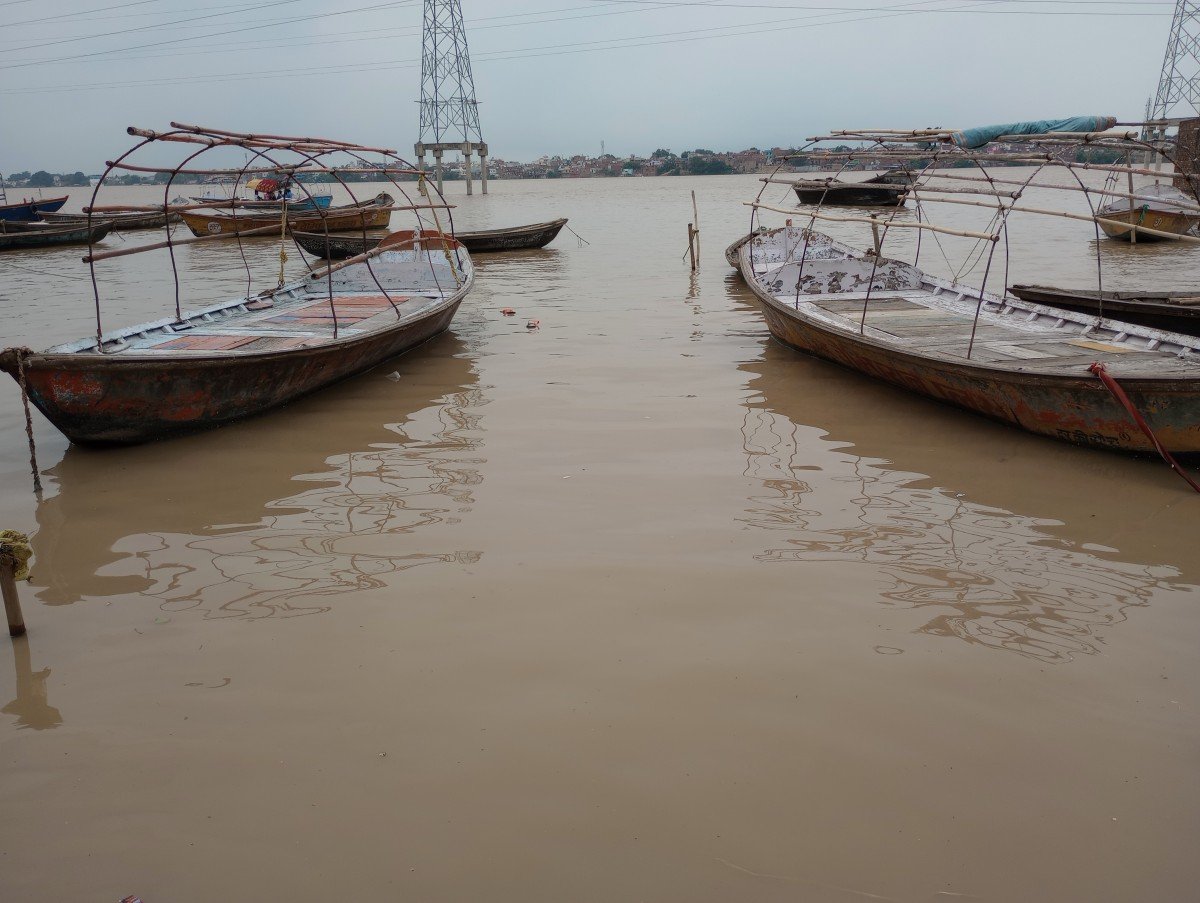
Boat Charges: Fixed rates usually apply, ranging from INR 100 to INR 500 per person for a shared or private boat ride to the Sangam point.
Museum Entry: The Allahabad Museum and Anand Bhavan have nominal entry fees of around INR 20-50 for In...Boat Charges: Fixed rates usually apply, ranging from INR 100 to INR 500 per person for a shared or private boat ride to the Sangam point.
Museum Entry: The Allahabad Museum and Anand Bhavan have nominal entry fees of around INR 20-50 for Indians and higher for foreigners.
Planetarium Tickets: The Jawahar Planetarium shows cost approximately INR 50, with different timings for Hindi and English language shows throughout the day.
Free Attractions: Entry to the Triveni Sangam, Company Garden, All Saints Cathedral, and most local temples is free, making it an affordable destination.Timing:
Regular Sightseeing Timings: Museums and historical houses are generally open from 10:00 AM to 5:00 PM, while parks remain open from sunrise to sunset.
Temple and Ghat Timings: Temples are open early from 5:00 AM and close by 9:00 PM, with t...Regular Sightseeing Timings: Museums and historical houses are generally open from 10:00 AM to 5:00 PM, while parks remain open from sunrise to sunset.
Temple and Ghat Timings: Temples are open early from 5:00 AM and close by 9:00 PM, with the main aarti at Sangam usually happening at dusk.
Fort Access: Since much of the Allahabad Fort is occupied by the Army, access to the Akshayavat is usually restricted to specific hours like 7:00 AM to 5:00 PM.
Ideal Visit Time: Early mornings (before 8:00 AM) are best for the river rituals, while late afternoons are perfect for visiting the museums and the cathedral.Special Events:
Kumbh Mela: The world's largest gathering held every 12 years, where the city becomes a global center of spirituality and incredible cultural spectacles.
Magh Mela: An annual month-long festival in January-February involving daily holy dips ...Kumbh Mela: The world's largest gathering held every 12 years, where the city becomes a global center of spirituality and incredible cultural spectacles.
Magh Mela: An annual month-long festival in January-February involving daily holy dips and religious discourses that bring the riverbanks to life.
Basant Panchami: Celebrated with immense fervor, as devotees wear yellow and offer prayers to Goddess Saraswati, marking the arrival of the spring season.
Dussehra Processions: Prayagraj is famous for its elaborate and artistic "Chowkis" (floats) that parade through the city during the final days of the Navratri festival.Best Photo Spots:
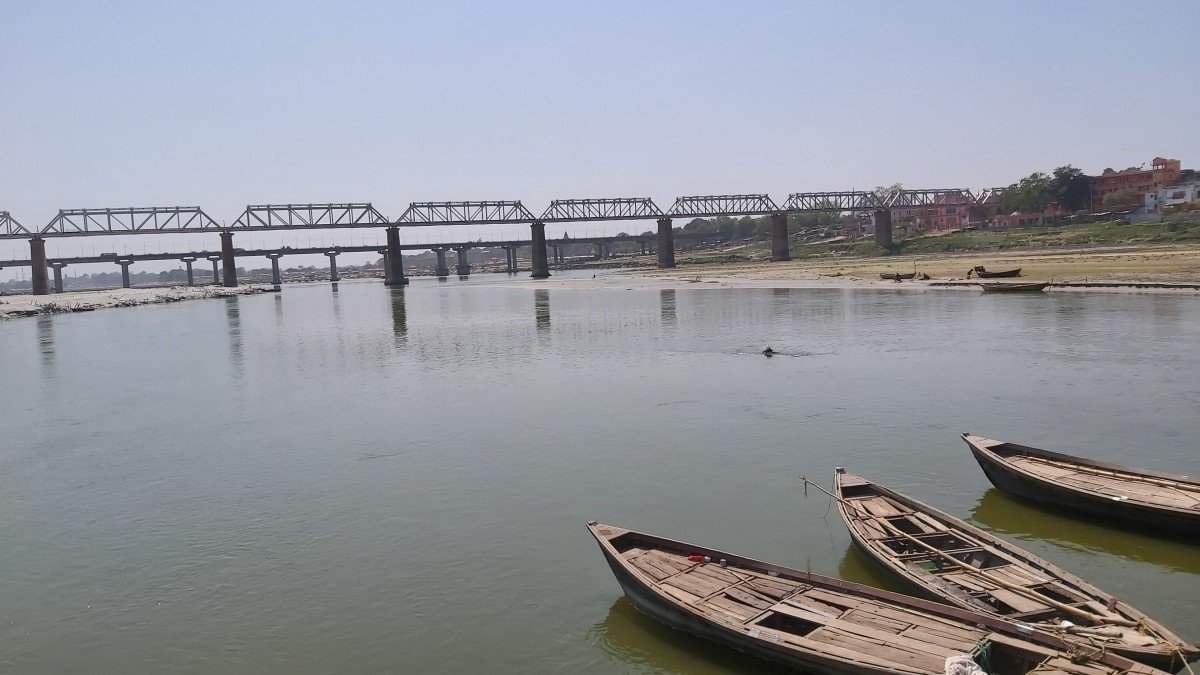
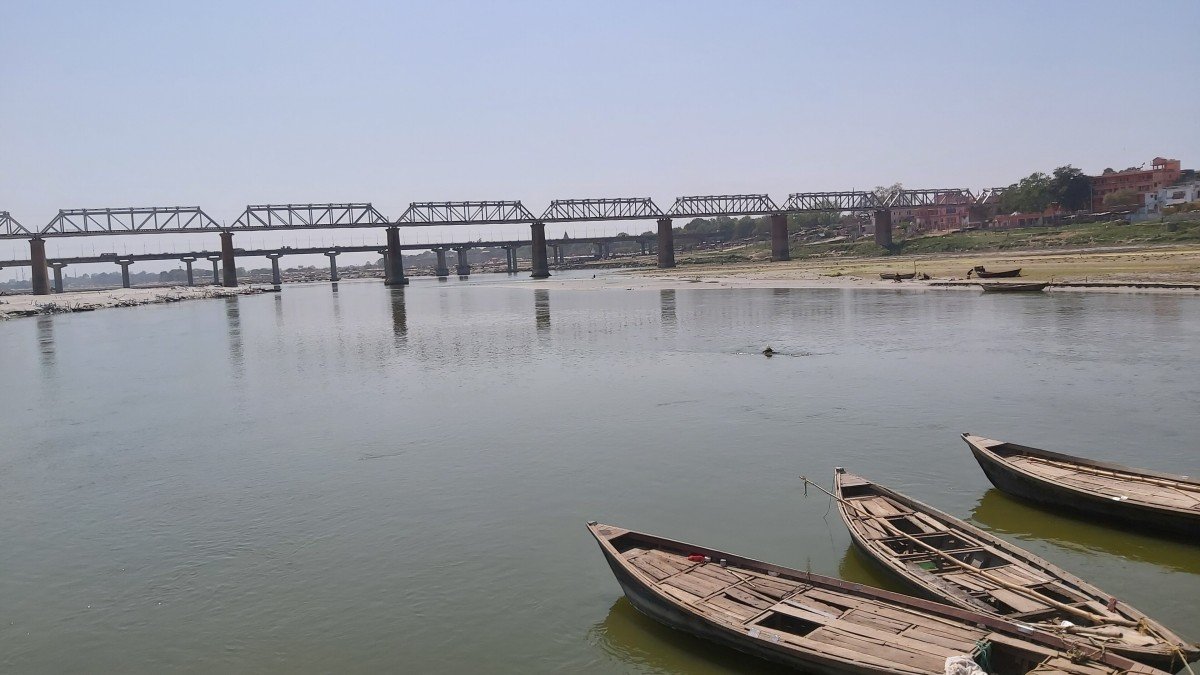
The Confluence Point: Capturing the distinct line where the green waters of the Yamuna meet the muddy brown of the Ganga from a boat is a must-have shot.
Mughal Tombs at Khusro Bagh: The intricate carvings and grand arches of the mausoleums ...The Confluence Point: Capturing the distinct line where the green waters of the Yamuna meet the muddy brown of the Ganga from a boat is a must-have shot.
Mughal Tombs at Khusro Bagh: The intricate carvings and grand arches of the mausoleums provide a perfect backdrop for heritage and portrait photography.
New Yamuna Bridge: This modern cable bridge is best photographed during "blue hour" or at night when it is beautifully lit against the dark river.
Sangam at Sunrise: The sight of thousands of birds (Siberian gulls) flying over the misty river as the sun rises is a world-class shot for nature photographers.Photo Gallery

Things To Do
 @@Historical Overview: The Mayo Memorial Hall is a grand, late 19th-century colonial structure completed in 1879. It was built to commemorate the assassinated Viceroy of India, Lord Mayo. Designed by the engineer Richard Roskell Bayne, the hall served as a primary venue for public meetings, formal balls, and official receptions for the Lieutenant-Governor's Council during the British Raj. While the building's historical purpose has evolved—it currently houses the Amitabh Bachchan Sports Complex—its majestic architecture remains a powerful testament to the city's colonial past and a stunning piece of Raj-era heritage.:
 @@Temple History and Significance: Bade Hanuman Ji Temple, also known as Lete Hanuman Ji Mandir, houses the world's only large reclining idol of Lord Hanuman. Legend says the idol was brought by a merchant and left here. Its unique significance is the belief that the Ganga River rises every monsoon to bathe the idol, with the water level receding only after touching the entire deity. This sacred event is considered a divine spectacle, attracting millions of devotees, especially during the Kumbh and Magh Mela periods. The deity is about 20 feet long and is revered as a bandhwa (bound) form of Hanuman who grants wishes and removes obstacles. The temple is managed by Baghambari Gaddi.:
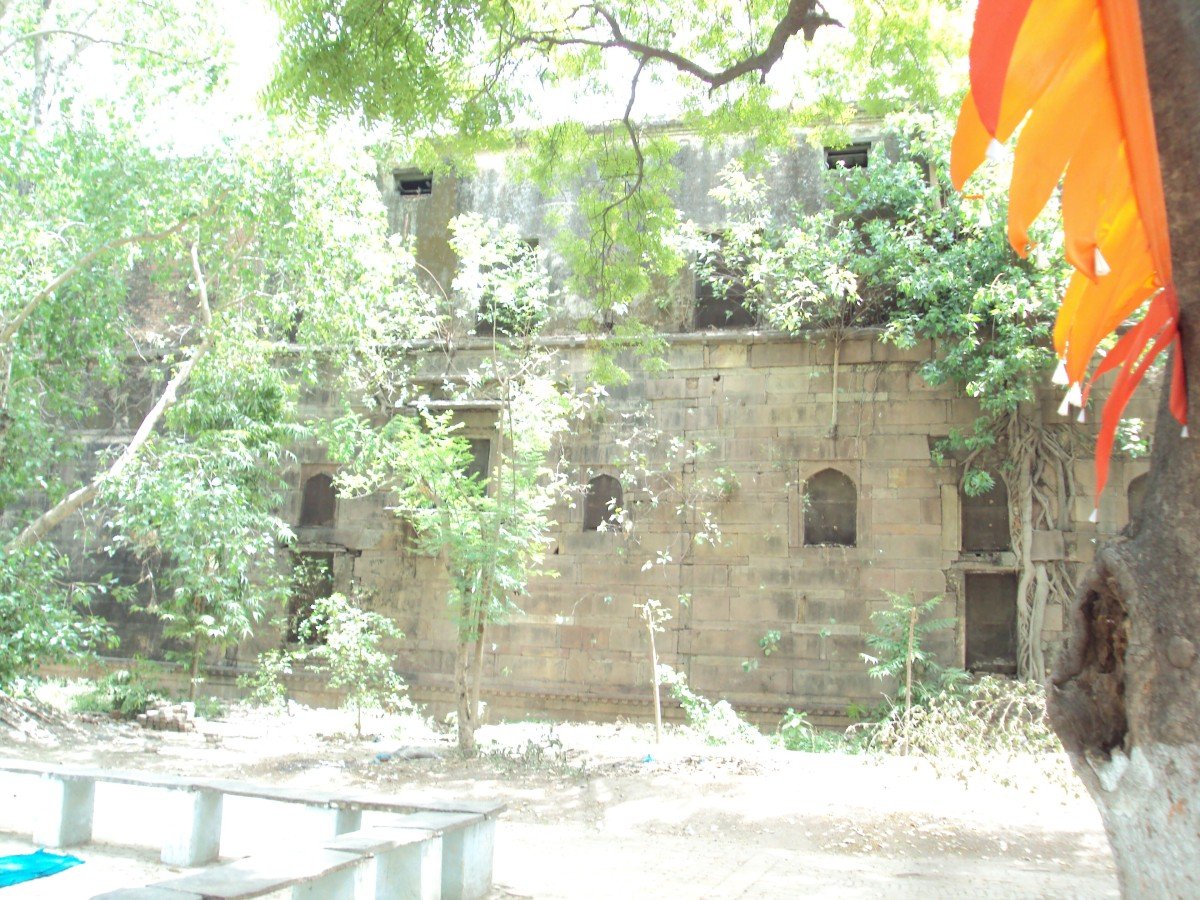
 @@History and Mythology: The Akshayavat is a sacred Banyan tree housed within the Allahabad Fort complex, revered as an immortal manifestation of Lord Vishnu. It is mentioned in ancient Hindu scriptures, including the Puranas, and is central to the local belief that it survived the pralaya (dissolution of the world) when sage Markandeya asked to witness Narayana's divine power. @@Mughal Suppression and Resilience: The tree’s powerful religious significance often clashed with the Mughal rulers, notably Emperor Akbar, who incorporated it into the fort structure in the 16th century to restrict access to Hindu pilgrims. Legends state that the Mughals repeatedly cut and burnt the tree (some sources claim up to 23 times) in an attempt to destroy Hindu sentiment, but it always regrew, earning its name 'Akshaya Vata' (undecaying banyan). It is a vital pilgrimage site, particularly for those performing rituals after a sacred dip at the Triveni Sangam, with its history intertwined with the very foundation of the fort. @@Present Day Access: For a long time, the tree was under the strict control of the Indian Army stationed at the fort. However, following the 2019 Kumbh Mela, limited access has been granted to pilgrims, often through a corridor that leads to the Patalpuri Temple and Saraswati Koop.
@@Modern Spiritual Synthesis and Founding:The Shri Adi Shankar Vimana Mandapam is a majestic, relatively modern temple located strategically near the sacred Triveni Sangam in Prayagraj. It was constructed by the esteemed Shri Kanchi Kamkoti Peetham of Kanchipuram and was opened in 1986. The temple is a towering, multi-story structure built in honor of the great Hindu philosopher and theologian, Adi Shankaracharya, who played a pivotal role in the revival of Hinduism and the establishment of the four Dhamas (Char Dham) and four monastic seats (Mathas) across India, including one in the north (Badrinath). The Mandapam is designed as a profound symbol of philosophical and religious unity, beautifully blending the diverse traditions of Shaivism (worship of Shiva), Vaishnavism (worship of Vishnu), and Shaktism (worship of the Goddess). Its location at the northern pilgrimage hub (Prayagraj) and its construction by a prominent South Indian institution make it a remarkable cultural and spiritual bridge between North and South India. @@Deities and Religious Symbolism:The temple is a devotional powerhouse, featuring multiple floors dedicated to different deities and spiritual concepts. The lower floors house a statue of Adi Shankaracharya, a shrine to Lord Shiva (the Sahasra Yoga Lingam surrounded by 108 smaller Shiva Lingas), and shrines to Lord Balaji (an incarnation of Vishnu), and Goddess Kamatchi and Meenakshi Amman (forms of the Goddess). This comprehensive inclusion of major deities reflects a commitment to the Advaita Vedanta philosophy, which Shankaracharya championed, emphasizing the ultimate unity of all divine forms. The higher levels offer displays of the 12 Jyotirlingas and 51 Shakti Peethas, turning the temple into a spiritual map of India, allowing a pilgrim to symbolically visit all major sacred spots in one location. The entire structure stands as a powerful, towering beacon of faith on the banks of the Ganga:
@@Educational Overview: Established in 1979 next to the famous Anand Bhavan (the ancestral home of the Nehru family), the Jawahar Planetarium is dedicated to promoting science and astronomy. It offers captivating celestial shows and documentaries about space, galaxies, and the solar system within its dome-shaped theatre. It hosts the annual Jawaharlal Nehru Memorial Lecture on November 14th, celebrating the birth anniversary of India's first Prime Minister. It is an important educational and entertainment spot, especially for children and students, aiming to ignite curiosity about the cosmos.:
@@History and Mythology: The Akshayavat is a sacred Banyan tree housed within the Allahabad Fort complex, revered as an immortal manifestation of Lord Vishnu. It is mentioned in ancient Hindu scriptures, including the Puranas, and is central to the local belief that it survived the pralaya (dissolution of the world) when sage Markandeya asked to witness Narayana's divine power. @@Mughal Suppression and Resilience: The tree’s powerful religious significance often clashed with the Mughal rulers, notably Emperor Akbar, who incorporated it into the fort structure in the 16th century to restrict access to Hindu pilgrims. Legends state that the Mughals repeatedly cut and burnt the tree (some sources claim up to 23 times) in an attempt to destroy Hindu sentiment, but it always regrew, earning its name 'Akshaya Vata' (undecaying banyan). It is a vital pilgrimage site, particularly for those performing rituals after a sacred dip at the Triveni Sangam, with its history intertwined with the very foundation of the fort. @@Present Day Access: For a long time, the tree was under the strict control of the Indian Army stationed at the fort. However, following the 2019 Kumbh Mela, limited access has been granted to pilgrims, often through a corridor that leads to the Patalpuri Temple and Saraswati Koop.
@@Modern Spiritual Synthesis and Founding:The Shri Adi Shankar Vimana Mandapam is a majestic, relatively modern temple located strategically near the sacred Triveni Sangam in Prayagraj. It was constructed by the esteemed Shri Kanchi Kamkoti Peetham of Kanchipuram and was opened in 1986. The temple is a towering, multi-story structure built in honor of the great Hindu philosopher and theologian, Adi Shankaracharya, who played a pivotal role in the revival of Hinduism and the establishment of the four Dhamas (Char Dham) and four monastic seats (Mathas) across India, including one in the north (Badrinath). The Mandapam is designed as a profound symbol of philosophical and religious unity, beautifully blending the diverse traditions of Shaivism (worship of Shiva), Vaishnavism (worship of Vishnu), and Shaktism (worship of the Goddess). Its location at the northern pilgrimage hub (Prayagraj) and its construction by a prominent South Indian institution make it a remarkable cultural and spiritual bridge between North and South India. @@Deities and Religious Symbolism:The temple is a devotional powerhouse, featuring multiple floors dedicated to different deities and spiritual concepts. The lower floors house a statue of Adi Shankaracharya, a shrine to Lord Shiva (the Sahasra Yoga Lingam surrounded by 108 smaller Shiva Lingas), and shrines to Lord Balaji (an incarnation of Vishnu), and Goddess Kamatchi and Meenakshi Amman (forms of the Goddess). This comprehensive inclusion of major deities reflects a commitment to the Advaita Vedanta philosophy, which Shankaracharya championed, emphasizing the ultimate unity of all divine forms. The higher levels offer displays of the 12 Jyotirlingas and 51 Shakti Peethas, turning the temple into a spiritual map of India, allowing a pilgrim to symbolically visit all major sacred spots in one location. The entire structure stands as a powerful, towering beacon of faith on the banks of the Ganga:
@@Educational Overview: Established in 1979 next to the famous Anand Bhavan (the ancestral home of the Nehru family), the Jawahar Planetarium is dedicated to promoting science and astronomy. It offers captivating celestial shows and documentaries about space, galaxies, and the solar system within its dome-shaped theatre. It hosts the annual Jawaharlal Nehru Memorial Lecture on November 14th, celebrating the birth anniversary of India's first Prime Minister. It is an important educational and entertainment spot, especially for children and students, aiming to ignite curiosity about the cosmos.: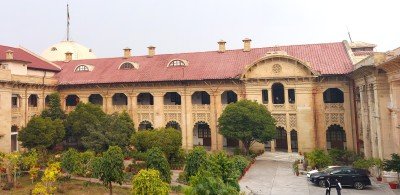 @@Historical Significance of a Premier Judicial Body: The Allahabad High Court was established on March 17, 1866, making it one of the oldest High Courts in India. Initially located in Agra, it was relocated to its present site in Prayagraj in 1869. It serves as the High Court for the entire state of Uttar Pradesh, having both a principal seat in Prayagraj and a permanent bench in Lucknow. Its rich history is intertwined with the judicial development of the country, hearing landmark cases and maintaining a huge volume of pending cases, reflecting the sheer scale of its jurisdiction. The court has contributed immensely to the Indian legal system, shaping precedents across various domains of law. @@Massive Judicial Capacity: It holds the distinction of having the largest number of sitting judges in India, authorized to have 160 judges, reflecting the enormous judicial workload it manages. The physical complex is a sprawling institution encompassing modern and heritage blocks, archives, and a significant law library. It is a critical hub of governance and justice in the region, embodying the principle of the rule of law. It remains a powerful symbol of the judiciary's role in a democratic framework. This institution is not just a court but a historic landmark. @@Symbol of Governance and Justice: The structure itself, particularly the older colonial-era building, is a remarkable example of Indo-Saracenic architecture. The complex is constantly active, dealing with a multitude of cases daily, from civil and criminal matters to constitutional law. Visiting the precincts offers a tangible feel of the formal, stately environment of the Indian judicial process. The court campus also houses a Law Museum and Archives, which is crucial for legal scholars and historians to trace the evolution of the judiciary in the state. (Word count: 398):
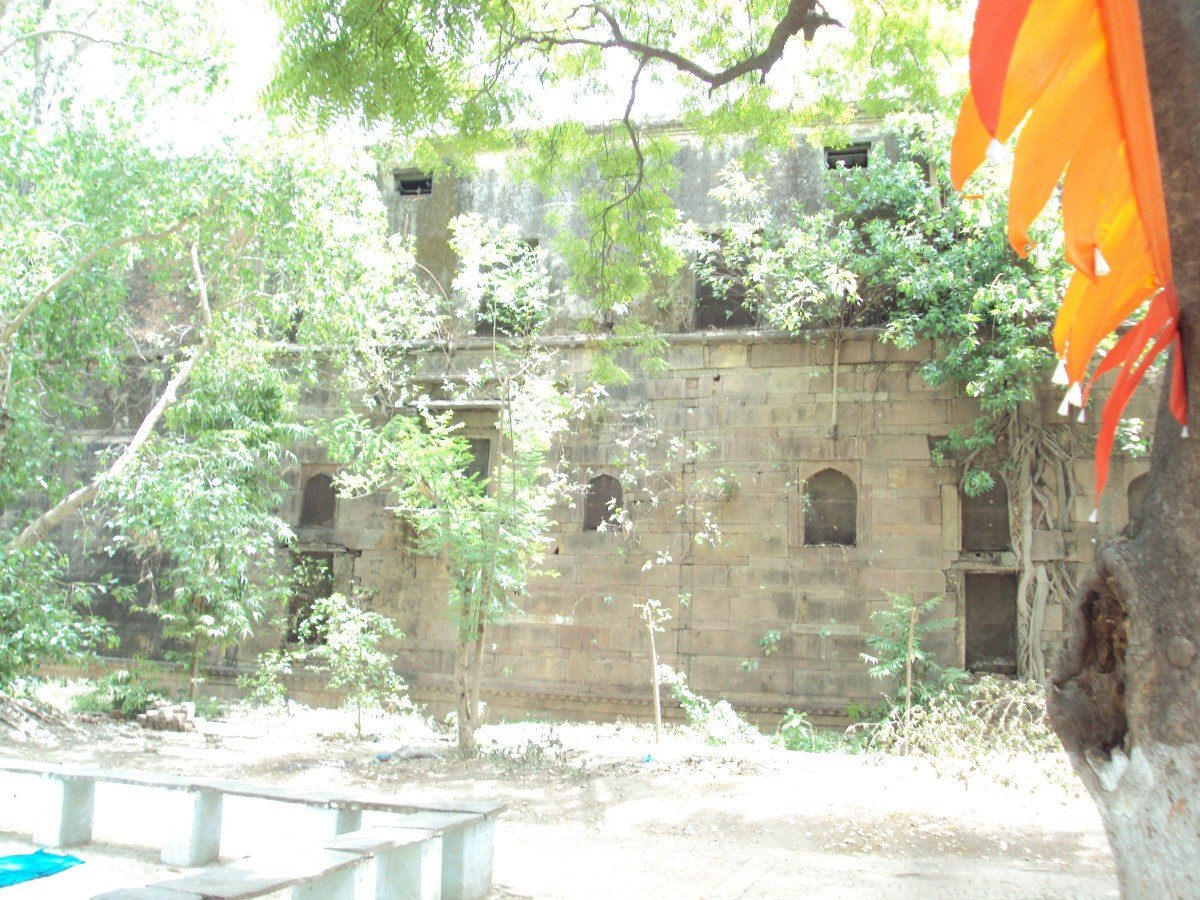
@@Historical and Mythological Background:The Ulta Qila (literally meaning "Upside-Down Fort") is an ancient ruin and archaeological site located in Jhunsi, on the eastern bank of the Ganga River, across from the main city of Prayagraj. Its history is shrouded in deep-seated local legend and mystery, which gives it its evocative name. The most popular local legend attributes its current ruined state and "upside-down" name to a powerful curse. It is believed that the fort belonged to a tyrannical local king, King Haribong or Bharing (some sources suggest Harshavardhana's era). His misrule and disrespect provoked the anger of a local saint, Ali Murtaza, who pronounced a curse. This curse caused a celestial body, possibly a piece of the Mirrikh star (Mars) or simply a divine force, to fall upon the fort, violently turning it upside down and burying its summit into the ground. This mythological event is said to have instantly brought about the king's destruction and explains the unusual layout and the heavily ruined, subterranean nature of the remains found today. @@Archaeological Importance:While the legend is dramatic, archaeological excavations at Jhunsi have confirmed that the area is an ancient settlement site, possibly dating back to the Vedic period. The mound and ruins of the Ulta Qila are part of this extensive historical settlement, which was likely abandoned and then covered over by centuries of alluvial soil deposition from the river. The ruins represent an ancient fortified structure that was partially submerged or collapsed, giving the appearance of being inverted. The site is a significant point for archaeologists studying the continuity of life in the Gangetic plain and is a constant source of local folklore, attracting history enthusiasts and those interested in local mythological tales. The site is now a peaceful, scenic ruin perfect for a quiet exploration of history and legend:Show All
@@Engineering Marvel and Purpose:The New Yamuna Bridge, officially named Syama Prasad Mukherjee Setu, is a modern engineering marvel and a stunning cable-stayed bridge in Prayagraj. It was constructed to significantly ease the heavy traffic congestion on the older Naini Bridge and improve the vital connectivity between the main city of Prayagraj and the industrial neighborhood of Naini on the opposite bank of the Yamuna River. The project, consulted by the Danish firm COWI A/S and executed by Hyundai Engineering and Construction, began in 2000 and was successfully completed and opened in 2004. It represents a major leap in India's modern infrastructure and is one of the country's earliest and largest cable-stayed structures. Its design is a testament to contemporary civil engineering, built with high seismic resilience, a critical feature for long-span bridges in a potentially active seismic zone. It stands as a powerful symbol of the city's urban modernization and its ability to undertake large-scale, international infrastructure collaboration projects. The bridge is not just a functional route but a prominent visual feature of the city's skyline. @@Impact on Urban Connectivity and Commute:Before its construction, the traffic flow between Prayagraj and Naini was a persistent bottleneck, severely impacting commuters, pilgrims, and commercial transport. The New Yamuna Bridge successfully introduced a multi-lane carriageway and dedicated pedestrian walkways, ensuring a smooth and rapid transit across the Yamuna. This improved connectivity has had a profound economic impact, facilitating quicker movement of goods to the Naini industrial area and dramatically reducing travel time for the thousands of daily commuters and for pilgrims heading to the Triveni Sangam area. The structure is built with prestressed concrete and steel, designed to carry a high volume of vehicular loads while maintaining a minimal environmental impact on the river flow. The bridge's completion ushered in an era of better logistics and urban planning for the rapidly expanding city, complementing the older structure and providing a modern, aesthetically pleasing alternative:
@@Historical Significance of a Premier Judicial Body: The Allahabad High Court was established on March 17, 1866, making it one of the oldest High Courts in India. Initially located in Agra, it was relocated to its present site in Prayagraj in 1869. It serves as the High Court for the entire state of Uttar Pradesh, having both a principal seat in Prayagraj and a permanent bench in Lucknow. Its rich history is intertwined with the judicial development of the country, hearing landmark cases and maintaining a huge volume of pending cases, reflecting the sheer scale of its jurisdiction. The court has contributed immensely to the Indian legal system, shaping precedents across various domains of law. @@Massive Judicial Capacity: It holds the distinction of having the largest number of sitting judges in India, authorized to have 160 judges, reflecting the enormous judicial workload it manages. The physical complex is a sprawling institution encompassing modern and heritage blocks, archives, and a significant law library. It is a critical hub of governance and justice in the region, embodying the principle of the rule of law. It remains a powerful symbol of the judiciary's role in a democratic framework. This institution is not just a court but a historic landmark. @@Symbol of Governance and Justice: The structure itself, particularly the older colonial-era building, is a remarkable example of Indo-Saracenic architecture. The complex is constantly active, dealing with a multitude of cases daily, from civil and criminal matters to constitutional law. Visiting the precincts offers a tangible feel of the formal, stately environment of the Indian judicial process. The court campus also houses a Law Museum and Archives, which is crucial for legal scholars and historians to trace the evolution of the judiciary in the state. (Word count: 398):
@@Historical and Mythological Background:The Ulta Qila (literally meaning "Upside-Down Fort") is an ancient ruin and archaeological site located in Jhunsi, on the eastern bank of the Ganga River, across from the main city of Prayagraj. Its history is shrouded in deep-seated local legend and mystery, which gives it its evocative name. The most popular local legend attributes its current ruined state and "upside-down" name to a powerful curse. It is believed that the fort belonged to a tyrannical local king, King Haribong or Bharing (some sources suggest Harshavardhana's era). His misrule and disrespect provoked the anger of a local saint, Ali Murtaza, who pronounced a curse. This curse caused a celestial body, possibly a piece of the Mirrikh star (Mars) or simply a divine force, to fall upon the fort, violently turning it upside down and burying its summit into the ground. This mythological event is said to have instantly brought about the king's destruction and explains the unusual layout and the heavily ruined, subterranean nature of the remains found today. @@Archaeological Importance:While the legend is dramatic, archaeological excavations at Jhunsi have confirmed that the area is an ancient settlement site, possibly dating back to the Vedic period. The mound and ruins of the Ulta Qila are part of this extensive historical settlement, which was likely abandoned and then covered over by centuries of alluvial soil deposition from the river. The ruins represent an ancient fortified structure that was partially submerged or collapsed, giving the appearance of being inverted. The site is a significant point for archaeologists studying the continuity of life in the Gangetic plain and is a constant source of local folklore, attracting history enthusiasts and those interested in local mythological tales. The site is now a peaceful, scenic ruin perfect for a quiet exploration of history and legend:Show All
@@Engineering Marvel and Purpose:The New Yamuna Bridge, officially named Syama Prasad Mukherjee Setu, is a modern engineering marvel and a stunning cable-stayed bridge in Prayagraj. It was constructed to significantly ease the heavy traffic congestion on the older Naini Bridge and improve the vital connectivity between the main city of Prayagraj and the industrial neighborhood of Naini on the opposite bank of the Yamuna River. The project, consulted by the Danish firm COWI A/S and executed by Hyundai Engineering and Construction, began in 2000 and was successfully completed and opened in 2004. It represents a major leap in India's modern infrastructure and is one of the country's earliest and largest cable-stayed structures. Its design is a testament to contemporary civil engineering, built with high seismic resilience, a critical feature for long-span bridges in a potentially active seismic zone. It stands as a powerful symbol of the city's urban modernization and its ability to undertake large-scale, international infrastructure collaboration projects. The bridge is not just a functional route but a prominent visual feature of the city's skyline. @@Impact on Urban Connectivity and Commute:Before its construction, the traffic flow between Prayagraj and Naini was a persistent bottleneck, severely impacting commuters, pilgrims, and commercial transport. The New Yamuna Bridge successfully introduced a multi-lane carriageway and dedicated pedestrian walkways, ensuring a smooth and rapid transit across the Yamuna. This improved connectivity has had a profound economic impact, facilitating quicker movement of goods to the Naini industrial area and dramatically reducing travel time for the thousands of daily commuters and for pilgrims heading to the Triveni Sangam area. The structure is built with prestressed concrete and steel, designed to carry a high volume of vehicular loads while maintaining a minimal environmental impact on the river flow. The bridge's completion ushered in an era of better logistics and urban planning for the rapidly expanding city, complementing the older structure and providing a modern, aesthetically pleasing alternative:Information
-
Why Famous:
Triveni Sangam: The holiest confluence in India where the colors of the Yamuna and Ganga visibly merge, attracting millions for spiritual purification and rituals.
Akbar's Fort: One of the largest forts built by the Great Mughal Emperor, hou...Triveni Sangam: The holiest confluence in India where the colors of the Yamuna and Ganga visibly merge, attracting millions for spiritual purification and rituals.
Akbar's Fort: One of the largest forts built by the Great Mughal Emperor, housing the sacred Akshayavat (immortal tree) and the Patalpuri Temple underground.
Anand Bhavan: The ancestral home of the Nehru-Gandhi family, now a museum that preserves the history of India's freedom struggle and personal items of world leaders.
Freedom Fighter's Park: Alfred Park (now Chandra Shekhar Azad Park) is famous as the site where the great revolutionary Azad sacrificed his life for the nation's independence. -
Architecture:
Mughal Architecture: The Allahabad Fort, built by Emperor Akbar in 1583, is a masterpiece of Mughal design with massive sandstone walls and ornate gateways overlooking the Yamuna.
Fort Dimensions: The fort is a massive irregular polygon with...Mughal Architecture: The Allahabad Fort, built by Emperor Akbar in 1583, is a masterpiece of Mughal design with massive sandstone walls and ornate gateways overlooking the Yamuna.
Fort Dimensions: The fort is a massive irregular polygon with a perimeter of nearly 3 kilometers, featuring three grand galleries flanked by high towers.
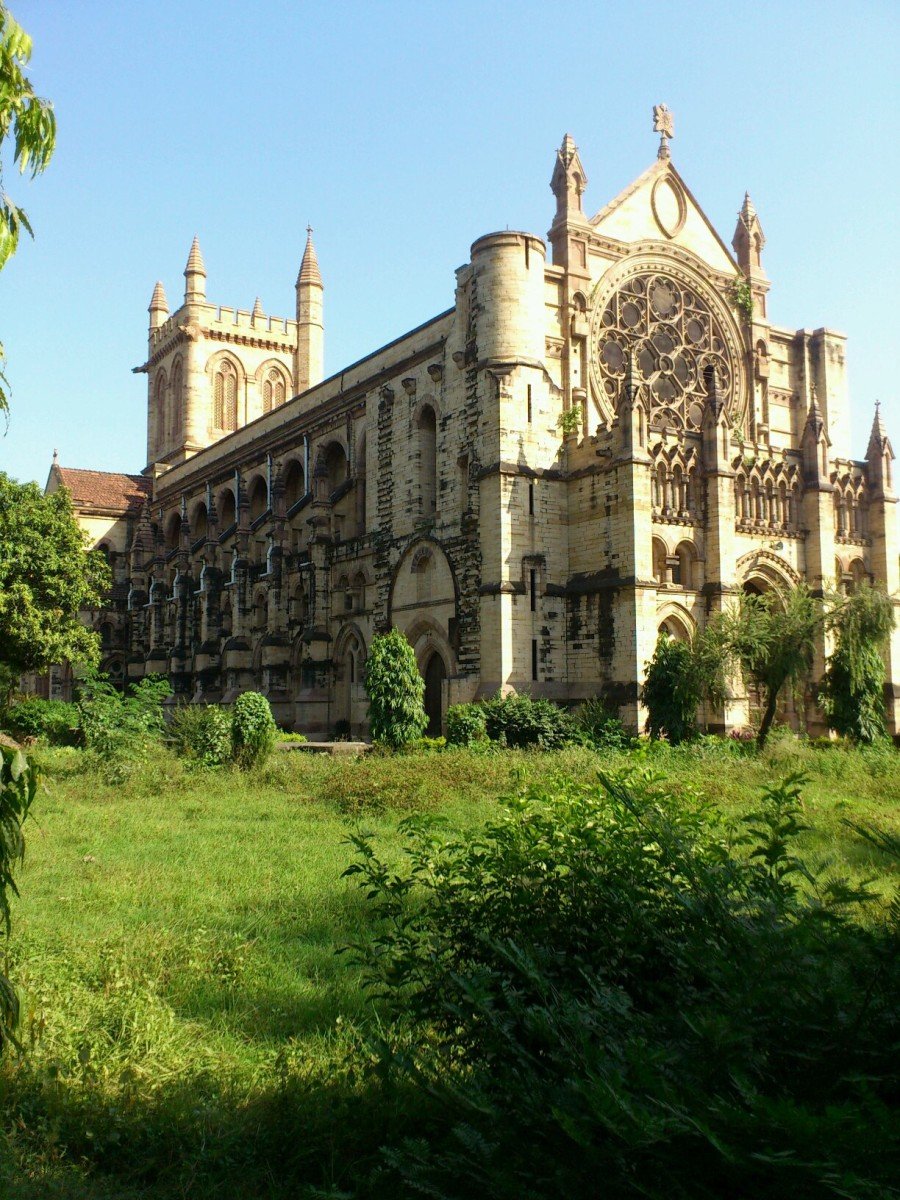
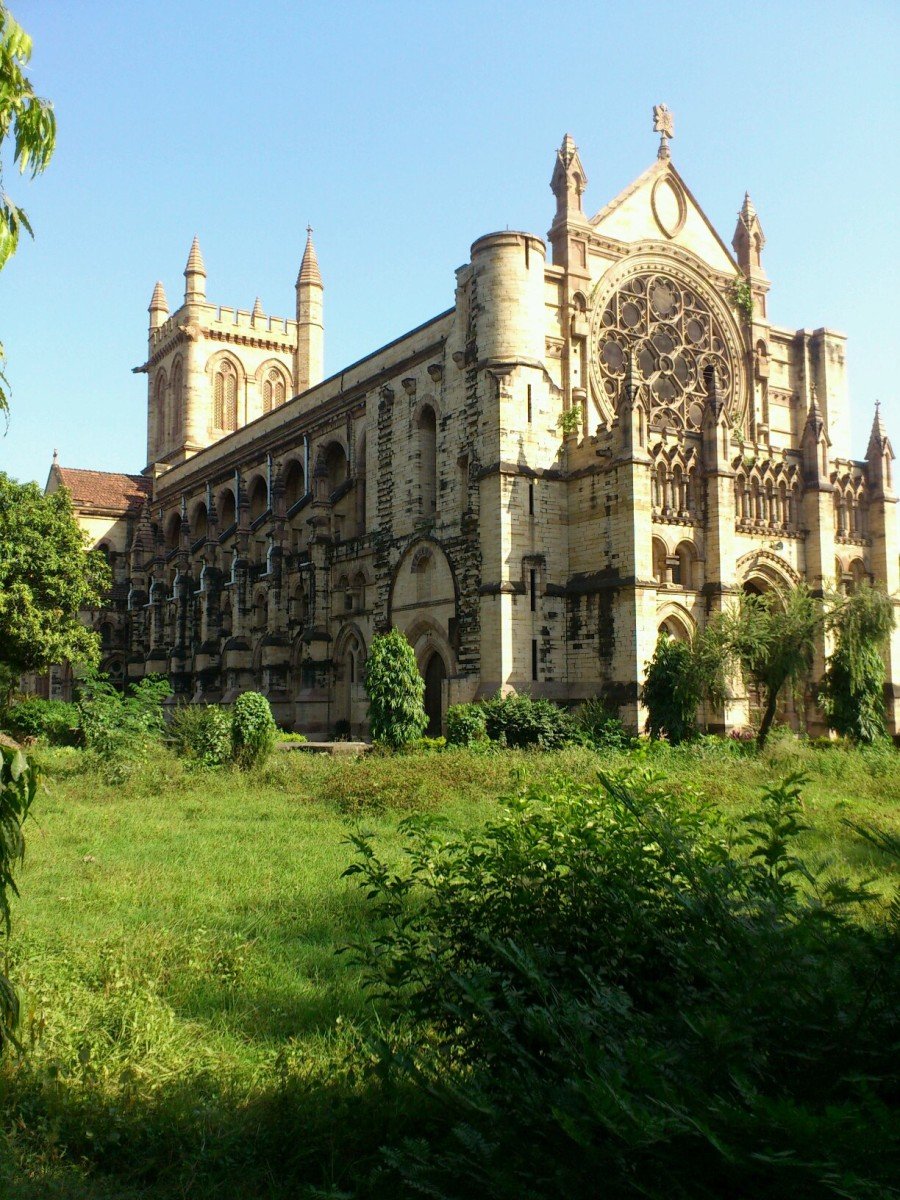
Gothic Revival: The All Saints Cathedral is a stunning example of 13th-century Gothic style, designed by William Emerson, featuring red-and-white stone patterns and intricate stained glass.
Indo-Saracenic Style: The Anand Bhavan and Allahabad Public Library showcase a blend of Indian and European styles, with high arches, wide verandas, and grand domes. -
How To Reach:
By Air: Prayagraj Airport (IXD) is located about 12 KMS from the city and has direct flights from Delhi, Mumbai, Bangalore, and Lucknow.
By Train: Prayagraj Junction is a major railway hub on the Delhi-Kolkata route, served by hundreds of tr...By Air: Prayagraj Airport (IXD) is located about 12 KMS from the city and has direct flights from Delhi, Mumbai, Bangalore, and Lucknow.
By Train: Prayagraj Junction is a major railway hub on the Delhi-Kolkata route, served by hundreds of trains including the Rajdhani and Vande Bharat Express.
By Road: The city is well-connected via NH-19 and NH-30; it is an easy drive from Varanasi (120 KMS), Lucknow (200 KMS), and Kanpur (200 KMS).
By Local Transport: The city has an extensive network of E-rickshaws, Auto-rickshaws, and App-based cabs (Ola/Uber) that make commuting between sights very easy. -
Weather and Best Time to Visit:
Winter Season: October to March is the peak season with pleasant weather (8°C to 24°C), making it the only time to comfortably enjoy the festivals.
Monsoon Season: July to September sees heavy rains and rising river levels; while beautifu...Winter Season: October to March is the peak season with pleasant weather (8°C to 24°C), making it the only time to comfortably enjoy the festivals.
Monsoon Season: July to September sees heavy rains and rising river levels; while beautiful, boating to the Sangam can be restricted for safety reasons.
Summer Season: April to June is extremely hot (up to 45°C); sightseeing is only recommended in the very early morning or late evening hours.
Part of Day: The "Brahma Muhurta" (dawn) is the most spiritual time at the Sangam, while the "Sandhya" (dusk) is best for the riverbank aarti. -
Near Tourist Places:
Varanasi (120 KM), Vindhyachal (80 KM), Ayodhya (170 KM), Chitrakoot (130 KM), Kaushambi Ruins (50 KM), Lucknow (200 KM), Mirzapur (90 KM), Sarnath (130 KM), Shringverpur (40 KM), Bhitari (100 KM).
Tourism Tips
-
Stay Near Civil Lines: For the best mix of heritage, modern cafes, and easy transport, choose a hotel in the Civil Lines area rather than the crowded old city.
Beware of Scams: Be cautious of "Pandas" (priests) at the Sangam who may demand h...Stay Near Civil Lines: For the best mix of heritage, modern cafes, and easy transport, choose a hotel in the Civil Lines area rather than the crowded old city.
Beware of Scams: Be cautious of "Pandas" (priests) at the Sangam who may demand high fees for rituals; it is best to fix a price beforehand or politely decline.
Carry Winter Wear: If visiting during January, the mornings at the river can be biting cold; ensure you have heavy woolens and a waterproof mat to sit on.
Hydration and Hygiene: Always carry bottled water and hand sanitizer, especially when visiting the crowded Mela areas or using local public transport facilities.
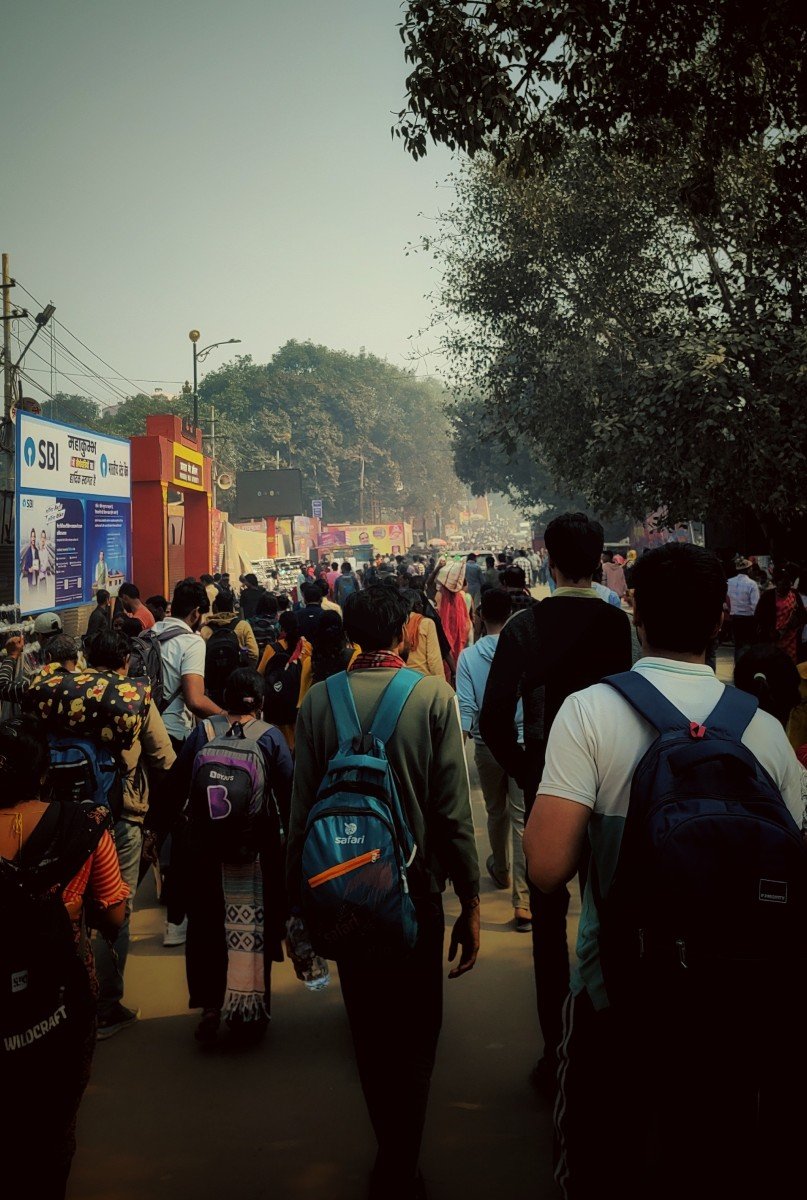
Plan for Crowds: During festival days, the city can be extremely crowded with road diversions; check local news and plan to walk more than usual to reach the ghats.
Respect Rituals: While photography is generally allowed, be respectful of people performing private funerary or religious rituals; always ask before taking close-up portraits.
Packing Essentials: A good pair of sandals (easy to remove at temples), a power bank, a light towel for the holy dip, and sunscreen are must-haves for your kit.
Connectivity: Most areas have excellent 5G coverage, but during the massive Kumbh Mela, networks can get congested; keep a physical map or a designated meeting point.
Reviews
FAQs
Prayagraj Itineray And Cost:-
Other Places In Uttar Pradesh :-
Other States In India :-
Information about New and Updated Locations() of Uttar Pradesh Has Been Added :-
Card subtitle
Note:-
Information provided here in good Faith and for reference only.
Near Places
Agra
Some quick example text to build on the card title and make up the bulk of the card's content.
Go somewhere
Aligarh
Some quick example text to build on the card title and make up the bulk of the card's content.
Go somewhere
Ayodhya
Some quick example text to build on the card title and make up the bulk of the card's content.
Go somewhere
Azamgarh
Some quick example text to build on the card title and make up the bulk of the card's content.
Go somewhere
Bahraich
Some quick example text to build on the card title and make up the bulk of the card's content.
Go somewhere
Bareilly
Some quick example text to build on the card title and make up the bulk of the card's content.
Go somewhere
Chitrakoot
Some quick example text to build on the card title and make up the bulk of the card's content.
Go somewhere
Fatehpur Sikri
Some quick example text to build on the card title and make up the bulk of the card's content.
Go somewhere
Ghaziabad
Some quick example text to build on the card title and make up the bulk of the card's content.
Go somewhere
Gorakhpur
Some quick example text to build on the card title and make up the bulk of the card's content.
Go somewhere
Hastinapur
Some quick example text to build on the card title and make up the bulk of the card's content.
Go somewhere
Jhansi
Some quick example text to build on the card title and make up the bulk of the card's content.
Go somewhere
Kanpur
Some quick example text to build on the card title and make up the bulk of the card's content.
Go somewhere
Kushinagar
Some quick example text to build on the card title and make up the bulk of the card's content.
Go somewhere
Lucknow
Some quick example text to build on the card title and make up the bulk of the card's content.
Go somewhere
Mathura
Some quick example text to build on the card title and make up the bulk of the card's content.
Go somewherein Other Cities