




Jhansi
General information
-
Ideal Duration:
1 to 2 DaysPlace Type:
Historical & HeritageEntry Fees:
Place Entry Fees:
Jhansi Fort: The entry fee is Rs. 25 for Indian citizens and Rs. 300 for foreigners; children under 15 enter for free.
Museums: A nominal fee of Rs. 5 to Rs. 10 is charged for the Gover...Place Entry Fees:
Jhansi Fort: The entry fee is Rs. 25 for Indian citizens and Rs. 300 for foreigners; children under 15 enter for free.
Museums: A nominal fee of Rs. 5 to Rs. 10 is charged for the Government Museum and Rani Mahal to help with site maintenance.Timing:
Place Timings:
Fort & Palace: Generally open from 8:00 AM to 6:00 PM; the Light and Sound show usually starts after sunset around 7:00 PM.
Ideal Visit Time: Plan to spend at least 3 hours at the fort to cove...Place Timings:
Fort & Palace: Generally open from 8:00 AM to 6:00 PM; the Light and Sound show usually starts after sunset around 7:00 PM.
Ideal Visit Time: Plan to spend at least 3 hours at the fort to cover all the historical markers and the museum located within its walls.Special Events:
Place Special Event:
Jhansi Mahotsav: Celebrated in February, this festival showcases local folk arts, dances, and handicrafts of the Bundelkhand region. Feast of St.
Jude: Held in October, this event attrac...Place Special Event:
Jhansi Mahotsav: Celebrated in February, this festival showcases local folk arts, dances, and handicrafts of the Bundelkhand region. Feast of St.
Jude: Held in October, this event attracts thousands of devotees to the shrine, regardless of their religious backgrounds.Best Photo Spots:
Place Best Photo Spots:
Fort Ramparts: The high walls of the Jhansi Fort provide a panoramic view of the entire city, perfect for capturing the urban landscape.
Rani Mahal Interiors: The painted ceilings and ...Place Best Photo Spots:
Fort Ramparts: The high walls of the Jhansi Fort provide a panoramic view of the entire city, perfect for capturing the urban landscape.
Rani Mahal Interiors: The painted ceilings and arched doorways of the palace offer a rich, colorful backdrop for heritage-style photography.
Lakshmi Tal: The reflection of the Mahalakshmi Temple in the lake during the golden hour is a favorite for landscape photographers.Photo Gallery



Things To Do
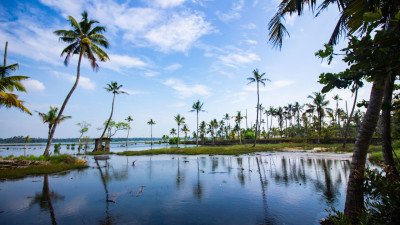 Garhmau Lake is one of the most beautiful and serene natural tourist sites in the vicinity of Jhansi. Sprawling over a vast area of approximately 14 square kilometers, this lake is a major attraction for those seeking tranquility away from the urban noise. It is situated on the Jhansi-Kanpur highway, making it easily accessible for both locals and travelers passing through the region. The lake is surrounded by low-lying hills that create a picturesque amphitheater effect, reflecting their silhouettes in the calm waters. Garhmau Lake is primarily a destination for nature lovers, offering some of the most stunning sunrise and sunset views in the entire district. Unlike the historical sites of Jhansi that focus on stone and war, Garhmau is about water and life. The pleasant environment makes it a top choice for day outings and weekend picnics. The area remains relatively underdeveloped in terms of commercial tourism, which has helped preserve its natural charm. It is a vital ecosystem for local flora and fauna, providing a habitat for numerous bird species. For the residents of Jhansi, it serves as the "green lungs" of the area, a place to breathe fresh air and enjoy the simple beauty of a large water body. Whether you are looking for a quiet spot to read a book, a place for a family gathering, or a scenic location for photography, Garhmau Lake delivers a refreshing experience that complements the historical intensity of the city.
 @@A Lake Steeped in Jhansi's History:: Lakshmi Tal is a historically significant lake situated in the older part of Jhansi city. It was built during the early 18th century and once served as the crucial primary water source for the entire populace residing within the walls of the Jhansi Fort. The lake is not just a body of water but a centerpiece around which much of the city's historical, religious, and political life revolved. Its banks are dotted with various historical monuments, parks, and temples that date back to the same era, most notably the Mahalakshmi Temple and the Cenotaph of Raja Gangadhar Rao (Rani Lakshmi Bai's husband). The lake is interwoven with numerous legends and tales, including the tragic stories of the Newalkar rulers. It is widely believed that the last rites of Raja Gangadhar Rao were performed near the lake, leading to the construction of his cenotaph (Chhatri) nearby. In the modern context, while its historical importance remains immense, the lake has faced challenges with maintenance and development. Despite this, it remains a tranquil spot for locals and a place of historical reflection for tourists. Efforts are often underway by local governmental bodies to revive and preserve this critical piece of Jhansi's heritage, underscoring its pivotal role in the city's foundation and growth. The lake provides a beautiful, if sometimes neglected, scenic backdrop to the old city's historical skyline. :
 @@Historical Water Source and Community Hub: The Antia Talab is one of the oldest and most significant water bodies in Jhansi, serving not just as a reservoir but also as a traditional gathering spot and a tranquil retreat from the city's hustle. This man-made lake has been a silent witness to the city's evolution, from the era of the Maratha rulers and Rani Lakshmibai to the modern development of Jhansi. The surroundings of the lake are often bustling with local life, especially during mornings and evenings when residents visit for walks or quiet contemplation. The name 'Talab' simply means lake or pond, and 'Antia' is associated with the locality it serves. It plays a vital ecological role for the local flora and fauna, and efforts are often made to maintain its cleanliness and historical sanctity. The area has seen beautification projects aimed at enhancing its aesthetic appeal, including developing walking paths and seating areas along the perimeter. Visiting the Antia Talab allows a traveler to connect with the authentic, non-touristy rhythm of the city. The history of the lake is intertwined with the water management systems of the ancient Jhansi kingdom, designed to support the population and the Jhansi Fort area. Its large surface area reflects the sky beautifully, offering picturesque views at sunrise and sunset. This location is particularly popular among joggers, local historians, and those seeking a moment of peace, far from the main historical sites, yet close to the heart of Old Jhansi. It represents the enduring local heritage and the importance of traditional infrastructure in the region. The peaceful environment is a stark contrast to the nearby commercial areas, making it a valuable local amenity that visitors can appreciate for its quiet, simple beauty, and its function as a green lung for the urban environment, a true example of sustainable water harvesting from a bygone era, now preserved for the community.
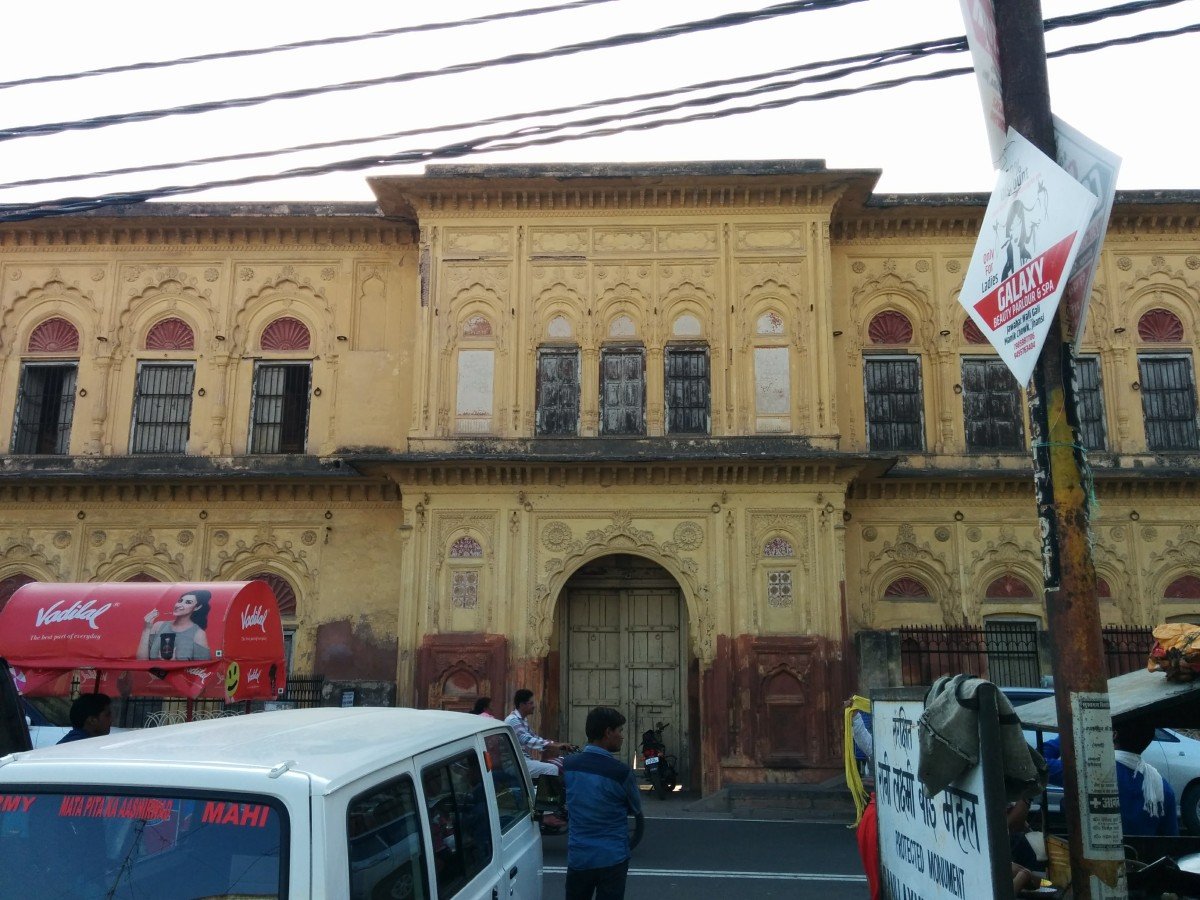
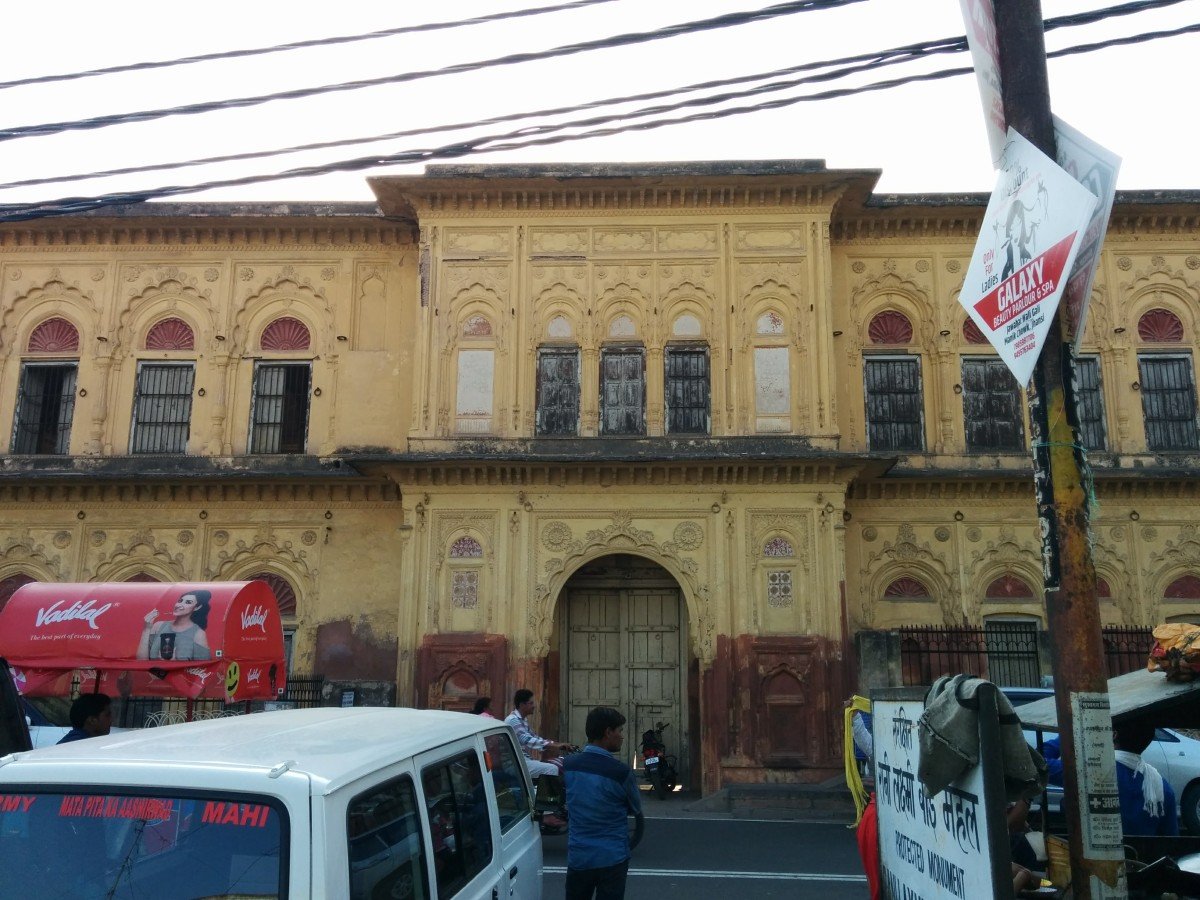
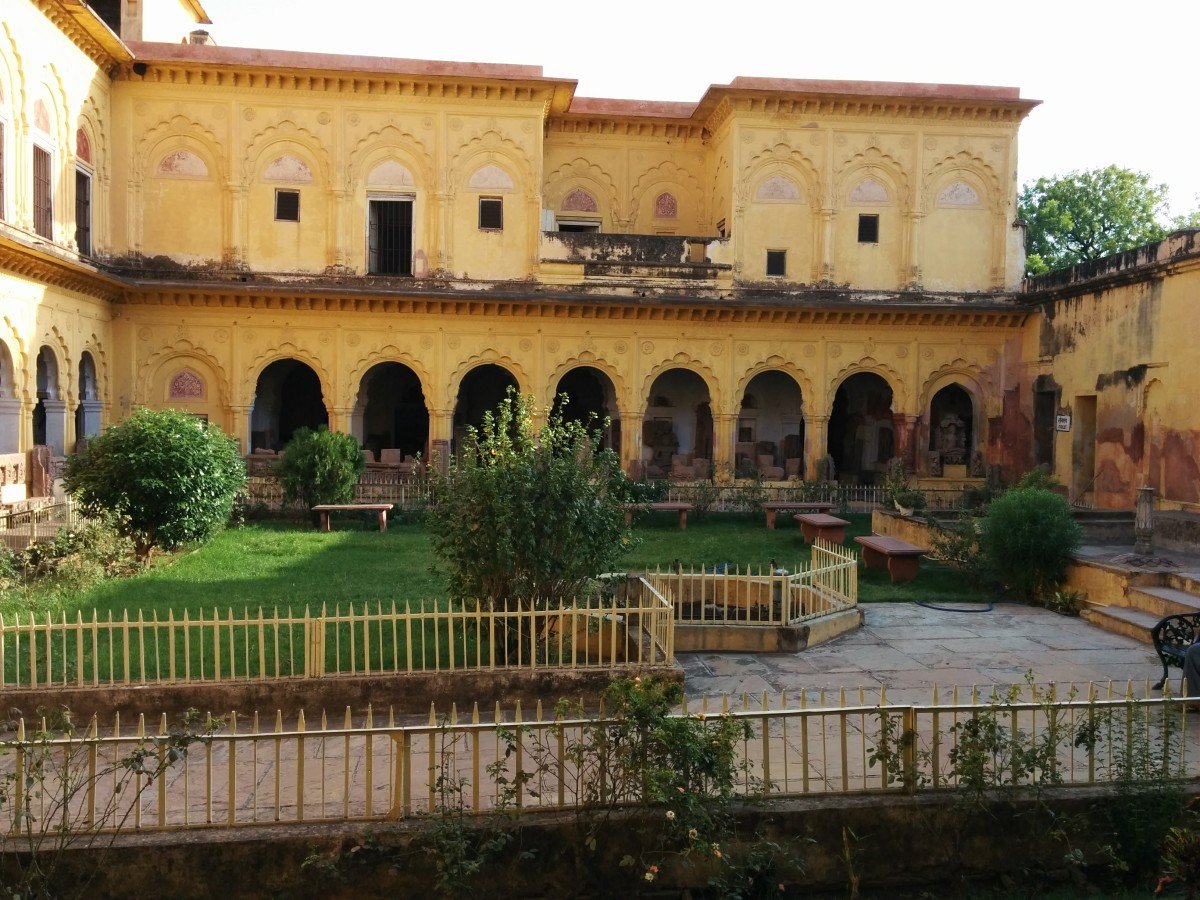
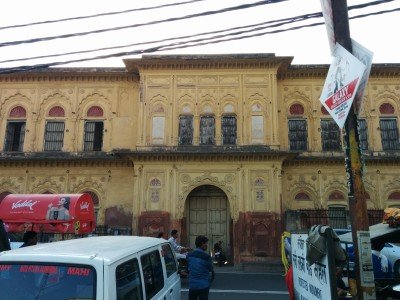 @@The Queen's Residence and Historical Hub:: Rani Mahal, translating to the 'Queen's Palace,' is a historically rich structure that served as the primary residence of Rani Lakshmi Bai from 1853 until the outbreak of the 1857 Rebellion. The palace was built in the 18th century by Raghunath II of the Nawalkar family and is strategically located in the busy old city area, separate from the Jhansi Fort. After the death of Raja Gangadhar Rao in 1853 and the application of the British Doctrine of Lapse, the British East India Company coerced the Queen to vacate the main fort and reside here, which gave the building its famous name. The palace is a two-tiered structure built around a central quadrangular courtyard, featuring six large halls and a parallel corridor. The most architecturally and historically significant part is the opulent Darbar Hall on the upper floor, which still features beautiful wall paintings and intricate carvings of flora and fauna, showcasing the artistic taste of the Maratha period. It was here that the Queen held her court and met the famous British lawyer John Lang to challenge the annexation of Jhansi. Although damaged during the 1857 Revolt, it was later renovated and now functions as an archaeological museum, housing a collection of stone sculptures from the Gupta to the Medieval periods. The palace is a critical site for anyone seeking a more intimate connection with the life and daily political struggles of Rani Lakshmi Bai before she took up arms. :
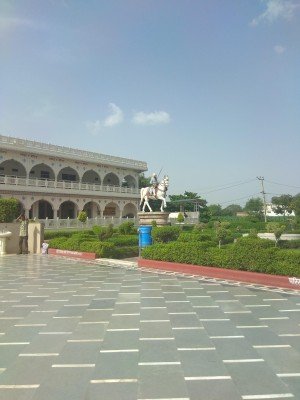
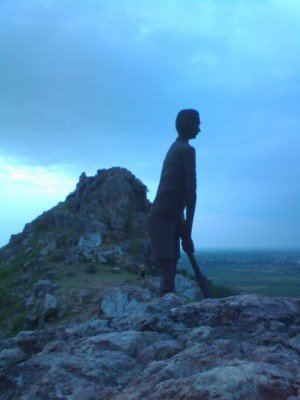 @@World-Class Museum Honoring a Legend: The Major Dhyanchand Museum is a monumental tribute to the legendary Indian hockey player, Major Dhyan Chand, who spent a significant part of his life in Jhansi. This is a site of immense national pride and is recognized as Asia’s and India’s first dedicated hockey museum. It was inaugurated on the great player's birthday, August 29, 2023 (National Sports Day). The museum utilizes advanced digital displays and interactive technology to showcase the personal and sporting life of 'The Hockey Wizard,' who led India to three consecutive Olympic gold medals (1928, 1932, 1936). The exhibits include replicas of his Olympic medals, his personal belongings, and a detailed chronicle of his career, which saw him score over 1,000 goals. The complex includes the prominent statue of Major Dhyan Chand on a hill/pedestal nearby, a major landmark. The museum’s modern, interactive features, such as cyclorama, holographic selfie stations, and interactive games, make it engaging for all ages, particularly youth. It is located within the expansive Rani Lakshmibai Park (or near the Atal Ekta Park complex) in the Civil Lines area. The establishment serves as a powerful source of inspiration, celebrating his extraordinary ball control, which earned him the nickname 'The Magician.' It is a key highlight of modern Jhansi tourism, successfully blending sports history with cutting-edge museum technology. The entire area is designed to promote sports, patriotism, and the legacy of one of India's greatest heroes, making it a must-visit for sports fans and history buffs alike, underscoring Jhansi's connection to this global sporting icon.
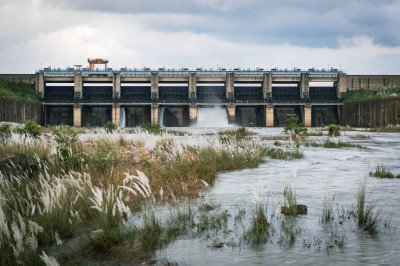 Parichha Dam is a massive engineering marvel built across the Betwa River during the British colonial era between 1881 and 1886. Located about 25 KMS from Jhansi, it serves as a vital source of water for irrigation, drinking, and power generation in the water-scarce Bundelkhand region. The reservoir created by the dam is a vast, placid expanse of water that stretches for nearly 34 KMS up to the Notghat Bridge. It is not just an industrial site but a popular recreational spot known for its scenic beauty and water sports. The Parichha Thermal Power Station, located nearby, adds an industrial skyline to the natural landscape. The dam is a favorite weekend getaway for locals who come to enjoy the cool breeze and the sight of water gushing through the spillways during the monsoon. The surrounding area is lush and provides a peaceful escape from the hustle of the city.
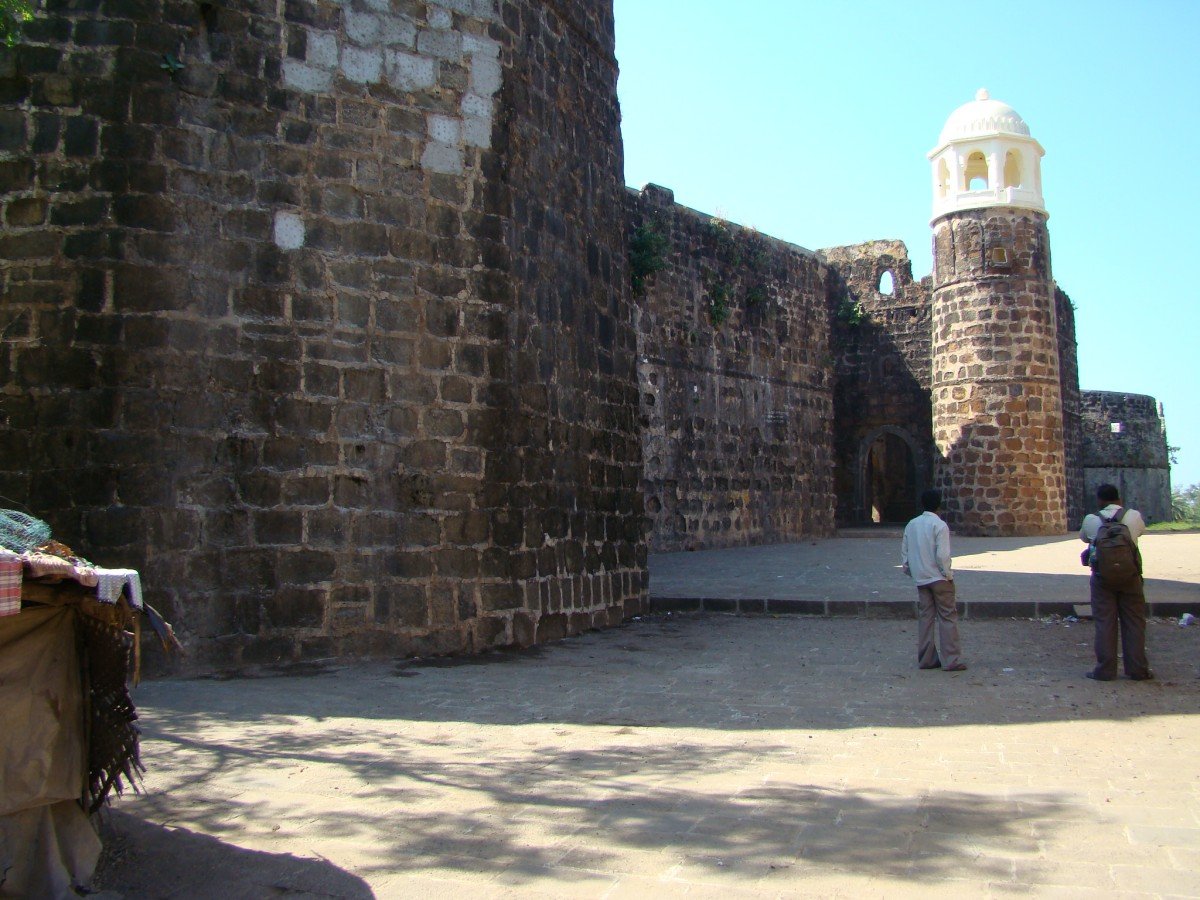
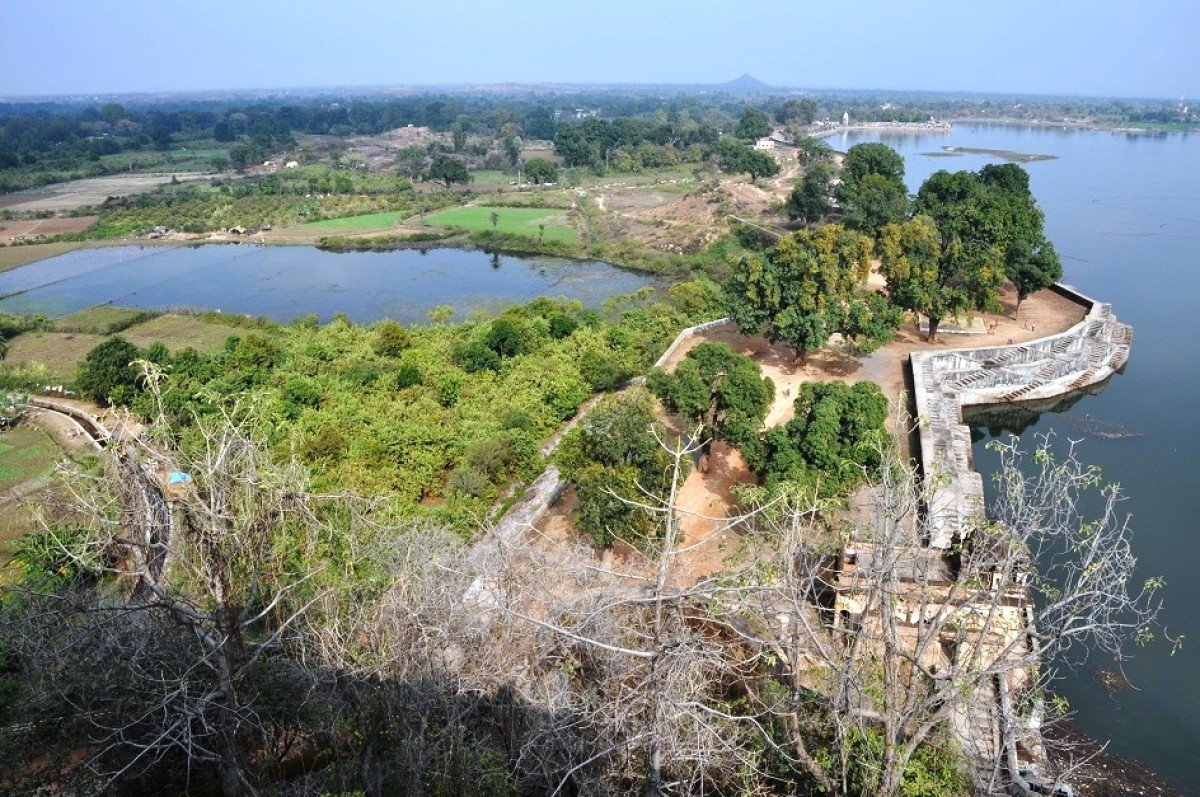
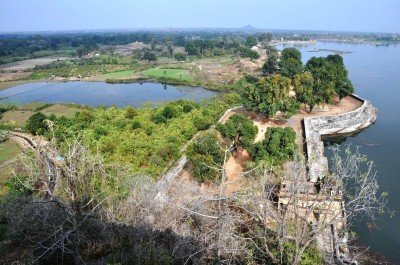 Perched on a hill overlooking the vast Barua Sagar Lake, the Barua Sagar Fort is an architectural gem that dates back to the early 18th century. It was constructed by Raja Udit Singh of Orchha between 1705 and 1707. The fort was primarily designed as a summer retreat and a strategic lookout post. Its location is its greatest asset, providing a 360-degree view of the surrounding plains and the shimmering waters below. Historically, the fort is significant because it witnessed the famous battle where the Bundelas defended their territory against the Marathas. The structure itself is a blend of military functionality and royal aesthetics. While parts of the fort are now in ruins, the remaining sections, including the massive gateways and fortified walls, speak volumes of its former glory. The Archaeological Survey of India (ASI) manages the site, ensuring that the stone carvings and structural integrity are preserved for future generations. Inside, one can find various chambers that once housed the royalty and their guards. The fort is less crowded than the main Jhansi Fort, offering a more intimate experience for those who enjoy exploring "off the beaten path" historical sites. The silence within the fort walls is only broken by the sound of the wind and birds, making it a perfect spot for reflection on the turbulent history of Bundelkhand. It serves as a stark reminder of the power struggles that once dominated this region of India.Show All
 @@A Center for Nature and Wellness in Jhansi:: The Herbal Garden, often referred to as 'Tiger's Prowl' due to its initial development by the Army's White Tiger Division, is a vast, lush green space spanning over 15 hectares in the Jhansi Cantonment area. This garden is a significant conservation and educational project, now associated with the Rani Lakshmi Bai Central Agricultural University (RLBCAU). It was transformed from a barren landscape into a vibrant ecosystem to raise awareness about medicinal plants and serve as a research and educational hub, aligning with the goals of the National Medicinal Plant Board (NMPB). The garden boasts an impressive collection of over 20,000 species of medicinal herbs and plants, including popular varieties like Aloe Vera, Ashwagandha, Tulsi, and Sarpagandha. Beyond its medicinal flora, the garden features innovative artwork created from recycled military scrap, adding a unique, patriotic, and artistic dimension to the natural beauty. It is a popular spot for morning and evening walks, yoga, and meditation, offering locals and tourists a peaceful retreat from the city's noise. The area includes well-maintained pathways, water fountains, and a dedicated rose garden, making it a beautiful and relaxing destination. The garden’s commitment to sustainability and green space development is a commendable feature of modern Jhansi. :
Information
-
Why Famous:
Why Famous Place:
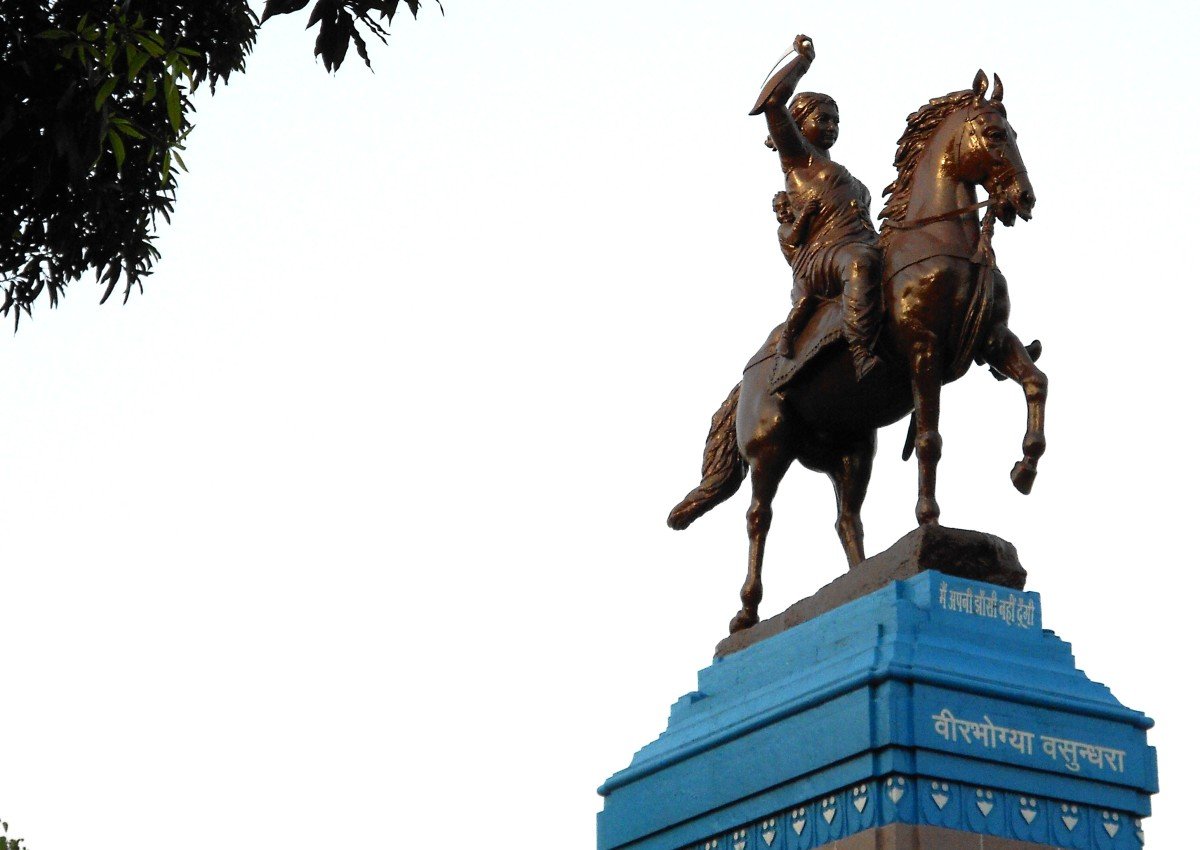
Rani Lakshmi Bai: The city is synonymous with the heroism of the Queen, who famously jumped from the fort walls with her son to escape. Her life story is a core part of Indian school curriculums and national folklore, makin...Why Famous Place:
Rani Lakshmi Bai: The city is synonymous with the heroism of the Queen, who famously jumped from the fort walls with her son to escape. Her life story is a core part of Indian school curriculums and national folklore, making the fort a must-visit site. Revolt of 1857: Jhansi was one of the major epicenters of India's First War of Independence. The battle sites, including the Jokan Bagh, remain as somber reminders of the sacrifices made by Indian soldiers and civilians during the uprising. -
Architecture:
Place Architecture:
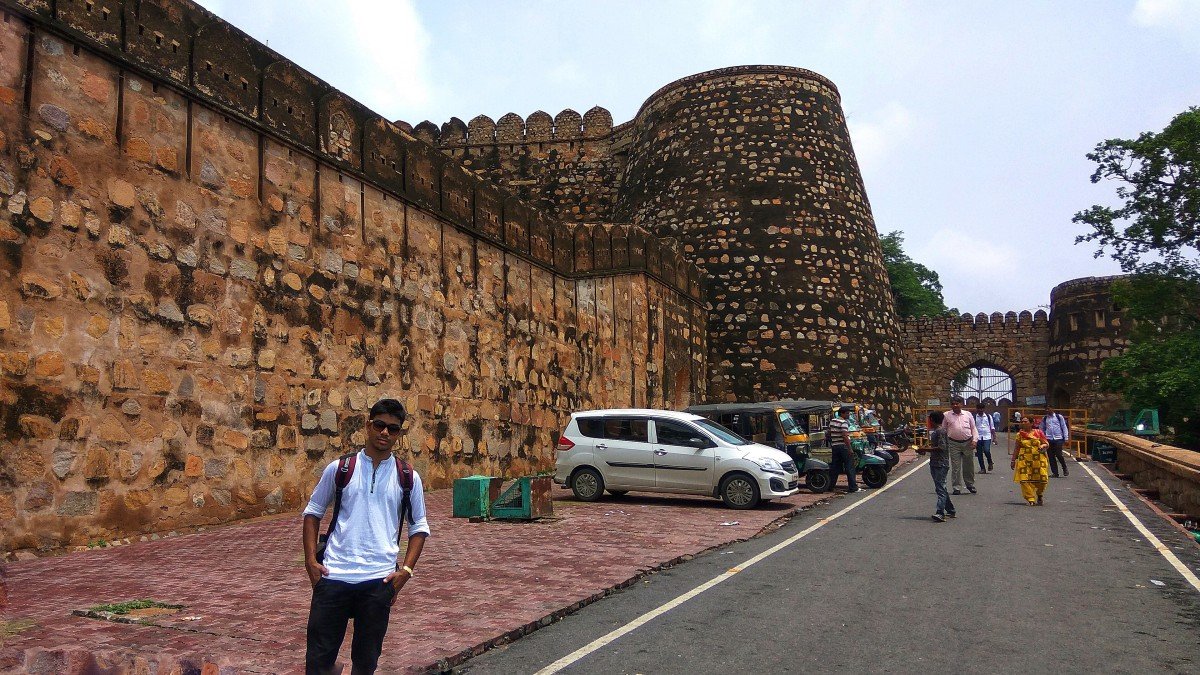
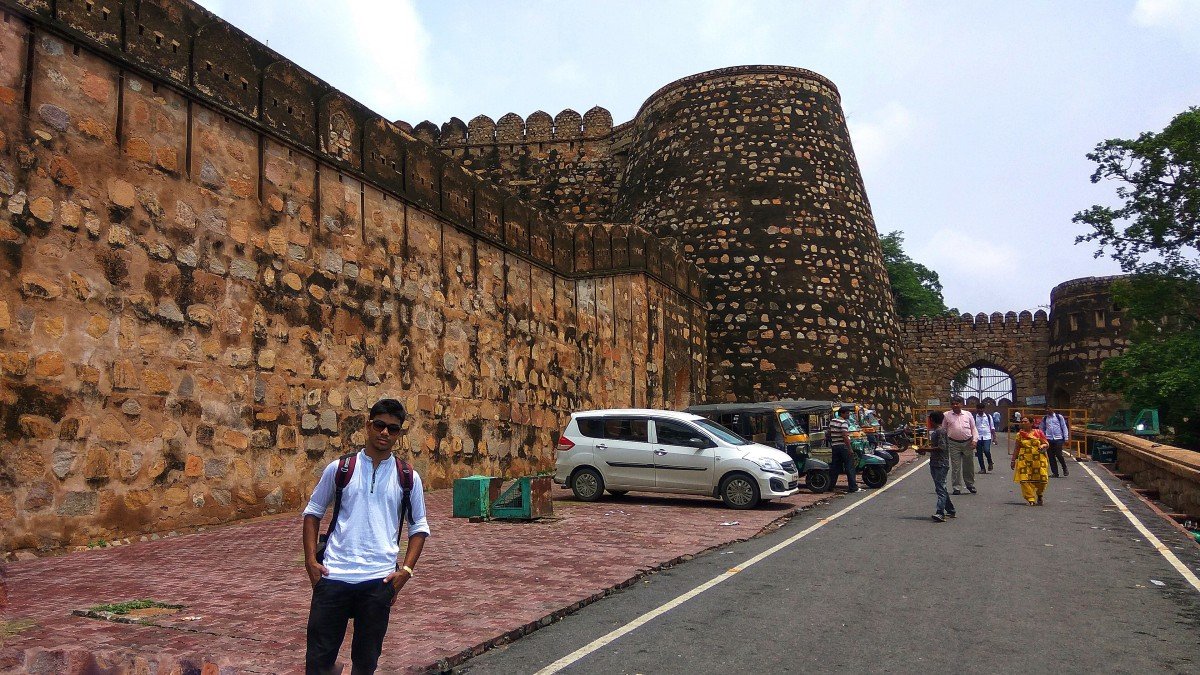
Fort Design: The Jhansi Fort is built atop the Bangira Hill, featuring massive granite walls that are 16 to 20 feet thick. The architecture is a blend of Maratha and Bundela styles, spanning over 15 acres with ten distinc...Place Architecture:
Fort Design: The Jhansi Fort is built atop the Bangira Hill, featuring massive granite walls that are 16 to 20 feet thick. The architecture is a blend of Maratha and Bundela styles, spanning over 15 acres with ten distinct gates like Datia Darwaza.
Palatial Beauty: The Rani Mahal showcases flat-roofed double-storeyed architecture with a central quadrangular courtyard. Its Durbar Hall is famous for intricate wood-paneled ceilings and vibrant floral paintings that have survived since the 18th Century. -
How To Reach:
Place How to Reach:
By Air: The nearest domestic airport is at Gwalior (100 KMS), which has flights from Delhi and Mumbai; Khajuraho is another option.
By Train: Jhansi Junction is a major railway hub on the...Place How to Reach:
By Air: The nearest domestic airport is at Gwalior (100 KMS), which has flights from Delhi and Mumbai; Khajuraho is another option.
By Train: Jhansi Junction is a major railway hub on the Delhi-Chennai and Delhi-Mumbai lines, well-connected by Shatabdi and Rajdhani expresses.
By Road: Excellent highways connect the city to Agra (220 KMS), Gwalior (100 KMS), and Lucknow (300 KMS) via the NH-44 and NH-27.
By Local Transport: Taxis, e-rickshaws, and auto-rickshaws are readily available at the station and across the city for easy commuting to tourist spots. -
Weather and Best Time to Visit:
Place Best Time to Visit:
Winter Months: November to February is the best period, with temperatures between 4°C and 21°C, ideal for exploring the open fort area.
Summer Warning: Avoid April to June as tempe...Place Best Time to Visit:
Winter Months: November to February is the best period, with temperatures between 4°C and 21°C, ideal for exploring the open fort area.
Summer Warning: Avoid April to June as temperatures can soar above 45°C, making outdoor movement extremely difficult and exhausting. -
Near Tourist Places:
Orchha (16 KMS), Datia (30 KMS), Barua Sagar (22 KMS), Gwalior (100 KMS), Khajuraho (175 KMS), Shivpuri (100 KMS), Deogarh (125 KMS), Charkhari (140 KMS), Mahoba (145 KMS), Parichha Dam (25 KMS).
Tourism Tips
-
Place Tourism Tips:
Hydration: Always carry a water bottle while exploring the fort, as there is significant walking involved on uphill terrain under the sun.
Guided Tours: Hire a registered guide at the fort...Place Tourism Tips:
Hydration: Always carry a water bottle while exploring the fort, as there is significant walking involved on uphill terrain under the sun.
Guided Tours: Hire a registered guide at the fort entrance to truly understand the historical nuances and stories of the 1857 revolt.
Safety: The city is tourist-friendly, but always keep your belongings secure in crowded markets and use authorized transport services for night travel.
Cultural Respect: Dress modestly when visiting the Mahalakshmi Temple and the Cenotaph of Raja Gangadhar Rao to respect local religious sentiments.
Reviews
FAQs
Jhansi Itineray And Cost:-
Other Places In Uttar Pradesh :-
Other States In India :-
Information about New and Updated Locations() of Uttar Pradesh Has Been Added :-
Card subtitle
Note:-
Information provided here in good Faith and for reference only.
Near Places
Agra
Some quick example text to build on the card title and make up the bulk of the card's content.
Go somewhere
Aligarh
Some quick example text to build on the card title and make up the bulk of the card's content.
Go somewhere
Ayodhya
Some quick example text to build on the card title and make up the bulk of the card's content.
Go somewhere
Azamgarh
Some quick example text to build on the card title and make up the bulk of the card's content.
Go somewhere
Bahraich
Some quick example text to build on the card title and make up the bulk of the card's content.
Go somewhere
Bareilly
Some quick example text to build on the card title and make up the bulk of the card's content.
Go somewhere
Chitrakoot
Some quick example text to build on the card title and make up the bulk of the card's content.
Go somewhere
Fatehpur Sikri
Some quick example text to build on the card title and make up the bulk of the card's content.
Go somewhere
Ghaziabad
Some quick example text to build on the card title and make up the bulk of the card's content.
Go somewhere
Gorakhpur
Some quick example text to build on the card title and make up the bulk of the card's content.
Go somewhere
Hastinapur
Some quick example text to build on the card title and make up the bulk of the card's content.
Go somewhere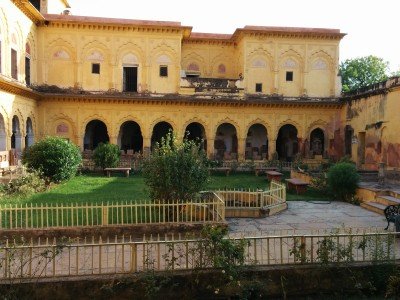
Jhansi
Some quick example text to build on the card title and make up the bulk of the card's content.
Go somewhere
Kanpur
Some quick example text to build on the card title and make up the bulk of the card's content.
Go somewhere
Kushinagar
Some quick example text to build on the card title and make up the bulk of the card's content.
Go somewhere
Lucknow
Some quick example text to build on the card title and make up the bulk of the card's content.
Go somewhere
Mathura
Some quick example text to build on the card title and make up the bulk of the card's content.
Go somewherein Other Cities