

Kushinagar
General information
-
Ideal Duration:
1 to 2 DaysPlace Type:
Religious PilgrimageEntry Fees:
Main Temple Entry: Entry to the Mahaparinirvana Temple and the surrounding archaeological park is approximately 25 INR for Indian citizens.
Museum Fee: A small fee of 5-10 INR is charged for entry into the government museum to see the excava...Main Temple Entry: Entry to the Mahaparinirvana Temple and the surrounding archaeological park is approximately 25 INR for Indian citizens.
Museum Fee: A small fee of 5-10 INR is charged for entry into the government museum to see the excavated Buddhist relics.Timing:
Standard Visit Hours: The archaeological sites and temples are generally open from Sunrise to Sunset (approx. 6:00 AM to 6:00 PM).
Museum Timings: The government museum is open from 10:00 AM to 5:00 PM, usually remaining closed on every Mon...Standard Visit Hours: The archaeological sites and temples are generally open from Sunrise to Sunset (approx. 6:00 AM to 6:00 PM).
Museum Timings: The government museum is open from 10:00 AM to 5:00 PM, usually remaining closed on every Monday.Special Events:
Buddha Purnima: The birth and enlightenment anniversary of Buddha is celebrated with grand processions and thousands of oil lamps in May.
Kathina Festival: A major Buddhist ceremony where robes are offered to the monks at the end of the rain...Buddha Purnima: The birth and enlightenment anniversary of Buddha is celebrated with grand processions and thousands of oil lamps in May.
Kathina Festival: A major Buddhist ceremony where robes are offered to the monks at the end of the rainy season retreat.Best Photo Spots:
Reclining Buddha: The soft lighting inside the Nirvana Temple allows for beautiful, respectful photos of the ancient 6-meter-long golden statue.
Thai Temple Gardens: The vibrant colors of the Thai architecture against the blue sky make for e...Reclining Buddha: The soft lighting inside the Nirvana Temple allows for beautiful, respectful photos of the ancient 6-meter-long golden statue.
Thai Temple Gardens: The vibrant colors of the Thai architecture against the blue sky make for excellent cultural and architectural photography.
Ramabhar Stupa at Sunset: The massive brick structure glows orange during the sunset, creating a powerful and somber silhouette for landscape shots.Photo Gallery
Things To Do
 @@Purpose and Ambiance: The Meditation Park provides a serene and lush environment, often referred to as the Japanese Garden, located adjacent to the main pilgrimage sites. It was developed to offer a quiet space for visitors, especially Buddhist monks and pilgrims, to perform walking or seated meditation (Vipassana). The design incorporates elements of a traditional Japanese-style garden with well-maintained lawns, walkways, and seating platforms. The overall atmosphere is intentionally designed to be peaceful and conducive to spiritual practice, serving as a modern extension of the ancient sites. The park is surrounded by tall Sal trees, reminiscent of the grove where the Buddha attained Mahaparinirvana. It is a modern yet spiritually significant addition to the holy circuit, highly valued for its tranquil escape from the busier temple areas.:
 @@A Modern Local Landmark: Raaj Darbaar is a local complex, typically identified as a community center, market area, or a tourist attraction offering various services, situated in the town of Padrauna, which is the district headquarters, located significantly away from the main Buddhist pilgrimage sites of Kushinagar. Unlike the ancient religious monuments, it is a contemporary location, often housing administrative offices, large venues, or, more commonly, a prominent local business center or restaurant/hall complex. While it is listed as a tourist attraction, its primary function is to serve the local community of Padrauna. Its mention in the tourist circuit is likely due to its name suggesting a grand or important place ("Royal Court") or its utility as a central point in the local town, providing an insight into the non-Buddhist commercial and social life of the region.:
 @@A Gift from Thailand: The Wat Thai Temple is a magnificent complex built by Buddhist devotees from Thailand to commemorate the Golden Jubilee of King Bhumibol Adulyadej's accession to the throne. Its full name, Wat Thai Kushinara Chalermaraj Temple, highlights this royal connection. Spanning a large area, it is designed in the traditional style of a Thai forest monastery, providing a space for both worship and the residence of Thai monks. The complex includes a main temple, a monastery, a garden, and other facilities for visiting pilgrims. Its bright colors, intricate rooflines, and serene atmosphere offer a striking architectural and cultural contrast to the ancient Indian stupas and ruins nearby, making it one of the most aesthetically stunning and popular contemporary sites in Kushinagar.:
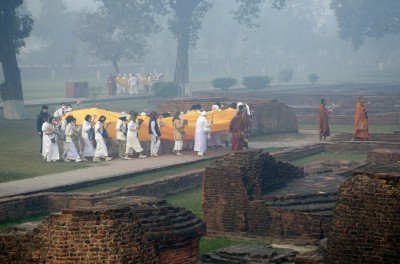 @@A Local Leisure Hub: Nauka Vihar (literally, Boat Leisure) in the Kasia area of Kushinagar is a general term for a local recreation spot, usually a pond or small lake that offers boating facilities, making it a popular family and local tourist destination. It offers a non-religious, recreational contrast to the spiritual sites, drawing visitors seeking a relaxing evening activity. The water body, sometimes referred to as a Jheel (lake), can vary in size depending on the Monsoon season, often offering paddle boat or rowboat rides. It is not an ancient Buddhist site but a contemporary feature that caters to the entertainment needs of both locals and tourists, providing a pleasant environment, especially during the cool winter months. The surroundings are generally developed with pathways and gardens for a pleasant stroll.:
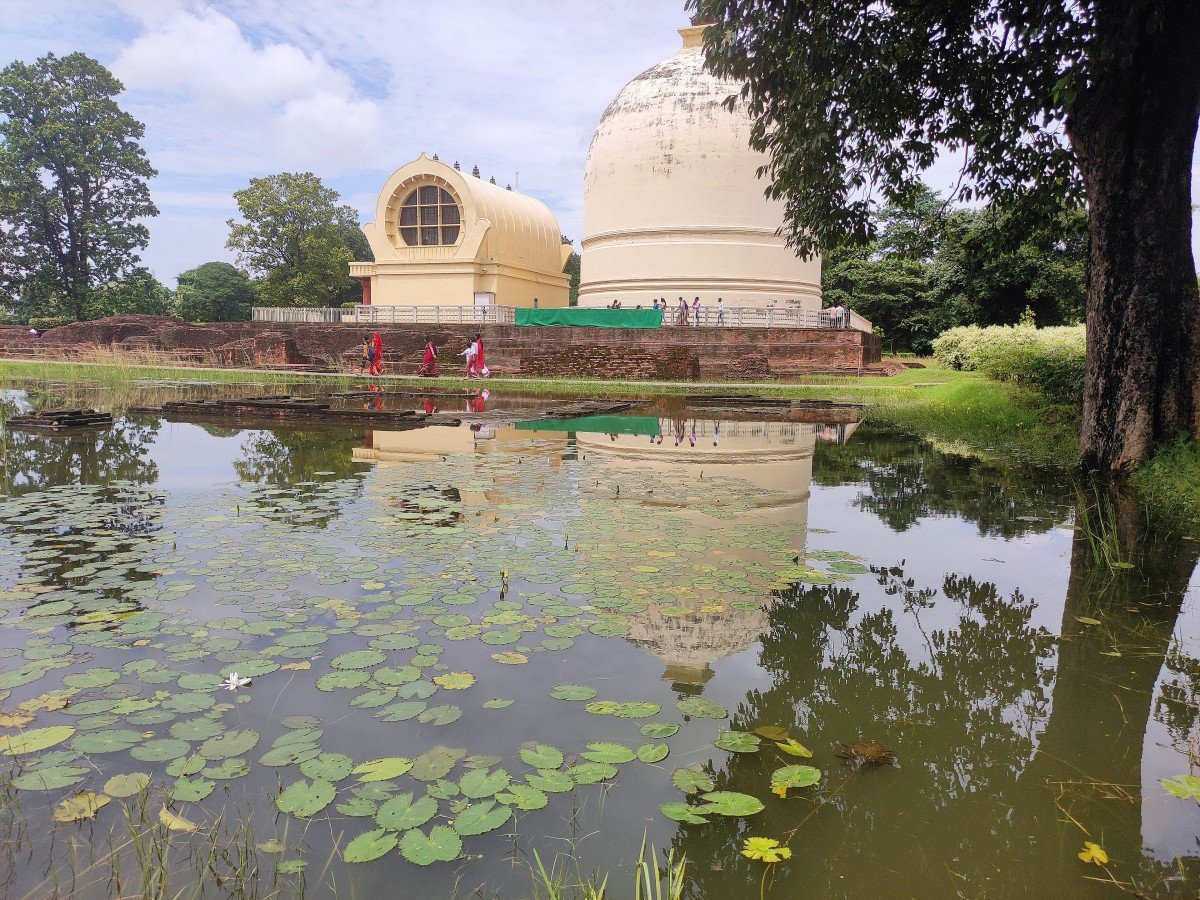
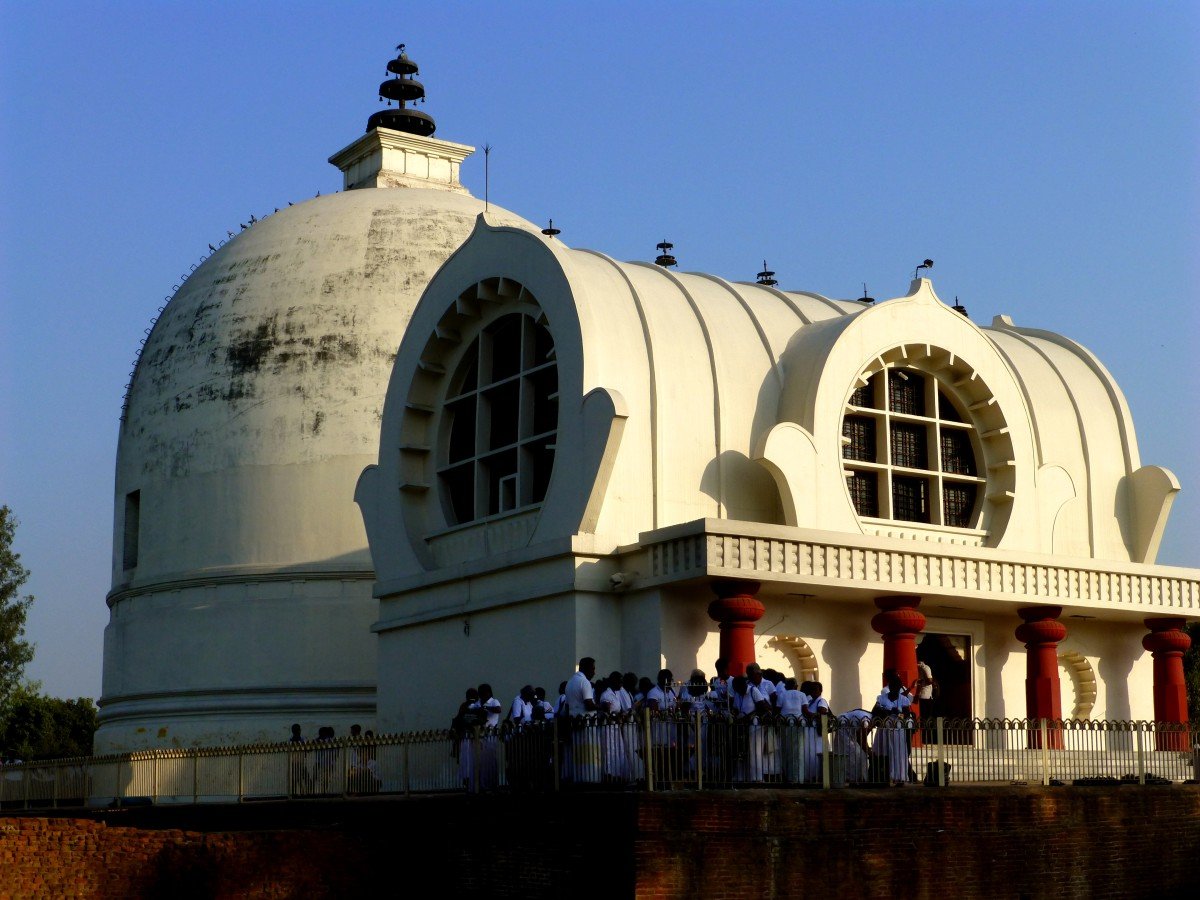
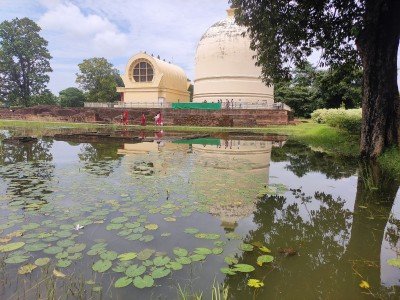
 @@The Sacred Cremation Ground: Ramabhar Stupa (also historically known as Mukutbandhan Chaitya) is the site where the body of the Buddha was cremated by the Malla clan after he attained Mahaparinirvana. It is considered one of the holiest places in the Buddhist world, marking the final physical rite performed for the Enlightened One. The stupa is a massive, towering earthen and brick mound, located in a tranquil, open field with a small seasonal pond (Ramabhar Jheel) nearby. The current structure is the result of extensive archaeological excavations and subsequent restoration work by the Archaeological Survey of India (ASI), firmly establishing the historical significance of the site as recorded in ancient texts. Its immense size symbolizes the magnitude of the event it commemorates.:
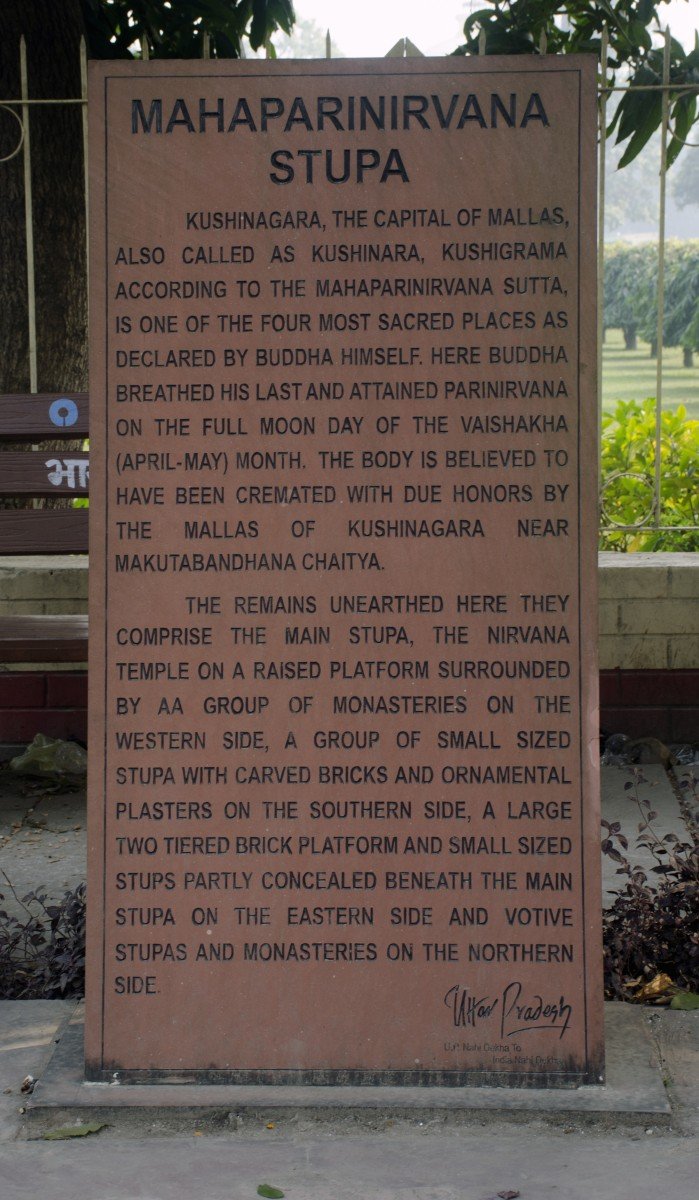
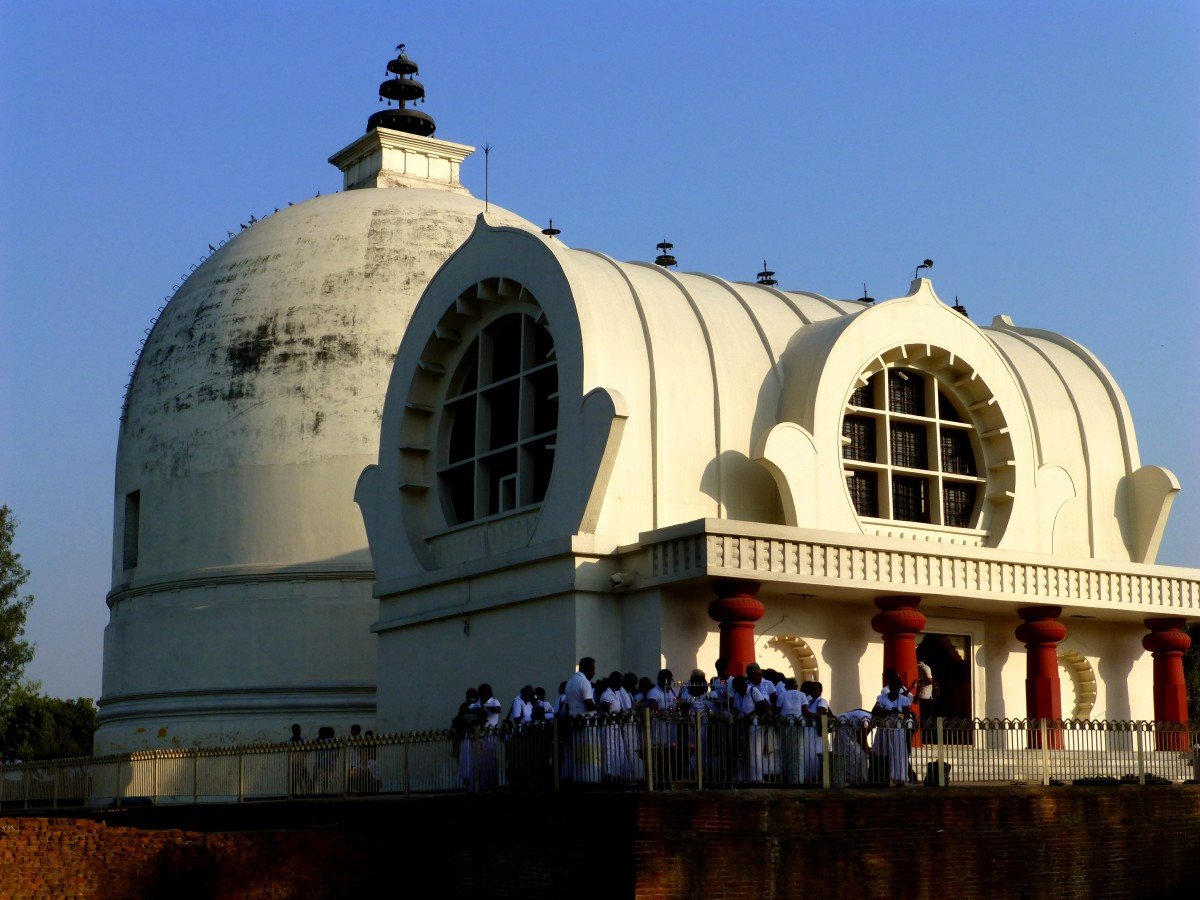
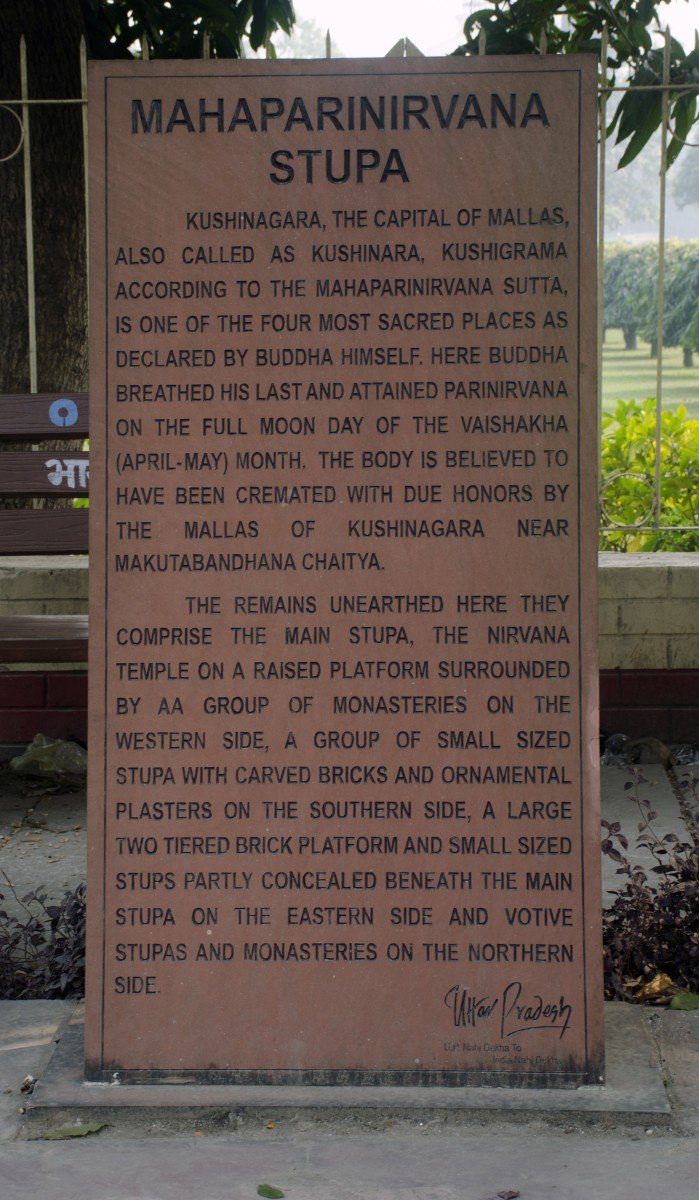
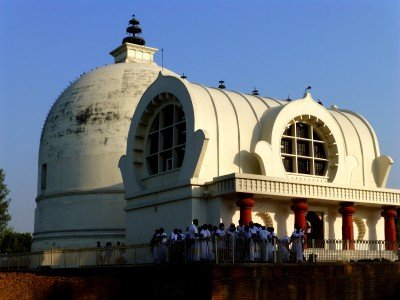 @@Holiness of the Final Rest: The Parinirvana Stupa (also known as Nirvana Chaitya) is one of the most important structures in Kushinagar, situated immediately behind the Mahaparinirvana Temple. It is believed to have been constructed on the site where the Buddha's body was kept before cremation. The stupa itself is an ancient brick mound, first excavated by Alexander Cunningham's team in the late 19th Century. A crucial discovery made here was a copper plate inscription by a Buddhist monk named Haribala, which helped confirm the site as the ancient Kushinagara where the Buddha attained final liberation (Mahaparinirvana). The stupa structure, now restored, symbolizes the funerary monument and is a major focal point for circumambulation (parikrama) by Buddhist pilgrims globally.:Show All
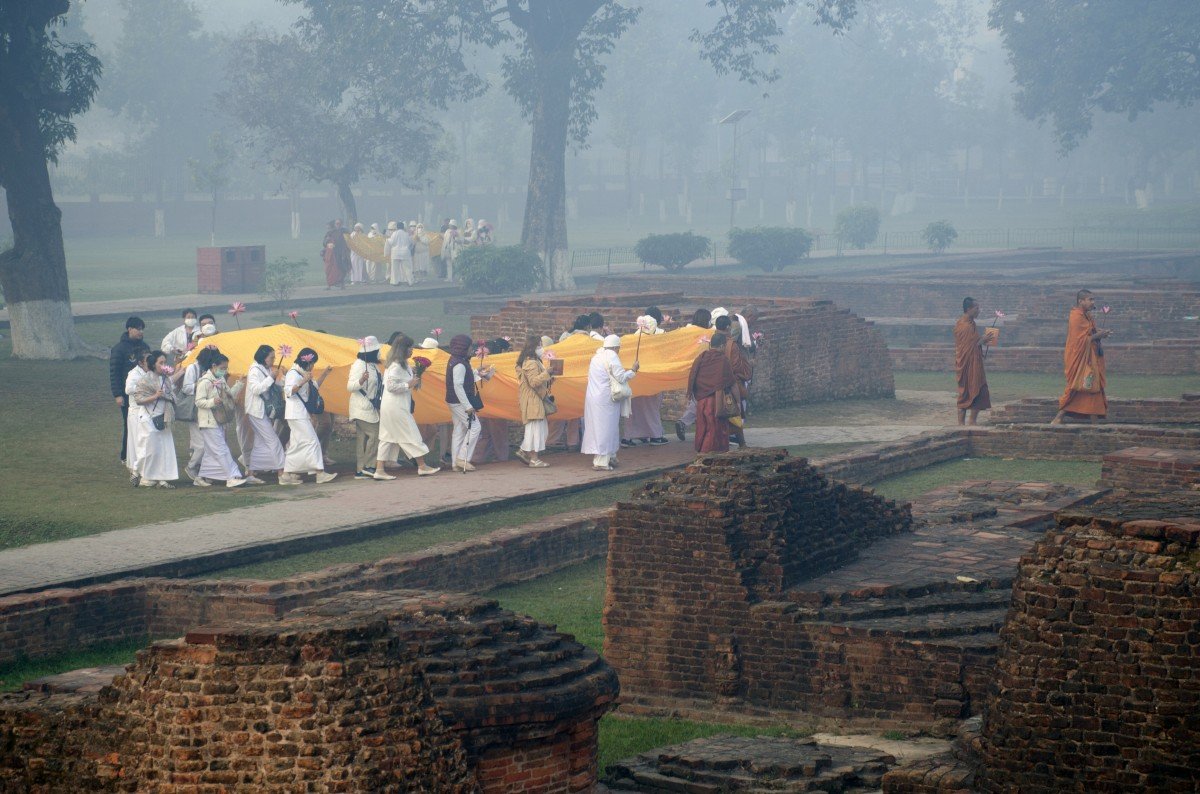
@@The Archaeological Landscape: These ruins encompass the excavated foundations of numerous ancient monasteries (Viharas), smaller votive stupas, and shrines that once made up the thriving Buddhist city of Kushinagara. They date from the Mauryan period (3rd century BCE) through the Gupta period (4th to 7th centuries CE) and later, showing continuous religious activity until the site was abandoned around the 12th Century. The ruins are protected and maintained by the ASI and are primarily located in the large park area surrounding the Mahaparinirvana Temple and Parinirvana Stupa, providing a tangible sense of the scale of the ancient city. They are critical historical evidence confirming the accounts of the Chinese pilgrims like Xuanzang.:
@@Holiness of the Final Rest: The Parinirvana Stupa (also known as Nirvana Chaitya) is one of the most important structures in Kushinagar, situated immediately behind the Mahaparinirvana Temple. It is believed to have been constructed on the site where the Buddha's body was kept before cremation. The stupa itself is an ancient brick mound, first excavated by Alexander Cunningham's team in the late 19th Century. A crucial discovery made here was a copper plate inscription by a Buddhist monk named Haribala, which helped confirm the site as the ancient Kushinagara where the Buddha attained final liberation (Mahaparinirvana). The stupa structure, now restored, symbolizes the funerary monument and is a major focal point for circumambulation (parikrama) by Buddhist pilgrims globally.:Show All
@@The Archaeological Landscape: These ruins encompass the excavated foundations of numerous ancient monasteries (Viharas), smaller votive stupas, and shrines that once made up the thriving Buddhist city of Kushinagara. They date from the Mauryan period (3rd century BCE) through the Gupta period (4th to 7th centuries CE) and later, showing continuous religious activity until the site was abandoned around the 12th Century. The ruins are protected and maintained by the ASI and are primarily located in the large park area surrounding the Mahaparinirvana Temple and Parinirvana Stupa, providing a tangible sense of the scale of the ancient city. They are critical historical evidence confirming the accounts of the Chinese pilgrims like Xuanzang.:Information
-
Why Famous:
Mahaparinirvana Site: This is the exact location where Lord Buddha attained his final salvation, making it globally significant for millions.
International Monasteries: The presence of various temples built by different Buddhist nations make...Mahaparinirvana Site: This is the exact location where Lord Buddha attained his final salvation, making it globally significant for millions.
International Monasteries: The presence of various temples built by different Buddhist nations makes it a unique cultural crossroads in India.
Archaeological Wealth: The site contains ruins of ancient monasteries and stupas dating back to the Mauryan and Gupta periods of history. -
Architecture:
Buddhist Monastic Style: The architecture primarily consists of hemispherical stupas and rectangular temples built with burnt bricks and lime mortar.
Mahaparinirvana Temple: This structure houses a 6. 1-meter long statue of the reclining Bud...Buddhist Monastic Style: The architecture primarily consists of hemispherical stupas and rectangular temples built with burnt bricks and lime mortar.
Mahaparinirvana Temple: This structure houses a 6. 1-meter long statue of the reclining Buddha, carved from a single block of sandstone.
Ramabhar Stupa Dimensions: This massive stupa stands 15 meters high and marks the specific location where the Buddha was cremated.
Thai Temple Influence: The Wat Thai temple features classic Thai architectural elements with sloping roofs, gold plating, and lush landscaped gardens. -
How To Reach:
By Air: The Kushinagar International Airport now connects the town to major Buddhist circuits, while Gorakhpur Airport is 50 KM away.
By Train: The nearest major railway station is Gorakhpur Junction, which is well-connected to all the metro...By Air: The Kushinagar International Airport now connects the town to major Buddhist circuits, while Gorakhpur Airport is 50 KM away.
By Train: The nearest major railway station is Gorakhpur Junction, which is well-connected to all the metropolitan cities of India.
By Road: Frequent buses and taxis are available from Gorakhpur, Varanasi, and Lucknow via the well-maintained National Highway 28.
By Local Transport: Cycle-rickshaws and e-rickshaws are the most common ways to travel between the various temples within the small town. -
Weather and Best Time to Visit:
Winter Season: November to February is the best time as the weather is cool, making it easy to walk between sites.
Monsoon Season: From July to September, the landscape turns incredibly green, though heavy rains might occasionally restrict o...Winter Season: November to February is the best time as the weather is cool, making it easy to walk between sites.
Monsoon Season: From July to September, the landscape turns incredibly green, though heavy rains might occasionally restrict outdoor movement. -
Near Tourist Places:
1. Gorakhpur (53 KM), 2. Lumbini (170 KM), 3. Sarnath (220 KM), 4. Fazilnagar (20 KM), 5. Kapilvastu (150 KM), 6. Sun Temple (15 KM), 7. Ramabhar Stupa (1 KM), 8. Wat Thai (0. 5 KM), 9. Meditation Park (0. 2 KM), 10. Indo-Japan Temple (0. 5 KM).
Tourism Tips
-
Respectful Attire: Visitors should wear modest clothing that covers shoulders and knees when entering any of the sacred temple premises.
Shoe Etiquette: Always remove your footwear before entering the temple platforms; most places have desi...Respectful Attire: Visitors should wear modest clothing that covers shoulders and knees when entering any of the sacred temple premises.
Shoe Etiquette: Always remove your footwear before entering the temple platforms; most places have designated areas to store your shoes safely.
Guide Services: Hire a government-approved guide to understand the deep historical and spiritual context of the various ruins and stupas.
Staying Nearby: Book your accommodation in the hotels located on Buddha Marg for easy walking access to all the major pilgrimage sites.
Reviews
FAQs
Kushinagar Itineray And Cost:-
Other Places In Uttar Pradesh :-
Other States In India :-
Information about New and Updated Locations() of Uttar Pradesh Has Been Added :-
Card subtitle
Note:-
Information provided here in good Faith and for reference only.
Near Places
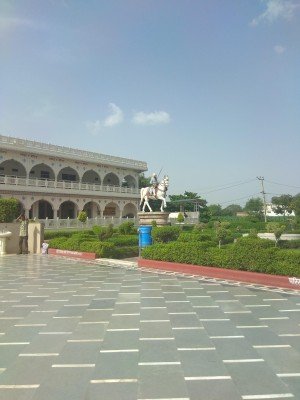
Agra
Some quick example text to build on the card title and make up the bulk of the card's content.
Go somewhere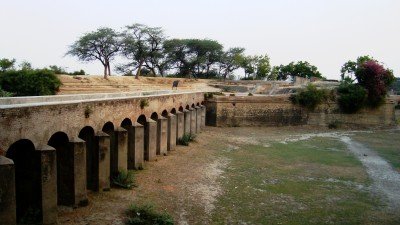
Aligarh
Some quick example text to build on the card title and make up the bulk of the card's content.
Go somewhere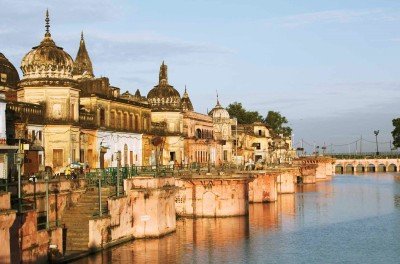
Ayodhya
Some quick example text to build on the card title and make up the bulk of the card's content.
Go somewhere
Azamgarh
Some quick example text to build on the card title and make up the bulk of the card's content.
Go somewhere
Bahraich
Some quick example text to build on the card title and make up the bulk of the card's content.
Go somewhere
Bareilly
Some quick example text to build on the card title and make up the bulk of the card's content.
Go somewhere
Chitrakoot
Some quick example text to build on the card title and make up the bulk of the card's content.
Go somewhere
Fatehpur Sikri
Some quick example text to build on the card title and make up the bulk of the card's content.
Go somewhere
Ghaziabad
Some quick example text to build on the card title and make up the bulk of the card's content.
Go somewhere
Gorakhpur
Some quick example text to build on the card title and make up the bulk of the card's content.
Go somewhere
Hastinapur
Some quick example text to build on the card title and make up the bulk of the card's content.
Go somewhere
Jhansi
Some quick example text to build on the card title and make up the bulk of the card's content.
Go somewhere
Kanpur
Some quick example text to build on the card title and make up the bulk of the card's content.
Go somewhere
Kushinagar
Some quick example text to build on the card title and make up the bulk of the card's content.
Go somewhere
Lucknow
Some quick example text to build on the card title and make up the bulk of the card's content.
Go somewhere
Mathura
Some quick example text to build on the card title and make up the bulk of the card's content.
Go somewherein Other Cities