
Sarnath
General information
-
Ideal Duration:
1 DayPlace Type:
Spiritual & ArchaeologicalEntry Fees:
Archaeological Site Fee: Entry for Indian nationals is INR 25, while foreigners are charged INR 300; this ticket includes access to the main stupas and the historical excavated ruins.
Museum Charges: The Sarnath Museum has a separate entry ...Archaeological Site Fee: Entry for Indian nationals is INR 25, while foreigners are charged INR 300; this ticket includes access to the main stupas and the historical excavated ruins.
Museum Charges: The Sarnath Museum has a separate entry fee of INR 5, and it is important to note that it remains strictly closed to the public on Fridays.
Temple Donations: Most of the international monasteries and modern temples are free to enter, though it is customary to leave a small donation for the upkeep of the sacred premises.Timing:
Site Timings: The main archaeological complex is open from 6:00 AM to 6:00 PM, allowing visitors to experience the ruins in the soft light of both sunrise and sunset.
Museum Hours: The museum operates from 9:00 AM to 5:00 PM (Closed on Frida...Site Timings: The main archaeological complex is open from 6:00 AM to 6:00 PM, allowing visitors to experience the ruins in the soft light of both sunrise and sunset.
Museum Hours: The museum operates from 9:00 AM to 5:00 PM (Closed on Fridays), so plan your visit mid-day to escape the sun while exploring the indoor galleries.
Ideal Visit Duration: A comprehensive tour of the stupas, the museum, and at least three international temples typically takes about 4 to 6 hours for a meaningful experience.Special Events:
Buddha Purnima: This is the biggest event in May, where thousands of monks and followers gather for a grand procession and special prayers to celebrate the Buddha's birth and enlightenment.
Loi Krathong (Thai Festival): Celebrated at the Tha...Buddha Purnima: This is the biggest event in May, where thousands of monks and followers gather for a grand procession and special prayers to celebrate the Buddha's birth and enlightenment.
Loi Krathong (Thai Festival): Celebrated at the Thai temple, this festival of lights involves floating decorated baskets in water, adding a vibrant international flavor to the local culture.
Varanasi Dev Deepawali: Many tourists visiting for this November festival in Kashi take a day trip to Sarnath to see the stupas illuminated with thousands of earthen lamps.Best Photo Spots:
Stupa Floral Carvings: Close-up shots of the Gupta era stone carvings on the Dhamek Stupa highlight the intricate craftsmanship and provide excellent textures for macro photography.
Evening Prayer at Vihara: The lighting inside the Mulagandh...Stupa Floral Carvings: Close-up shots of the Gupta era stone carvings on the Dhamek Stupa highlight the intricate craftsmanship and provide excellent textures for macro photography.
Evening Prayer at Vihara: The lighting inside the Mulagandha Kuti Vihara during the Aarti is spectacular, with the frescoes illuminated by the soft glow of butter lamps and candles.
Tibetan Temple Entrance: The colorful and ornate entrance of the Tibetan temple provides a vibrant backdrop for cultural photography, reflecting the rich palette of Himalayan Buddhism.Photo Gallery

Things To Do
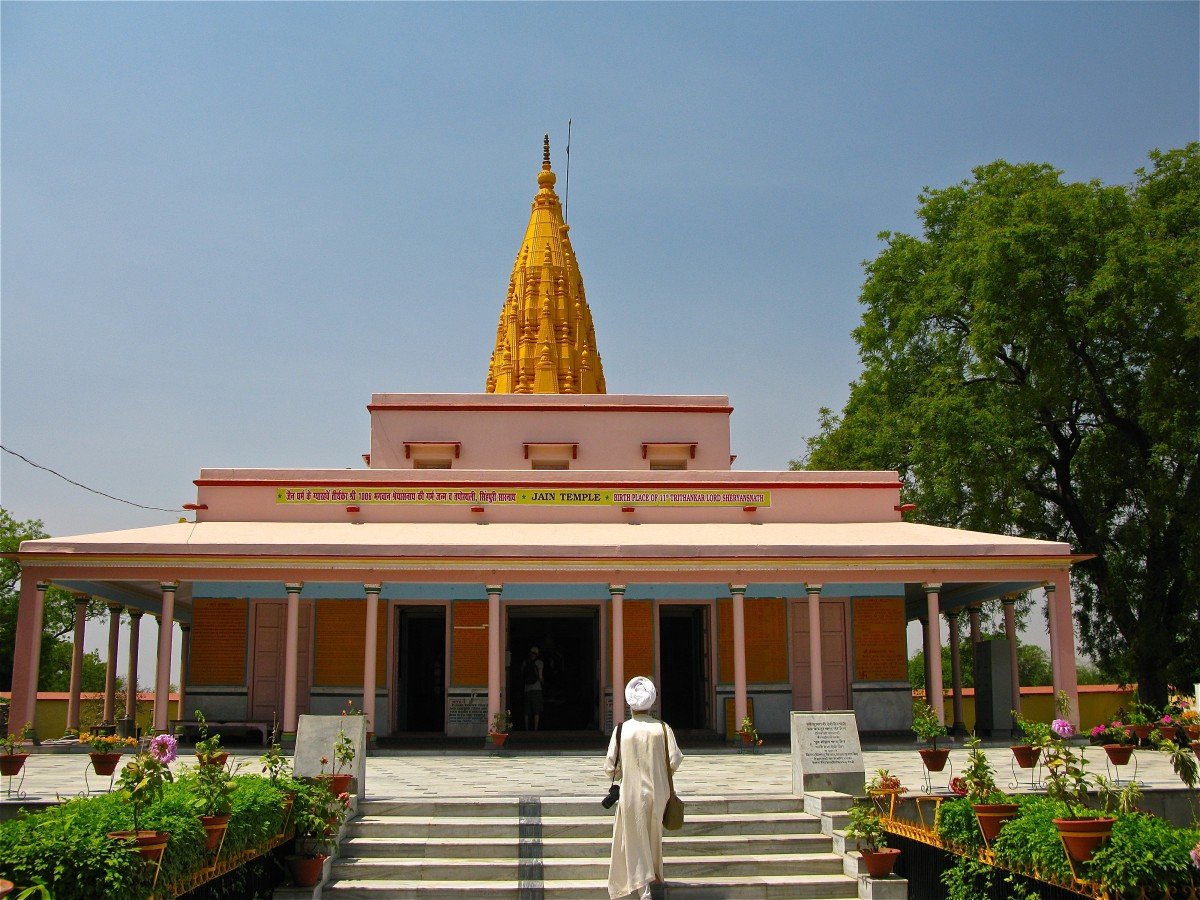
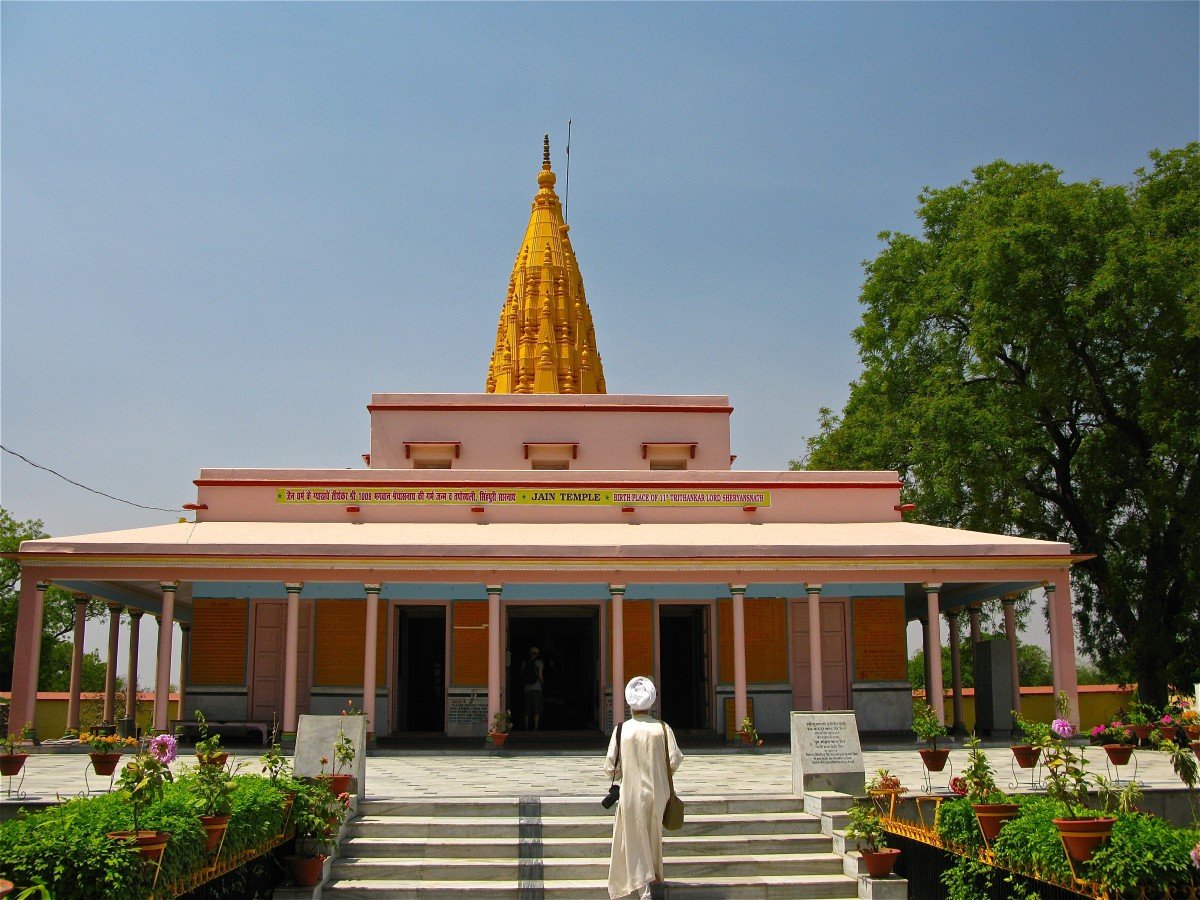
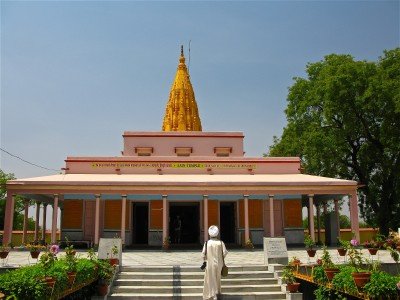 @@Historical Significance: Sarnath is a sacred site for Jainism as well, specifically the nearby area of Simhapuri (modern Singhpuri), which is the revered birthplace of Bhagwan Shreyanshnath, the 11th Jain Tirthankara. The present temple was constructed in 1824 CE to commemorate this location. It is a major pilgrimage center for the followers of the Digamber sect. It stands as a testament to the fact that Varanasi and its surrounding areas were centers for both Jainism and Buddhism in ancient times.:
 @@Historical Significance: The original location of the Lion Capital (India's National Emblem), erected by Emperor Ashoka in the 3rd century BCE to mark where Lord Buddha delivered his first sermon. It symbolized the spread of Dharma. The pillar's fragments remain at the site, with the capital preserved in the adjacent museum. It is a profound link between Buddhism and ancient Indian imperial history, marking the initiation of the Dharma-Chakra-Pravartana (Turning the Wheel of Law). It suffered damage, evidenced by the breakage near the base, but the site itself radiates historical power and spiritual weight.:
Devdari Waterfall is a serene natural cascade located deep inside the Chandraprabha Wildlife Sanctuary. It is formed by the Chandraprabha river falling from a significant height. The water here is crystal clear and flows over stepped rock formations. It is a popular spot for nature lovers and those seeking peace away from Varanasi. The waterfall is surrounded by dense forests that house various species of birds and deer. It is often visited alongside Rajdari waterfall which is just a few kilometers away. The area was originally developed for the conservation of Asiatic Lions. Although lions are gone, the sanctuary remains a biodiversity hotspot. The waterfall creates a beautiful mist that cools the surrounding air. It is a perfect spot for a day-long picnic with family. The tranquility of the place is its biggest draw. Visiting here provides a glimpse into the rugged beauty of the Vindhya range. The trail to the waterfall is scenic and offers many viewing points.
@@Historical Significance: The original location of the Lion Capital (India's National Emblem), erected by Emperor Ashoka in the 3rd century BCE to mark where Lord Buddha delivered his first sermon. It symbolized the spread of Dharma. The pillar's fragments remain at the site, with the capital preserved in the adjacent museum. It is a profound link between Buddhism and ancient Indian imperial history, marking the initiation of the Dharma-Chakra-Pravartana (Turning the Wheel of Law). It suffered damage, evidenced by the breakage near the base, but the site itself radiates historical power and spiritual weight.:
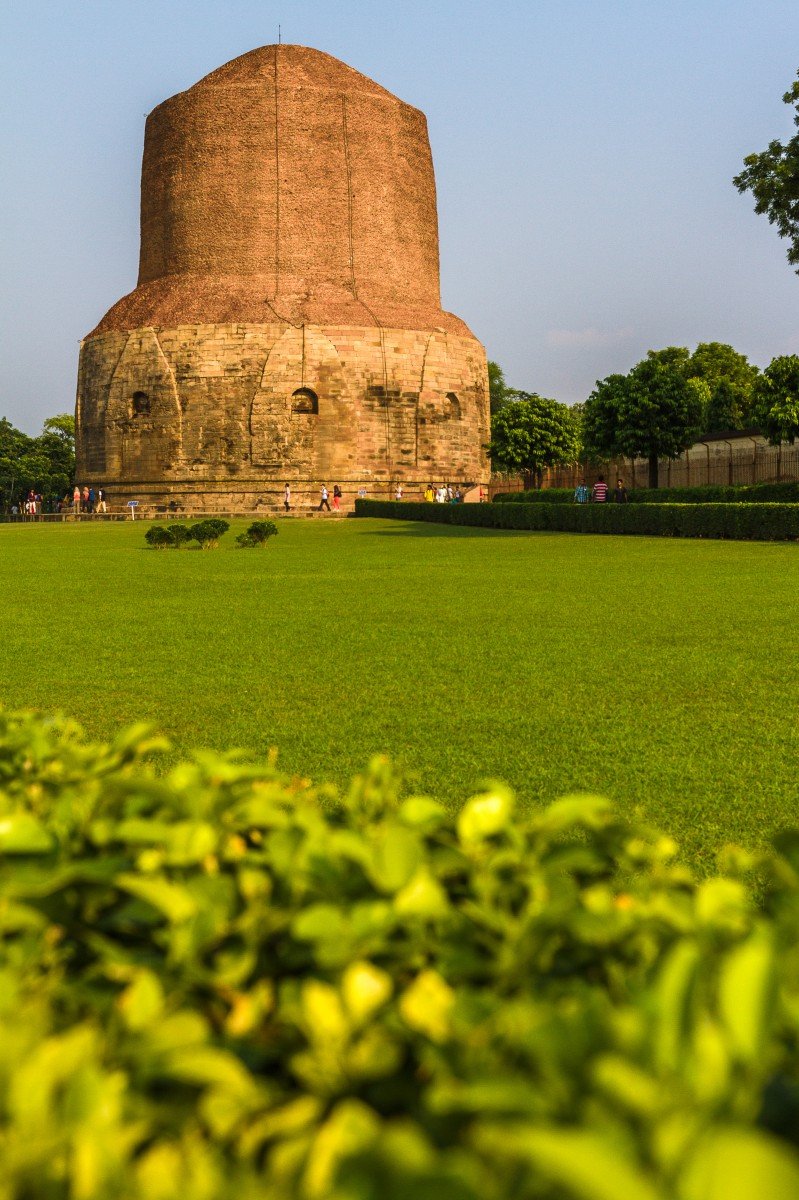
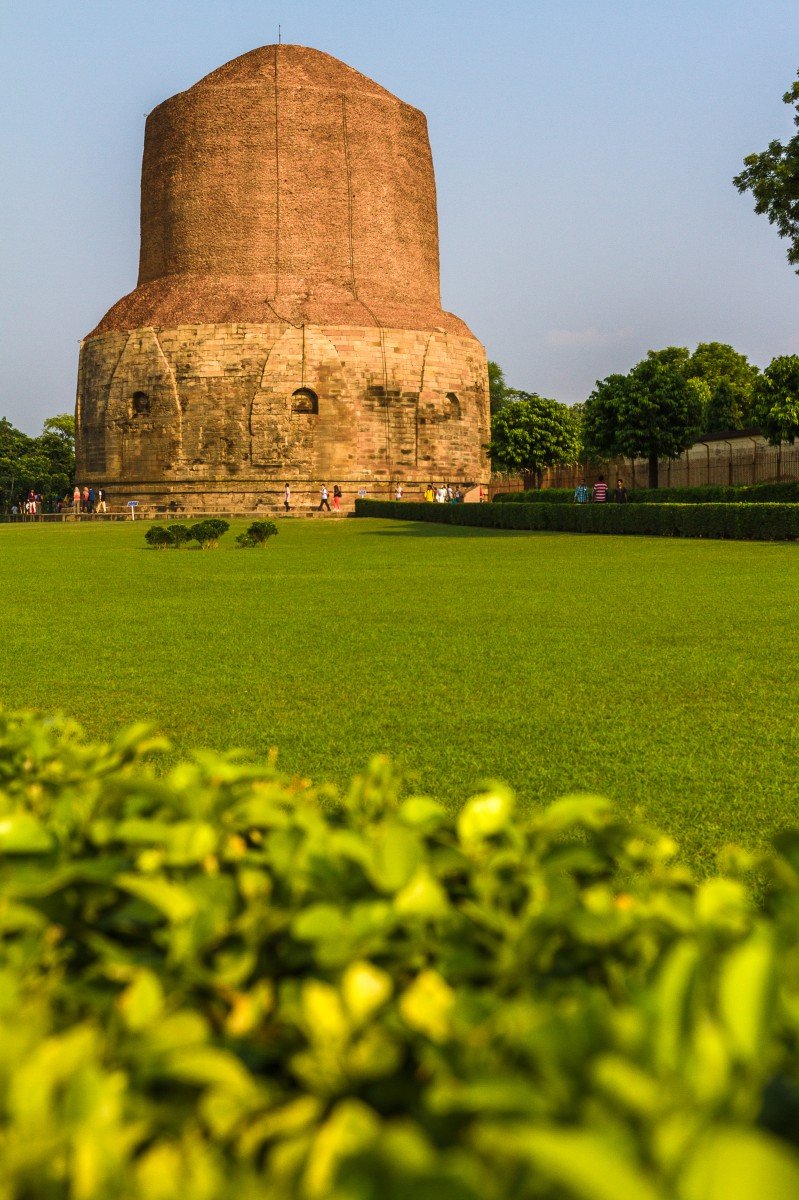
Devdari Waterfall is a serene natural cascade located deep inside the Chandraprabha Wildlife Sanctuary. It is formed by the Chandraprabha river falling from a significant height. The water here is crystal clear and flows over stepped rock formations. It is a popular spot for nature lovers and those seeking peace away from Varanasi. The waterfall is surrounded by dense forests that house various species of birds and deer. It is often visited alongside Rajdari waterfall which is just a few kilometers away. The area was originally developed for the conservation of Asiatic Lions. Although lions are gone, the sanctuary remains a biodiversity hotspot. The waterfall creates a beautiful mist that cools the surrounding air. It is a perfect spot for a day-long picnic with family. The tranquility of the place is its biggest draw. Visiting here provides a glimpse into the rugged beauty of the Vindhya range. The trail to the waterfall is scenic and offers many viewing points. @@Historical Significance: The massive, imposing Dhamek Stupa is the most prominent structure in Sarnath and is believed to mark the precise spot where the Buddha delivered his First Sermon (Dharma-Chakra-Pravartana Sutta) to his five companions. It replaced an earlier structure commissioned by Emperor Ashoka in 249 BCE. The current structure dates primarily from the Gupta period (500 AD) and stands as a powerful testament to the flourishing of Buddhist art and architecture in ancient India. The name "Dhamek" is thought to be a corruption of Dharma Chakra.:
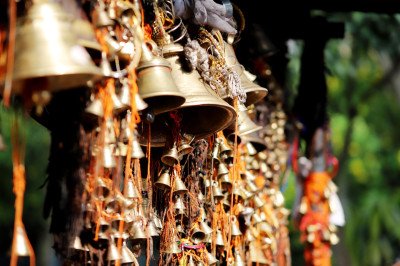 @@Overview of Tibetan Temple: The Tibetan Temple, specifically the one belonging to the Kagyu lineage, is a vibrant and spiritually charged destination in Sarnath. This temple stands as a testament to the resilience and devotion of the Tibetan community in exile and their commitment to preserving their ancient traditions. The Kagyu school is one of the four main lineages of Tibetan Buddhism, often referred to as the "Oral Lineage," and this temple serves as a primary center for its teachings in Northern India. Upon entering, visitors are immediately struck by the explosion of colors—bright reds, yellows, and blues that are characteristic of Himalayan Buddhist art. The temple complex is designed to reflect the traditional monasteries of Lhasa, featuring a main prayer hall (Dukhang) where monks gather for daily chants and rituals. The atmosphere inside the hall is thick with the scent of incense and the low, rhythmic drone of chanting, creating a deeply meditative environment. Surrounding the main building are numerous prayer wheels, which devotees spin in a clockwise direction to accumulate merit and send prayers into the universe. The temple also houses a significant collection of Thangka paintings—intricate scrolls depicting deities, mandalas, and historical masters of the Kagyu line. These artworks are not merely decorative but serve as tools for visualization and meditation. The monastery also functions as an educational hub, where young monks are trained in philosophy, logic, and the classical Tibetan language. The presence of the Tibetan Temple adds a unique layer to the multicultural tapestry of Sarnath, offering a different perspective on the Vajrayana path compared to the other international temples in the area. It is a place where time seems to slow down, and the ancient wisdom of the Himalayas feels accessible to all who enter. For many travelers, a visit here provides a profound sense of peace and a deeper understanding of the diverse ways in which Buddhism is practiced across the globe.
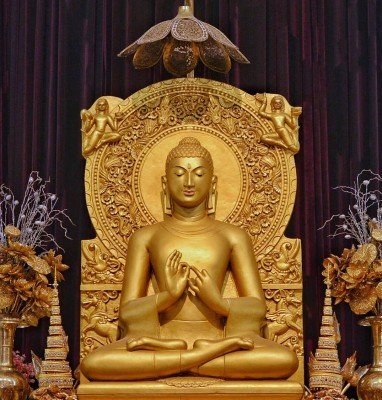 @@Historical Significance: The modern temple, completed in 1931 by the Maha Bodhi Society of India, stands near the ruins of the original Mulagandha Kuti (meaning "fragrant dwelling"), which is believed to be where the Buddha spent the first rainy season (Vassa) after his first sermon. The temple was built to revive Buddhism in India. Its walls are adorned with magnificent frescoes by the renowned Japanese artist Kosetsu Nosu, depicting the major events in the Buddha's life. It houses a sacred relic of the Buddha, which is displayed annually.:
 @@Historical Significance: This colossal statue, standing at 80 feet (approx. 24 meters), is one of the tallest Standing Buddha statues in India. It was built through an Indo-Thai collaboration to symbolize the peaceful message of the Buddha and the enduring ties between the two nations. The statue's scale is meant to inspire awe and devotion, much like the great ancient statues it emulates. It represents the modern era of Buddhist revival and international cooperation in Sarnath.:Show All
@@Historical Significance: Believed to be the place where Lord Buddha met his first five disciples (Pancha Vargiya Bhikshus) on his journey from Bodh Gaya to Sarnath. It marks a significant moment before his first sermon. Originally a tiered temple built during the Gupta period (4th-6th century AD), it was later modified. Its name, "Chaukhandi," is thought to be derived from its four-armed design in its original form. It stands as a powerful, silent sentinel to the beginnings of the Sangha (monastic order).:
@@Historical Significance: This colossal statue, standing at 80 feet (approx. 24 meters), is one of the tallest Standing Buddha statues in India. It was built through an Indo-Thai collaboration to symbolize the peaceful message of the Buddha and the enduring ties between the two nations. The statue's scale is meant to inspire awe and devotion, much like the great ancient statues it emulates. It represents the modern era of Buddhist revival and international cooperation in Sarnath.:Show All
@@Historical Significance: Believed to be the place where Lord Buddha met his first five disciples (Pancha Vargiya Bhikshus) on his journey from Bodh Gaya to Sarnath. It marks a significant moment before his first sermon. Originally a tiered temple built during the Gupta period (4th-6th century AD), it was later modified. Its name, "Chaukhandi," is thought to be derived from its four-armed design in its original form. It stands as a powerful, silent sentinel to the beginnings of the Sangha (monastic order).:Information
-
Why Famous:
Birth of Buddhism: It is world-famous as the place where the Buddha taught the Four Noble Truths and the Eightfold Path, changing the spiritual landscape of Asia.
Archaeological Museum: The museum houses the Lion Capital, which is an icon of...Birth of Buddhism: It is world-famous as the place where the Buddha taught the Four Noble Truths and the Eightfold Path, changing the spiritual landscape of Asia.
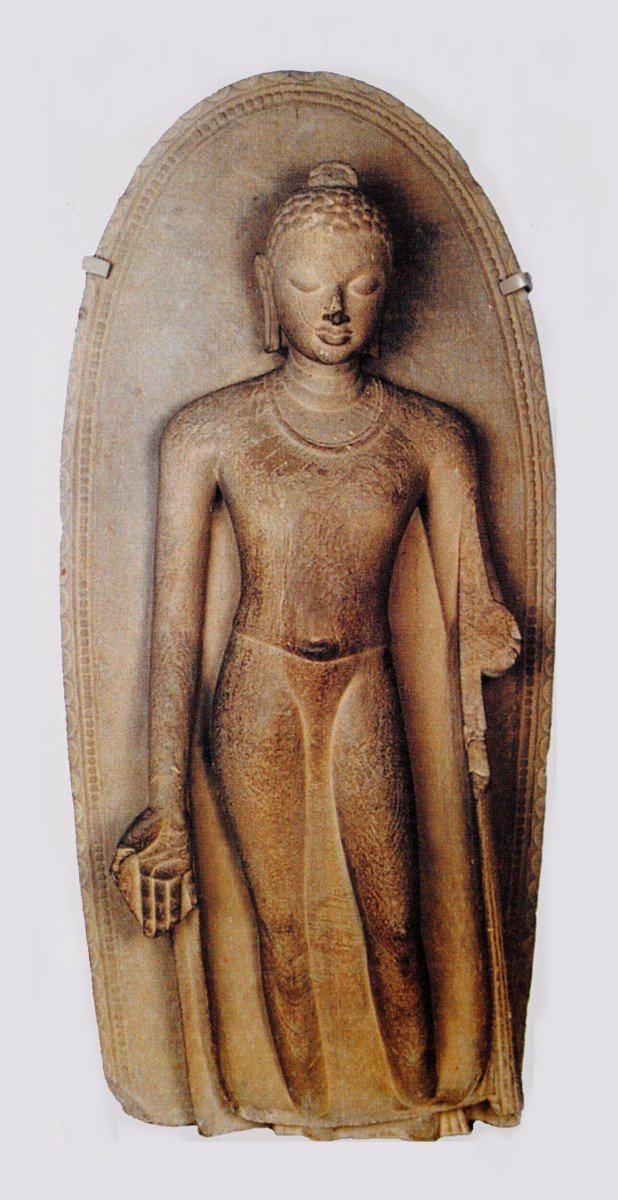
Archaeological Museum: The museum houses the Lion Capital, which is an icon of Indian sovereignty and one of the finest examples of Mauryan polished stone sculpture.
International Monasteries: Sarnath is a hub for global Buddhism, featuring temples built by Japan, Thailand, Tibet, and Sri Lanka, each showcasing their unique national architecture. -
Architecture:
Dhamek Stupa Dimensions: The stupa has a diameter of 28 meters at its base and is adorned with intricate floral and geometric carvings from the Gupta period, reflecting high artistic skill.
Chaukhandi Stupa Octagon: This stupa is crowned wit...Dhamek Stupa Dimensions: The stupa has a diameter of 28 meters at its base and is adorned with intricate floral and geometric carvings from the Gupta period, reflecting high artistic skill.
Chaukhandi Stupa Octagon: This stupa is crowned with an octagonal tower built by Mughal Emperor Akbar in 1588 to commemorate his father Humayun's visit to the sacred Buddhist site.
Vihara Ruins: The architectural remains of the ancient monasteries show a sophisticated layout of monk cells, assembly halls, and drainage systems dating from the Mauryan to the Gupta eras. -
How To Reach:
By Air: Lal Bahadur Shastri International Airport in Varanasi is only 25 KM away, offering direct flights to Delhi, Mumbai, Bangkok, and Colombo.
By Train: Varanasi Junction (BSB) is the major railhead located 10 KM away, while Sarnath (SRNT...By Air: Lal Bahadur Shastri International Airport in Varanasi is only 25 KM away, offering direct flights to Delhi, Mumbai, Bangkok, and Colombo.
By Train: Varanasi Junction (BSB) is the major railhead located 10 KM away, while Sarnath (SRNT) station serves local passenger trains coming from the Gorakhpur direction.
By Road: Regular buses, taxis, and auto-rickshaws ply between Varanasi city and Sarnath throughout the day, taking about 30 minutes depending on the traffic conditions.
By Local Transport: Within the small town of Sarnath, most attractions are within walking distance, but cycle rickshaws are readily available for moving between the distant monasteries. -
Weather and Best Time to Visit:
Winter Months (Nov-Feb): The weather is cold and crisp with temperatures around 15°C, which is the peak season for international pilgrims and comfortable for all-day walking tours.
Spring Season (Mar-Apr): This short window offers pleasant ...Winter Months (Nov-Feb): The weather is cold and crisp with temperatures around 15°C, which is the peak season for international pilgrims and comfortable for all-day walking tours.
Spring Season (Mar-Apr): This short window offers pleasant weather before the summer heat sets in, making it a great time for photography without the heavy winter crowds.
Morning Hours: Visiting between 6:00 AM and 9:00 AM is highly recommended to enjoy the serene chanting of monks and the cool, peaceful atmosphere of the ruins. -
Near Tourist Places:
Varanasi (10 KM), Ramnagar Fort (22 KM), Chunar Fort (45 KM), Vindhyachal (85 KM), Jaunpur (65 KM), Ghazipur (75 KM), Prayagraj (130 KM), Mirzapur (70 KM), Kaushambi (165 KM), Sasaram (125 KM)
Tourism Tips
-
Health & Safety: Carry a mask for protection against dust in the open ruins and stay hydrated; avoid street food from unlicensed vendors to prevent stomach upsets during your trip.
Packing for Pilgrimage: Wear modest clothing that covers sh...Health & Safety: Carry a mask for protection against dust in the open ruins and stay hydrated; avoid street food from unlicensed vendors to prevent stomach upsets during your trip.
Packing for Pilgrimage: Wear modest clothing that covers shoulders and knees as a mark of respect in the temples; slip-on shoes are convenient as you must remove them frequently.
Accommodation Tips: While many stay in Varanasi, there are several peaceful guest houses and monastery-run accommodations in Sarnath for those seeking a quiet, spiritual stay.
Guide Services: Hire only government-approved guides at the museum entrance to get authentic historical information and avoid overpaying for informal tours around the complex.
Reviews
FAQs
Sarnath Itineray And Cost:-
Other Places In Uttar Pradesh :-
Other States In India :-
Information about New and Updated Locations() of Uttar Pradesh Has Been Added :-
Card subtitle
Note:-
Information provided here in good Faith and for reference only.
Near Places
Agra
Some quick example text to build on the card title and make up the bulk of the card's content.
Go somewhere
Aligarh
Some quick example text to build on the card title and make up the bulk of the card's content.
Go somewhere
Ayodhya
Some quick example text to build on the card title and make up the bulk of the card's content.
Go somewhere
Azamgarh
Some quick example text to build on the card title and make up the bulk of the card's content.
Go somewhere
Bahraich
Some quick example text to build on the card title and make up the bulk of the card's content.
Go somewhere
Bareilly
Some quick example text to build on the card title and make up the bulk of the card's content.
Go somewhere
Chitrakoot
Some quick example text to build on the card title and make up the bulk of the card's content.
Go somewhere
Fatehpur Sikri
Some quick example text to build on the card title and make up the bulk of the card's content.
Go somewhere
Ghaziabad
Some quick example text to build on the card title and make up the bulk of the card's content.
Go somewhere
Gorakhpur
Some quick example text to build on the card title and make up the bulk of the card's content.
Go somewhere
Hastinapur
Some quick example text to build on the card title and make up the bulk of the card's content.
Go somewhere
Jhansi
Some quick example text to build on the card title and make up the bulk of the card's content.
Go somewhere
Kanpur
Some quick example text to build on the card title and make up the bulk of the card's content.
Go somewhere
Kushinagar
Some quick example text to build on the card title and make up the bulk of the card's content.
Go somewhere
Lucknow
Some quick example text to build on the card title and make up the bulk of the card's content.
Go somewhere
Mathura
Some quick example text to build on the card title and make up the bulk of the card's content.
Go somewherein Other Cities